Loading
by BlastRoom
Students identify postwar labor systems, Reconstruction's end, Jim Crow, and long-term effects.
#us_history#us_grade_8_social_studies
20 questions
One question set, multiple game modes. Tap any game to see it in action. Not sure which to pick?
Answer to place stones and capture territory.
Outrun the snow together.
Earn blasts, then hunt the other team.
Answer to earn energy, then climb.

The class blasts through walls together.
Bid on mystery lots. Most money wins.
Sell tours. Nice, standard, or a total scam.

Answer, restock, and serve the rush.
More correct answers pulls the rope your way.
Answer, then shoot down the alien wave.
Answer, then tap to leap the frozen ridge.
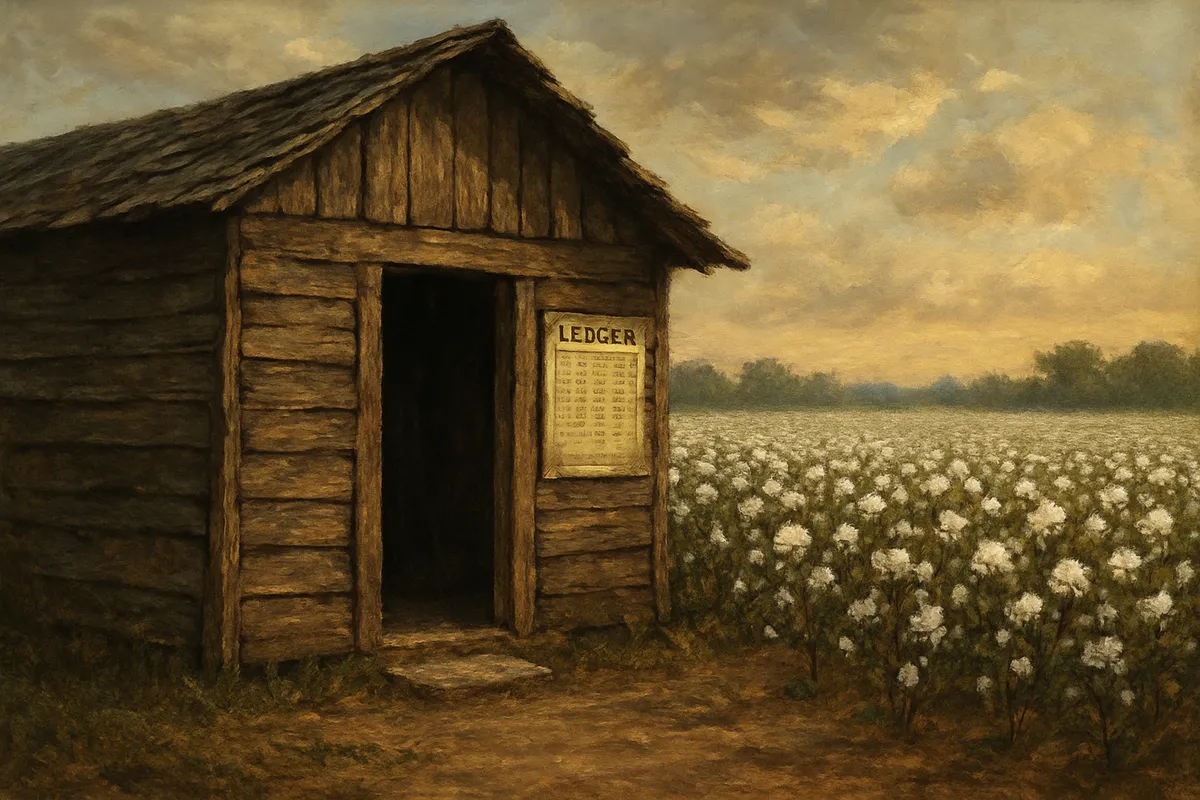
A freed family farms a landowner's acres, uses seed and tools bought on credit, and gives the owner half the cotton harvest. Which postwar labor system is described?
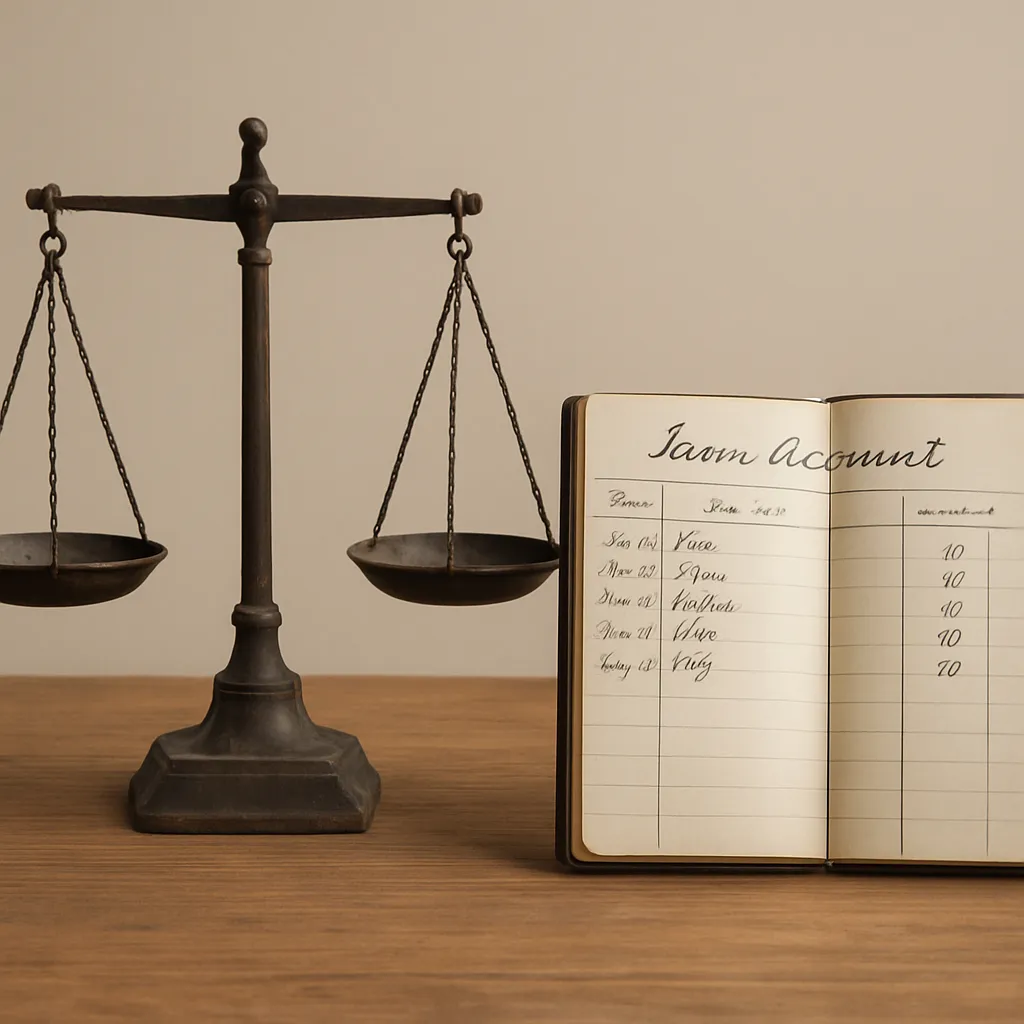
A farmer pays a landowner a set sum of money for a year's use of the land and keeps the whole harvest. Which postwar arrangement is described?
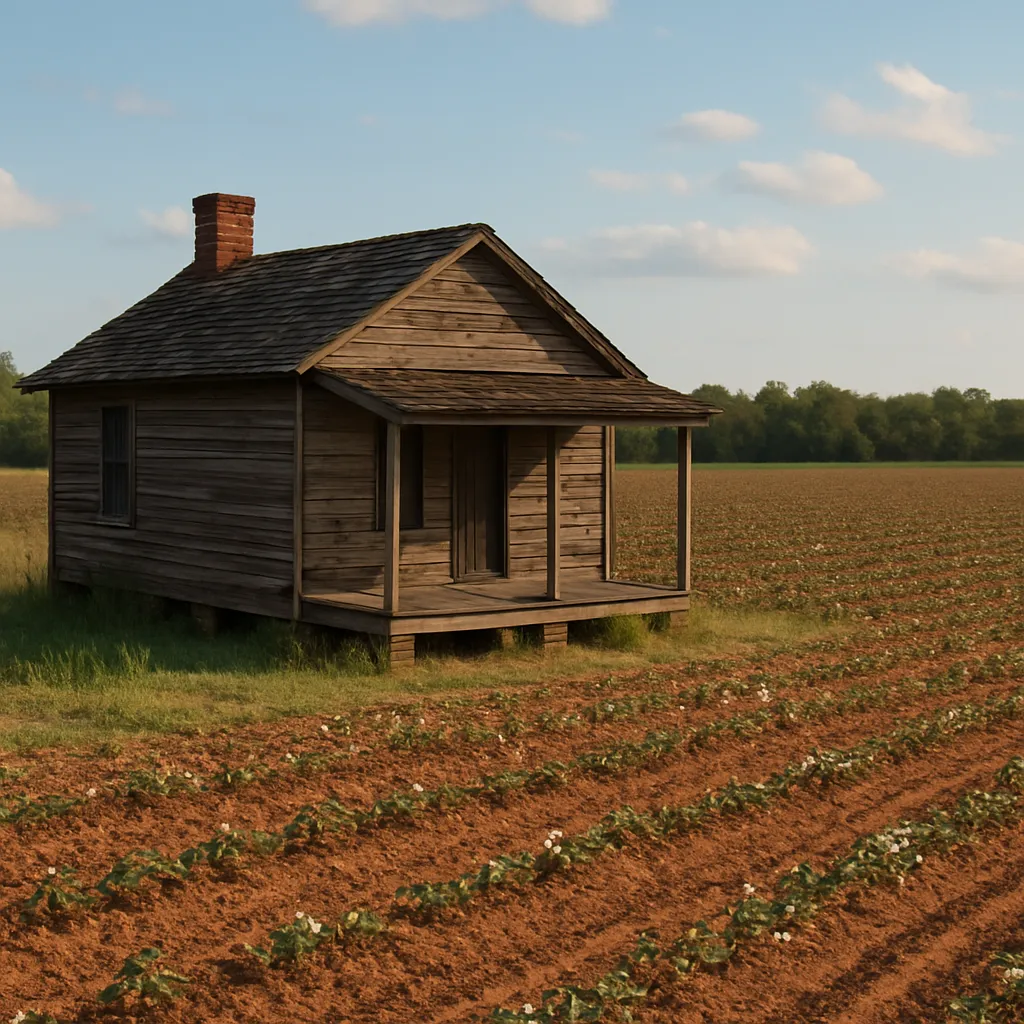
A local store gives a farmer food and supplies until harvest, and the farmer must pledge the coming crop to repay them with high interest. Which system is described?

A southern state arrests Black men under vagrancy laws and leases their labor to railroads or mines. Which postwar labor system is described?
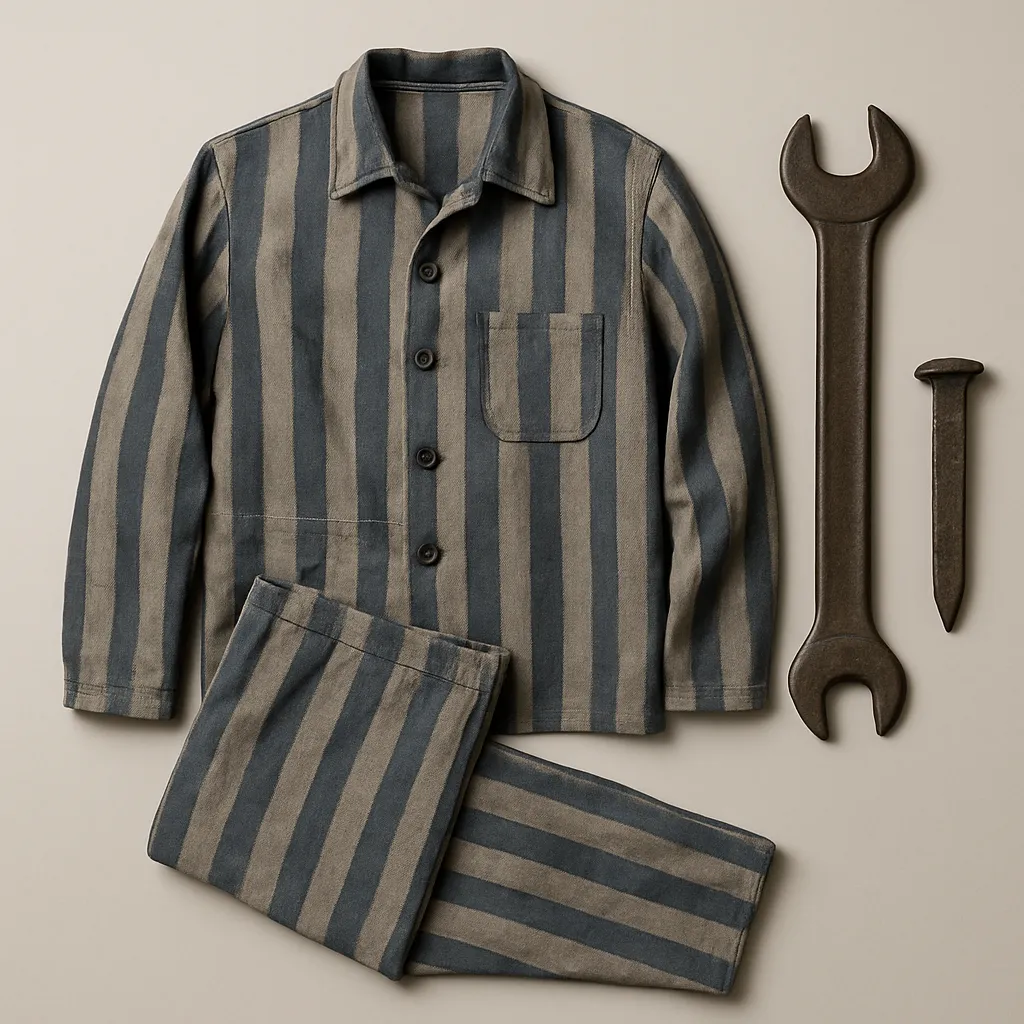
A planter hires a freed worker for monthly pay under a written agreement witnessed by federal agents. Which postwar arrangement is described?

The shaded states are the three Southern states whose disputed electoral votes left the 1876 presidential election undecided. Afterward, Republicans received the presidency and troops left parts of the South. Which agreement is linked to this change?
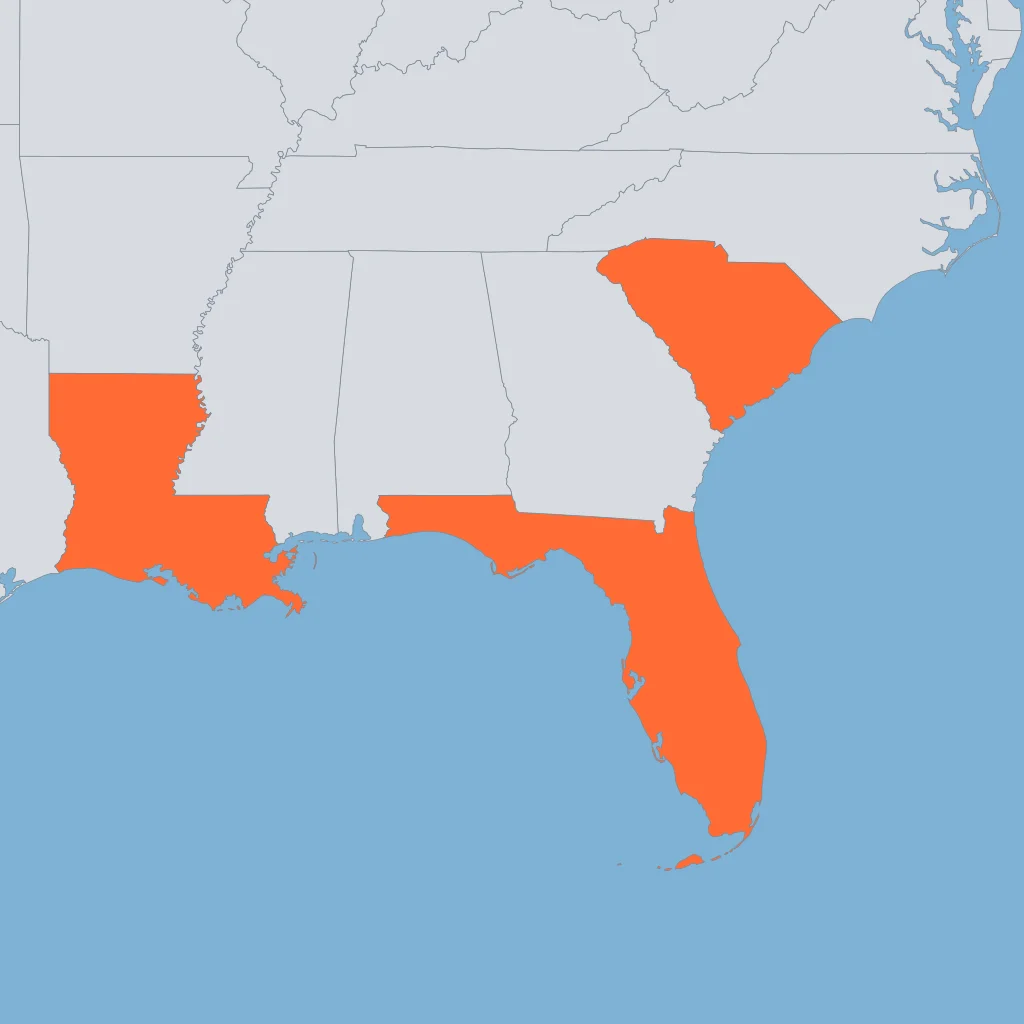
In April 1877, the last Republican state governments in Louisiana and South Carolina fell soon after a federal decision. What was that decision?
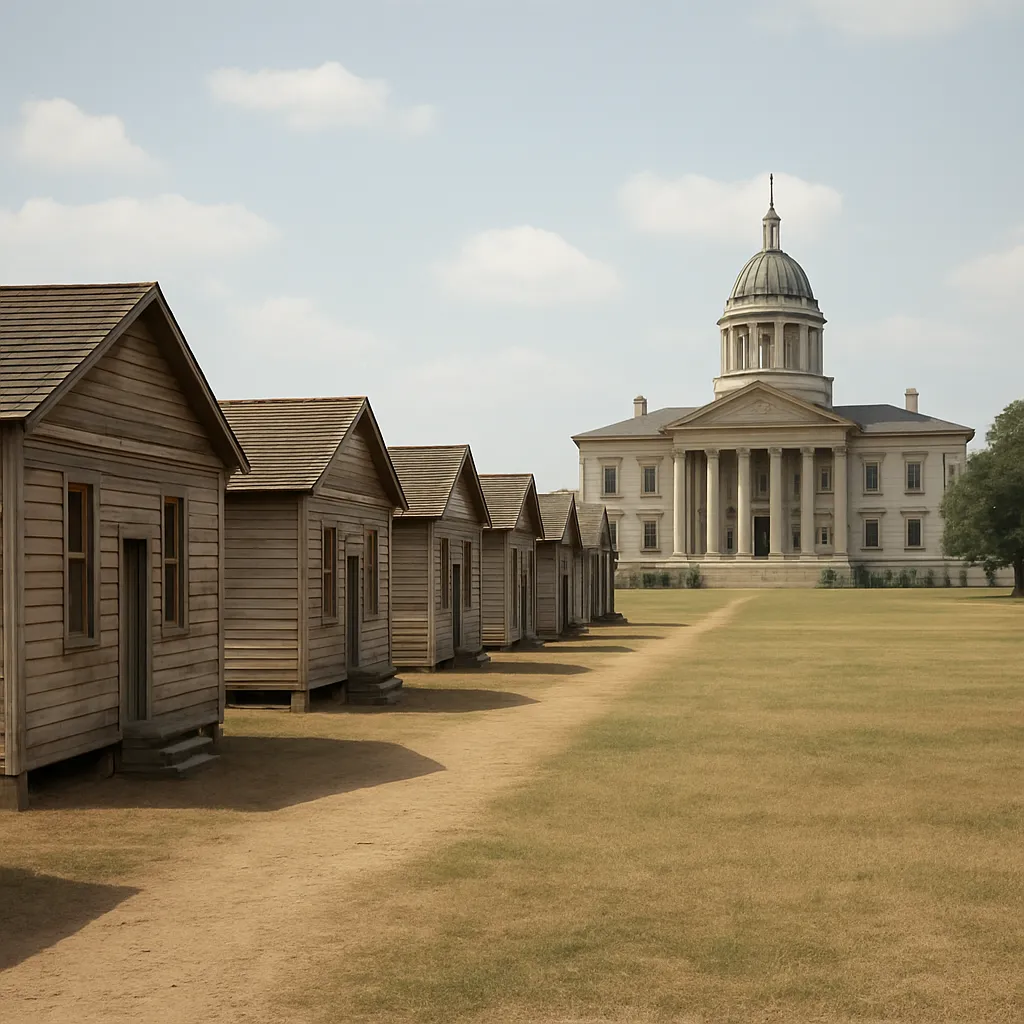
Disputed returns from four states led to an electoral commission that awarded Rutherford B. Hayes the presidency. Which crisis pushed Reconstruction toward its end?
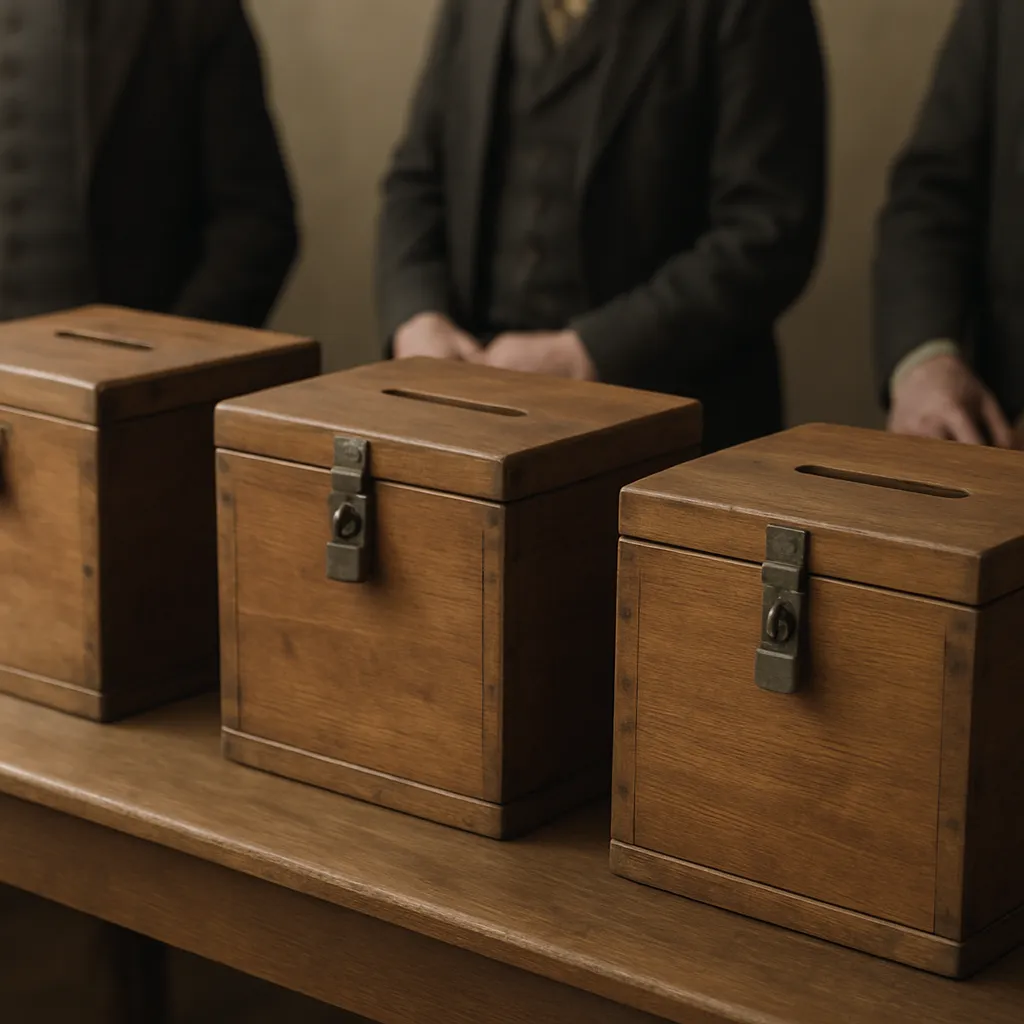
When military protection ended in 1877, the remaining Republican-led southern governments lost federal backing. What political change followed?
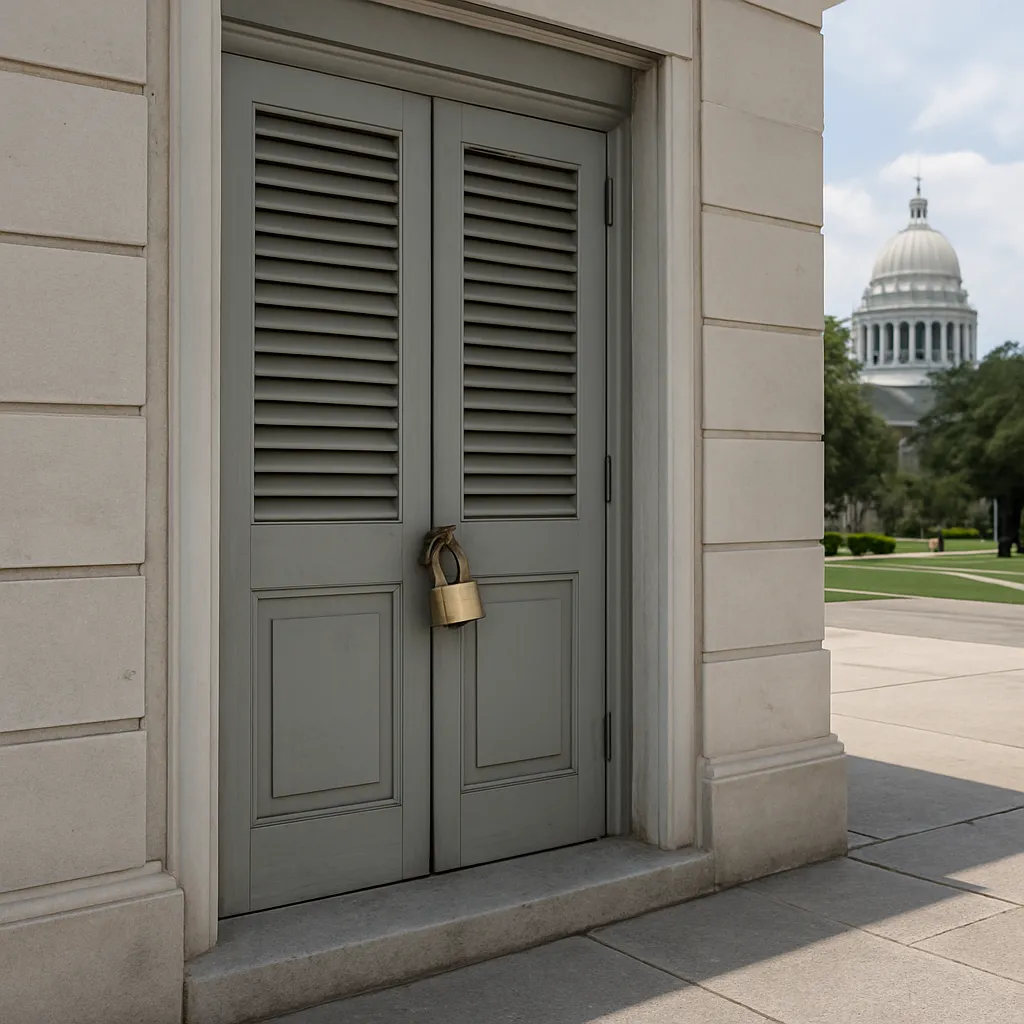
The timeline shows the 1867 Reconstruction Acts. What did these acts require of former Confederate states?
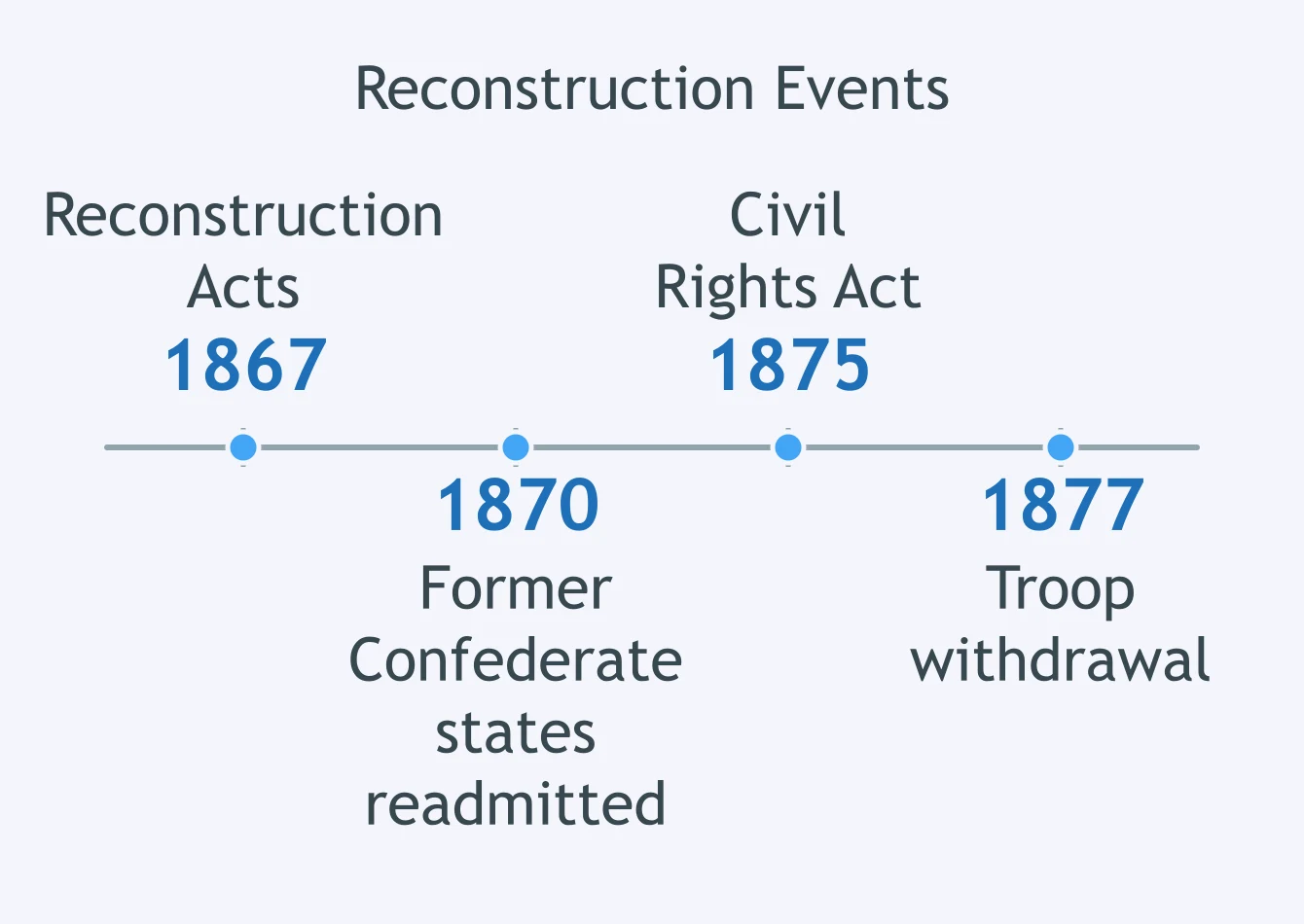
Southern states used poll taxes, literacy tests, and grandfather clauses to keep many Black citizens from voting. What rights rollback were these measures designed to cause?
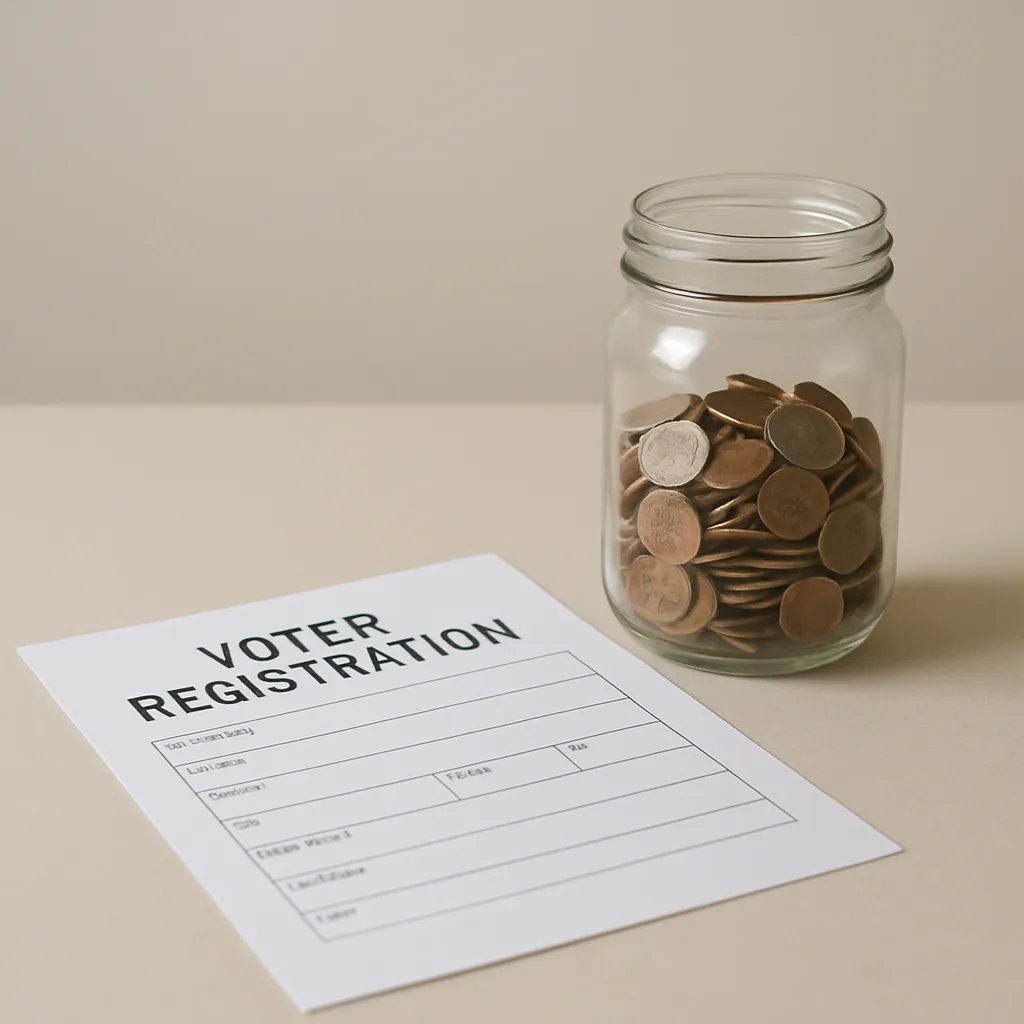
A state law required Black and white passengers to use separate railroad cars, and courts tolerated 'separate but equal.' What system did this support?
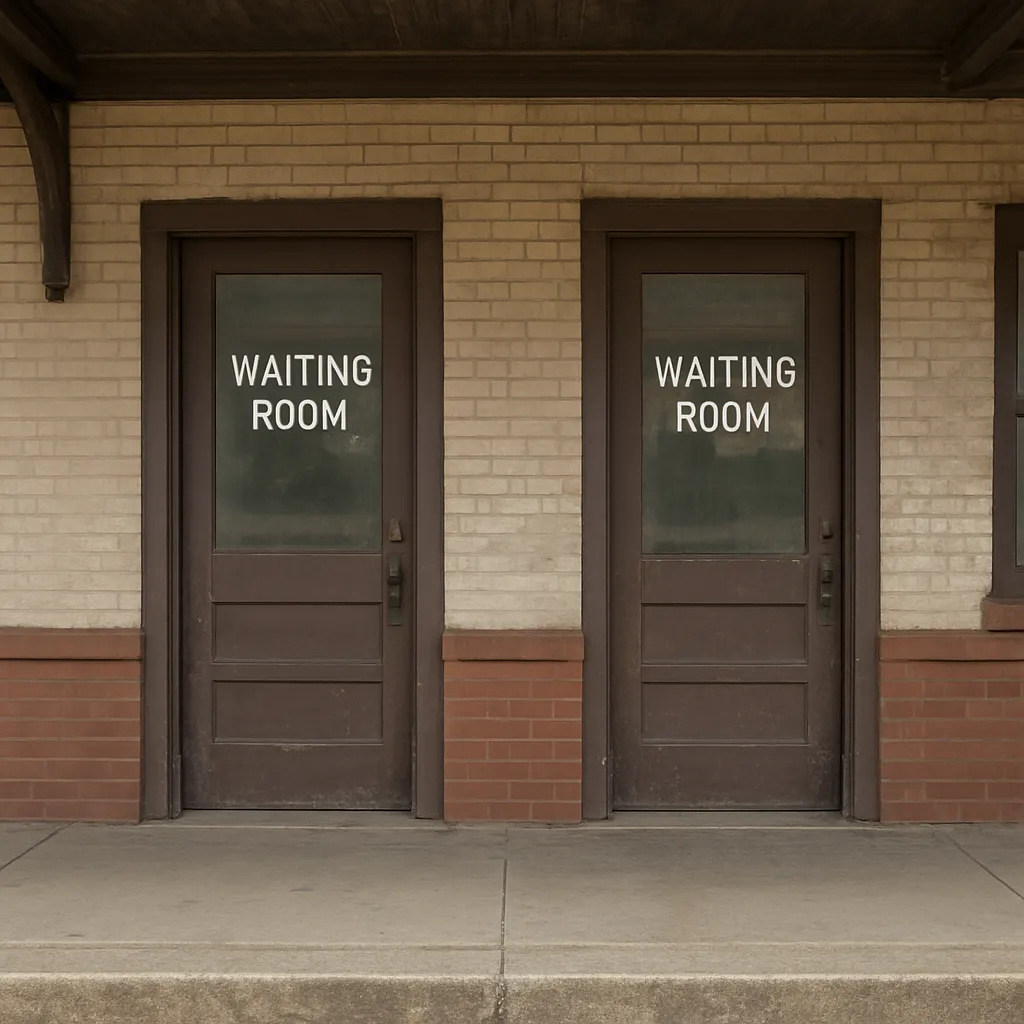
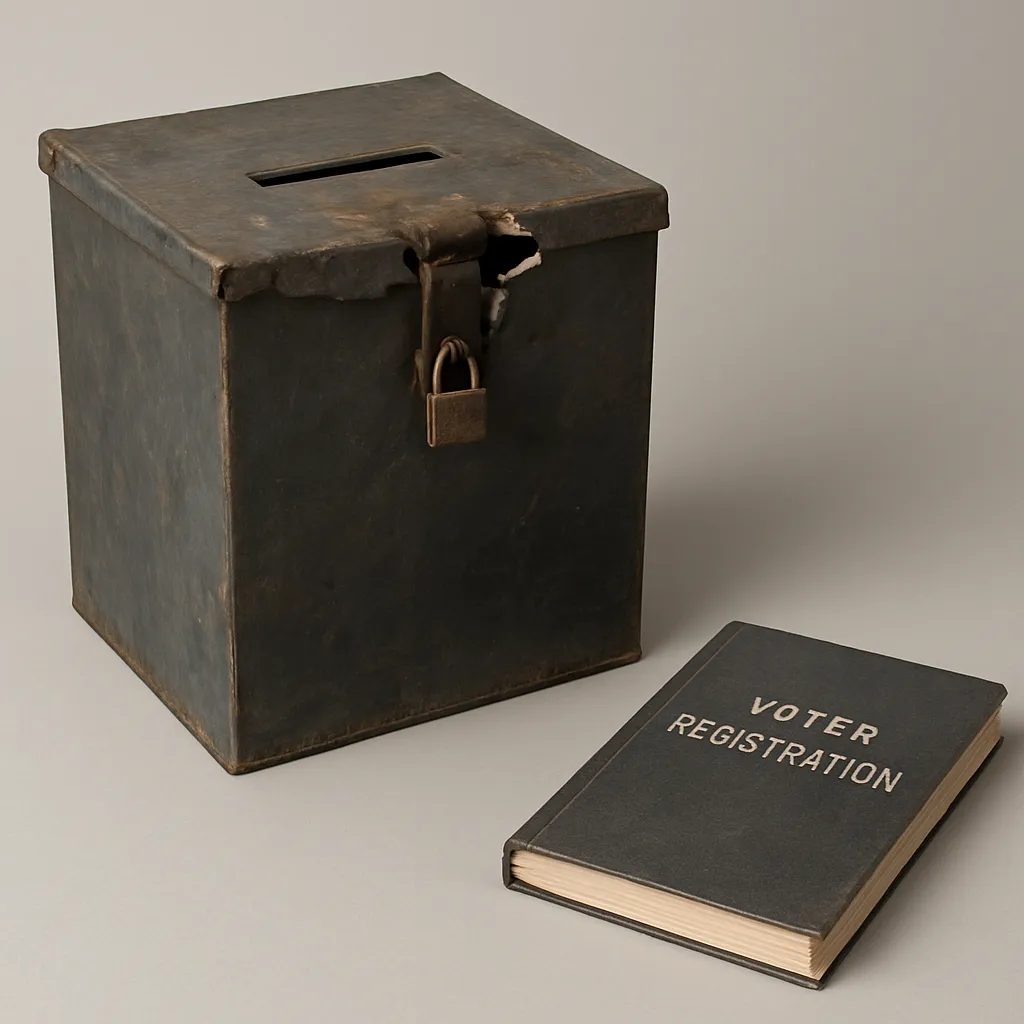
After Reconstruction, southern laws and violence sharply reduced Black voting despite the Fifteenth Amendment. What constitutional promise was being undermined?
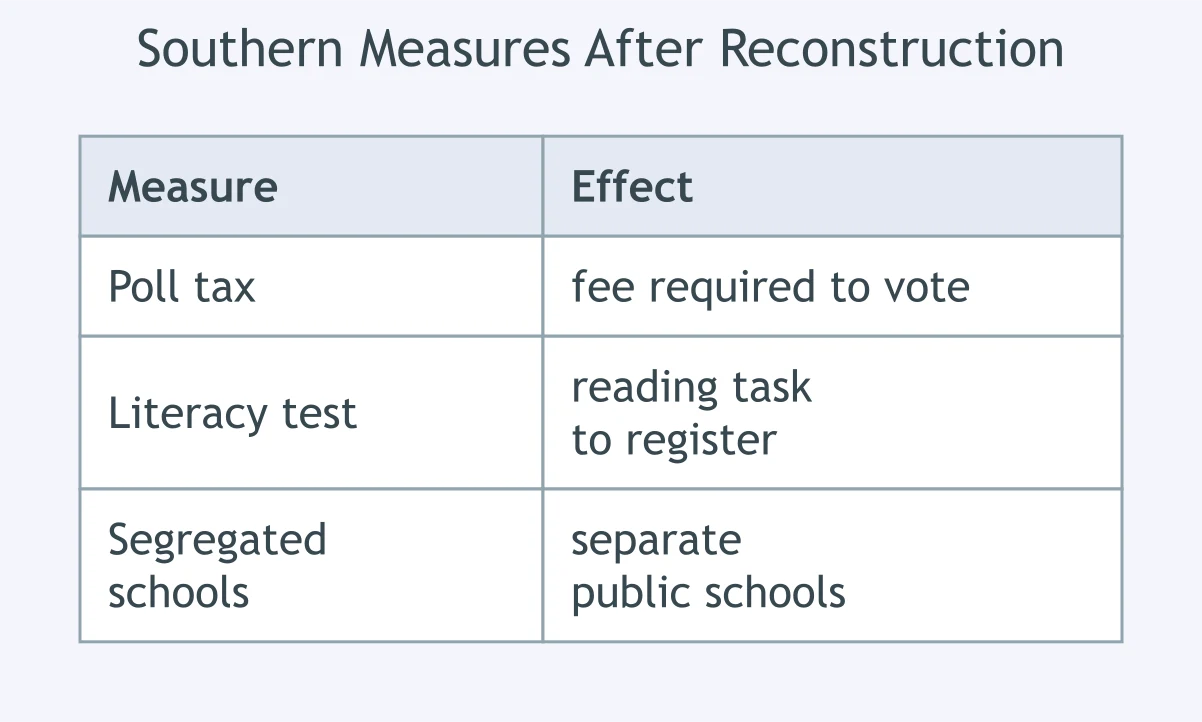
Use the table of southern state measures after Reconstruction. What system did these measures build?
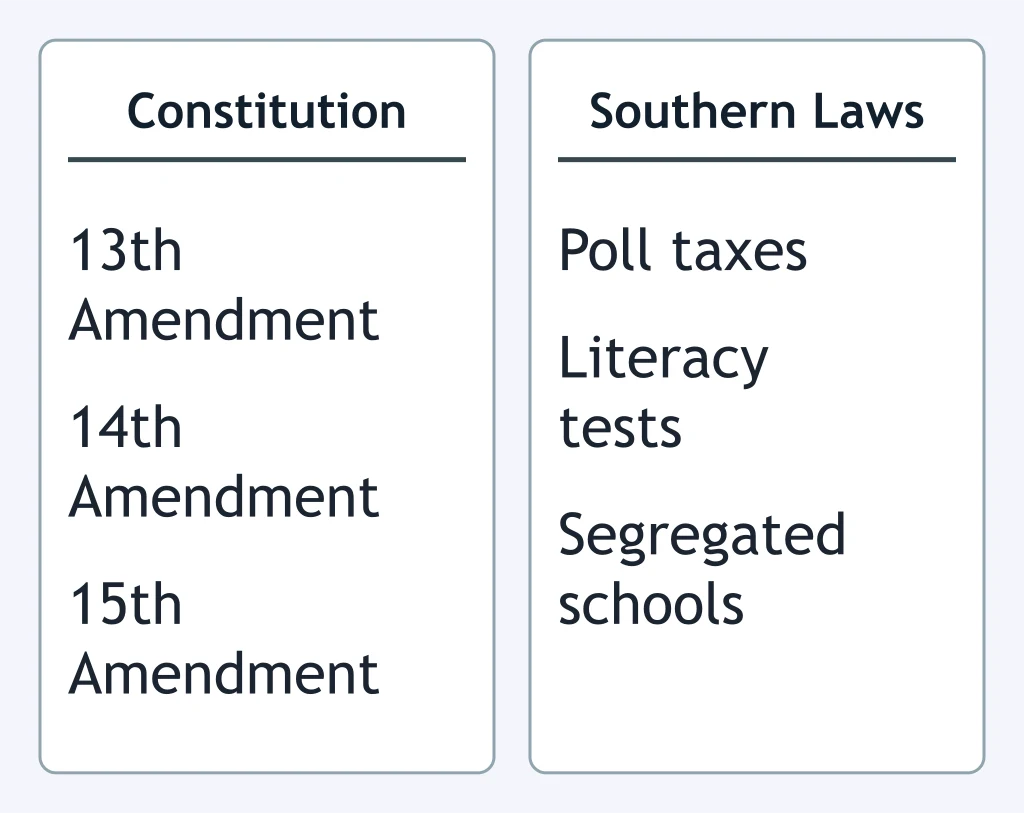
Black Codes came soon after the Civil War, and Jim Crow laws came after Reconstruction ended. What pattern connects them?
The Reconstruction Amendments stayed in the Constitution, but enforcement weakened after 1877. What long-term effect does this show?
Which lasting Reconstruction legacy did the Freedmen's Bureau help create that still serves Black communities today?
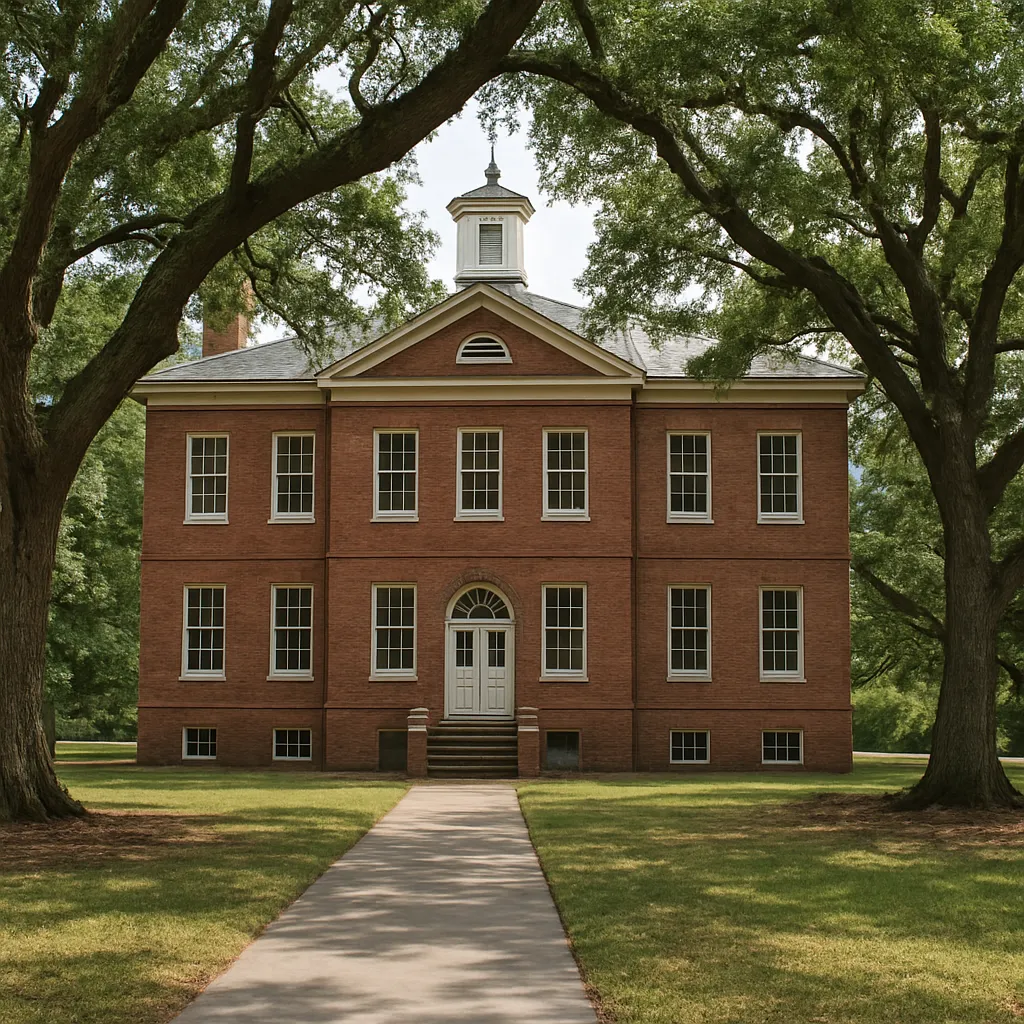
Decades later, NAACP lawyers in Brown v. Board of Education relied on the Fourteenth Amendment's equal protection clause. What long-term legacy of Reconstruction does this show?
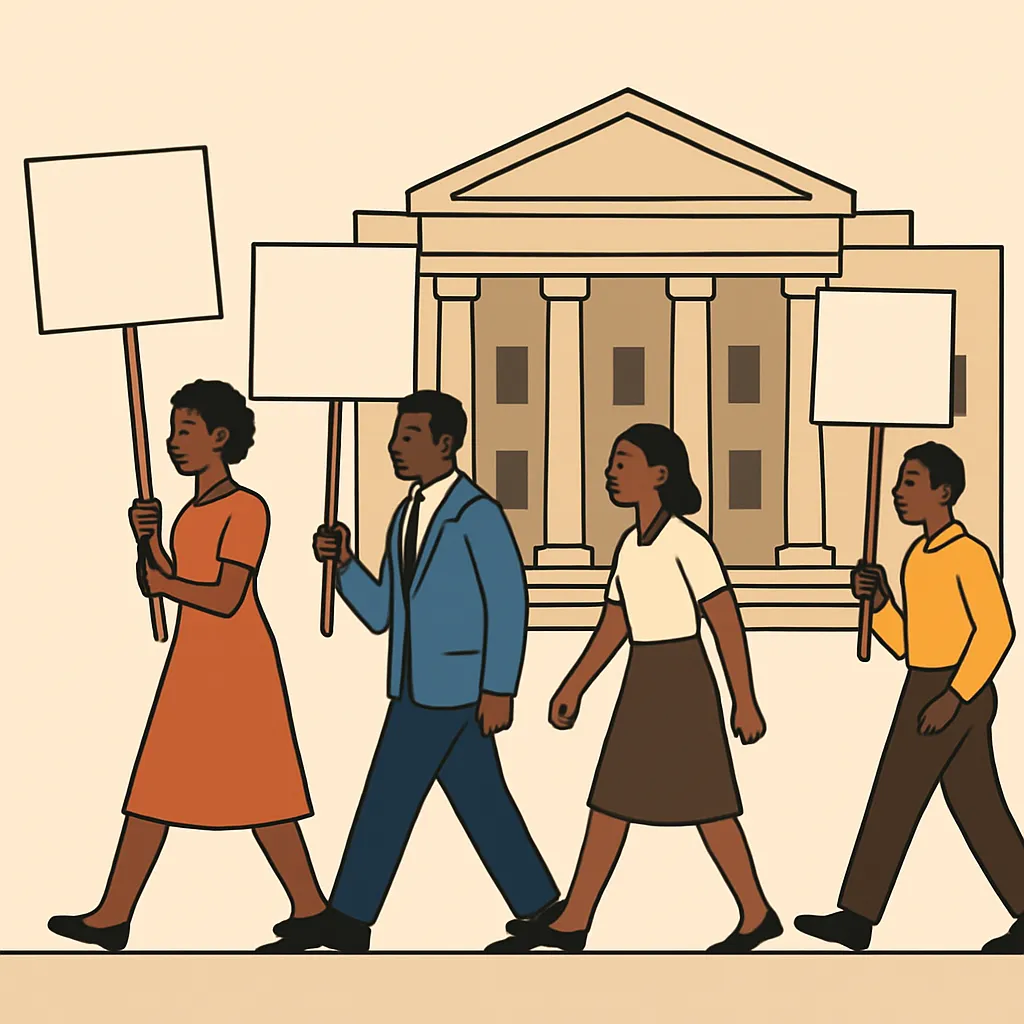
Into the 1900s, many rural Black families in the South still farmed land they did not own, and few could save enough to buy their own. What long-term economic legacy followed Reconstruction?

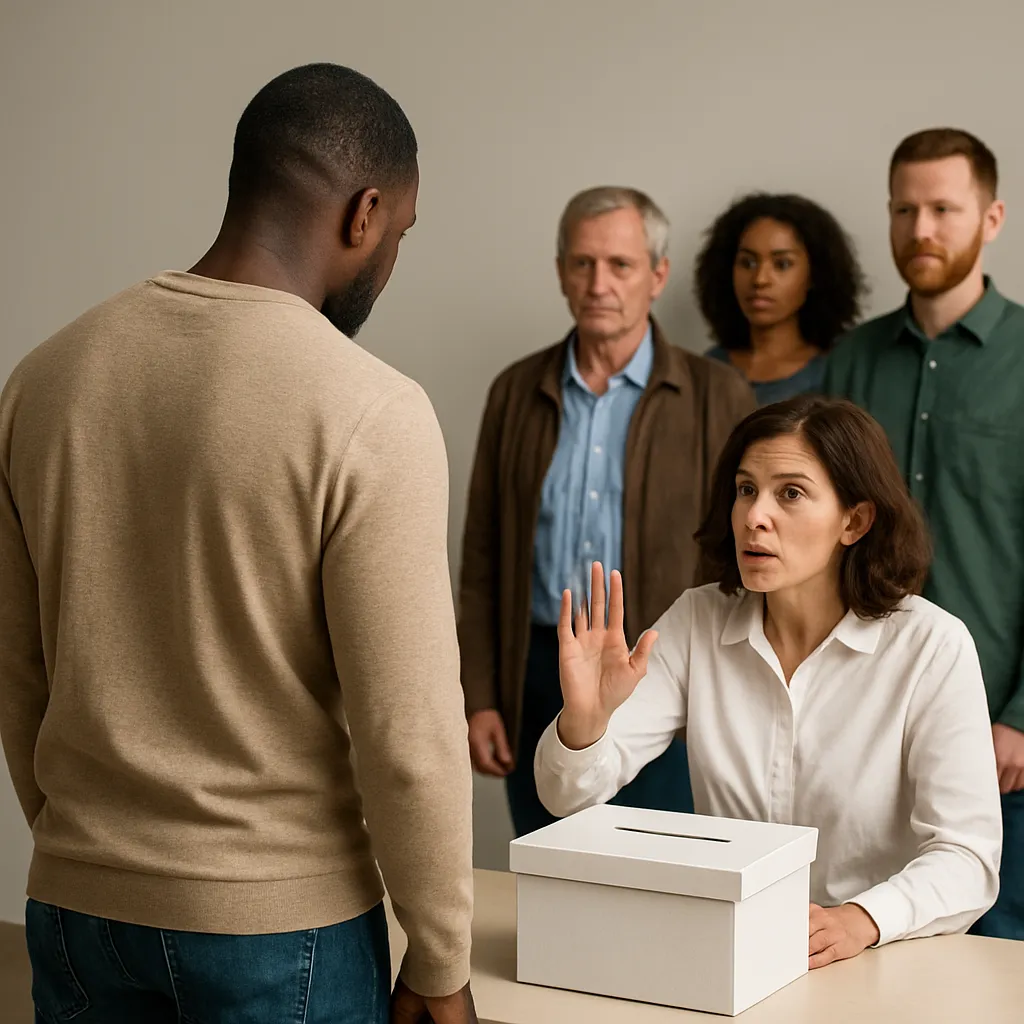
Poll taxes and literacy tests lasted for decades after Reconstruction, and federal voting protections returned in the 20th century. What legacy is shown?
Crack the passcode before the zombies get in.
Answer, then swat bugs for bonus points.
Race through questions at your own speed.
Same question on every screen. Fastest wins.

Pick a tile, answer, hit bonuses and steals.

The Three Branches and Checks and Balances
40 questions