Loading
by BlastRoom
Civilians, women, and Black Americans faced new hardships, roles, and policies during the Civil War.
#us_history#us_grade_8_social_studies
20 questions
One question set, multiple game modes. Tap any game to see it in action. Not sure which to pick?
Answer to place stones and capture territory.
Outrun the snow together.
Earn blasts, then hunt the other team.
Answer to earn energy, then climb.

The class blasts through walls together.
Bid on mystery lots. Most money wins.
Sell tours. Nice, standard, or a total scam.

Answer, restock, and serve the rush.
More correct answers pulls the rope your way.
Answer, then shoot down the alien wave.
Answer, then tap to leap the frozen ridge.
Southern families faced shortages of salt, coffee, cloth, and medicine because few ships could reach Southern ports. What caused this?
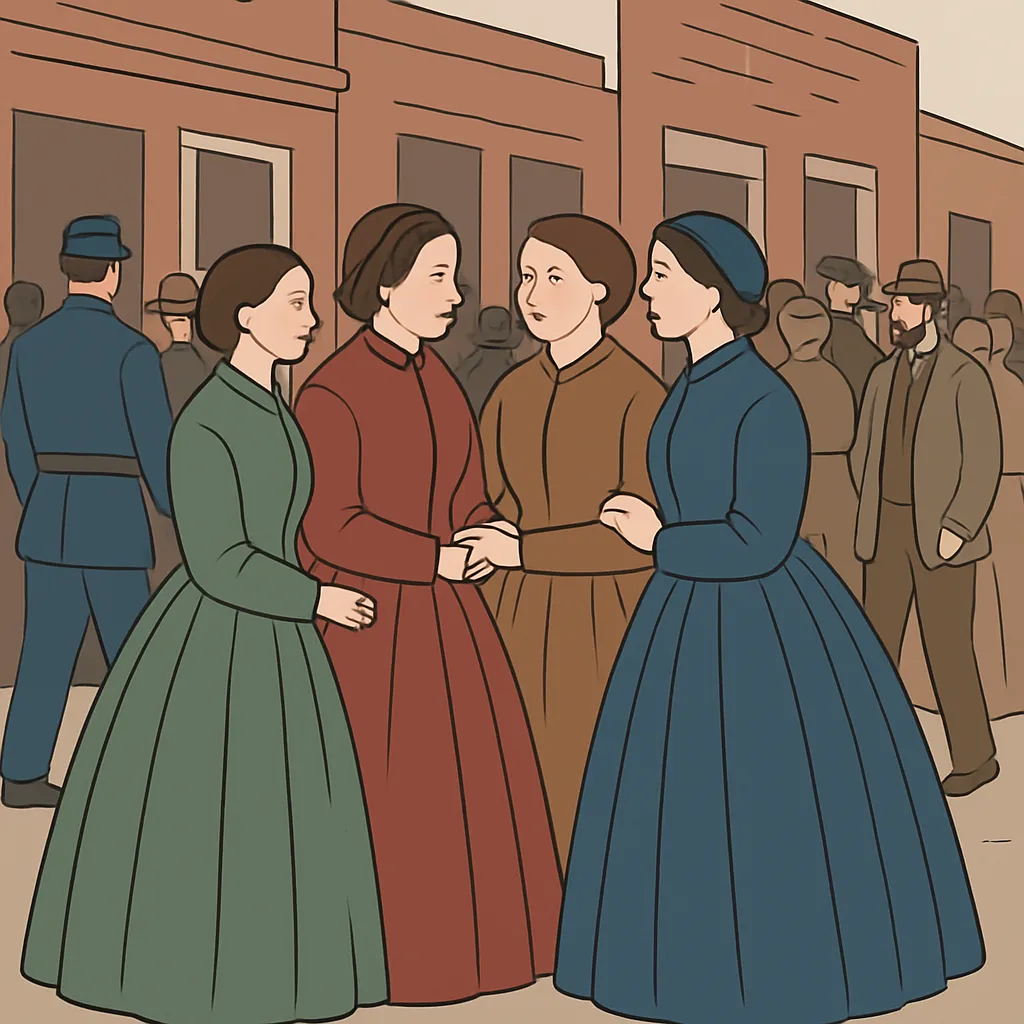
In April 1863, hundreds of women in Richmond marched to shops and seized food and goods. What were they protesting?
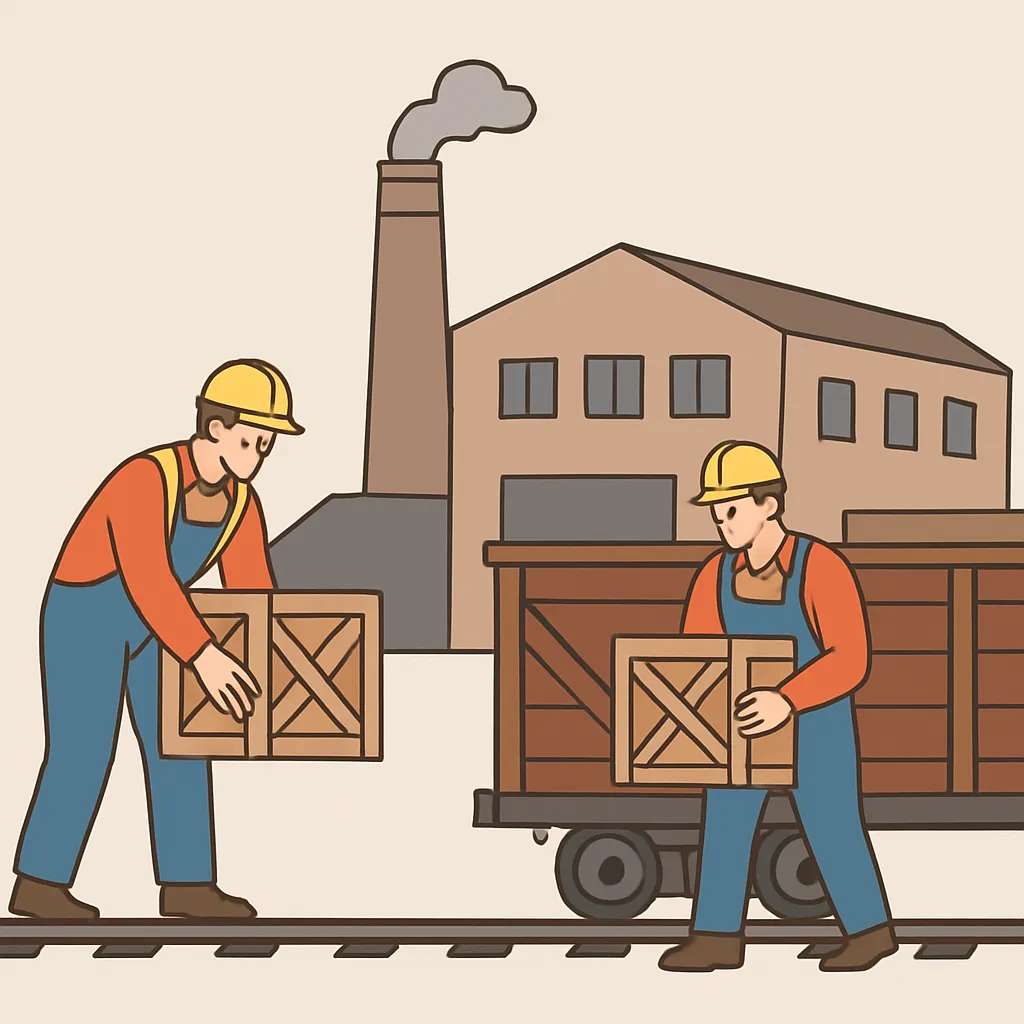
The North had far more factories and miles of railroad than the South. How did this help the Union during the war?
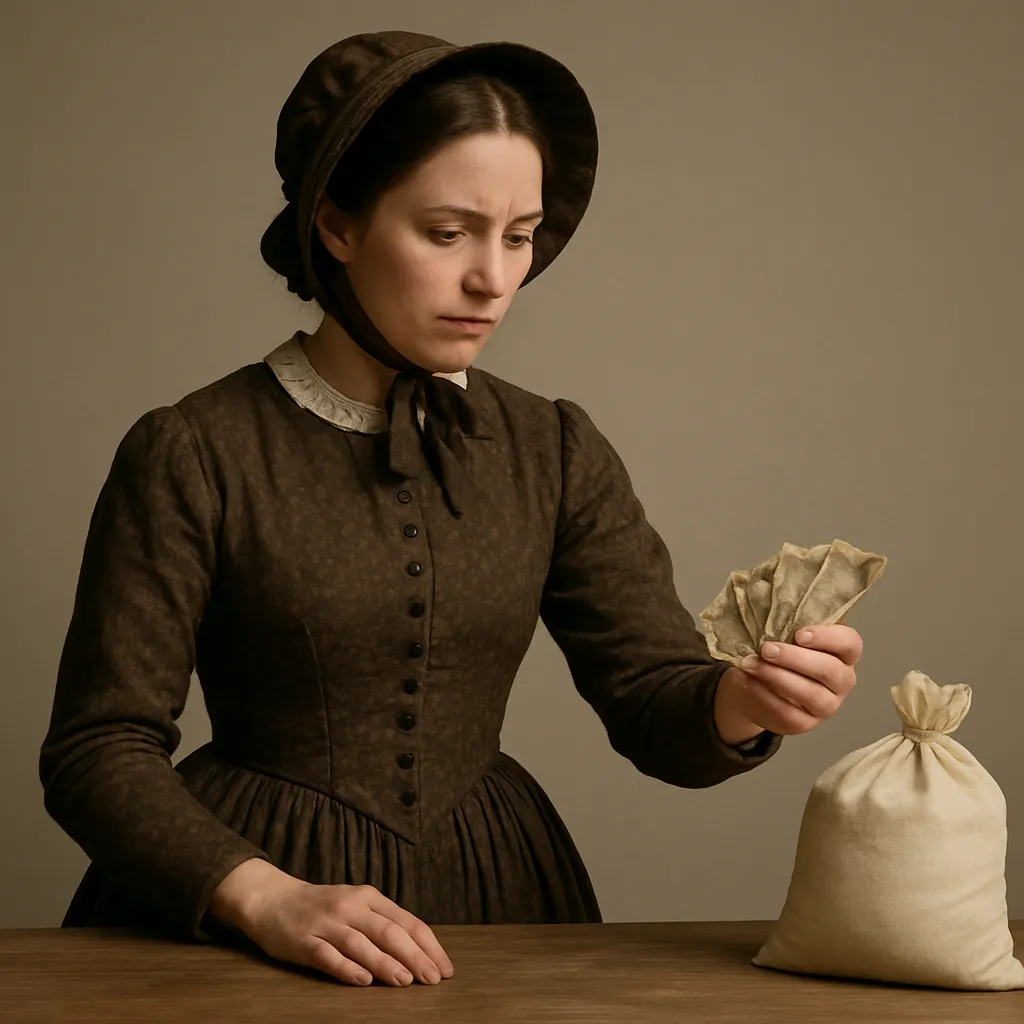
A Confederate shopper needed more and more paper bills to buy the same flour late in the war. What economic problem is shown?
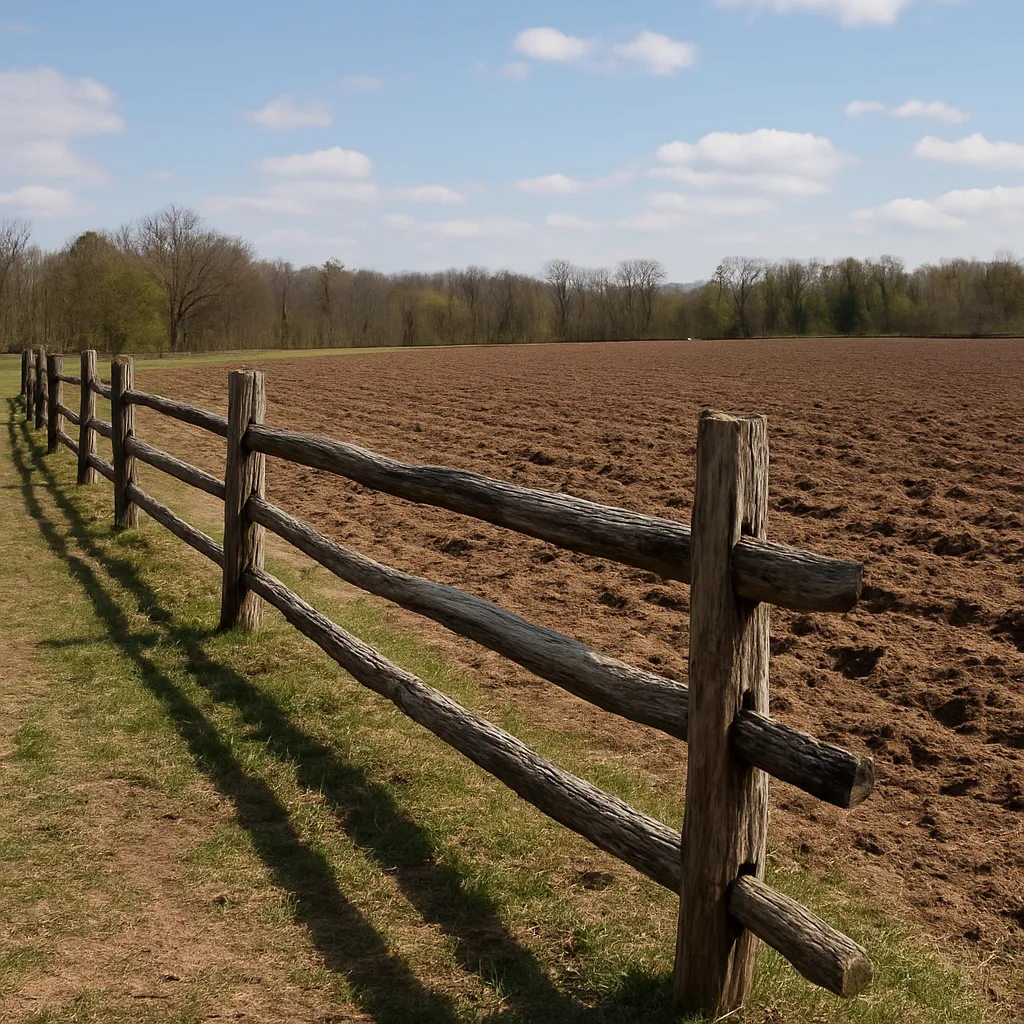
In 1864, Sherman's army destroyed crops, livestock, and rail lines across Georgia. What was the main goal of this strategy?
With husbands and sons away in armies, many women ran farms, shops, and households. What change in civilian life does this show?
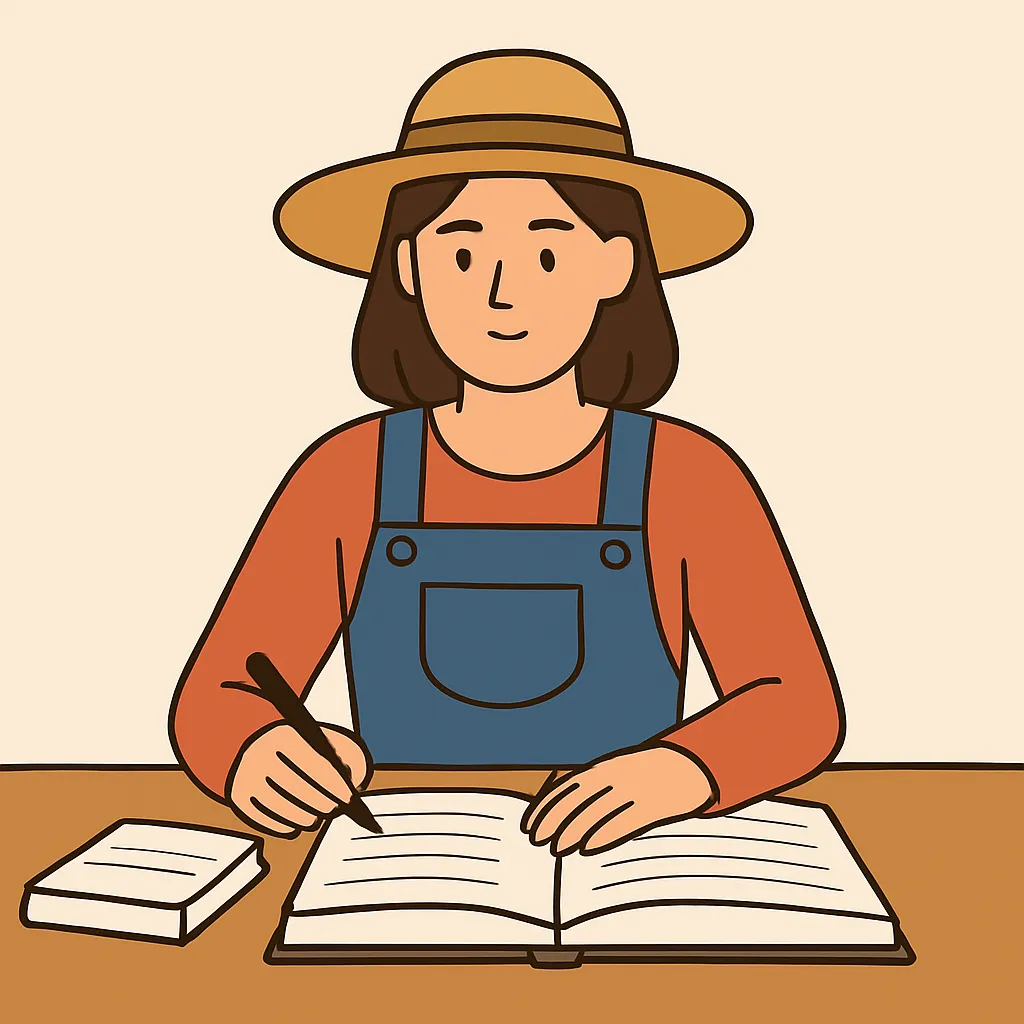
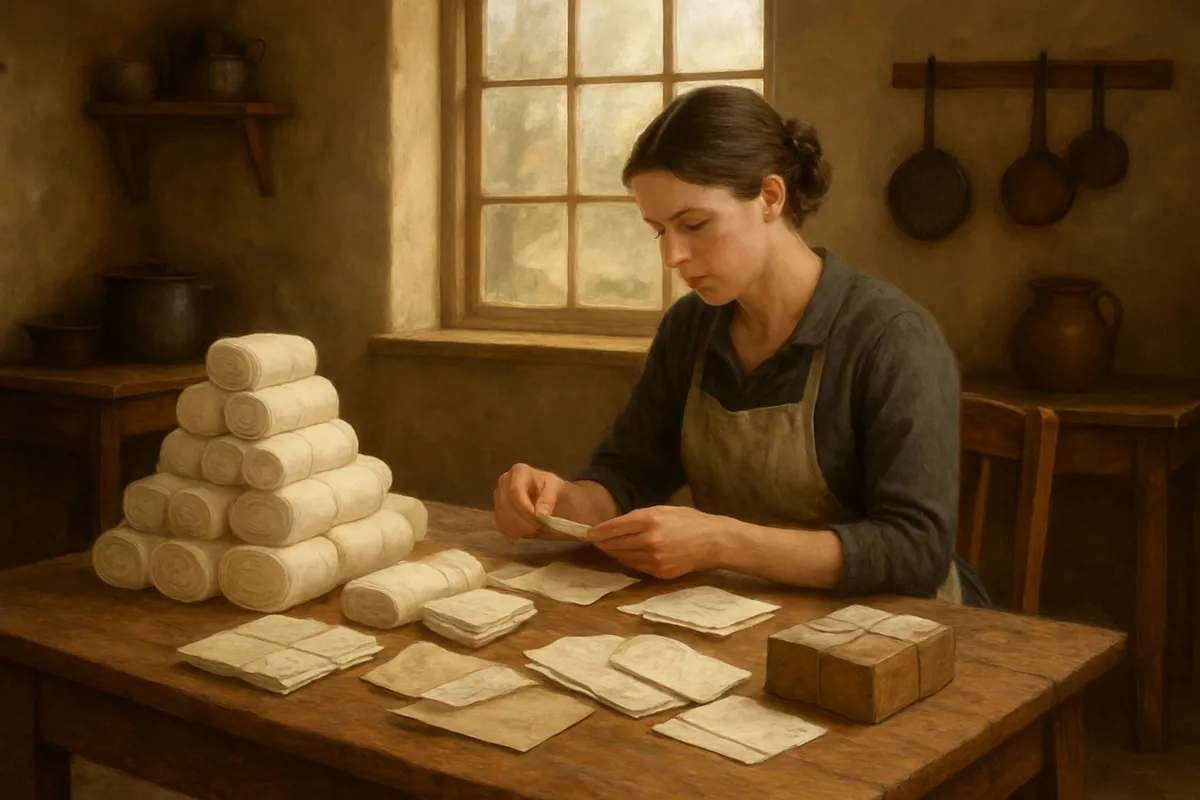
Women in local aid societies sewed bandages, gathered food, and shipped supplies to soldiers. What wartime role is described?

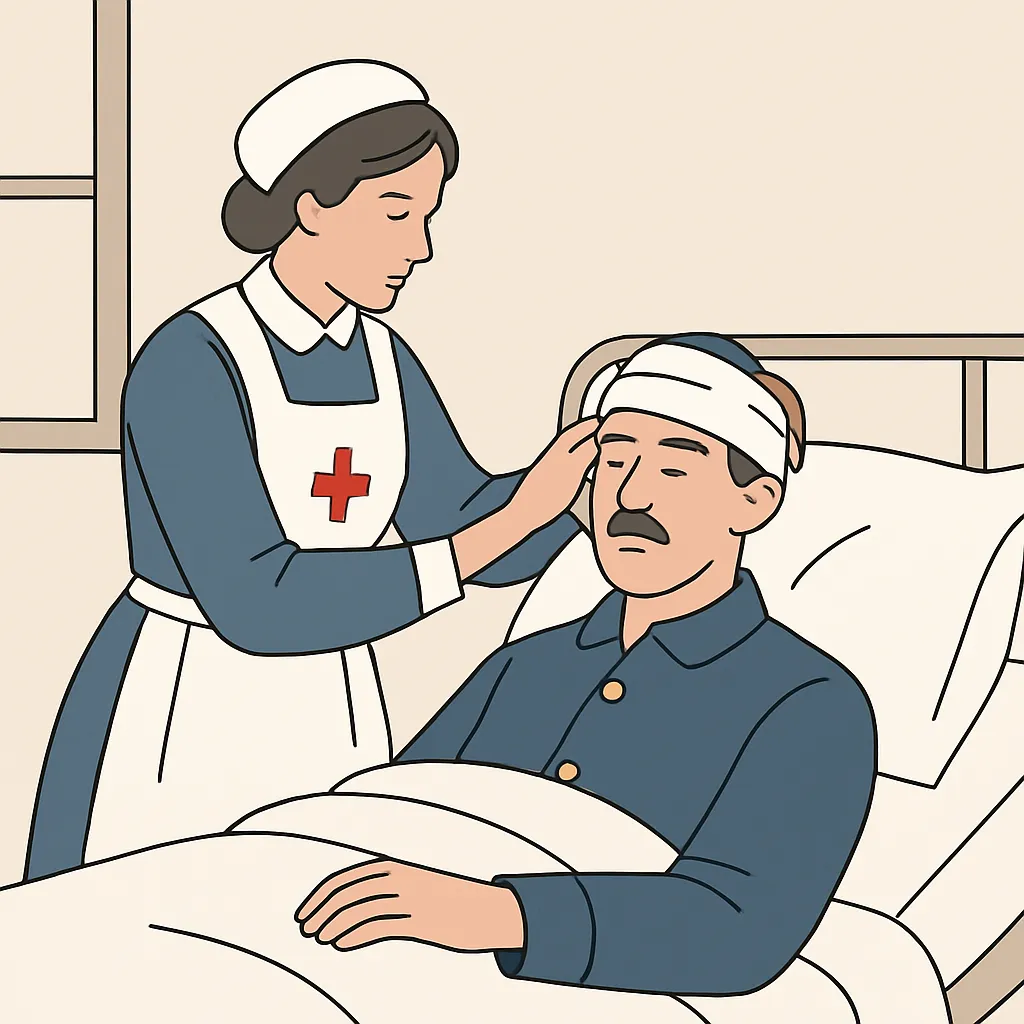
Which woman nursed soldiers on Civil War battlefields and later founded the American Red Cross?
Which Washington woman used her social circle to send Union troop plans to Confederate generals before First Bull Run?

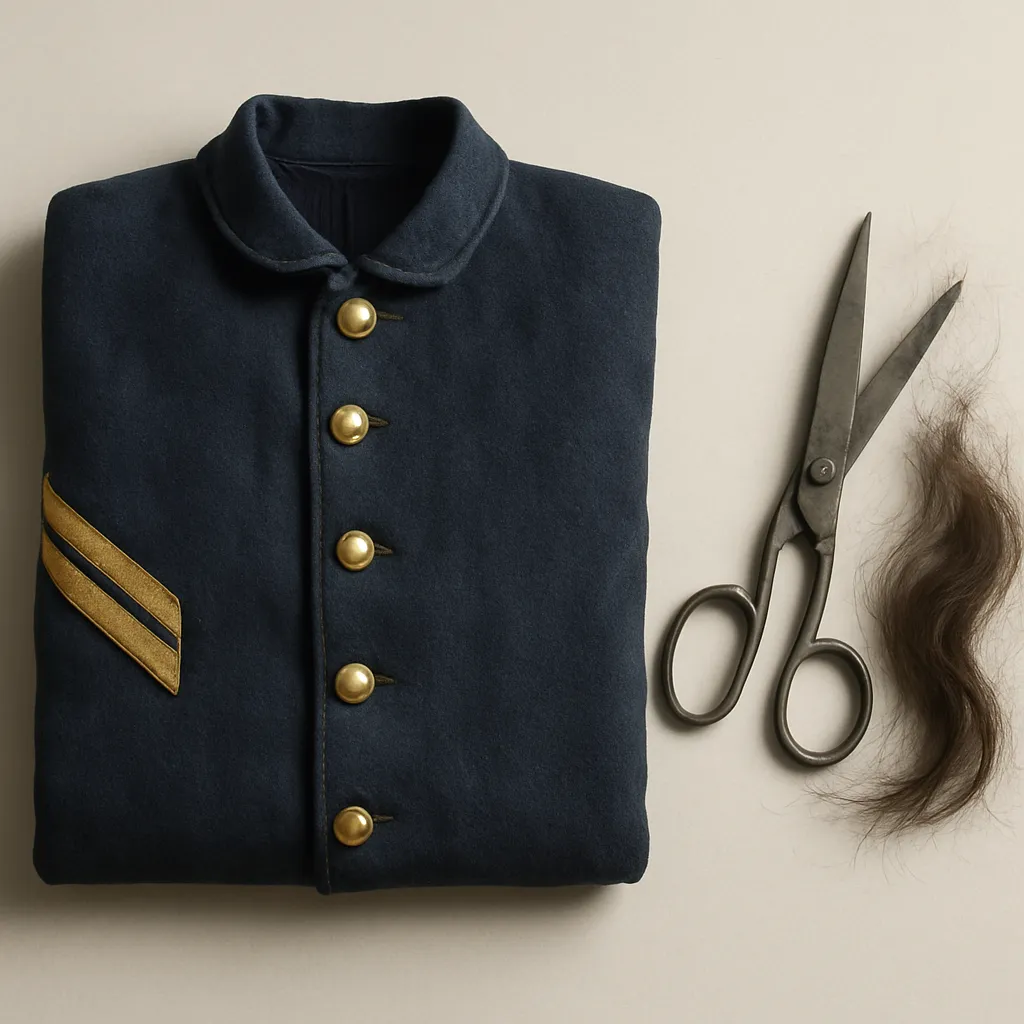
Some women cut their hair, wore men's uniforms, and enlisted under male names. What unusual Civil War role does this show?
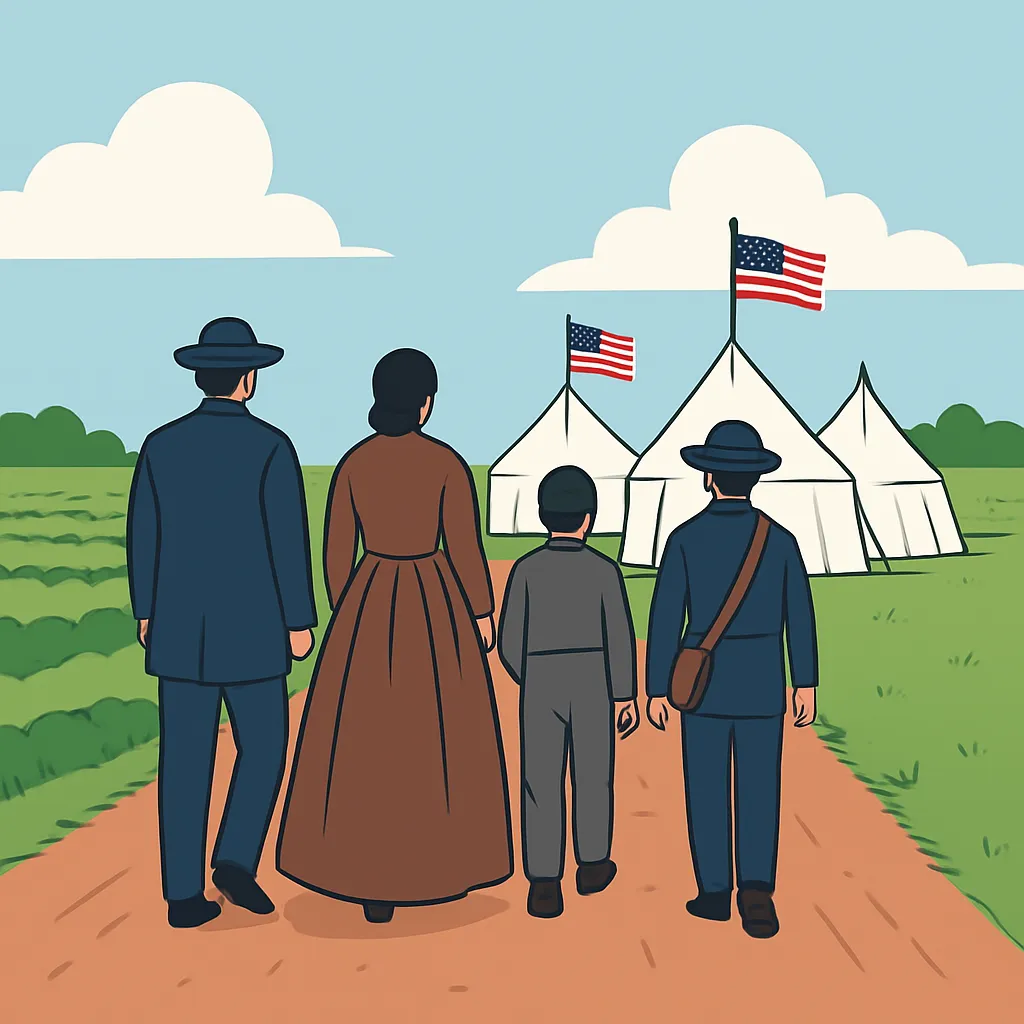
Enslaved people left plantations and sought protection near Union camps, where commanders often refused to return them. What change is shown?
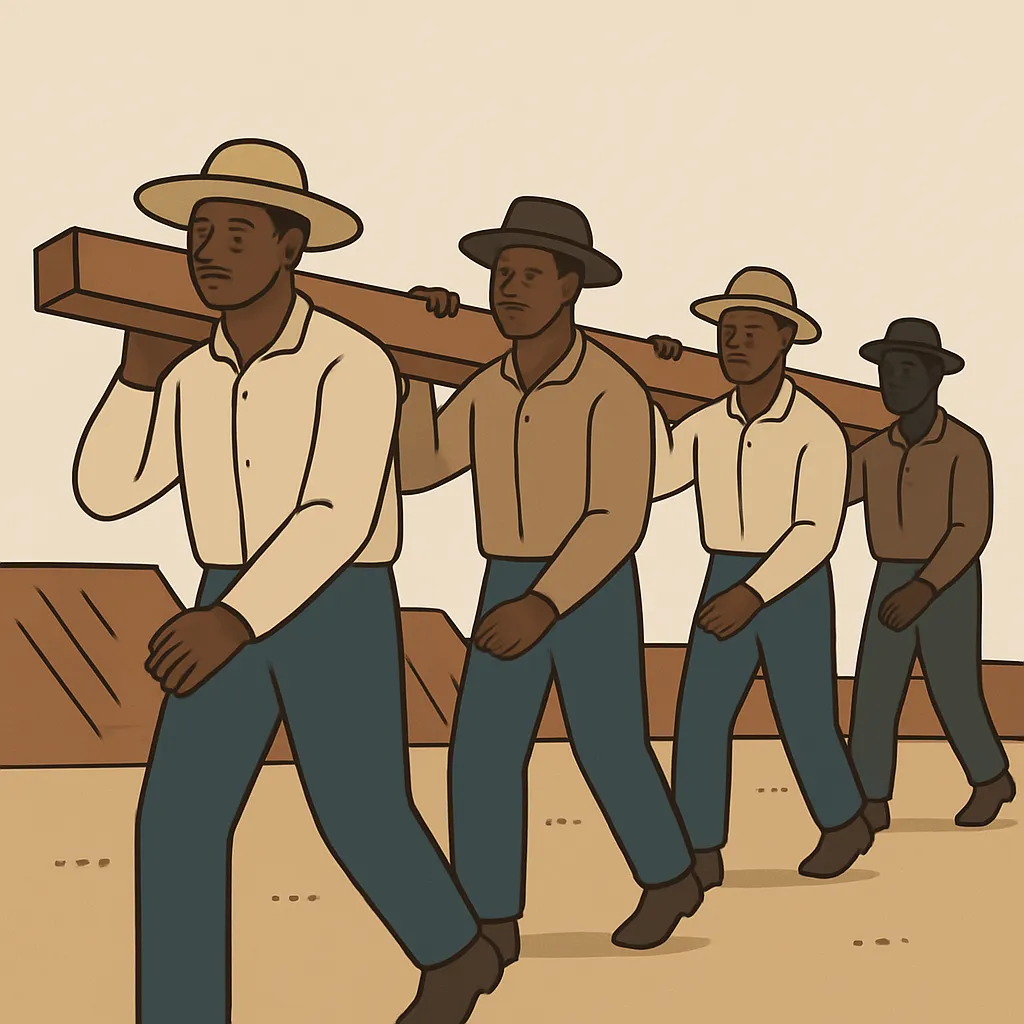
Formerly enslaved workers helped build forts, cook, haul supplies, and maintain camps for Union forces. What experience is described?
In May 1863, the War Department created a Bureau of Colored Troops to organize new regiments. What wartime change did this bring?
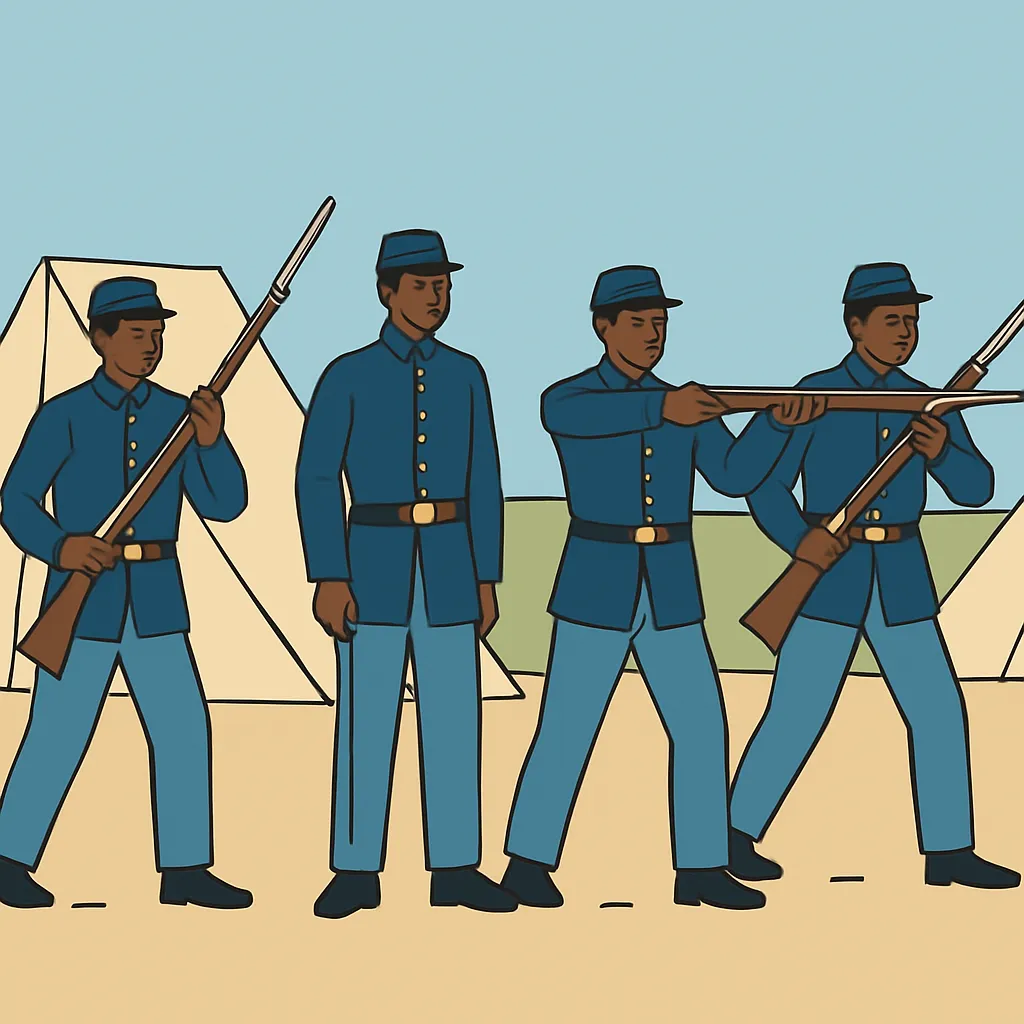
Free Black communities in the North raised money and supplies for Union soldiers. Until Congress acted in 1864, what unfair treatment did Black Union soldiers face?
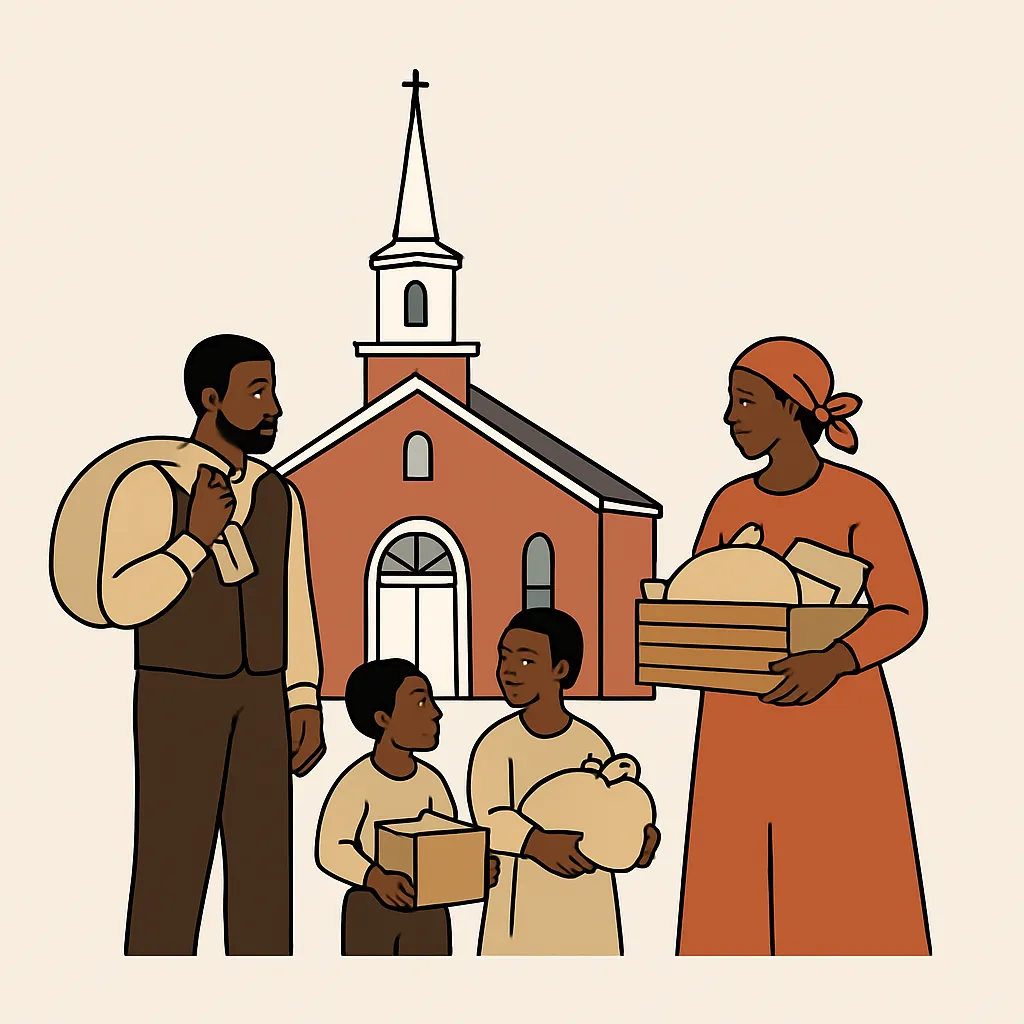
Enslaved people guided Union troops, reported local roads, and carried information about Confederate supplies. What effect did this have?
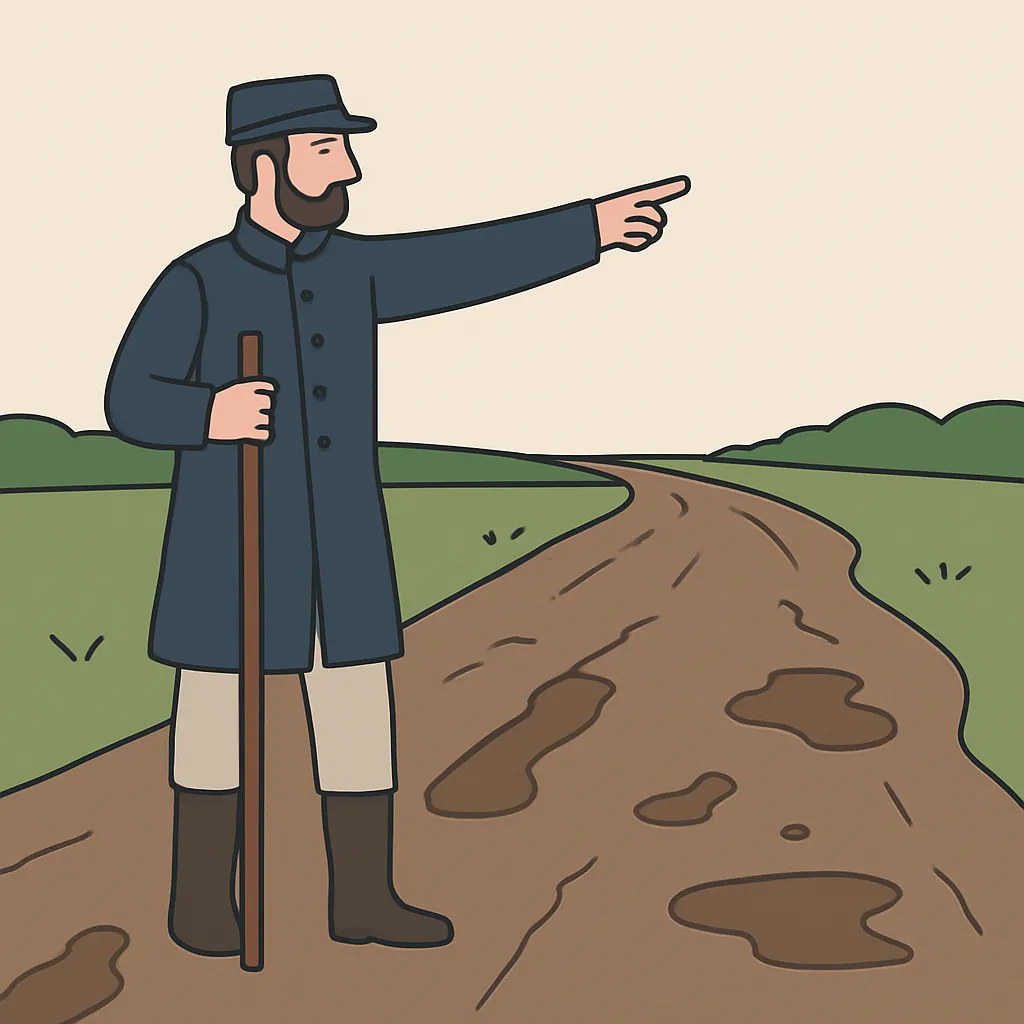
On January 1, 1863, Lincoln declared enslaved people in areas in rebellion free and allowed Black men to join the army. Which document was this?

In 1863, the Union required many men ages 20 to 45 to register for possible military service. What does this show?
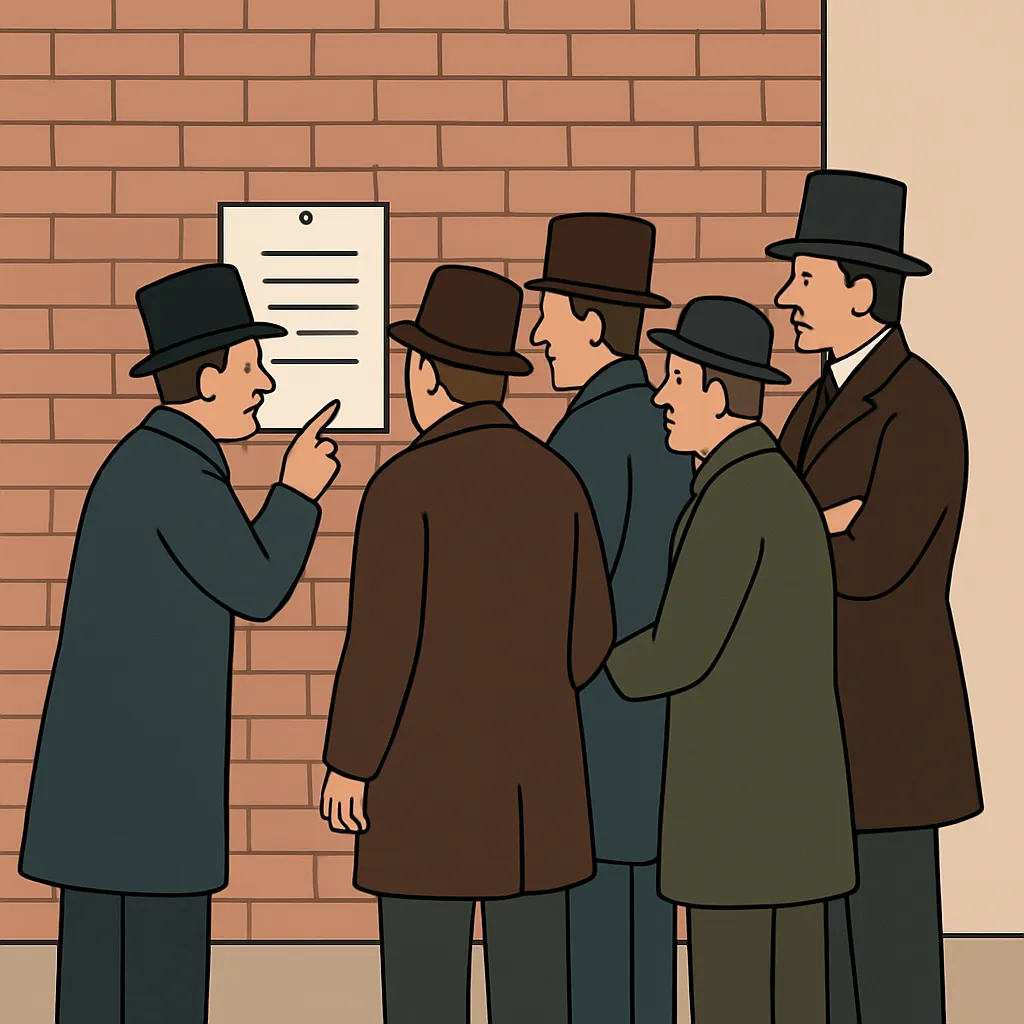
In 1862, Congress authorized U.S. Notes, nicknamed greenbacks. How did these notes help the Union pay for the war?

In March 1863, the Confederate Congress passed the Impressment Act. What did this law allow?
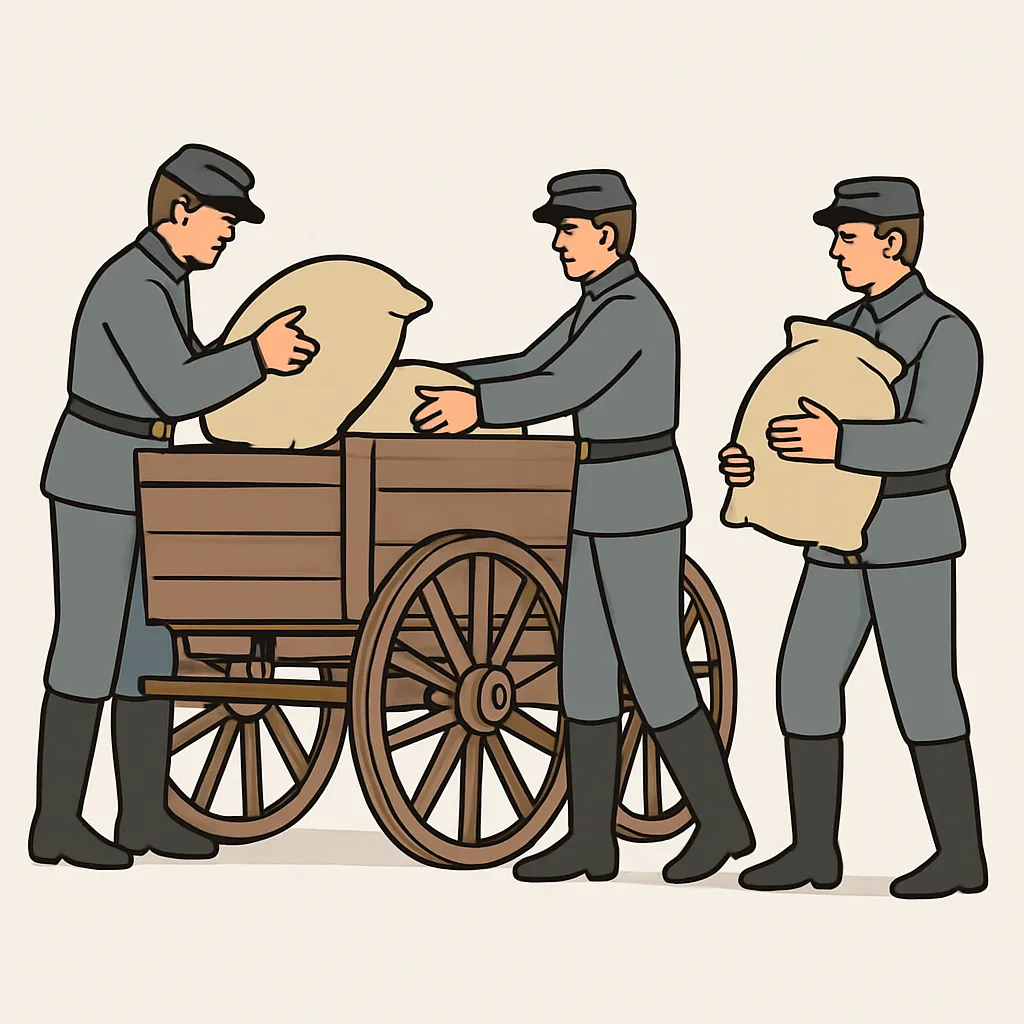
During the Civil War, Congress levied the first U.S. income tax on individual incomes. What did this help the Union do?

Crack the passcode before the zombies get in.
Answer, then swat bugs for bonus points.
Race through questions at your own speed.
Same question on every screen. Fastest wins.

Pick a tile, answer, hit bonuses and steals.
The Reconstruction Amendments
20 questions