Loading
by BlastRoom
Dose-Response, LD50 and Toxicity for high school Environmental Science, on-level and AP. Covers AP Environmental Science Unit 8: Aquatic and Terrestrial Pollution.
#environmental_science
20 questions
One question set, multiple game modes. Tap any game to see it in action. Not sure which to pick?
Answer to place stones and capture territory.
Outrun the snow together.
Earn blasts, then hunt the other team.
Answer to earn energy, then climb.

The class blasts through walls together.
Bid on mystery lots. Most money wins.
Sell tours. Nice, standard, or a total scam.

Answer, restock, and serve the rush.
More correct answers pulls the rope your way.
Answer, then shoot down the alien wave.
Answer, then tap to leap the frozen ridge.
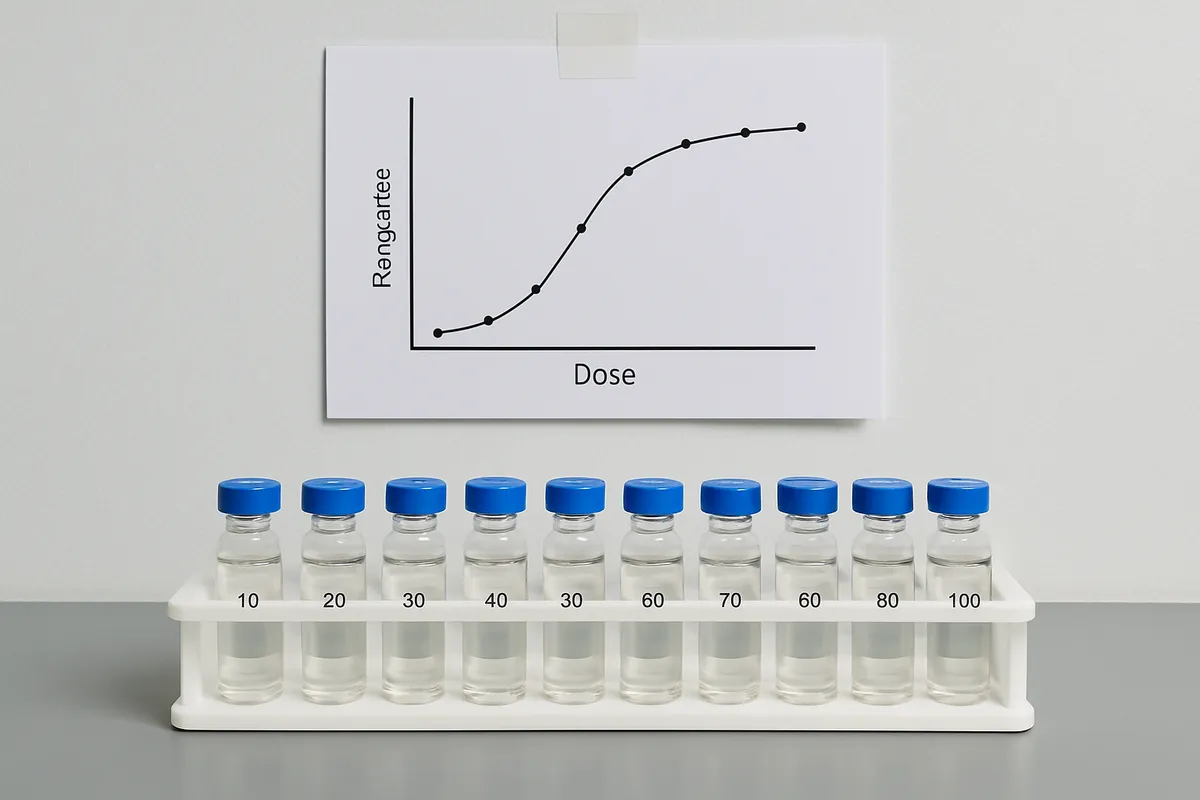
In this toxicity test, a response means death. Use the dose-response curve. At roughly what dose does 50% of the test population respond?
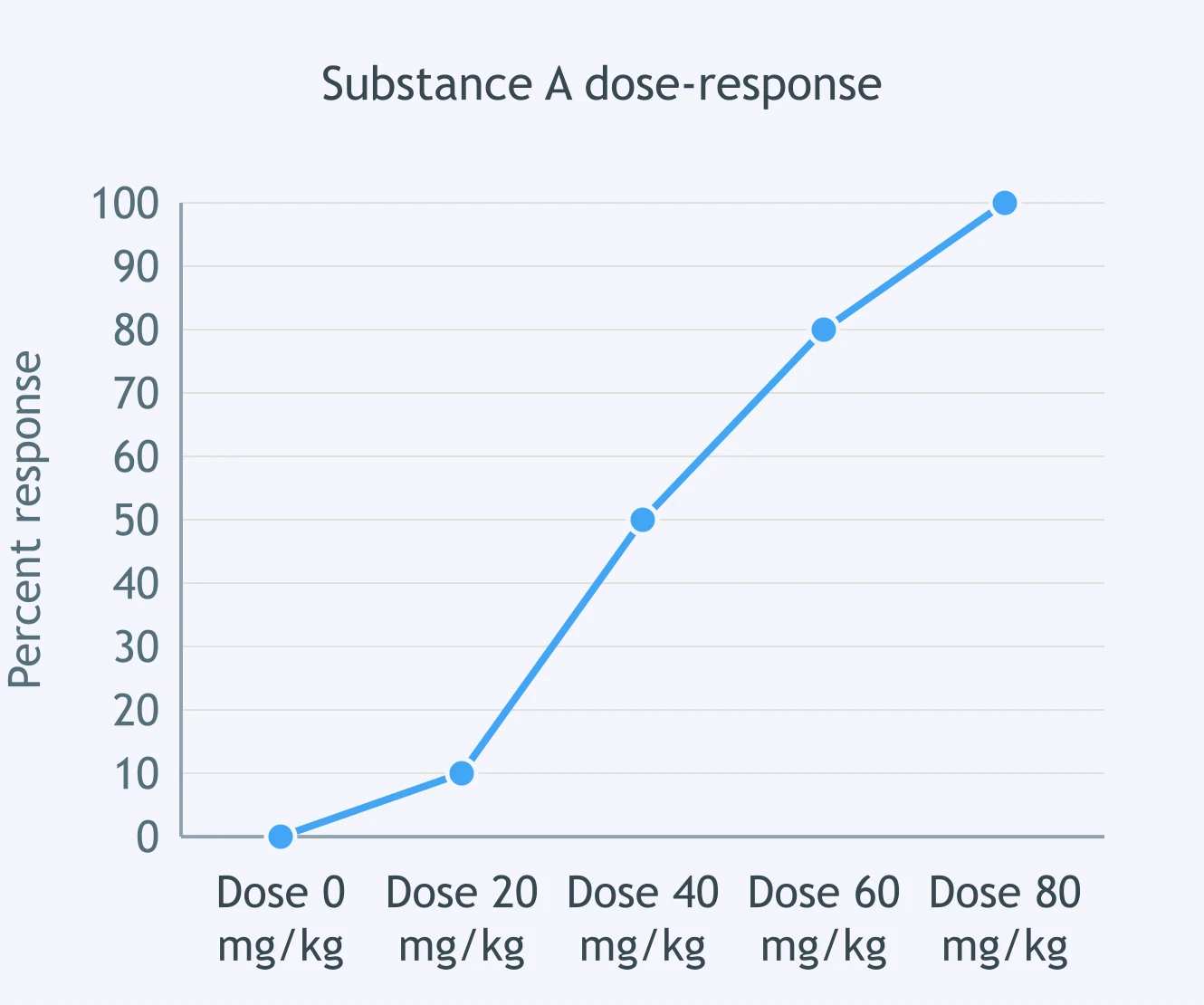
In this toxicity test, a response means death. Read the curve to estimate the LD50 for substance B.
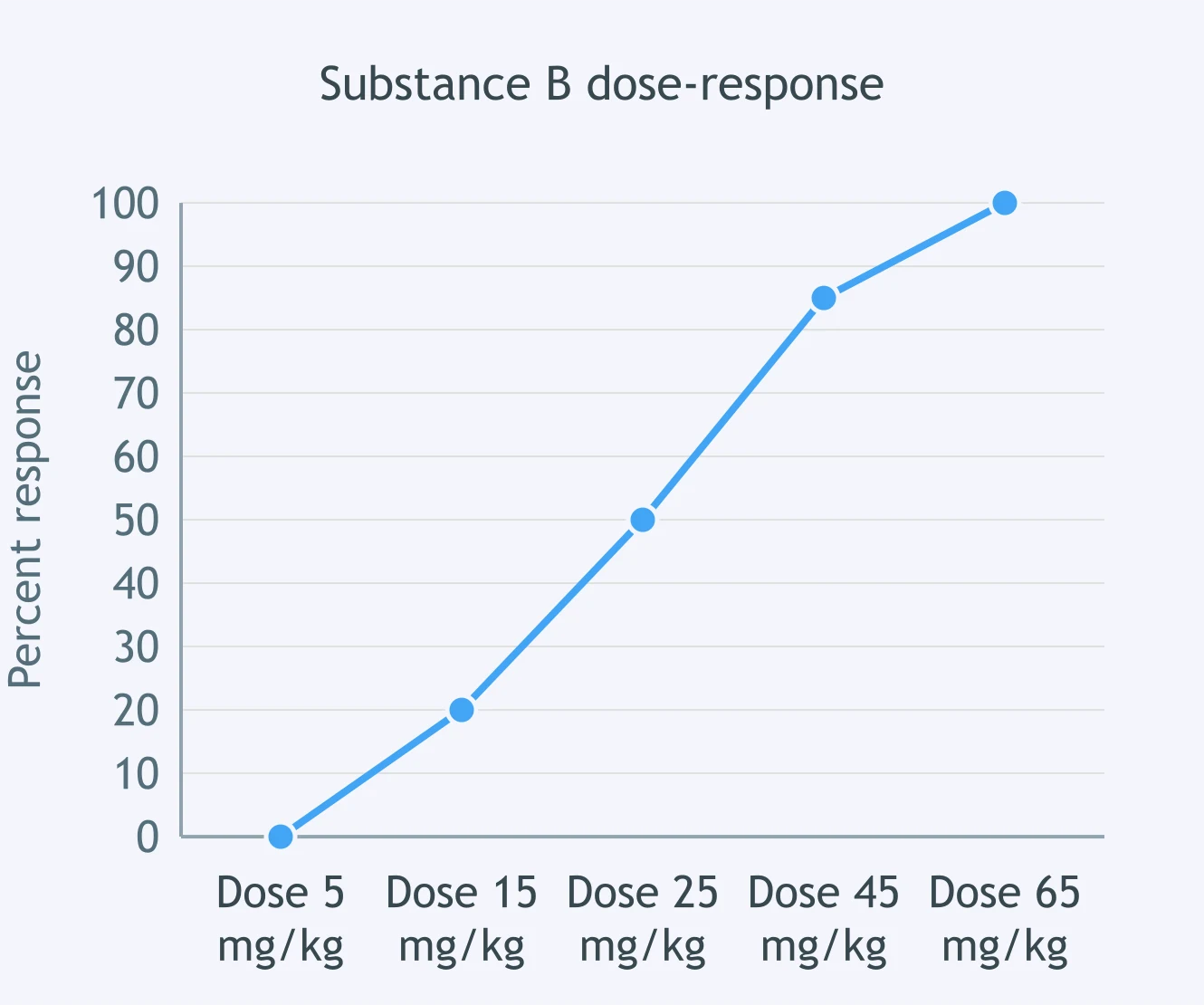
In this toxicity test, a response means death. At approximately what dose does the curve indicate the LD50?
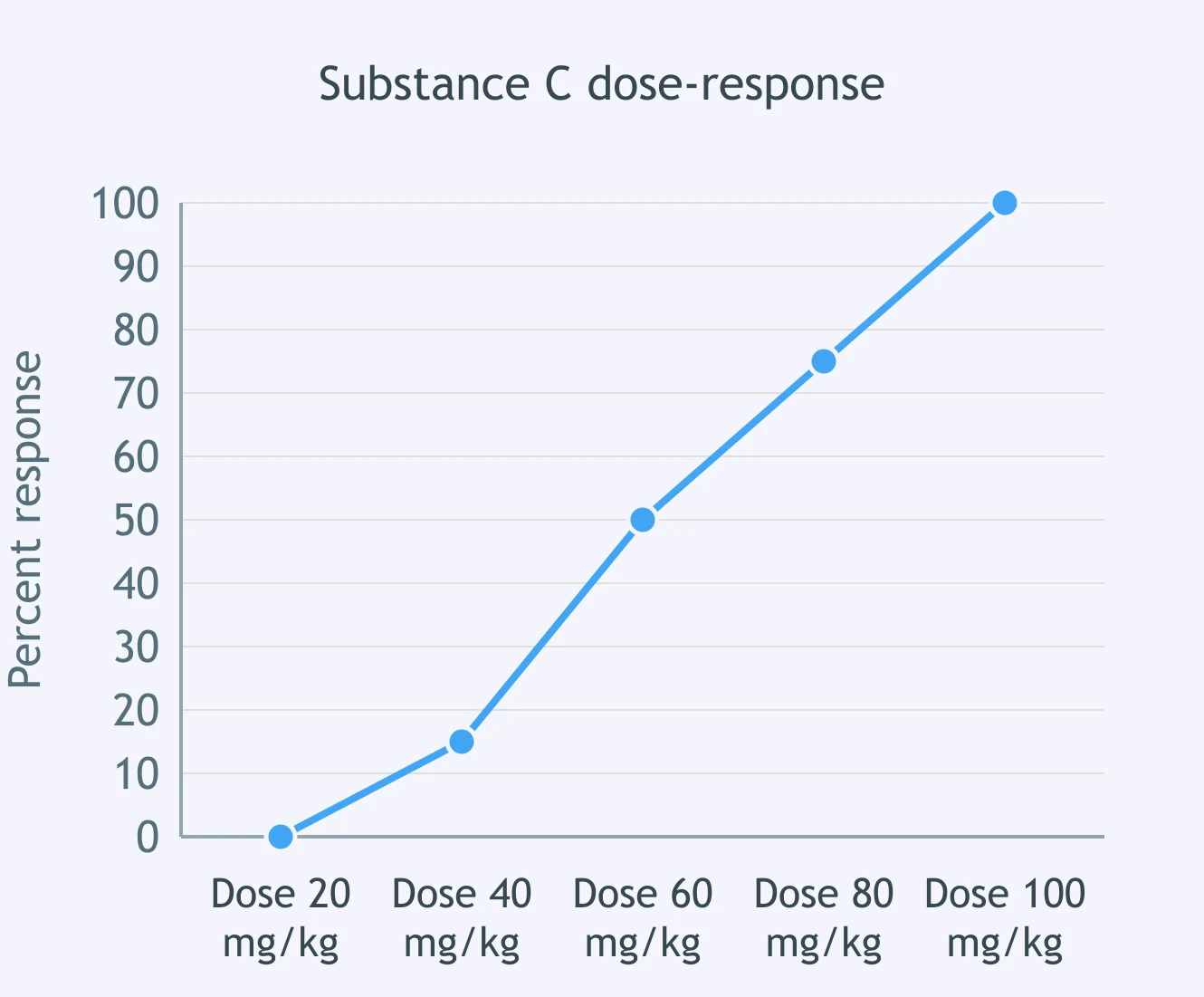
In this toxicity test, a response means death. Use the curve to identify the dose that is closest to the LD50.
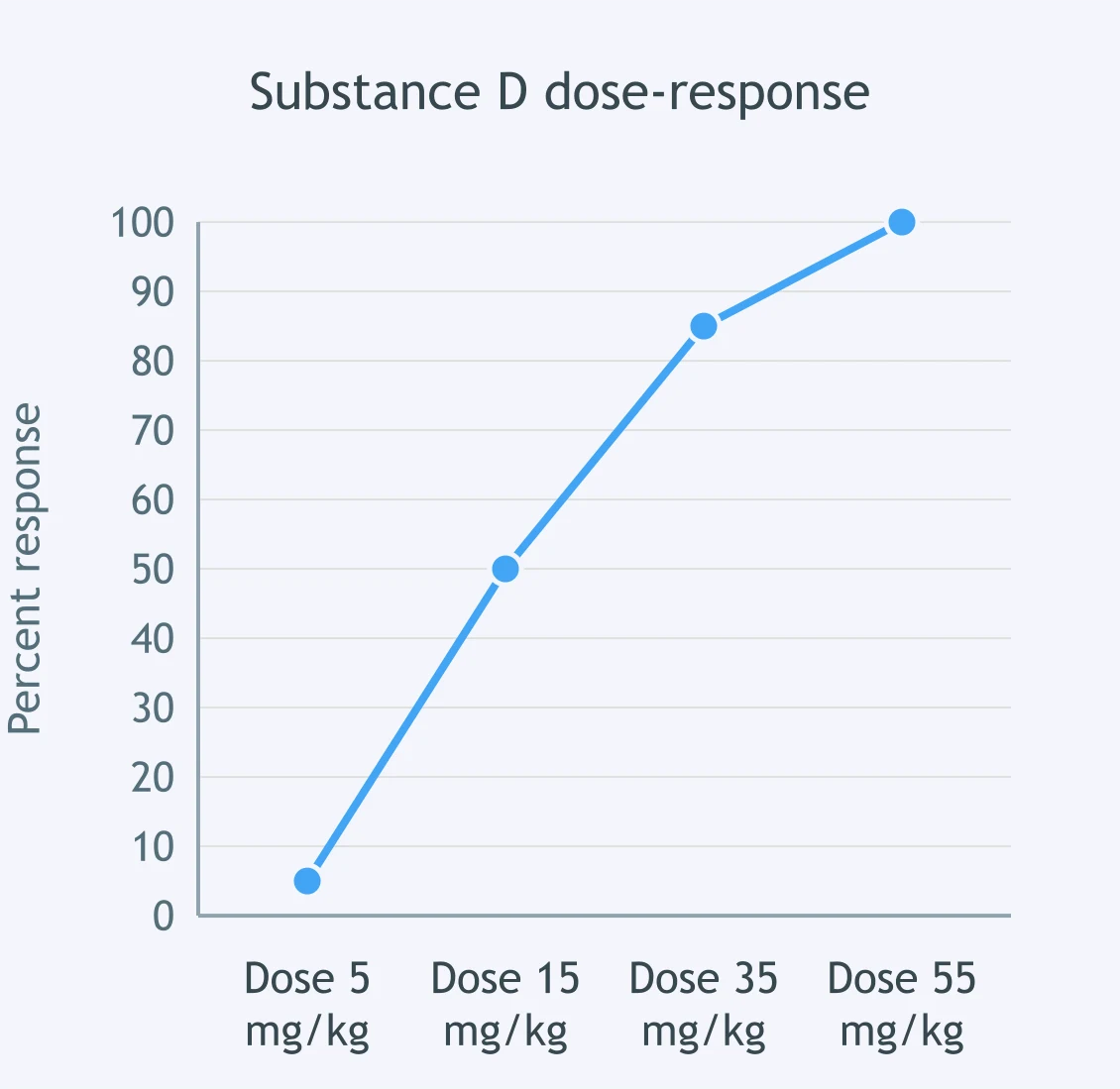
In this toxicity test, a response means death. What dose on the curve corresponds most closely to an LD50?
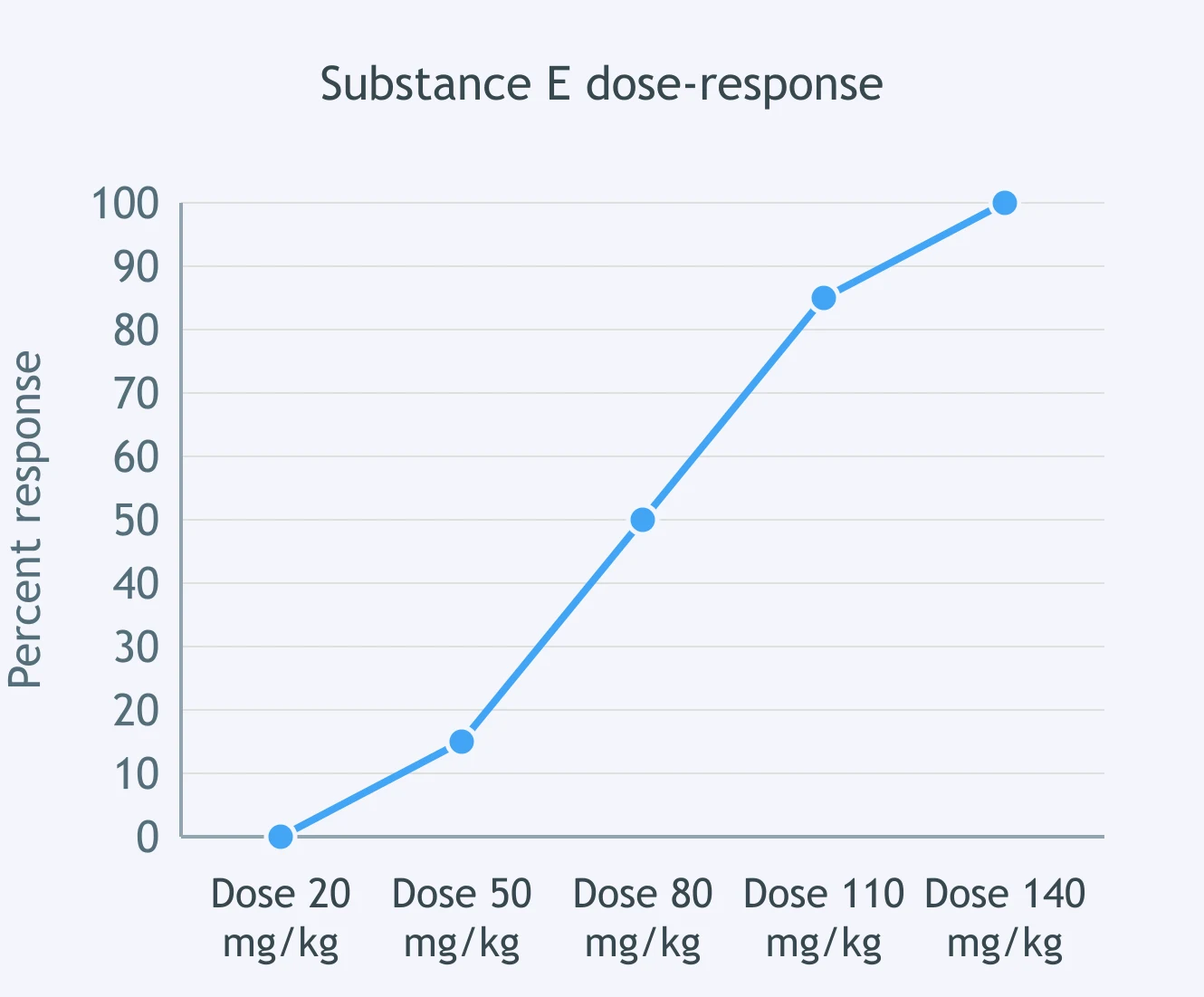
In this toxicity test, a response means death. Estimate the LD50 from the dose-response curve.
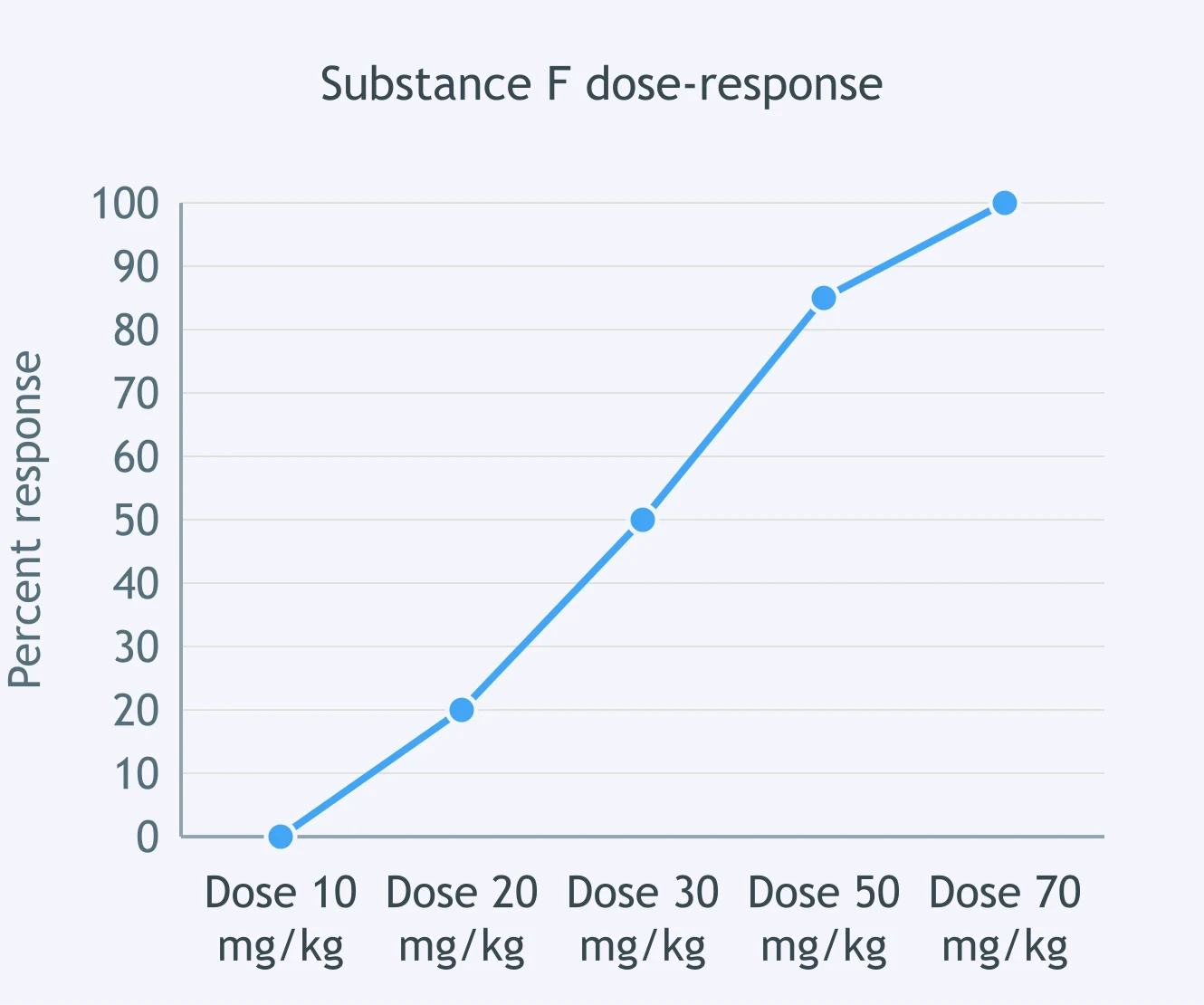
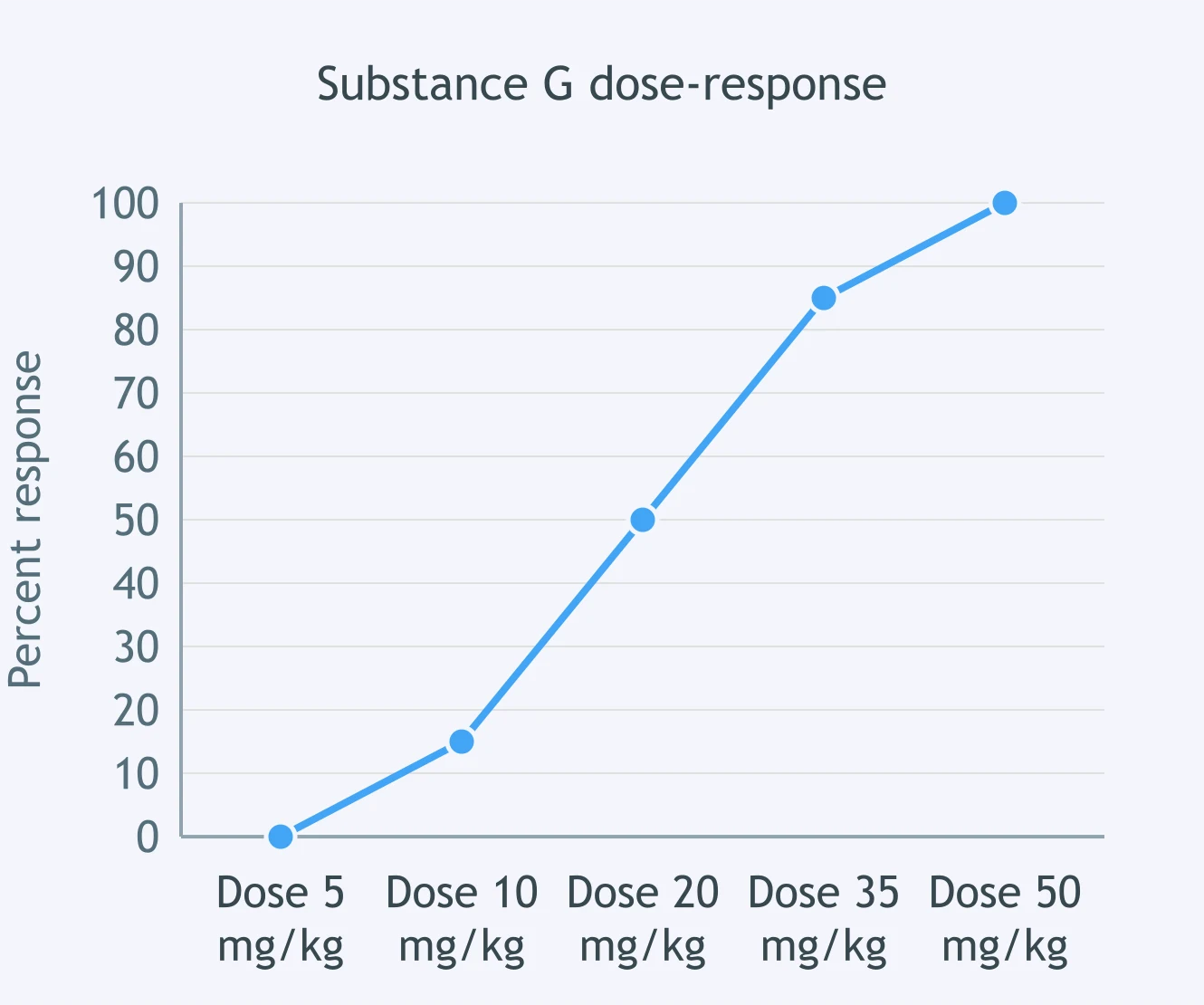
In this test, a response means death. The curve is for substance G, while substance H has an LD50 of 55 mg/kg. Which substance is more acutely toxic?
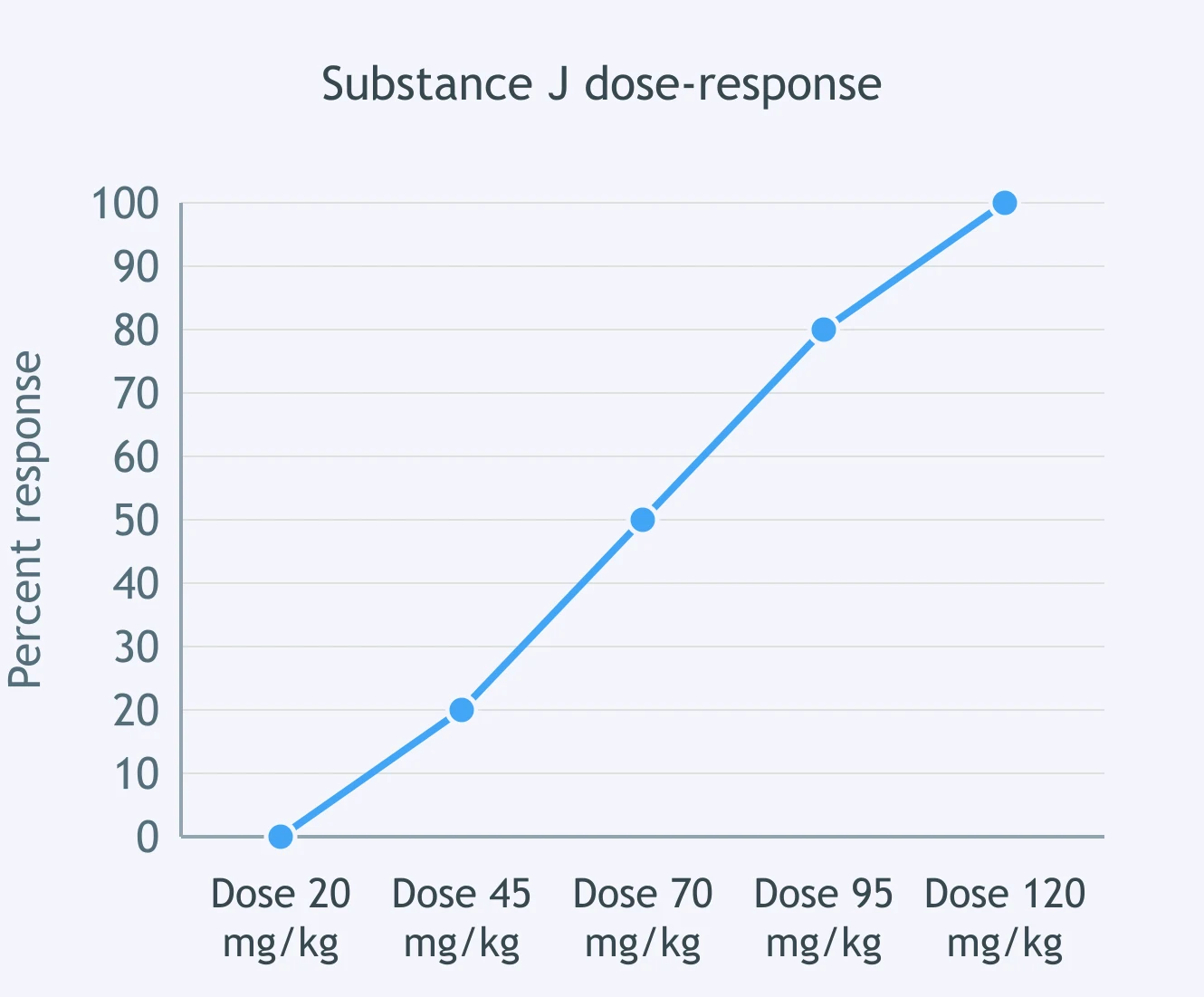
In this test, a response means death. The curve is for substance J, while substance K has an LD50 of 45 mg/kg. Which substance is more acutely toxic?
Substance L has an LD50 of 12 mg/kg, and substance M has an LD50 of 120 mg/kg. Which is more acutely toxic?
A pesticide has an LD50 of 300 mg/kg; a second pesticide has an LD50 of 30 mg/kg. Which pesticide is more acutely toxic?
Chemical P and chemical Q each have an LD50 of 75 mg/kg in the same type of test organism and exposure route. What does this result indicate?
A substance has an LD50 of 8 mg/kg. What total dose corresponds to this mass-normalized dose for a 60 kg person?
A toxicant has an LD50 of 2.5 mg/kg. What total dose corresponds to this mass-normalized dose for a 40 kg person?
For a 20 kg organism, what total dose corresponds to an LD50 of 15 mg/kg?
A chemical's LD50 is 0.4 mg/kg. For a 50 kg organism, what total dose corresponds to that value?
A test organism has a mass of 70 kg. A substance's LD50 is 6 mg/kg. What total dose corresponds to that mass-normalized dose?
During a chemical spill, a worker inhales a high concentration of fumes during a four-hour cleanup. Is this acute or chronic exposure?
A resident drinks water containing a low concentration of a contaminant every day for eight years. Is this acute or chronic exposure?
A farmworker is exposed to a concentrated pesticide mist twice during one workday. How should this exposure be classified?
A household uses a well with arsenic contamination every day for two years. How should this exposure be classified?
Crack the passcode before the zombies get in.
Answer, then swat bugs for bonus points.
Race through questions at your own speed.
Same question on every screen. Fastest wins.

Pick a tile, answer, hit bonuses and steals.

Environmental Health Case Studies
30 questions