Loading
by BlastRoom
Stretch questions comparing how slope, vegetation, wind, water volume, and freezing change how fast land wears away.
#weathering_and_erosion#us_grade_4_science
20 questions
One question set, multiple game modes. Tap any game to see it in action. Not sure which to pick?
Answer to place stones and capture territory.
Outrun the snow together.
Earn blasts, then hunt the other team.
Answer to earn energy, then climb.

The class blasts through walls together.
Bid on mystery lots. Most money wins.
Sell tours. Nice, standard, or a total scam.

Answer, restock, and serve the rush.
More correct answers pulls the rope your way.
Answer, then shoot down the alien wave.
Answer, then tap to leap the frozen ridge.
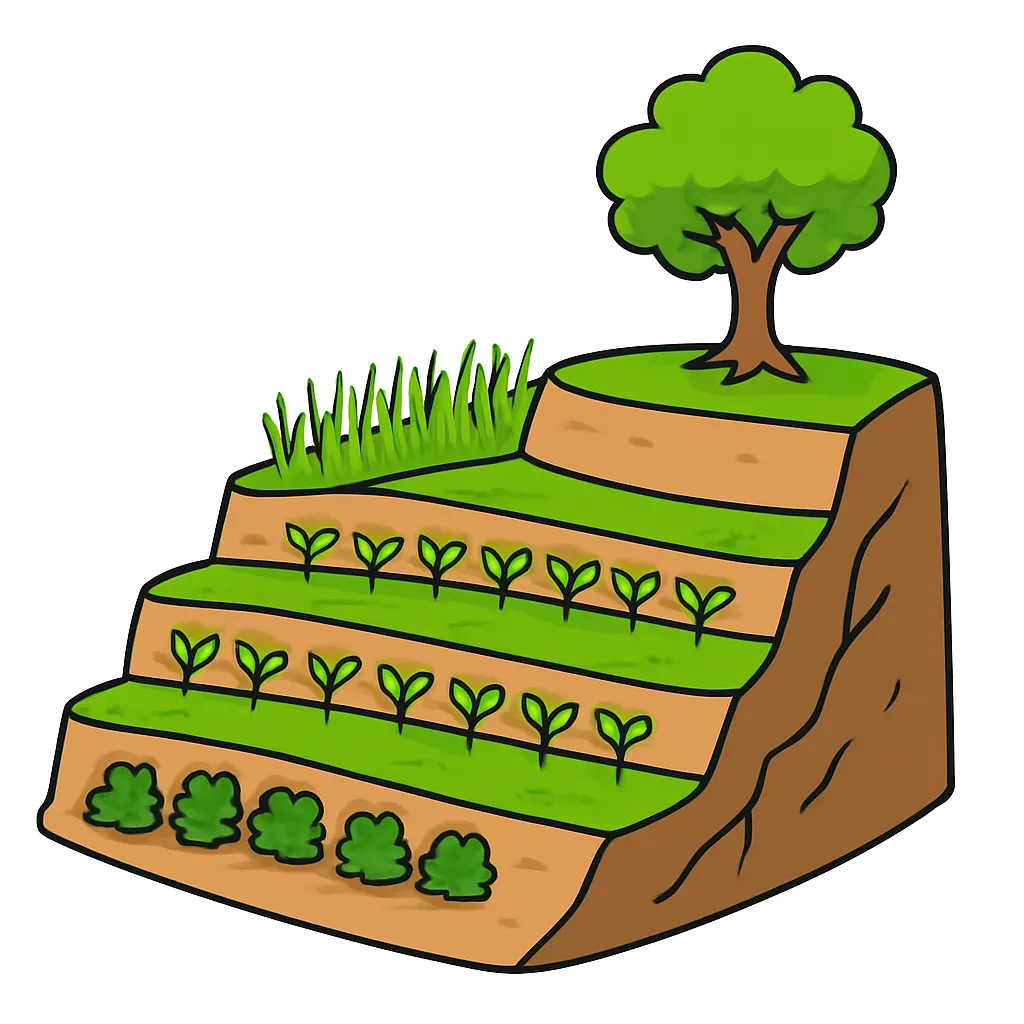
Farmers on a steep hillside cut the slope into flat steps before planting. How does this lower the rate of erosion?
A class wants to test how slope changes the rate of erosion using trays of soil. What makes this a fair test?
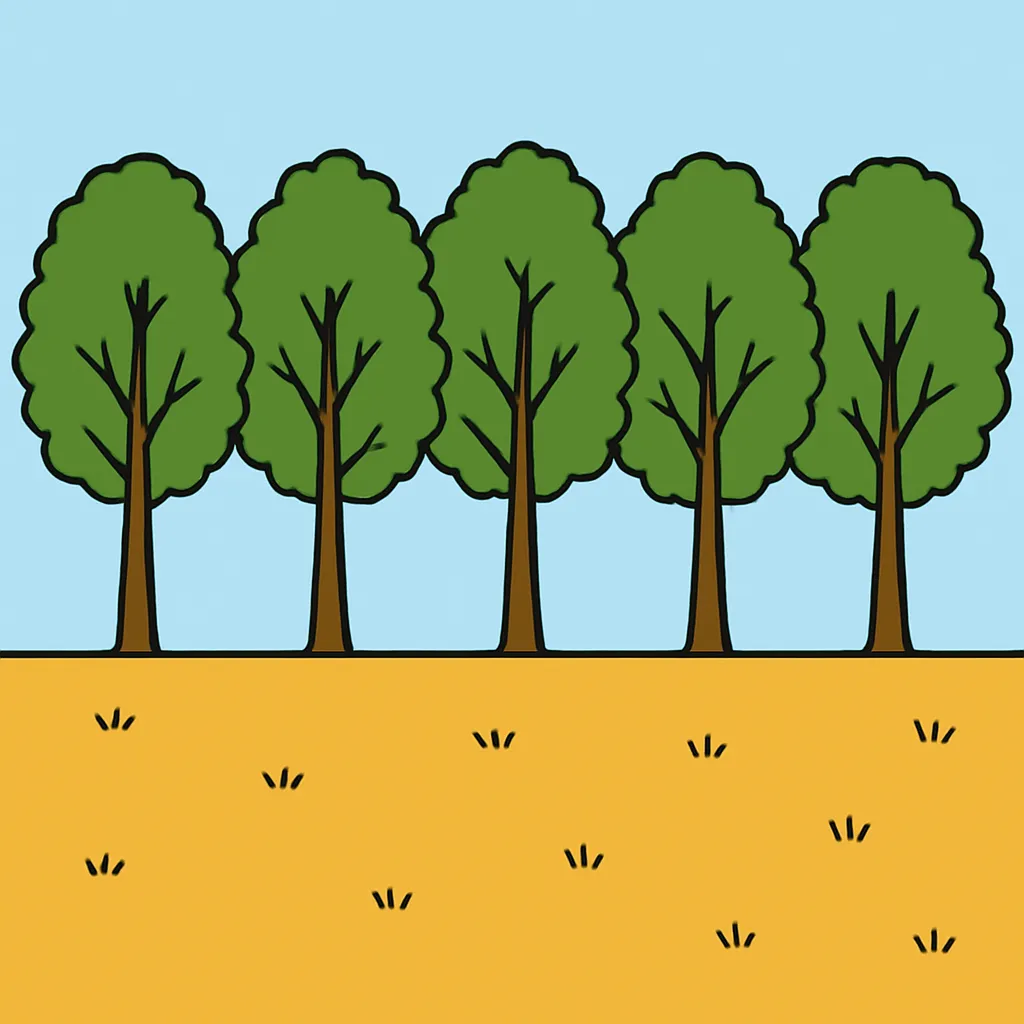
A row of trees is planted along the edge of a bare, windy field. What happens to the rate of wind erosion in the field behind the trees?
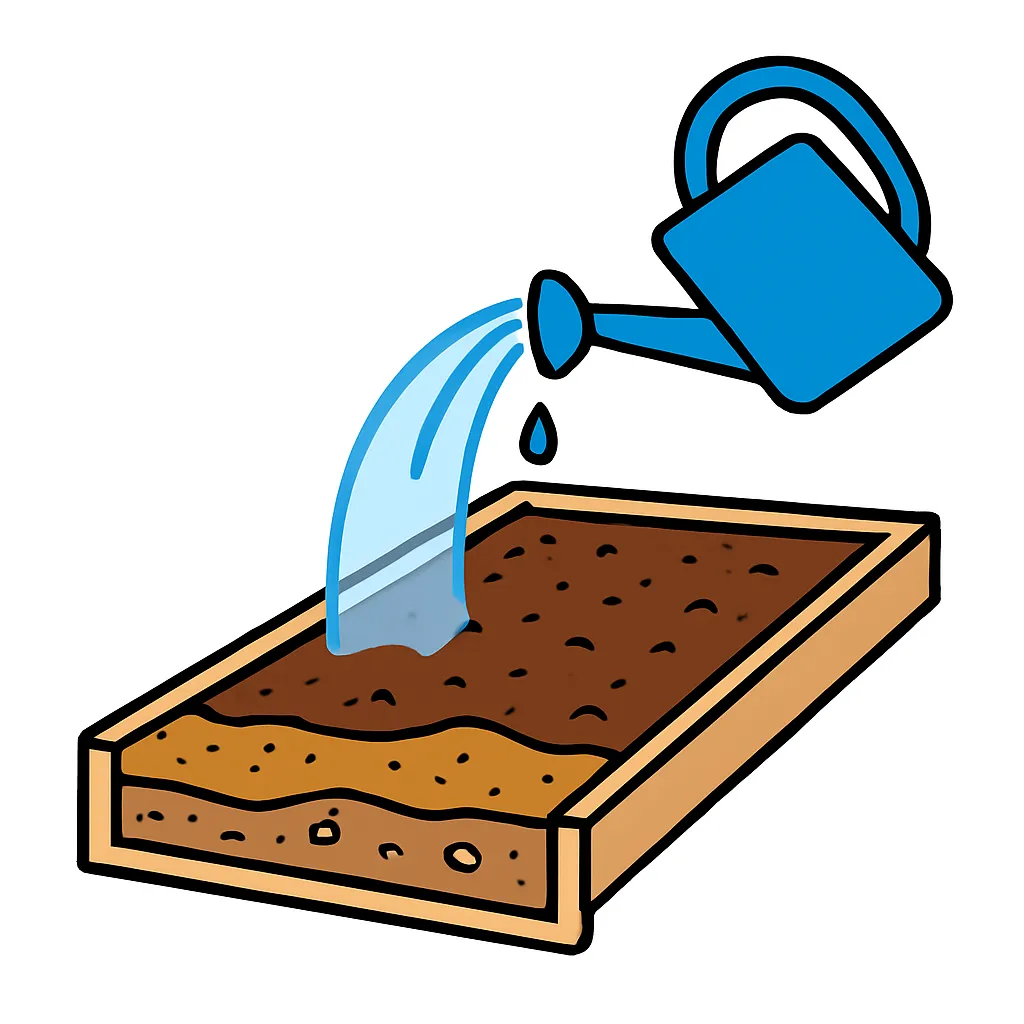
Two identical soil trays are tilted the same amount. One gets a small cup of water, the other a large jug. What does this test show about water volume?

Strong wind blows across a beach. One patch of sand is dry and loose. Another is damp and packed. Which patch loses more sediment to the wind?

On one mountain the temperature rises above freezing each afternoon and drops below freezing each night. On another it stays frozen all winter. Where does ice widen rock cracks faster?
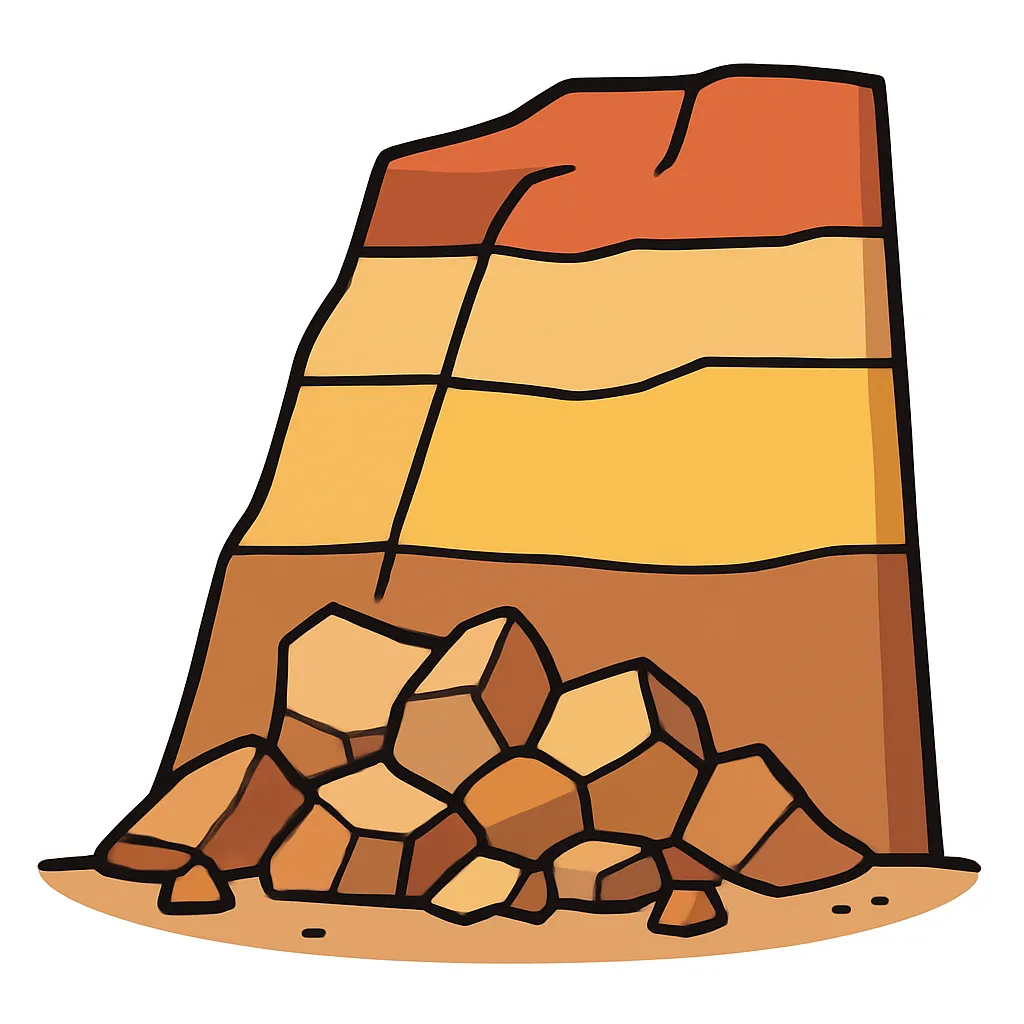
A farmer removed the grass from a hillside field last spring. This year deep channels are cut across the field after every storm. What best explains the change?
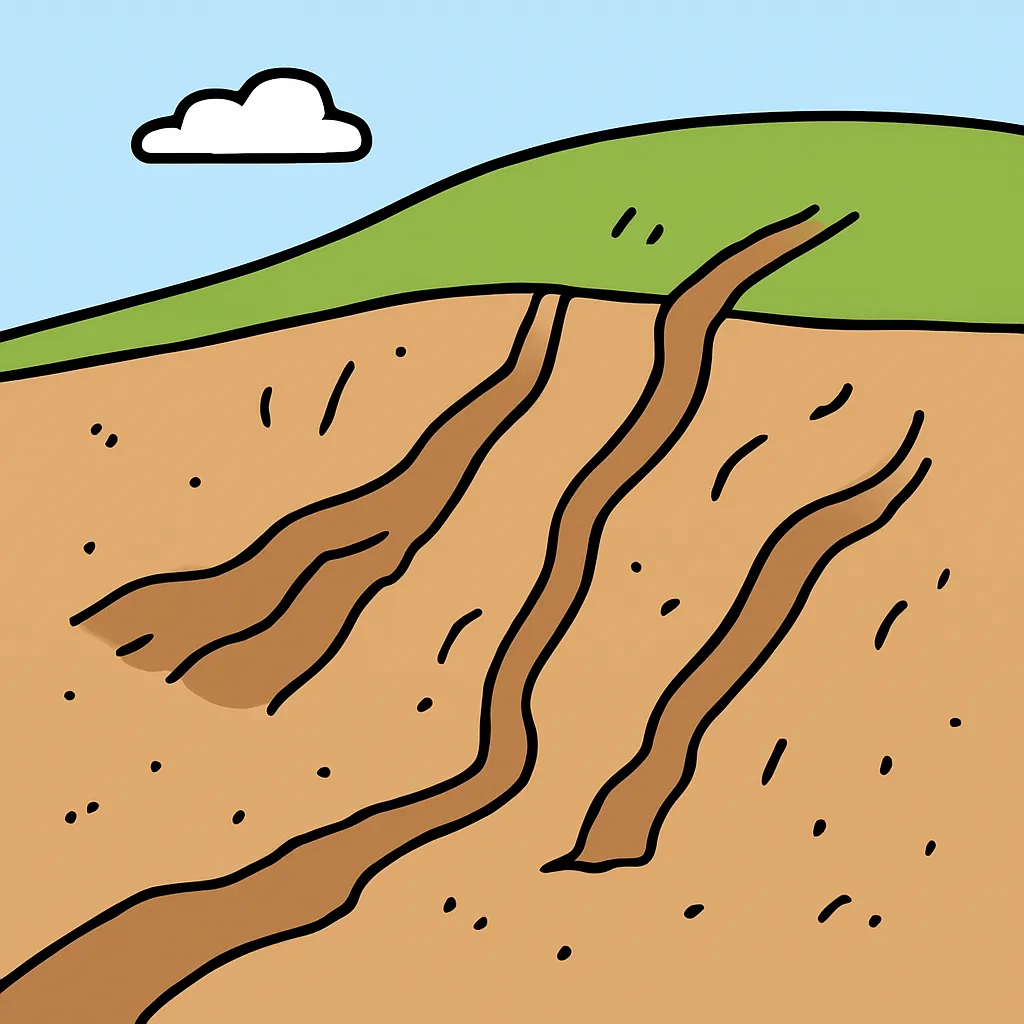
Three hillsides get the same rain: a steep bare one, a steep grassy one, and a gentle grassy one. Which loses sediment fastest, and which loses it slowest?
Muddy water races down a steep slope and then slows on flat ground. Why does it drop sediment there instead of carrying it farther?
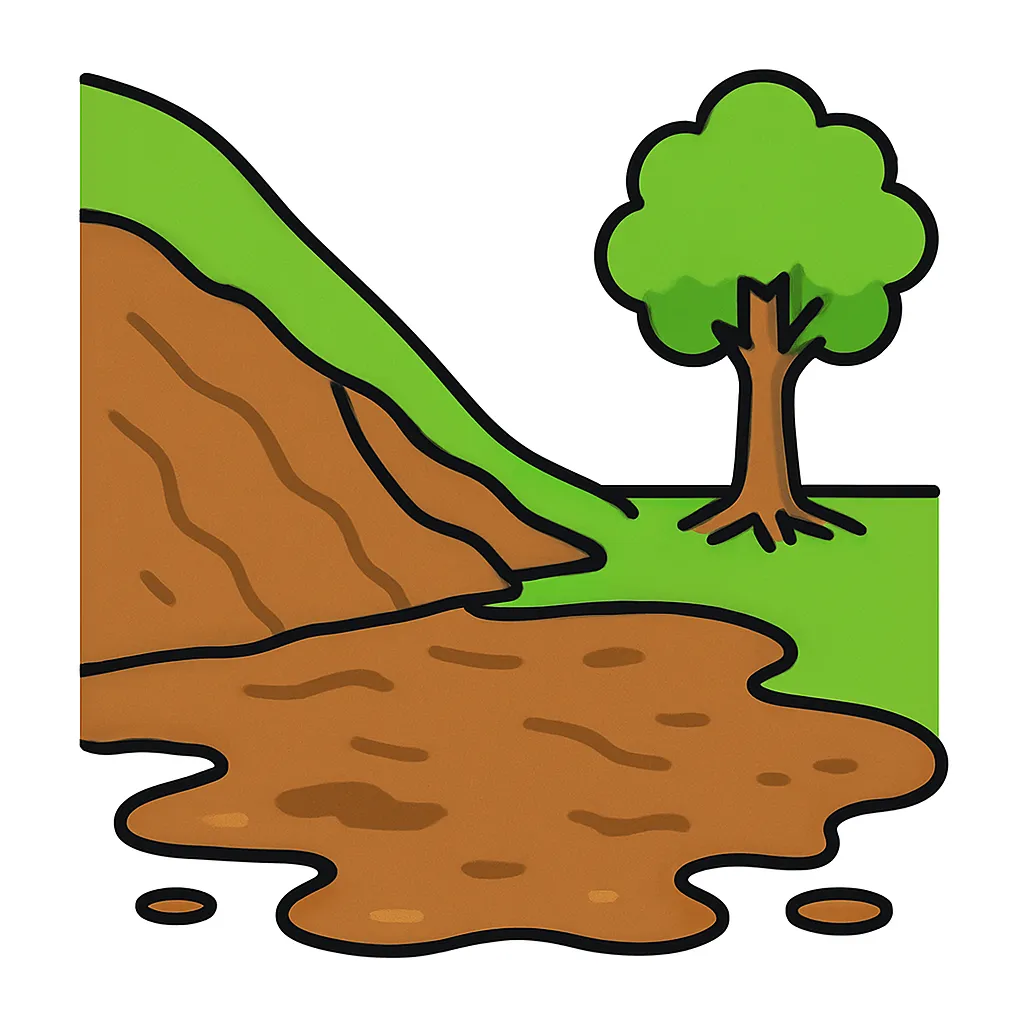
A fast, rushing stream moves more sediment each hour than a slow stream flowing over the same kind of soil, because faster water pushes harder on loose particles.
Which of these changes to the land usually happens the fastest?
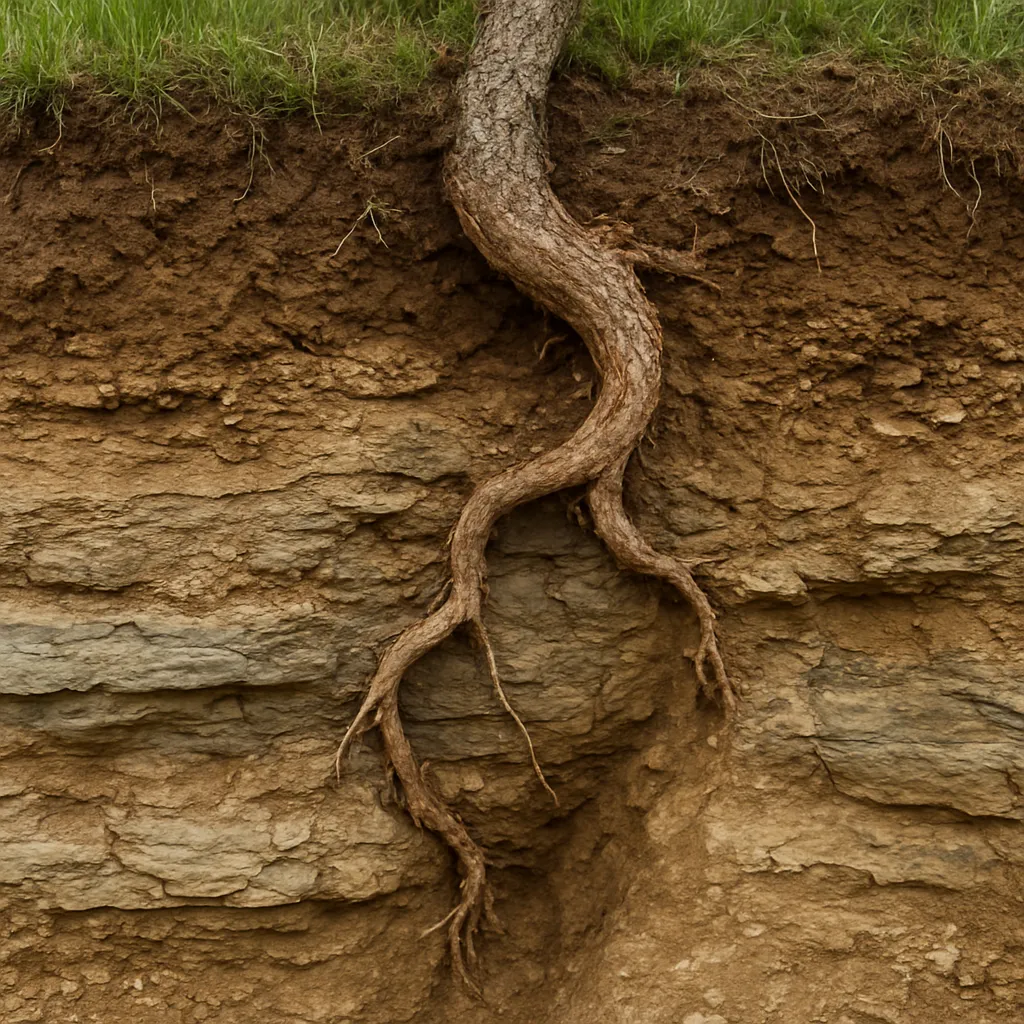
Two rock ledges sit side by side. One is bare. On the other, tree roots like these grow down into the cracks. Which ledge will most likely break apart faster?
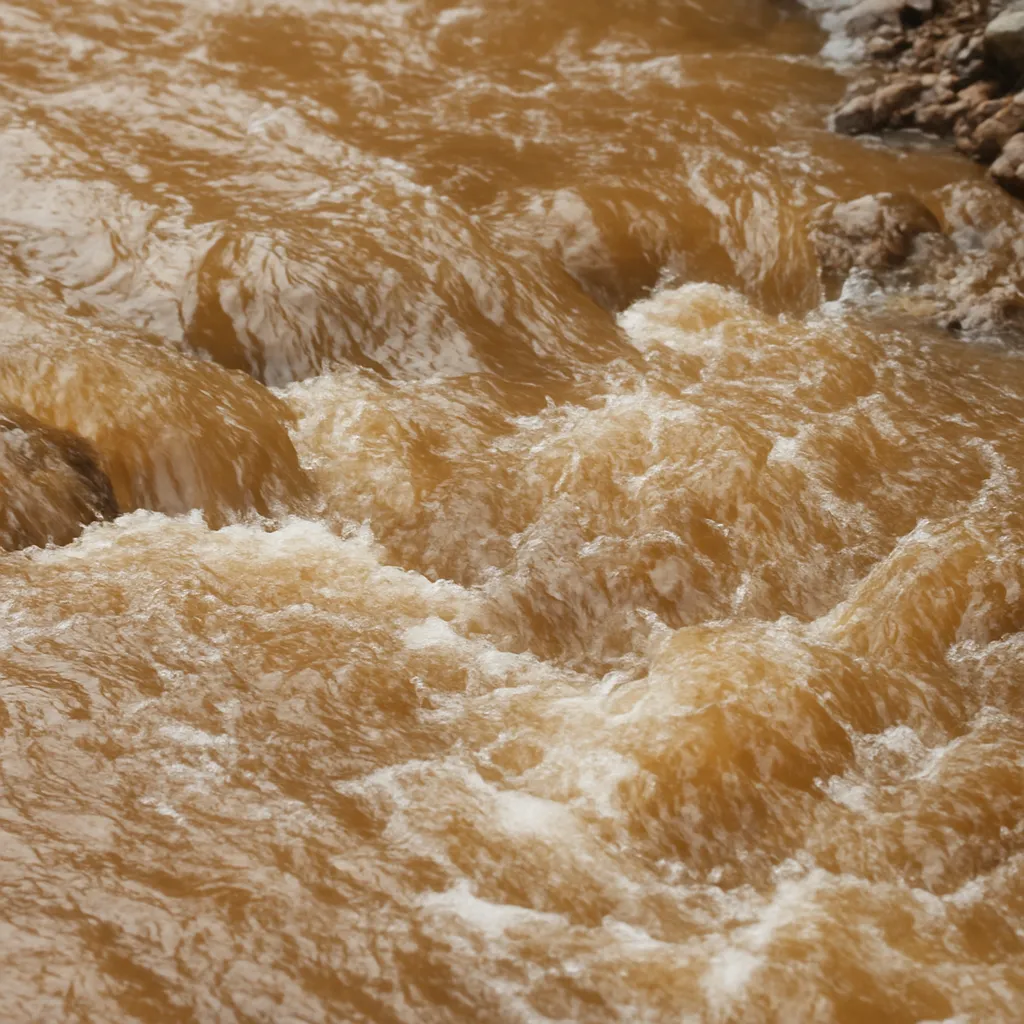
This rushing, muddy stream is moving fast. Which kind of sediment can fast water like this carry that a slow, gentle stream usually cannot move?
Which material would usually erode more slowly?
True or False: Rain amount is the only thing that affects the rate of erosion.
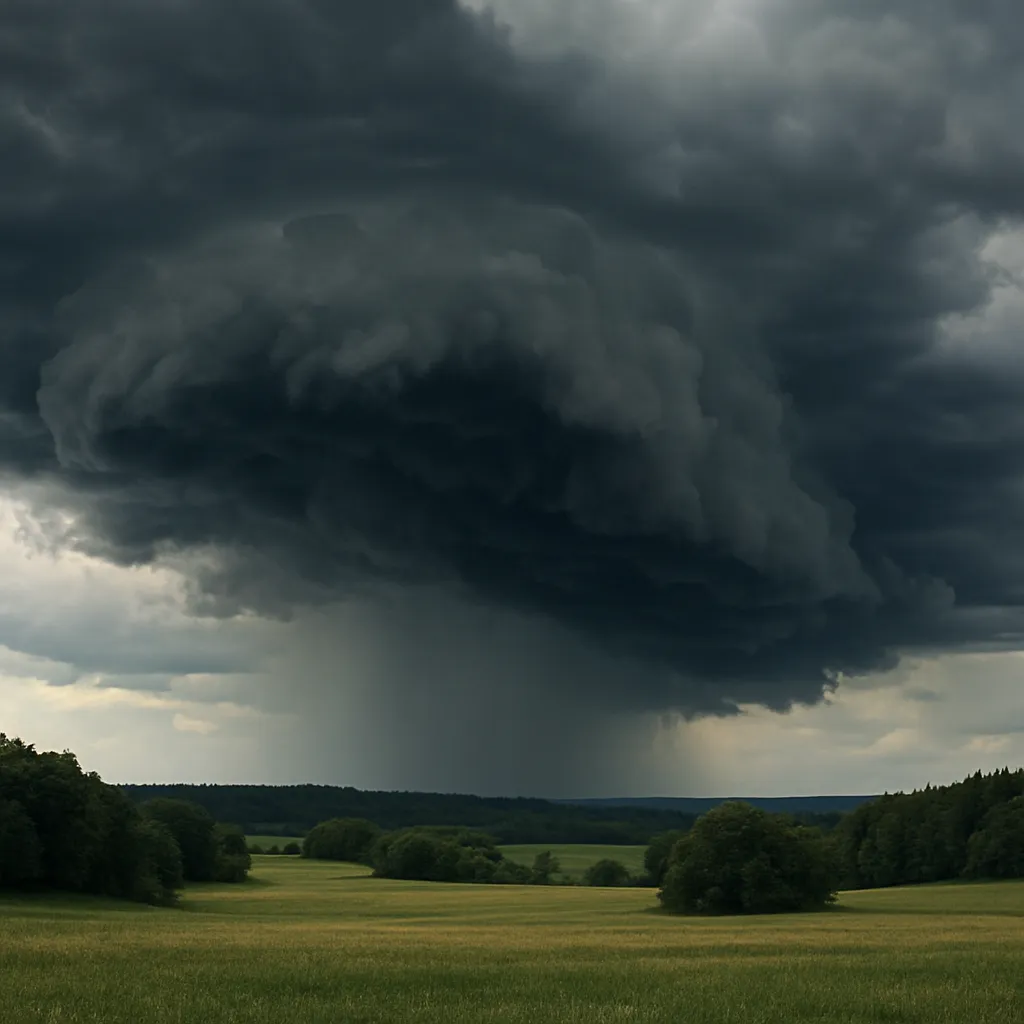
A beach loses more sand during a strong storm than on a calm day. What best explains this?
Which action would most likely increase erosion in a yard?
The same dry, loose sand is hit by two different winds: a light breeze and a strong gust. Which wind erodes the sand at a faster rate?
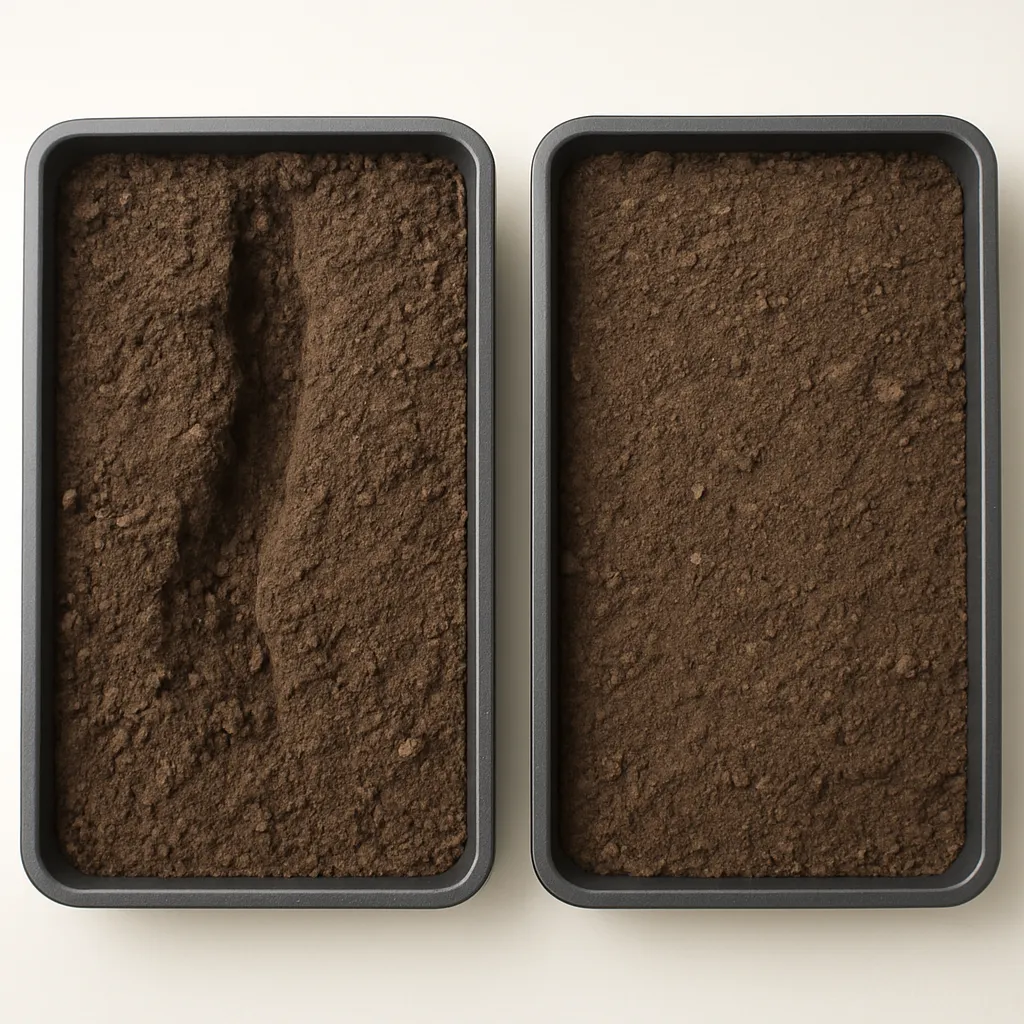
Two soil trays are sprayed with the same amount of water. One tray is flat, and one tray is tilted. Which tray will probably lose soil faster?
What evidence shows that erosion happened faster in one place than another?
Crack the passcode before the zombies get in.
Answer, then swat bugs for bonus points.
Race through questions at your own speed.
Same question on every screen. Fastest wins.

Pick a tile, answer, hit bonuses and steals.
Renewable and Nonrenewable Resources
40 questions