Loading
by BlastRoom
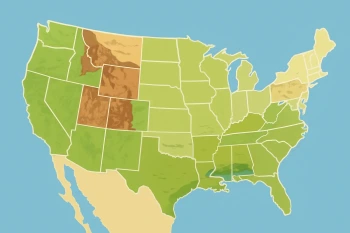
Read maps and data tables to find patterns in mountain ranges, earthquakes, volcanoes, and the ocean floor.
#earth_features#us_grade_4_science
20 questions
One question set, multiple game modes. Tap any game to see it in action. Not sure which to pick?
Answer to place stones and capture territory.
Outrun the snow together.
Earn blasts, then hunt the other team.
Answer to earn energy, then climb.

The class blasts through walls together.
Bid on mystery lots. Most money wins.
Sell tours. Nice, standard, or a total scam.

Answer, restock, and serve the rush.
More correct answers pulls the rope your way.
Answer, then shoot down the alien wave.
Answer, then tap to leap the frozen ridge.
A class marks every earthquake and volcano from one year on a world map. The marks do not cover the map evenly. What pattern do the marks make?
On a topographic map, the lines that show height are packed very close together on one side of a hill. What does that tell a hiker about that side of the hill?
A table lists water depth measured along a line across an ocean. The deepest numbers all come from one long, narrow strip. Which ocean floor feature is that strip most likely to be?
A map of the ocean floor shows shallow water for many miles around a continent before the floor drops off steeply into deep water. That shallow, gently sloping area is the continental ___.
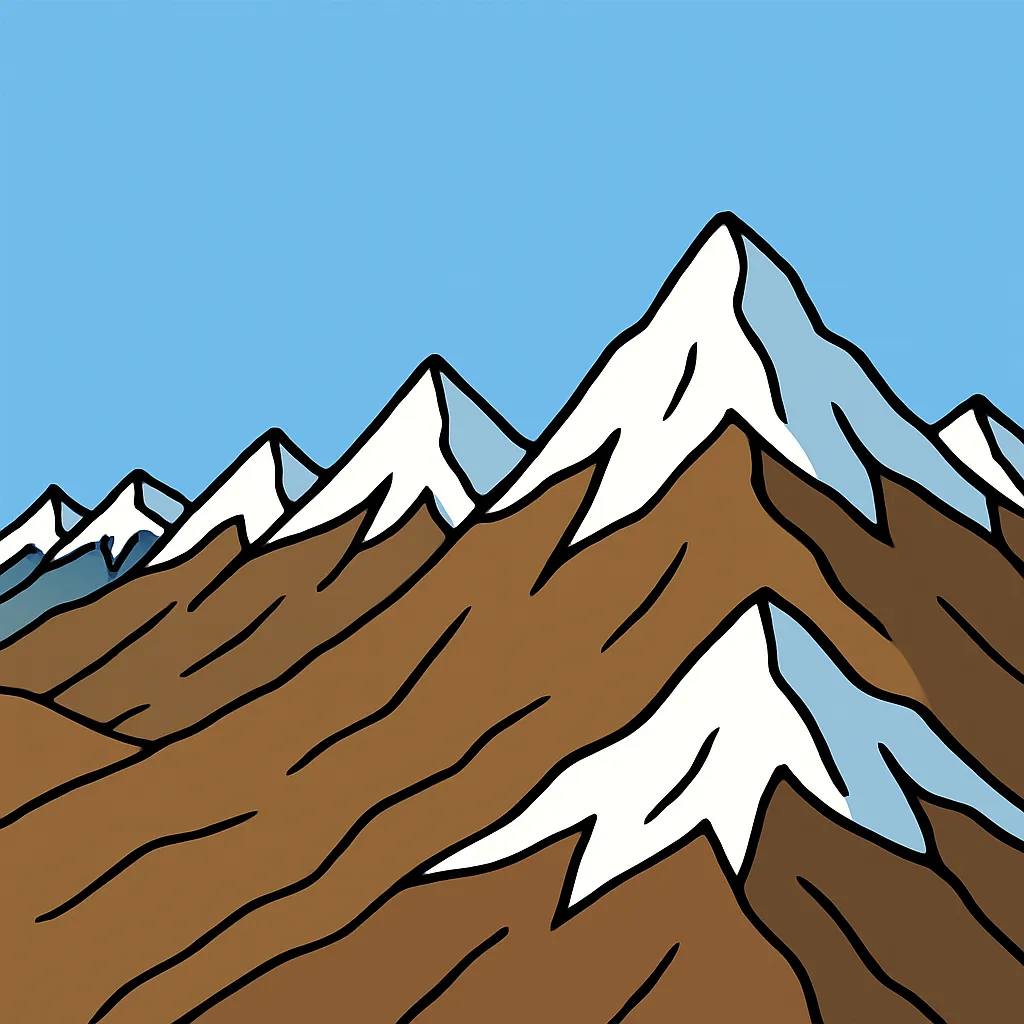
On a map of one continent, high peaks form an unbroken line down the whole west coast, while the middle of the continent is flat. What pattern does this show about mountains?
On a world map, many of Earth's volcanoes are found along the coasts that surround the Pacific Ocean.
A long mountain range runs down the middle of the Atlantic Ocean floor.
A student lays a map of earthquake locations beside a map of volcano locations. Many marks fall in the same bands on both maps. What does that pattern suggest?
A map that uses lines to show the height and the shape of the land is called a ___ map.
Volcanoes on a world map show up in the same few bands year after year. How can scientists best use that pattern?
A map of the ocean floor shows a line of tall underwater volcanoes, and the tops of a few of them stick out above the water as small islands. What does this pattern show?
A class compares a map of the world's highest mountain ranges with a map of where earthquakes shake the ground most often. The two maps match in many places. What does that suggest?
A map shows how the streams on a hillside connect on their way to the sea. What pattern do streams usually form as they flow downhill?
A map's key shows a brown triangle for 'mountain peak' and a blue line for 'river.' A row of triangles runs along one edge of a state, and a blue line begins near the tallest one and flows away. Using the key, what does the map show?
A map shows that on this continent, thick forests grow only in low, flat river valleys, while higher mountain slopes nearby are bare rock. Based on this pattern, if a new valley has a river through low, flat land, what would most likely be growing there?
A world map shows deserts on the side of mountain ranges facing away from the ocean, and thick forests on the side facing it. If a new range blocks moist ocean winds from the land behind it, what would you predict about that far side?
A map shows a curved chain of islands along a coast. The islands get smaller the farther they are from shore. If one more island lies even farther out to sea, what would you predict about it?
A map compares two towns. Town A sits where a river spreads into many channels across flat land near the ocean. Town B sits high in narrow mountain valleys far from the coast. Which town is more likely to flood after heavy rain?
A map of a desert region shows tall sand dunes lined up in long rows that all point in the same direction. What does this pattern suggest about the desert?
A map shows that wide, rounded valleys contain slow rivers, while narrow, V-shaped valleys with steep walls contain fast, rushing rivers. Based on this pattern, which valley shape would you expect around a river marked fast and rushing on a new map?
Crack the passcode before the zombies get in.
Answer, then swat bugs for bonus points.
Race through questions at your own speed.
Same question on every screen. Fastest wins.

Pick a tile, answer, hit bonuses and steals.
Energy Sources and the Environment
40 questions