Loading
by BlastRoom
Analyze Kenny’s voice and the sharp tonal turn in the novel.
#us_grade_6_english
20 questions
One question set, multiple game modes. Tap any game to see it in action. Not sure which to pick?
Answer to place stones and capture territory.
Outrun the snow together.
Earn blasts, then hunt the other team.
Answer to earn energy, then climb.

The class blasts through walls together.
Bid on mystery lots. Most money wins.
Sell tours. Nice, standard, or a total scam.

Answer, restock, and serve the rush.
More correct answers pulls the rope your way.
Answer, then shoot down the alien wave.
Answer, then tap to leap the frozen ridge.
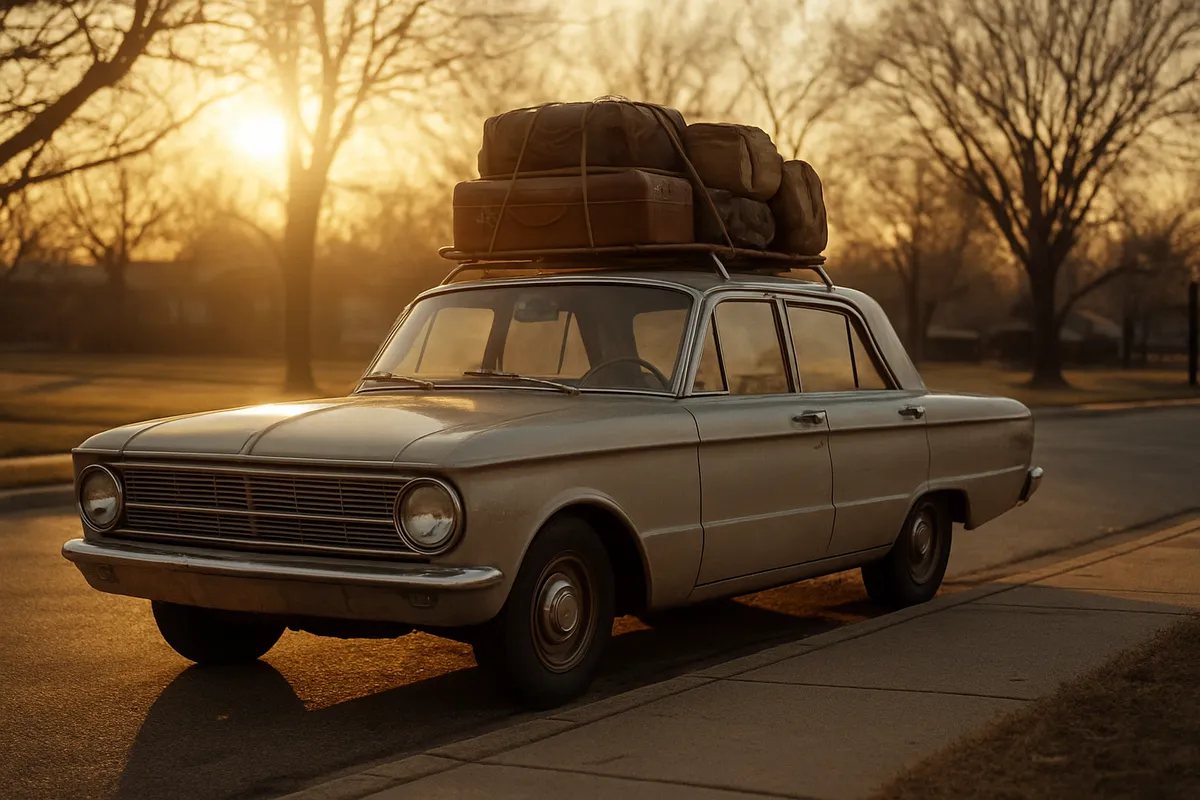
Kenny tells the long drive from Flint to Birmingham through jokes about Byron, Dad, and the Brown Bomber. What does this voice show about Kenny?
When Byron gets his lips stuck to the icy mirror, Kenny tells the scene with comic panic and exact details. What does Kenny's telling reveal?
Kenny calls his family the Weird Watsons while showing their routines, arguments, and jokes. What does that name mainly show about his point of view?
Kenny describes being teased at school and explains why Rufus first seems useful to him. What does the voice show about Kenny?
After Kenny laughs at Rufus's worn clothes, Rufus stops sitting with him, and Kenny later feels ashamed. What does Kenny's narration show?
Kenny often repeats family nicknames and jokes, even when trouble is near. What does this habit show about his voice?
Kenny tells about Byron's trouble with wide eyes and wild exaggeration. What does that childish exaggeration reveal about Kenny?
Joey says she left the church because she saw Kenny waving from across the street, but Kenny was inside looking for her. What does the reader understand beyond Kenny's confusion?
Kenny notices adults' fear after the 16th Street Baptist Church bombing, where four girls were killed on September 15, 1963. What does the reader see beyond Kenny?
Dad keeps joking during the trip south, even while taking Byron to Grandma Sands after serious trouble. What can the reader see past Kenny's amusement?
In the water, Kenny focuses on the Wool Pooh pulling him down, while Byron drags him out. What does the reader understand beyond Kenny's fear?
Kenny first treats Grandma Sands mainly as a tiny, strict figure meant to scare Byron. What larger purpose can the reader infer?
Early chapters use comic labels and teasing. After the church bombing, Kenny's sentences center on fear, silence, and not understanding. What changes?
What does the earlier comedy about the Watson family do when the bombing enters the plot?
Kenny hiding behind the couch after Birmingham is told with little comedy. What does that quieter wording show?
Near the end, Byron speaks gently to Kenny instead of acting like a bully. How does this affect the tone?
The novel's title includes the year 1963. How does that date shape what a reader expects from the family's trip?
Kenny uses Wool Pooh for the force in the water and later for the terror he senses at the church. What does the repeated name do?
Why keep Kenny's child phrase Wool Pooh instead of replacing it with an adult explanation?
The Wool Pooh first appears when Kenny nearly drowns, then returns in his mind after the bombing. What connection does this create?
Crack the passcode before the zombies get in.
Answer, then swat bugs for bonus points.
Race through questions at your own speed.
Same question on every screen. Fastest wins.

Pick a tile, answer, hit bonuses and steals.
20 questions