Loading
by BlastRoom
Analyze Longfellow’s poem as a narrative shaped by rhythm, word choice, and history.
#us_grade_6_english
20 questions
One question set, multiple game modes. Tap any game to see it in action. Not sure which to pick?
Answer to place stones and capture territory.
Outrun the snow together.
Earn blasts, then hunt the other team.
Answer to earn energy, then climb.

The class blasts through walls together.
Bid on mystery lots. Most money wins.
Sell tours. Nice, standard, or a total scam.

Answer, restock, and serve the rush.
More correct answers pulls the rope your way.
Answer, then shoot down the alien wave.
Answer, then tap to leap the frozen ridge.
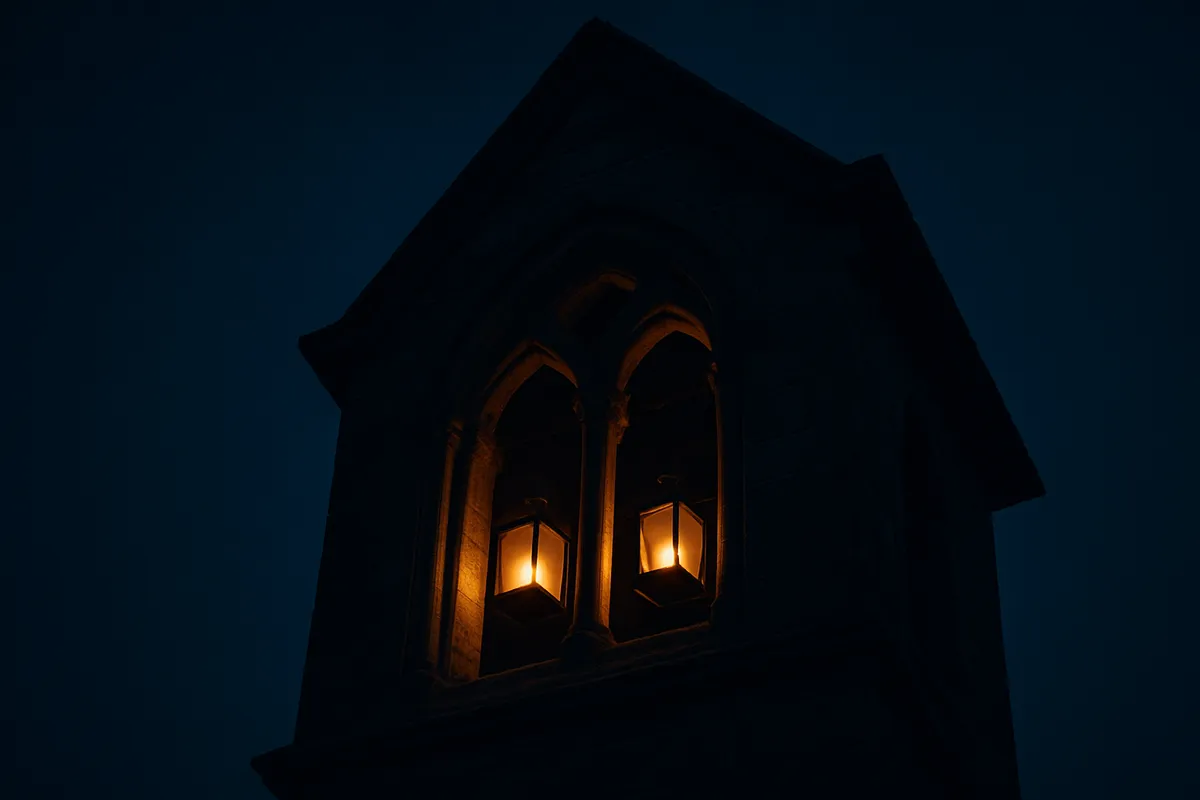
In the poem, Revere tells his friend to hang lanterns in the church tower as a signal. What do two lanterns mean?
Revere says he will be “Ready to ride and spread the alarm / Through every Middlesex village and farm.” What is his plan?
“Meanwhile, his friend through alley and street / Wanders and watches, with eager ears.” What is the friend doing?
“Then he climbed the tower of the Old North Church, / By the wooden stairs, with stealthy tread.” What happens in these lines?
The poem ends by saying that in “the hour of darkness and peril and need,” people will hear “the midnight message of Paul Revere.” What does this ending suggest?
In the poem, the village clock marks each stop on Revere’s ride. What happens when it is “one by the village clock”?
“The farmers gave them ball for ball, / From behind each fence and farm-yard wall.” What action is described?
The poem repeats “It was twelve,” “It was one,” and “It was two” before naming towns. What does this repetition help readers follow?
“A hurry of hoofs in a village street” repeats the h sound. What does that sound pattern add to the scene?
“Now he patted his horse’s side, / Now gazed at the landscape far and near.” What does the repeated “Now” show about Revere?
The poem repeats that the alarm goes through “every Middlesex village and farm.” What does that repeated phrase emphasize?
The poem names Medford, Lexington, and Concord as the ride moves on. What does this listing do for the reader?
The ship is called “A phantom ship” and “a huge black hulk.” What feeling do these words create?
The tower is “Lonely and spectral and sombre and still.” What mood do these words create?
The steed is described as "flying fearless and fleet." What do these words suggest about the ride?
The alarm is “A cry of defiance and not of fear.” How does this word choice shape the message?
“The fate of a nation was riding that night.” What does this phrase make the ride seem?
History says the lanterns were a signal to Revere, not from him. In the poem, Revere waits and watches the tower. What did Longfellow choose to do?
History says Revere rode with William Dawes and Samuel Prescott, and Prescott carried the warning after Revere was detained. What does the poem change?
Longfellow wrote the poem in 1860 about a ride on April 18, 1775. How should that 85-year gap guide a reader?
Crack the passcode before the zombies get in.
Answer, then swat bugs for bonus points.
Race through questions at your own speed.
Same question on every screen. Fastest wins.

Pick a tile, answer, hit bonuses and steals.
Seventh Grade
20 questions