Loading
by BlastRoom
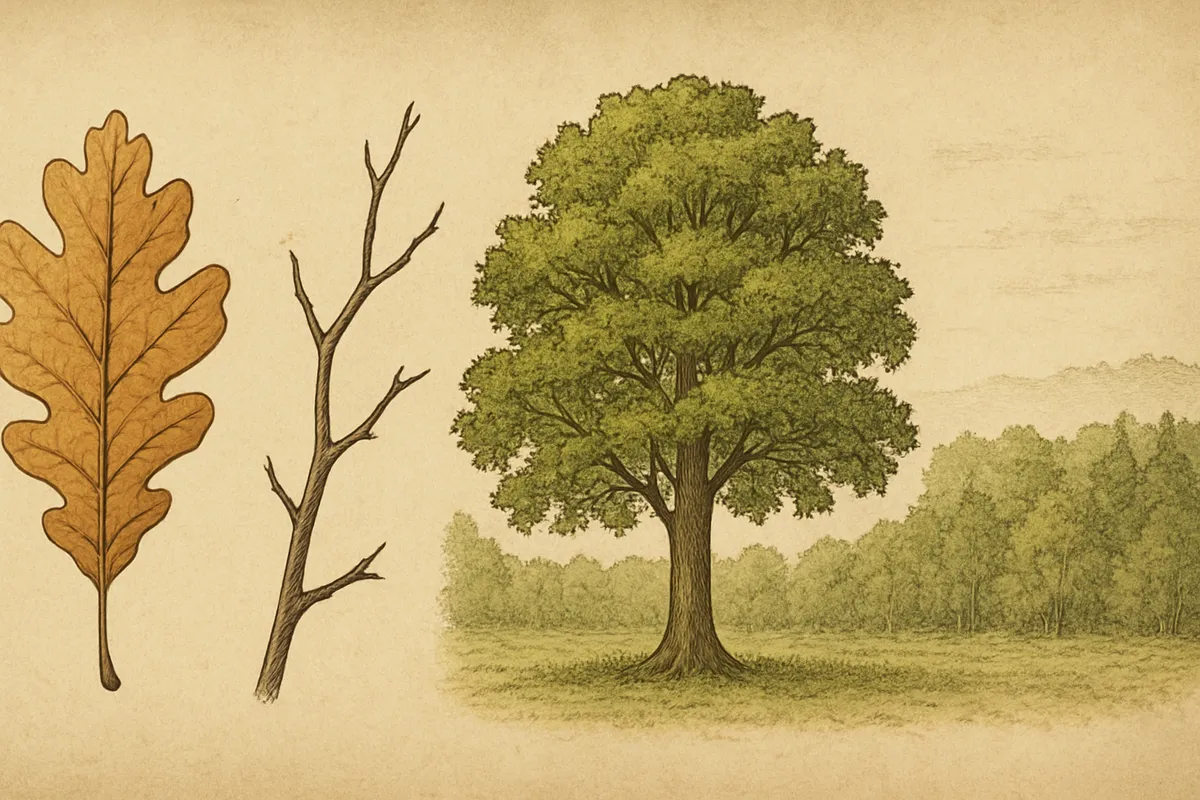
Levels of Biological Organization for high school Environmental Science, on-level and AP. Covers AP Environmental Science Units 1 and 2: The Living World.
#environmental_science
20 questions
One question set, multiple game modes. Tap any game to see it in action. Not sure which to pick?
Answer to place stones and capture territory.
Outrun the snow together.
Earn blasts, then hunt the other team.
Answer to earn energy, then climb.

The class blasts through walls together.
Bid on mystery lots. Most money wins.
Sell tours. Nice, standard, or a total scam.

Answer, restock, and serve the rush.
More correct answers pulls the rope your way.
Answer, then shoot down the alien wave.
Answer, then tap to leap the frozen ridge.
In a restoration survey, every western pond turtle occupying one wetland is counted. At what level is this group studied?
A field scientist records the mass and movement of one GPS-tagged coyote. What level of biological organization is being examined?
Every saguaro cactus within a mapped hectare of desert is counted to assess drought effects. What level does the cactus group represent?
A prairie survey lists grasses, insects, birds, mammals, and fungi but does not measure soil or weather. What level is the survey describing?
Scientists examine all ecosystems on Earth and their connections through the atmosphere and hydrosphere. What level are they examining?
A study of an urban rain garden includes its plants, insects, microbes, soil, rocks, and water. What level of organization does the study cover?
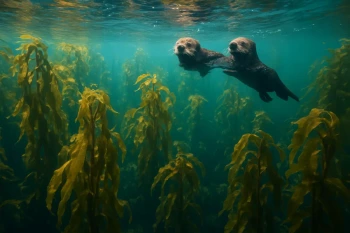
All sea otters living along one section of Monterey Bay are monitored after an oil spill. What level does this group represent?
One American robin nesting in a schoolyard is observed for feeding behavior. What level of organization is the robin?
Which sequence correctly orders the levels from smallest to largest?
When moving upward through biological organization, what level comes directly after a population?
When moving upward through biological organization, what level comes directly after an organism?
Moving upward through biological organization, which level is the first to include nonliving factors such as soil, water, and climate?
In the full hierarchy, which level immediately precedes the biosphere?
Researchers identify every plant, animal, fungus, and microbe species living in a pond, without measuring water chemistry or sediment. What are they describing?
A stream assessment records fish, algae, water temperature, dissolved oxygen, current speed, and sediment. What level is being assessed?
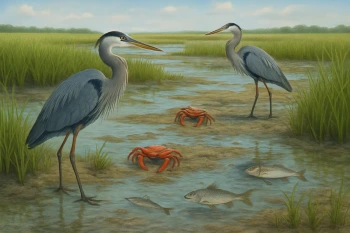
A salt-marsh survey focuses on interactions among cordgrass, crabs, birds, insects, and decomposer fungi. What level is under study?
After fertilizer runoff enters a lake, investigators measure algae, fish, bacteria, nitrate concentration, and dissolved oxygen. What level does this investigation address?
A biologist maps the bird, insect, shrub, and grass species occupying a restored meadow but excludes soil and climate measurements. What level is mapped?
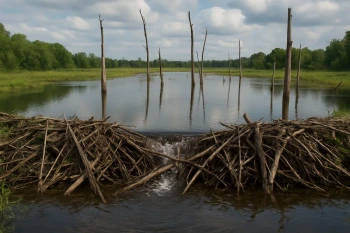
A wetland study examines how beaver dams alter water flow, sediment, aquatic plants, and amphibian habitat. What level does the study examine?
Ecologists document mutualism, predation, and competition among all species in a forest, without collecting data on rainfall or soil. What level is their focus?
Crack the passcode before the zombies get in.
Answer, then swat bugs for bonus points.
Race through questions at your own speed.
Same question on every screen. Fastest wins.

Pick a tile, answer, hit bonuses and steals.
Competition, Predation and the Niche
40 questions