Loading
by BlastRoom
Identify early American civilizations and the practices later societies inherited from them.
#world_history
20 questions
One question set, multiple game modes. Tap any game to see it in action. Not sure which to pick?
Answer to place stones and capture territory.
Outrun the snow together.
Earn blasts, then hunt the other team.
Answer to earn energy, then climb.

The class blasts through walls together.
Bid on mystery lots. Most money wins.
Sell tours. Nice, standard, or a total scam.

Answer, restock, and serve the rush.
More correct answers pulls the rope your way.
Answer, then shoot down the alien wave.
Answer, then tap to leap the frozen ridge.
Along Mexico's Gulf Coast about 1200-400 BCE, people made monumental volcanic-stone sculpture and fine jade works. Which culture was this?
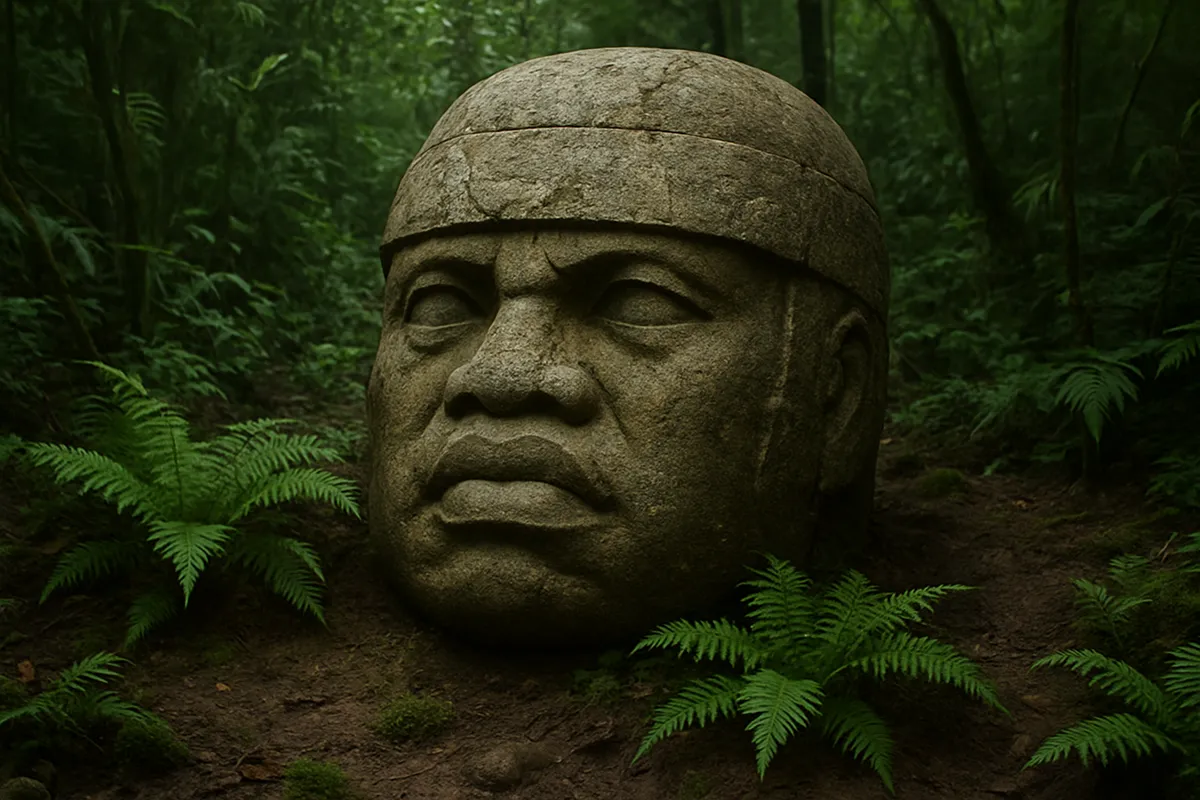
San Lorenzo and La Venta are best known for massive basalt portrait heads with individualized headgear. Which society made them?
At La Venta in Tabasco, archaeologists found carefully arranged greenstone offerings and small stone figures. Which culture do these finds belong to?
Rubber balls from El Manatí on Mexico's Gulf Coast are early evidence for a ritual ballgame. Which early society is most closely connected with that find?
Which location best matches the heartland of the people who built San Lorenzo and La Venta?
Which early culture laid a foundation for later Mesoamerican art from central Mexico to the Maya area?
In the Valley of Oaxaca, a civilization grew from farming communities and built its capital at Monte Albán around 500 BCE. Which civilization was it?
Which city, set on mountain plateaus above three valleys, became the major political and ritual center of the Oaxaca Valley?
Why do the carved stones at early Monte Albán matter for the history of writing?
A stone text uses day names, dots and bars, and a 260-day calendar at Monte Albán. Which culture does that point to?
Building J at Monte Albán has carved stone slabs showing place signs and upside-down heads. What do historians think these slabs record?
A culture in a high valley of the Peruvian Andes developed between about 1500 and 300 BCE around a major place of worship. Which culture was it?
What was the main role of the highland Peruvian temple center that drew people from different regions and languages?
Which site had terraces, plazas, stone buildings, an internal gallery system, and the Lanzón sculpture deep inside its temple?
In Peru, artists made images of fanged deities, condors, felines, and serpents linked to fertility and religious power. Which culture is this?
Around 900 BCE, a distinctive pottery and religious style spread widely across the Andes. Which culture is associated with that Early Horizon influence?
Which practice became a long-lasting feature of Mesoamerican life among later peoples such as the Maya and Aztec?
Some Classic Maya rulers were buried with much older Olmec figurines or pendants. What does that show?
Which later civilization recorded political histories, rituals, battles, and genealogies in a decoded phonetic hieroglyphic script on stone monuments?
Which later empire built a road network thousands of miles long, partly on older roads, and moved goods with llama caravans through the mountains?
Crack the passcode before the zombies get in.
Answer, then swat bugs for bonus points.
Race through questions at your own speed.
Same question on every screen. Fastest wins.

Pick a tile, answer, hit bonuses and steals.
Hinduism
25 questions