Loading
by BlastRoom
The city-states between the rivers, their empires and their inventions.
#world_history
35 questions
One question set, multiple game modes. Tap any game to see it in action. Not sure which to pick?
Answer to place stones and capture territory.
Outrun the snow together.
Earn blasts, then hunt the other team.
Answer to earn energy, then climb.

The class blasts through walls together.
Bid on mystery lots. Most money wins.
Sell tours. Nice, standard, or a total scam.

Answer, restock, and serve the rush.
More correct answers pulls the rope your way.
Answer, then shoot down the alien wave.
Answer, then tap to leap the frozen ridge.
The lower Tigris-Euphrates plain had little reliable rain. Which practice made grain farming possible there?
Floods and shifting river channels could damage fields in Sumer. How did that shape village and city life?
The name Mesopotamia refers to the land between which two rivers?
Southern Mesopotamia lacked abundant stone and timber. What building material did its cities use most?
Too much irrigation without enough drainage could harm Sumerian fields in what way?
Besides watering crops, what else did Mesopotamian rivers and canals help cities do?
Ur, Uruk, and Lagash each controlled a city and nearby land. What term best describes this political unit?
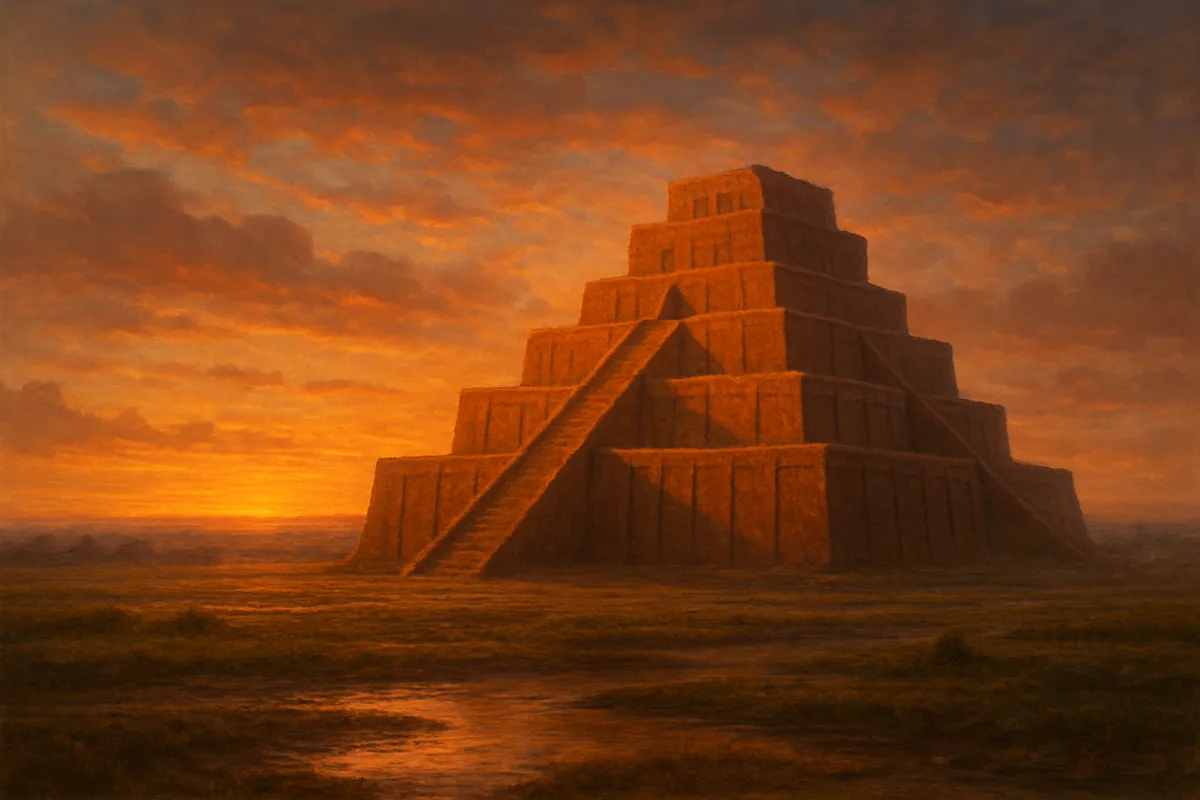
What stepped structure did Sumerian cities build as part of a temple complex?
In early Sumerian city-states, which institution served religious and economic roles and employed many workers?
Sumerians believed each city had a patron deity. What did priests and officials do for that deity?
As Sumerian cities fought over land and water, which role became important for defense and public works?
Ur-Nammu of Ur built temples and ziggurats around 2100 BCE. What does that show about Mesopotamian rulership?
Which evidence best shows that Sumerian city governments kept organized records?
Scribes in Uruk first used a writing system for accounts of goods such as grain, bread, and beer. What was it called?
How were most cuneiform signs made?
A merchant rolled a carved cylinder across wet clay on a tablet or jar seal. What was the main purpose?
Mesopotamian counting influenced the 60-minute hour and 360-degree circle. Which system does that reflect?
Which set of technologies is most closely associated with early Mesopotamian innovations?
The Epic of Gilgamesh survived on clay tablets. Which achievement does that best represent?
Which specialist had to master cuneiform to copy texts and keep accounts?
Around the 24th century BCE, which ruler conquered Sumerian city-states and founded a wider Mesopotamian empire?
What made the Akkadian state different from earlier Sumerian city-states?
Akkadian officials used their own Semitic language for administration, but wrote it with which script?
Which statement about the imperial capital called Agade, or Akkad, is accurate?
Under which Akkadian ruler did the empire reach a high point after the founder's reign?
Which city became a grand imperial capital under Nebuchadnezzar II in the sixth century BCE?
Which achievement belongs to Nebuchadnezzar II's Neo-Babylonian building program?
Which Mesopotamian power grew from the north and created a large military empire that reached Egypt?
Ashurbanipal's great collection of cuneiform tablets was found in which Assyrian capital?
What happened to Nineveh in 612 BCE?
After Assyria's fall, which Mesopotamian power dominated until Persia conquered Babylon in 539 BCE?
Put these Mesopotamian powers in order, earliest first.
Which comparison between Sumer and Akkad is most accurate?
Which comparison correctly separates Assyria from the Neo-Babylonian Empire?
Which comparison best explains why the Akkadian and Assyrian empires are both important?
Crack the passcode before the zombies get in.
Answer, then swat bugs for bonus points.
Race through questions at your own speed.
Same question on every screen. Fastest wins.

Pick a tile, answer, hit bonuses and steals.
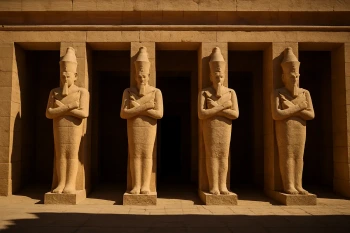
Ancient Egypt: Old, Middle and New Kingdoms
50 questions