Loading
by BlastRoom
Analyze how staging, entrances and the chorus in Sophocles' Antigone carry meaning no character states, and how each part serves the whole play.
#spectacle#matatag_english_10
20 questions
One question set, multiple game modes. Tap any game to see it in action. Not sure which to pick?
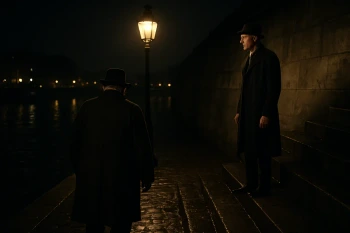
In Sophocles' Antigone, the blind seer enters led by a boy: "Princes of Thebes, two wayfarers as one, / Having betwixt us eyes for one, we are here." (Storr) What does this entrance show about Creon?
Eurydice hears how her son died, then walks out. The Chorus says, "The Queen has gone / Without a word importing good or ill." (Storr, Antigone) What does that silent exit carry?
Right after the Guard reports that someone defied the edict and buried the body, the Chorus of Antigone sings, "Many wonders there be, but naught more wondrous than man." (Storr) What does placing the ode here do?
In Sophocles' Antigone the body of Polyneices is argued over in almost every scene, yet it is never carried onto the stage. What does keeping it out of sight do for the play?
Antigone says as she is led away: "O grave, O bridal bower, O prison house / Hewn from the rock, my everlasting home" (Storr). What does calling the tomb a bridal bower do?
In Sophocles' Antigone the title character walks offstage alive well before the end, and Creon is left onstage with the bodies. What does the title do for the work as a whole?
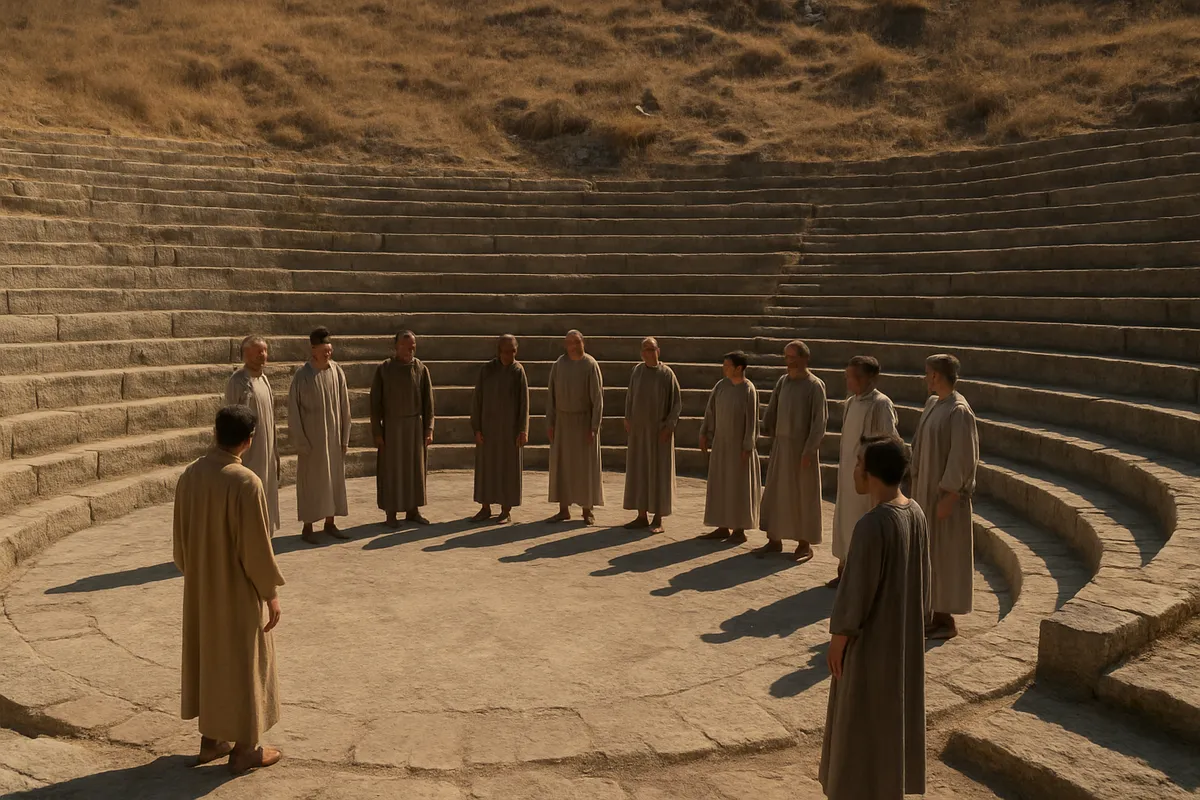
In Sophocles' Antigone the Chorus of Theban elders stays in the acting space for the whole play. What does that constant presence add to Creon's scenes?
Haemon leaves his father with these words: "Think not that in my sight the maid shall die, / Or by my side; never shalt thou again / Behold my face hereafter." (Storr, Antigone) How does this exit line serve the ending?
In Sophocles' Antigone the elders sing a joyful hymn calling on Dionysus to come and heal the city, and the Messenger enters with news of Haemon's death as it ends. What does the hymn's joy do?
The Chorus sees the prisoner brought in: "What strange vision meets my eyes, / Fills me with a wild surprise? / Sure I know her, sure 'tis she, / The maid Antigone." (Storr) What does this reaction stage?
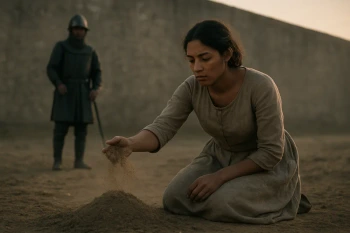
The Guard describes the second burial: "Anon she gathered handfuls of dry dust, / Then, holding high a well-wrought brazen urn, / Thrice on the dead she poured a lustral stream." (Storr) What does the raised urn show?
In Sophocles' Antigone, Eurydice, the wife of Creon, appears on stage in only one scene.
In Sophocles' Antigone, Ismene begs to share the blame, is refused by her sister, and never appears again. What does her disappearance contribute to the work as a whole?
Antigone tells her sister: "I know 'twas so, and therefore summoned thee / Beyond the gates to breathe it in thine ear." (Storr) What does meeting outside the palace gates show?
The Chorus announces Ismene: "see her brow, / Once serene, beclouded now, / See her beauteous face o'erspread / With a flush of angry red." (Storr, Antigone) What does this description do?
In Sophocles' Antigone the elders finish celebrating the defeat of the Argive army, and Creon walks on at once to deliver his first speech as king. What does that placing do?
The Chorus of Antigone sings: "If he honors the laws of the land, and reveres the Gods of the State / Proudly his city shall stand" (Storr). Which conflict of the play do these lines name?
Creon enters carrying his dead son and the Chorus says, "Lo! the King himself appears. / Evidence he with him bears / 'Gainst himself" (Storr, Antigone). What does the sight do?
In her last speech on stage, Antigone tells her city: "The last of all your royal house ye see." (Storr) She then walks off alive, and her death is reported later. What does that choice do?
Sophocles closes Antigone with the Chorus: "Of happiness the chiefest part / Is a wise heart: / And to defraud the gods in aught / With peril's fraught." (Storr) What do these lines do for the whole play?
Crack the passcode before the zombies get in.

Pick a tile, answer, hit bonuses and steals.
The Necklace: How the Story Is Made
20 questions