Loading
by BlastRoom
Identify phrase roles, phrase boundaries, and period types through cadence and melodic openings.
#us_hs_music_theory
24 questions
One question set, multiple game modes. Tap any game to see it in action. Not sure which to pick?
Answer to place stones and capture territory.
Outrun the snow together.
Earn blasts, then hunt the other team.
Answer to earn energy, then climb.

The class blasts through walls together.
Bid on mystery lots. Most money wins.
Sell tours. Nice, standard, or a total scam.

Answer, restock, and serve the rush.
More correct answers pulls the rope your way.
Answer, then shoot down the alien wave.
Answer, then tap to leap the frozen ridge.
A phrase is the first of a two-phrase unit and closes with a half cadence, as in the excerpt. Is it the antecedent or the consequent?
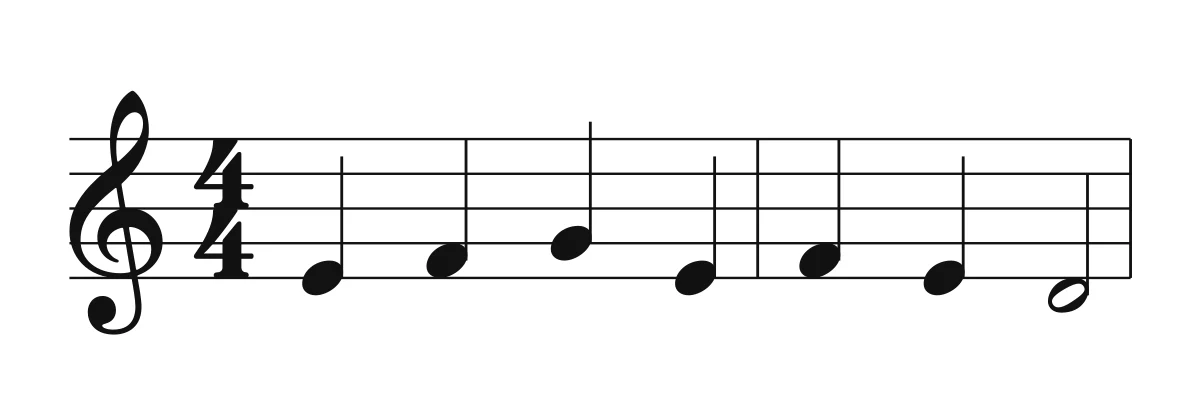
The excerpt represents the second phrase of a unit and ends with a perfect authentic cadence. Is this phrase the antecedent or the consequent?
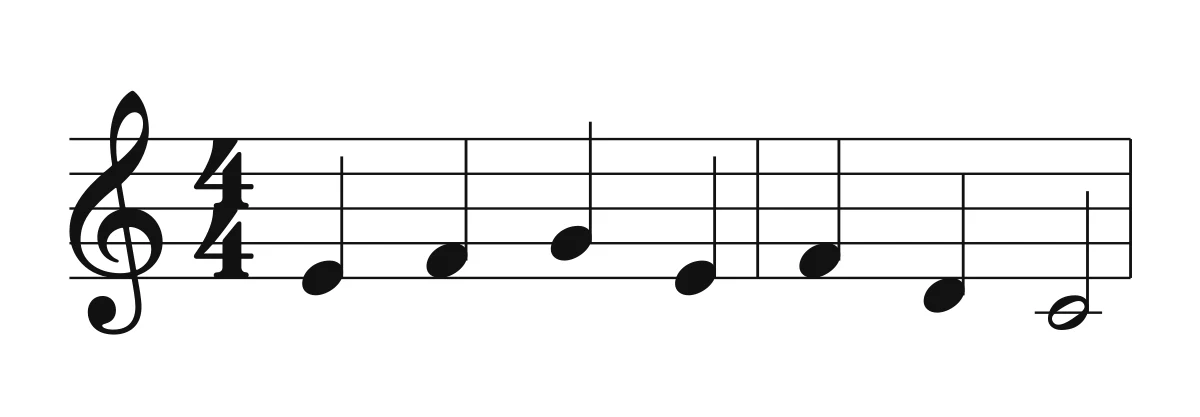
In a two-phrase period, the first phrase ends on V and leaves the musical idea needing continuation. What is that phrase called?
A phrase resolves the period's tension with a perfect authentic cadence. Does it function as the antecedent or the consequent?
The first phrase ends with an imperfect authentic cadence, and the following phrase ends with a perfect authentic cadence. What is the first phrase called?
A period's consequent ends with a perfect authentic cadence. Which antecedent cadence gives the more open, unfinished ending?
A period's antecedent ends with a half cadence. Which cadence most typically ends its consequent?
The excerpt shows two four-note phrases. Is the period parallel or contrasting?
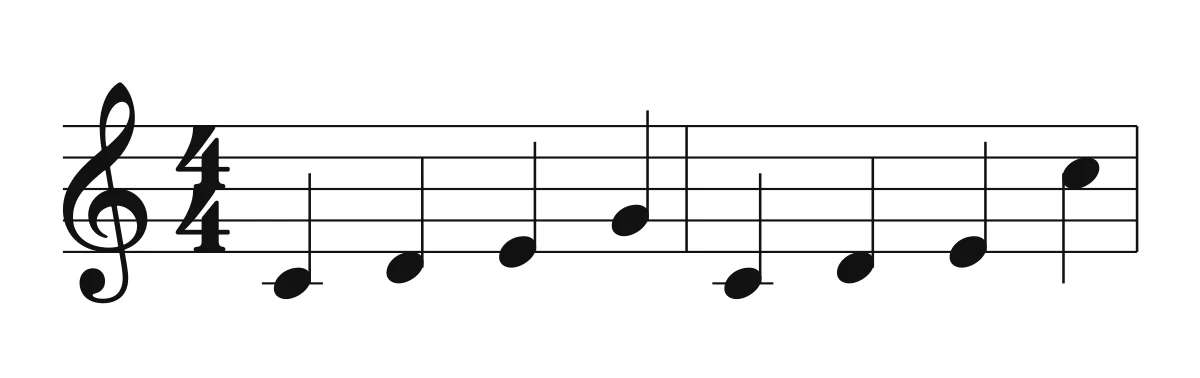
The excerpt shows two four-note phrases. Is the period parallel or contrasting?
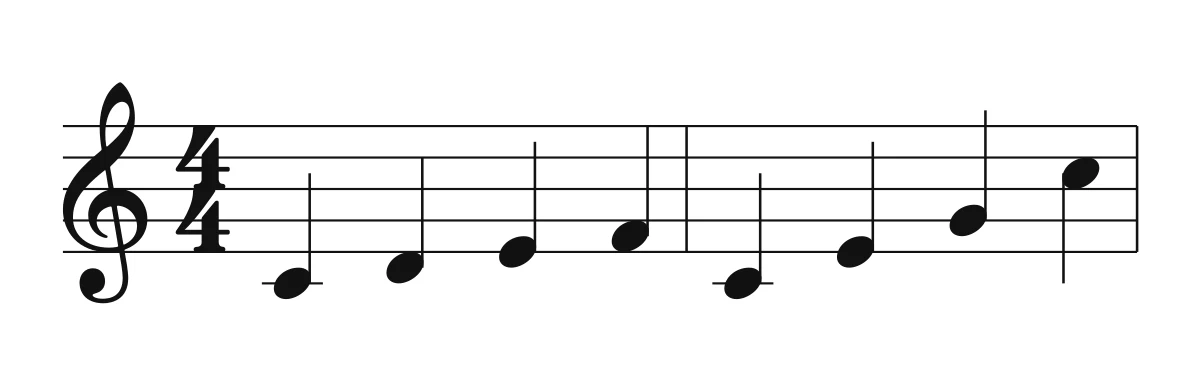
Two related phrases start with the same motive, but the second changes its continuation and ends more strongly. What kind of period is this?
A period's antecedent opens with repeated notes, but its consequent opens with a descending scale. Is this period parallel or contrasting?
Both phrases of a period open with the rhythm short-short-long and the same melodic contour. How should the period be labeled?
The antecedent and consequent end with similar melodic figures, but their opening measures use different melodies. Is the period parallel or contrasting?
What musical event marks the end of a phrase most reliably?
An eight-measure melody has a half cadence at the end of measure 4 and a perfect authentic cadence at the end of measure 8. Where does the first phrase end?
The excerpt is one phrase, and its last note is harmonized with V. What makes that note the end of the phrase?
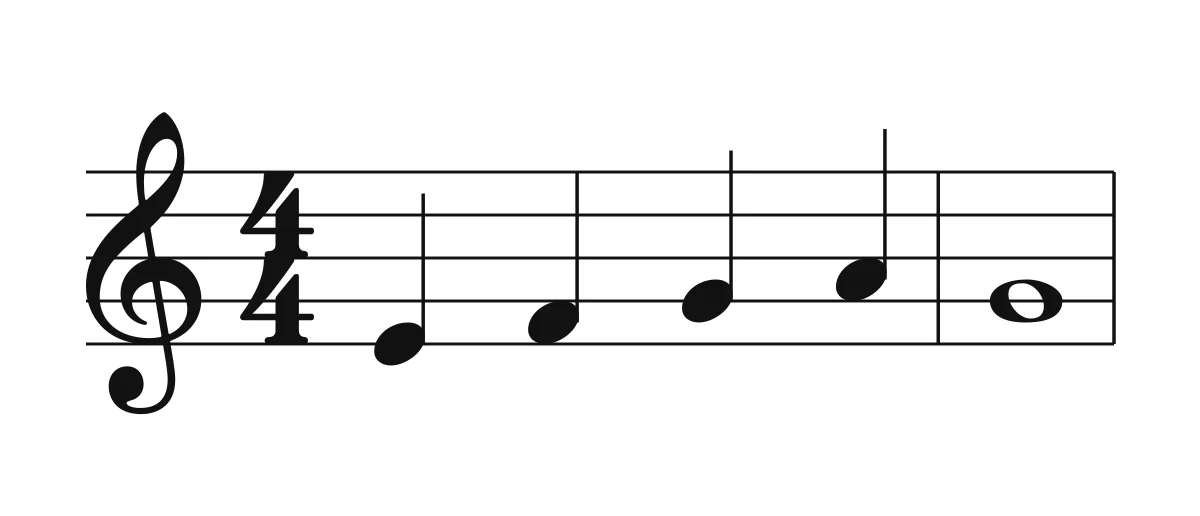
A melody keeps moving across a barline, and its V-I arrival comes at the end of the next measure. Where does the phrase end?
The excerpt is one phrase in C major, and its last two notes are harmonized with V and then I. What makes the last note the end of the phrase?
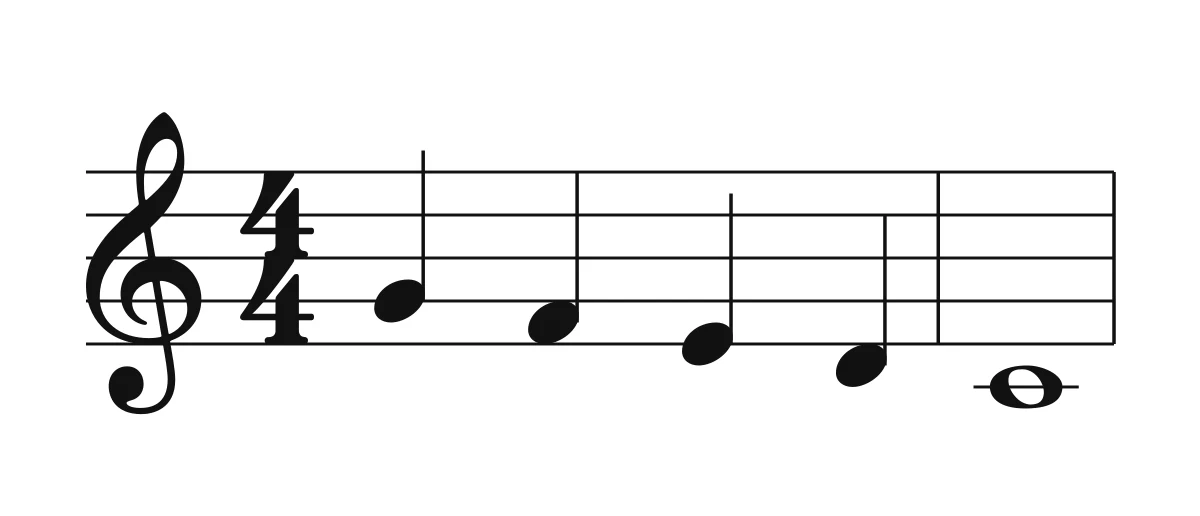
A performer makes a decrescendo in the middle of a melody, but the harmony keeps moving until a V-I arrival later. What marks the phrase ending?
Two phrases begin with different melodies. The first ends with a half cadence and the second with a perfect authentic cadence. Do they form a period?
Two related phrases begin similarly. The first ends with a half cadence and the second with a perfect authentic cadence. Do they form a period?
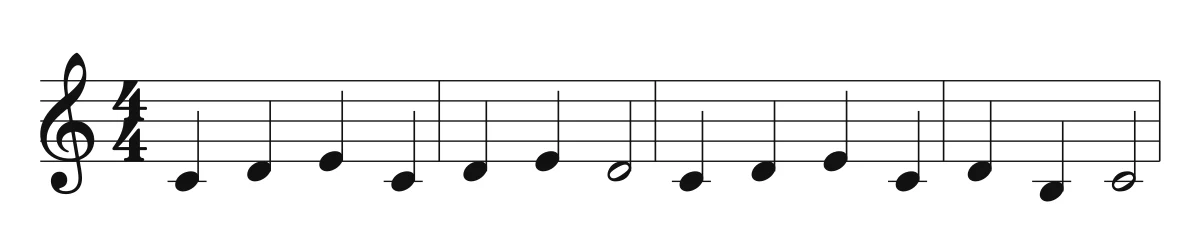
Two related phrases both end with perfect authentic cadences. Do they form a period?
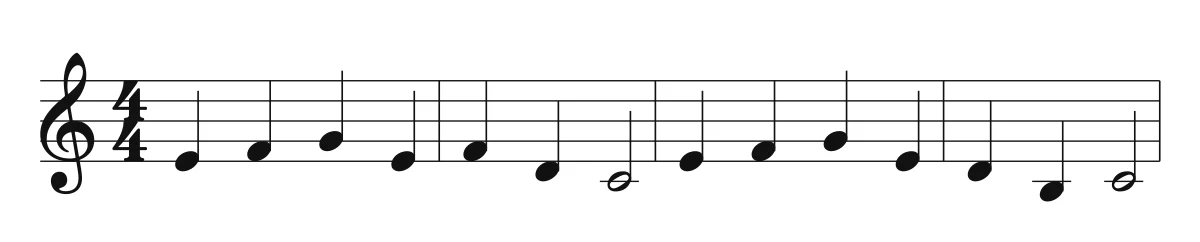
Two related phrases end with an imperfect authentic cadence followed by a perfect authentic cadence. Do they form a period?
Two related phrases both end with half cadences. Do they form a period?
Crack the passcode before the zombies get in.
Answer, then swat bugs for bonus points.
Race through questions at your own speed.
Same question on every screen. Fastest wins.

Pick a tile, answer, hit bonuses and steals.
Rondo and Theme with Variations
20 questions