Loading
by BlastRoom
Read motives, their restatements, and melodic sequences.
#us_hs_music_theory

24 questions
One question set, multiple game modes. Tap any game to see it in action. Not sure which to pick?
Answer to place stones and capture territory.
Outrun the snow together.
Earn blasts, then hunt the other team.
Answer to earn energy, then climb.

The class blasts through walls together.
Bid on mystery lots. Most money wins.
Sell tours. Nice, standard, or a total scam.

Answer, restock, and serve the rush.
More correct answers pulls the rope your way.
Answer, then shoot down the alien wave.
Answer, then tap to leap the frozen ridge.
The first three notes are a motive; the last three are its restatement. Which transformation is shown?
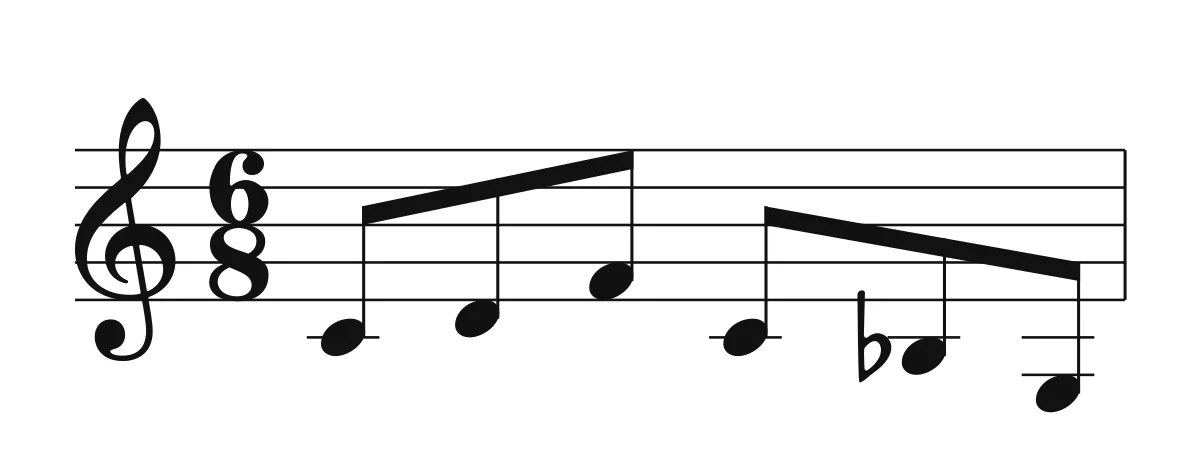
Treat the first three notes as the motive and the last three as its restatement. What transformation has occurred?
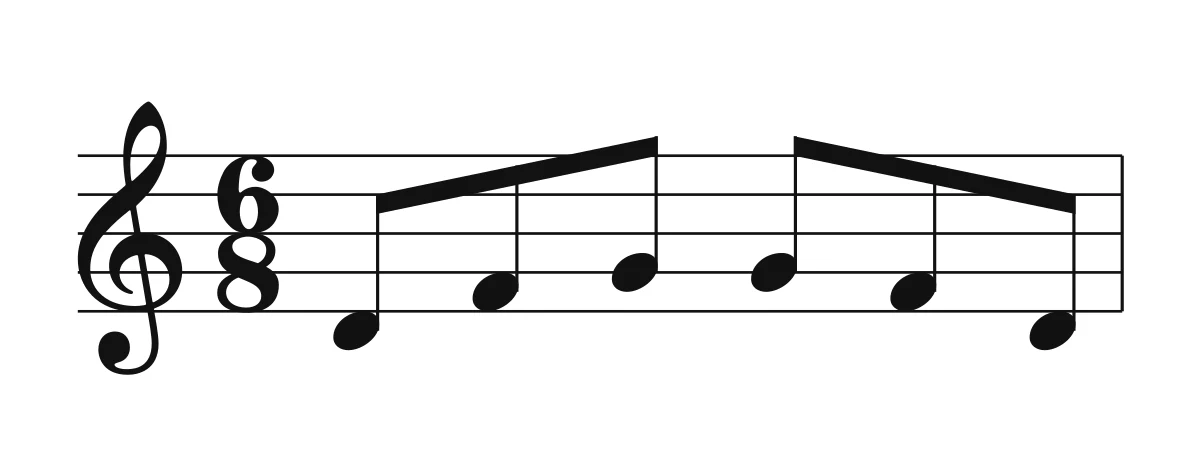
The first two notes form a motive, and the last two restate it. Name the transformation shown.
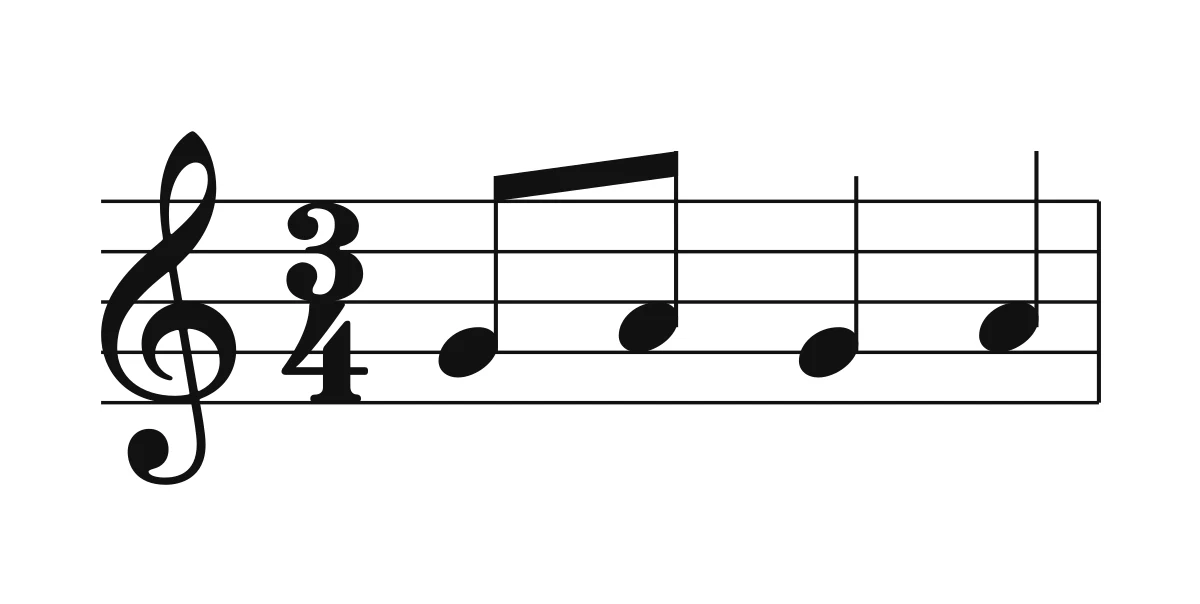
In the figure, the first two notes are the motive and the last two are its restatement. Which transformation is applied?
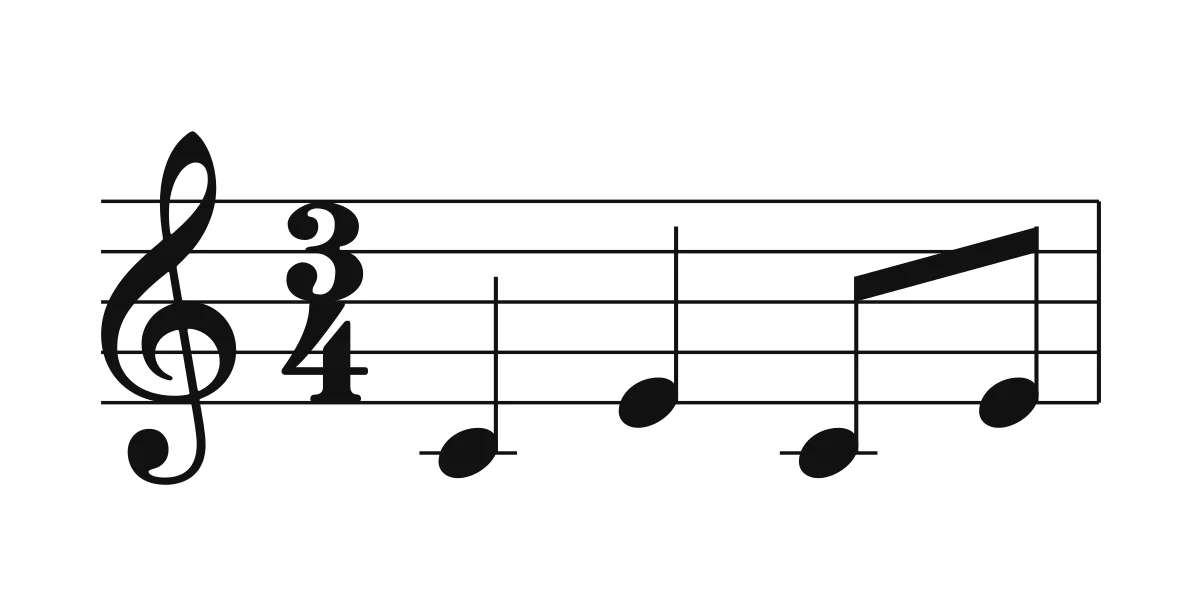
Read the first three notes as the motive and the final three as its restatement. What transformation is shown?
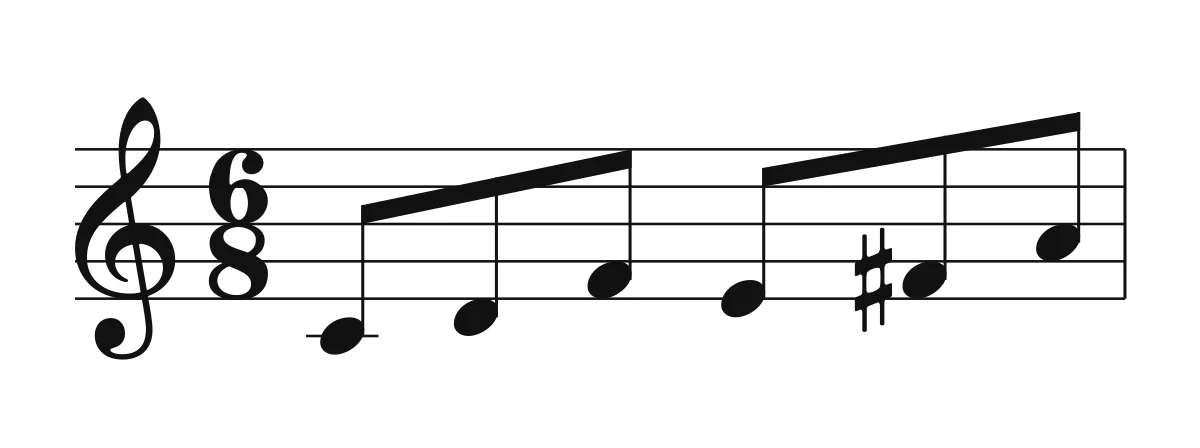
The figure contains a three-note motive followed by a restatement. Which transformation names the change?
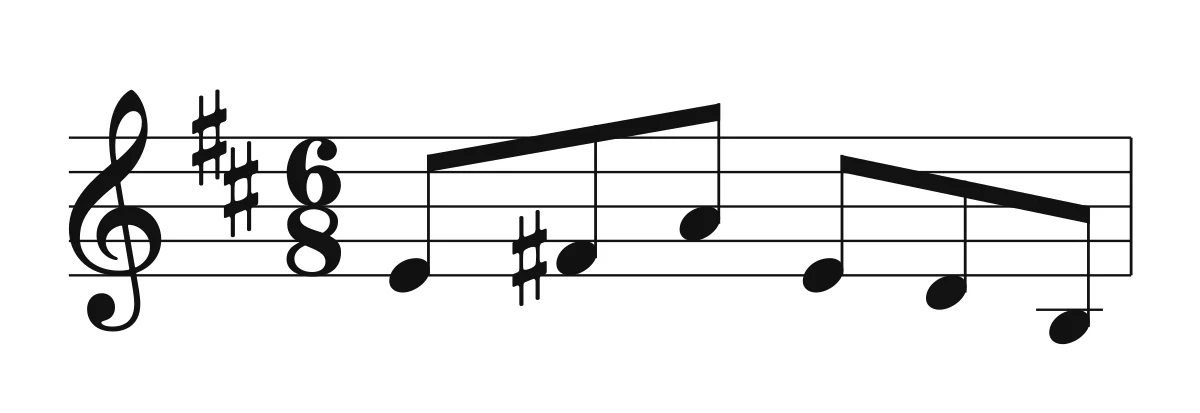
Compare the first three notes with the final three notes. What transformation has been used?
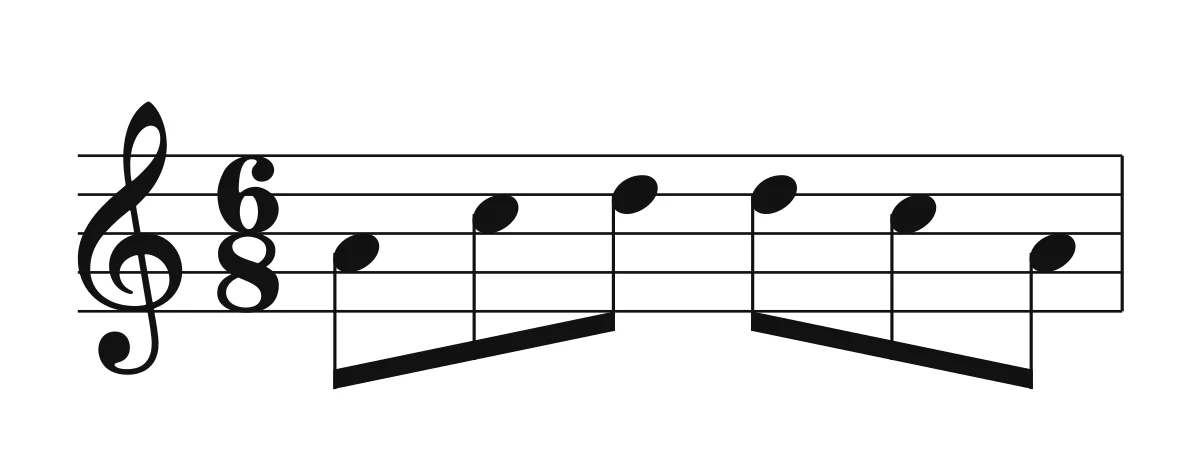
The first two notes make a motive, followed by a restatement. Which transformation does the notation show?
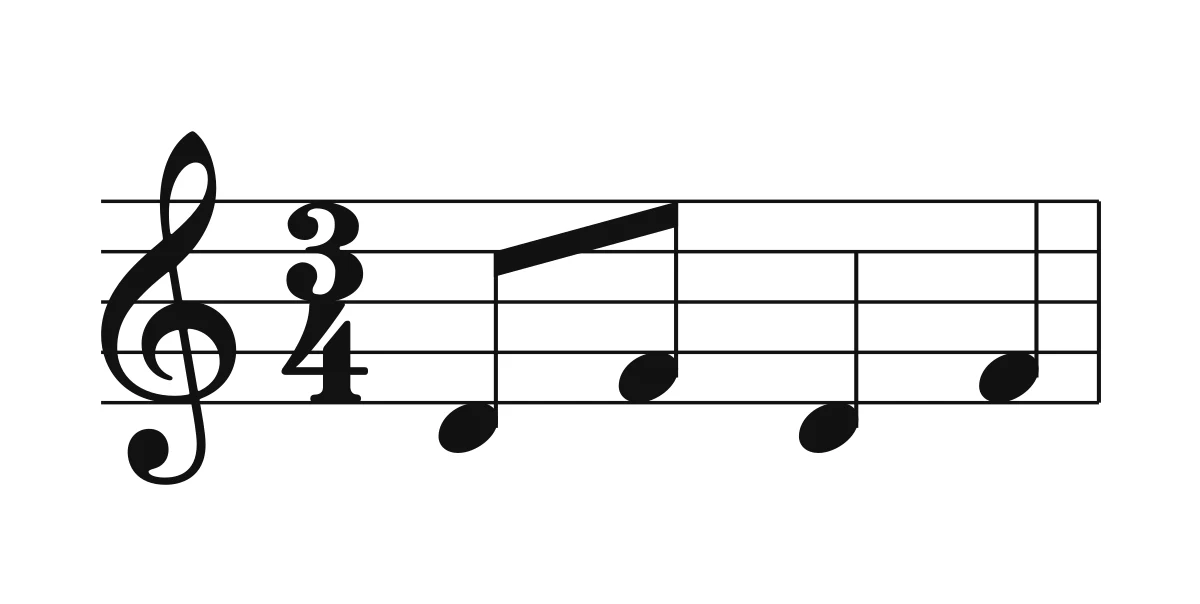
The opening two notes are a motive and the closing two notes restate it. Name the transformation.
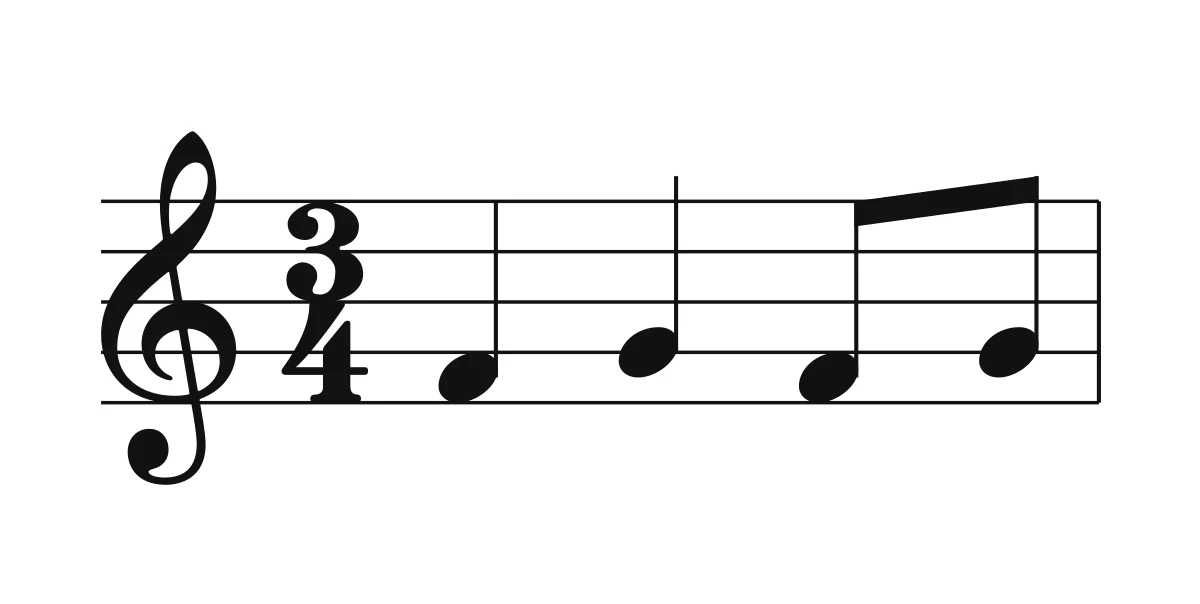
Which transformation relates the first three notes to the final three notes?
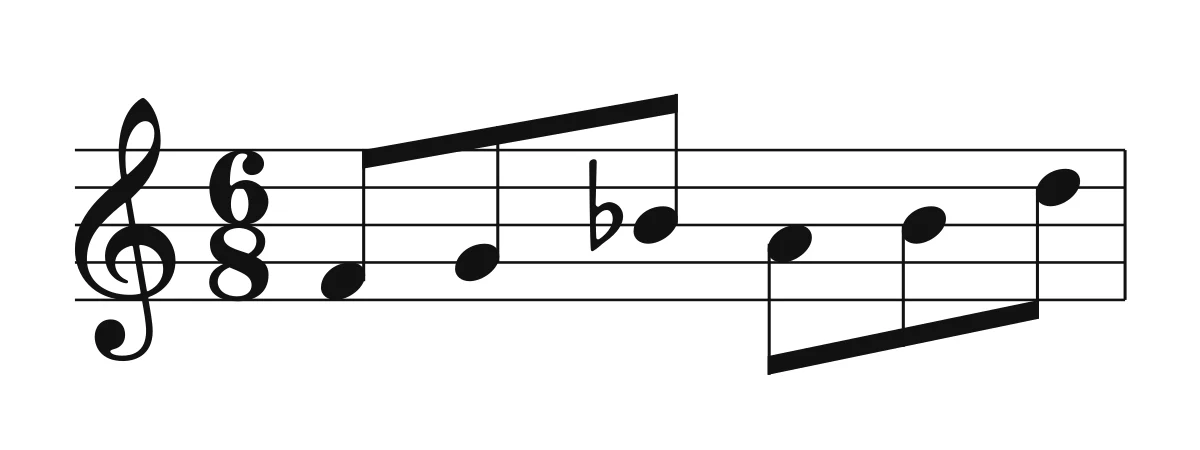
Read the six notes as three successive two-note statements. Which kind of sequence is shown?
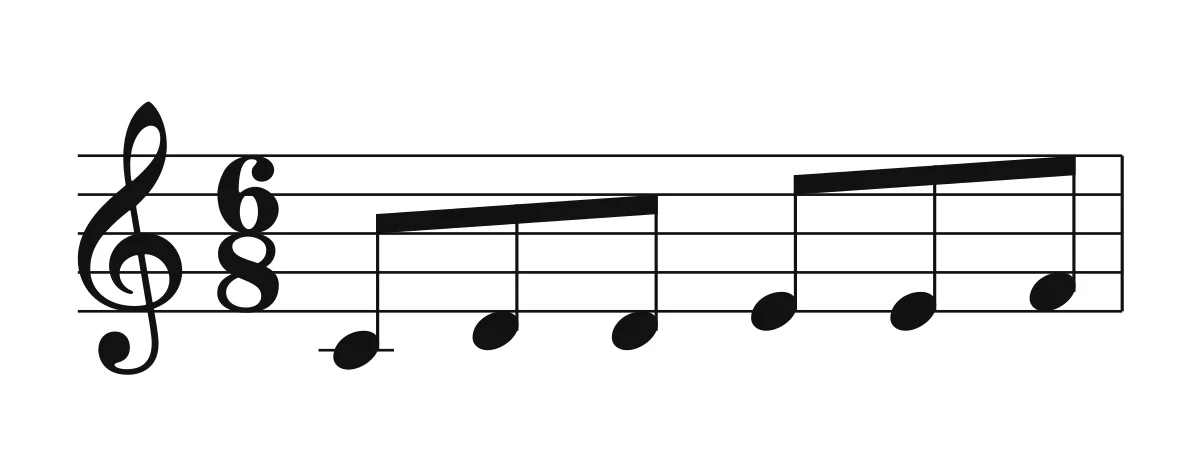
The notation gives three two-note statements in order. What kind of sequence does it create?
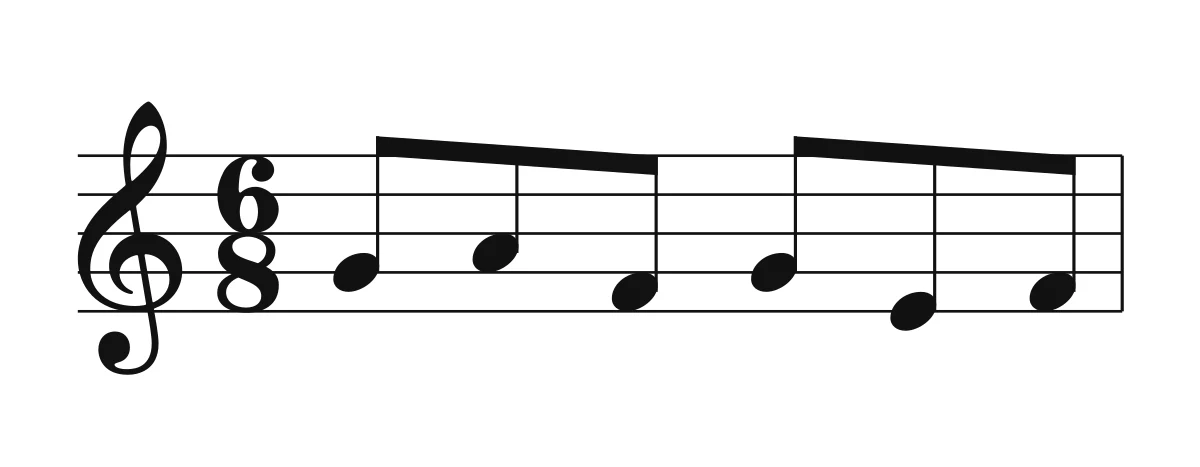
Divide the figure into three adjacent note pairs. Which sequence type is present?
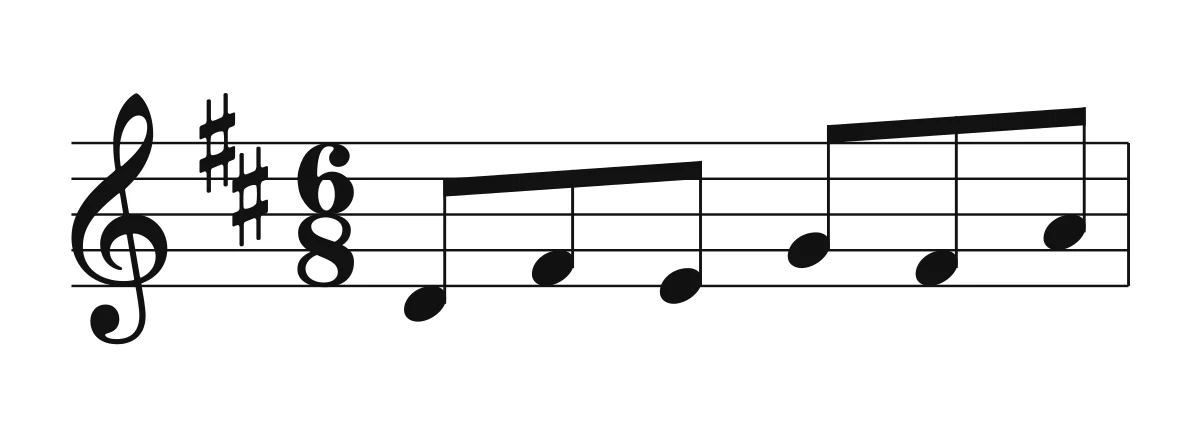
Consider each pair of notes a statement of the same motive. What type of sequence is shown?
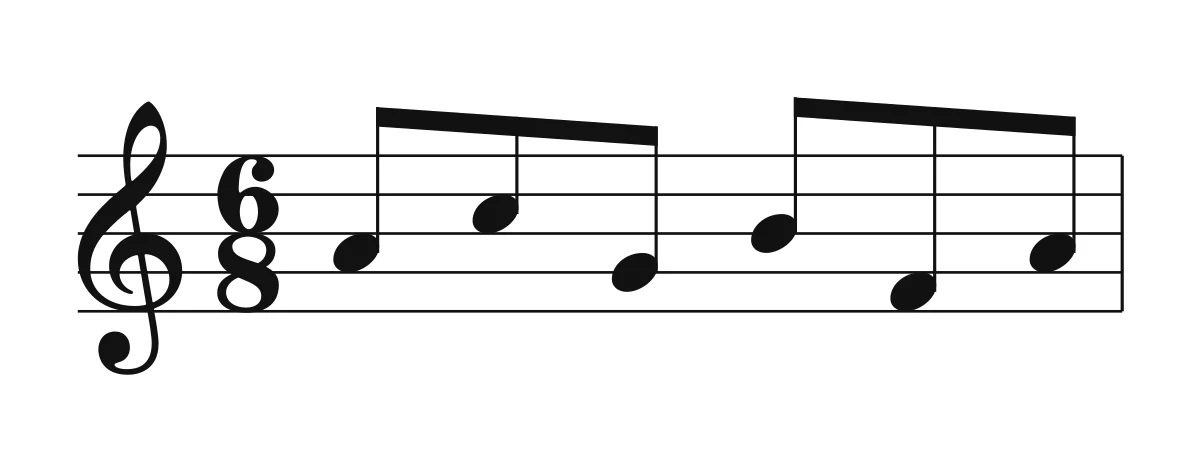
The pitch pairs C–E, D–F#, and E–G# state the same interval pattern. What kind of sequence is this?
A motive appears as the pitch pairs A–C, G–B, and F–A. How should this pattern be labeled?
The first two notes are a motive and the final two are its restatement. By what interval is the restatement transposed?
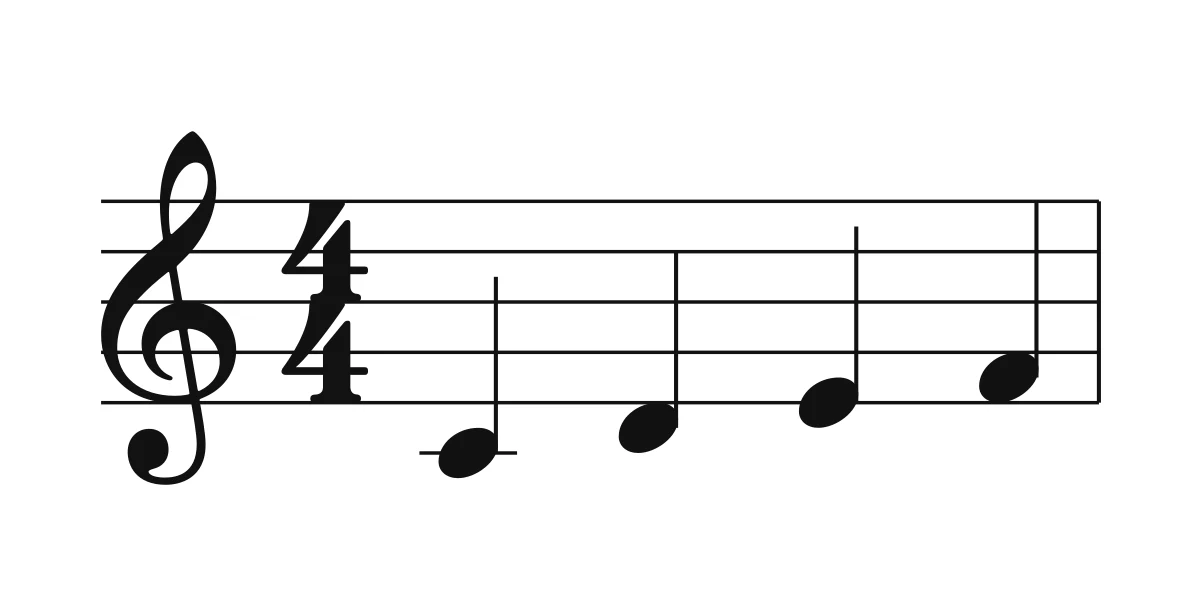
Compare the two-note motive at the beginning with its two-note restatement at the end. What is the interval of transposition?
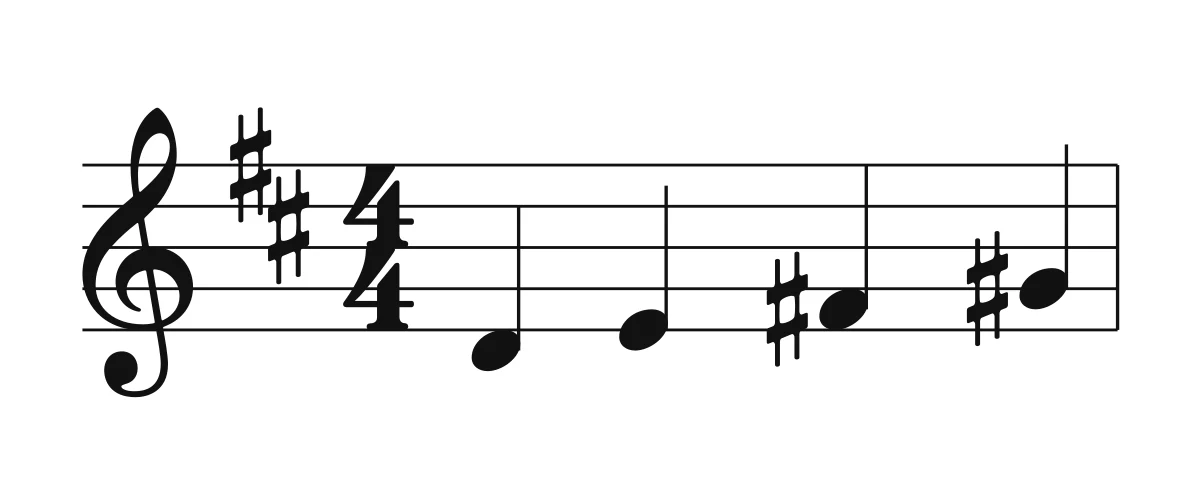
By what interval has the opening two-note motive been transposed in the final two notes?
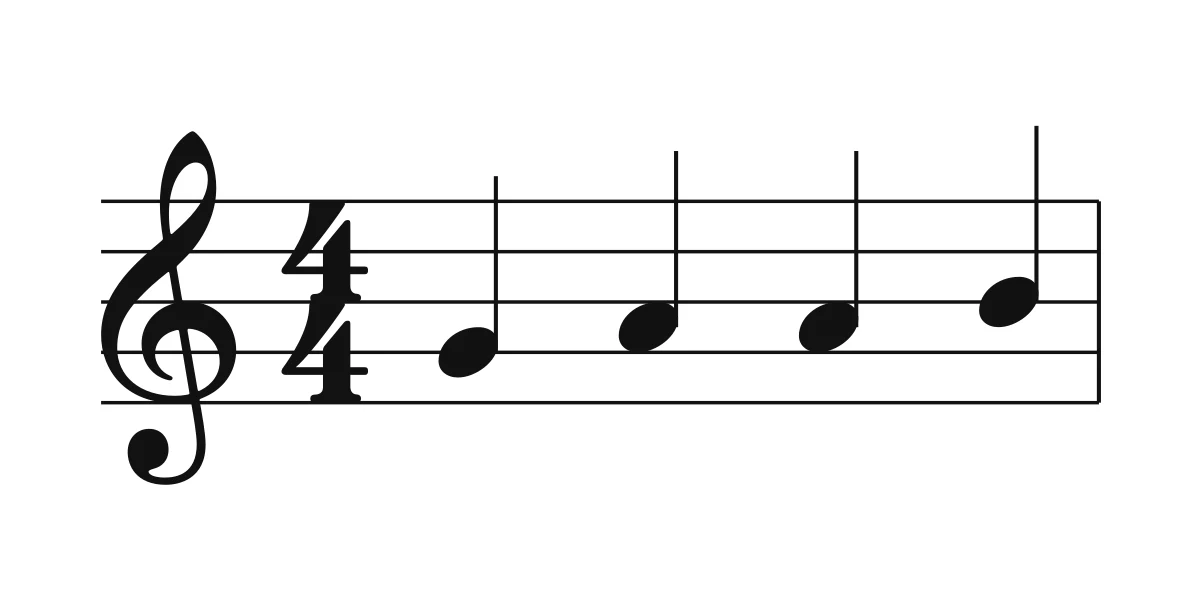
The last two notes restate the first two. What interval separates corresponding notes of the two statements?
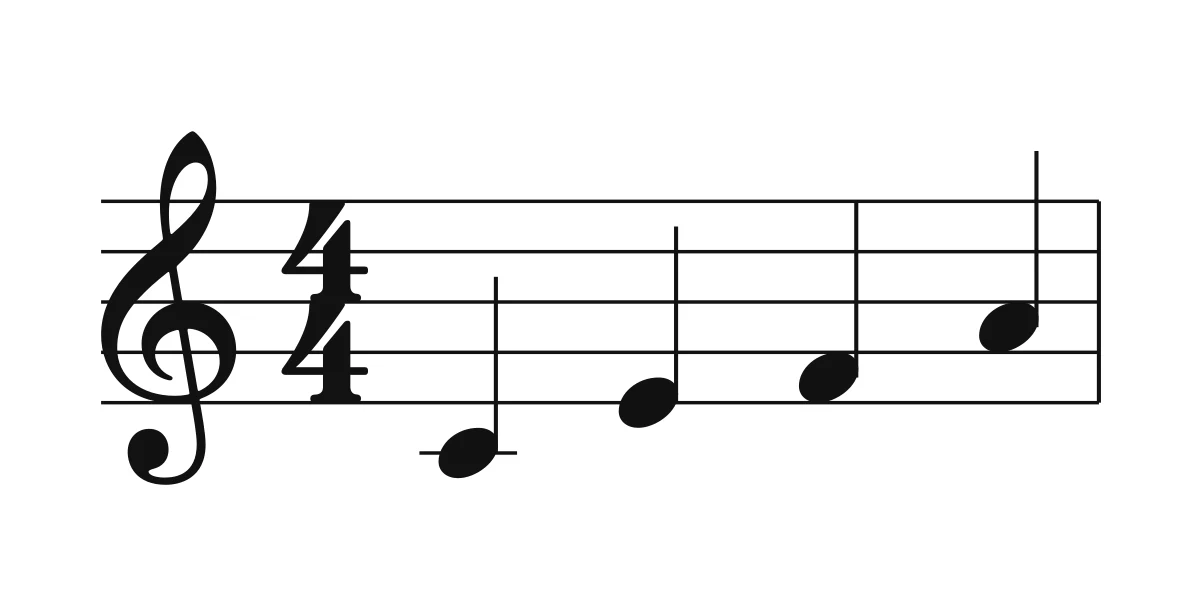
A motive is stated as C–D, then C–D, then C–D again. Is this a repetition, an ascending sequence, or a descending sequence?
The motive appears as C–D, then D–E, then E–F. Is this a repetition, an ascending sequence, or a descending sequence?
A two-note motive occurs as G–A, then F–G, then E–F. What does this pattern show?
The same motive is written E–G, then E–G, then E–G. What is it?
Crack the passcode before the zombies get in.
Answer, then swat bugs for bonus points.
Race through questions at your own speed.
Same question on every screen. Fastest wins.

Pick a tile, answer, hit bonuses and steals.
Binary and Ternary Form
24 questions