Loading
by BlastRoom
Mitigation, Adaptation and Carbon Sequestration for high school Environmental Science, on-level and AP. Covers AP Environmental Science Unit 9: Global Change.
#environmental_science
30 questions
One question set, multiple game modes. Tap any game to see it in action. Not sure which to pick?
Answer to place stones and capture territory.
Outrun the snow together.
Earn blasts, then hunt the other team.
Answer to earn energy, then climb.

The class blasts through walls together.
Bid on mystery lots. Most money wins.
Sell tours. Nice, standard, or a total scam.

Answer, restock, and serve the rush.
More correct answers pulls the rope your way.
Answer, then shoot down the alien wave.
Answer, then tap to leap the frozen ridge.
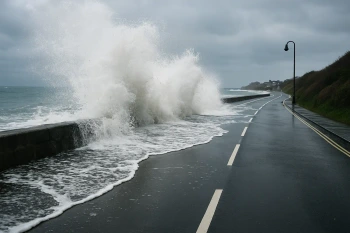
A coastal city raises seawalls and moves electrical equipment above projected flood levels. Is this mitigation, adaptation, carbon sequestration, or climate monitoring?
A utility replaces a coal-fired power plant with wind turbines. Is this mitigation, adaptation, carbon sequestration, or climate monitoring?
During more frequent heat waves, a county opens air-conditioned cooling centers and sends heat alerts. Is this mitigation, adaptation, carbon sequestration, or climate monitoring?
An oil and gas company finds and repairs methane leaks along its pipelines. Is this mitigation, adaptation, carbon sequestration, or climate monitoring?
A farmer switches to a crop variety that can produce under hotter, drier conditions. Is this mitigation, adaptation, carbon sequestration, or climate monitoring?
A school installs rooftop solar panels so it purchases less fossil-fuel-generated electricity. Is this mitigation, adaptation, carbon sequestration, or climate monitoring?
A city installs larger storm drains because heavy downpours are becoming more frequent. Is this mitigation, adaptation, carbon sequestration, or climate monitoring?
A transit agency replaces diesel buses with electric buses powered by a cleaner grid. Is this mitigation, adaptation, carbon sequestration, or climate monitoring?
A town updates evacuation routes and emergency shelters for longer wildfire seasons. Is this mitigation, adaptation, carbon sequestration, or climate monitoring?
A landlord adds insulation and seals air leaks so apartments need less heating and cooling energy. Is this mitigation, adaptation, carbon sequestration, or climate monitoring?
A school district adds shade structures and drinking-water stations because hot days are becoming more common. Is this mitigation, adaptation, carbon sequestration, or climate monitoring?
A dairy captures methane from manure decomposition and uses the gas to generate electricity. Is this mitigation, adaptation, carbon sequestration, or climate monitoring?
A household can choose one action with these estimated annual cuts: heat pump 5.0 metric tons CO₂e, LEDs 0.2, reusable bags 0.01, or shorter showers 0.1. Which cuts the most?
A utility estimates annual avoided emissions for four projects: solar farm 300 metric tons, insulation rebates 175, landfill-gas recovery 125, and tree planting 80. Which avoids the most?
A commuter's car trip emits 4 kg CO₂. Per-trip emissions are 0 for biking, 1 kg for transit, 2 kg for carpooling, and 0.5 kg for telework. Replacing five car trips with which option cuts the most?
Four city programs are estimated to avoid these yearly emissions: bus electrification 260 metric tons, home weatherization 140, landfill methane capture 90, and composting 60. Which has the largest estimated cut?
Program A cuts 25% of 400 metric tons, B cuts 10% of 1,200, C cuts 40% of 250, and D cuts 20% of 500. Which program cuts the most emissions?
A building emits 1,000 kg CO₂ annually from heating. A heat pump cuts 60%, weatherization cuts 30%, a thermostat program cuts 10%, and behavior signs cut 5%. Which reduction is largest?
A school evaluates annual emissions cuts: replacing diesel buses 150 metric tons, installing LEDs 35, reducing food waste 50, and improving recycling 20. Which action has the largest estimated reduction?
A cafeteria estimates annual emissions cuts of 80 metric tons from reducing beef purchases, 55 from composting scraps, 25 from reusable utensils, and 14 from recycling cans. Which change cuts the most?
A power plant captures CO₂ from its flue gas and injects it into a deep saline rock formation. What sequestration approach is being used?
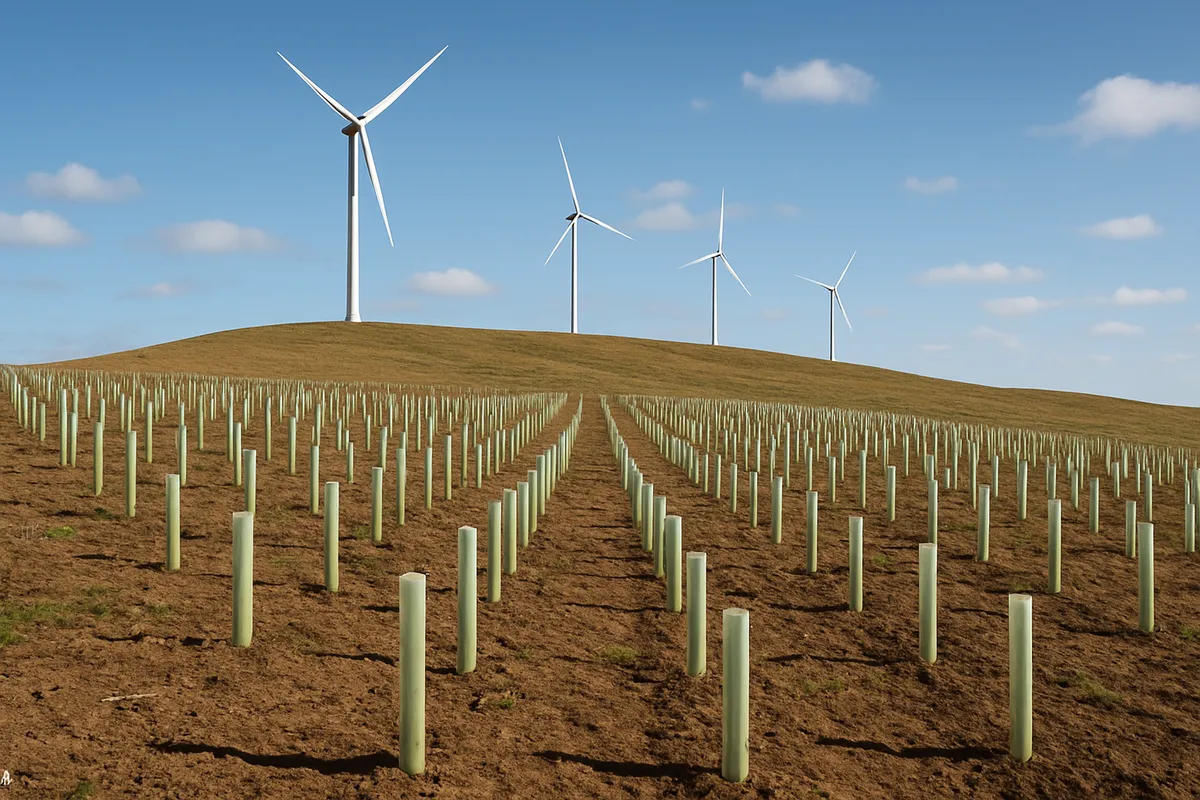
A reforestation project grows trees on previously cleared land. How does it sequester carbon?
Fans draw ambient air through a chemical material that binds CO₂. The separated CO₂ is then stored underground. What approach is this?
A farmer converts crop residues into biochar and mixes it into soil. Why can this sequester carbon?
A project spreads crushed basalt on farm fields so reactions with rainwater pull CO₂ from the air and lock it into solid carbonates. What carbon-removal approach is this?
A farm plants cover crops between cash-crop seasons and minimizes tillage. Which sequestration result is most direct?
A company buys forest-carbon credits for a new planting project. Which condition is essential for the credited carbon removal to remain valid over time?
A project sells credits for protecting a forest that was already legally protected and would not have been cleared. What is the main problem with the credits?
A mangrove wetland is cleared for development after being counted as a carbon sink. What happens to its climate value?
A forest project stops clearing on one tract, but ranchers clear an equal forest area elsewhere to replace the lost pasture. What issue makes the claimed reduction overstated?
Crack the passcode before the zombies get in.
Answer, then swat bugs for bonus points.
Race through questions at your own speed.
Same question on every screen. Fastest wins.

Pick a tile, answer, hit bonuses and steals.
Energy Units, Sources and Consumption Patterns
25 questions