Loading
by BlastRoom
Spot what a described lab or field procedure got wrong and name what each safety rule protects against.
#scientific_practices#us_grade_6_science
20 questions
One question set, multiple game modes. Tap any game to see it in action. Not sure which to pick?
Answer to place stones and capture territory.
Outrun the snow together.
Earn blasts, then hunt the other team.
Answer to earn energy, then climb.

The class blasts through walls together.
Bid on mystery lots. Most money wins.
Sell tours. Nice, standard, or a total scam.

Answer, restock, and serve the rush.
More correct answers pulls the rope your way.
Answer, then shoot down the alien wave.
Answer, then tap to leap the frozen ridge.
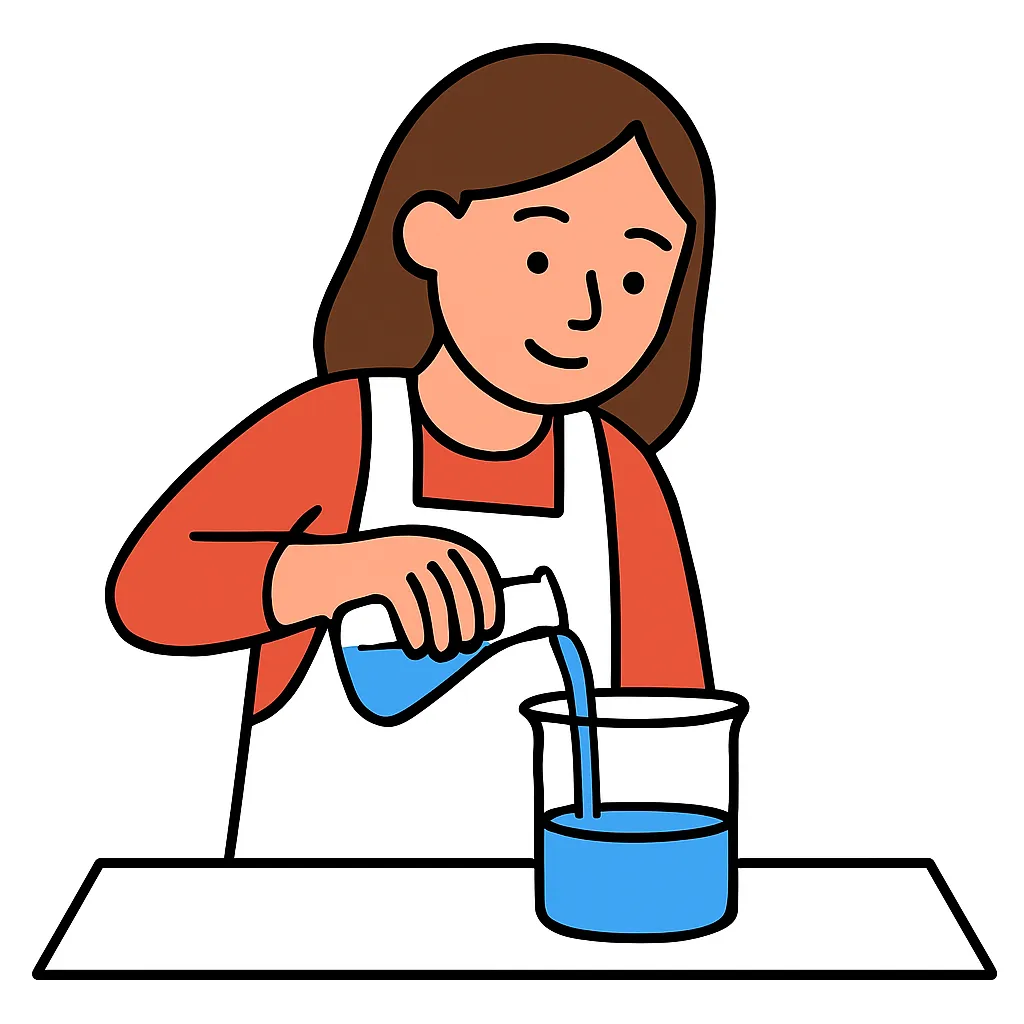
A student ties back long hair, puts on an apron, then pours a chemical from one beaker to another while holding her goggles in her free hand. What did she get wrong in her safety procedure?
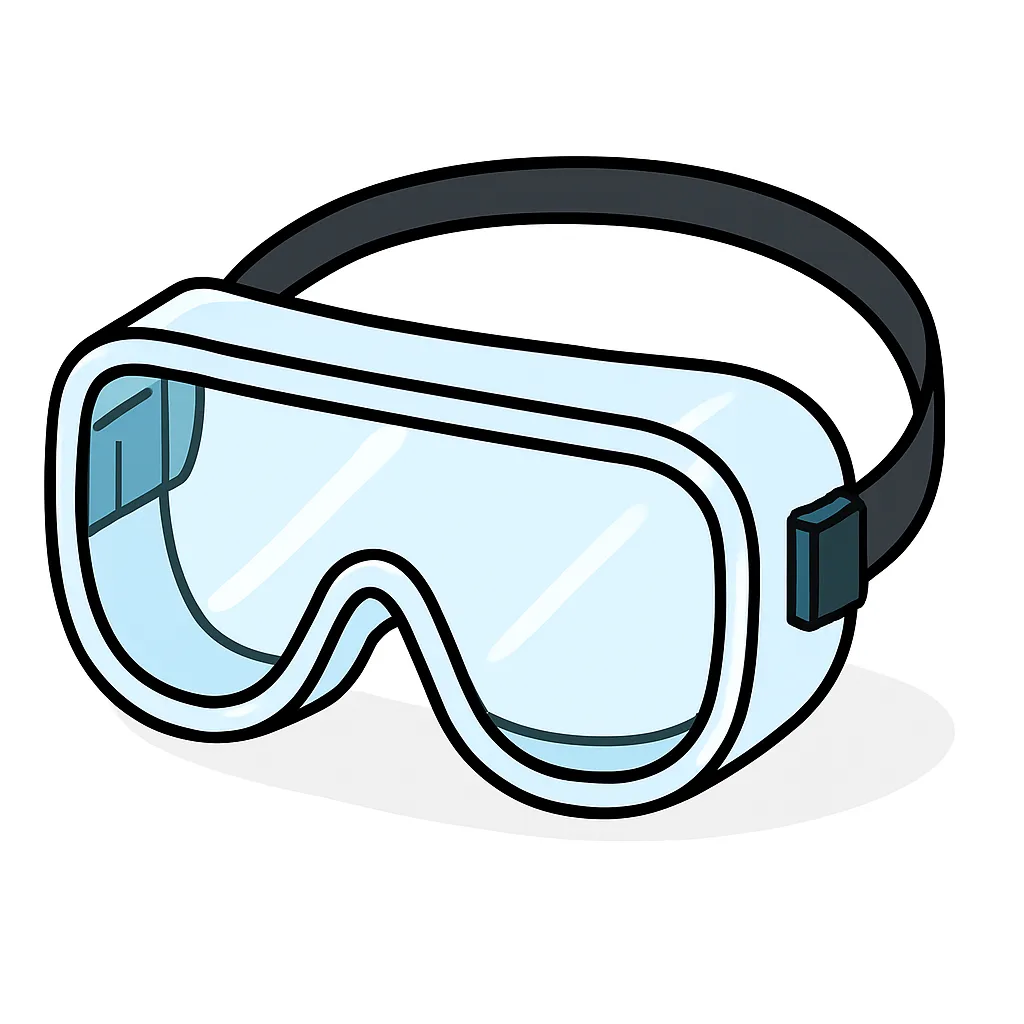
Students wear chemical splash goggles instead of ordinary safety glasses when working with liquids. What do splash goggles do that ordinary glasses do not?
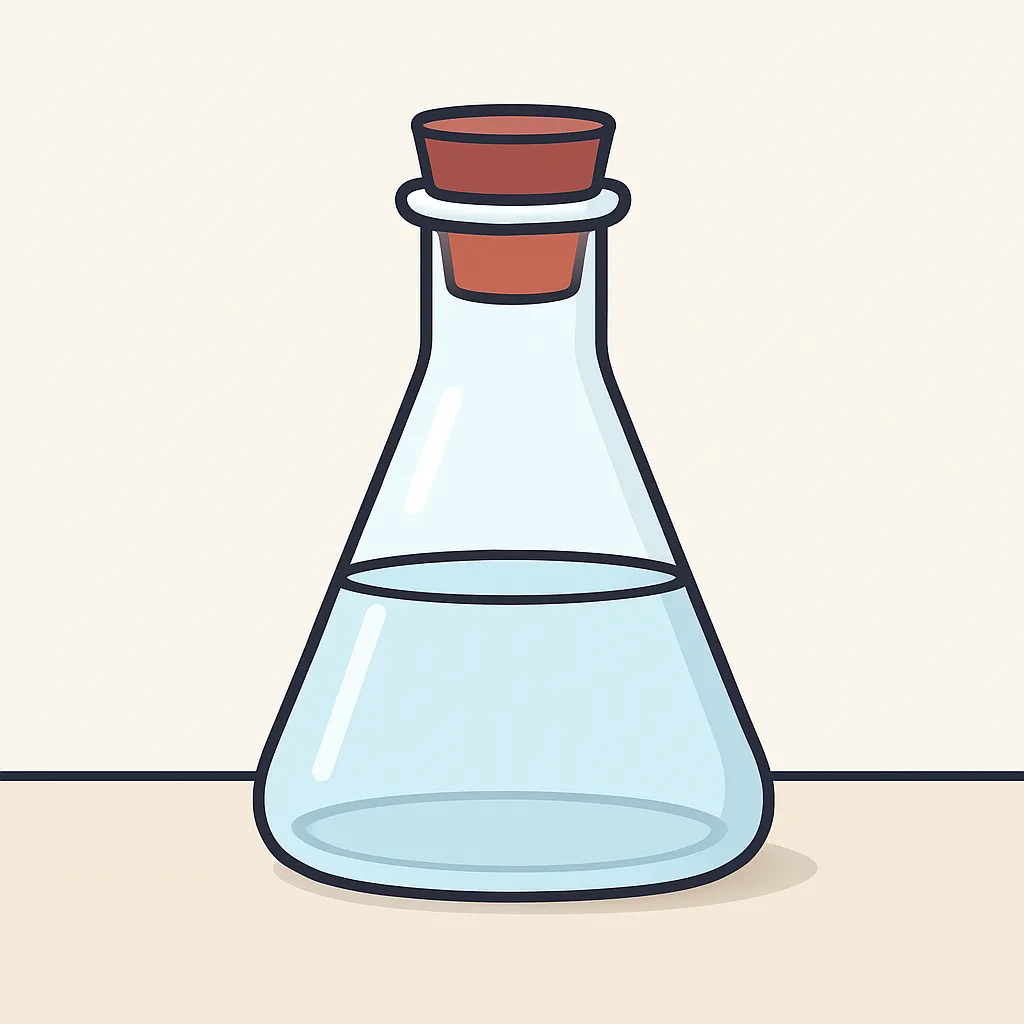
A student wants to identify an unknown liquid in a flask, so he lifts the flask to his nose and breathes in deeply. Name the safer method his teacher should have him use instead.
Tasting a chemical is never an acceptable way to collect qualitative data in a school laboratory.
While measuring 25 mL of water, a student knocks a thermometer off the bench and it breaks on the floor. What should she do first?
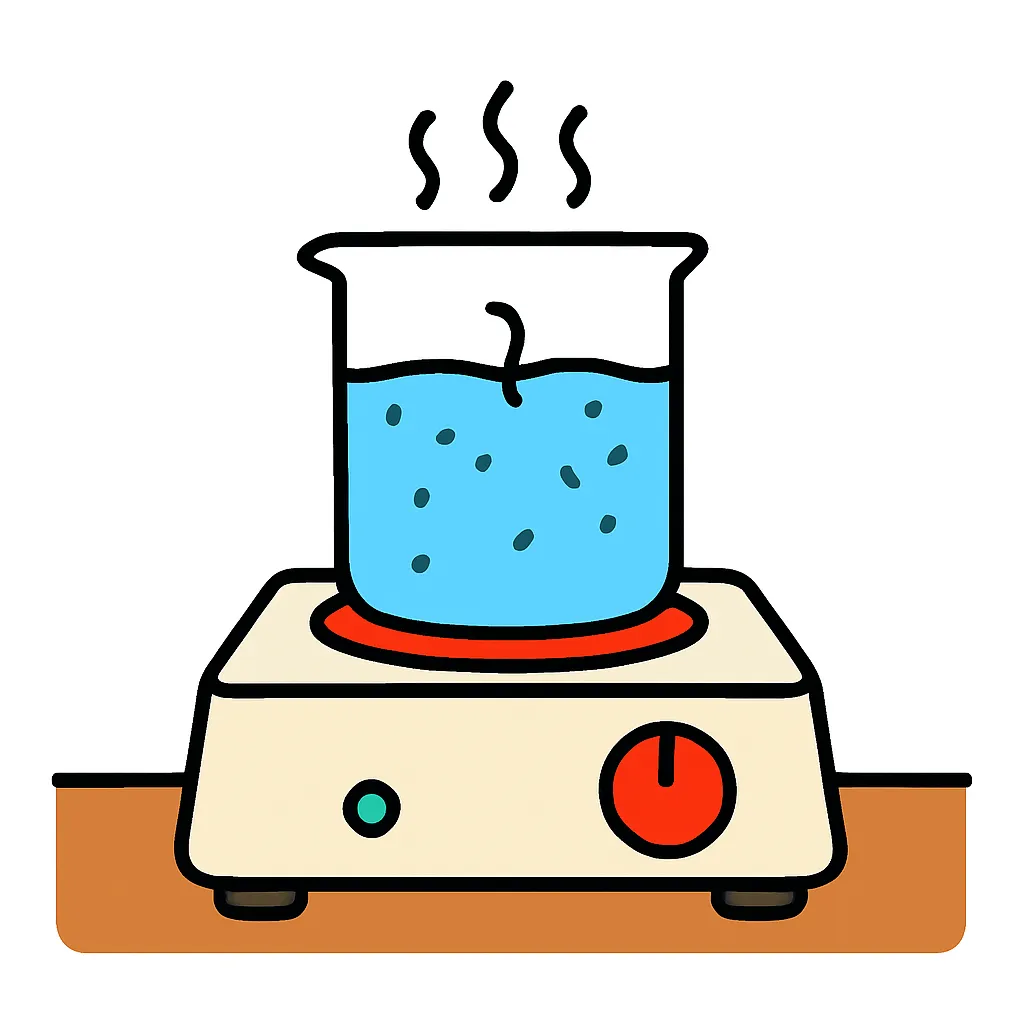
A group heats water on a hot plate. One student leans over it wearing a loose hooded sweatshirt with the strings hanging down. Explain what hazard the loose clothing creates.
A student spills a chemical on the bench, wipes it up with a paper towel and drops the towel in the regular classroom trash can. Name the main problem with the way he handled the spill.
Eating a snack at the lab bench during an investigation is safe as long as the food stays inside its wrapper.
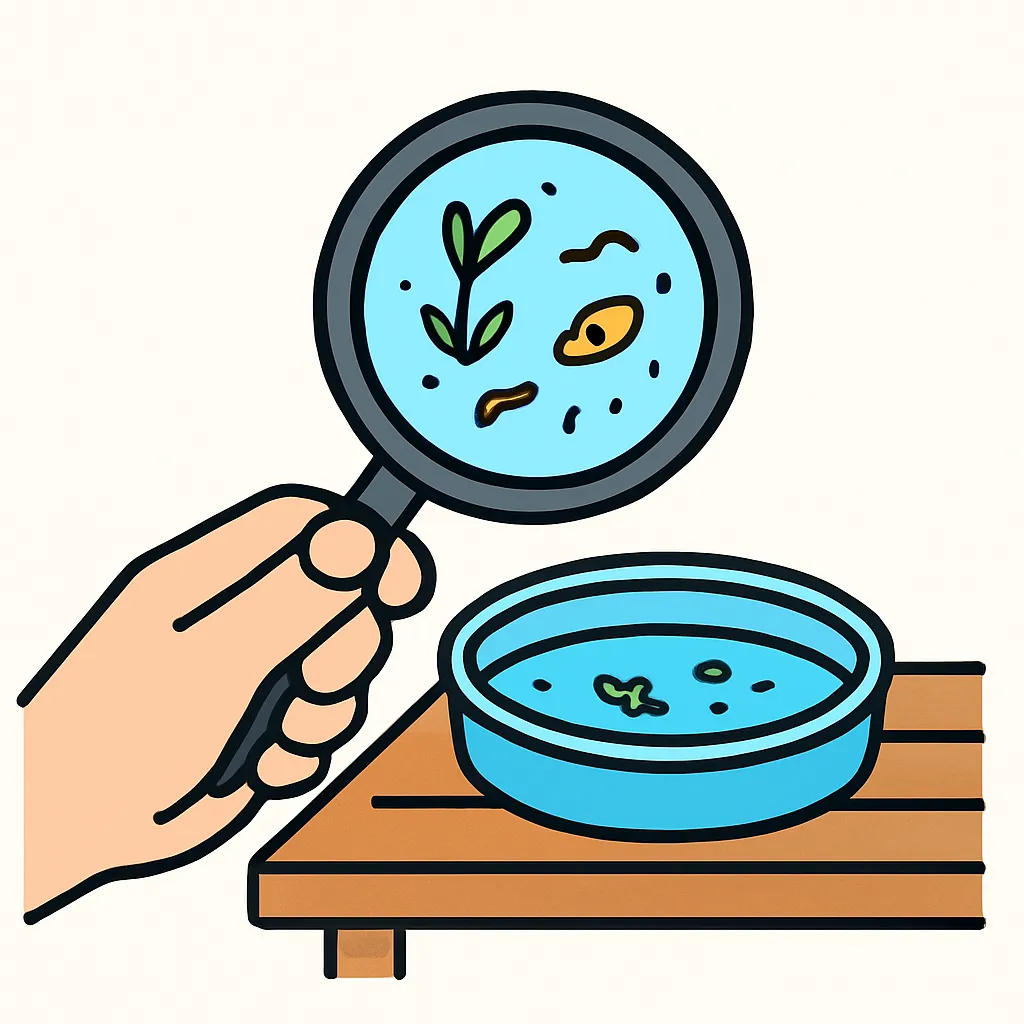
At the end of an investigation using pond water and a hand lens, a student packs up and walks straight to lunch. Name the safety step he skipped.
A group finishes an investigation and pours the leftover chemical solution down the classroom sink because the bottle looks nearly empty. Explain what they should have done instead.
A teacher points out the eyewash station before a laboratory investigation begins. Describe the situation the eyewash station is meant for.
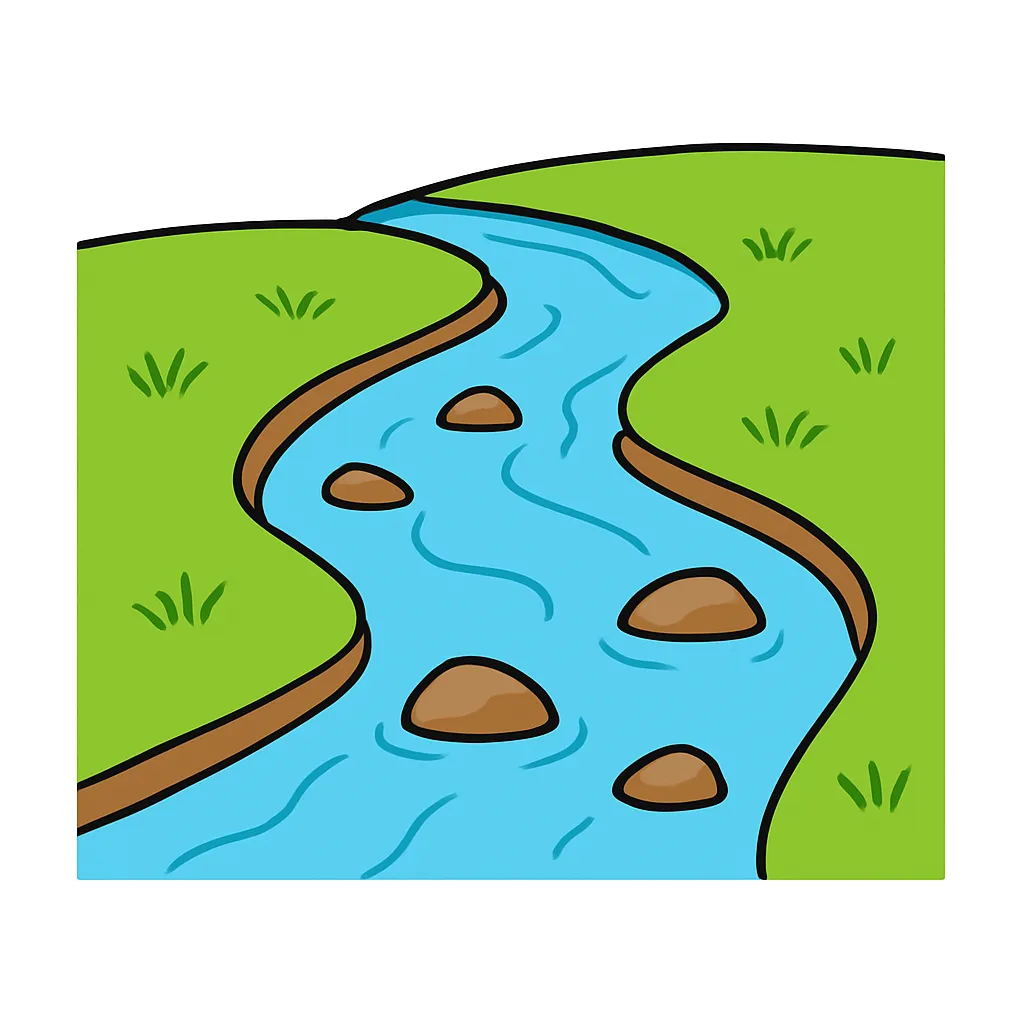
Before a field investigation at a creek, the teacher tells students to stay with a partner and stay in sight of an adult. Name what this safety procedure protects against.
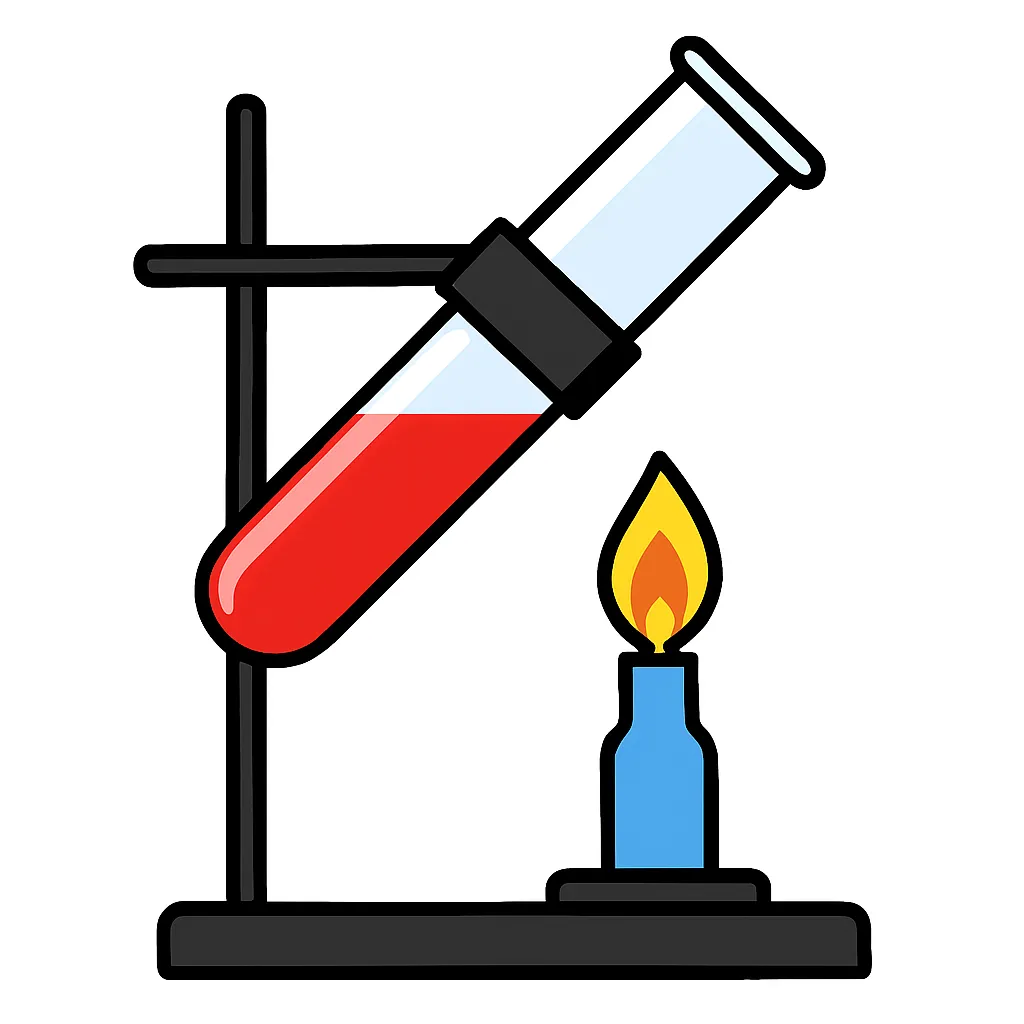
A student heats a test tube of liquid over a flame and points the open end toward her lab partner while she waits. State the hazard this creates.
Chemical splash goggles are still needed when a student is only observing a partner pour a chemical from across the same bench.
A student's sleeve catches fire near a flame during an investigation. Name the response her teacher has trained the class to use.
A student carries a beaker of hot liquid across the room by hooking two fingers over its rim. Explain the safer way to move it.
Aprons are handed out before an investigation in which students mix two solutions. State what the apron is protecting.
A student reports that the electrical cord on the hot plate has a split in its outer covering. What should the class do?
Two students share a lab station. One wears gloves to handle a chemical, then uses those same gloves to type on the shared classroom laptop. Explain the problem with what he did.
Before starting, a teacher has each group read the whole procedure aloud and point out every step that uses heat or chemicals. Explain what this planning step protects against.
Crack the passcode before the zombies get in.
Answer, then swat bugs for bonus points.
Race through questions at your own speed.
Same question on every screen. Fastest wins.

Pick a tile, answer, hit bonuses and steals.
Correlation Versus Causation
20 questions