Loading
by BlastRoom
Find the pattern in printed trial data and name the likely source of error behind an odd result.
#scientific_practices#us_grade_6_science

20 questions
One question set, multiple game modes. Tap any game to see it in action. Not sure which to pick?
Answer to place stones and capture territory.
Outrun the snow together.
Earn blasts, then hunt the other team.
Answer to earn energy, then climb.

The class blasts through walls together.
Bid on mystery lots. Most money wins.
Sell tours. Nice, standard, or a total scam.

Answer, restock, and serve the rush.
More correct answers pulls the rope your way.
Answer, then shoot down the alien wave.
Answer, then tap to leap the frozen ridge.
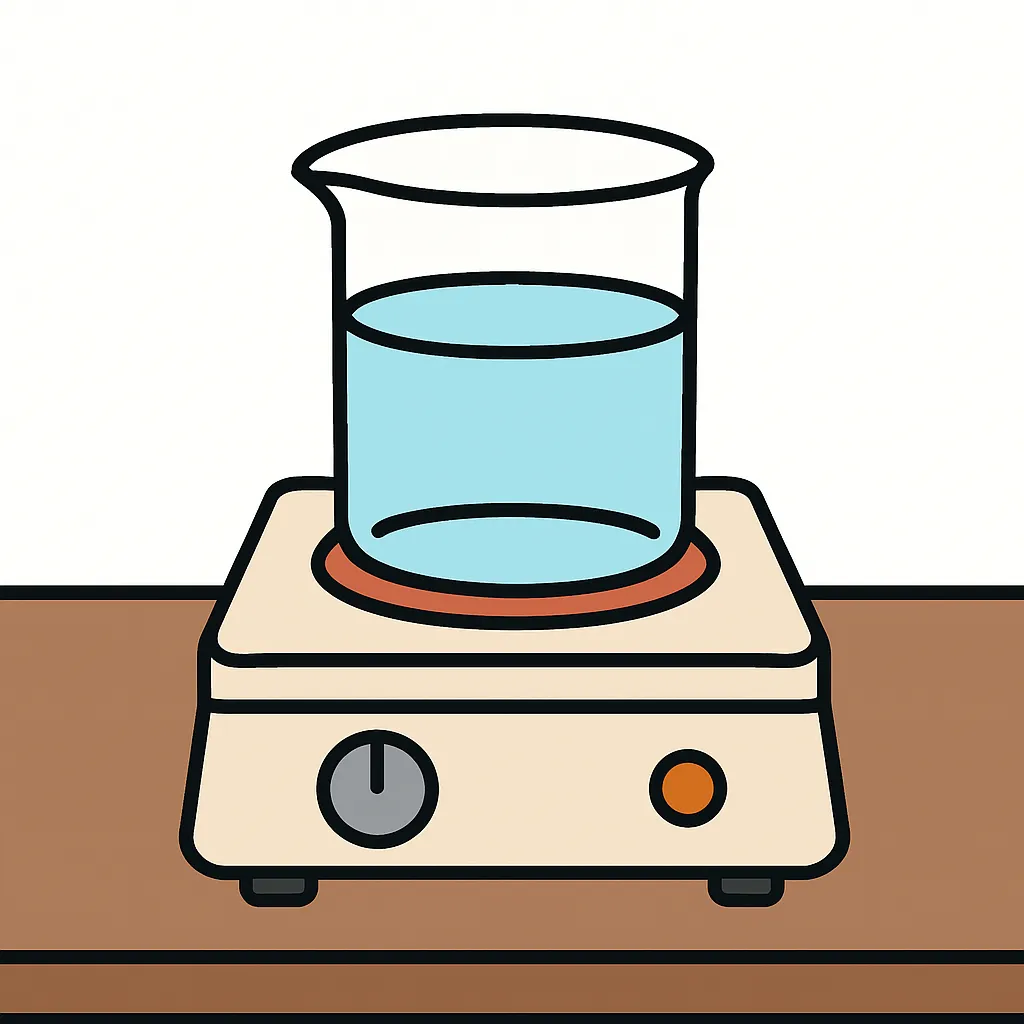
A class heated water and recorded its temperature each minute: 21 C, 22 C, 23 C, 24 C, 25 C. What pattern do these data show?
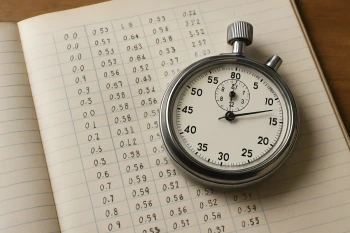
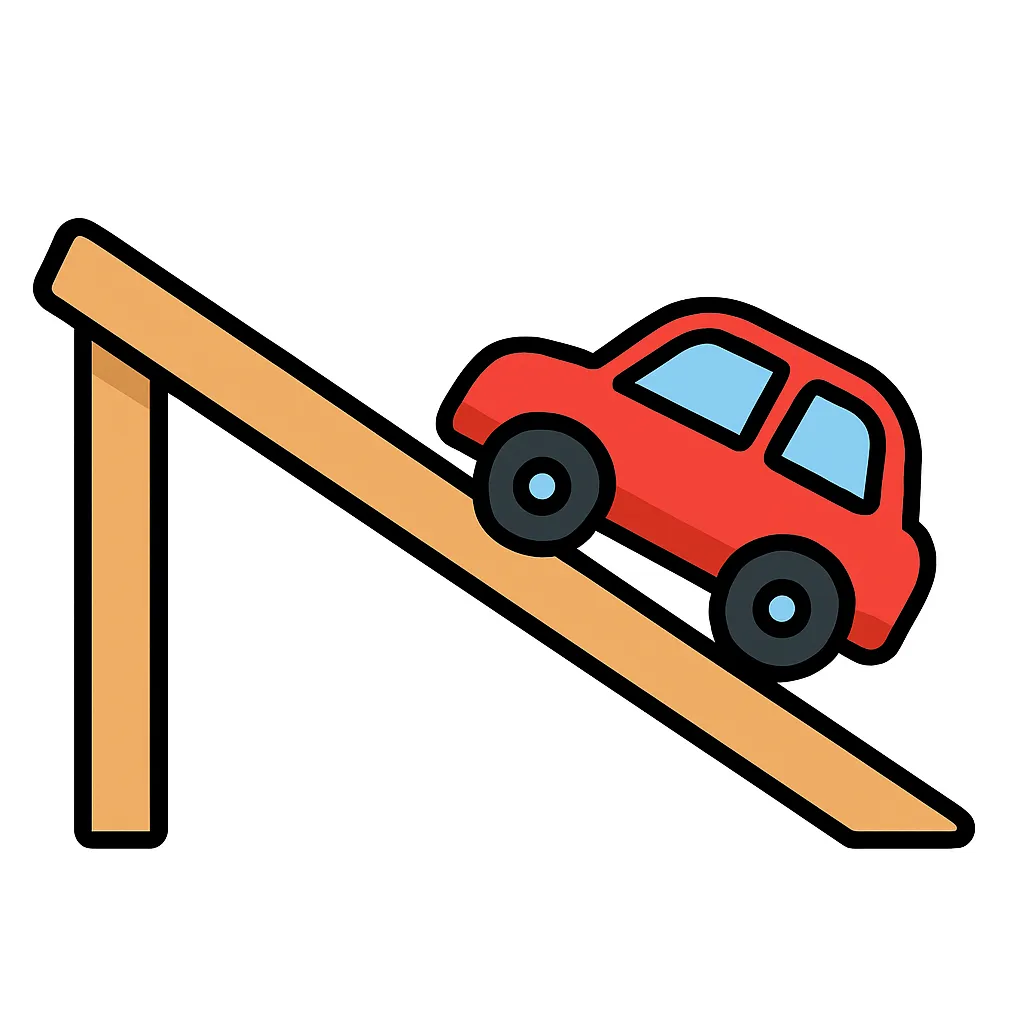
A group timed a car rolling down a ramp five times: 2.1 s, 2.0 s, 2.2 s, 5.8 s, 2.1 s. The same car and ramp were used every time. What is the most likely source of error in trial 4?
A class recorded the air temperature in the room every hour for 12 hours and wants to show how it changed over that time. Which display shows the pattern of change best?
Repeating a measurement five times and using the mean gives a more reliable result than using one single measurement.
A spring was stretched by hanging masses on it. 100 g stretched it 2 cm, 200 g stretched it 4 cm, and 300 g stretched it 6 cm. What stretch does this pattern predict for 400 g?
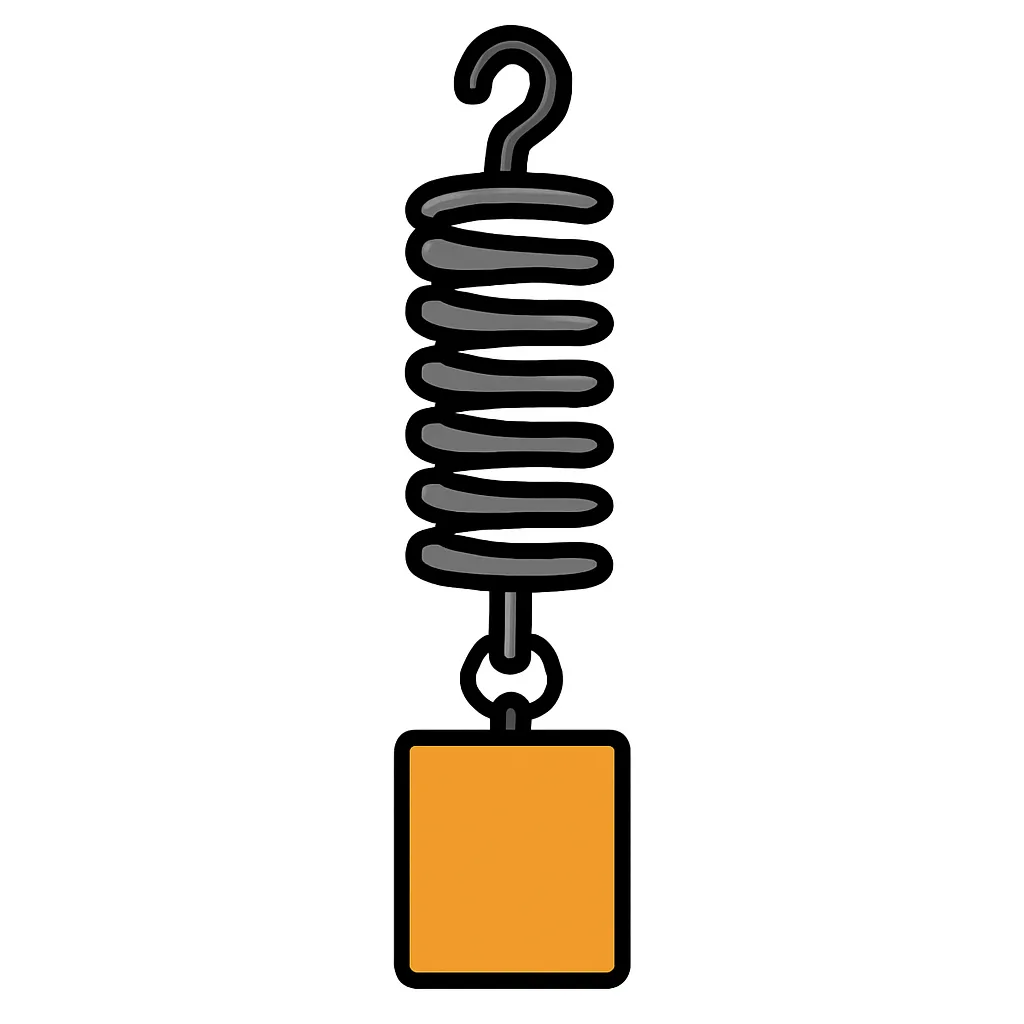
A student measured the same beaker of water five times and recorded 24 C, 25 C, 24 C, 41 C and 25 C. Which value is the outlier in this set of trials?
One summer, weekly ice-cream sales rose and the pond water temperature rose in the same weeks. What conclusion do these data support?

A student always looks down at a graduated cylinder from above the liquid, so every volume is recorded too high. What is the best way to remove this source of error?
Before massing anything, a balance already reads 2 g with the pan empty. The student then records masses of 27 g, 32 g and 29 g. What should the student do?
A trial that does not fit the pattern should be erased from the data table so the results look neat.
A student writes this observation about a liquid: 'It turned cloudy and pale blue.' How is this observation best described?

A plant's height was measured each week: week 1: 3 cm, week 2: 6 cm, week 3: 9 cm, week 4: 12 cm. What height does the pattern predict for week 5?

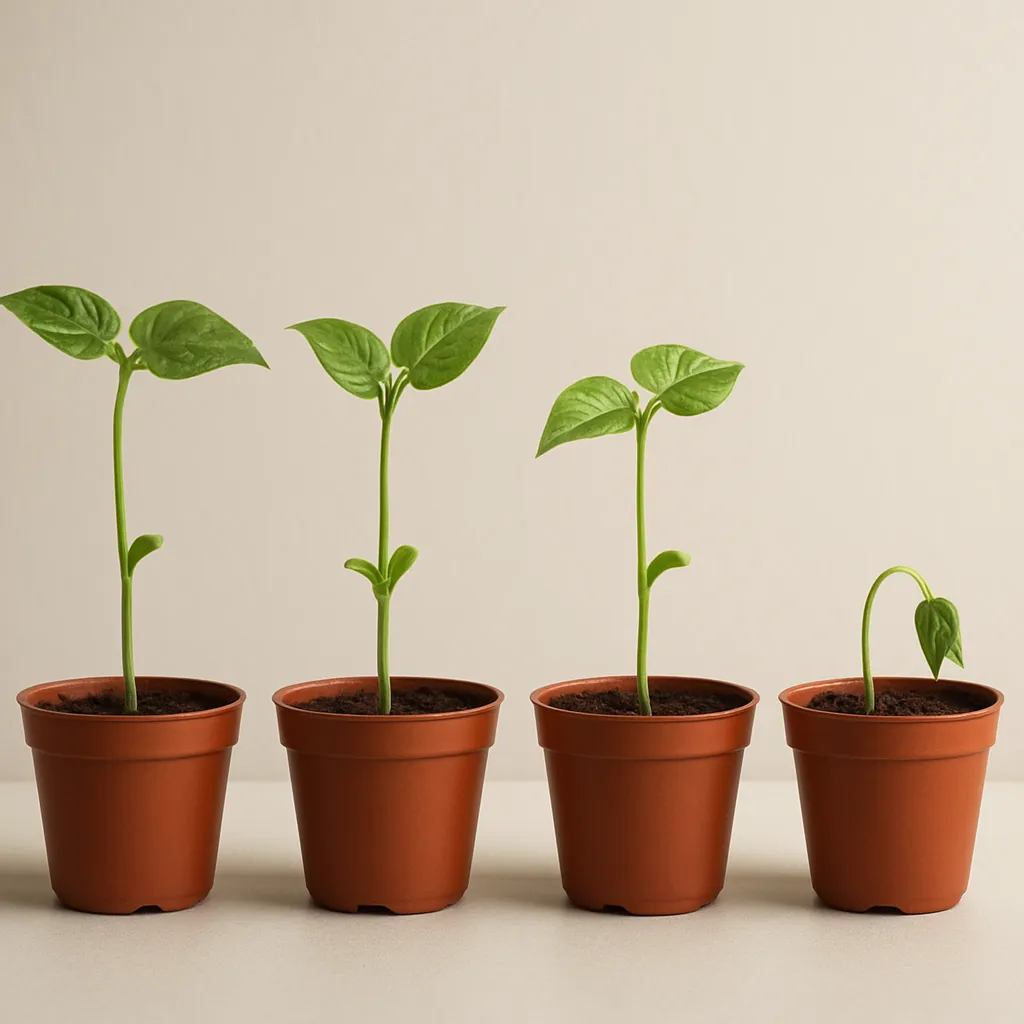
Four pots of the same seed got the same soil, light and water. Growth was 12 cm, 11 cm, 13 cm and 2 cm. What is the most likely source of error behind the 2 cm result?
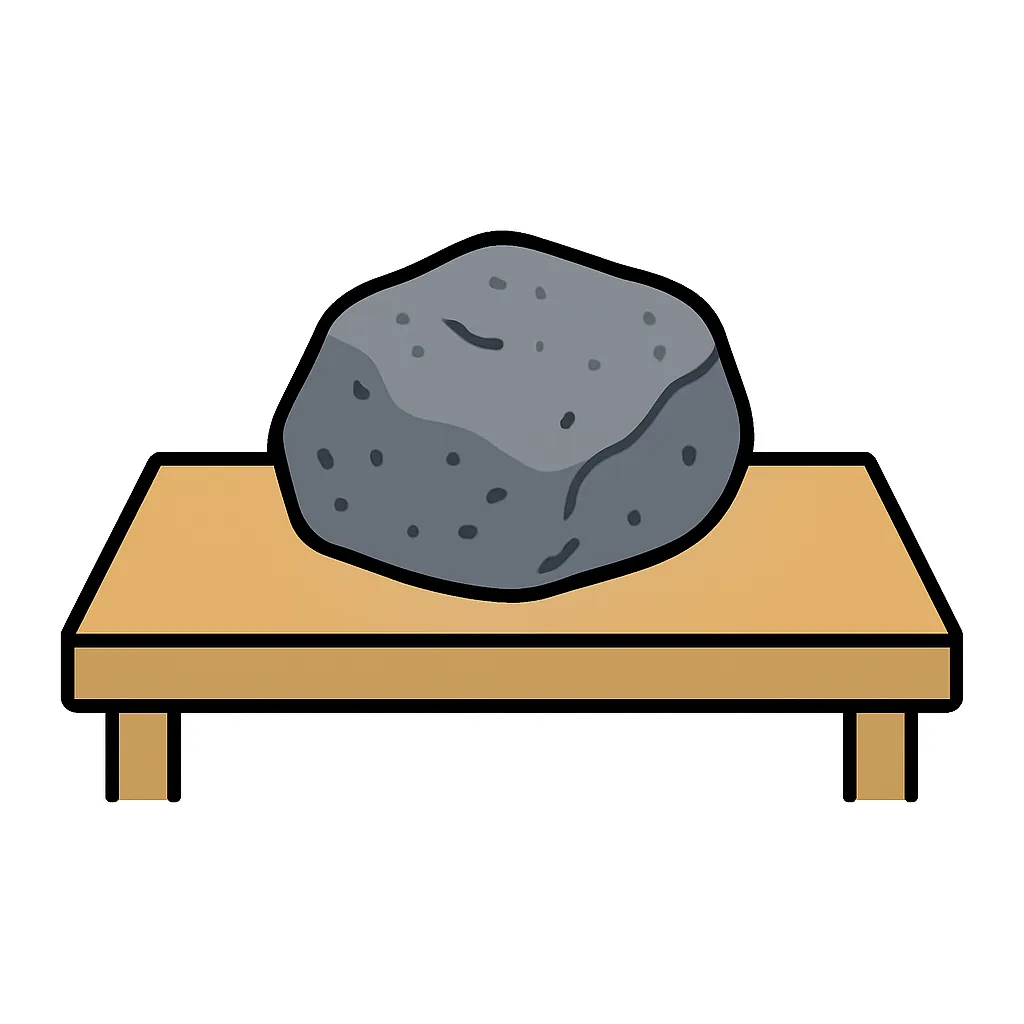
Three groups each massed the same rock and got 88 g, 88 g and 88 g. A fourth group recorded 8.8 g using the same balance. What is the most likely source of the fourth group's error?
Every temperature one group recorded was about 3 C higher than the readings of all the other groups in the same room. Which explanation fits this pattern best?
A group timed three trials of sugar dissolving at 40 C and three at 10 C, kept the fastest single time, watched which beaker turned cloudy first, and agreed warm water won. Which record best supports the claim that sugar dissolves faster in warm water?
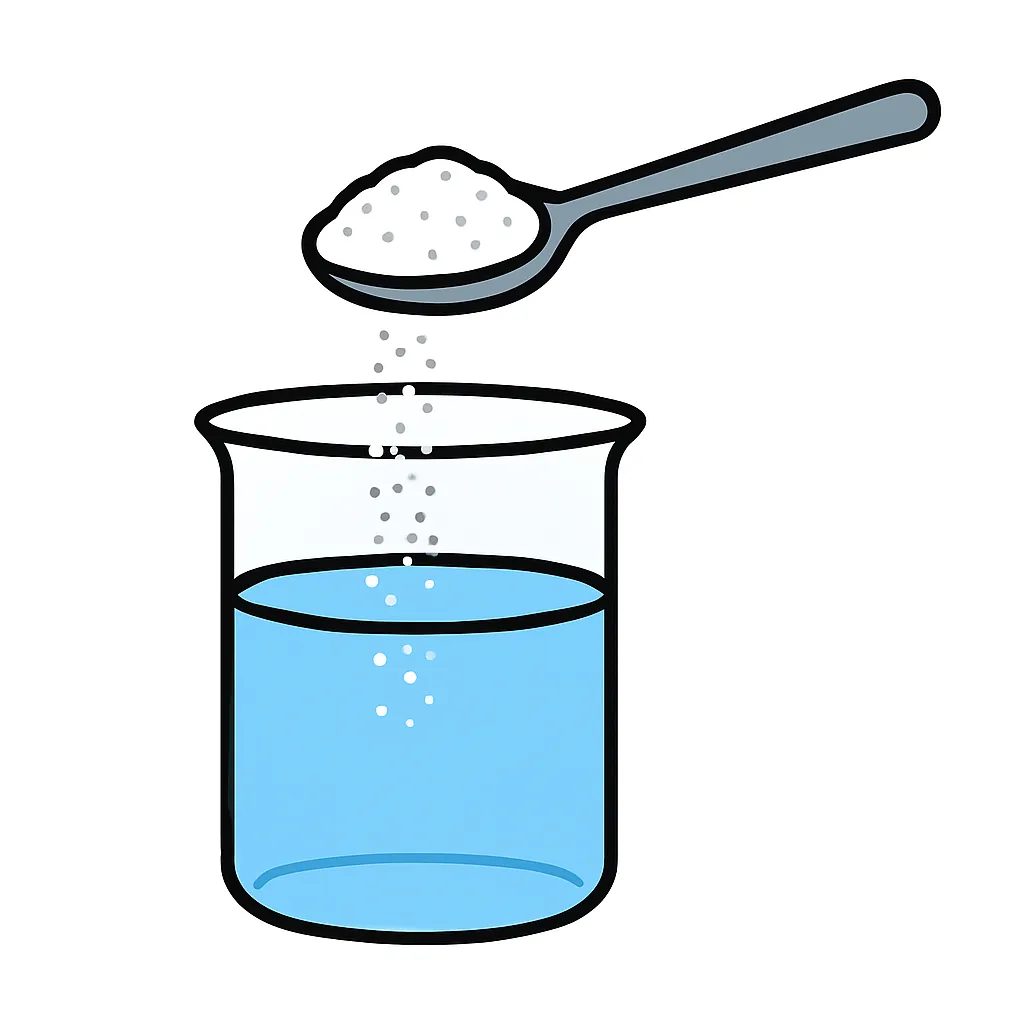
Four reports on a river's nitrate level: a university lab listing its sampling dates and readings, a factory next door saying the water is clean, a blog saying so with no data, and a popular post whose comments agree. Which is most credible?

A student massed the same object five times and recorded 50.1 g, 50.2 g, 50.1 g, 50.3 g and 50.2 g. What do these results show about the measurements?
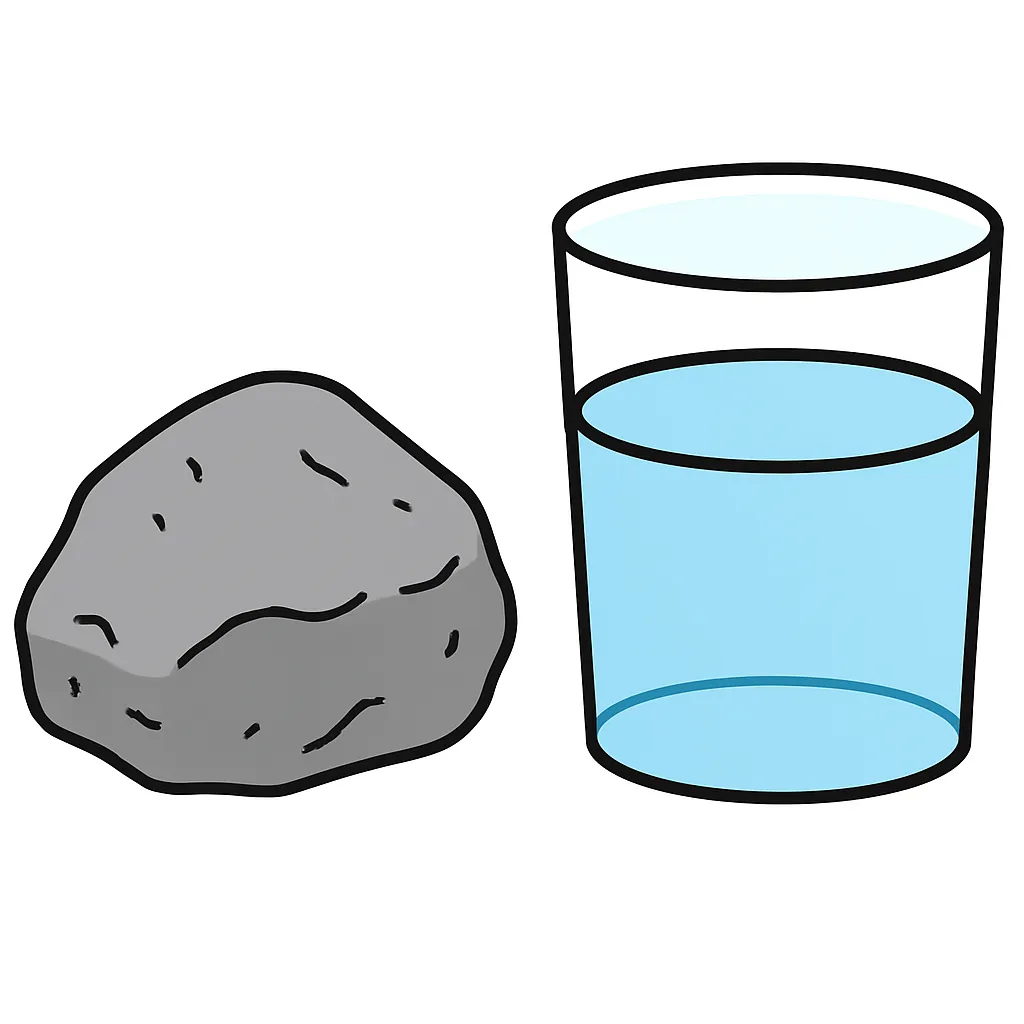
A group needs quantitative data for the volume of water an irregular stone pushes aside. Which tool should they use?
A marble was rolled down the same track four times and traveled 42 cm, 44 cm, 41 cm and 45 cm. What is the mean distance for these four trials?

Crack the passcode before the zombies get in.
Answer, then swat bugs for bonus points.
Race through questions at your own speed.
Same question on every screen. Fastest wins.

Pick a tile, answer, hit bonuses and steals.
Developing and Revising Models
20 questions