Loading
by BlastRoom
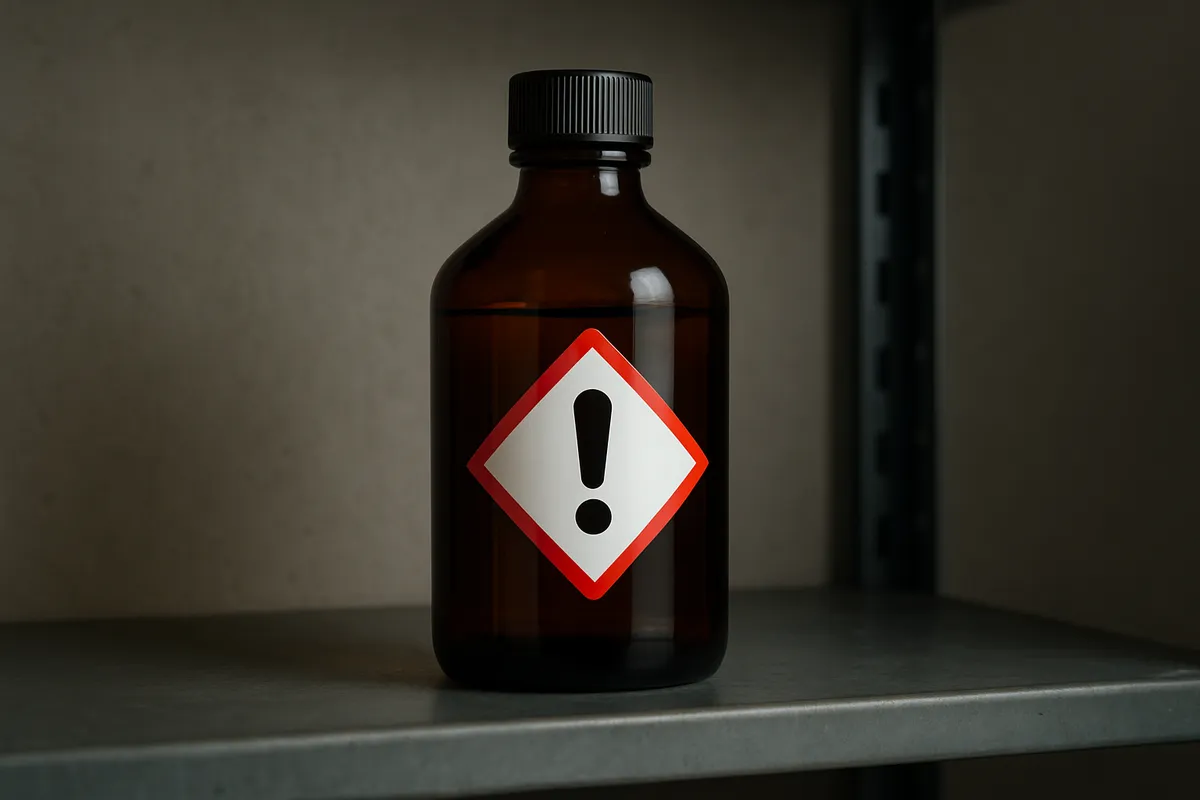
Read reagent-bottle hazard symbols and find safety information in an SDS.
#chemistry
25 questions
One question set, multiple game modes. Tap any game to see it in action. Not sure which to pick?
Answer to place stones and capture territory.
Outrun the snow together.
Earn blasts, then hunt the other team.
Answer to earn energy, then climb.

The class blasts through walls together.
Bid on mystery lots. Most money wins.
Sell tours. Nice, standard, or a total scam.

Answer, restock, and serve the rush.
More correct answers pulls the rope your way.
Answer, then shoot down the alien wave.
Answer, then tap to leap the frozen ridge.
A reagent bottle shows this GHS pictogram. What hazard does it warn about?
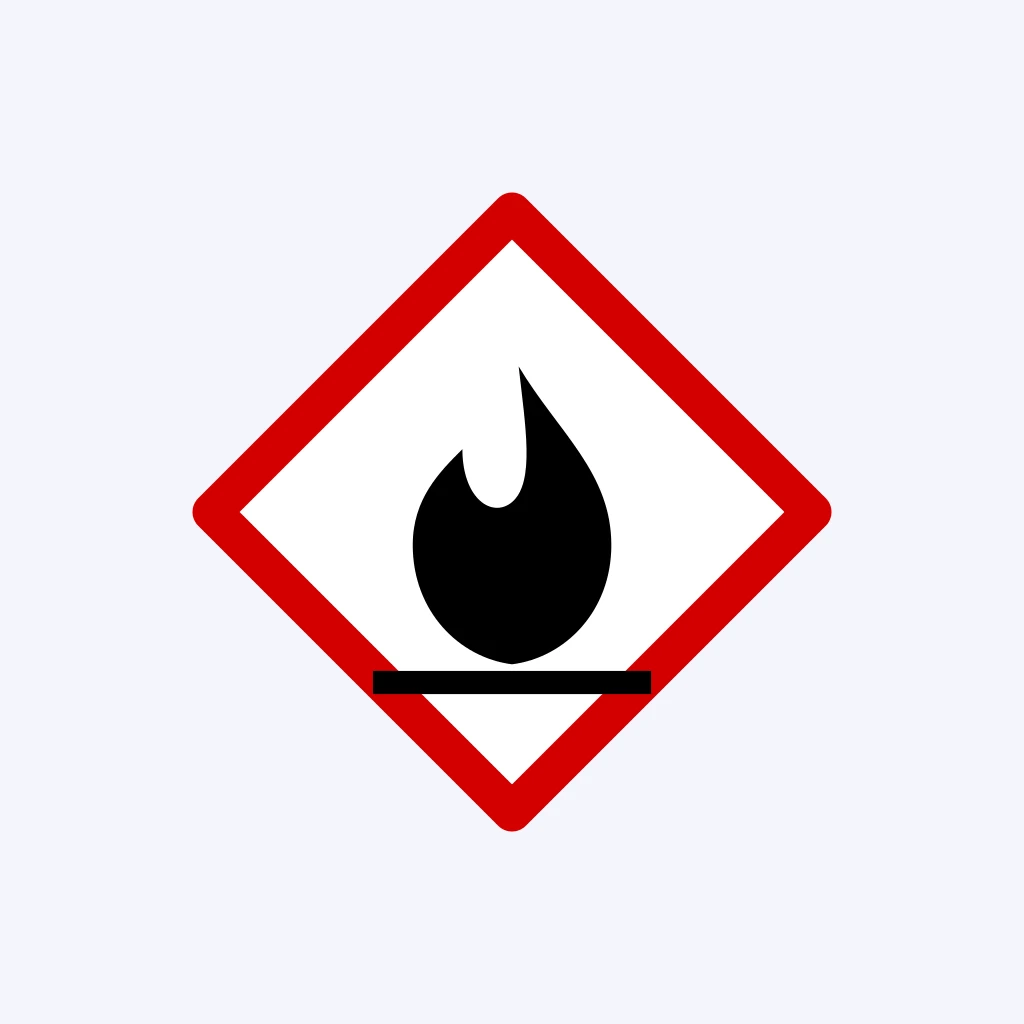
What does this GHS pictogram mean?
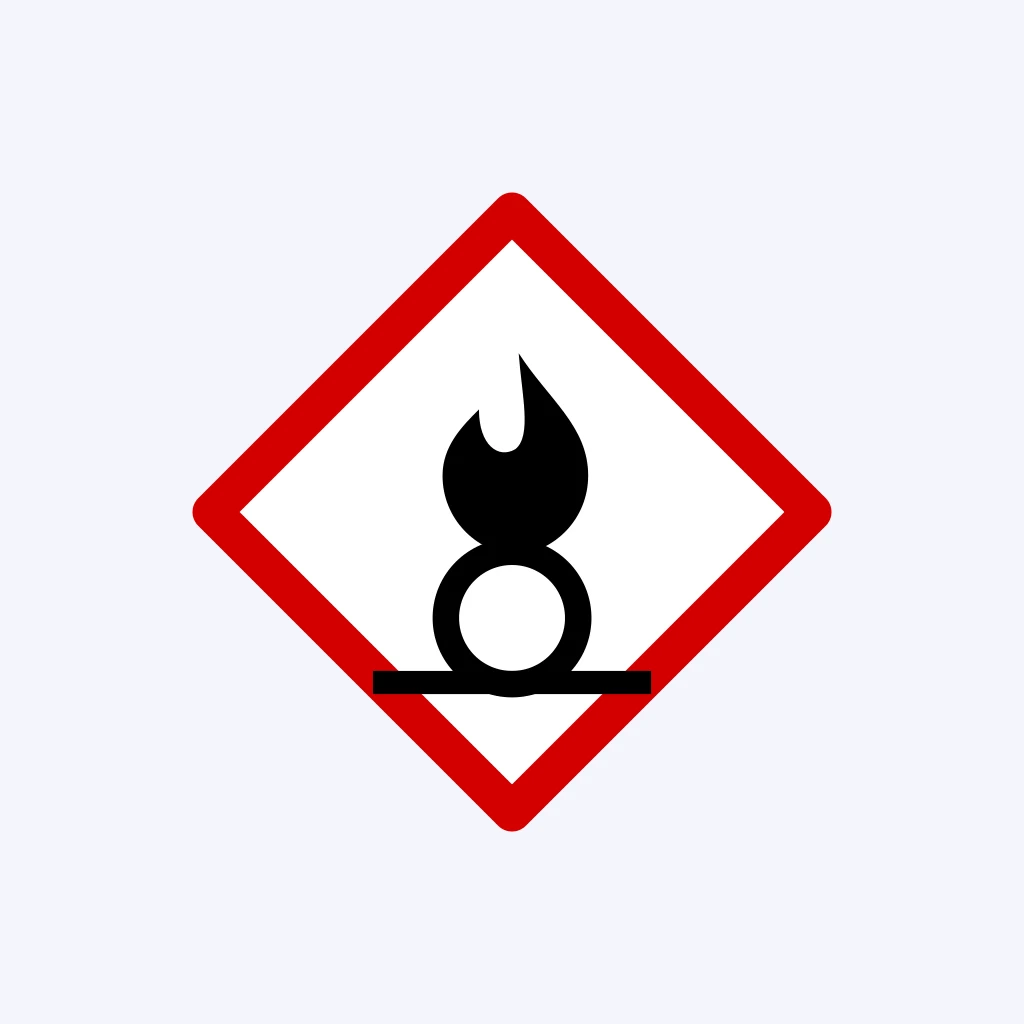
A container has this GHS pictogram. Which warning matches it?
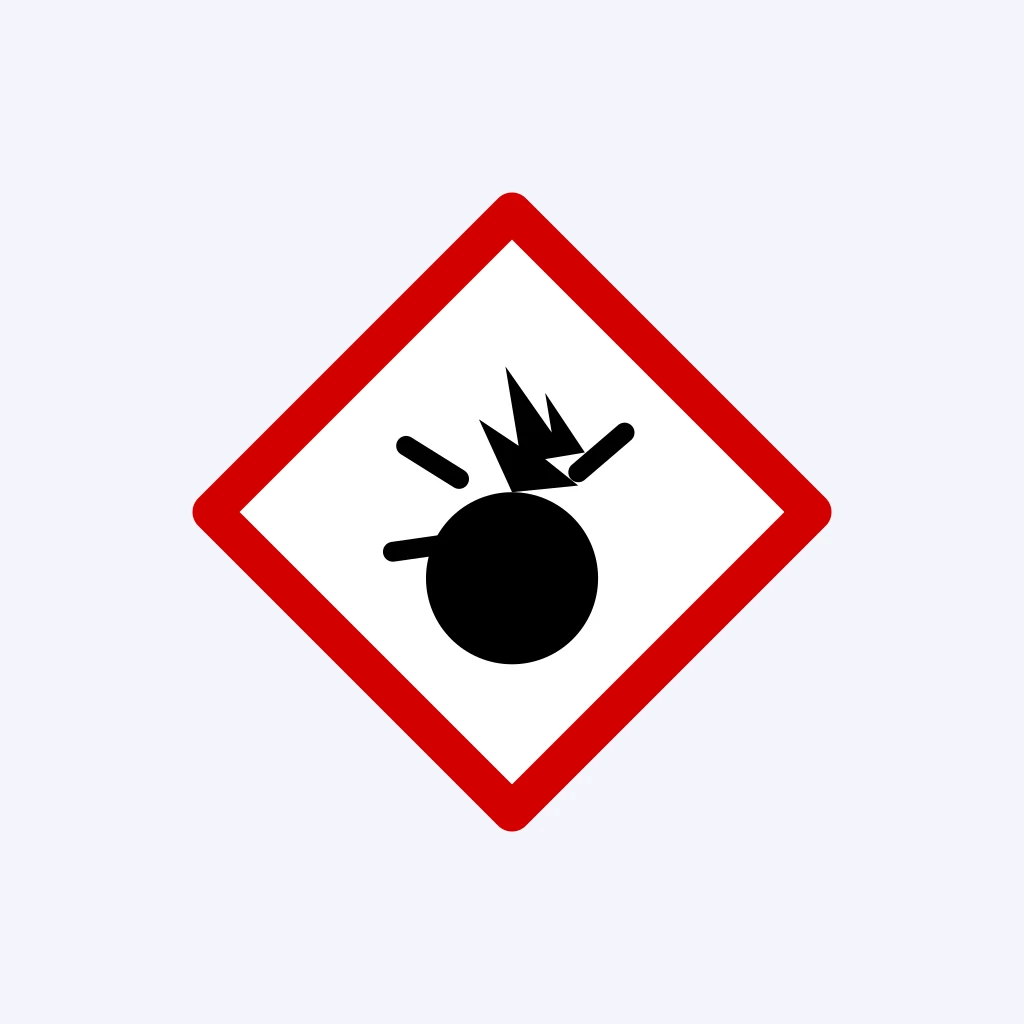
What hazard is shown by this GHS pictogram?
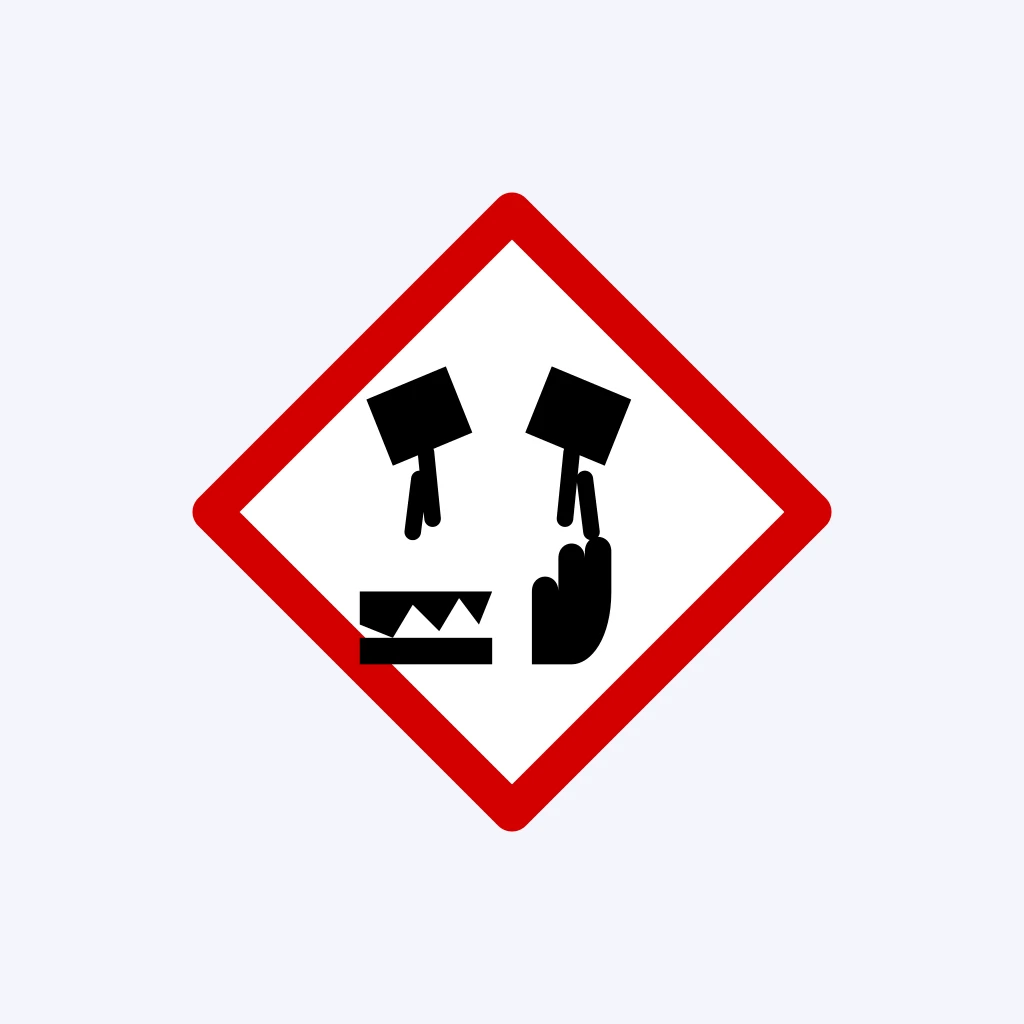
This GHS pictogram is printed on a reagent label. What should a student infer?
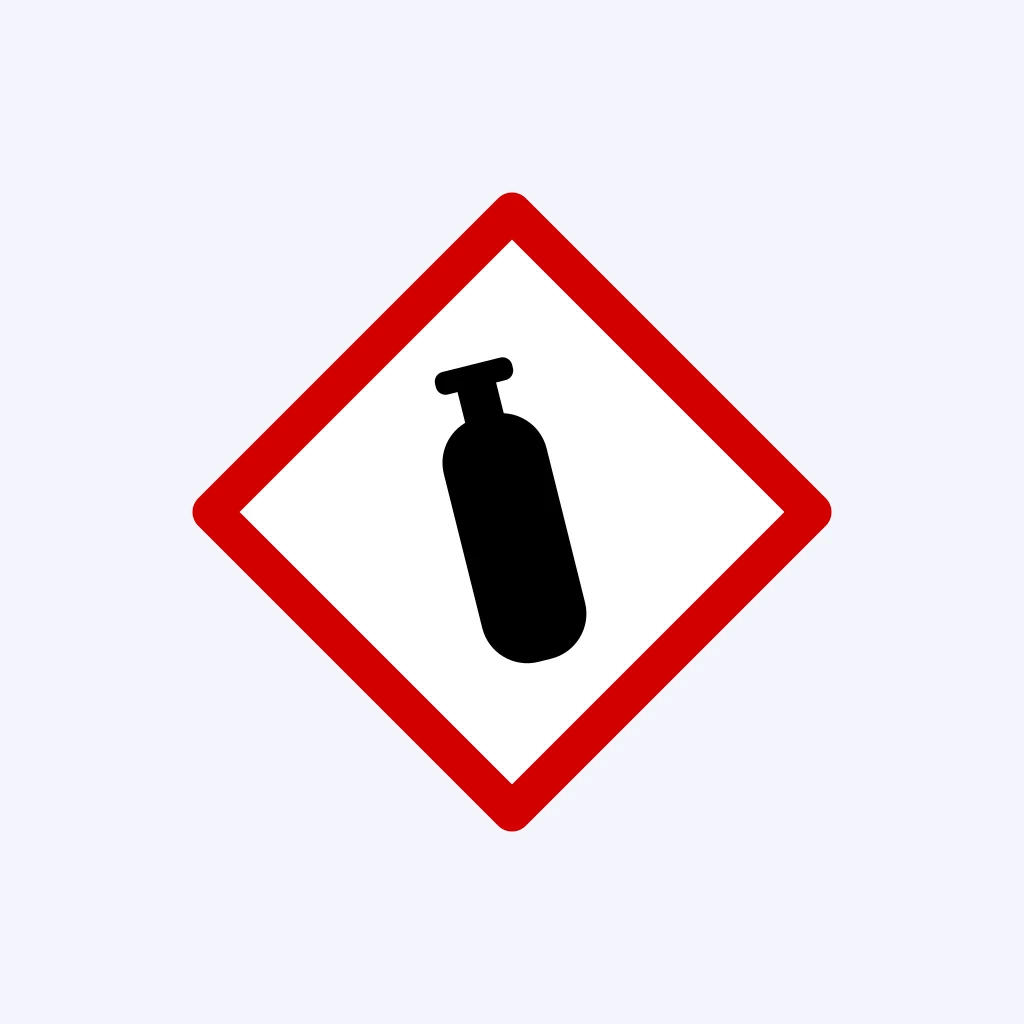
This pictogram is on a bottle in the prep room. Which meaning is correct?
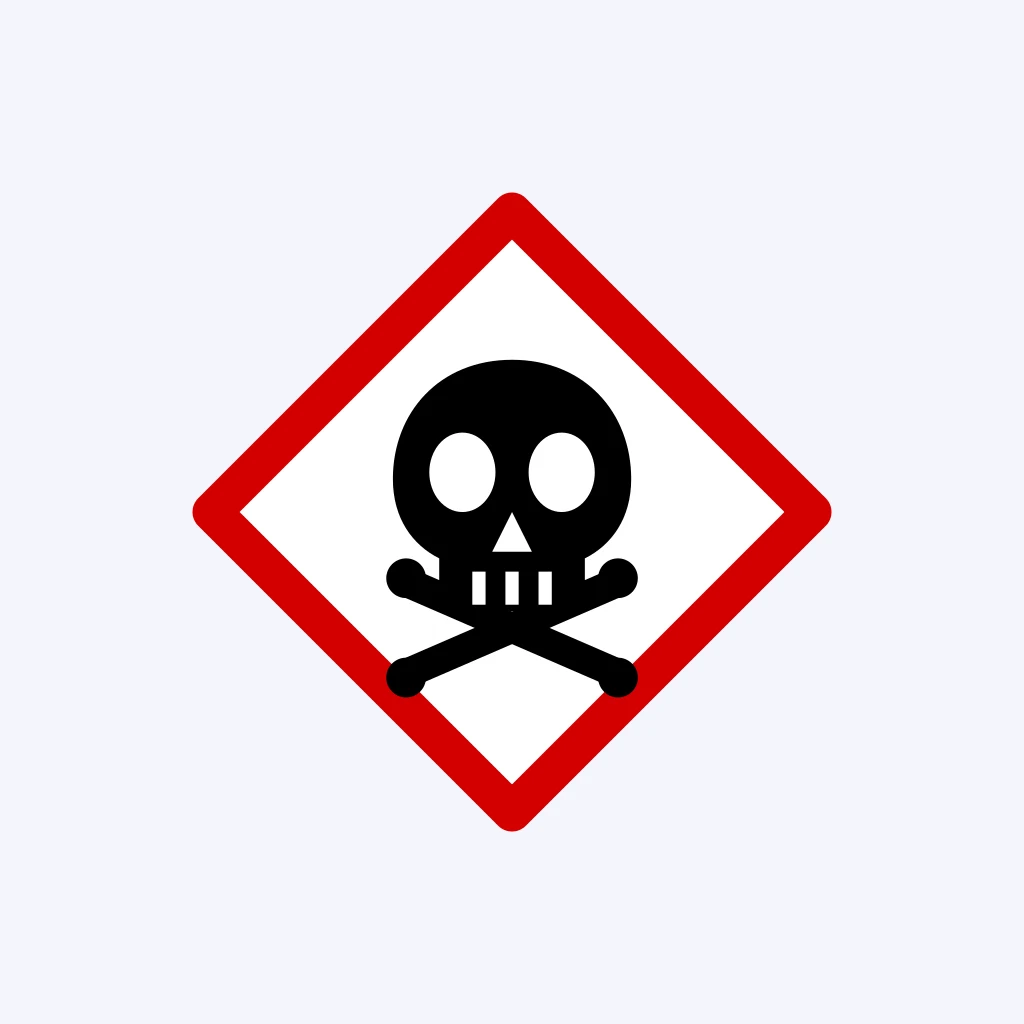
What does this GHS pictogram warn about?
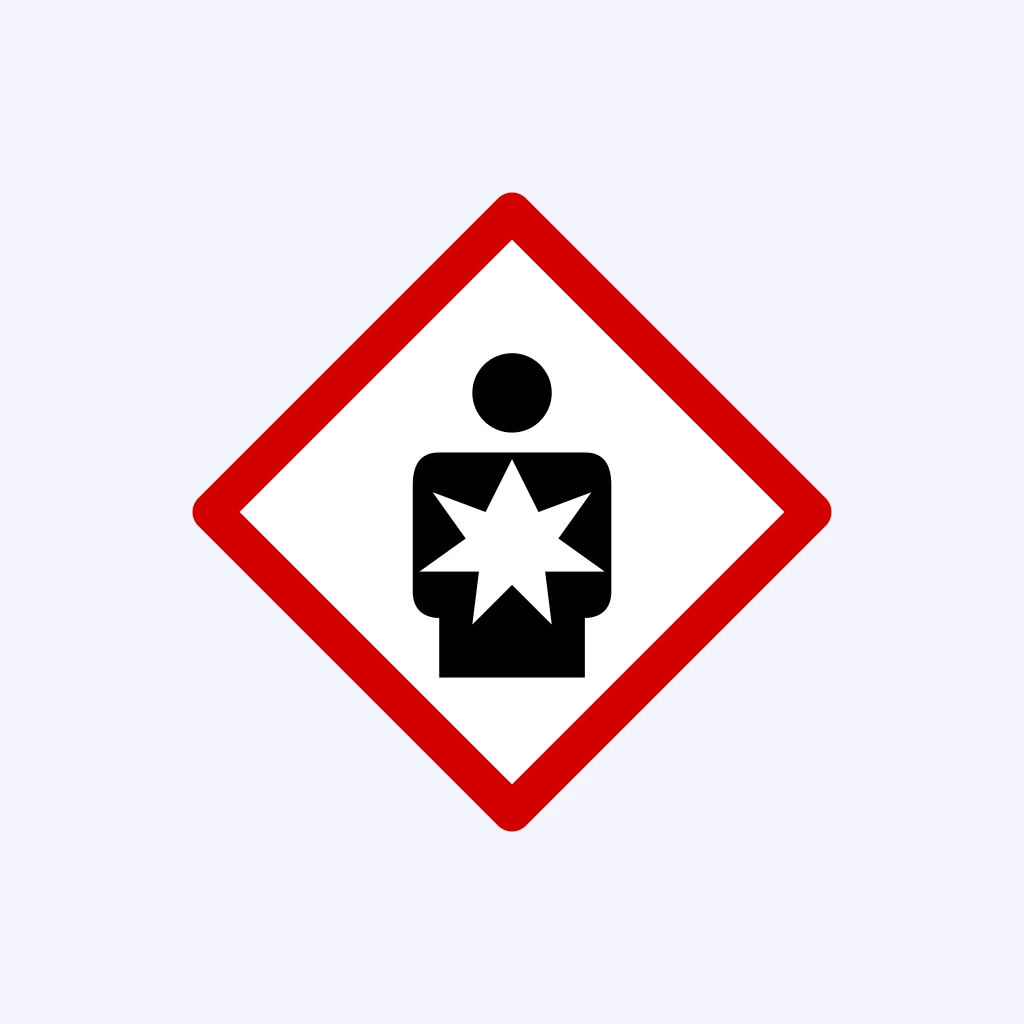
Read the NFPA diamond. Which interpretation fits the ratings?
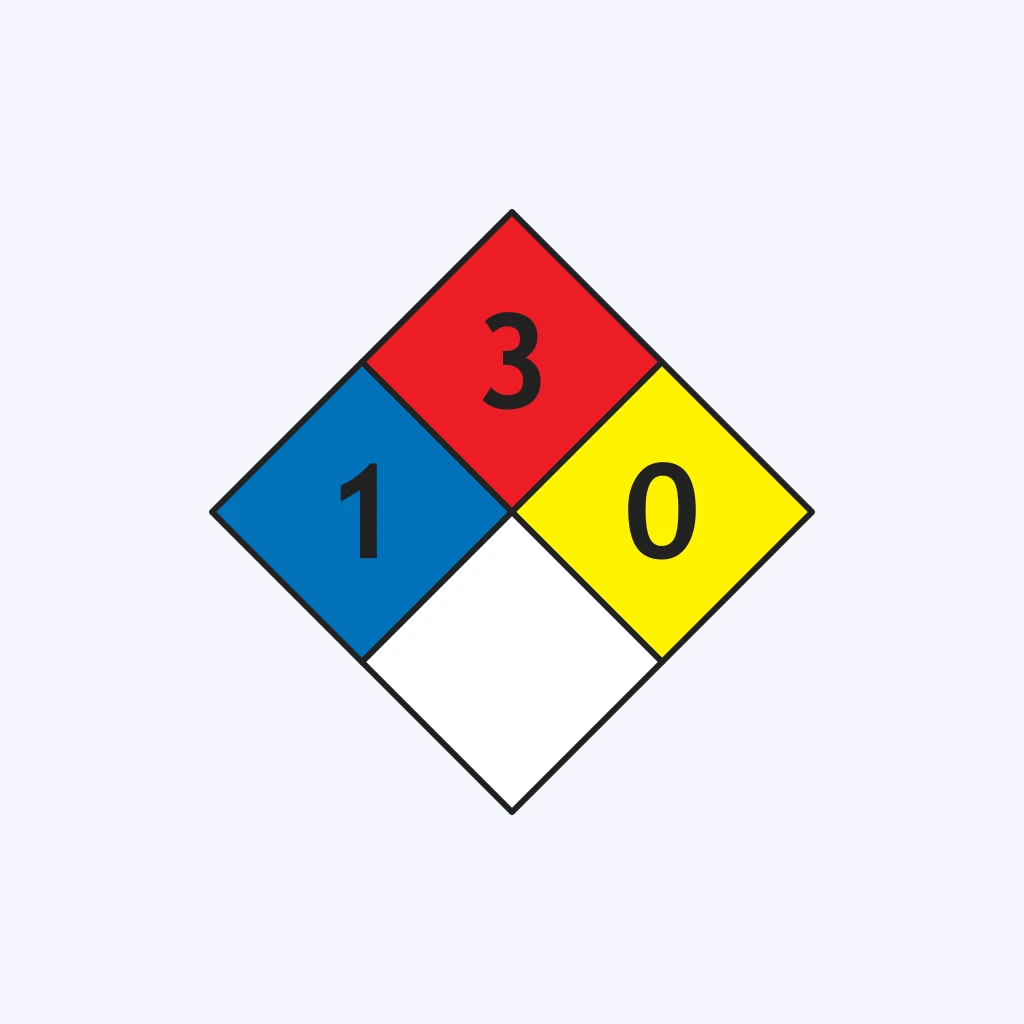
A lab stock bottle has this NFPA diamond. What does the white special marking tell you?
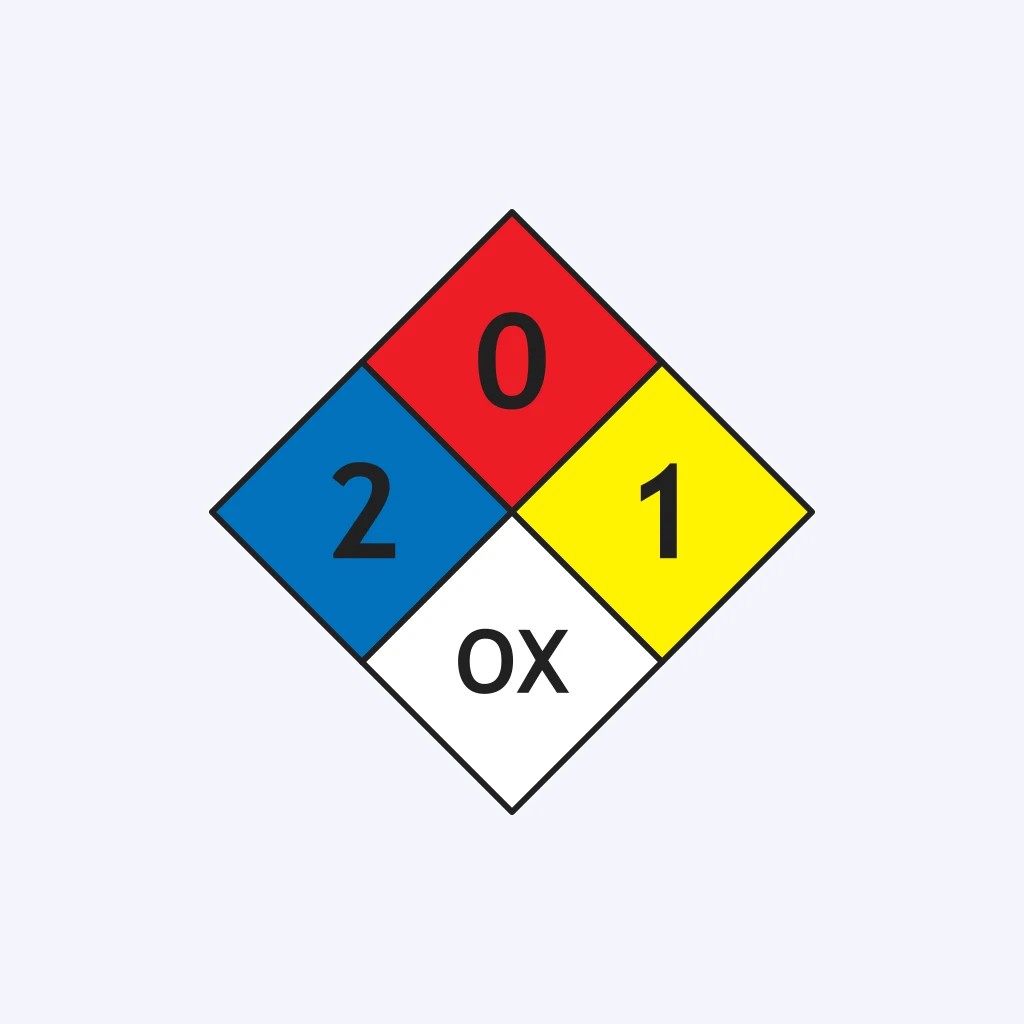
Which statement correctly reads this NFPA fire diamond?
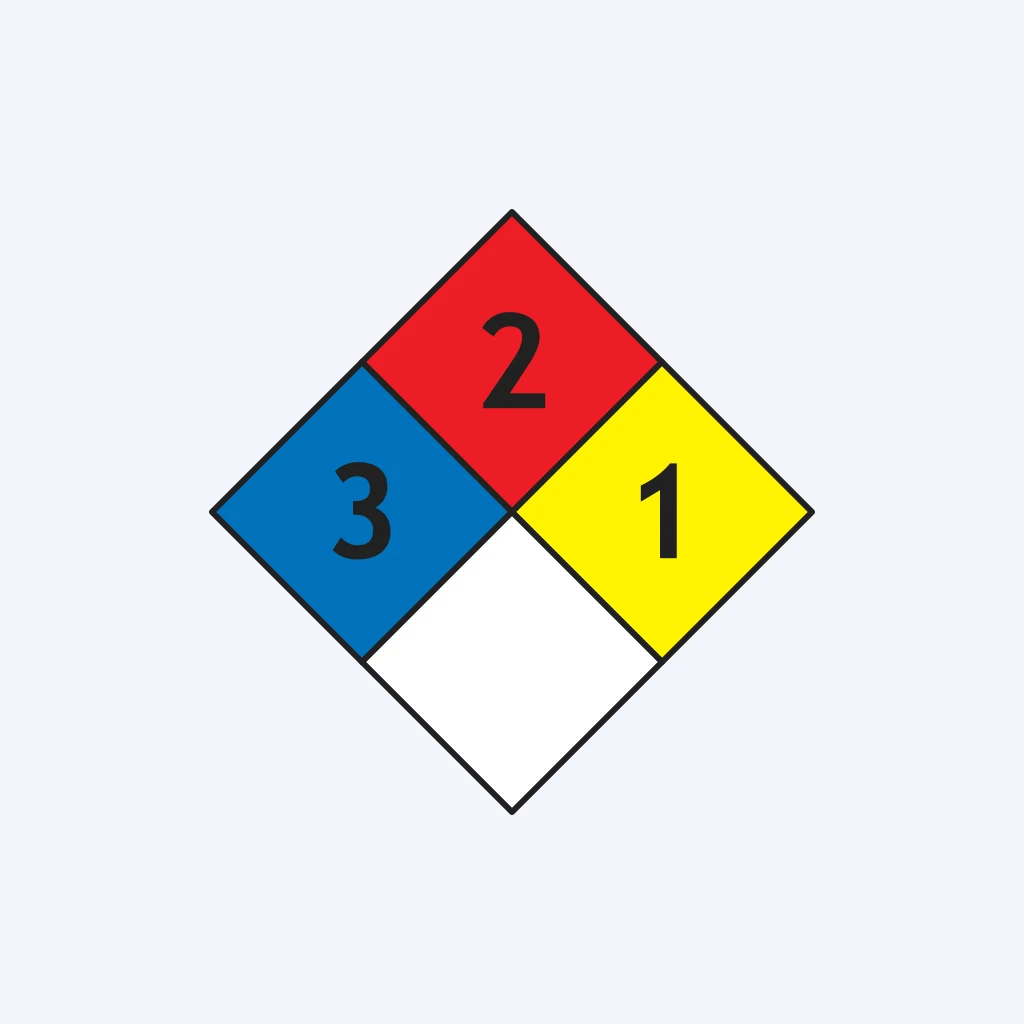
A student needs the manufacturer's emergency phone number for a chemical. Which SDS section should they check?
Where on an SDS would you find the signal word, GHS pictograms, and hazard statements for a reagent?
A teacher wants to know the percent concentration of hydrochloric acid in a solution. Which SDS section is the best source?
If methanol splashes on a student's skin, which SDS section gives immediate care steps?
The class needs to choose an extinguisher type for a burning solvent. Which SDS section should be consulted?
A bottle breaks and a small spill spreads across the bench. Which SDS section explains containment and cleanup?
A student asks whether a chemical must be kept away from heat, sparks, or acids. Which SDS section is most directly about storage conditions?
To find required gloves, goggles, ventilation, and exposure limits, which SDS section should a student use?
An SDS for acetone says: keep away from heat, sparks, and open flame; store in a tightly closed container in a cool, well-ventilated place. Which action follows the SDS?
An SDS says a solution causes serious eye damage and requires splash goggles. What should a student do before pouring it?
A spill-control entry says: ventilate area, absorb with inert material, and prevent entry into drains. Which response is appropriate for a small teacher-approved cleanup?
An SDS for concentrated ammonia says to use local exhaust ventilation and avoid breathing vapors. What is the best setup for dispensing it?
Storage information says sodium hydroxide is incompatible with acids and should be kept tightly closed. Which storage choice matches the SDS?
Disposal directions for a solvent say: collect waste in a labeled compatible container; do not discharge to sewer. What should the student do after the lab?
An SDS says nitrile gloves are recommended, and latex gloves may not provide adequate protection. Which choice follows the SDS?
Crack the passcode before the zombies get in.
Answer, then swat bugs for bonus points.
Race through questions at your own speed.
Same question on every screen. Fastest wins.

Pick a tile, answer, hit bonuses and steals.
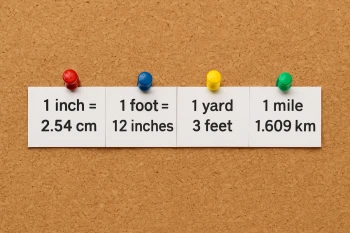
SI Units, Metric Prefixes and Conversions
40 questions