Loading
by BlastRoom
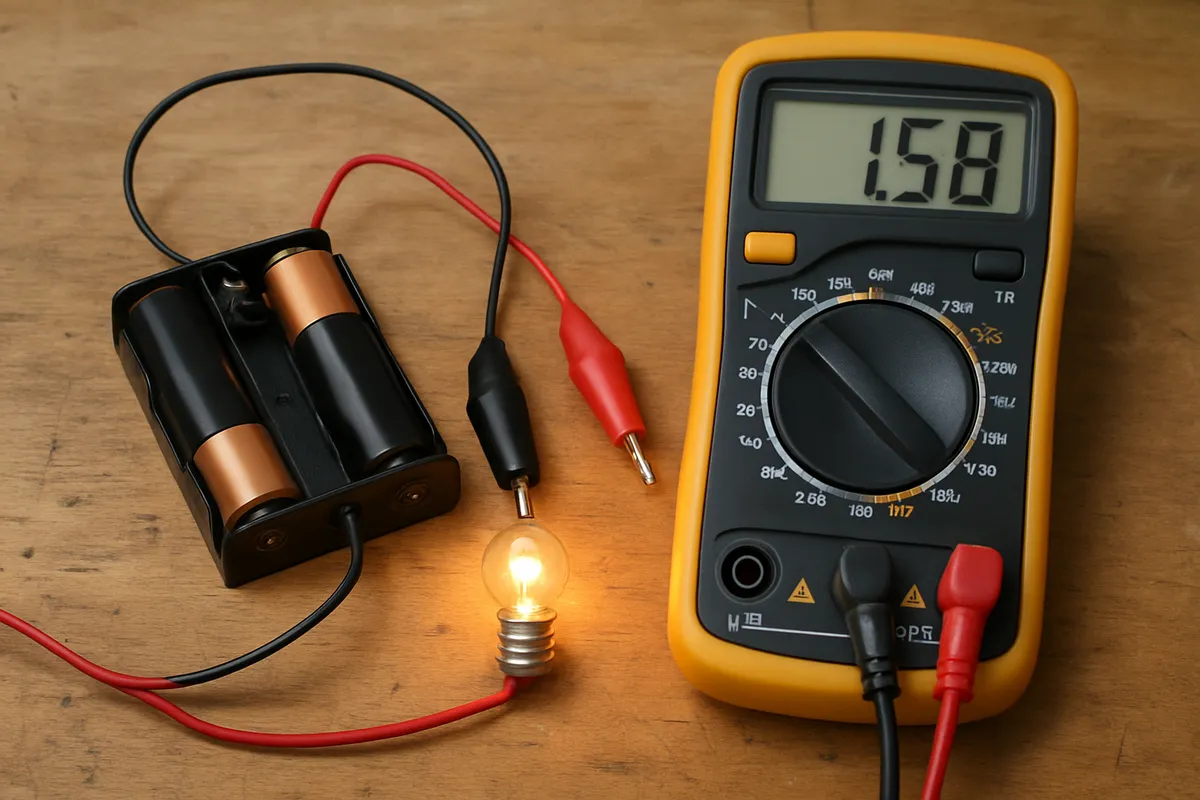
Explore electric charge, simple circuits, electrical safety, and relationships among voltage, current, and resistance.
#electricity#matatag_science_9
20 questions
One question set, multiple game modes. Tap any game to see it in action. Not sure which to pick?
Which particles move through a copper wire to carry electric charge?
Which description defines electric current?
A charge of 600 C passes a point in a wire in 5 minutes. What is the average current?
A steady current of 10 mA flows for 500 s. How much charge passes a point in the wire?
Ana notices a damaged cord on a classroom electric fan. What should she do?
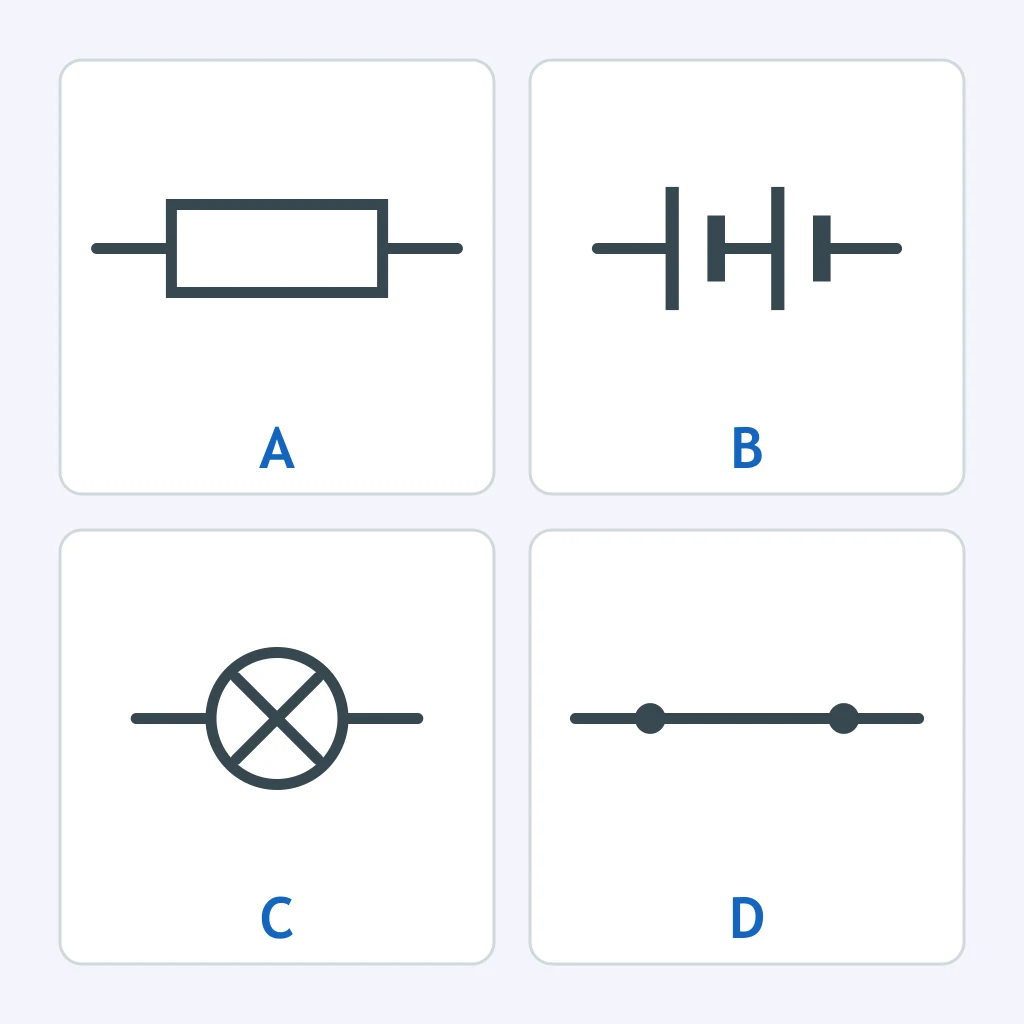
Which labeled symbol represents a component that supplies electrical energy?
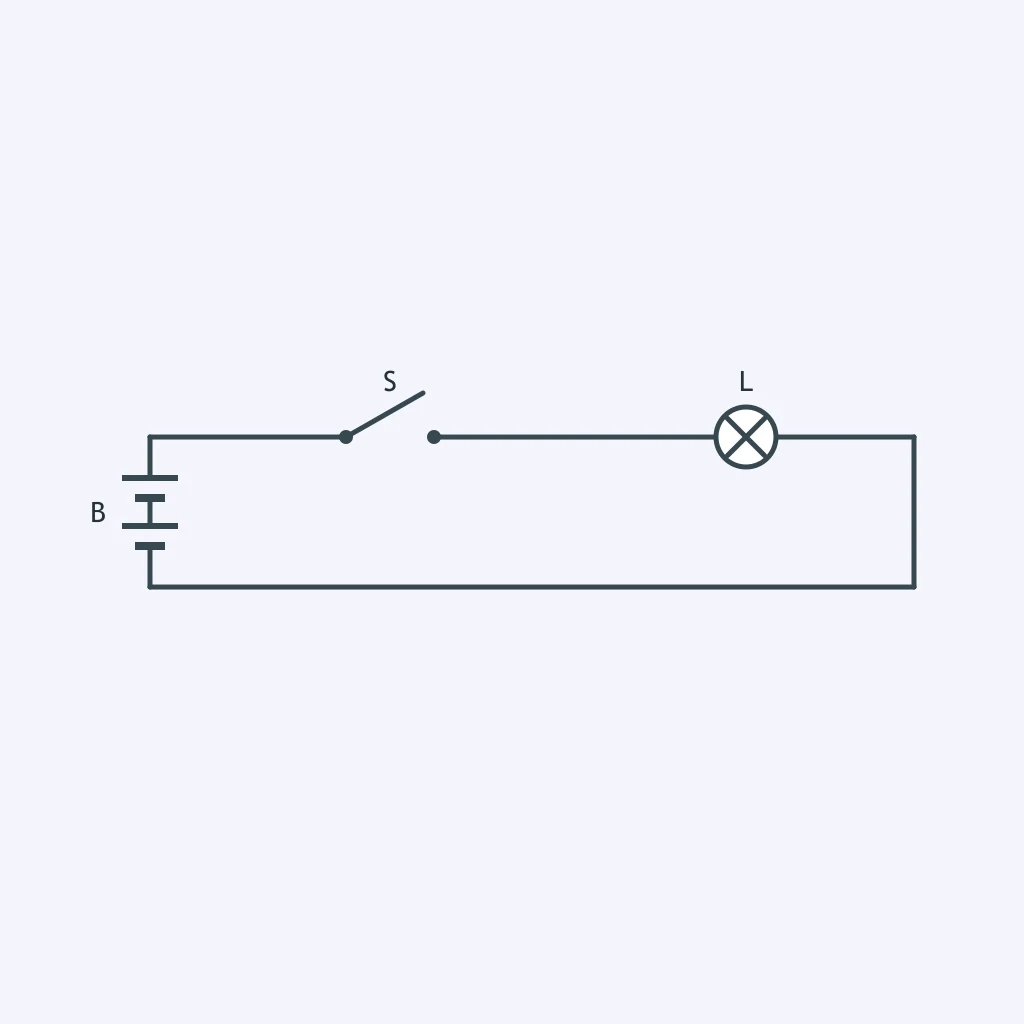
What is the role of connecting wires in a simple battery-and-bulb setup?
What is the condition of the conducting path shown?
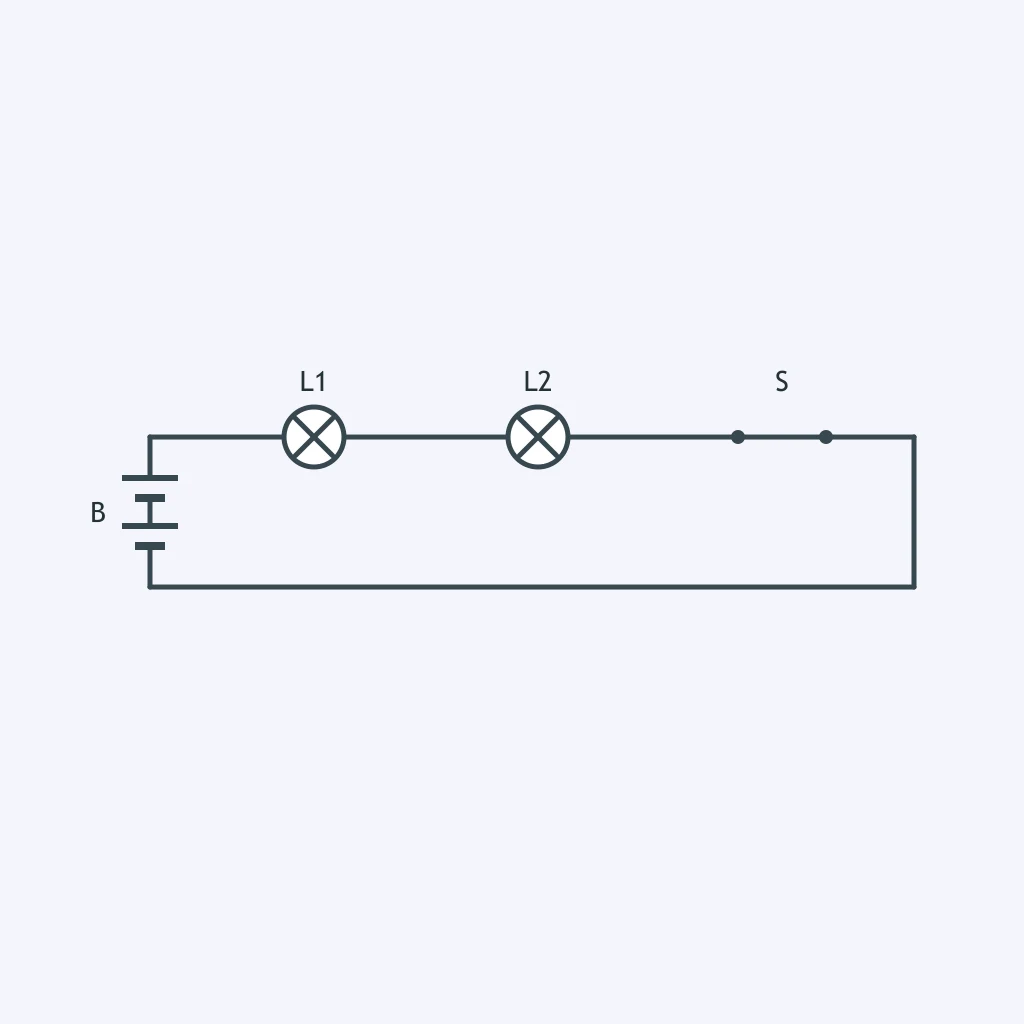
How are the two lamps connected?
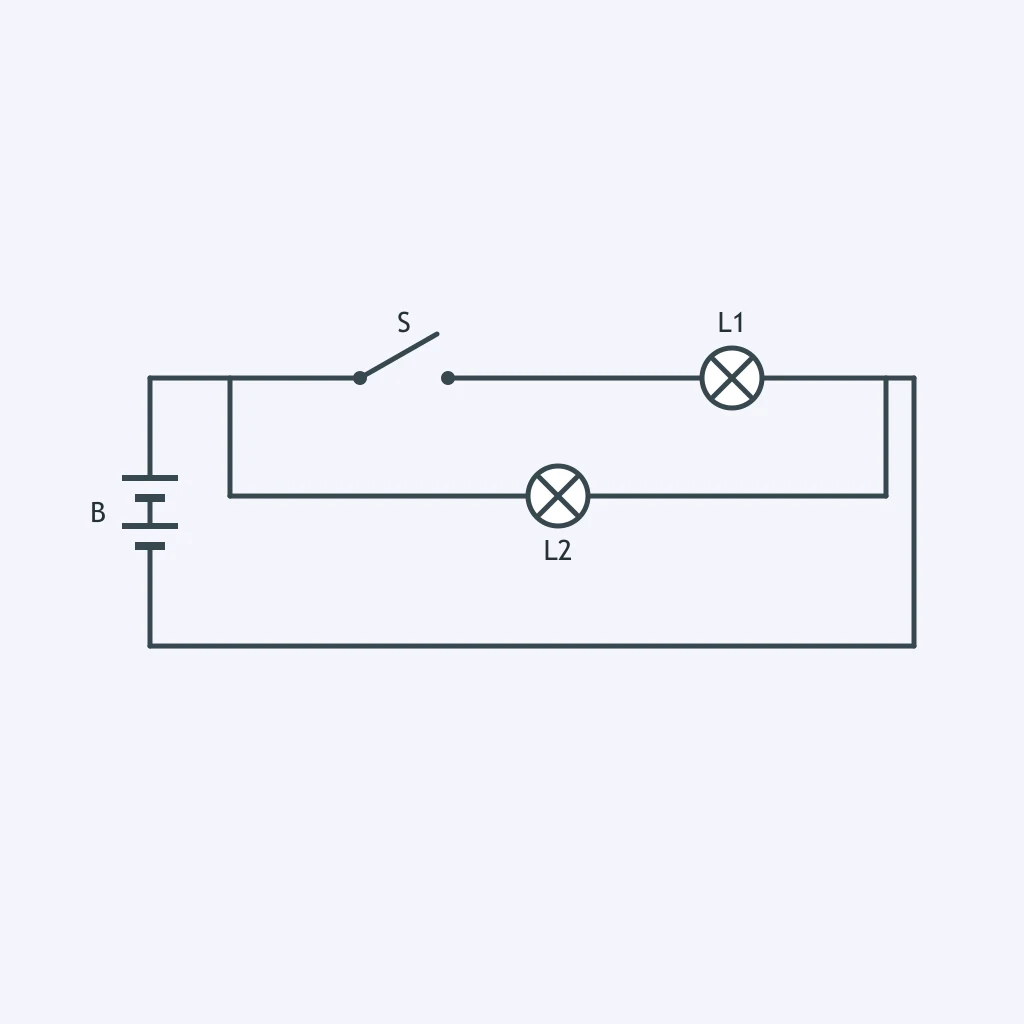
With the switch as drawn, which lamp can remain lit?
In the wires outside a battery, which direction is assigned to conventional current?
What does electrical resistance describe?
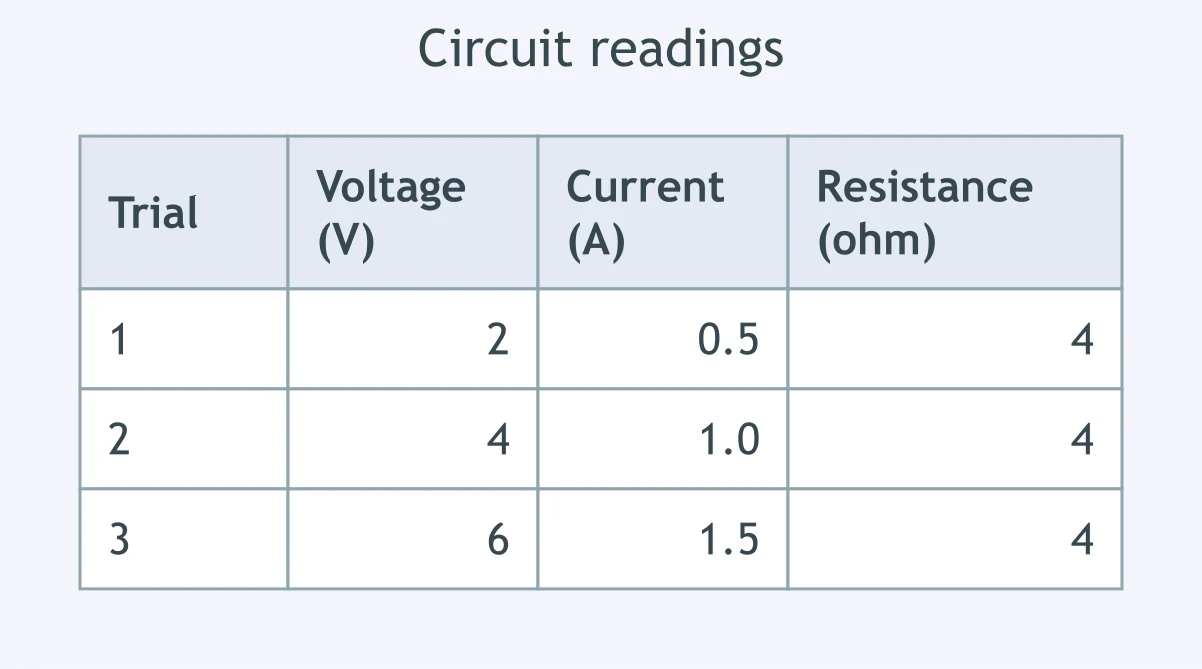
What relationship is supported by these readings?
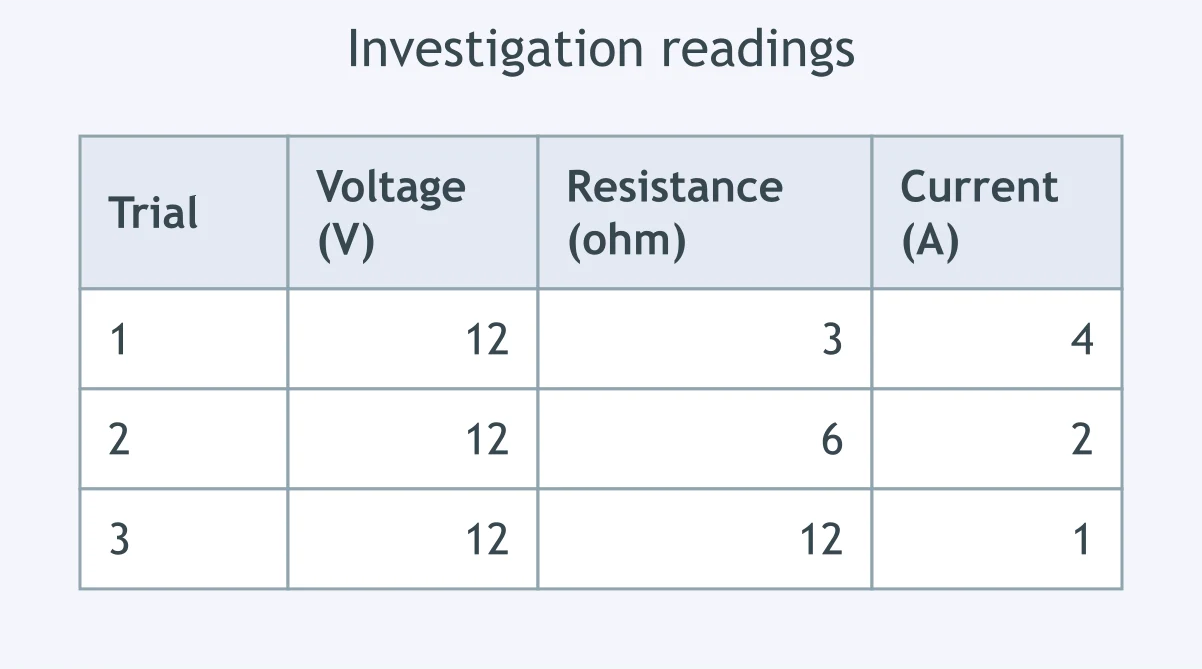
As the tested component's resistance increases, what happens to the current in these trials?
Which equation relates voltage, current, and resistance for an ohmic component?
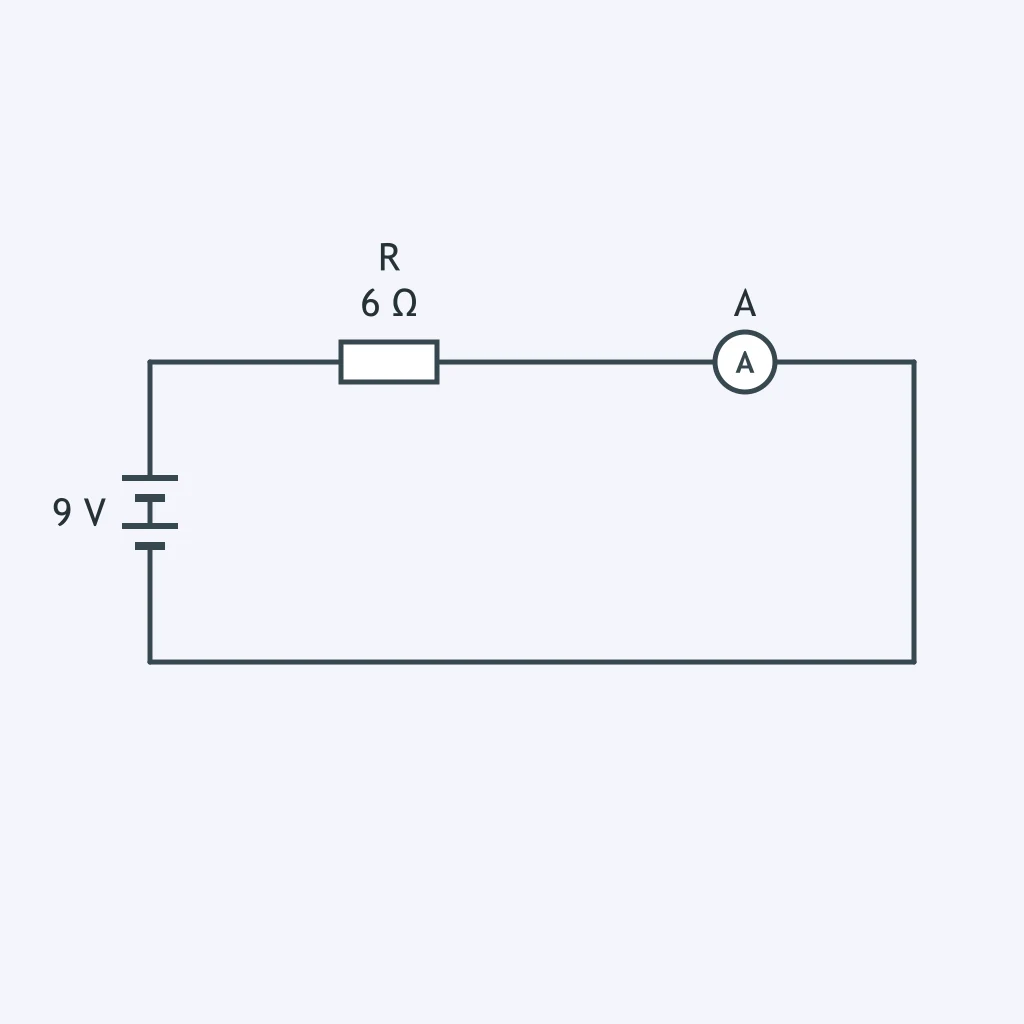
What should meter A read in this ideal circuit?
A flashlight bulb draws 250 mA from a 2.0 V battery. What is its resistance under these conditions?
What voltage is needed to produce a current of 0.50 A through a 1500 Ω resistor?
A flashlight's bulb draws 250 mA at 2.0 V. If its resistance stays constant, what current will it draw at 1.2 V?
Why can adding a real ammeter slightly reduce the current in a battery-and-resistor experiment?
Crack the passcode before the zombies get in.

Pick a tile, answer, hit bonuses and steals.
The Electromagnetic Spectrum
20 questions