Loading
by BlastRoom
Quarter 1. The learner identifies the paired opposites Blake builds on and which side a poem treats as central.
#opposites#matatag_english_9
20 questions
One question set, multiple game modes. Tap any game to see it in action. Not sure which to pick?
Blake, "The Tyger": "Tyger Tyger, burning bright, / In the forests of the night; / What immortal hand or eye, / Could frame thy fearful symmetry?" Which pair of opposites do these lines build on?
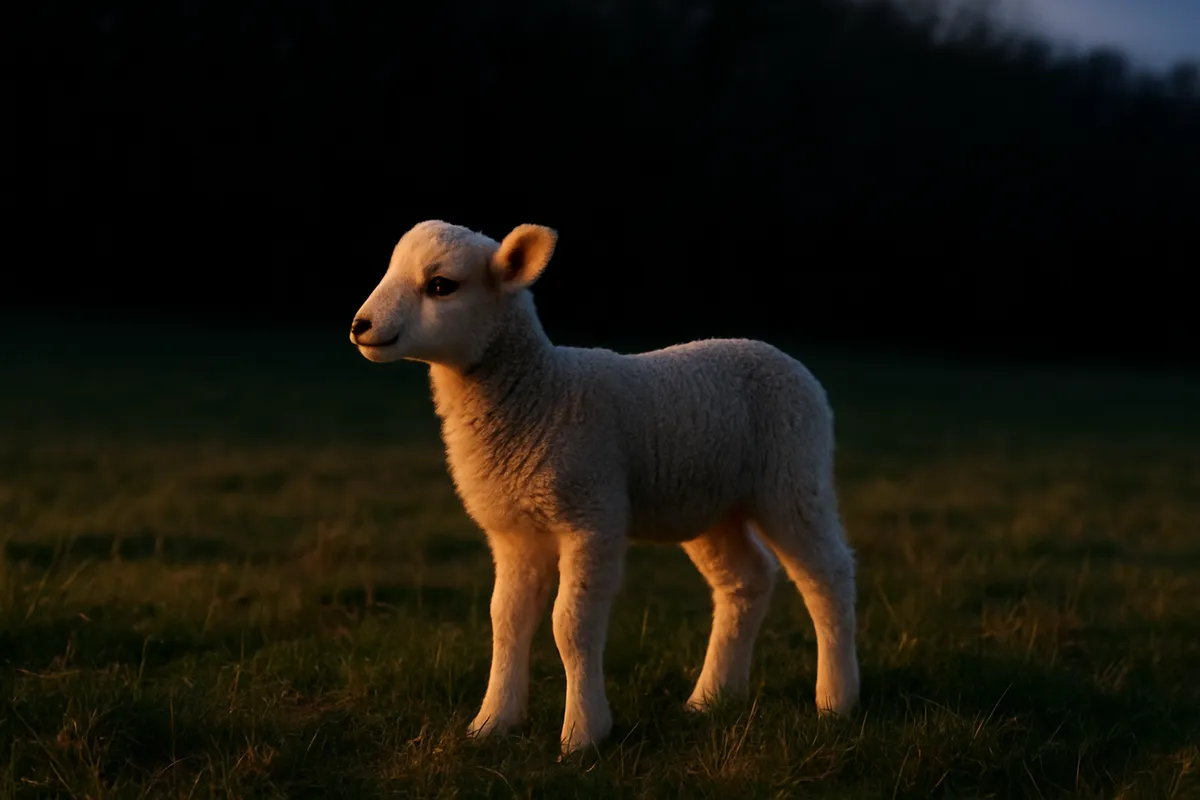
Blake, "The Lamb": "He is meek & he is mild, / He became a little child: / I a child & thou a lamb, / We are called by his name." In this poem, what does the lamb stand for?
Blake, "The Tyger" ends a stanza: "Did he smile his work to see? / Did he who made the Lamb make thee?" What does this last line do to Blake's pair of poems?
Blake's "The Tyger" puts questions to the tiger and its maker in every stanza and names the lamb only once. Which side of the lamb-and-tiger pair does the poem treat as central?
Blake, "The Chimney Sweeper" (Innocence): "And by came an Angel who had a bright key / And he open'd the coffins & set them all free." What does the bright key stand for here?
Blake, "The Chimney Sweeper" (Experience): "And because I am happy & dance & sing, / They think they have done me no injury: / And are gone to praise God & his Priest & King." Which pair of opposites is this built on?
Blake, "Holy Thursday" (Innocence): "Grey-headed beadles walkd before with wands as white as snow / Till into the high dome of Pauls they like Thames waters flow." What do the white wands stand for?
Blake, "Holy Thursday" (Experience): "And their sun does never shine. / And their fields are bleak & bare. / And their ways are fill'd with thorns / It is eternal winter there." Which side of the poem's pair does this stanza hold to?
Blake's two "Holy Thursday" poems show the same charity children. One calls them "flowers of London town"; the other calls them "Babes reduced to misery." What does this reversal show?
In Blake's "The Clod and the Pebble" the Clod says love "builds a Heaven in Hells despair"; the Pebble says love "builds a Hell in Heavens despite." What do the two speakers disagree about?
In Blake's "The Clod and the Pebble" the Clod of Clay is "Trodden with the cattles feet" while the Pebble lies in the brook. What does being trodden stand for in the Clod's view of love?
In Blake's paired "Nurse's Song" poems the Innocence nurse lets the children play on, while the Experience nurse says their play is wasted. Which side does the Experience poem treat as central?
Blake's "Nurse's Song" (Experience) ends: "Your spring & your day, are wasted in play / And your winter and night in disguise." If the nurse instead called that play well spent, what would happen?
Blake, "Infant Joy": "I happy am / Joy is my name,". Blake, "Infant Sorrow": "My mother groand! my father wept. / Into the dangerous world I leapt:". Which pair of opposites do the two poems set up?
Blake, "Infant Sorrow": "Struggling in my fathers hands: / Striving against my swaddling bands: / Bound and weary I thought best / To sulk upon my mothers breast." What do the swaddling bands stand for?
Blake, "The Garden of Love": "And the gates of this chapel were shut, / And Thou shalt not writ over the door; / So I turn'd to the Garden of Love, / That so many sweet flowers bore." Which pair of opposites is this built on?
Blake, "The Garden of Love": "And I saw it was filled with graves, / And tomb-stones where flowers should be: / And Priests in black gowns, were walking their rounds." What do the tomb-stones stand for here?
Blake, "London": "In every cry of every Man, / In every Infants cry of fear, / In every voice; in every ban, / The mind-forg'd manacles I hear". What do these manacles stand for?
Blake, "The Ecchoing Green": "While our sports shall be seen / On the Ecchoing Green." Blake, "The Garden of Love": "A Chapel was built in the midst, / Where I used to play on the green." What does the later poem do to that green?
Blake, "The Ecchoing Green", opens "The Sun does arise / And make happy the skies" and closes "And sport no more seen, / On the darkening Green." Which pair of opposites shapes the poem?
Crack the passcode before the zombies get in.

Pick a tile, answer, hit bonuses and steals.
Emily Dickinson: Meaning from Surrounding Words
20 questions