Loading
by BlastRoom
Separate the seabird in the world from what the albatross comes to mean across Coleridge's "The Rime of the Ancient Mariner".
#signs#matatag_english_9
20 questions
One question set, multiple game modes. Tap any game to see it in action. Not sure which to pick?
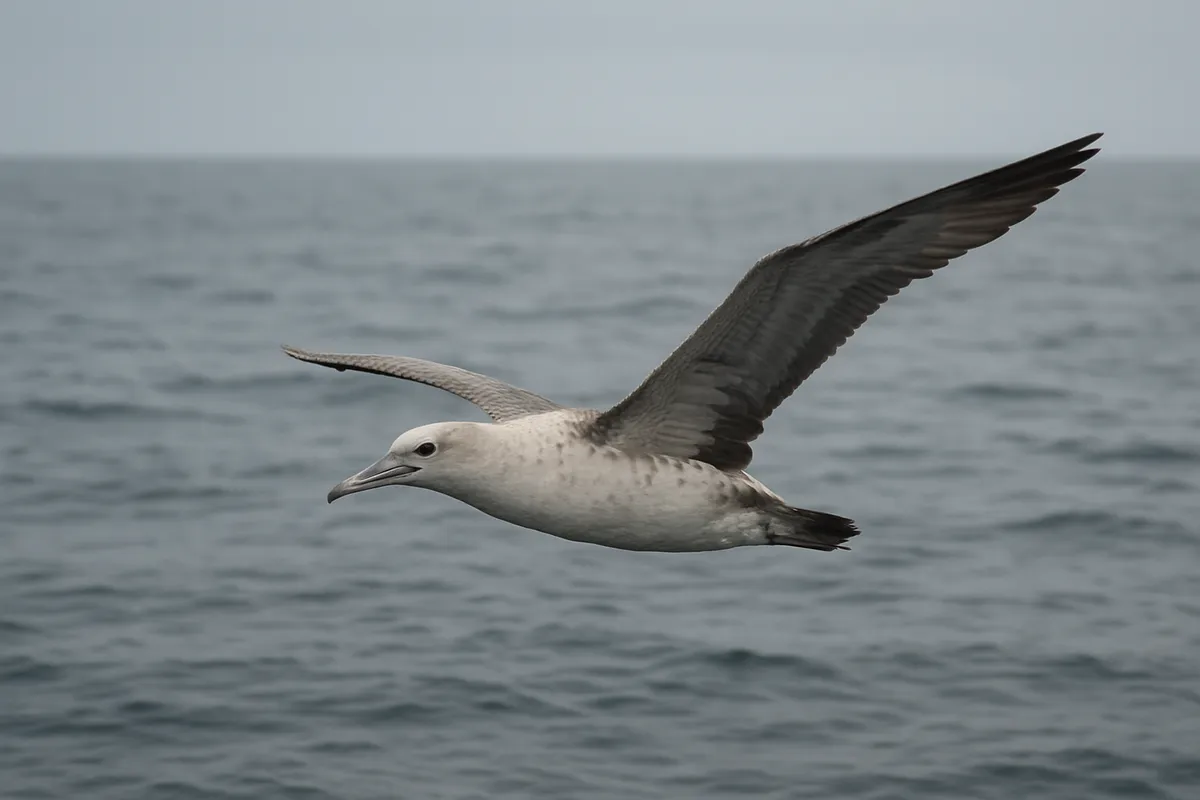
In Samuel Taylor Coleridge's "The Rime of the Ancient Mariner", an albatross crosses through the fog. What does the word albatross point to in the world outside the poem?
Coleridge, Part 1: "At length did cross an Albatross: / Thorough the fog it came; / As if it had been a Christian soul, / We hailed it in God's name." What does the bird mean to the crew here?
In Part 1 of Coleridge's poem the bird arrives and "a good south wind sprung up behind". What does the crew's reading of the albatross depend on?
Coleridge, Part 2: "Nor dim nor red, like God's own head, / The glorious Sun uprist: / Then all averred, I had killed the bird / That brought the fog and mist." What does the dead bird now mean to the crew?
In Coleridge's poem the crew praise the albatross in Part 1 and then approve its killing in Part 2. What has changed?
Coleridge, Part 2: "Instead of the cross, the Albatross / About my neck was hung." What does the hung bird stand for?
Coleridge, Part 2: "Instead of the cross, the Albatross / About my neck was hung." A cross round the neck points to a small worn object. What does the cross mean in this line?
Coleridge, Part 4: "The self same moment I could pray; / And from my neck so free / The Albatross fell off, and sank / Like lead into the sea." What does the fall of the bird mean?
The albatross is one bird through the whole of Coleridge's poem. Which order shows how its meaning changes?
In Coleridge's poem the crew hail the albatross in God's name in Part 1, then say in Part 2 that such birds are right to slay.
Coleridge, Part 2: "Yea, slimy things did crawl with legs / Upon the slimy sea." Part 4: "O happy living things! no tongue / Their beauty might declare". What has changed?
Coleridge, Part 1: "The Sun came up upon the left, / Out of the sea came he!" Part 2: "All in a hot and copper sky, / The bloody Sun, at noon". What does the sun mean in Part 2?
Coleridge, Part 3: "Are those her ribs through which the Sun / Did peer, as through a grate?" What does the sun seen through bars mean here?
Coleridge, Part 4: "The moving Moon went up the sky, / And no where did abide: / Softly she was going up, / And a star or two beside." What does the moon mean here?
Coleridge, Part 6: "Still as a slave before his lord, / The OCEAN hath no blast; / His great bright eye most silently / Up to the Moon is cast--". What does the moon stand for?
The wedding guest in Coleridge's poem points to a real man on his way to a feast. What does he mean in the poem beyond that?
Coleridge, Part 7: "O sweeter than the marriage-feast, / 'Tis sweeter far to me, / To walk together to the kirk / With a goodly company!" What does the wedding feast now mean?
Coleridge, Part 2: "Water, water, every where, / Nor any drop to drink." What does the water mean in these lines?
Water torments the crew in Part 2. Coleridge, Part 5: "My lips were wet, my throat was cold, / My garments all were dank; / Sure I had drunken in my dreams, / And still my body drank." What does water mean now?
Coleridge, Part 3: "And every soul, it passed me by, / Like the whizz of my CROSS-BOW!" The cross-bow is a hunting weapon. What does its sound mean in this line?
Crack the passcode before the zombies get in.

Pick a tile, answer, hit bonuses and steals.
Songs of Innocence and of Experience: Binary Opposition
20 questions