Loading
by BlastRoom
Review how temperature, pressure, stirring, and particle size affect solutions.
#chemistry
20 questions
One question set, multiple game modes. Tap any game to see it in action. Not sure which to pick?
Answer to place stones and capture territory.
Outrun the snow together.
Earn blasts, then hunt the other team.
Answer to earn energy, then climb.

The class blasts through walls together.
Bid on mystery lots. Most money wins.
Sell tours. Nice, standard, or a total scam.

Answer, restock, and serve the rush.
More correct answers pulls the rope your way.
Answer, then shoot down the alien wave.
Answer, then tap to leap the frozen ridge.
A beaker holds a saturated sugar solution at 20°C with extra sugar at the bottom. The beaker is warmed to 60°C. What usually happens to the solubility of sugar?
An unopened warm soda goes flat quickly after it is opened. Which statement best explains the carbon dioxide in the liquid?
A saturated potassium nitrate solution is cooled from 80°C to 25°C, and crystals form. What caused the crystals to appear?
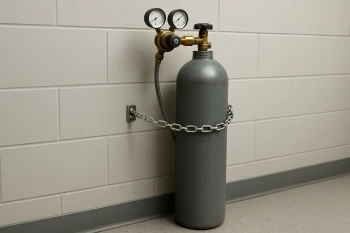
Fish in a shallow pond can struggle to get enough O2 on hot summer days. Which statement about gas solubility helps explain this?
Two cups contain the same volume of water. A scoop of powdered drink mix is added to cold water and to hot water. Which cup can usually dissolve more solid mix before becoming saturated?
A bottle of carbonated water is chilled before opening. Compared with the same bottle warmed to room temperature, what happens to CO2 solubility in the chilled water?
Carbon dioxide is forced into water to make soda. What happens when the pressure of CO2 above the liquid is increased?
A sealed soda bottle is opened, dropping the pressure above the liquid to atmospheric pressure. What happens to dissolved CO2 solubility?
A student wants to dissolve more oxygen gas in a sealed sample of water without changing temperature. Which change would help?
A gas is collected over water in a container with adjustable pressure. If the pressure of that gas above the water is lowered, what happens to its solubility?
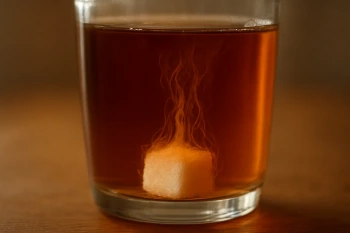
A sugar cube and the same mass of crushed sugar are placed in identical cups of water. Which dissolves faster, and why?
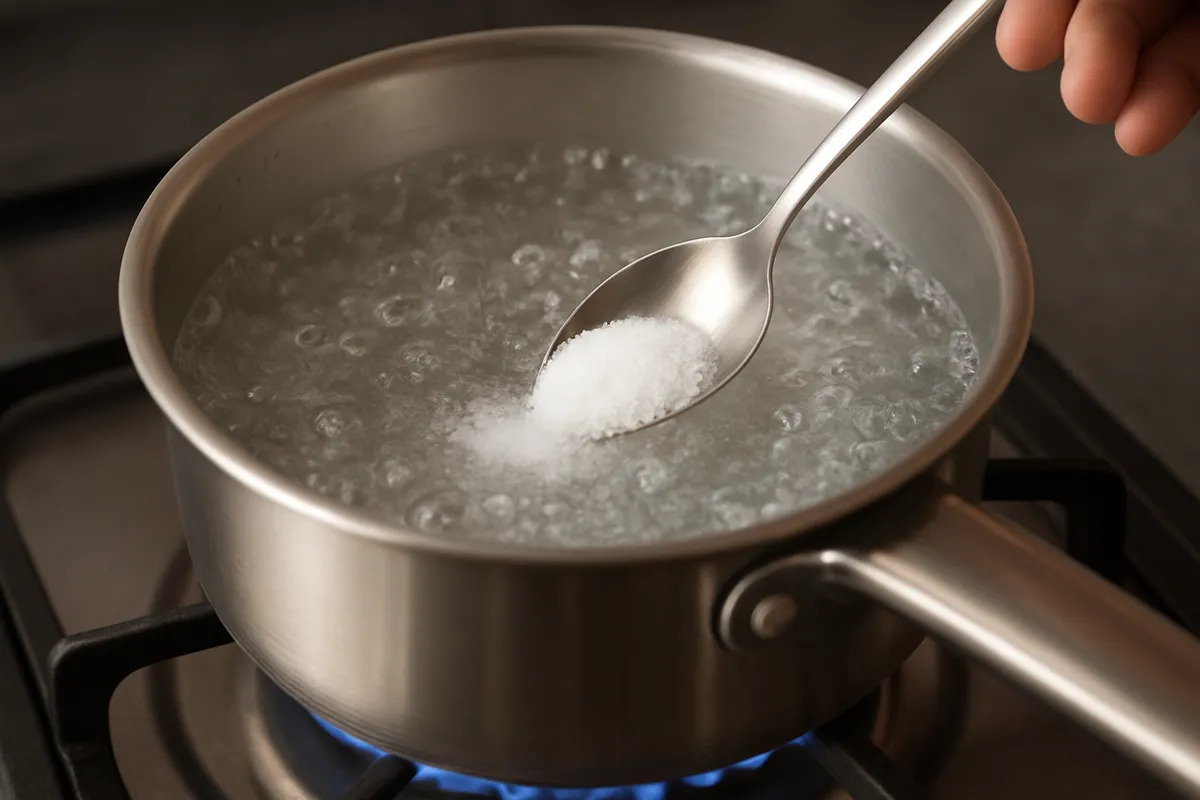
A spoon is used to stir salt in water. The temperature and amount of water stay the same. What is the main effect of stirring?
Two identical salt samples are added to water, one at 10°C and one at 40°C. Before either solution is saturated, which sample usually dissolves faster?
A student grinds a large crystal of copper(II) sulfate into powder before adding it to water. What effect does grinding have on the dissolving rate?
Two beakers contain equal masses of the same solute and equal volumes of water at the same temperature. One beaker is left still, and the other is swirled. Which reaches a uniform solution sooner?
A tablet is dropped into cold water and an identical tablet is dropped into warm water. If both tablets are soluble, what usually happens in the warm water?
Salt is stirred into water at constant temperature until no more dissolves and solid salt remains at the bottom. What did stirring mainly change?
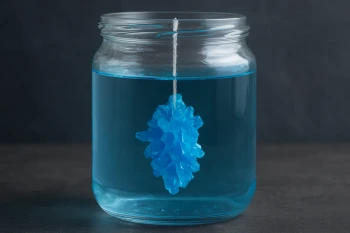
A large rock candy crystal and the same mass of broken crystals are added to separate cups with equal water at the same temperature. What stays the same?
Which change is most likely to increase how much sugar can dissolve in a cup of water, not just how fast it dissolves?
A capped soda bottle is shaken but kept at the same temperature and CO2 pressure. After it settles, how does the CO2 solubility compare with before shaking?
Crack the passcode before the zombies get in.
Answer, then swat bugs for bonus points.
Race through questions at your own speed.
Same question on every screen. Fastest wins.

Pick a tile, answer, hit bonuses and steals.
Electrolytes and Colligative Properties
20 questions