Loading
by BlastRoom
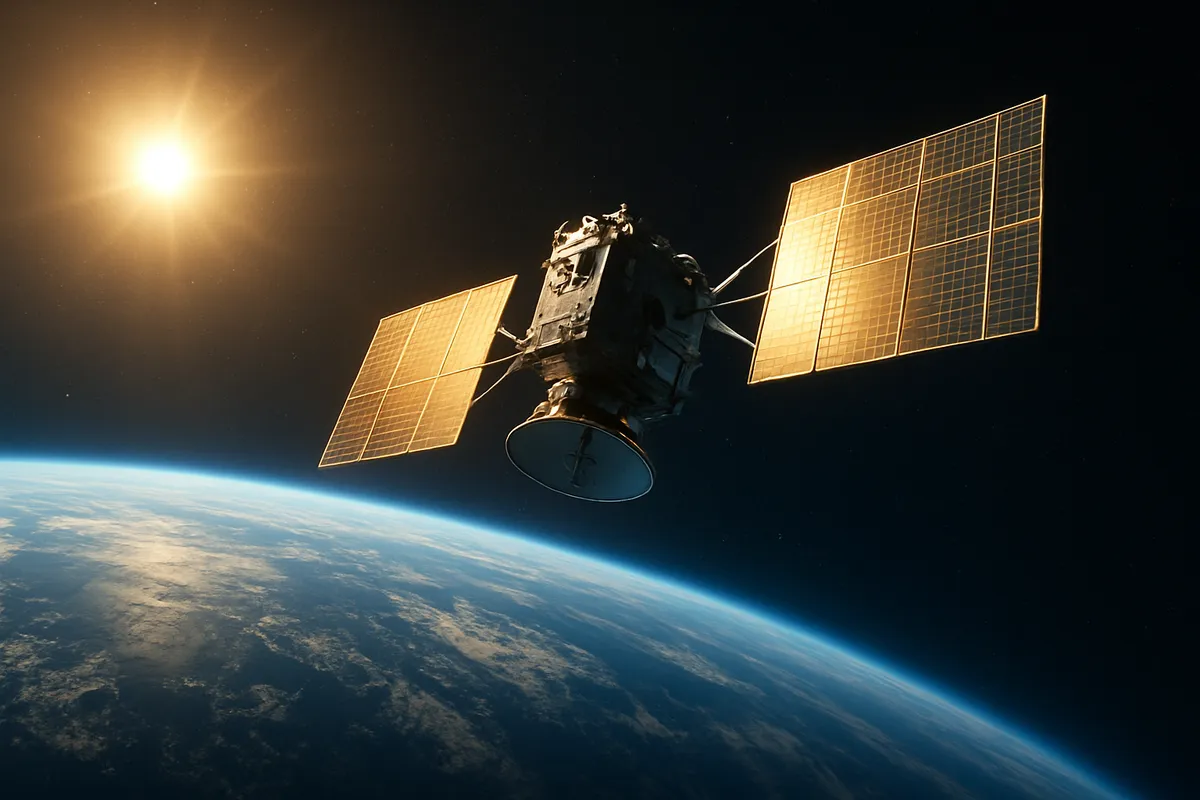
Explain circular orbits as gravity providing centripetal force and account for apparent weightlessness.
#physics
20 questions
One question set, multiple game modes. Tap any game to see it in action. Not sure which to pick?
Answer to place stones and capture territory.
Outrun the snow together.
Earn blasts, then hunt the other team.
Answer to earn energy, then climb.

The class blasts through walls together.
Bid on mystery lots. Most money wins.
Sell tours. Nice, standard, or a total scam.

Answer, restock, and serve the rush.
More correct answers pulls the rope your way.
Answer, then shoot down the alien wave.
Answer, then tap to leap the frozen ridge.
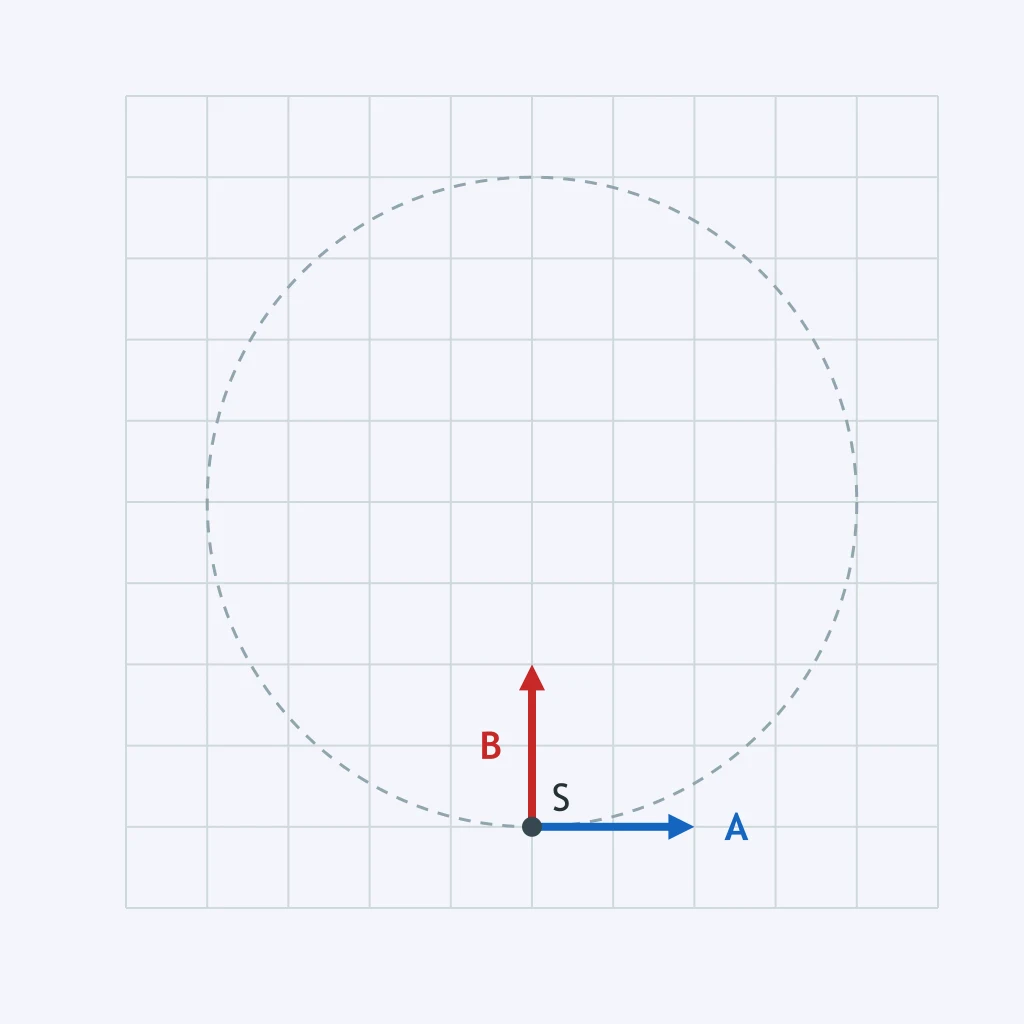
The figure shows a satellite at one point in a circular orbit. What do the two arrows represent?
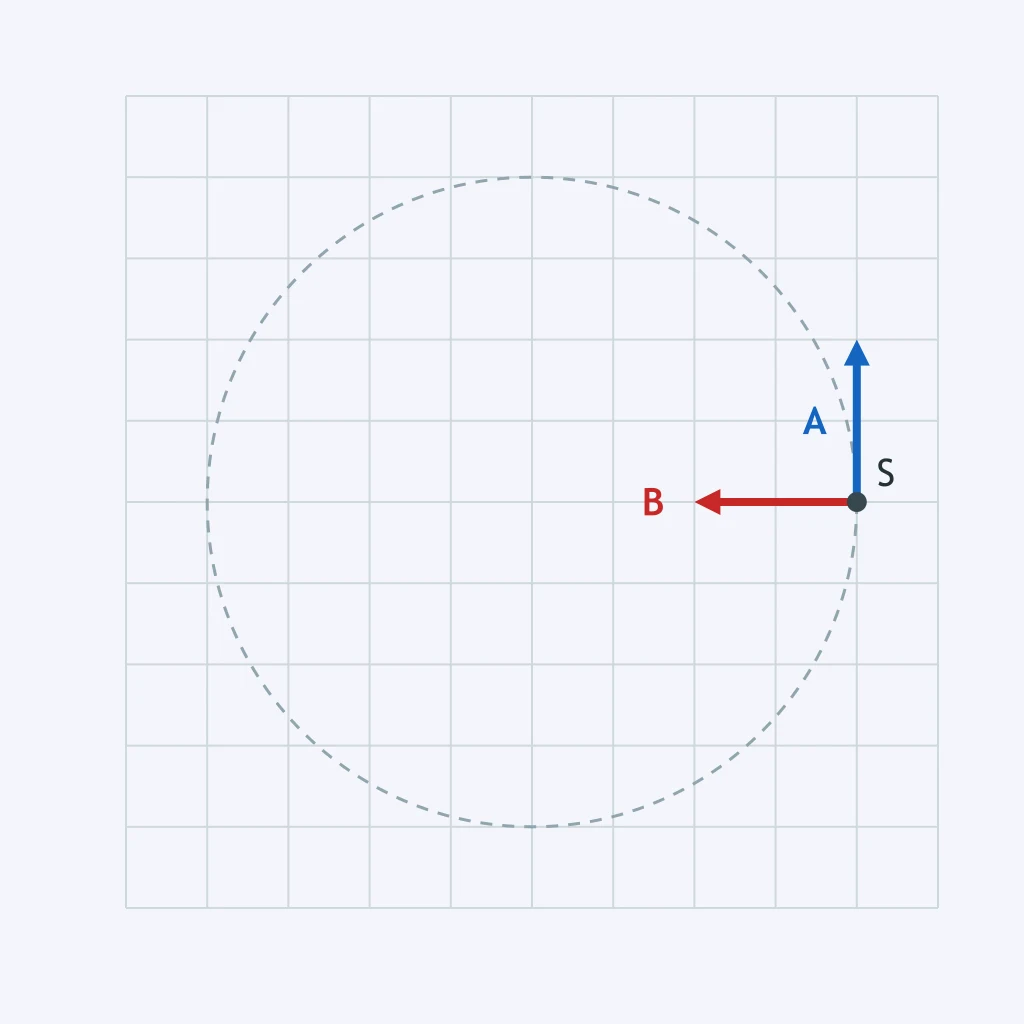
Use the figure of the orbiting satellite. Which arrow shows the real force acting on the satellite?
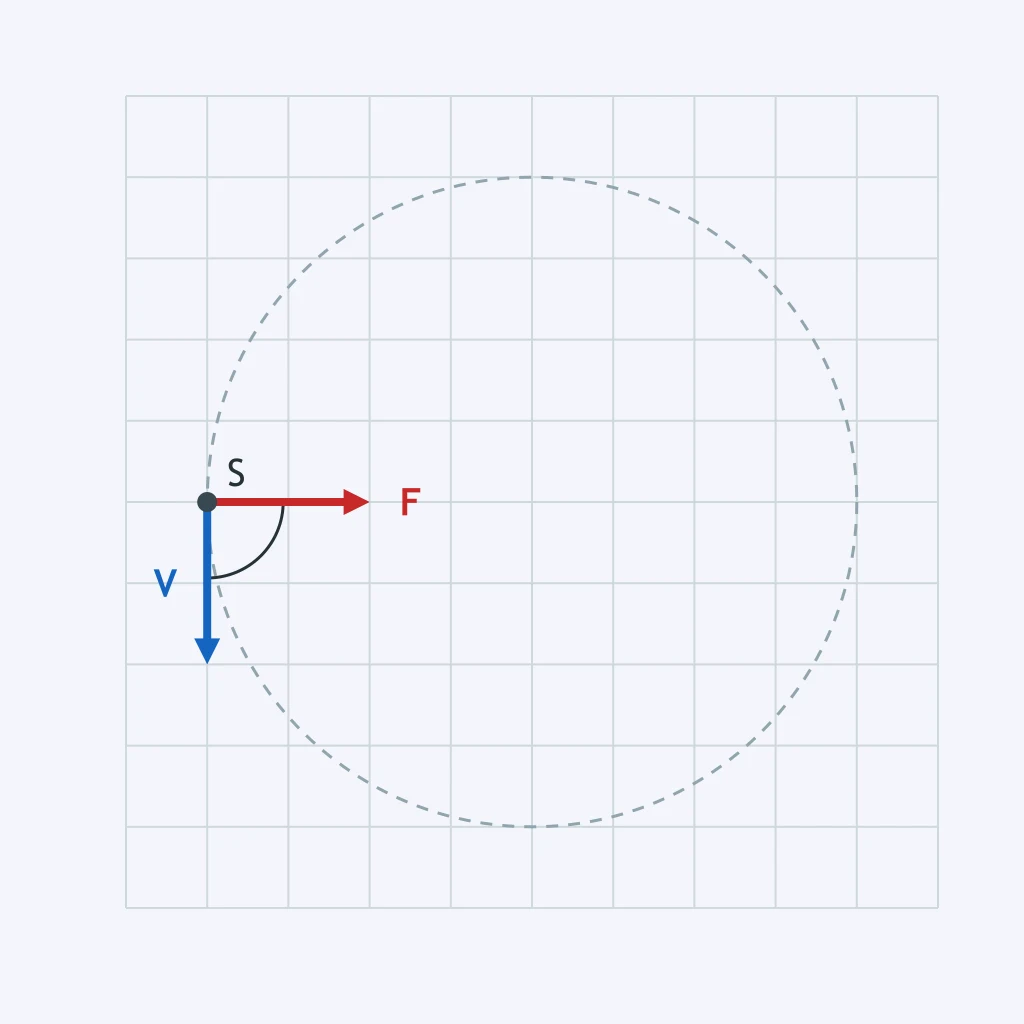
At the marked point in the orbit, what is the angle between the satellite's velocity and the gravitational force on it?
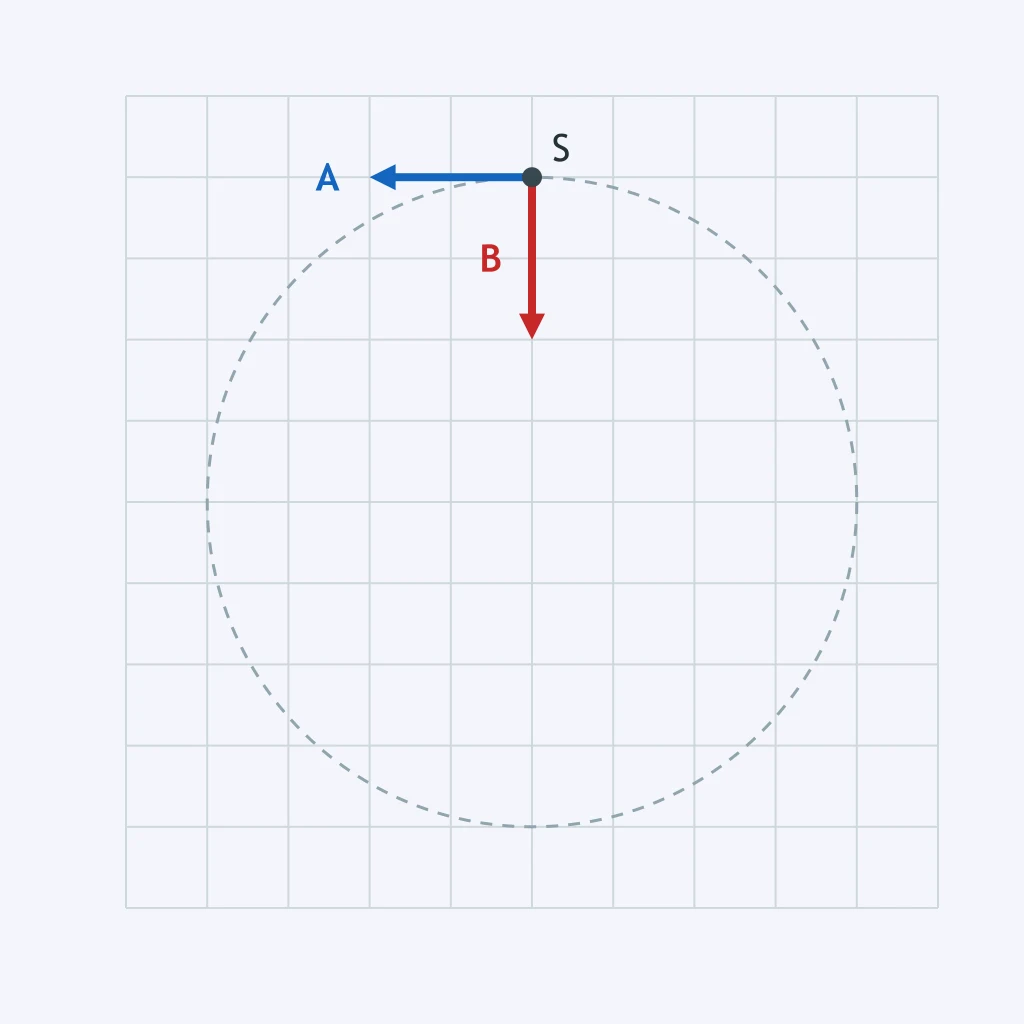
In the diagram, if arrow B suddenly became zero while arrow A stayed unchanged, what would be the satellite's initial motion?
For the satellite shown at the right side of the orbit, which statement best describes its direction of travel?
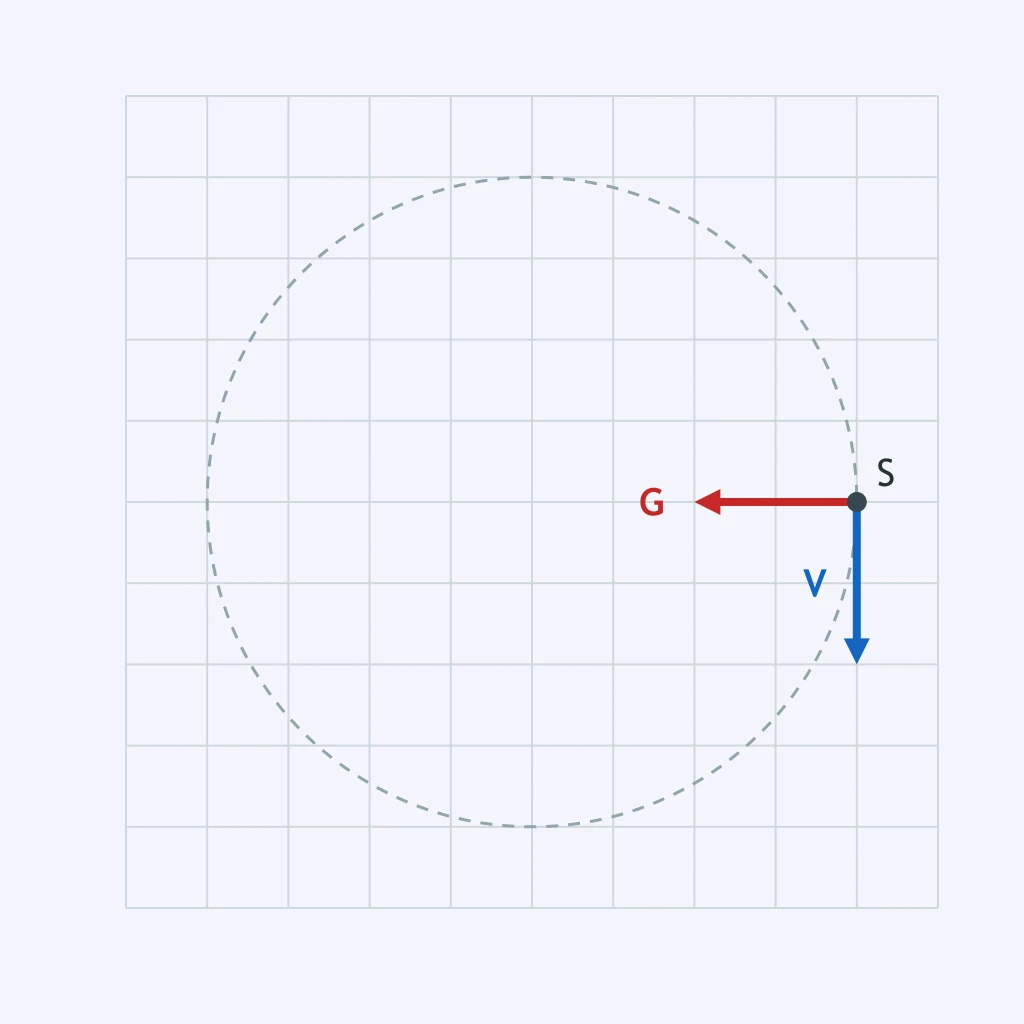
Use the figure. Which statement about the two arrows is physically correct for a circular orbit?
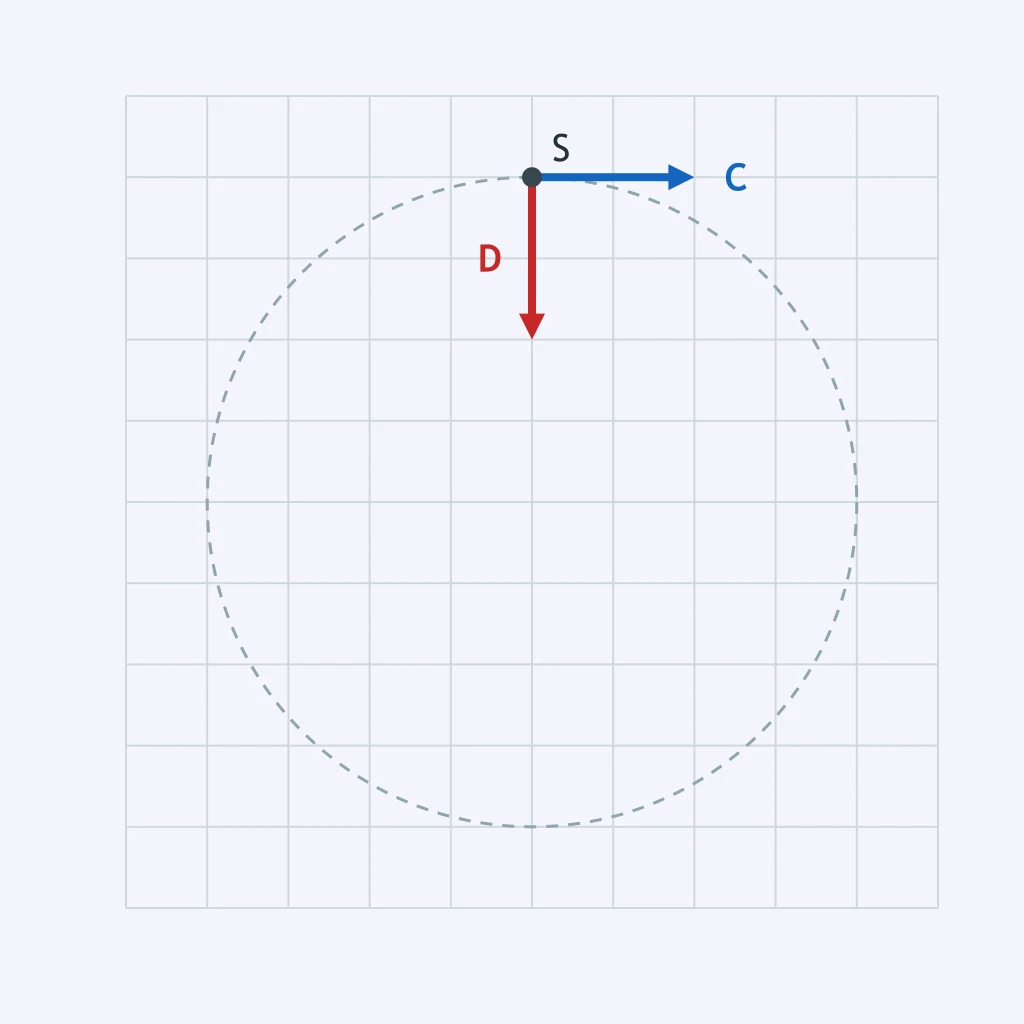
A satellite moves in a circular orbit 7.0 × 10⁶ m from Earth's center. Earth's mass is 5.97 × 10²⁴ kg and G = 6.67 × 10⁻¹¹ N·m²/kg². What is its orbital speed?
A probe orbits a planet at 3.1 × 10³ m/s. The planet's mass is 6.42 × 10²³ kg and G = 6.67 × 10⁻¹¹ N·m²/kg². What orbital radius, measured from the planet's center, is required?
A 1200 kg satellite is in a circular orbit 8.0 × 10⁶ m from Earth's center. Earth's mass is 5.97 × 10²⁴ kg and G = 6.67 × 10⁻¹¹ N·m²/kg². What centripetal force is required?
A satellite orbits a planet of mass 1.90 × 10²⁷ kg at a radius of 1.00 × 10⁸ m from the planet's center. If G = 6.67 × 10⁻¹¹ N·m²/kg², what is the orbital speed?
An astronaut in a space station 400 km above Earth floats across the module even though the gravitational field strength there is about 8.7 N/kg. Why does the astronaut float?
A bathroom scale is strapped to the floor of an orbiting spacecraft, and an astronaut stands on it without holding on. What reading would best match the astronaut's apparent weight?
Inside an orbiting capsule, a 1 kg ball and a 5 kg ball are released from rest relative to the cabin. What happens next, as seen by an astronaut inside?
An astronaut lets go of a wrench inside a space station, and it appears to hover beside them. Which explanation is most accurate?
Which quantity changes the most for an astronaut who goes from standing on Earth to floating in an orbiting spacecraft?
What supplies the centripetal force that keeps a satellite in a circular orbit around Earth?
A 900 kg satellite and a 300 kg satellite are placed in circular orbits of exactly the same radius around Earth. How do their orbital speeds compare?
A satellite is moved to a circular orbit with a larger radius around the same planet. What happens to the required orbital speed?
Two planets have the same orbital radius for a small satellite, but planet X has a greater mass than planet Y. Around which planet must the satellite move faster for a circular orbit?
After a satellite is placed in a nearly circular orbit above most of the atmosphere, why does it not need its engine firing continuously to stay in orbit?
Crack the passcode before the zombies get in.
Answer, then swat bugs for bonus points.
Race through questions at your own speed.
Same question on every screen. Fastest wins.

Pick a tile, answer, hit bonuses and steals.

Work
40 questions