Loading
by BlastRoom
Practice classifying mixtures by uniformity, settling, and light scattering.
#chemistry
24 questions
One question set, multiple game modes. Tap any game to see it in action. Not sure which to pick?
Answer to place stones and capture territory.
Outrun the snow together.
Earn blasts, then hunt the other team.
Answer to earn energy, then climb.

The class blasts through walls together.
Bid on mystery lots. Most money wins.
Sell tours. Nice, standard, or a total scam.

Answer, restock, and serve the rush.
More correct answers pulls the rope your way.
Answer, then shoot down the alien wave.
Answer, then tap to leap the frozen ridge.
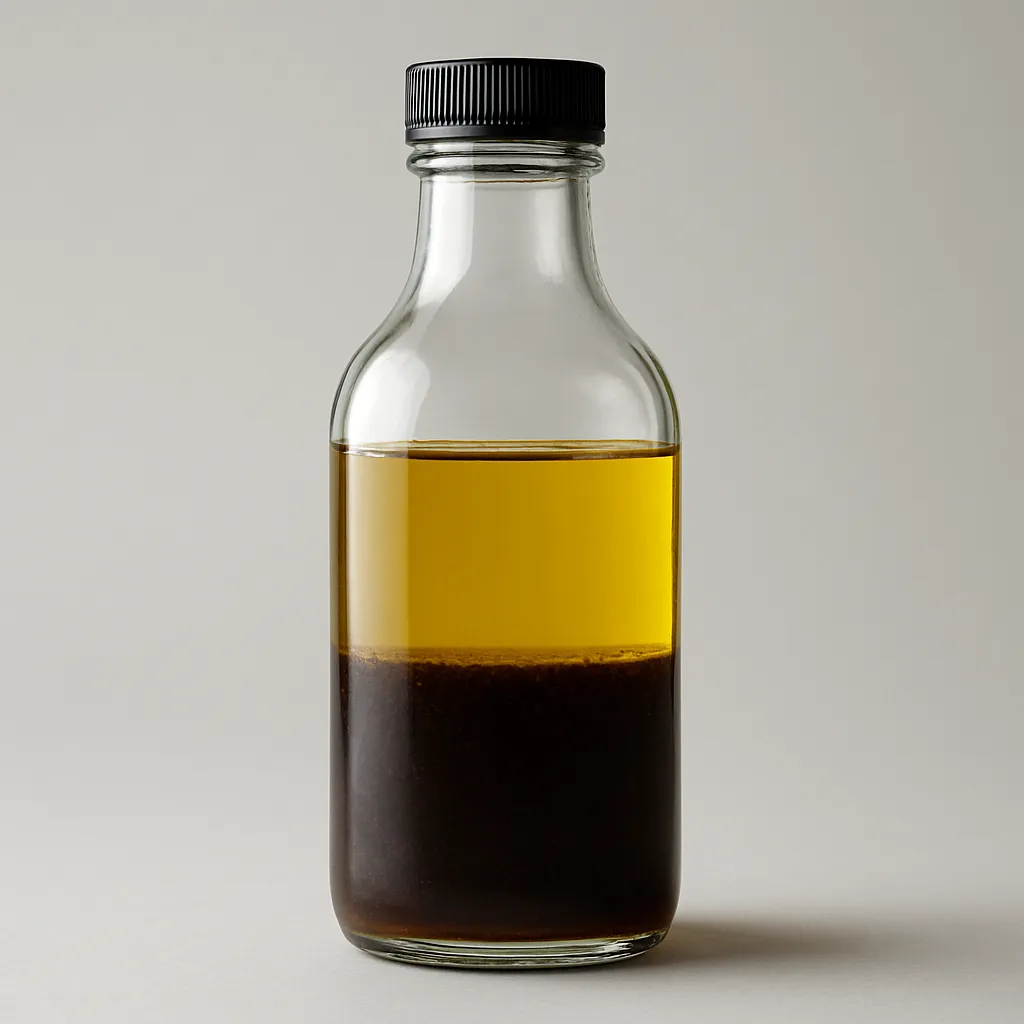
Look at the photo of salad dressing. The oil and vinegar form separate layers. How should the mixture be classified by uniformity?
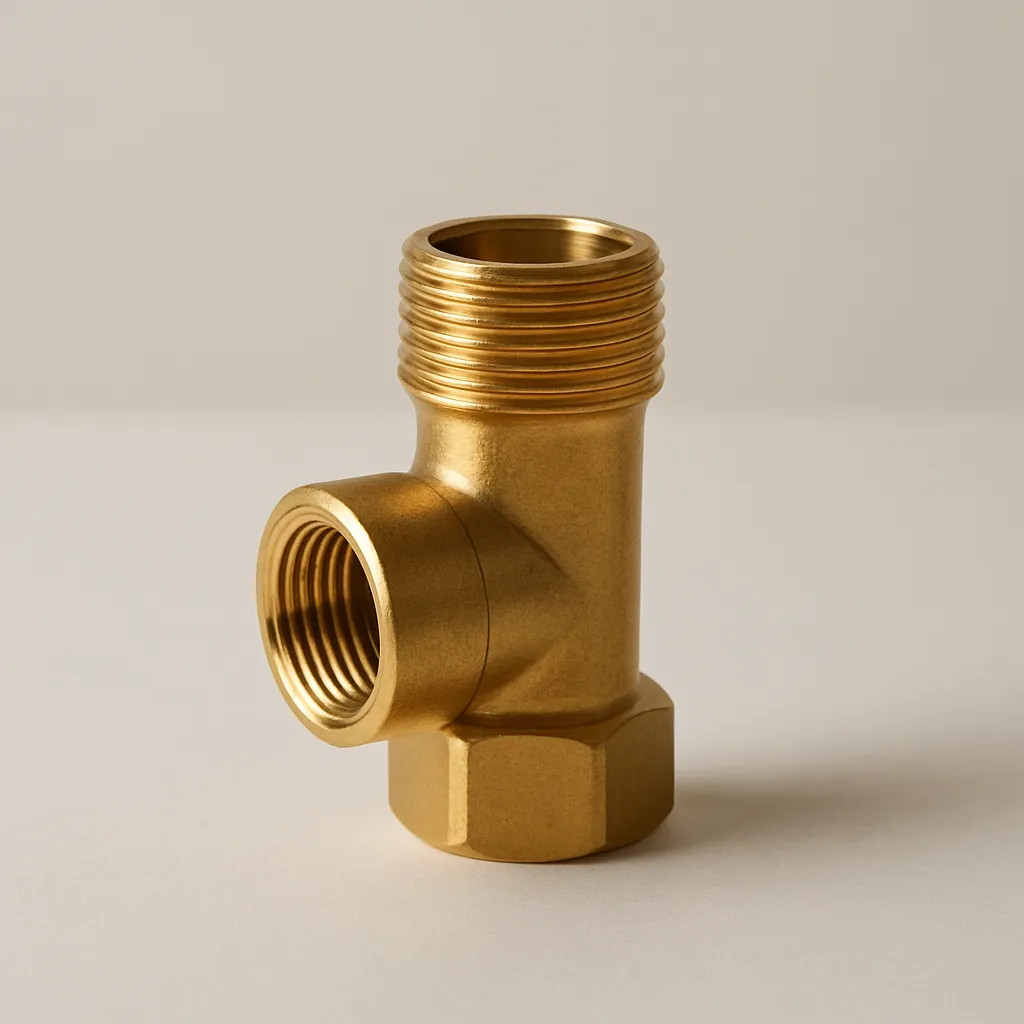
Look at the photo of a brass fitting. It appears uniform across the metal surface. How should this alloy be classified by uniformity?
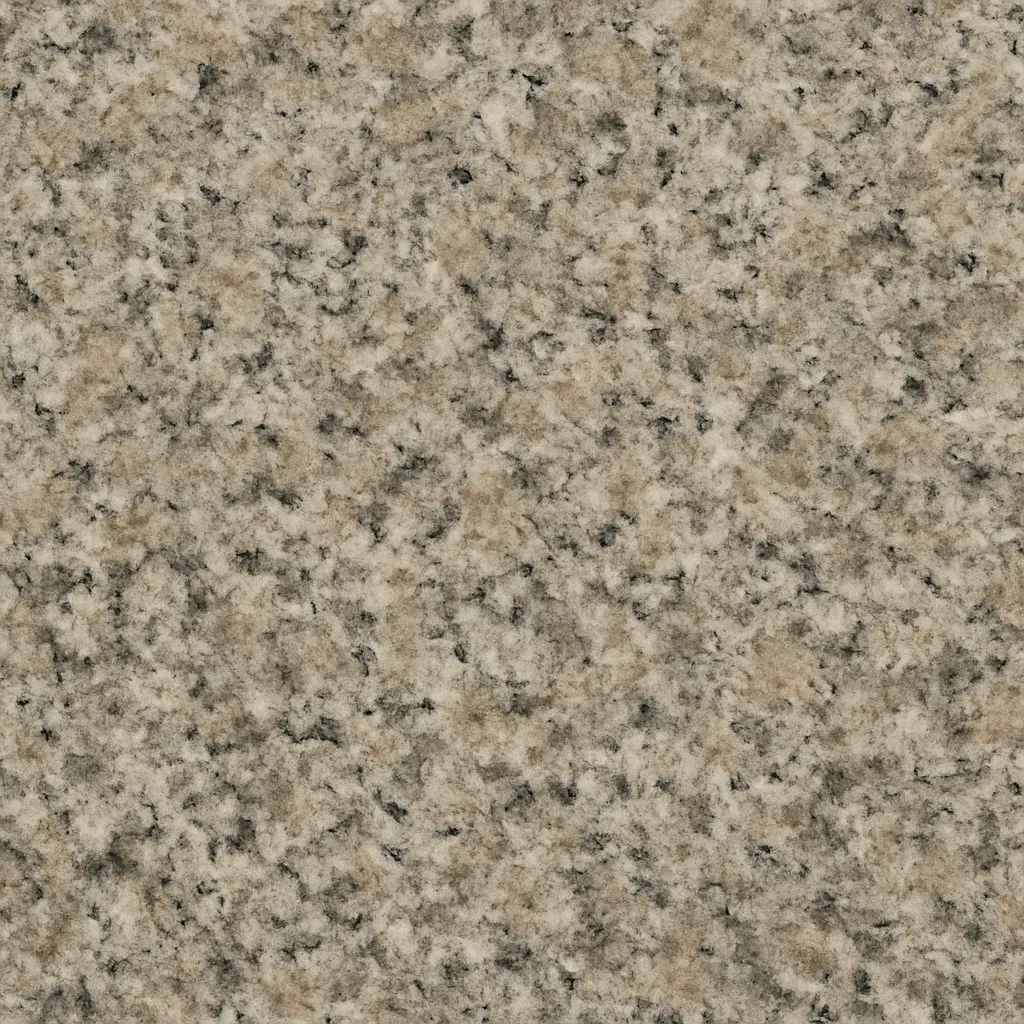
Use the photo of granite. Different colored mineral grains are visible in one small sample. How should it be classified by uniformity?
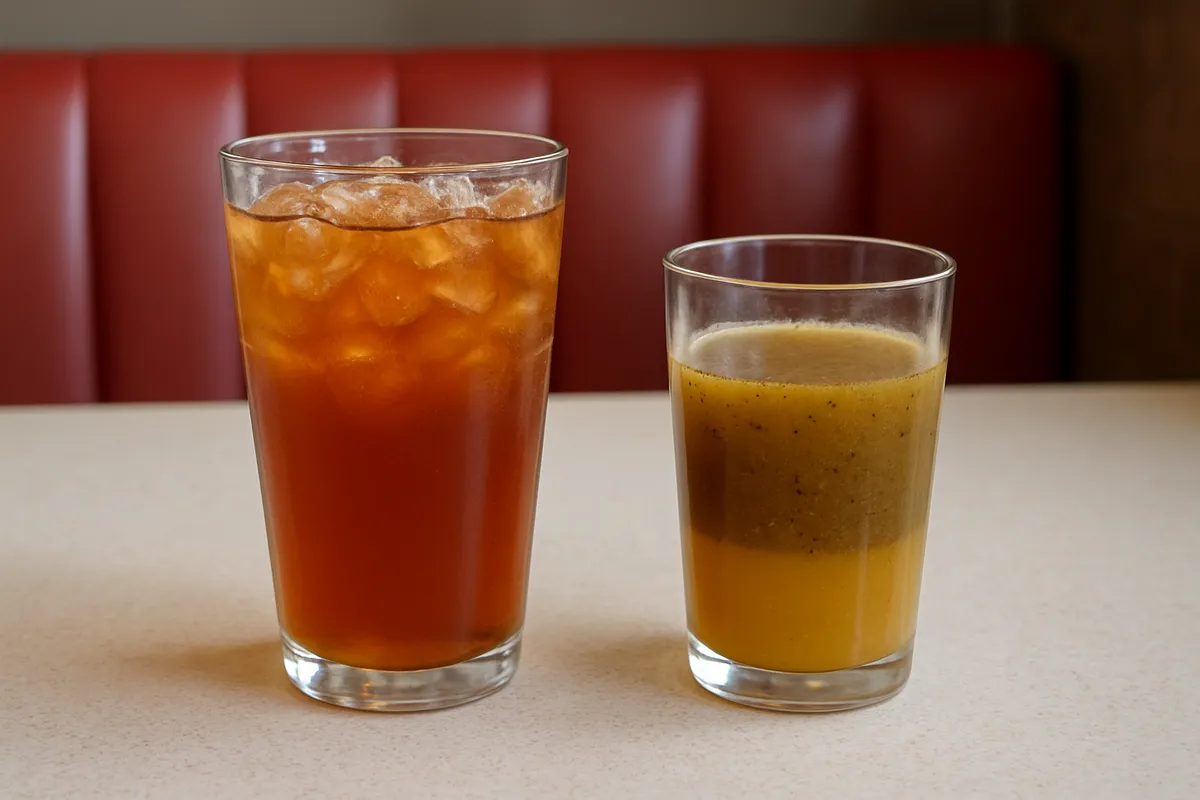
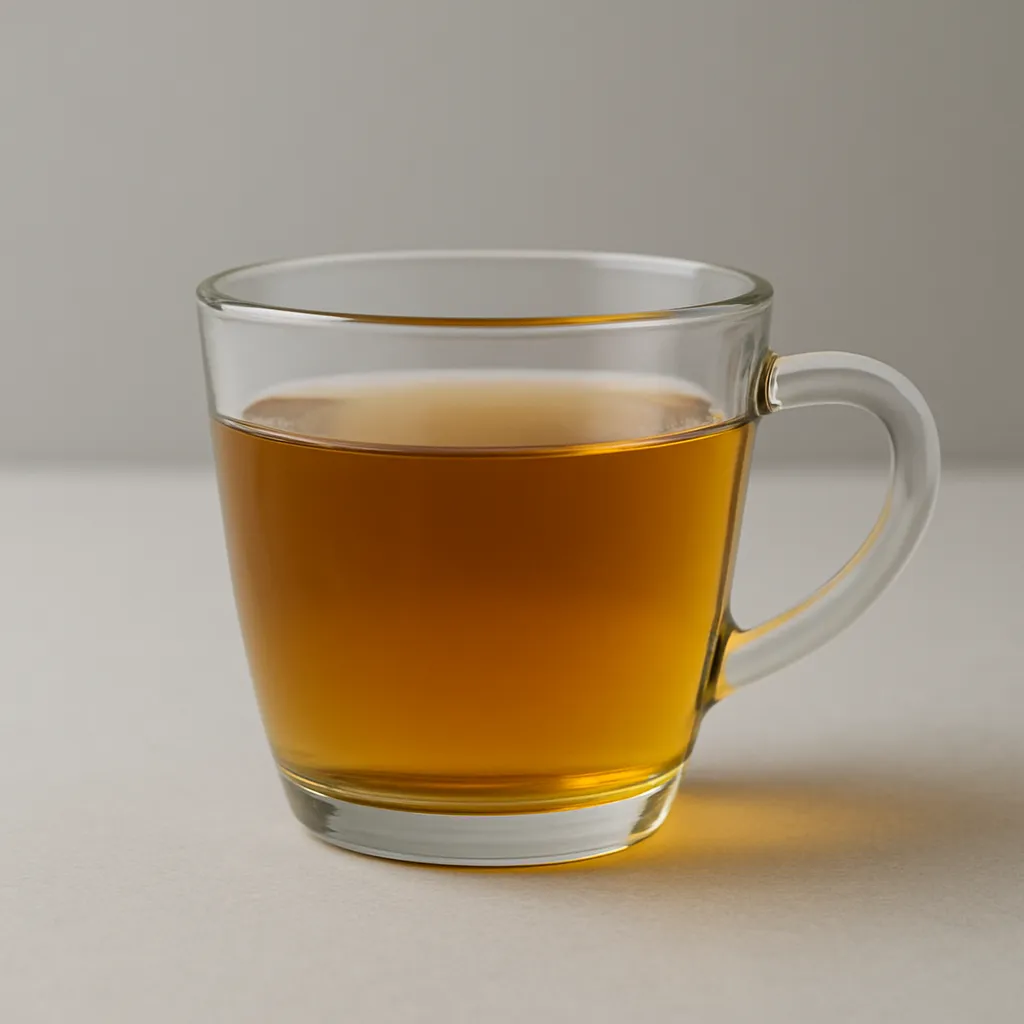
Look at the photo of clear filtered tea. No separate pieces or layers are visible. How should it be classified by uniformity?
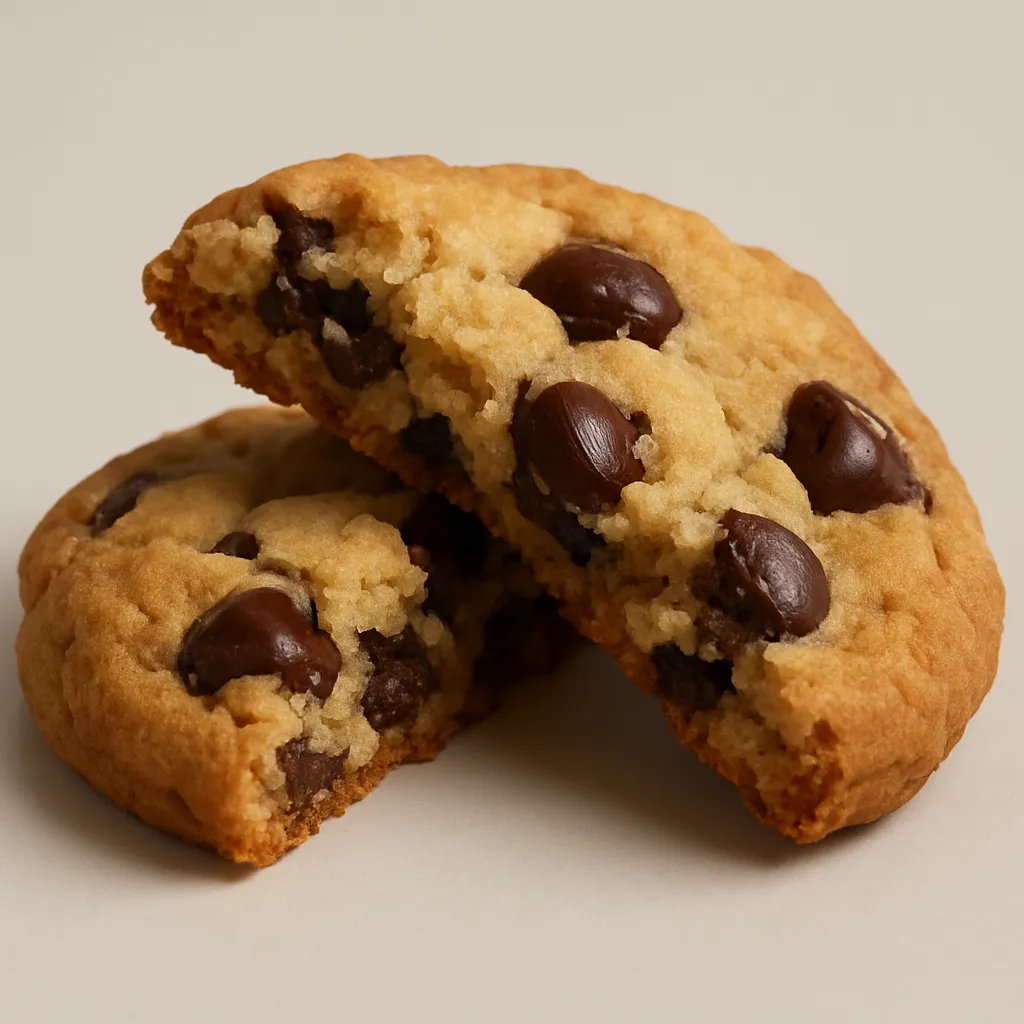
Use the photo of the broken chocolate chip cookie. The chips and dough are unevenly distributed. How should this mixture be classified?
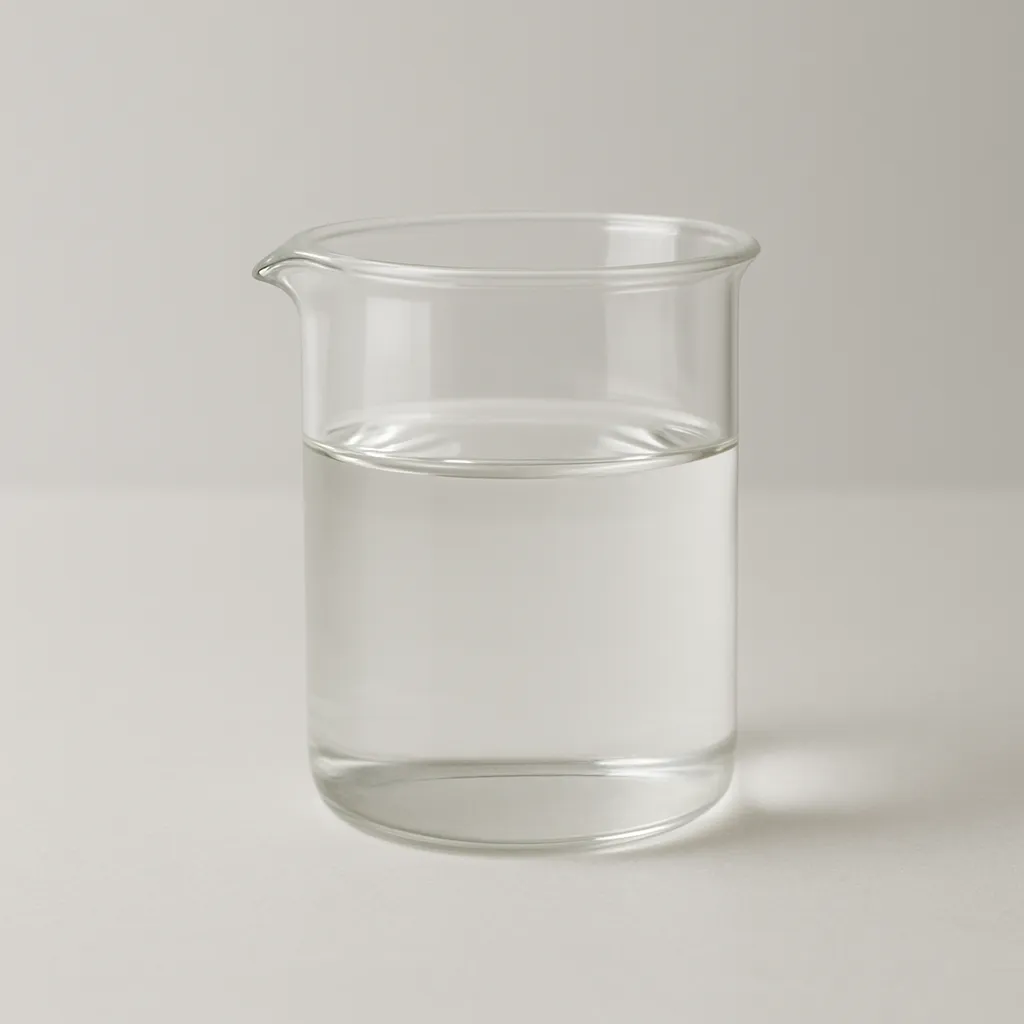
Look at the photo of clear vinegar. It has one visible phase with no separate layers. How should this mixture be classified by uniformity?
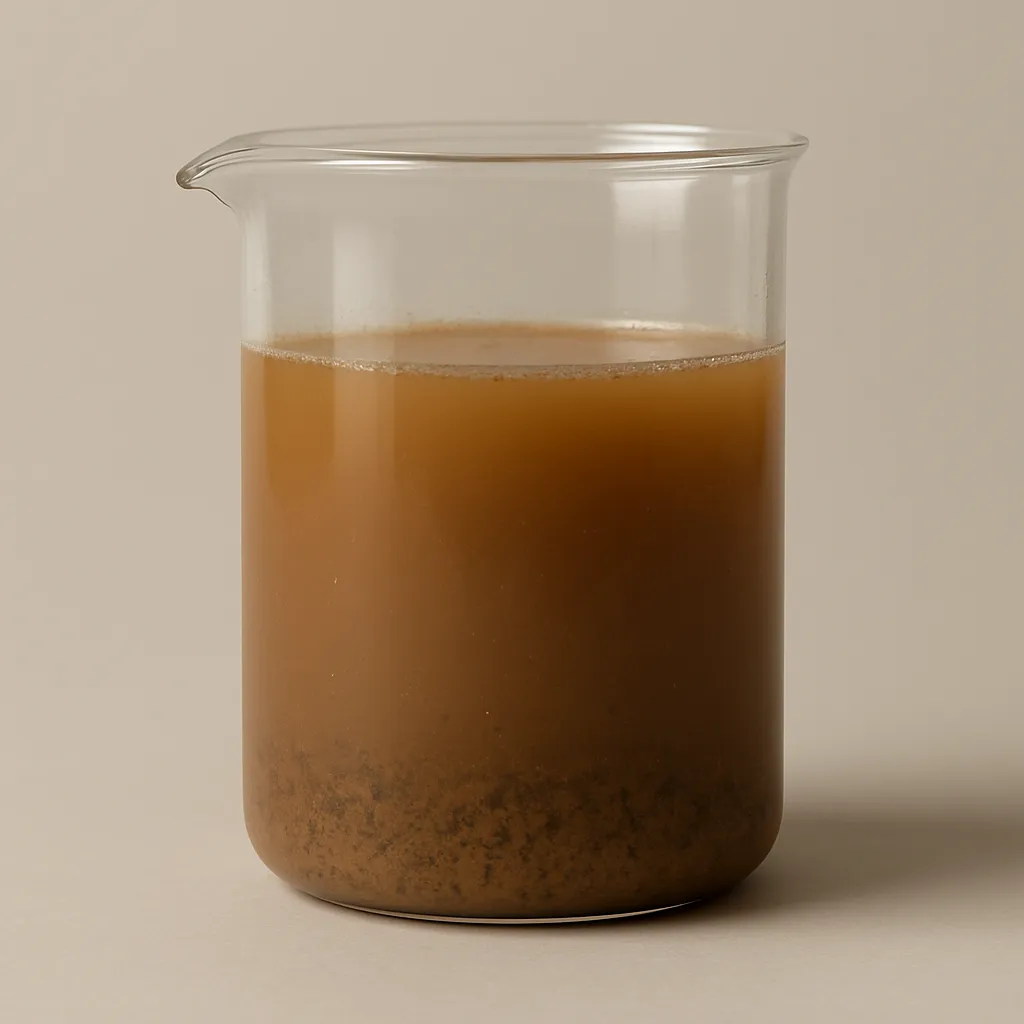
Look at the photo of muddy water after standing. Sediment has collected at the bottom. Which type of mixture best fits the sample?
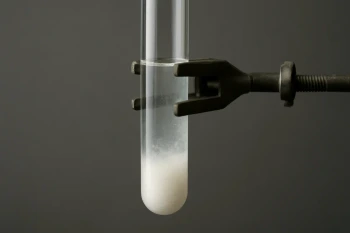
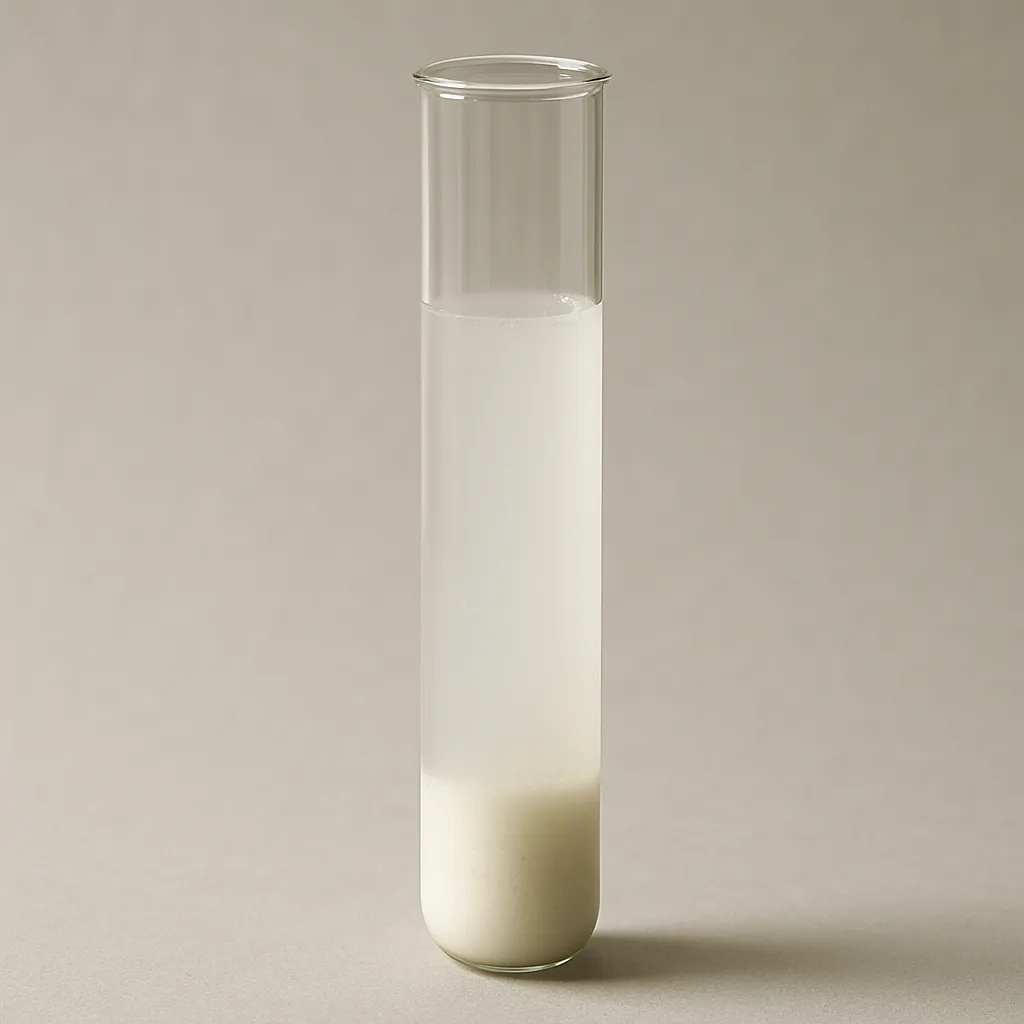
Look at the photo of chalky water after standing. A white solid layer has formed at the bottom. Which type of mixture is shown?
A glass of orange juice has pulp settled at the bottom. Which classification best fits this mixture?
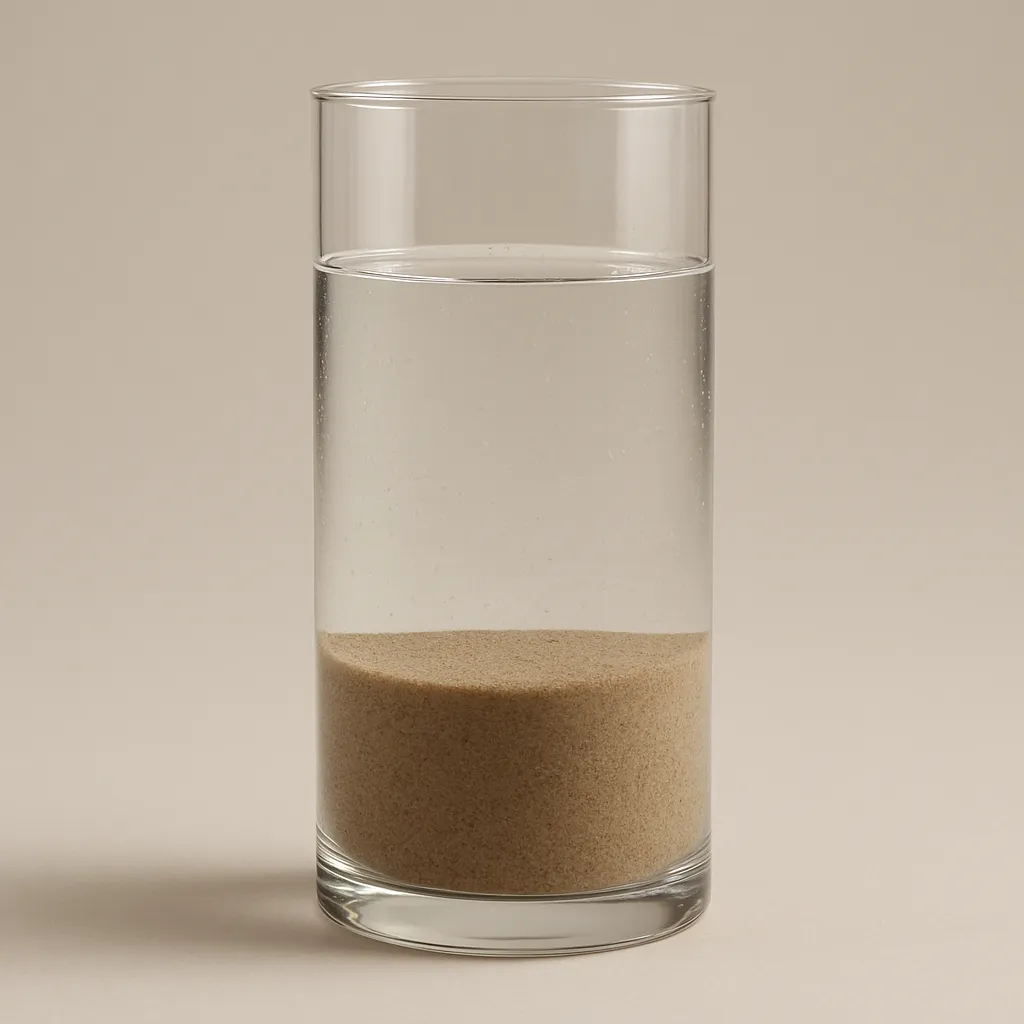
Use the photo of sand and water after standing. The sand is collected below the water. Which mixture type does this observation show?
A tank contains nitrogen, oxygen, and argon gases mixed evenly. Any small sample has the same composition. How should the tank's contents be classified?
A handful of trail mix contains raisins, peanuts, pretzels, and chocolate pieces in different amounts from place to place. How should it be classified?
A student stirs salt into water until the crystals disappear, and every drop tastes equally salty. How should the sample be classified by uniformity?
A soil sample contains sand grains, clay, small rocks, and bits of leaves that can be seen separately. How should it be classified?
A stainless steel spoon is an alloy of iron, chromium, and nickel that is uniform throughout. How should it be classified?
A piece of concrete shows gravel embedded in hardened cement paste, so different spots have different compositions. How should it be classified?
A clear blue liquid keeps the same color throughout, passes through filter paper, and shows no beam path from a flashlight. Which mixture type is it?
A cloudy mixture turns clear at the top after overnight standing, with particles collected on the bottom. Which mixture type is it?
A sample of milk looks cloudy and makes a flashlight beam visible through it, but no layer forms after several hours. Which mixture type is it?
Sugar water is transparent, does not scatter a laser beam in the classroom demo, and leaves no solid in a filter. Which mixture type is it?
Smoke in air makes a beam of light visible, yet the tiny particles remain dispersed instead of quickly forming a bottom layer. Which mixture type is it?
Flour shaken with water looks cloudy, and after standing a flour layer forms at the bottom. Which mixture type is it?
A gelatin dessert is evenly colored but scatters light and its dispersed particles do not settle out. Which mixture type is it?
A drop of blue food coloring spreads until all the water is the same shade, with no particles settling. Which mixture type is it?
Crack the passcode before the zombies get in.
Answer, then swat bugs for bonus points.
Race through questions at your own speed.
Same question on every screen. Fastest wins.

Pick a tile, answer, hit bonuses and steals.
Physical and Chemical Changes
40 questions