Loading
by BlastRoom
Explore collision theory and factors affecting chemical reactions in experiments and everyday life.
#reaction_rates#matatag_science_10
20 questions
One question set, multiple game modes. Tap any game to see it in action. Not sure which to pick?
A reaction produces 12 mL of hydrogen in 4 seconds. What is the average rate of hydrogen production?
Which process normally happens most rapidly under ordinary conditions?
What makes a collision between reacting particles successful?
What is the minimum energy needed for a successful reaction between colliding particles called?
The equal-sized boxes are at the same temperature. Why should the reaction initially proceed faster in B?
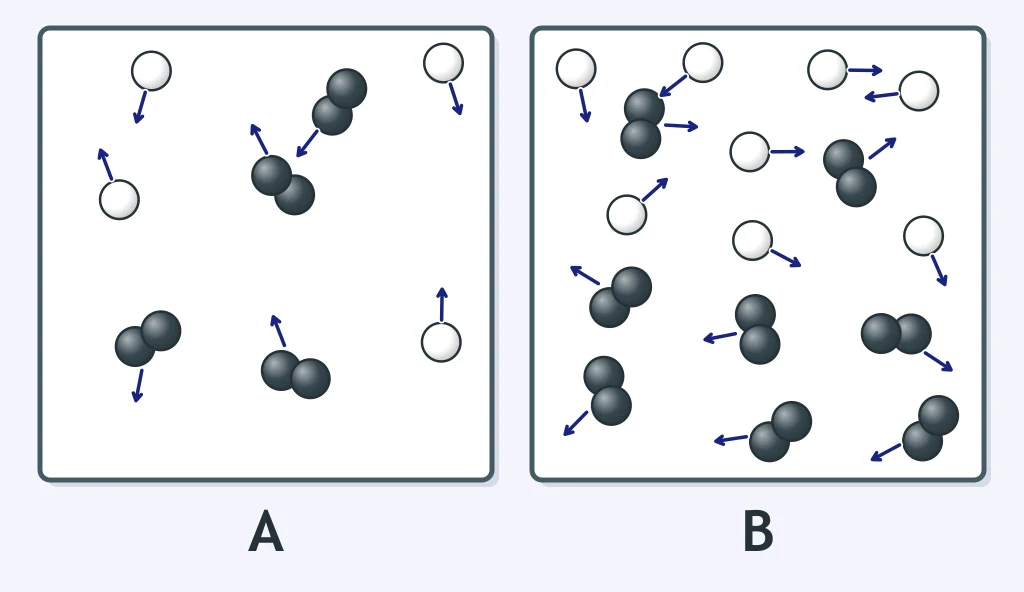
Both boxes contain equal amounts of the same gases. Based on the motion arrows, why should a reaction usually proceed faster in B?
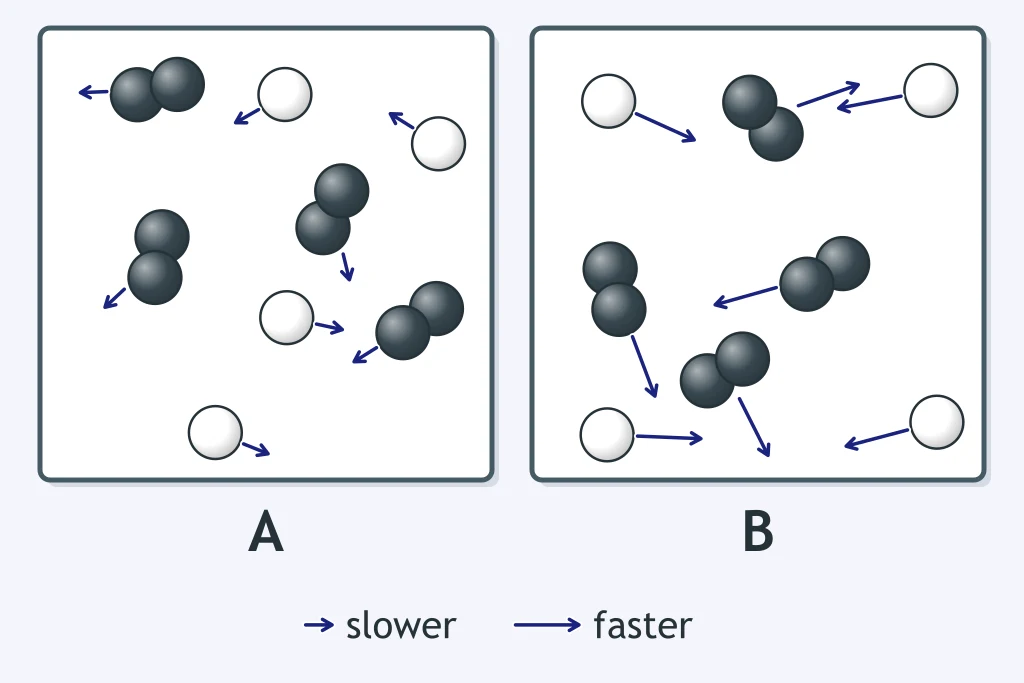
Equal magnesium ribbons are placed in equal volumes of hydrochloric acid at the same temperature. With acid in excess, which solution should consume the ribbon first?
Equal masses of powdered calcium carbonate and marble chips react with identical acid solutions. Why does the powder usually react faster?
Which comparison fairly tests the effect of marble particle size on its reaction with hydrochloric acid?
How does the dashed reaction pathway differ from the solid pathway in the diagram?
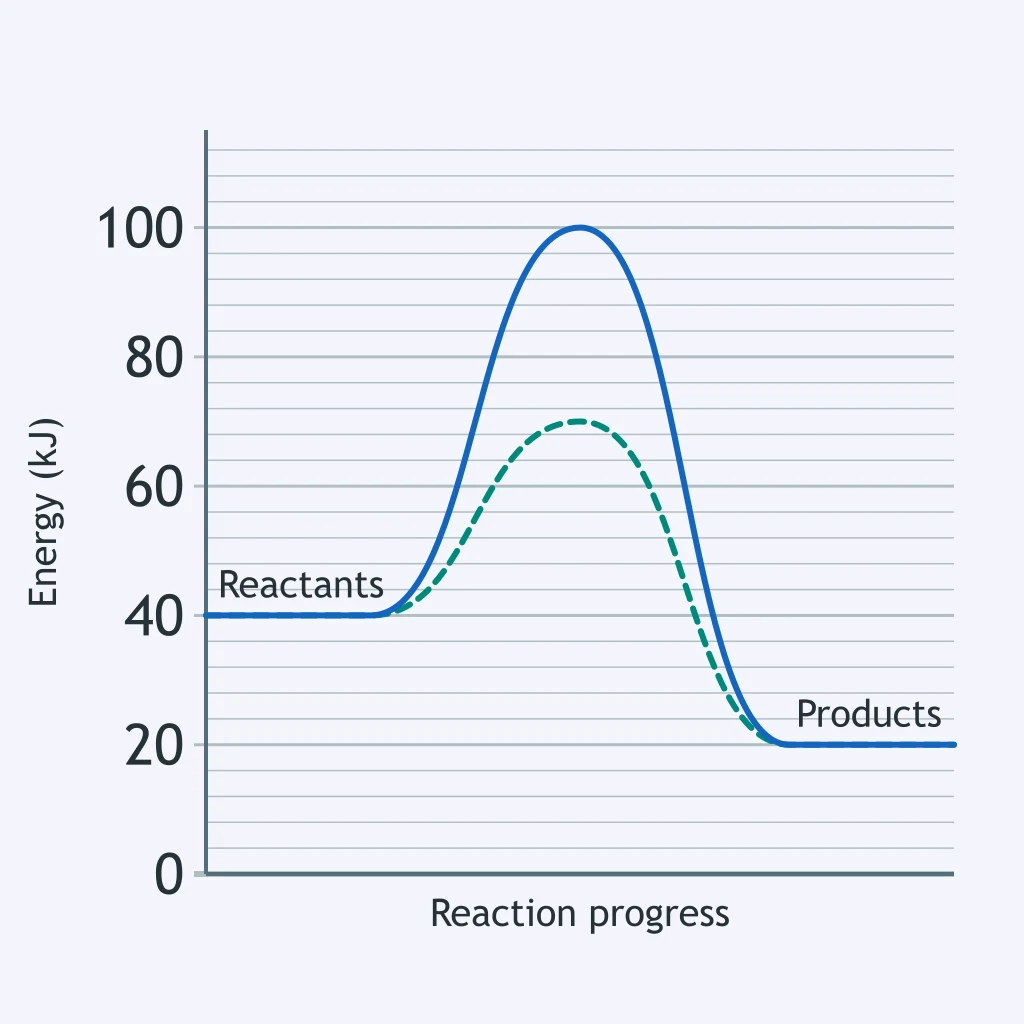
Manganese dioxide makes hydrogen peroxide break down faster and is regenerated during the process. What role does it serve?
Which substances in the digestive system act as biological catalysts?
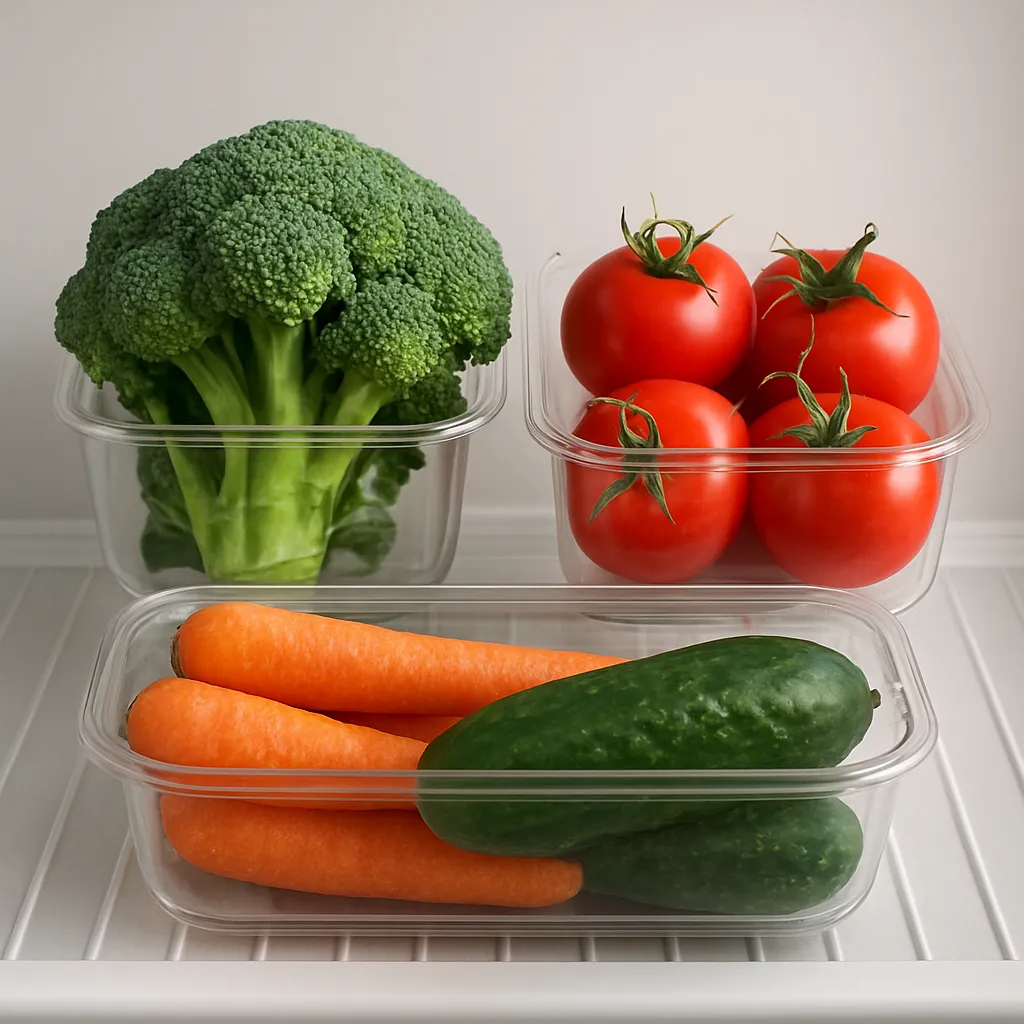
Ana refrigerates vegetables. Which change helps slow enzyme-driven spoilage?
Firefighters spray water onto a burning pile of dry wood. Which change primarily slows combustion?
What is the main pollution-control function of a vehicle's exhaust converter?
An antioxidant is added to an oil-containing food to delay rancidity. What role does the additive play in the unwanted reaction?
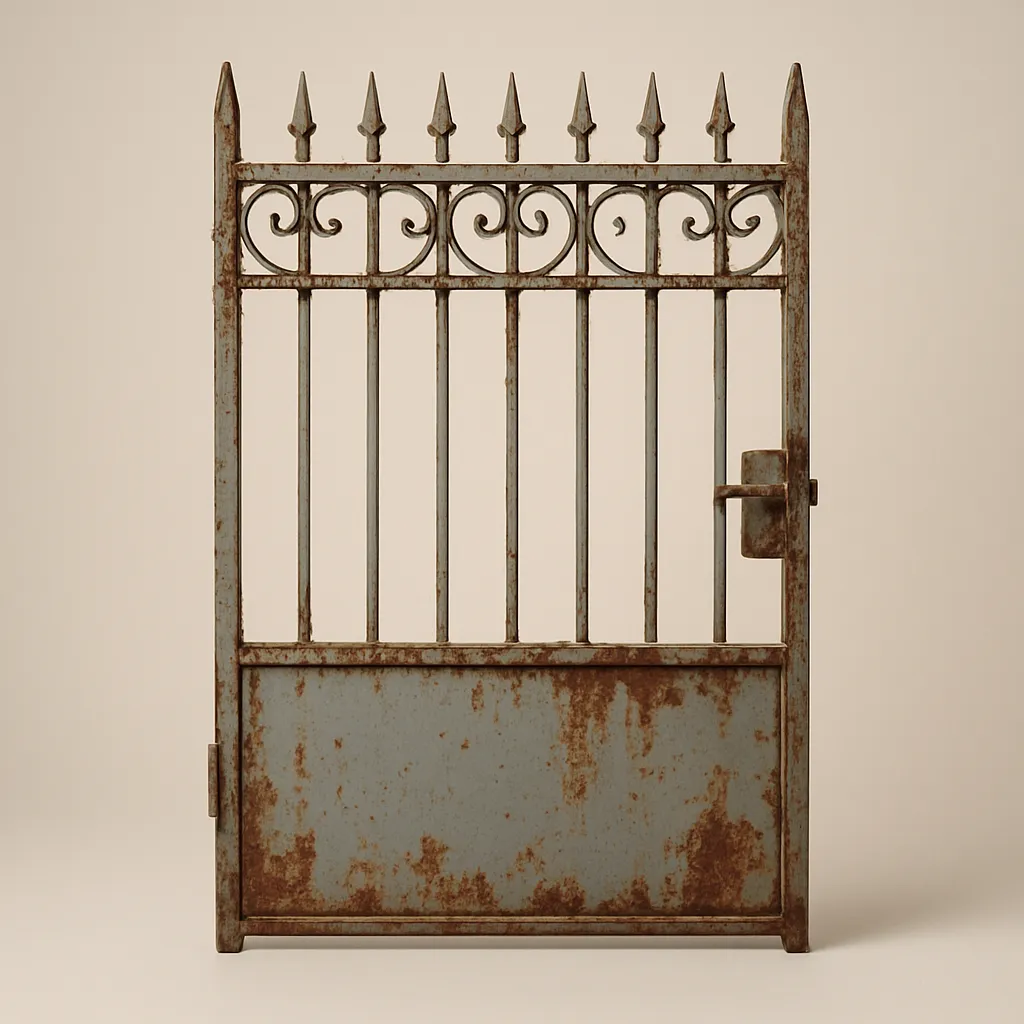
Why does an intact layer of ordinary non-metallic paint slow rusting of an iron gate?
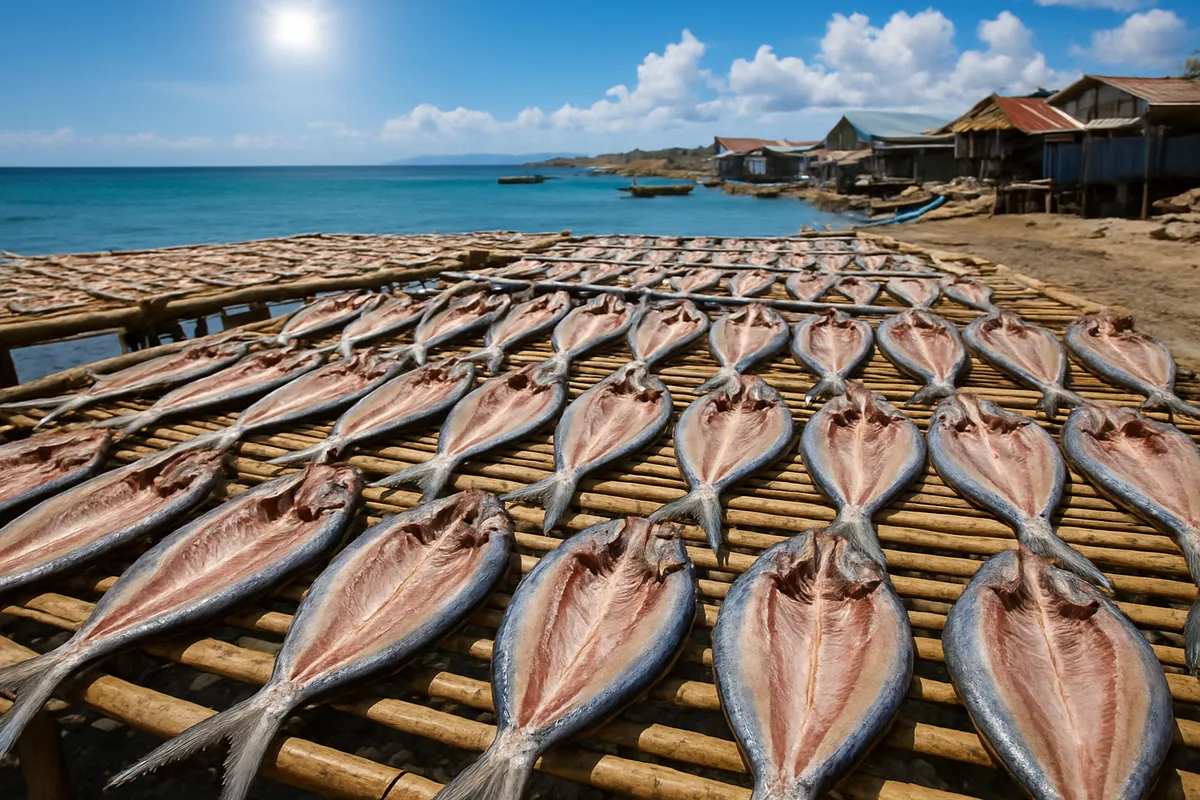
Why do salting and sun-drying help preserve daing na bangus?
Equal masses of the same dry wood, as chips or a log, burn completely in excess oxygen under comparable conditions. How should burning time and total carbon dioxide production compare?
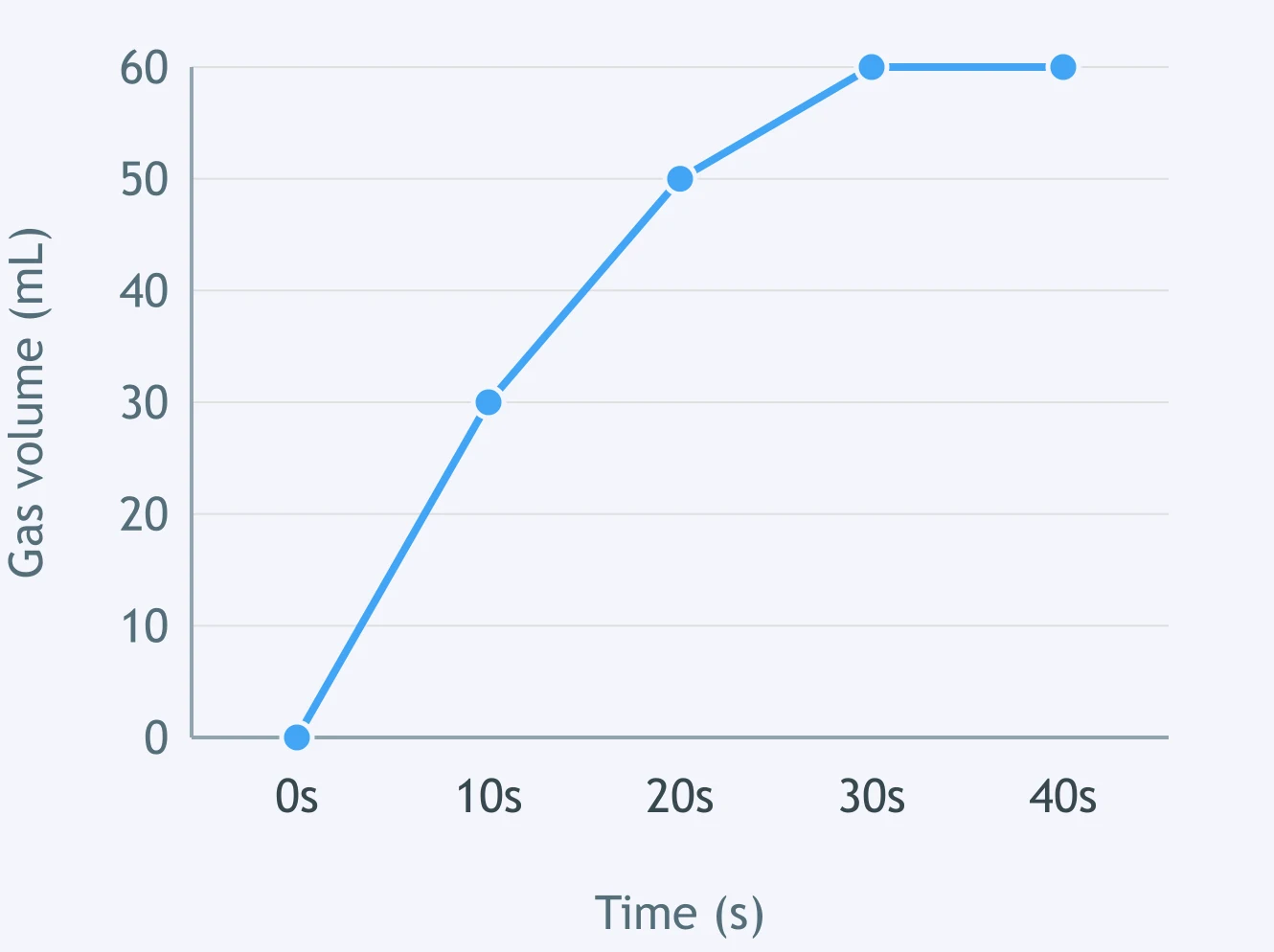
The graph shows gas collected during a reaction. During which interval was the average production rate greatest?
Crack the passcode before the zombies get in.

Pick a tile, answer, hit bonuses and steals.
Homeostasis
20 questions