Loading
by BlastRoom
How the Constitution splits power among three branches, lets each branch check the others, and shares power between the nation and the states.
#civics#us_grade_5_social_studies
28 questions
One question set, multiple game modes. Tap any game to see it in action. Not sure which to pick?
The Constitution gives Congress the power to write and pass the nation's laws. Which branch of government is Congress part of?
One document opens with these words: "We the People of the United States, in order to form a more perfect Union..." Which document begins that way?
Congress passes a bill and sends it to the President, who vetoes it. What does that veto do to the bill?
The President vetoes a bill, but Congress wants it to become law anyway. How large a vote does it take in each house to override the veto?
The President nominates a person to serve as a federal judge. Under the Constitution, who must approve that nomination before the judge takes office?
The Supreme Court hears a case and decides whether a law agrees with the Constitution. Which branch of government is doing this work?
The Constitution gives the job of making laws, the job of carrying them out, and the job of interpreting them to three different branches. What is this principle called?
Some powers belong to the national government, while others belong to the state governments. What is this sharing of power between two levels of government called?
A federal department puts a new law into action across the country and makes sure people follow it. Which branch does that department belong to?
Under the Constitution, which part of the national government holds the power to declare war?
The Constitution lists powers for each branch. Which power does it give to the President?
Congress has two houses. In which house does every state have exactly two members, no matter how large or small its population is?
The states ratified the Bill of Rights in 1791 to spell out protected rights. Which part of the Constitution is the Bill of Rights?
An amendment to the Constitution is first proposed by a two-thirds vote in Congress. How many of the states must then approve it for it to take effect?
Under the Articles of Confederation the national government could not collect taxes or settle disputes between states. Delegates met in Philadelphia in 1787 and wrote a new plan. What did they produce?
Under federalism, only one level of government may coin and print the nation's money. Which level of government holds that power?
Congress passes a law, and the Supreme Court later decides the law disagrees with the Constitution. What happens to that law?
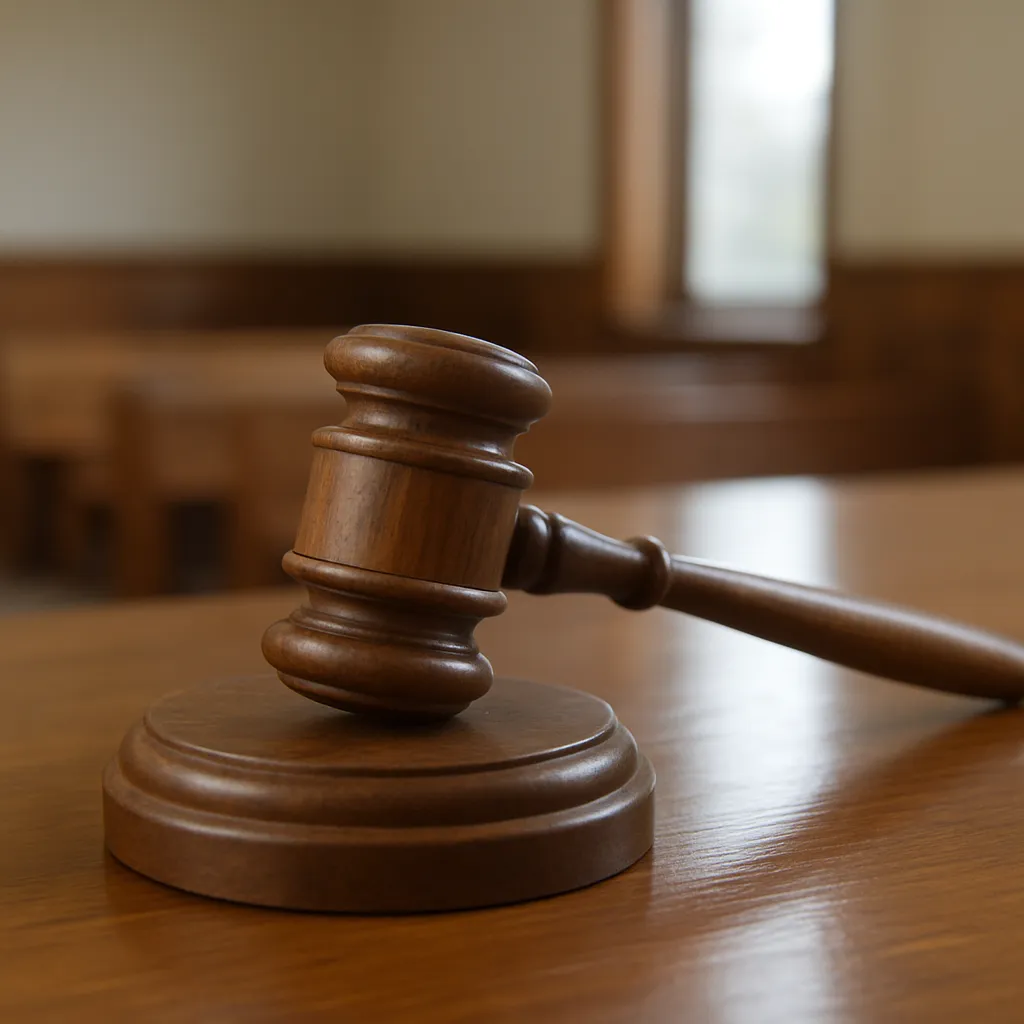
The framers wrote the Constitution so that each branch could limit the others. Why did they build in these checks and balances?
Under checks and balances, Congress can vote to override a President's veto and make a bill become law.
The President has the power to pass a new national law without any vote in Congress.
Which branch of the U.S. government has the power to impeach a federal official and remove him or her from office?
Which branch of the U.S. government includes the President's Cabinet, such as the Secretary of State?
In which branch of the U.S. government can members keep their jobs for life, with no election, as long as they show good behavior?
Why does the Constitution give each state two senators, no matter how many people live there?
The president can check Congress by vetoing a bill.
A treaty the President makes with another country must be approved by the Senate before it takes effect.
Which is an example of the judicial branch checking the legislative branch?
Which is an example of Congress checking the president?
Crack the passcode before the zombies get in.

Pick a tile, answer, hit bonuses and steals.
Reading Founding-Document Excerpts
20 questions