Loading
by BlastRoom
Explore seismic-wave evidence, Earth's internal structure, and scale models of its layers.
#earth_s_layers#matatag_science_9
20 questions
One question set, multiple game modes. Tap any game to see it in action. Not sure which to pick?
Which seismic wave normally reaches a recording station first?
A body wave moves particles perpendicular to its direction of travel. Which type is it?
Which category typically causes the greatest damage during an earthquake because of large ground movements and long shaking durations?
Which seismic wave moves the ground side to side, perpendicular to its direction of travel, with no vertical motion?
Which statement about the materials that transmit the two kinds of body waves is accurate?
Why can a seismic ray bend when it enters a different material at an angle?
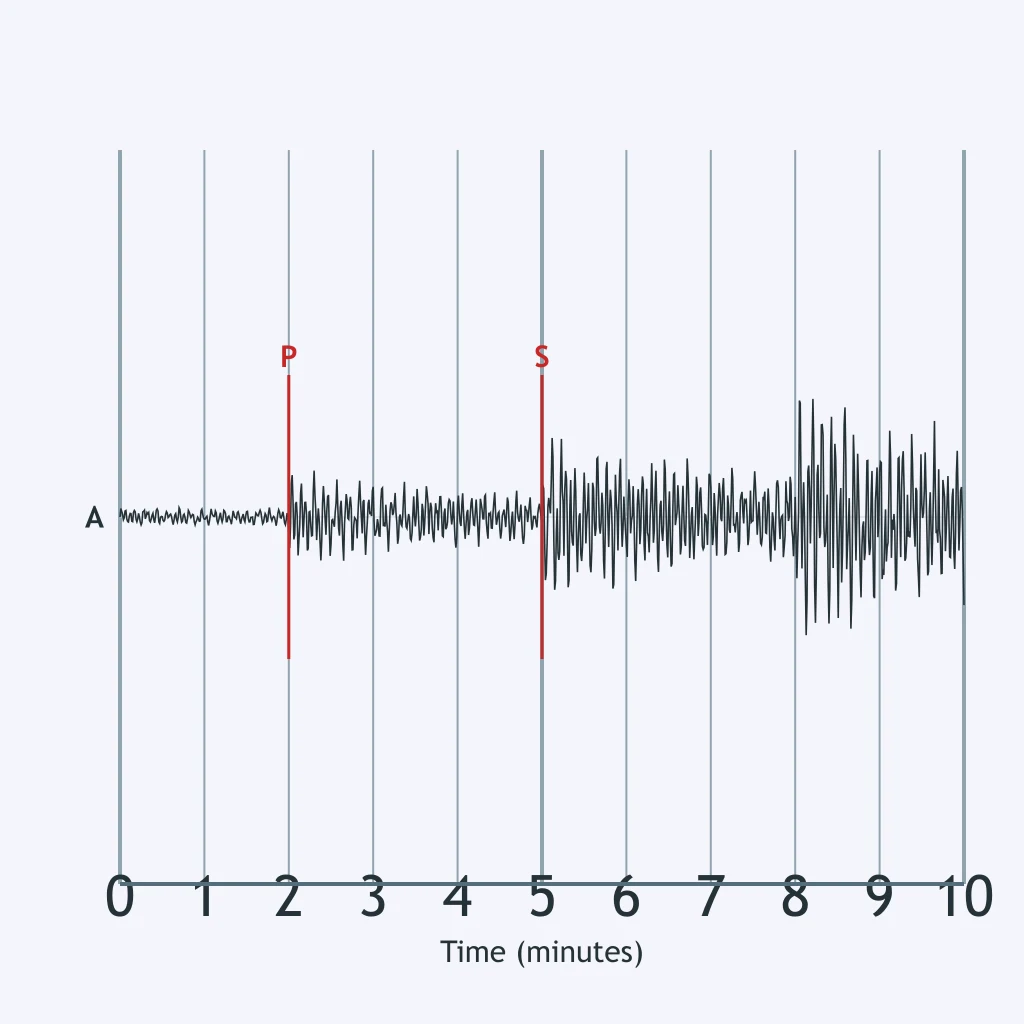
What is the time gap between the first two marked arrivals on this recording?
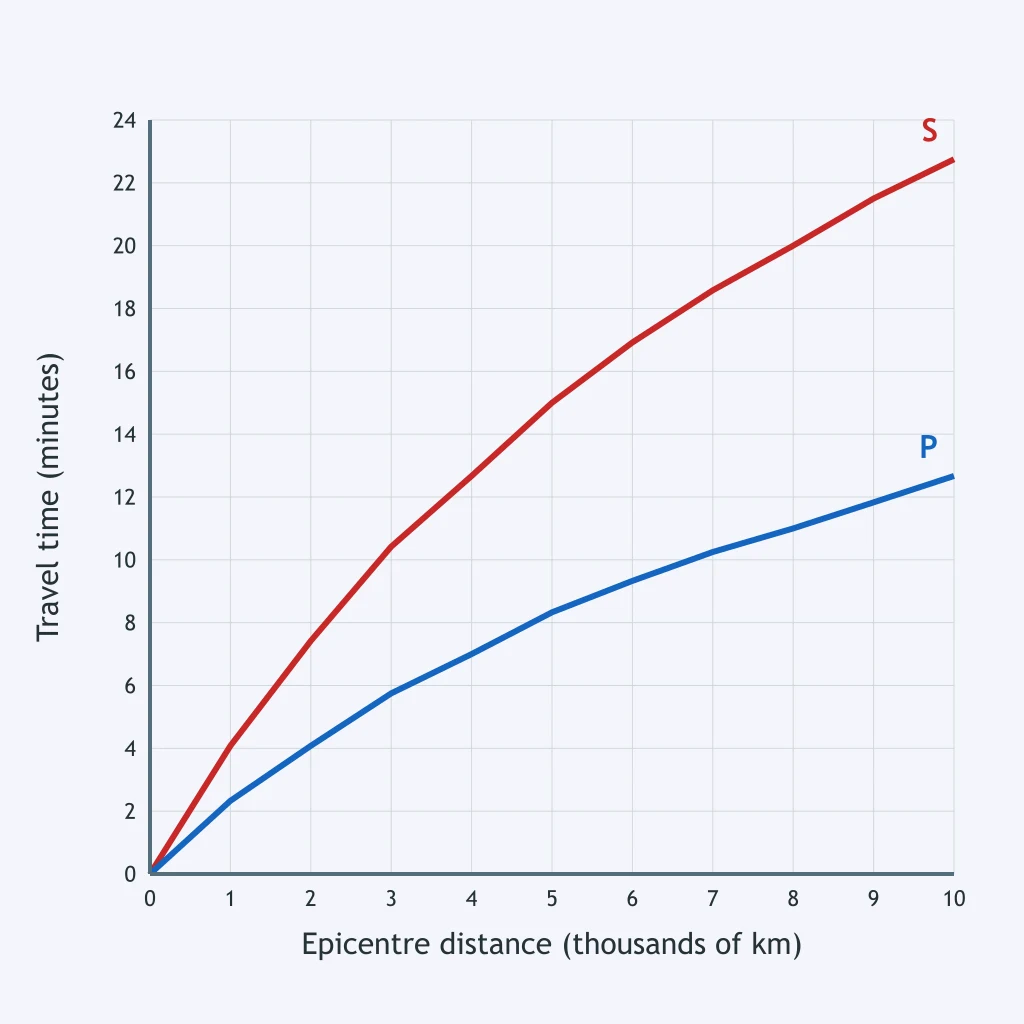
As distance increases on this graph, what generally happens to the time gap between the two curves?
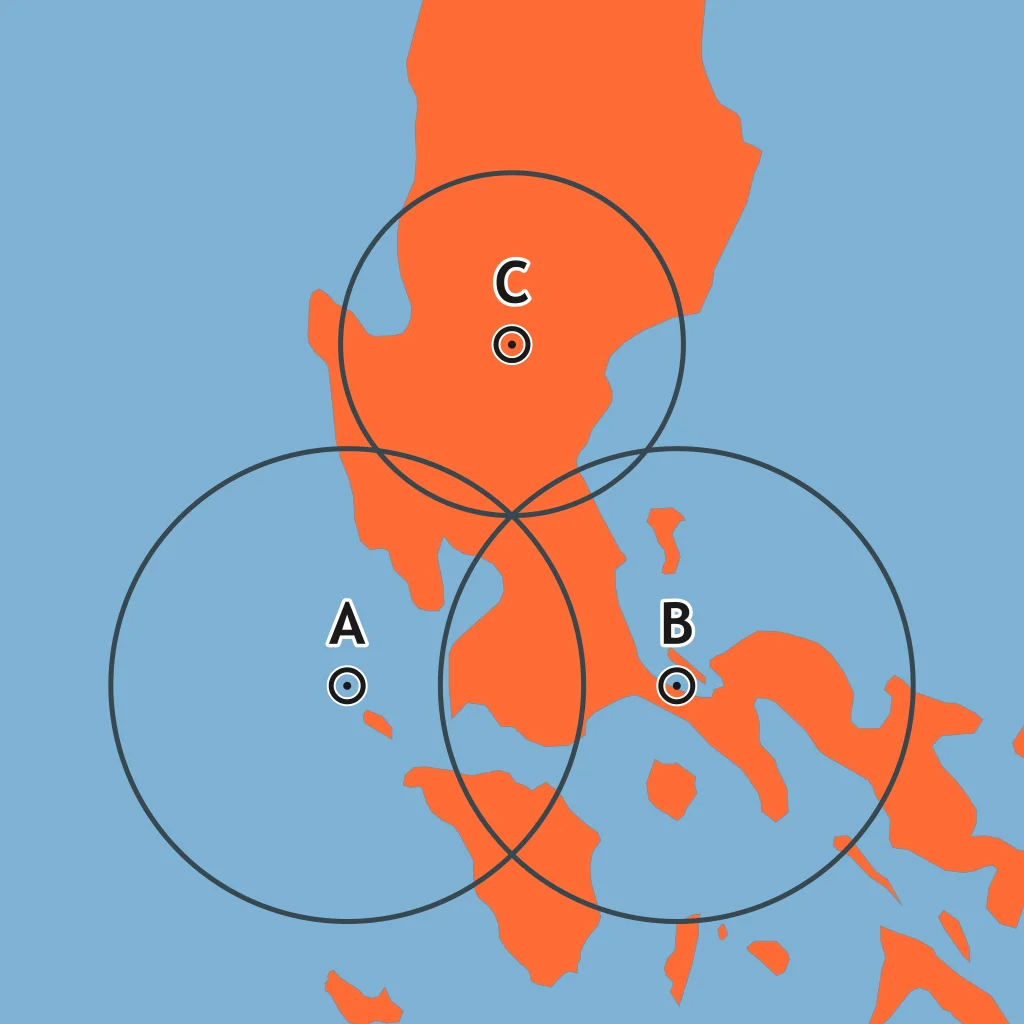
Where do the station-distance circles place the most likely earthquake epicenter?
What mainly causes the bracketed P-wave shadow zones in this diagram?
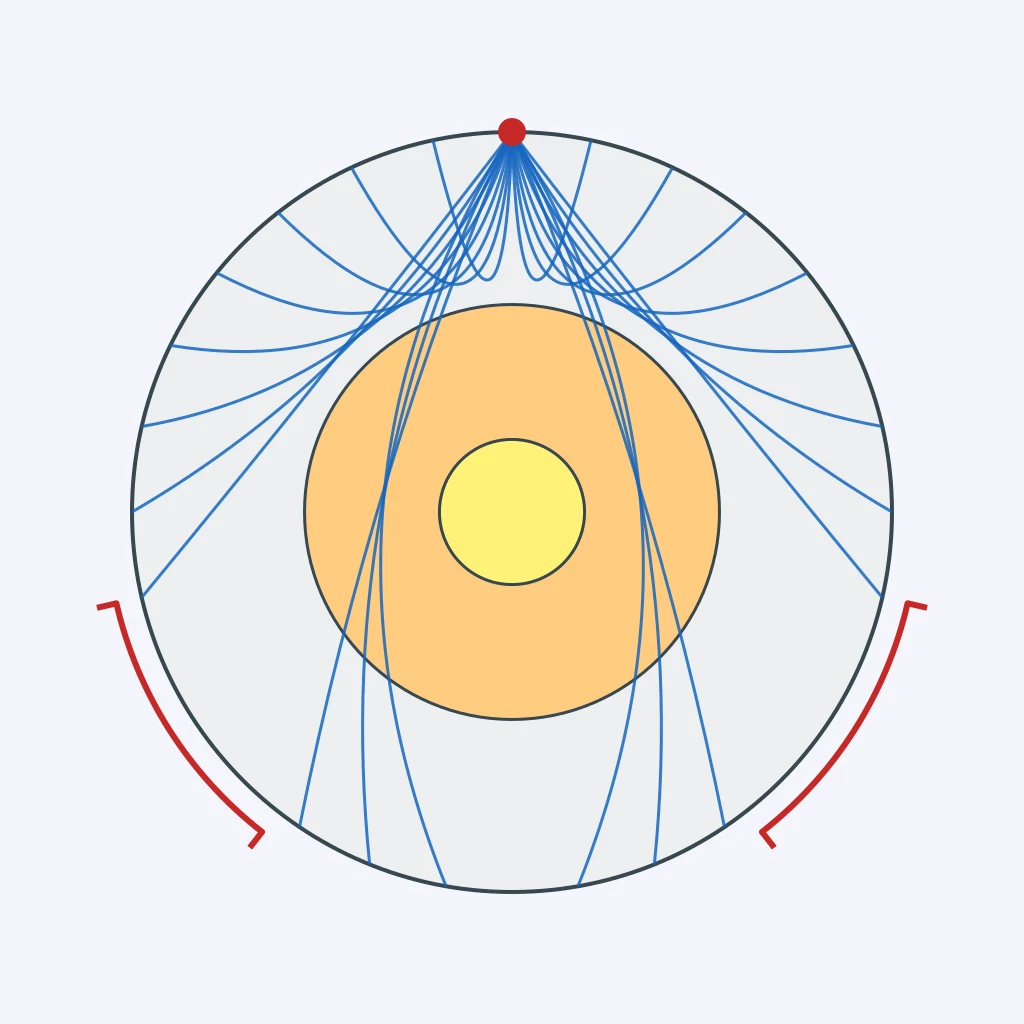
Which deep layer blocks seismic waves that require a material to resist shear?
Which materials together form a tectonic plate?
Which region beneath the plates is weak enough to deform and flow slowly over long periods?
Which letter marks the layer composed mainly of solid silicate rock between the crust and the core?
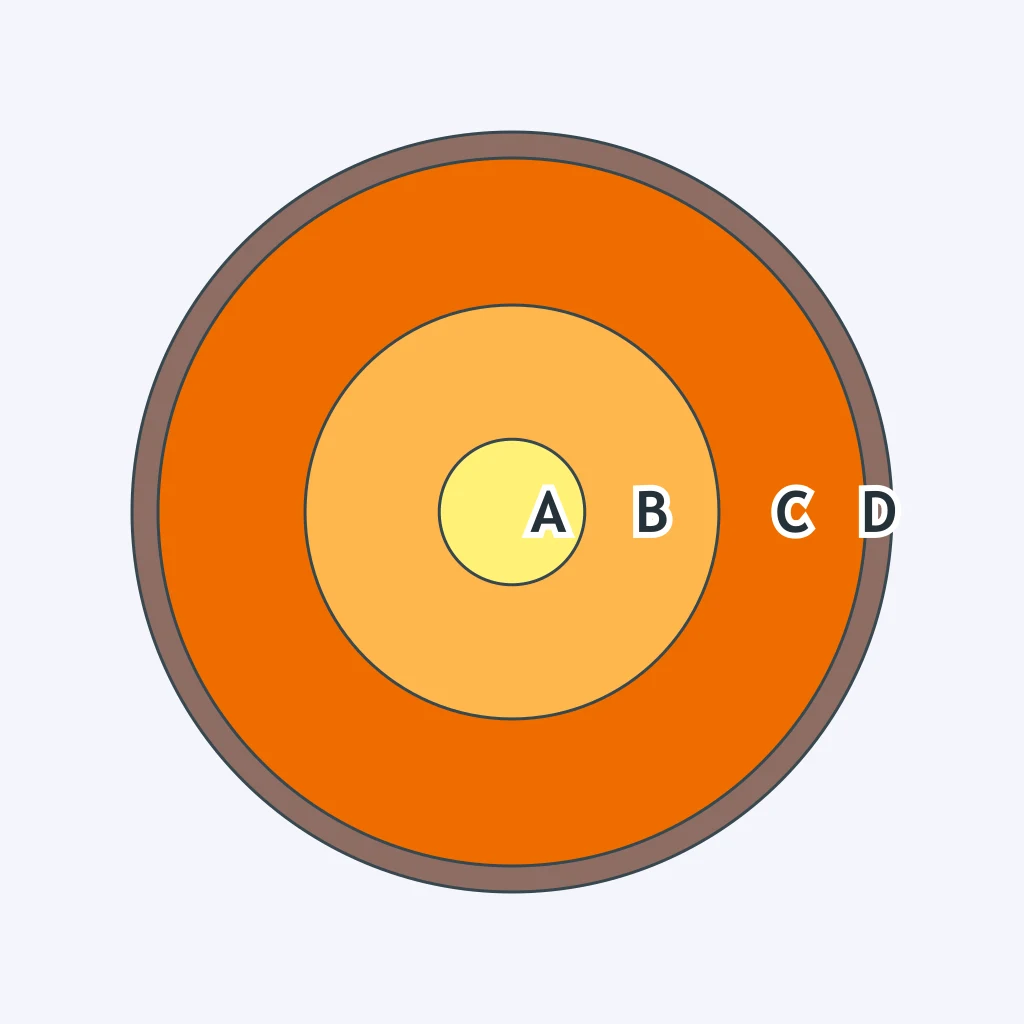
Compared with the crust beneath continents, what is generally true of the crust beneath ocean basins?
What process generates most of Earth's magnetic field?
Why does Earth's inner core remain solid despite its intense heat?
Which discontinuity separates the crust from the mantle?
What material change occurs across the major boundary about 2,900 km below Earth's surface?
A student models a layer 2,200 km thick using 1 cm for every 100 km. What thickness should the student draw?
Crack the passcode before the zombies get in.

Pick a tile, answer, hit bonuses and steals.
Dwarf Planets, Asteroids, Comets and Meteoroids
20 questions