Loading
by BlastRoom
A mixed year-end review of energy, waves, light, circuits, structures, senses, matter, and ecosystems.
#review#motion#energy_transfer#us_grade_4_science
40 questions
One question set, multiple game modes. Tap any game to see it in action. Not sure which to pick?
Answer to place stones and capture territory.
Outrun the snow together.
Earn blasts, then hunt the other team.
Answer to earn energy, then climb.

The class blasts through walls together.
Bid on mystery lots. Most money wins.
Sell tours. Nice, standard, or a total scam.

Answer, restock, and serve the rush.
More correct answers pulls the rope your way.
Answer, then shoot down the alien wave.
Answer, then tap to leap the frozen ridge.
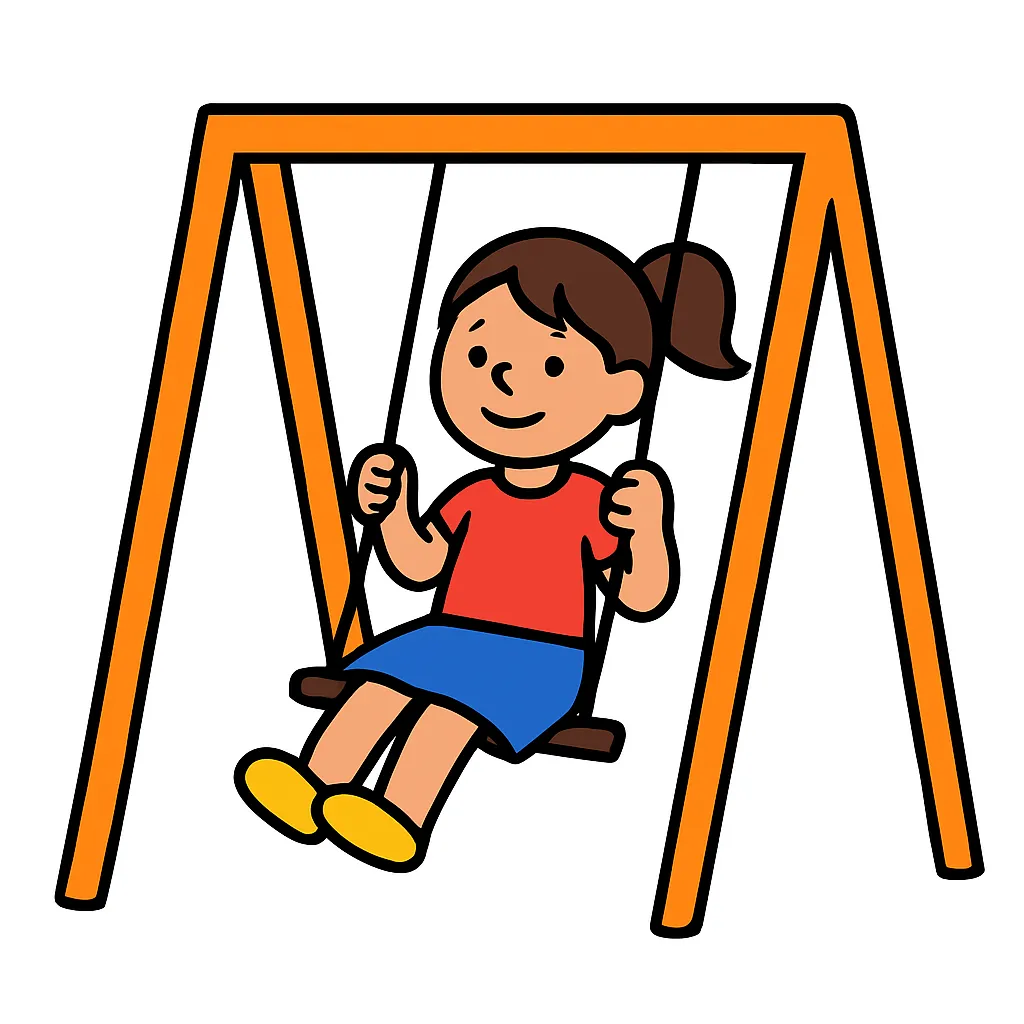
A child swings back and forth on a playground swing. She moves fastest at the lowest point of her path and slowest just as she changes direction. When does she have the most energy of motion?
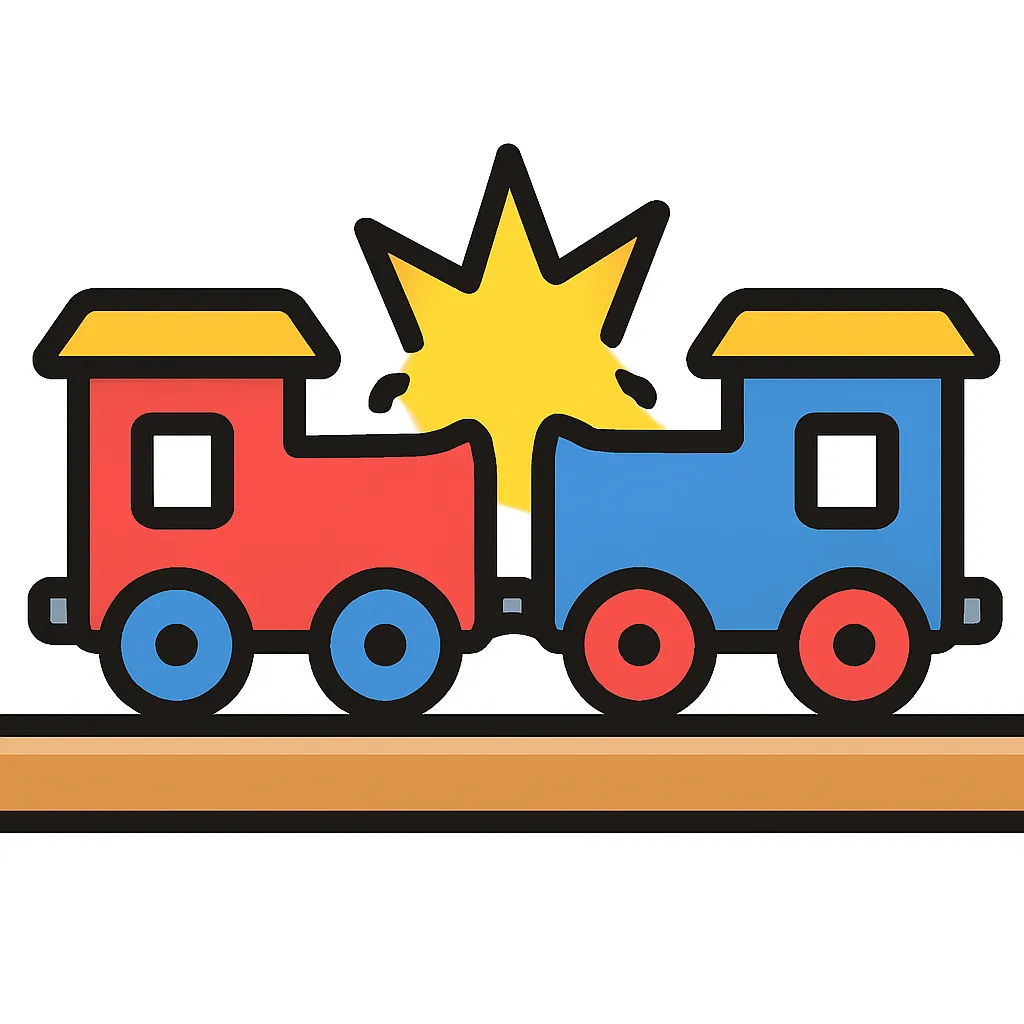
Two loaded carts roll toward each other on a track and crash. Both stop, a loud bang is heard, and the bumpers feel slightly warm. What happened to the carts' energy of motion?
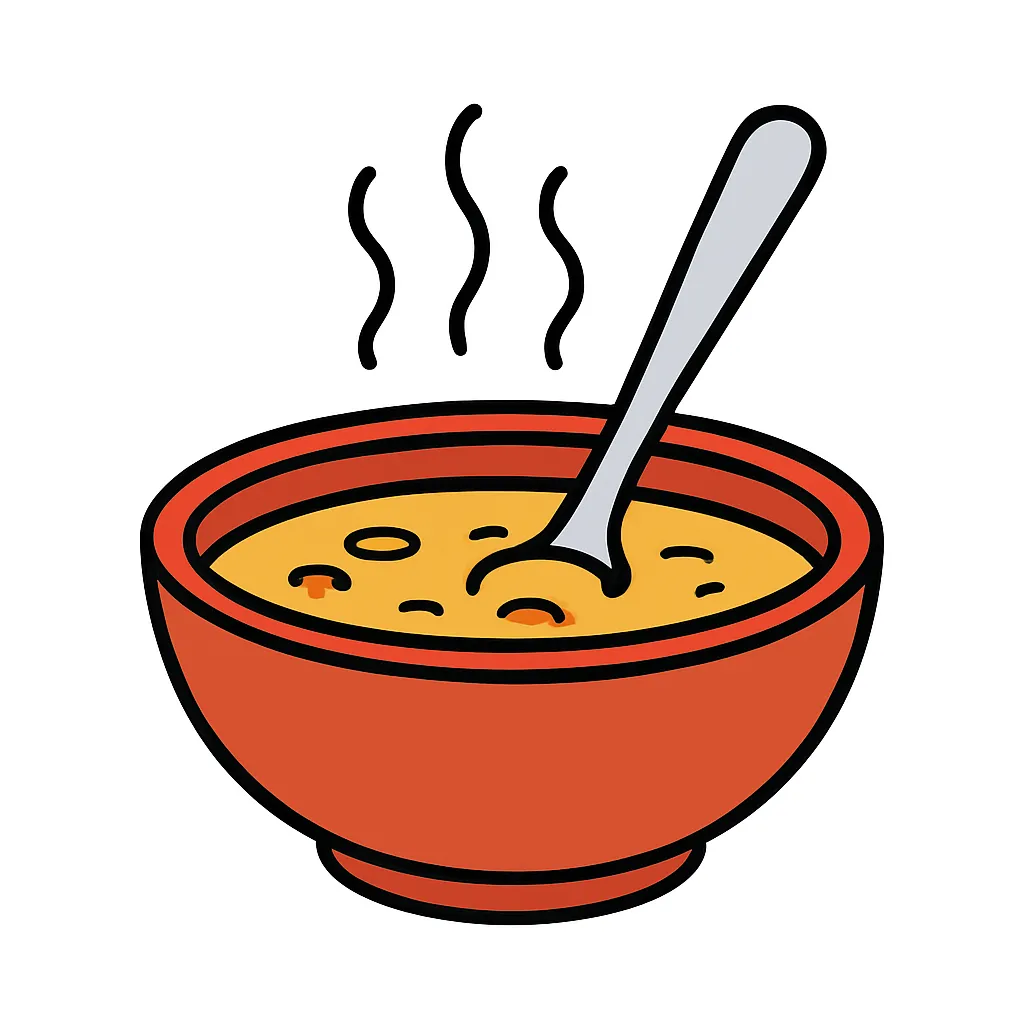
A cook stands a metal spoon in a pot of hot soup. A few minutes later the top of the handle feels warm, even though that part never touched the soup. How did energy reach the handle?
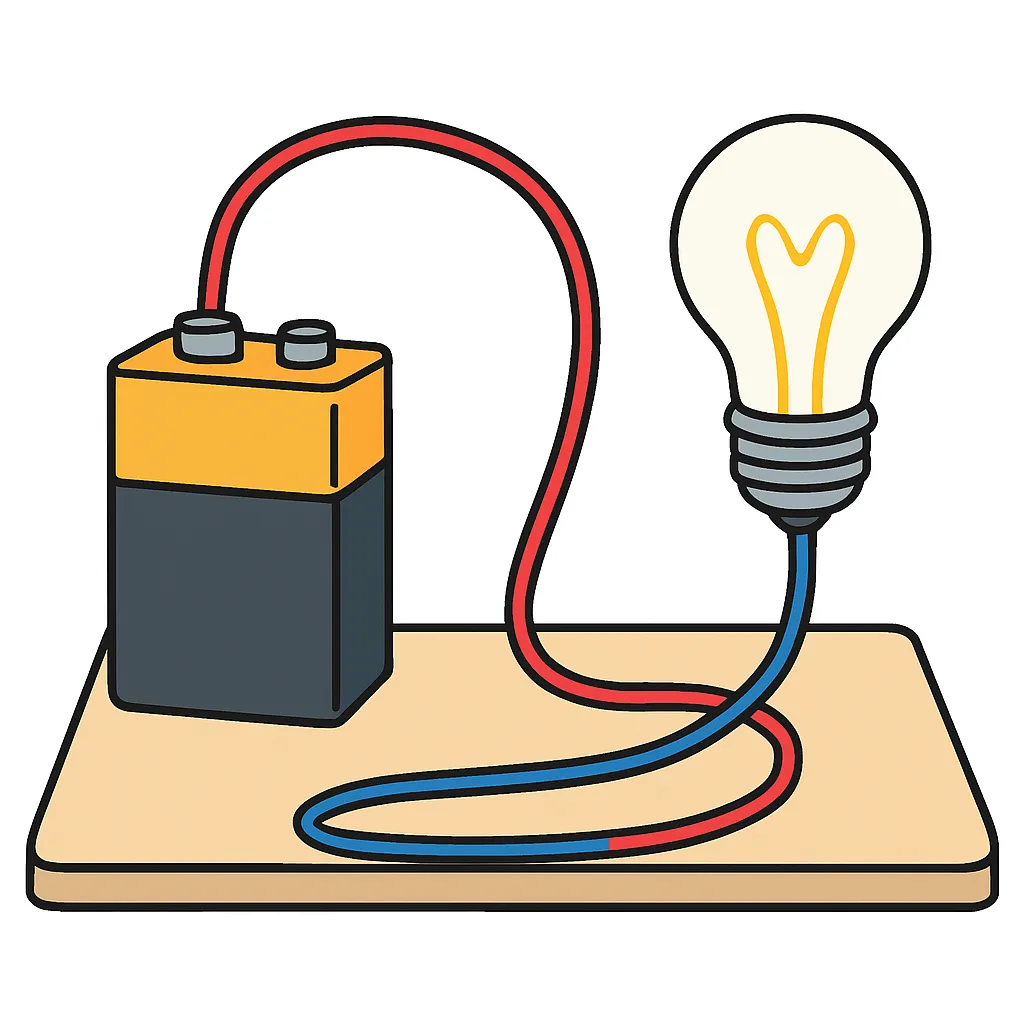
A student connects a battery, a bulb, and two wires, but one wire is clipped to the plastic coating of the other wire instead of to the bare metal. The bulb does not light. Why not?
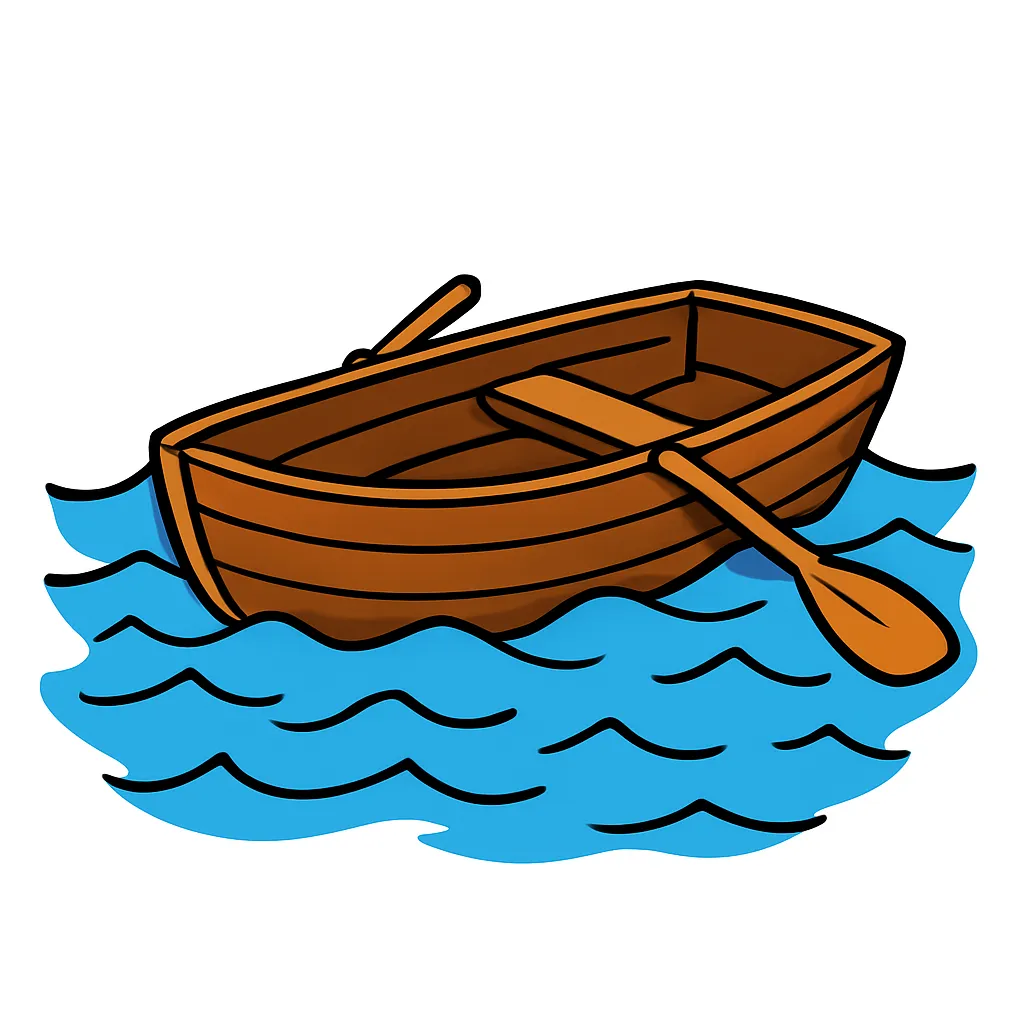
Small ripples pass under a rowboat on a lake in the morning. In the afternoon, waves with much taller crests pass under the same boat. What will the taller waves do to the boat, and why?
A student draws two waves that rise the same height above the middle line. In the first drawing the crests are close together, and in the second the crests are spread far apart. How do the two waves differ?
A student shuts herself in a closet with no light at all and waits ten minutes. She still cannot see the shoes on the floor. What is the best explanation?
Each lighthouse along a coast flashes its light in its own repeating pattern of long and short flashes. A sailor at night sees one pattern and knows exactly which lighthouse it is. How does the pattern help?
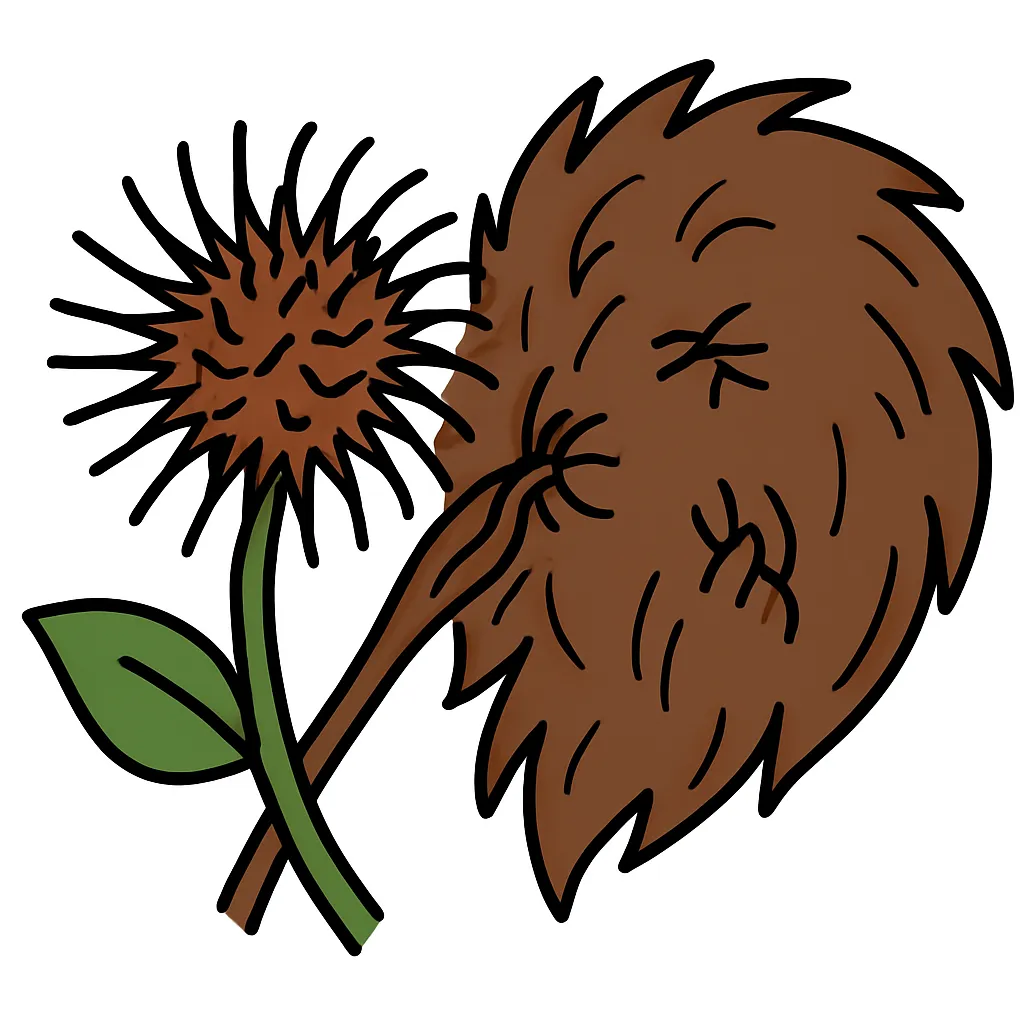
A burdock plant grows seed heads covered in tiny stiff hooks. When a deer brushes past, the hooks catch in its fur and the seed head is carried far away. How does this external structure help the plant?
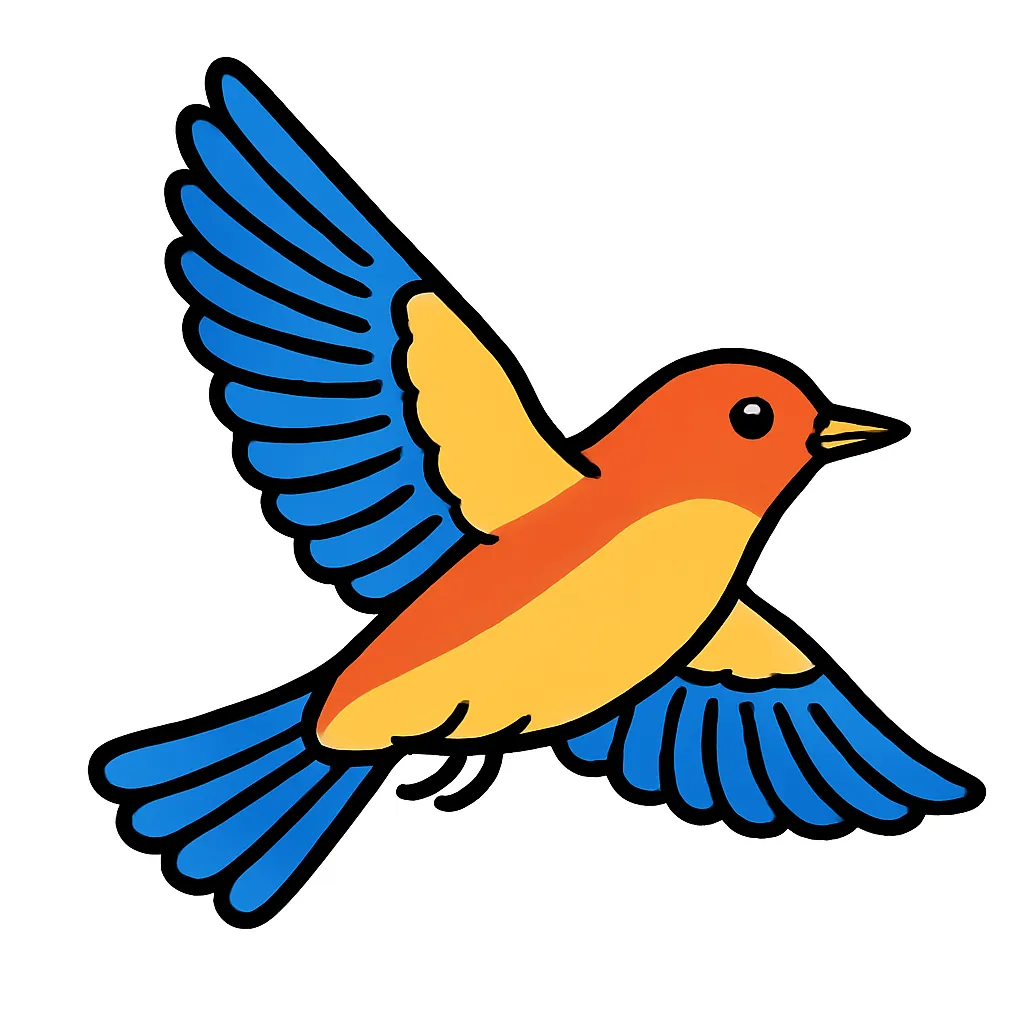
Many of a bird's bones are hollow and filled with air instead of being solid all the way through. How does this internal structure help the bird survive?
A fire alarm rings in a classroom and the students stand up and walk to the door. Which path does the information take?
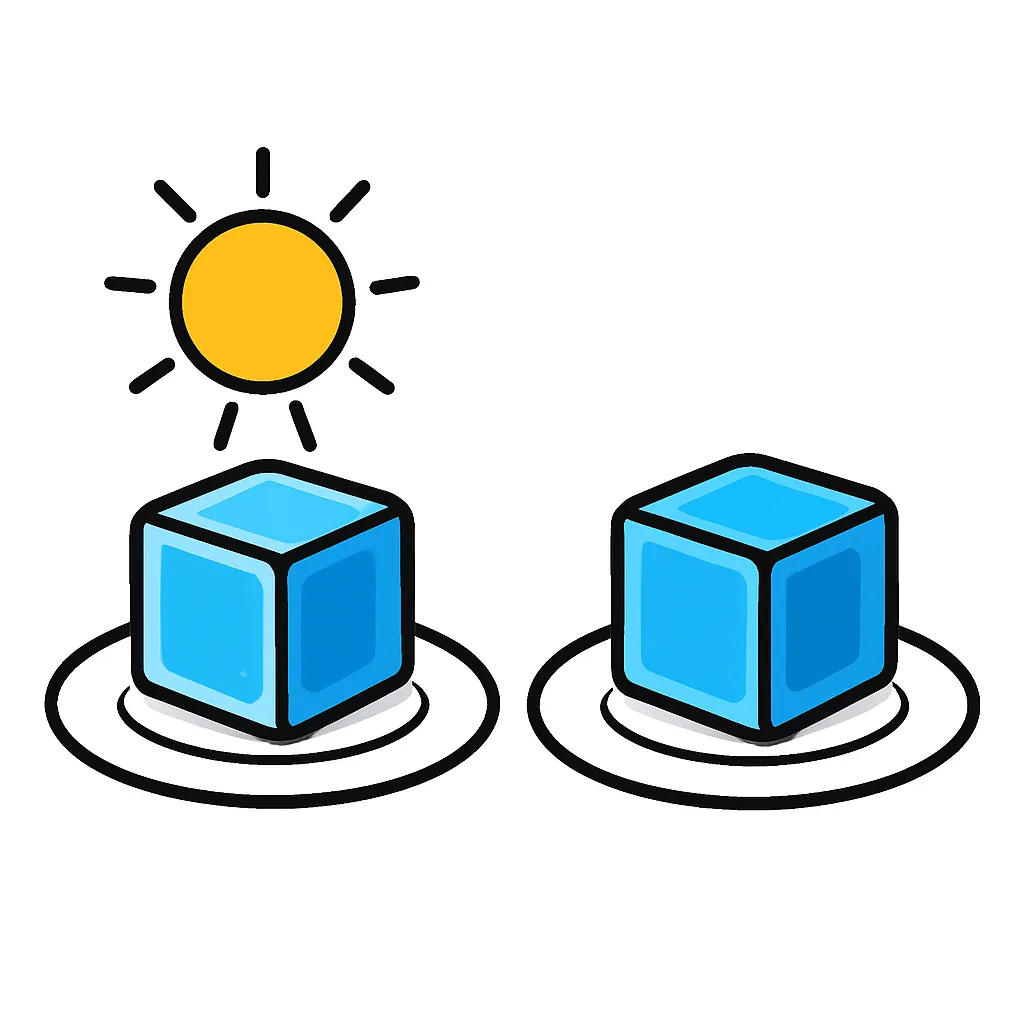
Two ice cubes of the same size are set on identical plates. One plate is left in bright sunlight and the other in a shady spot nearby. Which ice cube melts sooner, and why?
A sled sits at the top of a snowy hill, then someone gives it a push and it slides all the way down, moving faster and faster. What happens to the sled's energy as it goes down the hill?
A pitcher throws a fastball that travels much faster than a slow, gentle toss of the same ball. Compared with the slow toss, how does the fastball's energy of motion compare?
The gas inside a tightly tied balloon has mass, even though you cannot see the gas.
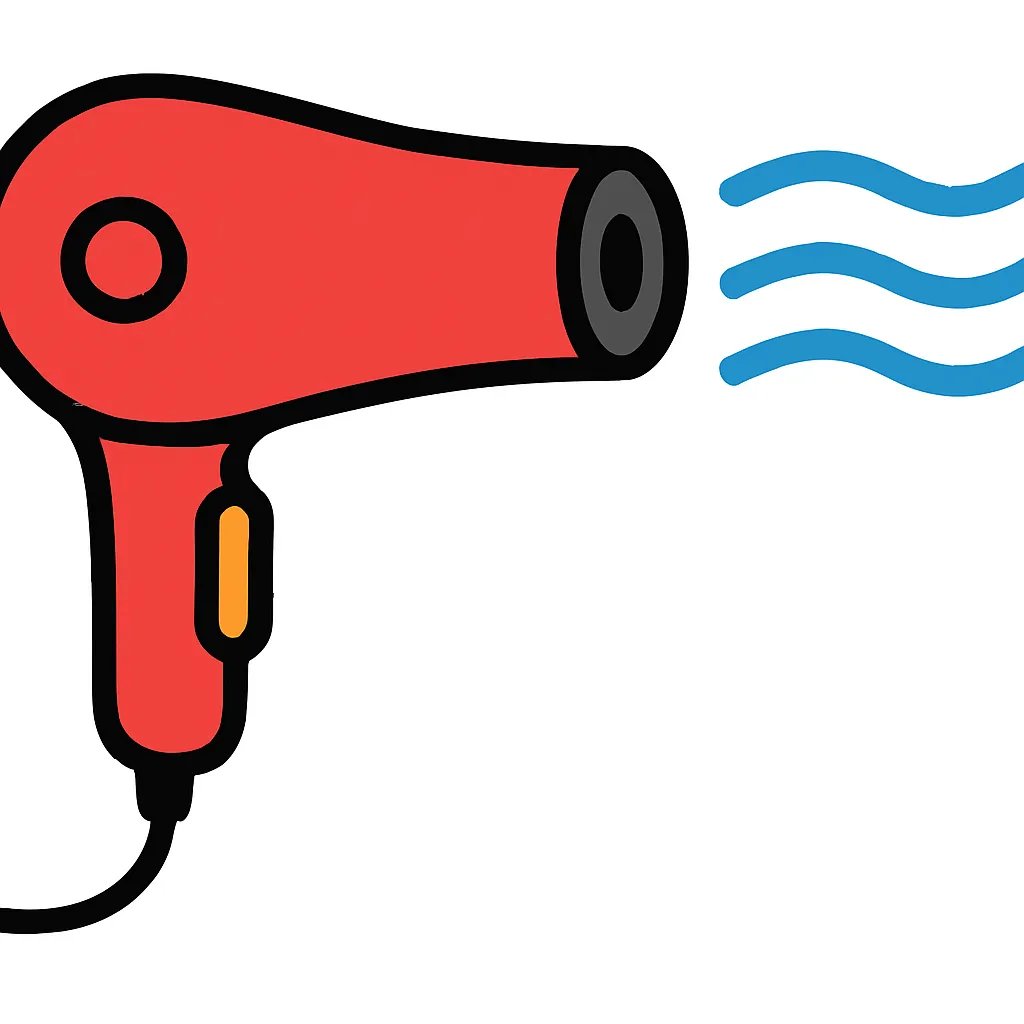
When a hair dryer is switched on, it changes the energy carried by the electric current into heat and motion.
A skateboarder rolls down one side of a U-shaped ramp, speeds up at the bottom, then rolls up the far side and slows down near the top. At which point does she have the LEAST energy of motion?
A bowling ball rolls down the lane and strikes the pins, sending them flying in different directions while the ball itself slows down. What happened to the energy of motion the ball lost?
A student holds a magnet near a pile of steel paperclips without touching them, and the paperclips jump up and stick to the magnet. What is pulling the paperclips toward the magnet?
A moving toy train car rolls into a still car of the same size. A coupler locks them together, and they roll on as one unit, more slowly than the first car was moving. What happened to the first car's energy of motion?
A cork floats on a pond. As ripples pass beneath it, the cork bobs up and down in place but does not travel across the pond along with the ripples. What does this show about waves?
A student strikes a tuning fork and hears a steady hum. When she lightly touches the fork, she can feel it vibrating rapidly back and forth. What produces the sound she hears?
A student shines a flashlight at a mirror tilted at an angle. A bright spot appears on the wall across the room, not on the wall behind the mirror. What happened to the light?
Sunlight streams through a clean glass window into a room, and a person outside can be seen clearly from inside. What term describes a material like this glass, which lets nearly all light pass straight through it?
A stone statue stands in a sunny park, and a dark patch of ground appears on the side of the statue away from the sun. What is this dark patch, and why does it form?
A frosted glass shower door lets a person see blurry shapes and colors through it, but never clear, sharp details. What term describes this kind of material?
A wooden block sliding across a rough wooden table slows down and stops after a short distance. Given the same push, the same block glides much farther across a sheet of ice before stopping. What mainly causes the block to slow down and stop?
A young plant's roots are covered in many thin, hair-like extensions that greatly increase the surface area touching the soil. How does this structure mainly help the plant?
A black bear eats large amounts of food in the fall, then spends the winter in a den with its body processes slowed way down, not eating again until spring. How does this behavior mainly help the bear survive?
A water lily's large, flat leaves float on top of a pond. The top of each leaf has a waxy coating. How does the waxy coating help the leaf?
A young sunflower's stem slowly bends throughout the day so the flower keeps facing the sun as it moves across the sky. How does this behavior help the plant?
A flounder lying on the sea floor can change the color and pattern of its skin to match the sand and pebbles around it. How does this ability mainly help it survive?
A cactus has sharp, stiff spines all over its thick stem. How do the sharp spines mainly help the cactus survive?
A camel has extra-long eyelashes and can close its nostrils almost completely. How do these structures help the camel survive in a sandy desert?
A duck has webbed feet, with skin stretched between its toes, unlike many land birds. How does this external structure mainly help the duck?
A shark's skeleton is made of cartilage, the bendy material in your nose and ears, instead of hard bone. How does this internal structure help the shark?
A giraffe has an extremely long neck and long legs compared to most other animals. How does this external structure mainly help the giraffe survive?
A hiker accidentally touches a hot pan and immediately jerks her hand back before she even has time to think about it. What best describes what just happened?
A dog is resting in another room when food starts cooking in the kitchen. The dog gets up and runs straight toward the kitchen. Which sense organ most likely detects the cooking food first?
A bat flies through a completely dark cave and still avoids walls and obstacles. It sends out high-pitched sounds and listens for the echoes that bounce back to sense what is around it. What is this process called?
Crack the passcode before the zombies get in.
Answer, then swat bugs for bonus points.
Race through questions at your own speed.
Same question on every screen. Fastest wins.

Pick a tile, answer, hit bonuses and steals.
The Solar System and Its Planets
40 questions