Loading
by BlastRoom
Grade 4 engineering design: telling criteria for success apart from constraints, and comparing solutions against them.
#engineering_design#us_grade_4_science
20 questions
One question set, multiple game modes. Tap any game to see it in action. Not sure which to pick?
Answer to place stones and capture territory.
Outrun the snow together.
Earn blasts, then hunt the other team.
Answer to earn energy, then climb.

The class blasts through walls together.
Bid on mystery lots. Most money wins.
Sell tours. Nice, standard, or a total scam.

Answer, restock, and serve the rush.
More correct answers pulls the rope your way.
Answer, then shoot down the alien wave.
Answer, then tap to leap the frozen ridge.
Mr. Lee's class must design a container that keeps an ice cube solid for one hour. They may use only materials already in the classroom. What is the constraint in this design problem?

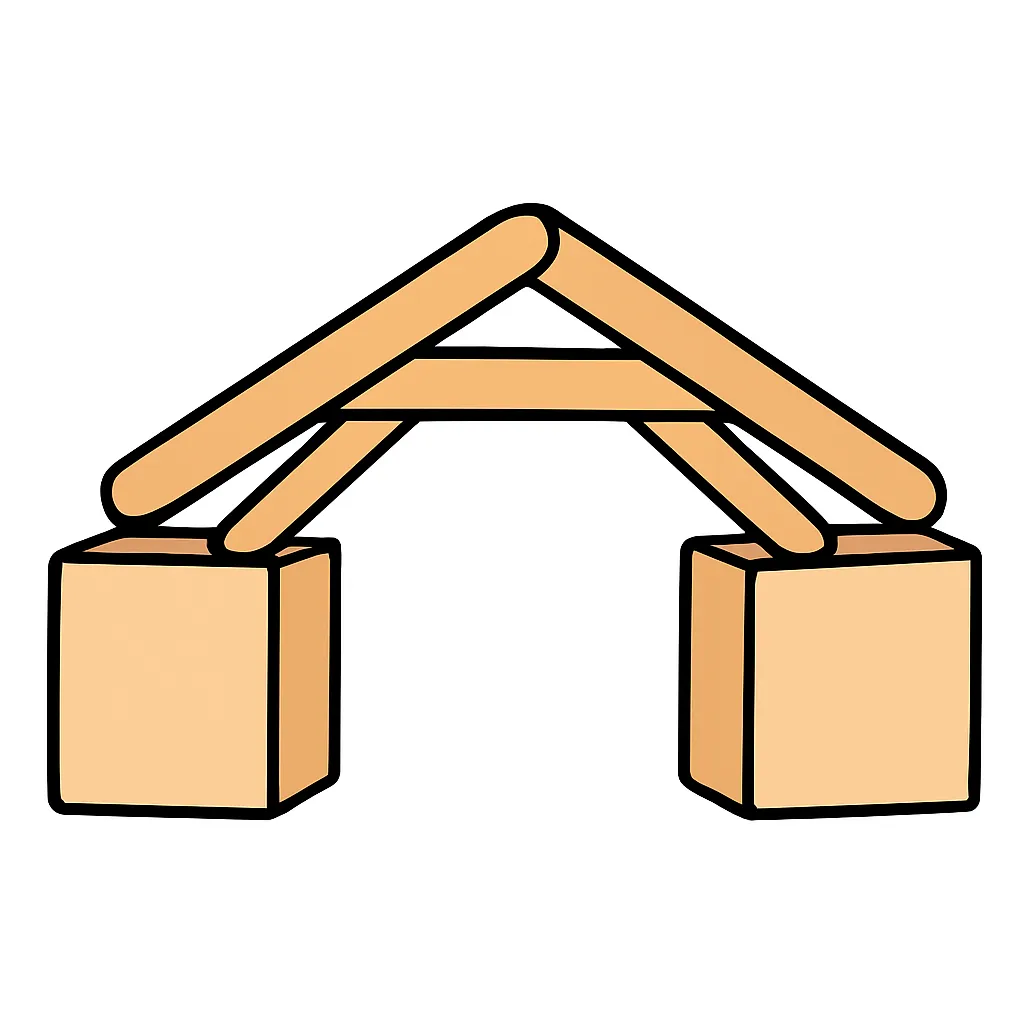
A team must design a bridge that holds a full can of soup without bending. They get twenty craft sticks and one class period. What is the criterion for success?
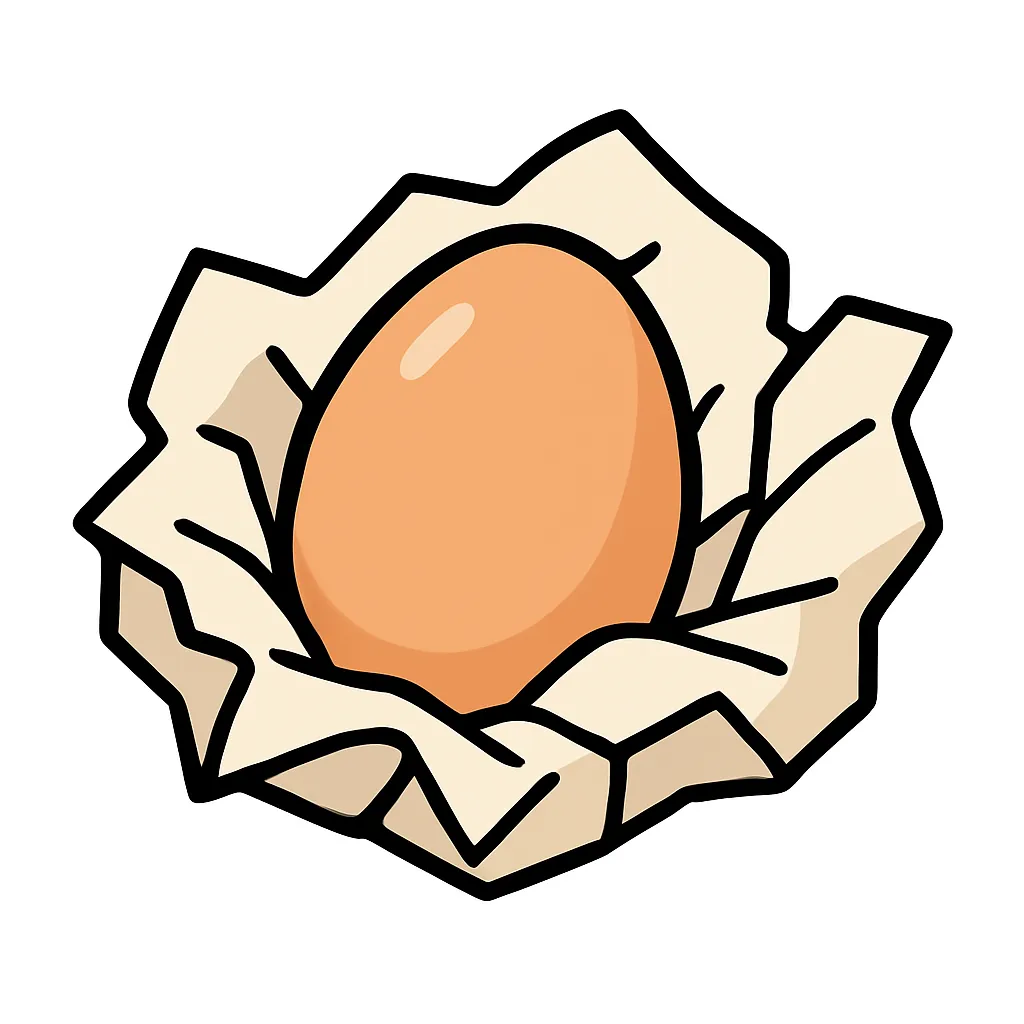
The design problem said an egg carrier must keep a raw egg from cracking and must use no more than three sheets of paper. Rosa's egg did not crack, but she used ten sheets. What is wrong with her solution?
Every winter, cold air leaks in around the classroom window, and the reading corner nearby gets too cold to sit in comfortably. The teacher asks the class to design something to fix this. What problem does the class need to solve?
Two different solutions to the same design problem can be compared by testing each one against the same criteria and constraints.
A class must build a wind spinner that turns in a gentle breeze, using only paper, tape, and one straw. Zoe wants hers to be purple. What is the criterion for success?
A robot arm must lift a full cup of water, and the class may use no more than ten pieces of cardboard to build it. Being allowed only ten pieces is a ___ on the design.
A class is designing a shelter for the classroom guinea pig. The shelter must keep the guinea pig dry, and it must fit on one shelf. Which part of that is a constraint?
Students notice that pencils left loose in their desks keep rolling onto the floor and breaking their tips. The teacher asks the class to design something to solve this. What problem are they being asked to solve?
The problem statement says: "Design something that helps students carry their lunch trays without spilling." Before the class can start designing, what is still missing from this problem statement?
The stated problem is that an egg carrier must protect a raw egg and use only paper. Ben says his carrier should also be painted his favorite color. What is Ben describing?
A park ranger tells the class that trail visitors keep littering because there is nowhere nearby to throw away trash. The class is asked to help. What problem needs to be solved?
What is the first step engineers usually take when solving a design problem?
In engineering, criteria describe what a successful solution must do.
A group is designing a paper bridge that must hold 20 pennies. Which statement is a constraint?
The problem statement says: "Build a container that keeps the classroom guinea pig's food dry." Before the class can start designing, what is still missing from this problem statement?
A prototype is a model or early version of a design used for testing.
The problem statement says: "Using only one sheet of paper and no tape, design something." Before the class can start designing, what is still missing from this problem statement?
During recess, the soccer ball keeps rolling into a nearby flower bed and crushing the plants. The teacher asks the class to design something to fix this. What problem does the class need to solve?
A rule that says a design must be finished in one class period is a constraint on the design.
Crack the passcode before the zombies get in.
Answer, then swat bugs for bonus points.
Race through questions at your own speed.
Same question on every screen. Fastest wins.

Pick a tile, answer, hit bonuses and steals.
Review: Energy, Waves, and Living Things
40 questions