Loading
by BlastRoom
Sagittal, frontal and transverse cuts, the dorsal and ventral cavities, and the serous membranes lining them.
#us_hs_anatomy_physiology
30 questions
One question set, multiple game modes. Tap any game to see it in action. Not sure which to pick?
Answer to place stones and capture territory.
Outrun the snow together.
Earn blasts, then hunt the other team.
Answer to earn energy, then climb.

The class blasts through walls together.
Bid on mystery lots. Most money wins.
Sell tours. Nice, standard, or a total scam.

Answer, restock, and serve the rush.
More correct answers pulls the rope your way.
Answer, then shoot down the alien wave.
Answer, then tap to leap the frozen ridge.
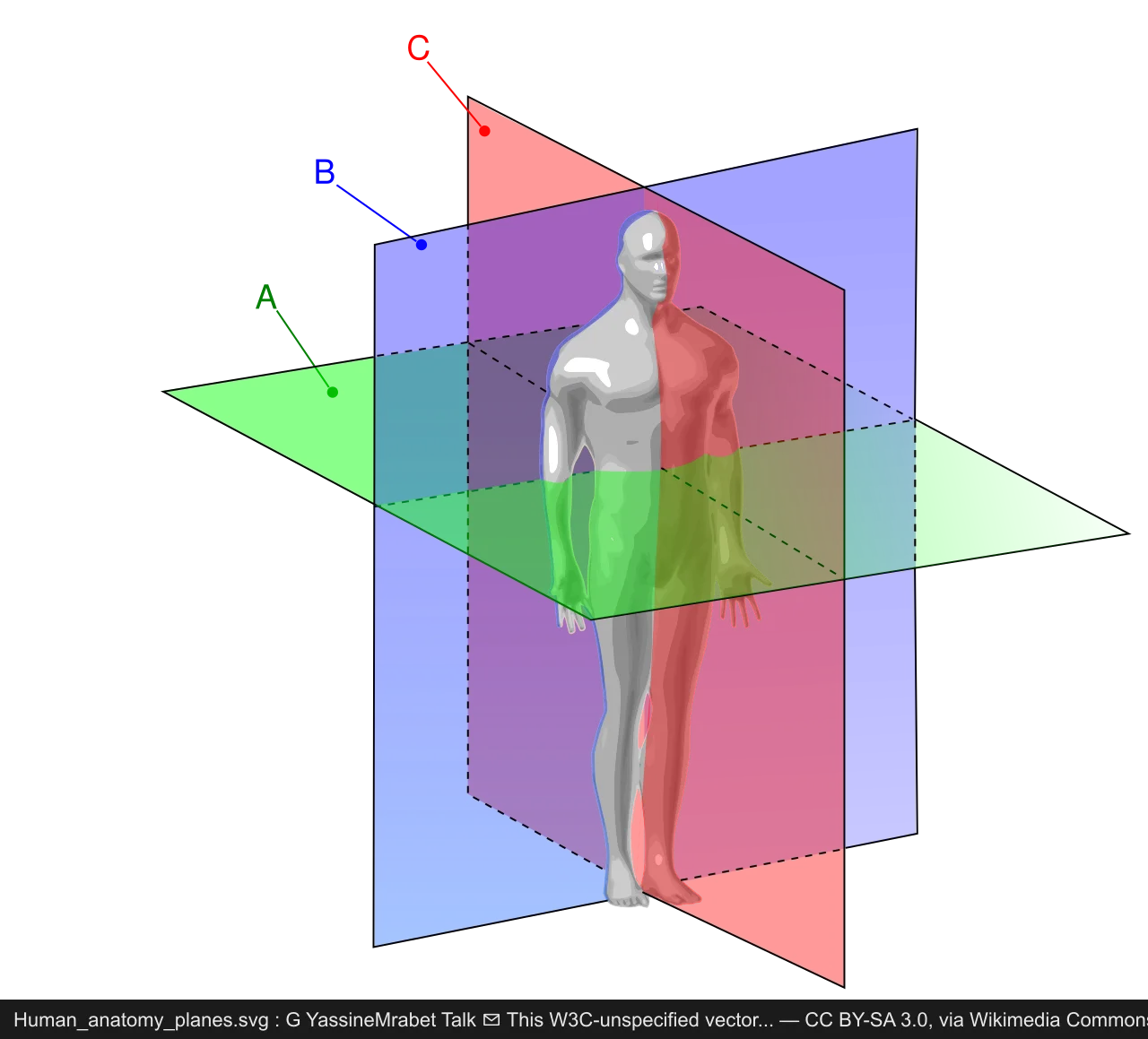
A single flat cut separates a cadaver model into left and right portions. Which plane did the cut follow?
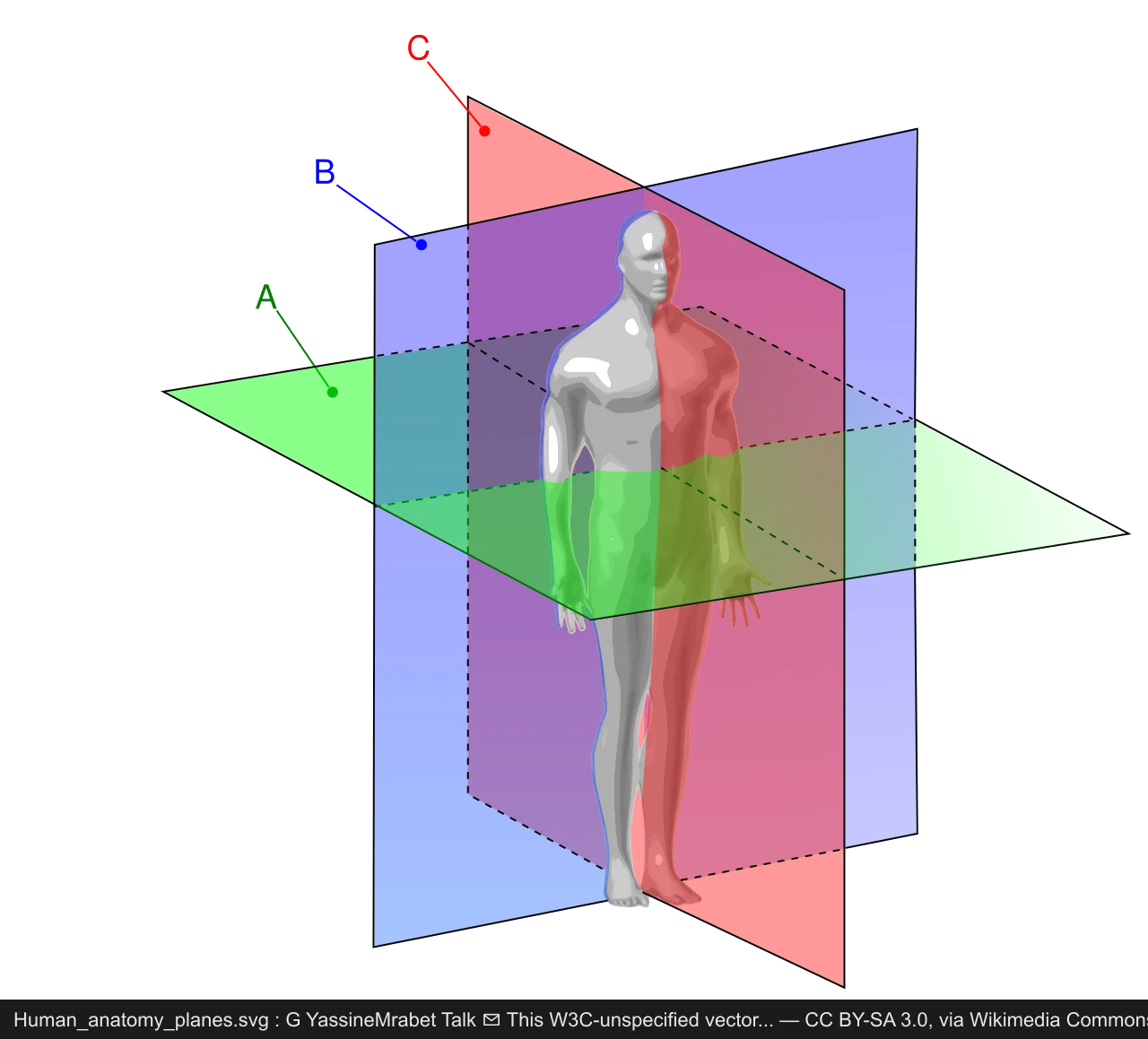
One slice through the torso leaves an anterior piece and a posterior piece. Which plane made that division?
A scan section separates the body into superior and inferior portions. Which plane is being used?
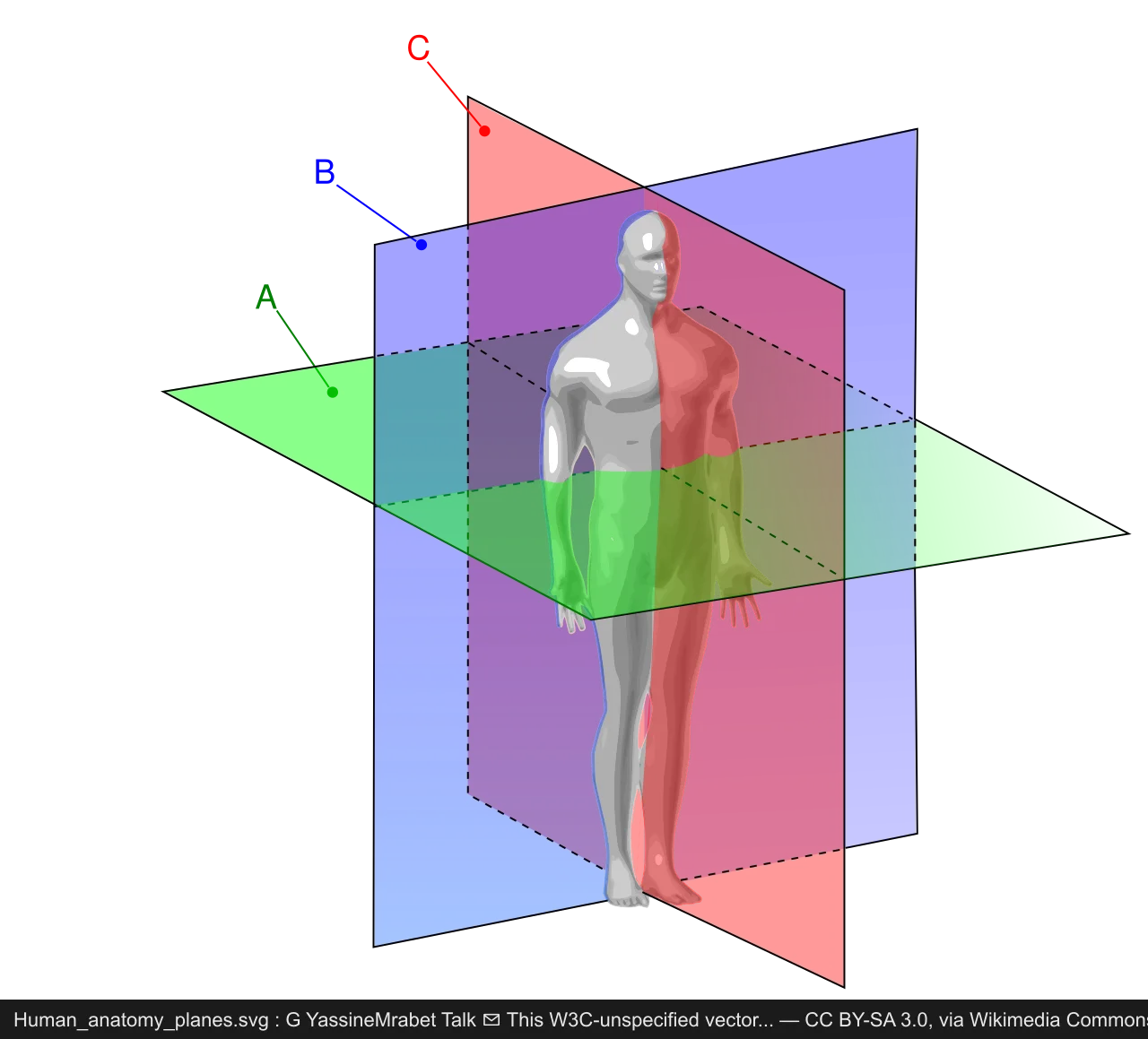
A model head is cut so the nose stays with one piece and the back of the skull stays with the other. Which plane is that cut?
A section through the abdomen leaves a top piece containing the diaphragm and a bottom piece containing the pelvis. Which plane was used?
A cut down the midline separates the body into equal left and right halves. What is the specific name of this plane?
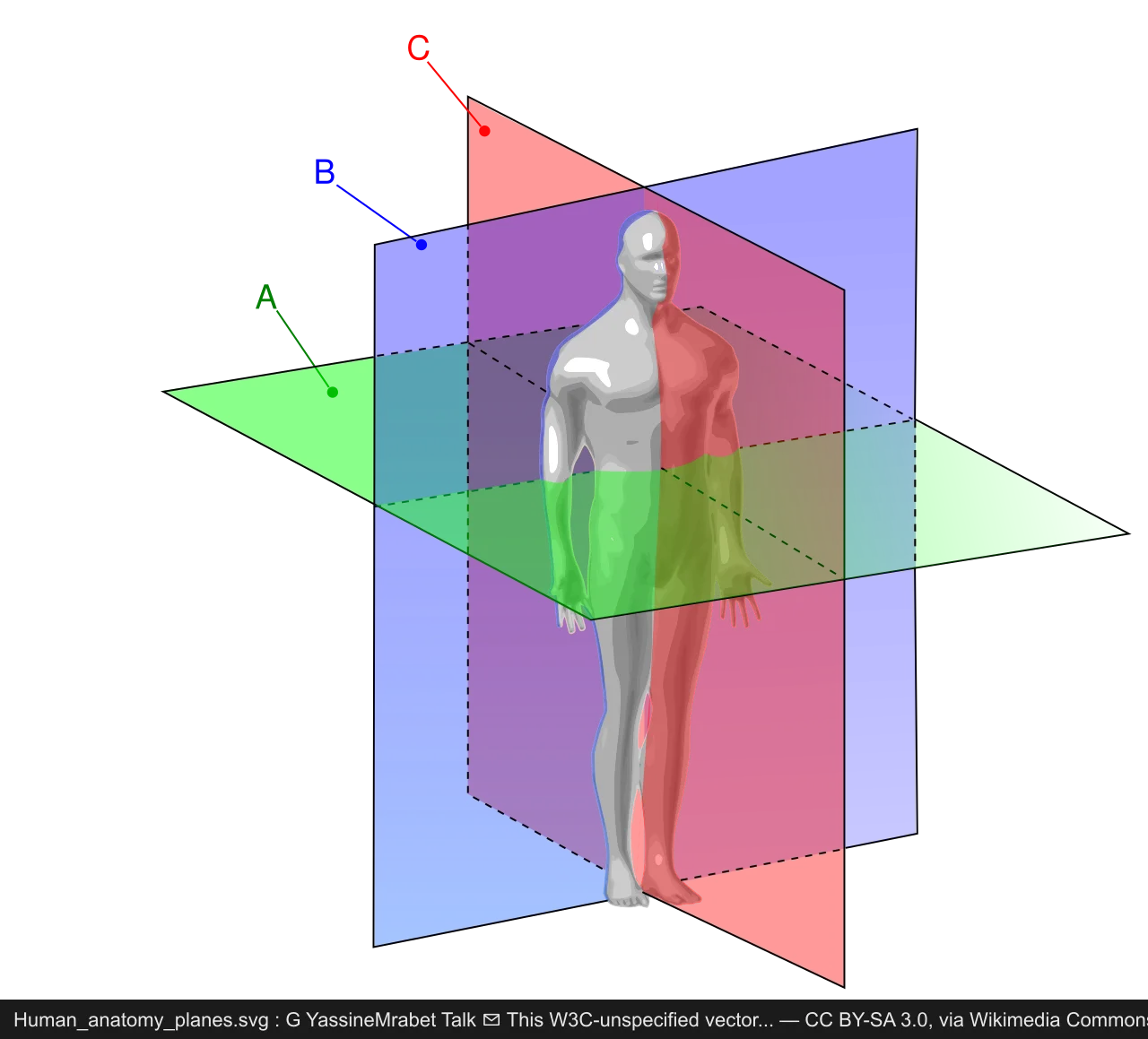
A slice through the forearm separates the palm-side tissues from the back-of-hand side tissues. Which plane made the slice?
A CT image shows one horizontal cross-section through the chest, with structures above and below the slice not shown. Which plane is represented?
Which major body cavity contains the brain and spinal cord?
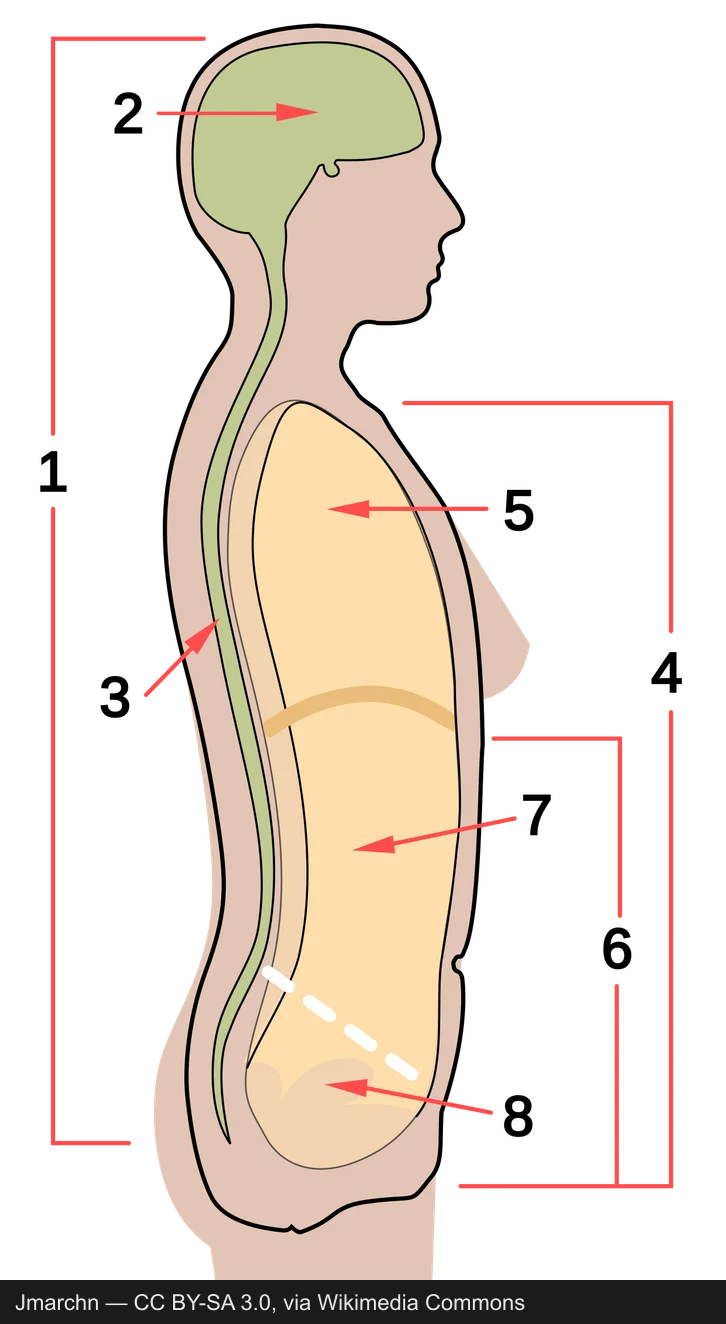
Which major cavity includes the chest, abdominal and pelvic subdivisions?
Which subdivision of a major body cavity holds the lungs, the organ that beats and the mediastinum?
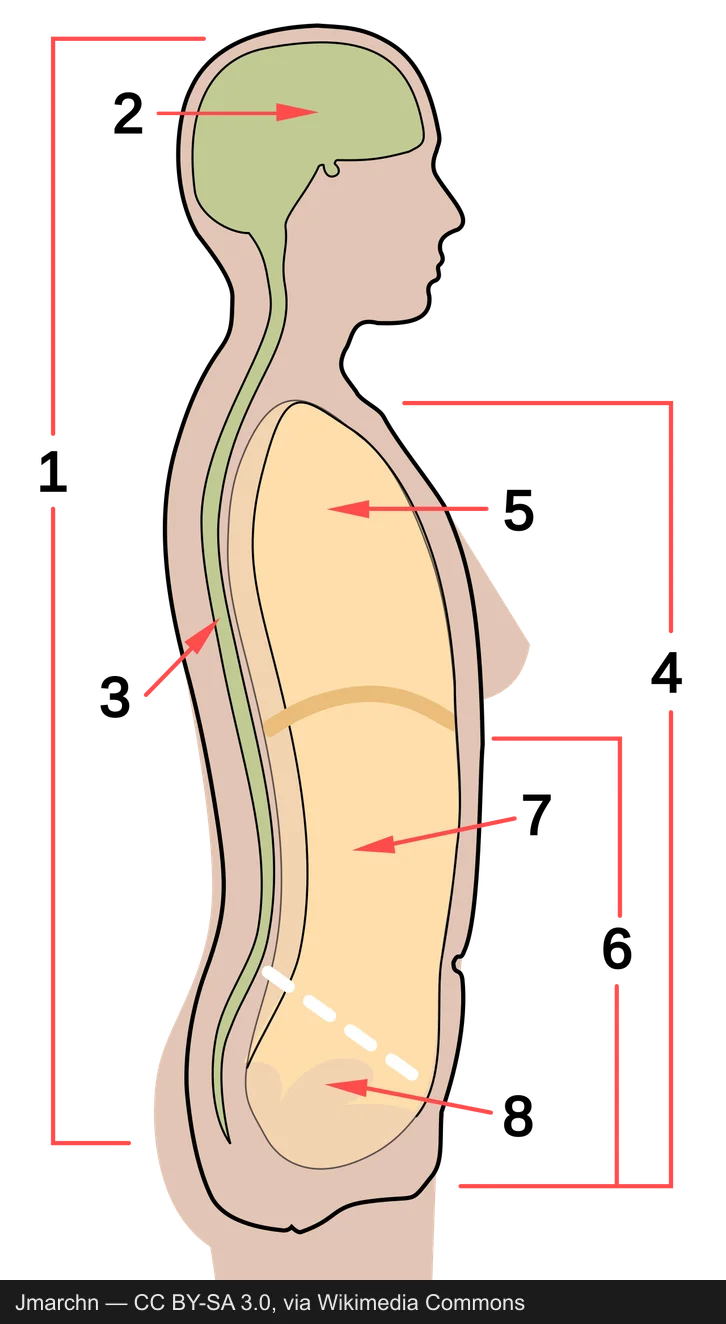
Which subdivision contains the stomach, liver, spleen and most of the intestines?
Which subdivision holds the urinary bladder, rectum and internal reproductive organs?
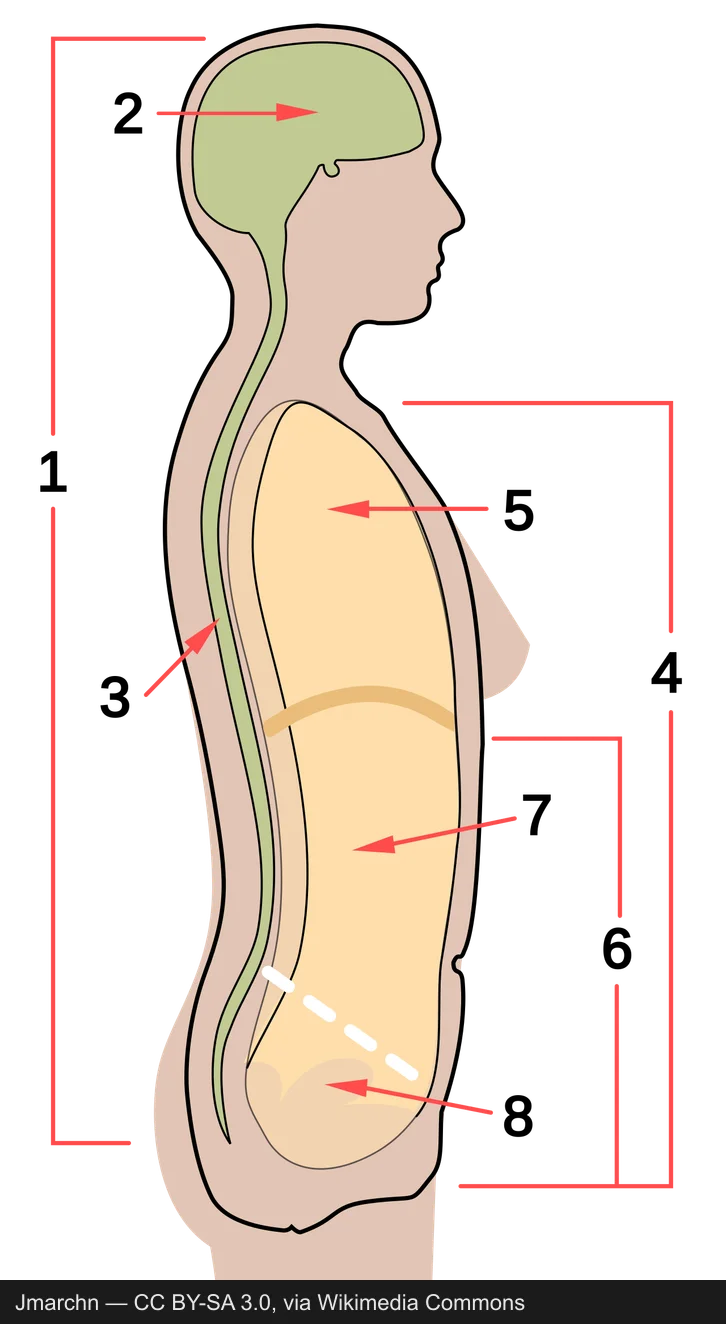
Which major body cavity is enclosed by the bones of the skull and vertebral column?
Which subdivision surrounds the spinal cord within the vertebral column?
Which subdivision lies inside the skull and protects the brain?
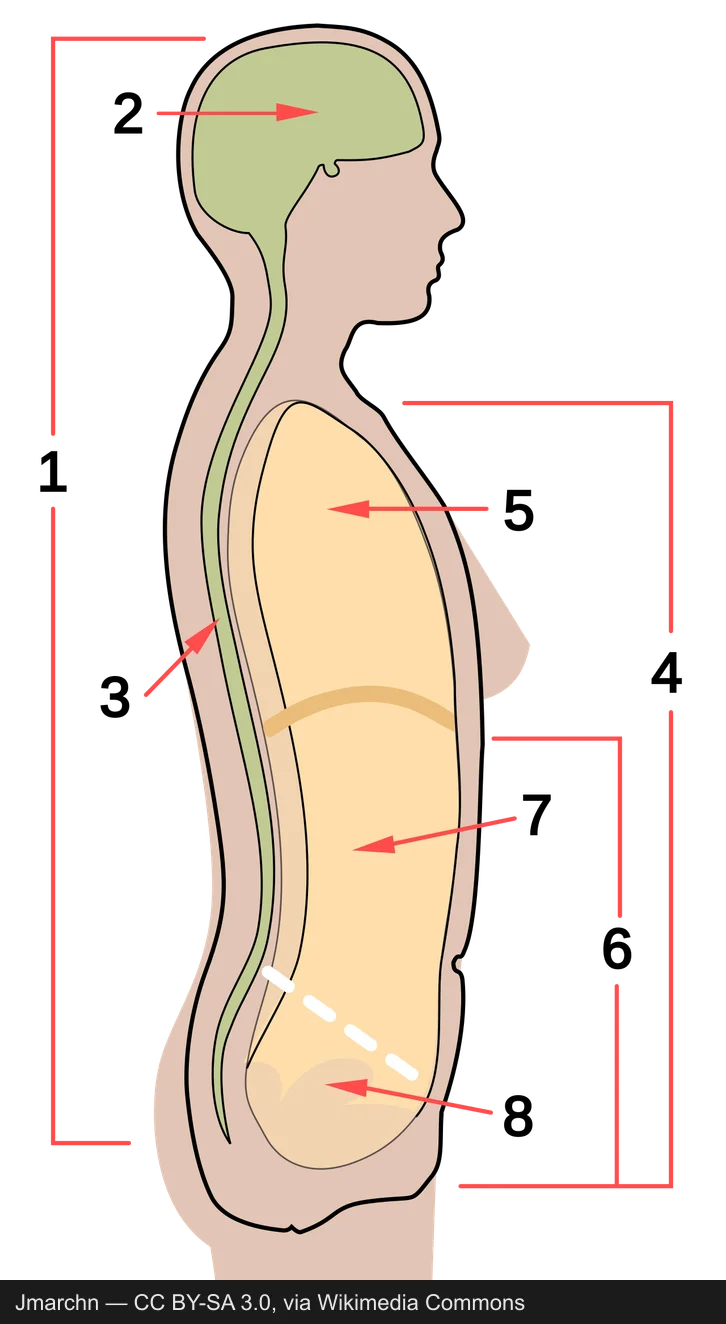
Which serous layer clings directly to the outer surface of each gas-exchange organ in the chest?
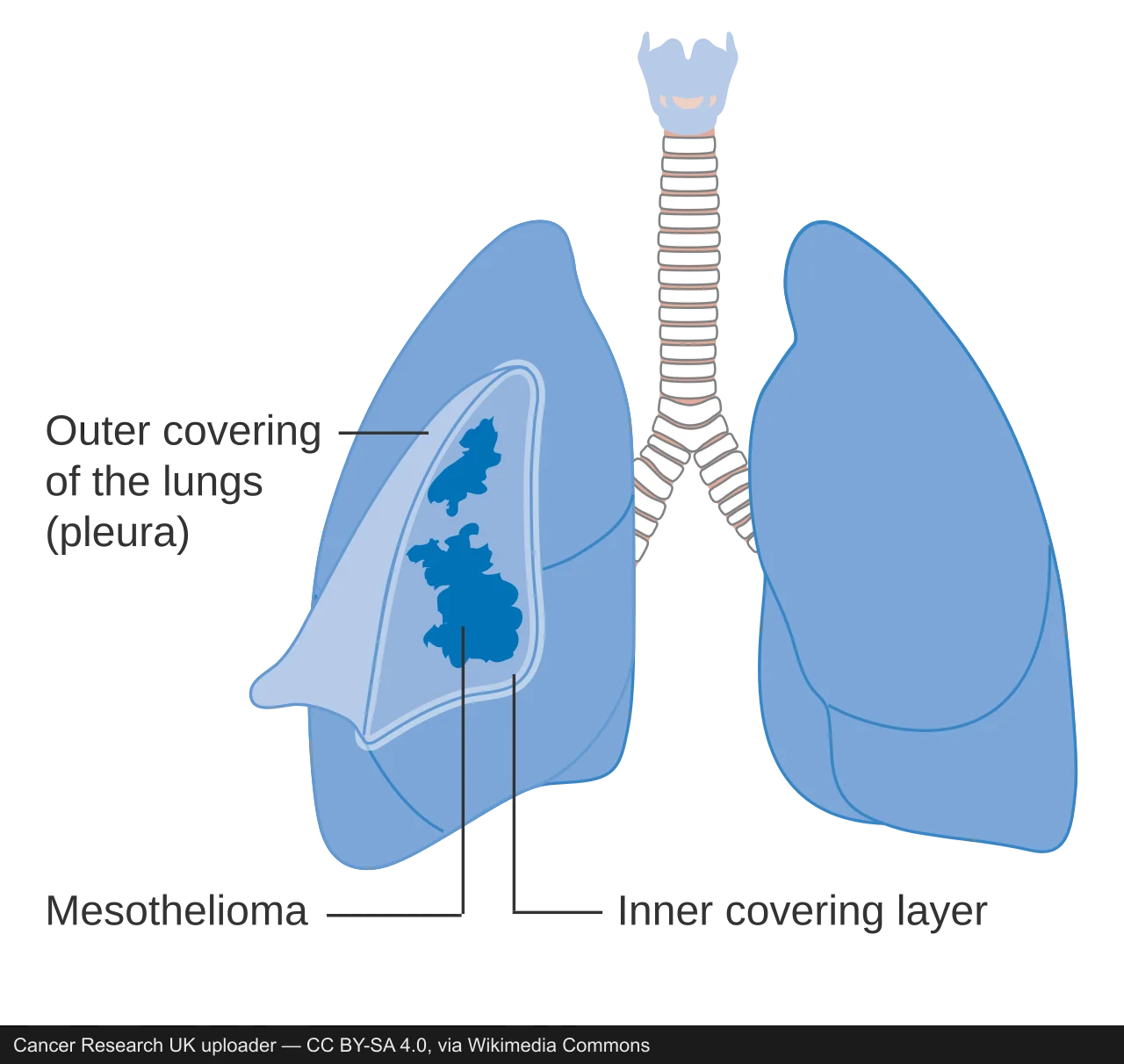
Which serous layer lines the inner wall of the chest cavity around each lung?
Which serous layer is attached directly to the outer surface of the organ that beats in the mediastinum?
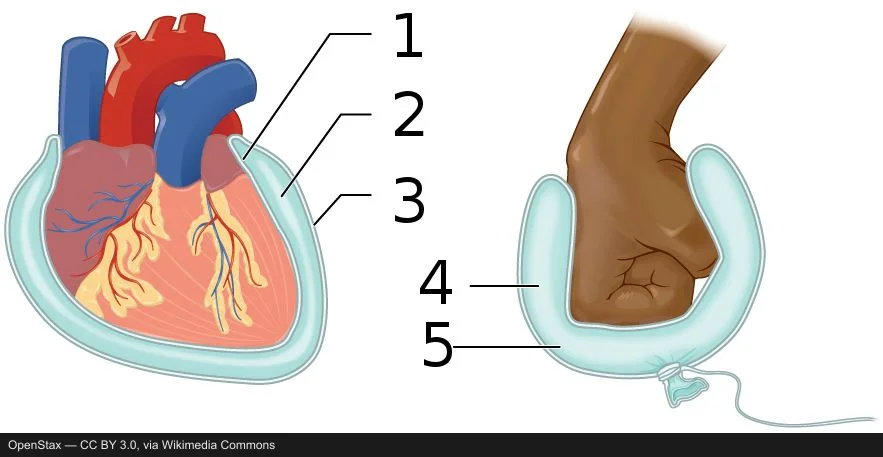
Which serous layer lines the sac wall around the organ that pumps blood?
Which serous layer covers the outer surface of the stomach and intestines?
Which serous layer lines the inner wall of the abdominal cavity?
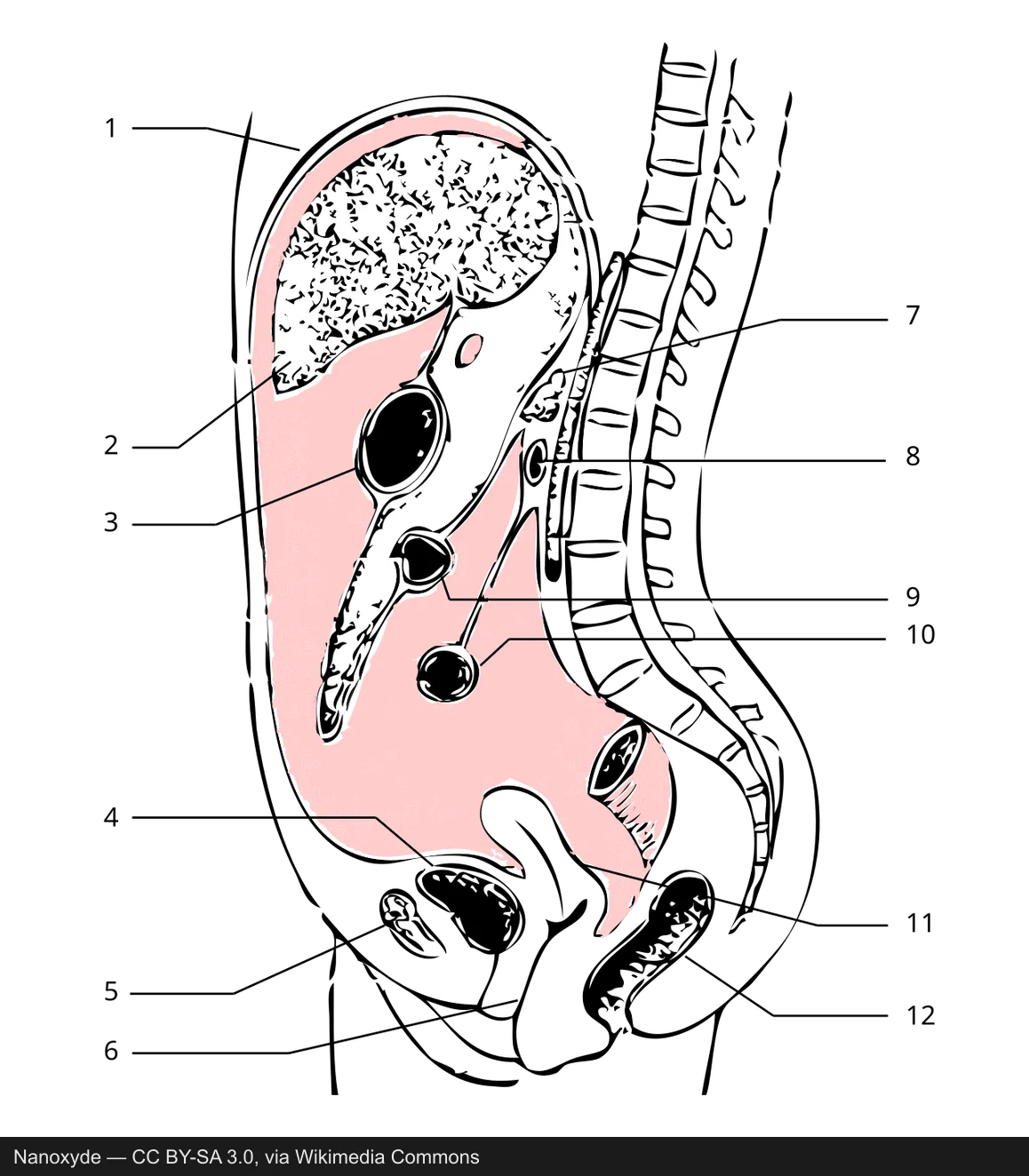
A surgeon describes a membrane stuck to an organ, not to the body wall. Which general serous layer is being described?
A membrane lines the body wall instead of covering the organ surface. Which general serous layer is it?
Air enters the potential space between the two serous layers around one gas-exchange organ, causing it to collapse. Which space contains the air?
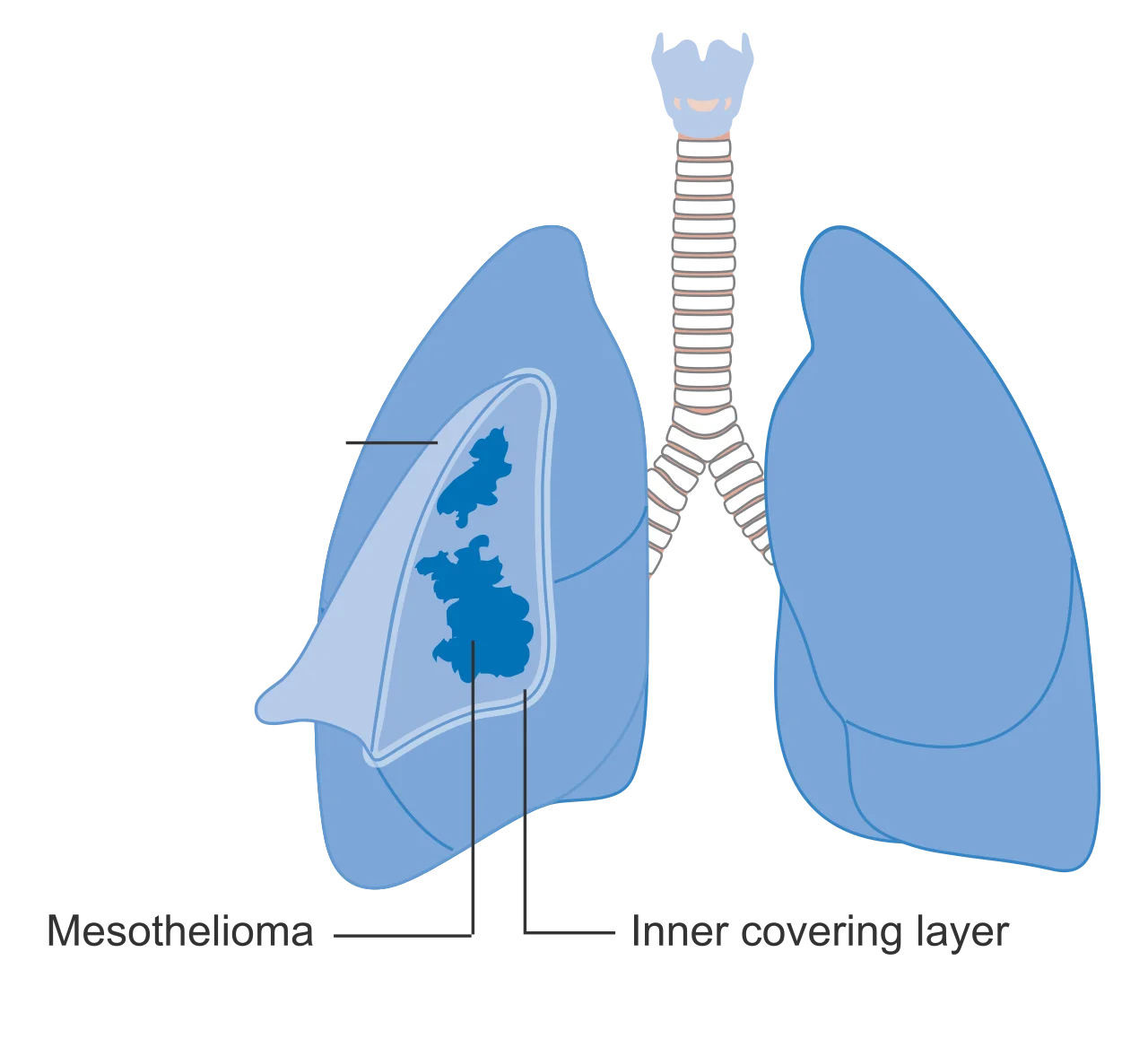
Fluid collects between the two serous layers around the organ that beats in the mediastinum. Which space holds the fluid?
An abnormal fluid collection forms between the serous lining of the abdominal wall and the membrane covering the intestines. Which space is filling?
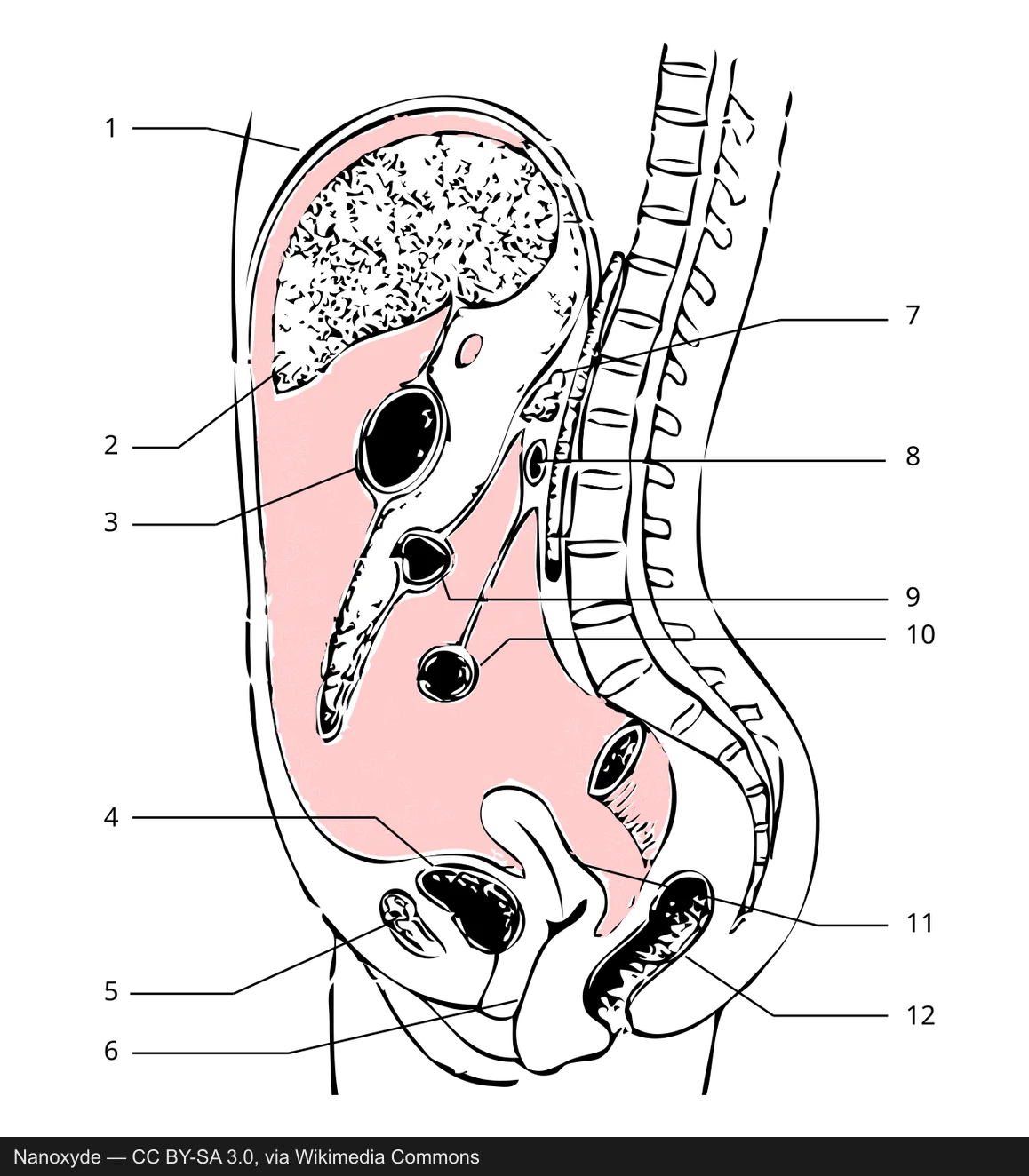
A lubricant normally reduces friction between the lung surface and the thoracic wall. Which space contains that thin fluid film?
A small amount of serous fluid lets the heart surface slide against the inner wall of its sac. Which space contains that fluid?
Serous fluid allows digestive organs to slide against the abdominal wall as they move. Which space contains that fluid?
Crack the passcode before the zombies get in.
Answer, then swat bugs for bonus points.
Race through questions at your own speed.
Same question on every screen. Fastest wins.

Pick a tile, answer, hit bonuses and steals.

Prefixes That Tell You Where and How Many
40 questions