Loading
by BlastRoom
How migration and immigration have changed who lives in the United States over time.
#history#migration#immigration#us_grade_4_social_studies
40 questions
One question set, multiple game modes. Tap any game to see it in action. Not sure which to pick?
In 1850 most people in the United States lived and worked on farms. By 1920, where did most people in the United States live?
During the early years of the Great Migration, from about 1916 to 1930, what happened to the Black populations of northern cities such as Chicago and Detroit?
In 1848, gold was discovered in California. What happened to California's population over the next few years?
A woman leaves Norway and sails to the United States to live. People in Norway say she has emigrated. In the United States, what is she called?
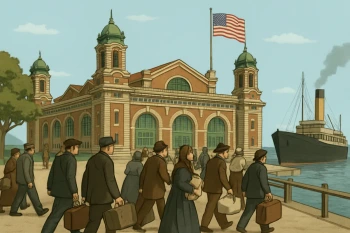
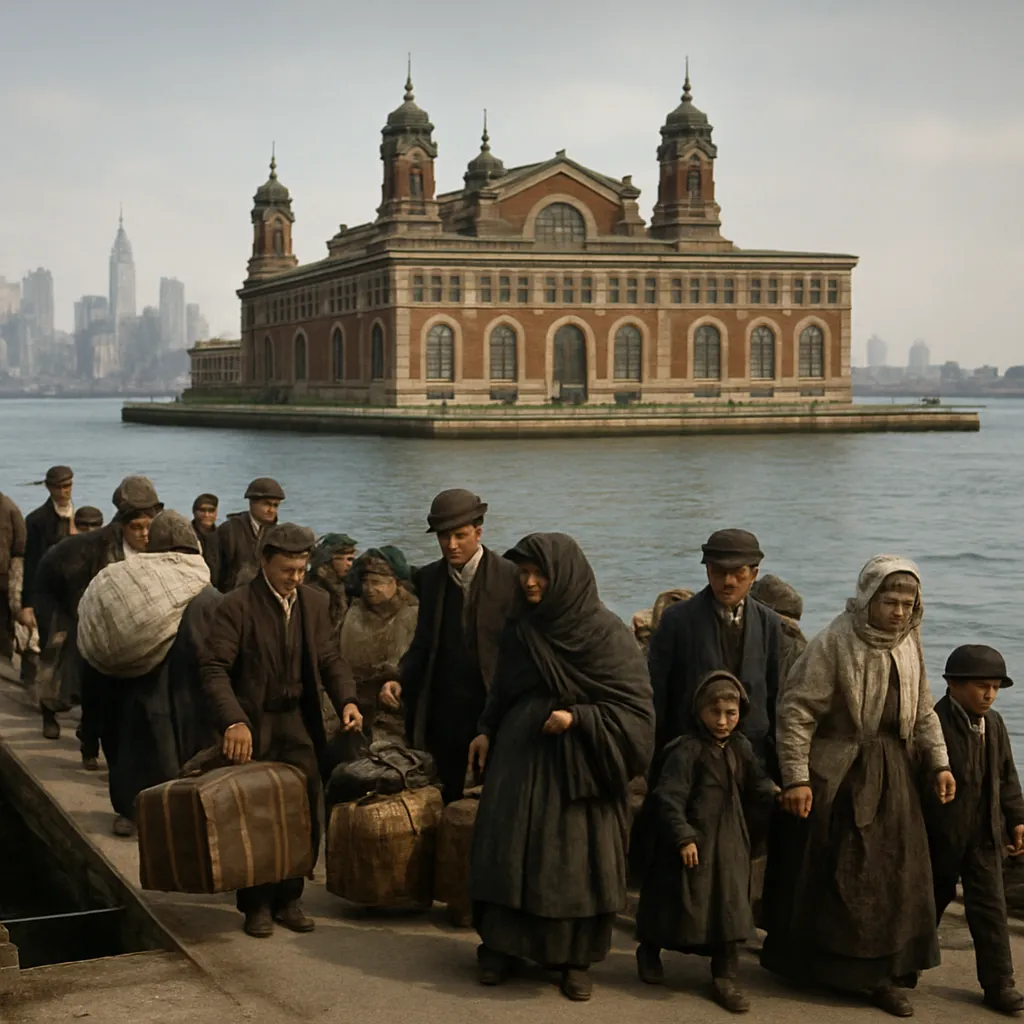
For more than sixty years, millions of people entering the United States were first inspected at a station on a small island in New York Harbor. What was that port of entry called?
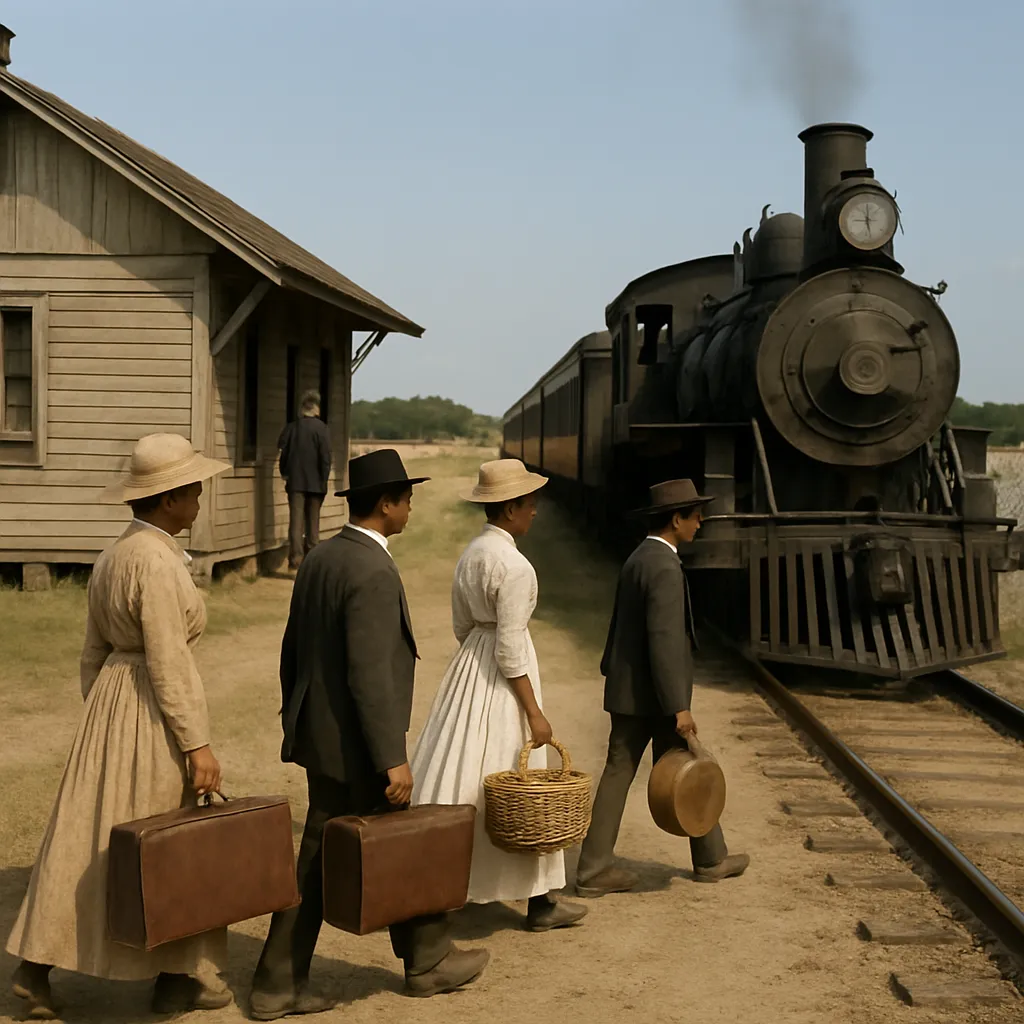
In the early 1900s, hundreds of thousands of Black Americans moved from farms in the South to cities in the North and Midwest, seeking factory jobs and safer lives. What is this movement of people within one country called?
Over the 1800s and 1900s, millions of immigrants arrived and settled across the United States. What happened to the United States population as a result?
Immigrants from many countries brought their own foods, languages, holidays, and music to American cities. The mix of many cultures living together that resulted is called what?
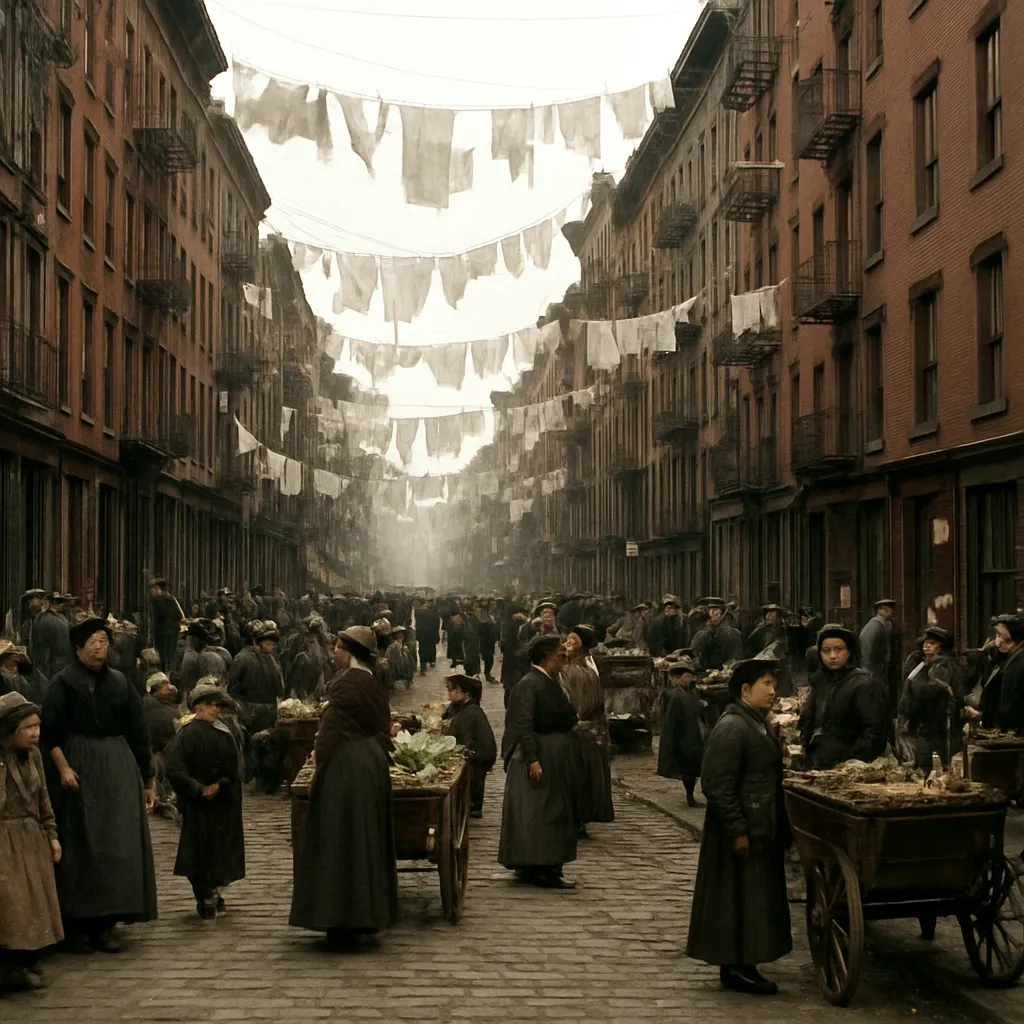
In the late 1800s, millions of immigrants and workers from American farms arrived in cities such as Chicago and New York. What happened in those cities as a result?
In 1900 one family moves from a farm in Iowa to a city in Illinois. Another family sails from Italy to New York to live. Which family are immigrants to the United States?
What does migration mean?
A family must flee their home country because of war and moves to another country to be safe. What is a person in this situation called?
After World War II, what happened to the populations of the suburbs around many American cities?
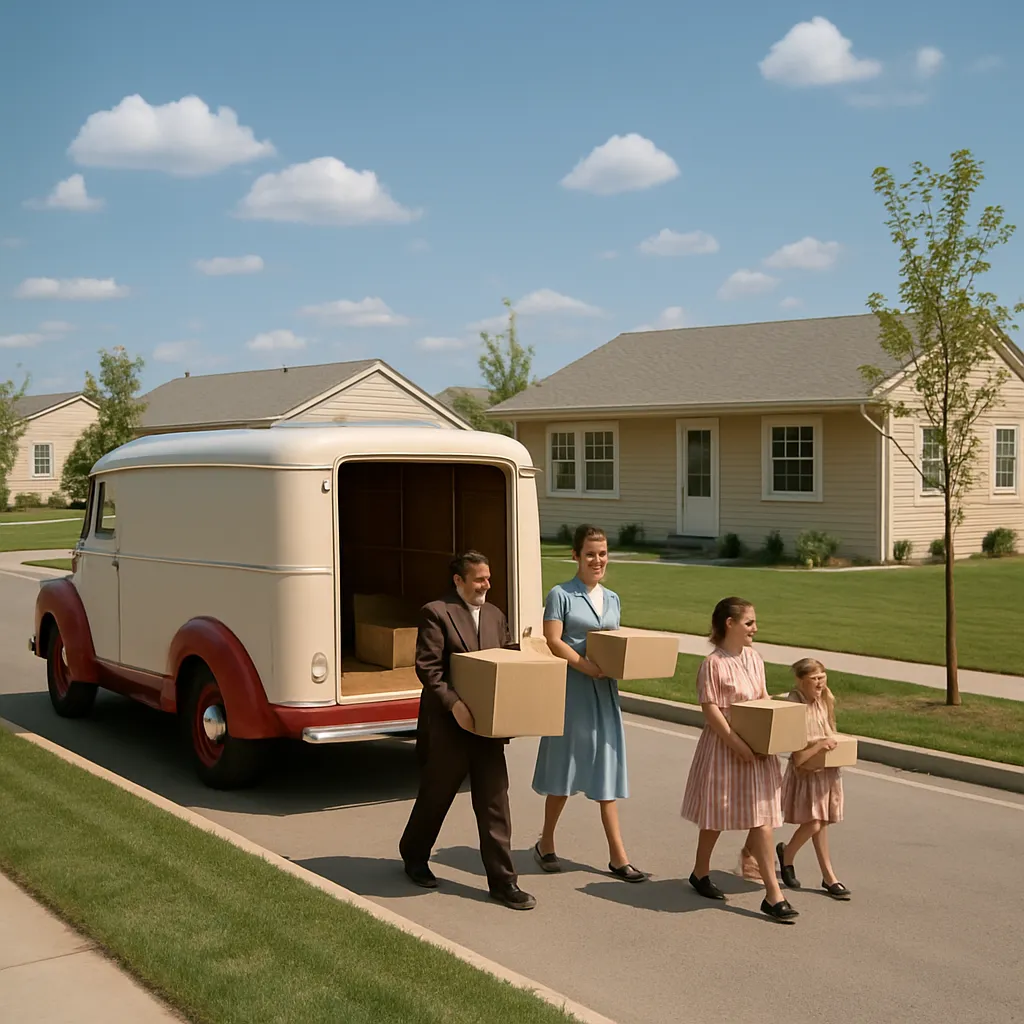
Beginning in the 1970s, what happened to the population of Sun Belt states such as Florida, Texas, and Arizona?
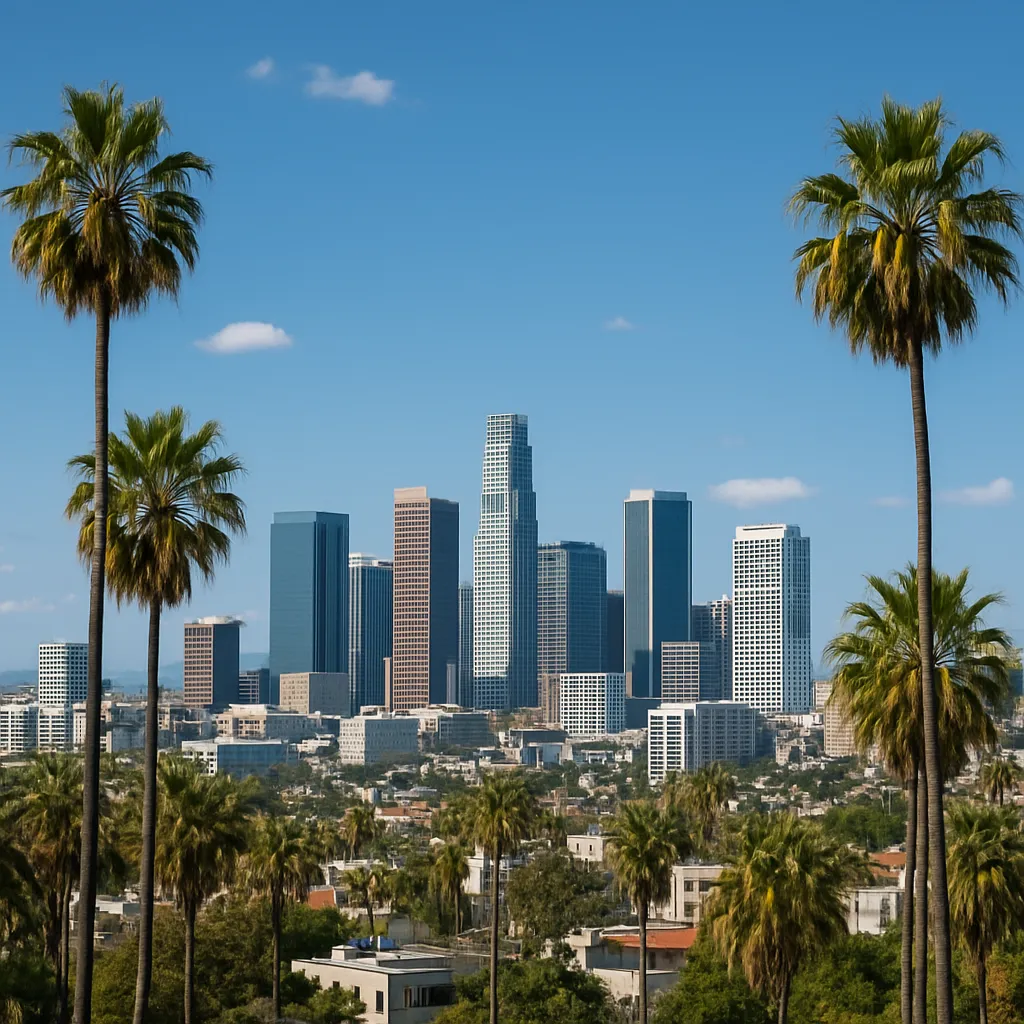
People sometimes migrate to find better jobs.
Which three things can cause a place's population to change?

What is the U.S. census?
Why did many U.S. cities grow during the Industrial Revolution?
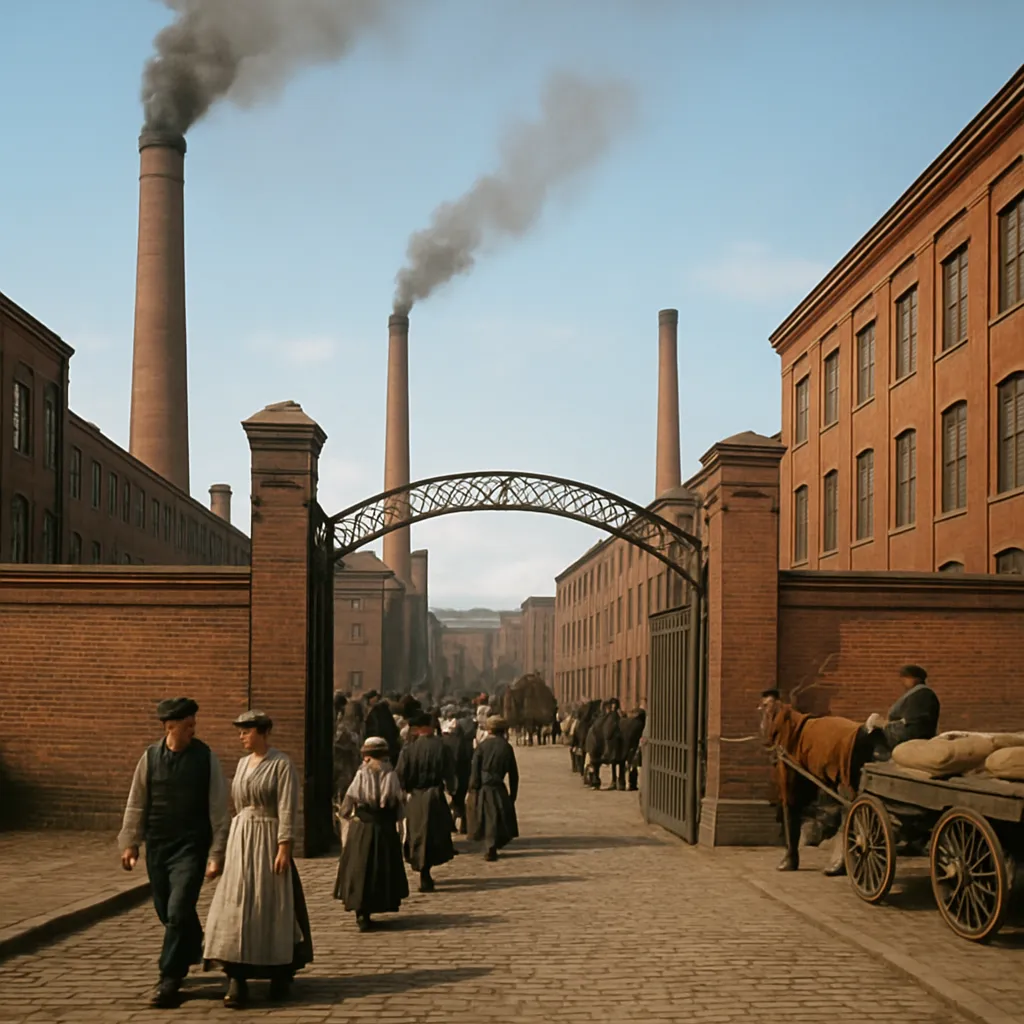
What is a rural area?
What is an urban area?
What is a suburb?
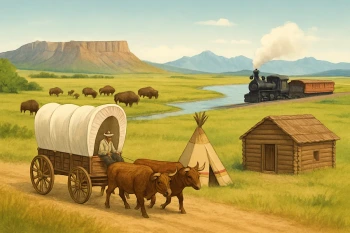
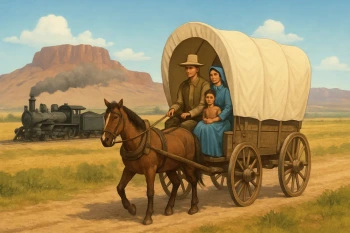
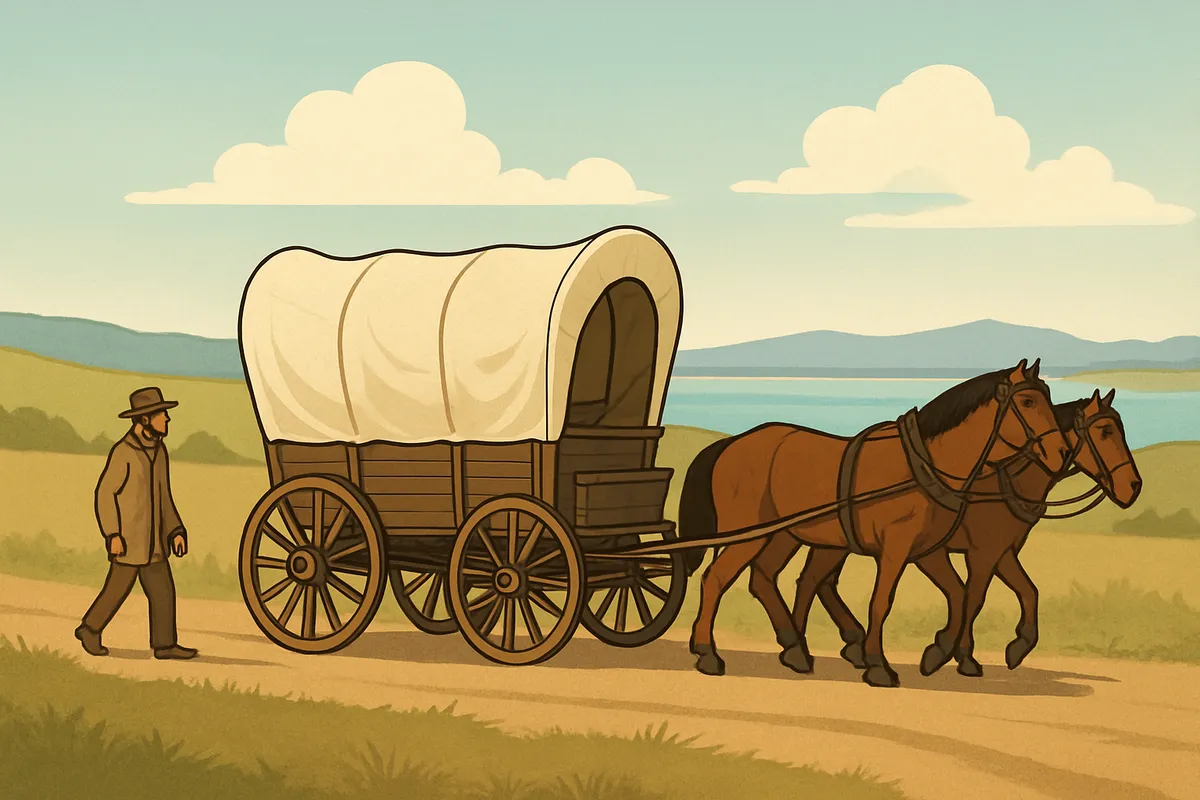
Why did many settlers move west in the United States during the 1800s?
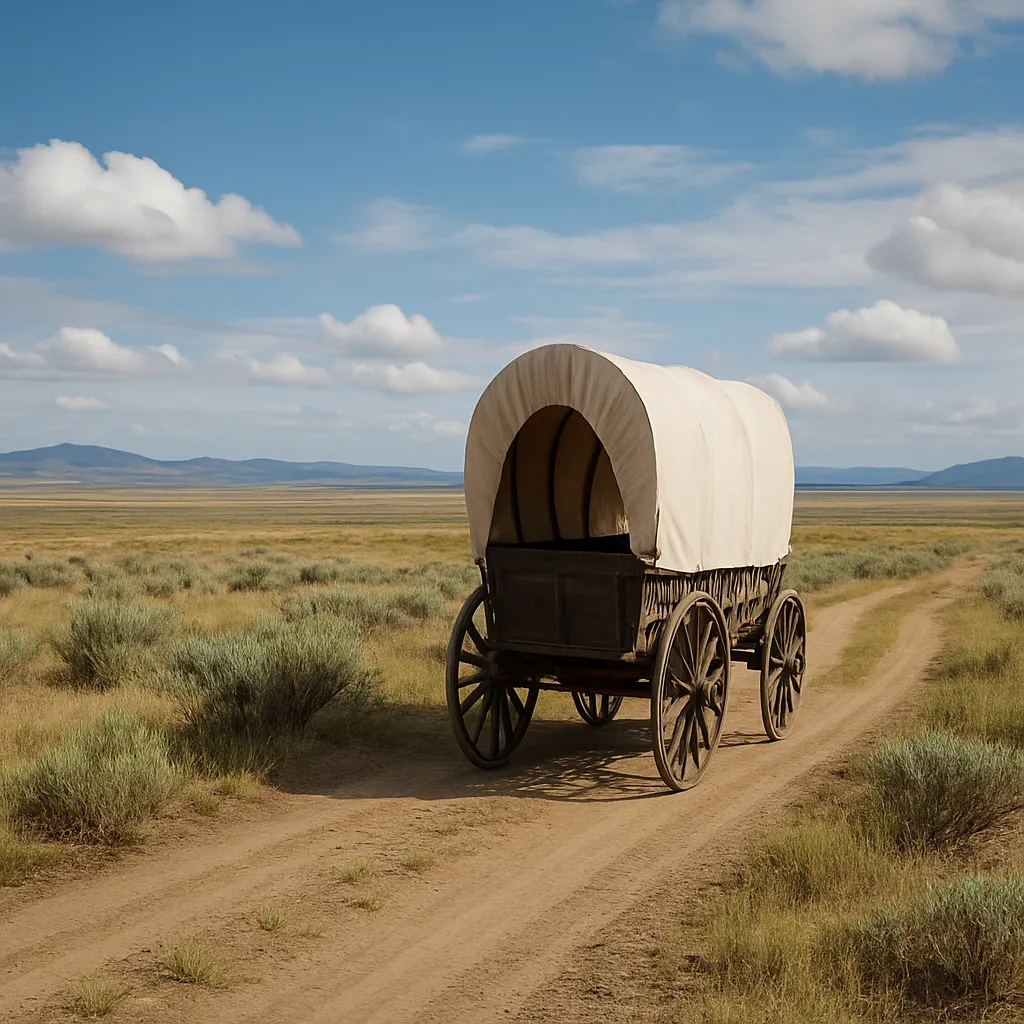
The Oregon Trail was one route people used to move west.
What was the Great Migration?
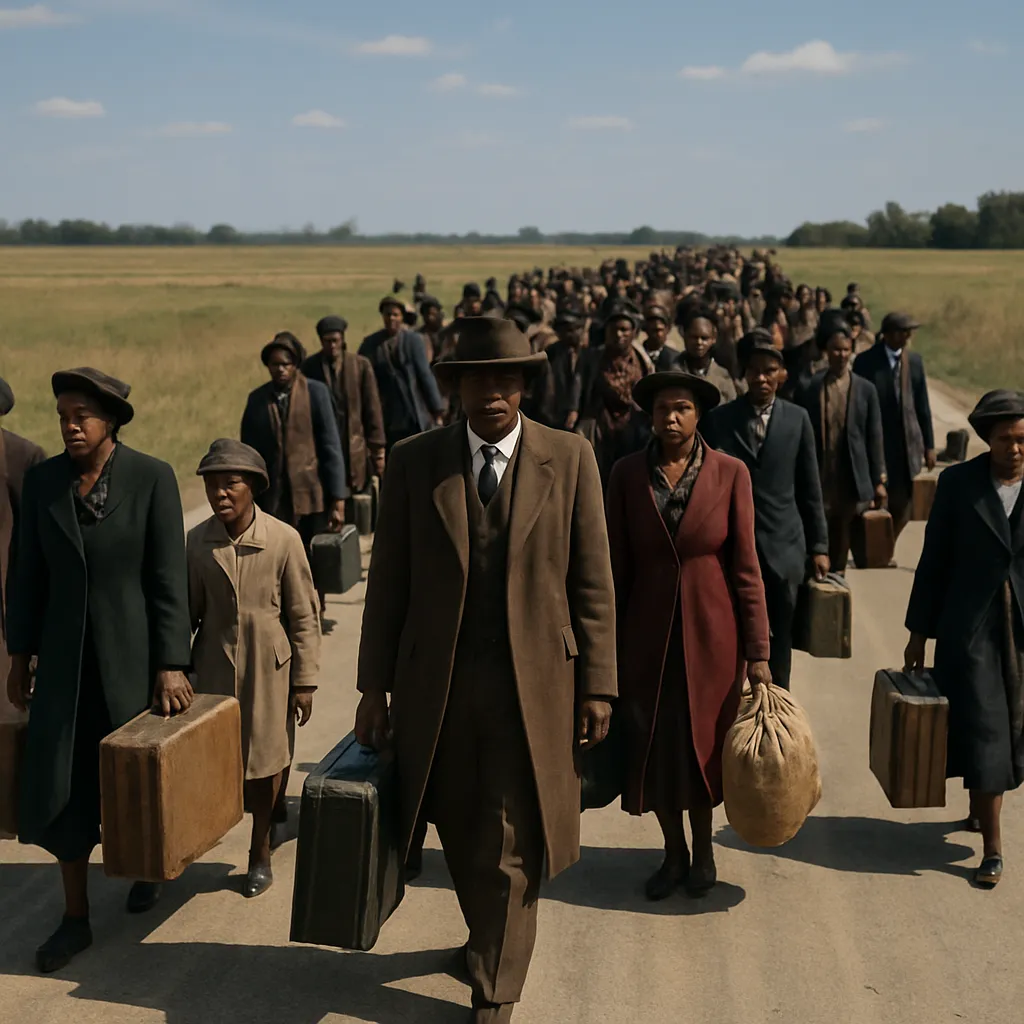
How did the Dust Bowl affect migration in the 1930s?
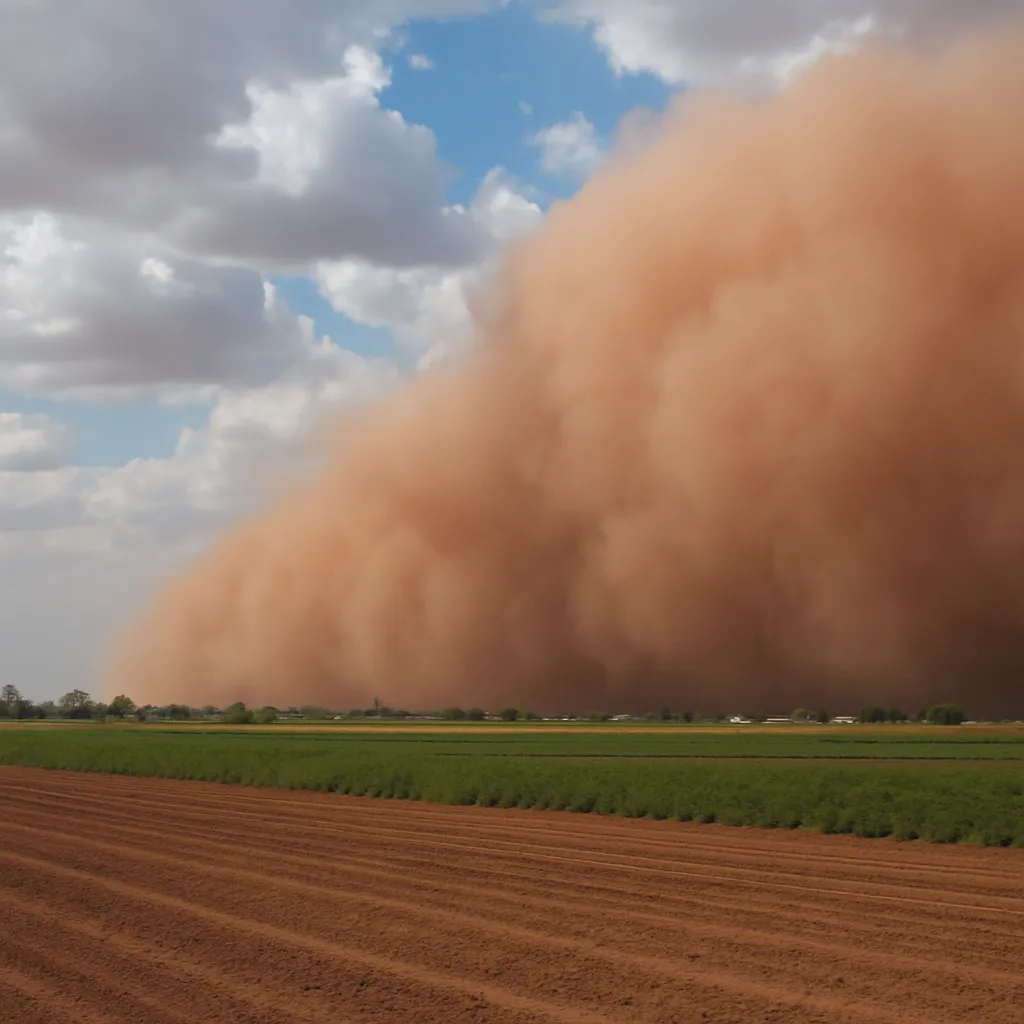
In the early 1900s, millions of immigrants passed through Ellis Island in New York Harbor. Where did most of them come from?
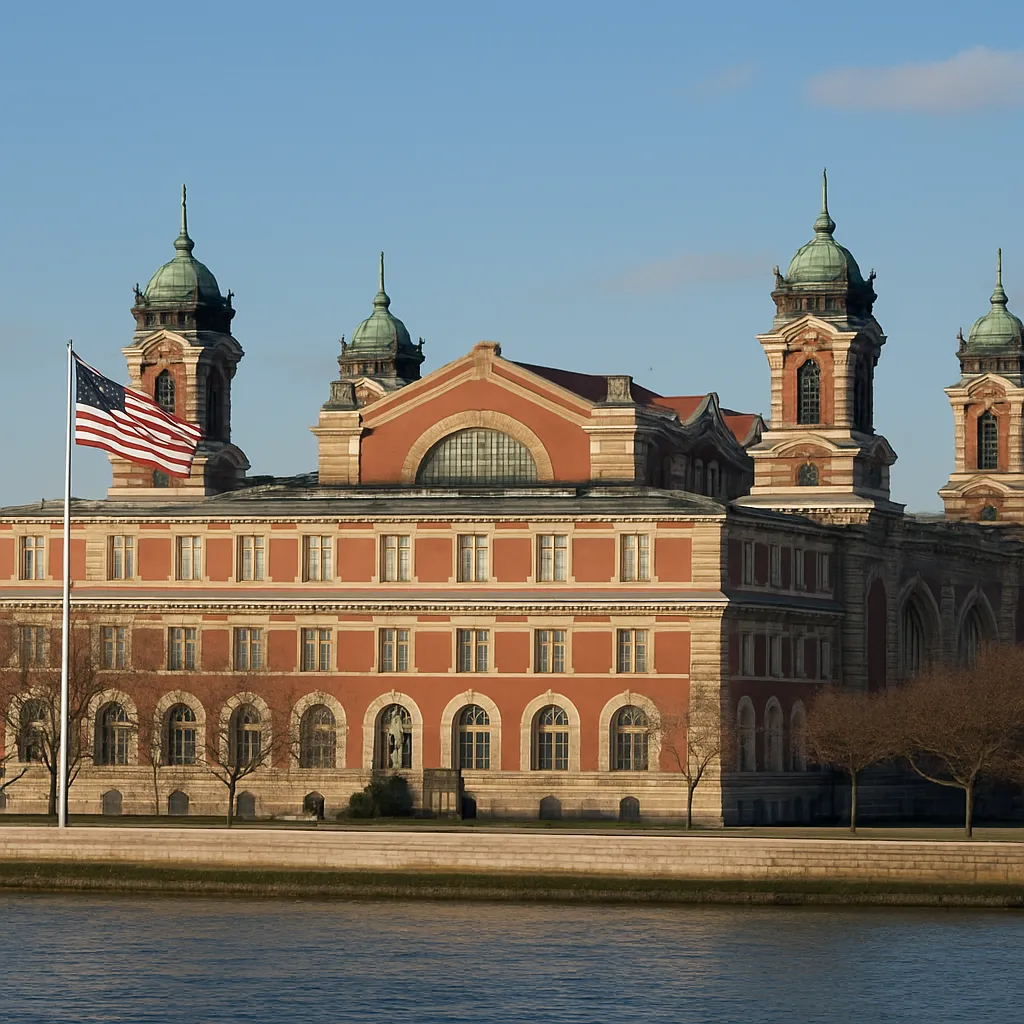
What was Angel Island known for?
When a family moves from one state to another, only the state they moved to sees a population change.
What usually happens when more people move into a town than move out?
What usually happens when more people leave a place than move in?
How can better transportation affect migration?
Why did rivers and harbors often attract settlers?
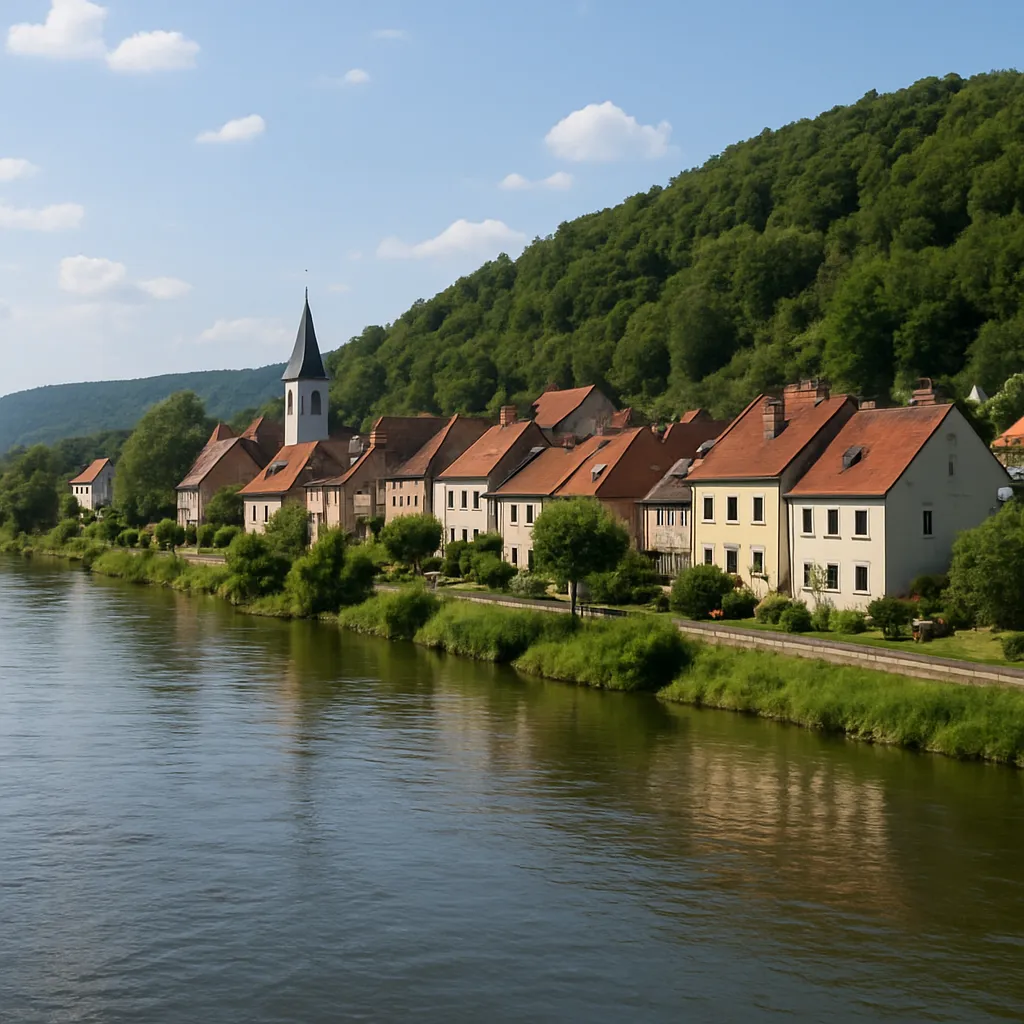
What does densely populated mean?
A place with low population density has many people crowded into a small space.
In the 1830s, the U.S. government made thousands of Cherokee people leave their homelands and march to present-day Oklahoma, a journey now called the Trail of Tears. What kind of migration was this?
How can migration change a community's culture?
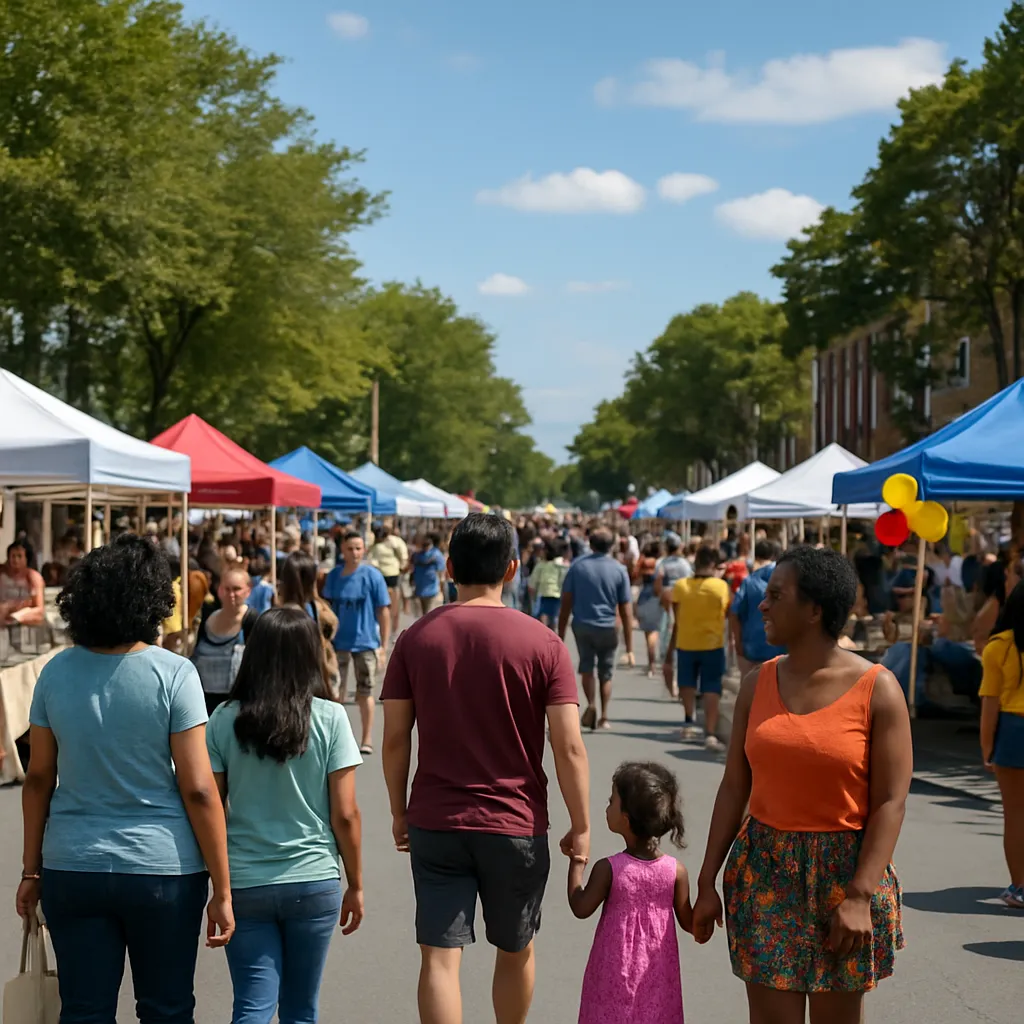
Natural disasters such as hurricanes, floods, or wildfires can cause people to migrate.
Which primary source could help historians learn why a family migrated?
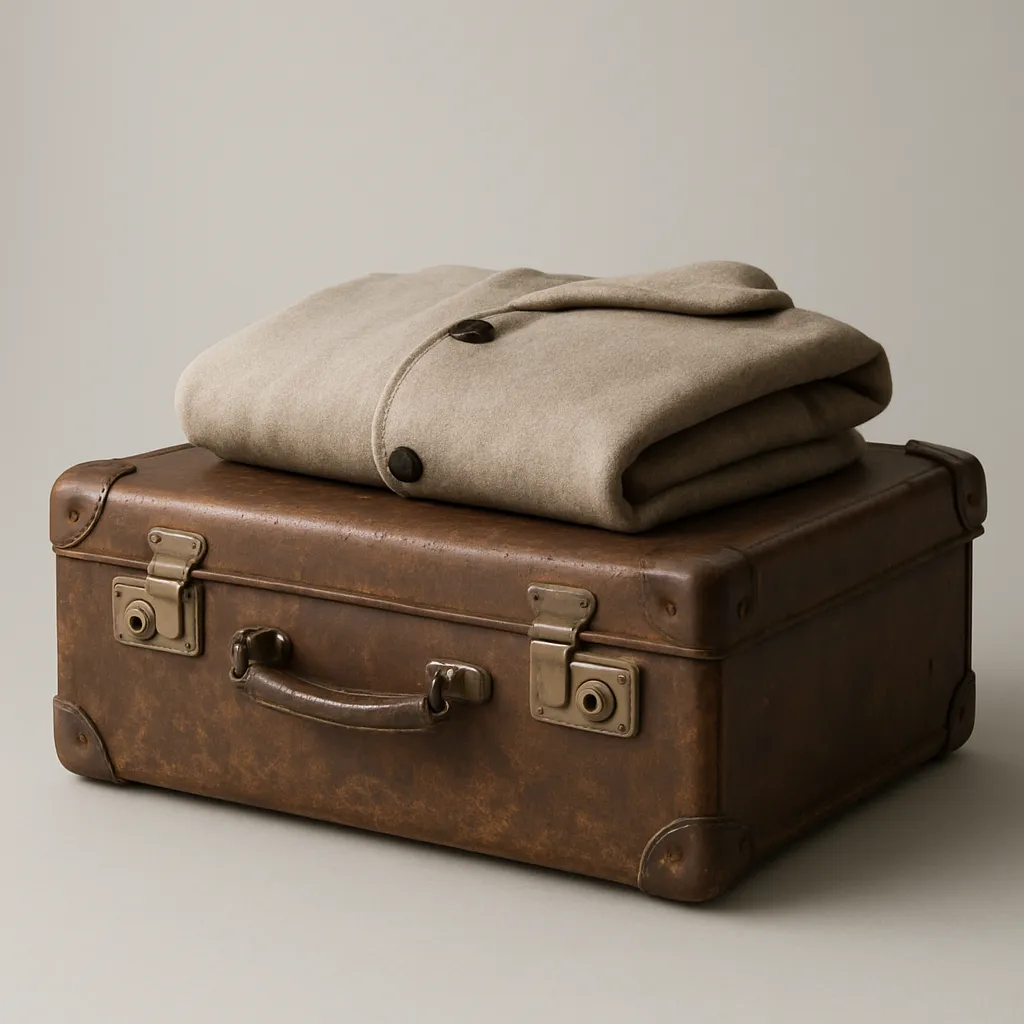
Every year, migrant farmworkers travel from place to place to help harvest crops as they ripen, then return home once the harvest ends. What kind of migration is this?

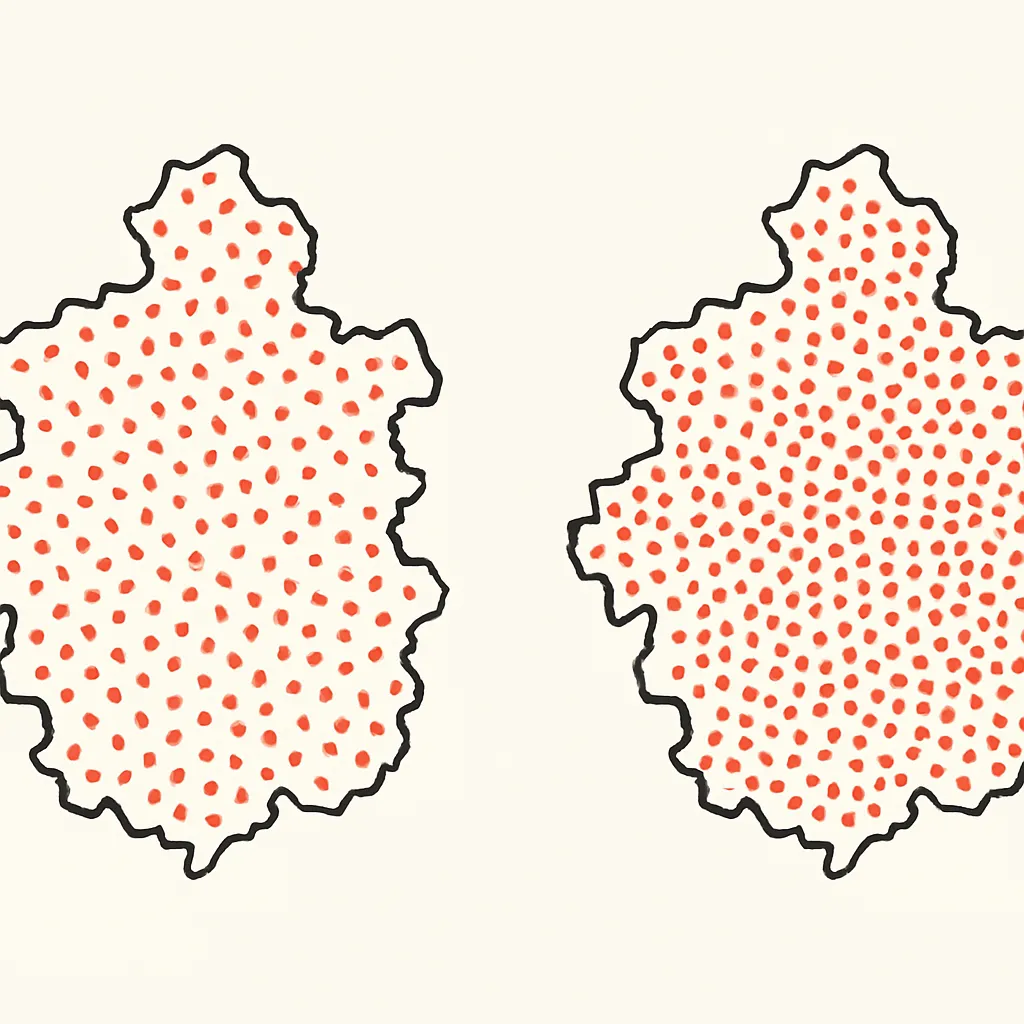
How can comparing population maps from two different years help students?
Crack the passcode before the zombies get in.

Pick a tile, answer, hit bonuses and steals.
Scarcity, Choice, and Opportunity Cost
40 questions