Loading
by BlastRoom
How westward expansion changed the land, the settlers who moved west, and the Indigenous nations already living there.
#history#westward_expansion#statehood#us_grade_4_social_studies
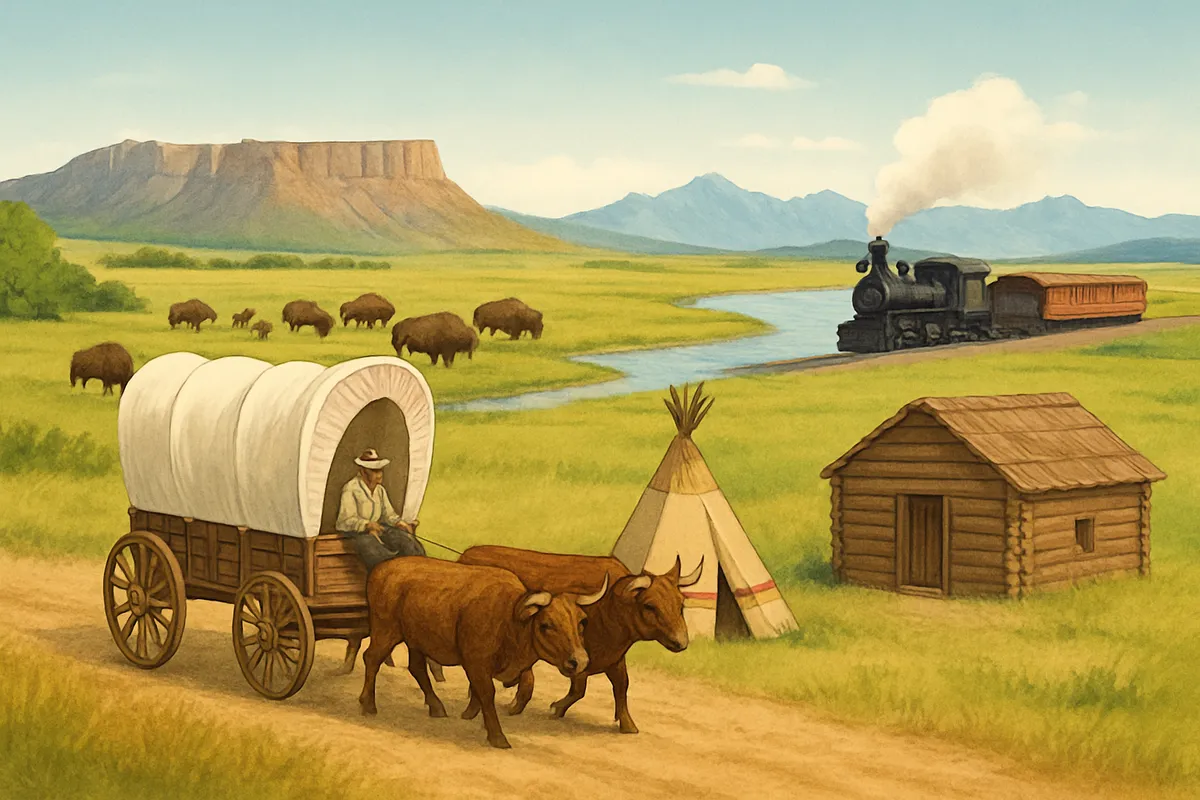
40 questions
One question set, multiple game modes. Tap any game to see it in action. Not sure which to pick?
The Great Plains had thick grass roots and very few trees. What did many homestead families there build their first houses out of?
Prairie sod was so tough that older wooden plows stuck and broke in it. What effect did the new steel plow have on farming on the Plains?
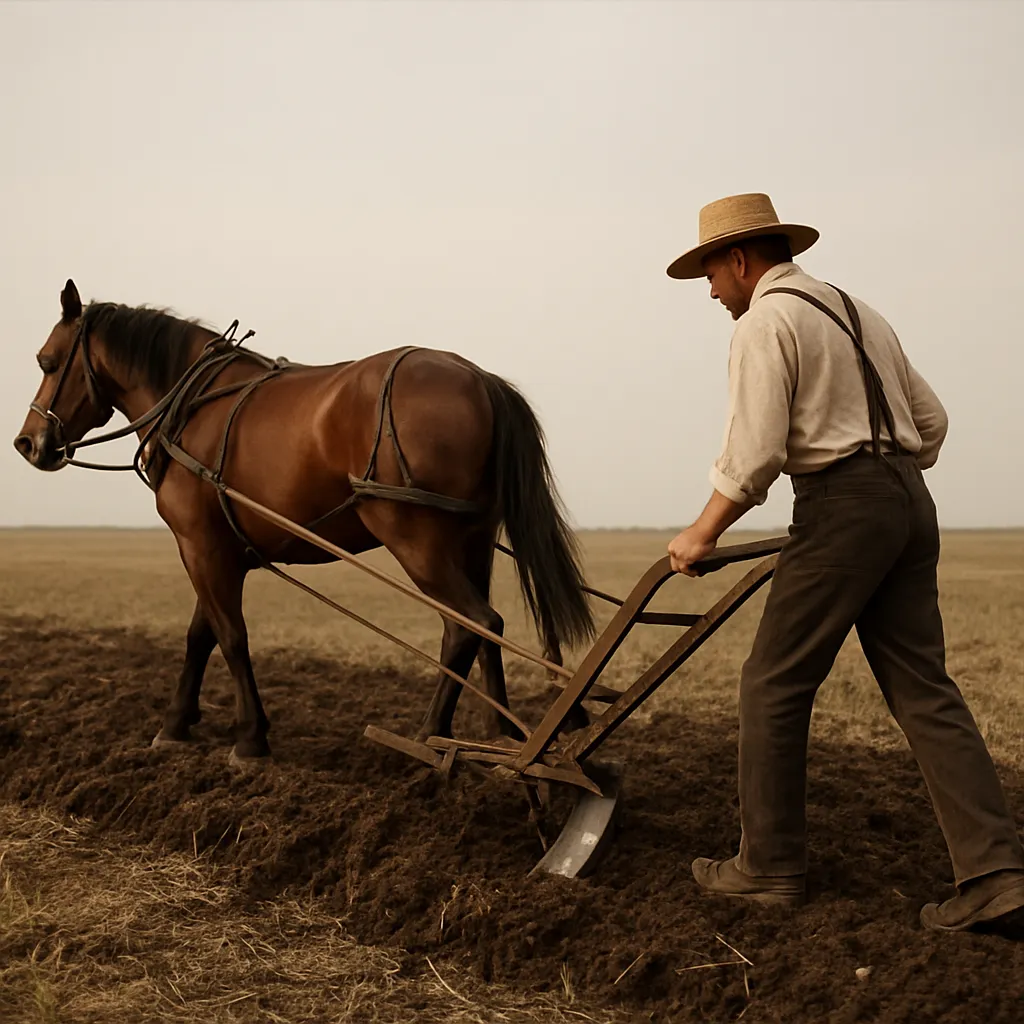
During the 1800s the huge bison herds of the Great Plains were nearly wiped out, as hide hunters riding the new railroads killed them in enormous numbers.
The Lakota, Cheyenne, and Comanche relied on bison for food, clothing, and tepee covers. What happened to these nations when the herds were nearly destroyed?
The United States signed treaties with Indigenous nations promising to leave them certain lands. What happened to many of those treaties as more settlers moved west?
In the 1830s the United States forced the Cherokee, Choctaw, and Muscogee nations to leave their homelands in the Southeast. Where were they made to move?
The Cherokee Nation still exists today, with its own elected government and tribal courts.
Today dozens of Native nations raise their own ___ herds on tribal lands, bringing back an animal that had almost disappeared from the Plains by 1900.
In the late 1800s, ranchers and farmers began stringing barbed wire across the Great Plains. What effect did this fencing have on the open range?
Not everyone agreed about westward expansion. Which sentence best shows two different views that Americans held about it?
What was one major effect of the Louisiana Purchase in 1803?
Which idea encouraged many Americans to move west in the 1800s?
How did westward expansion affect many Native American communities?
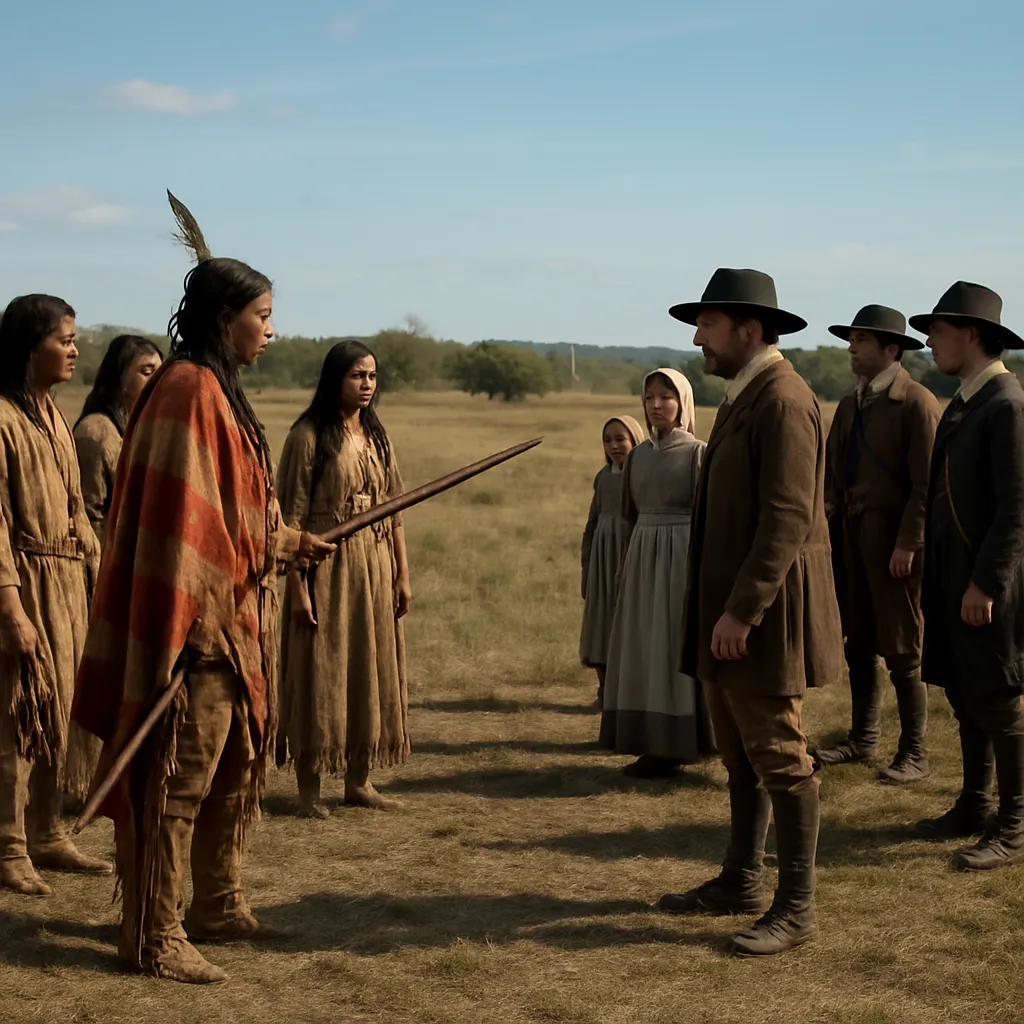
True or False: Westward expansion helped some settlers find new farmland and economic opportunities.
In 1861 a telegraph line was completed connecting California to the rest of the United States. What effect did this technology have on communication?
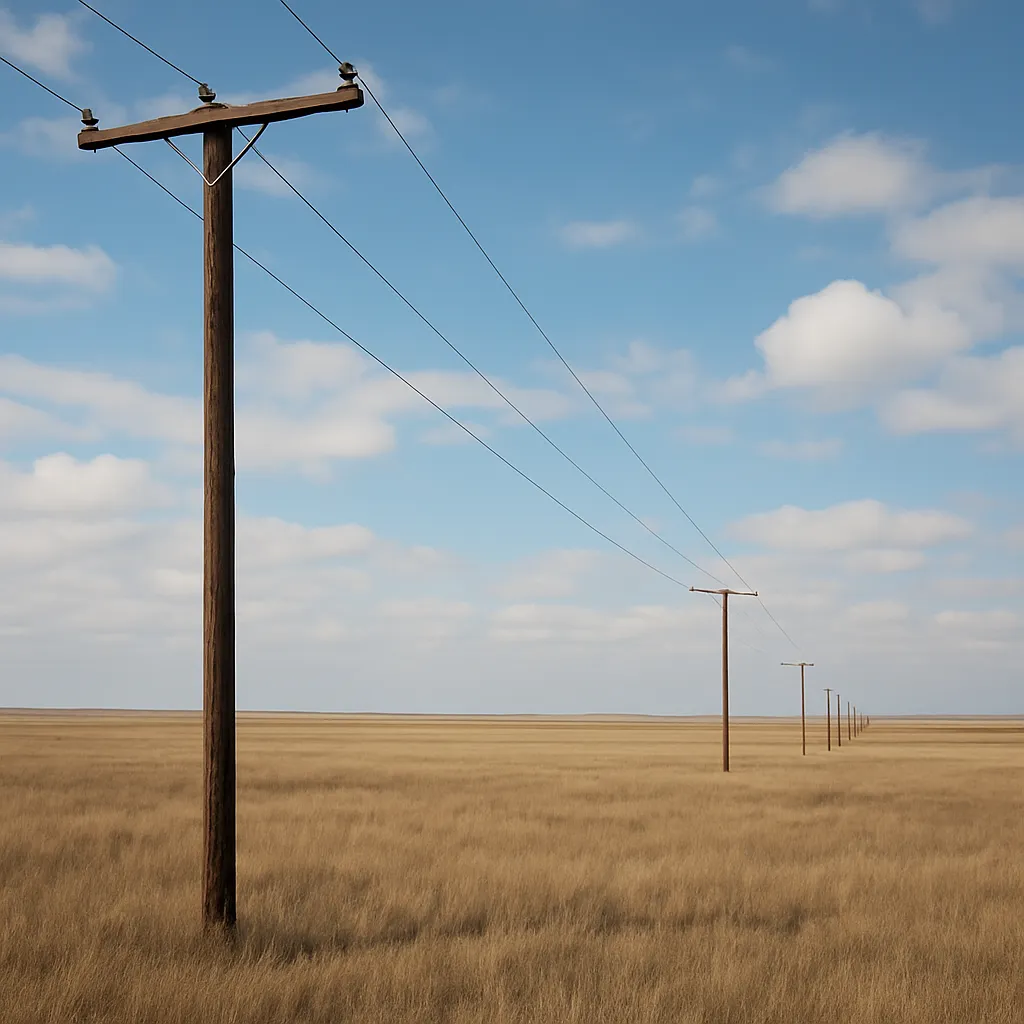
Which trail did many settlers use to travel to the Pacific Northwest?
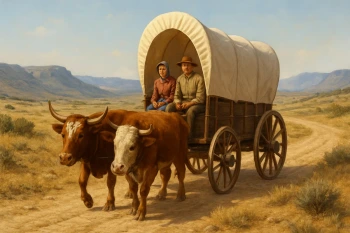
What was a common danger for families traveling west by wagon?
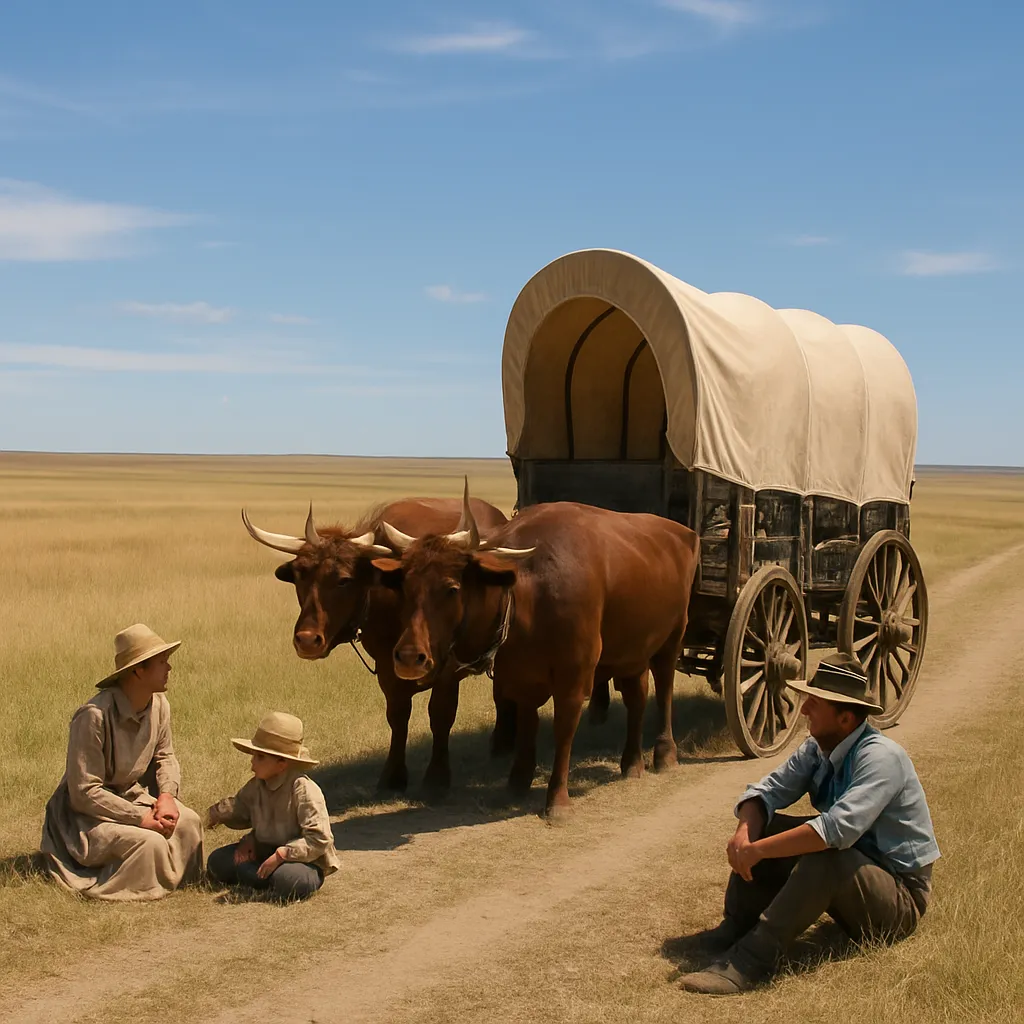
What did the Transcontinental Railroad make easier?
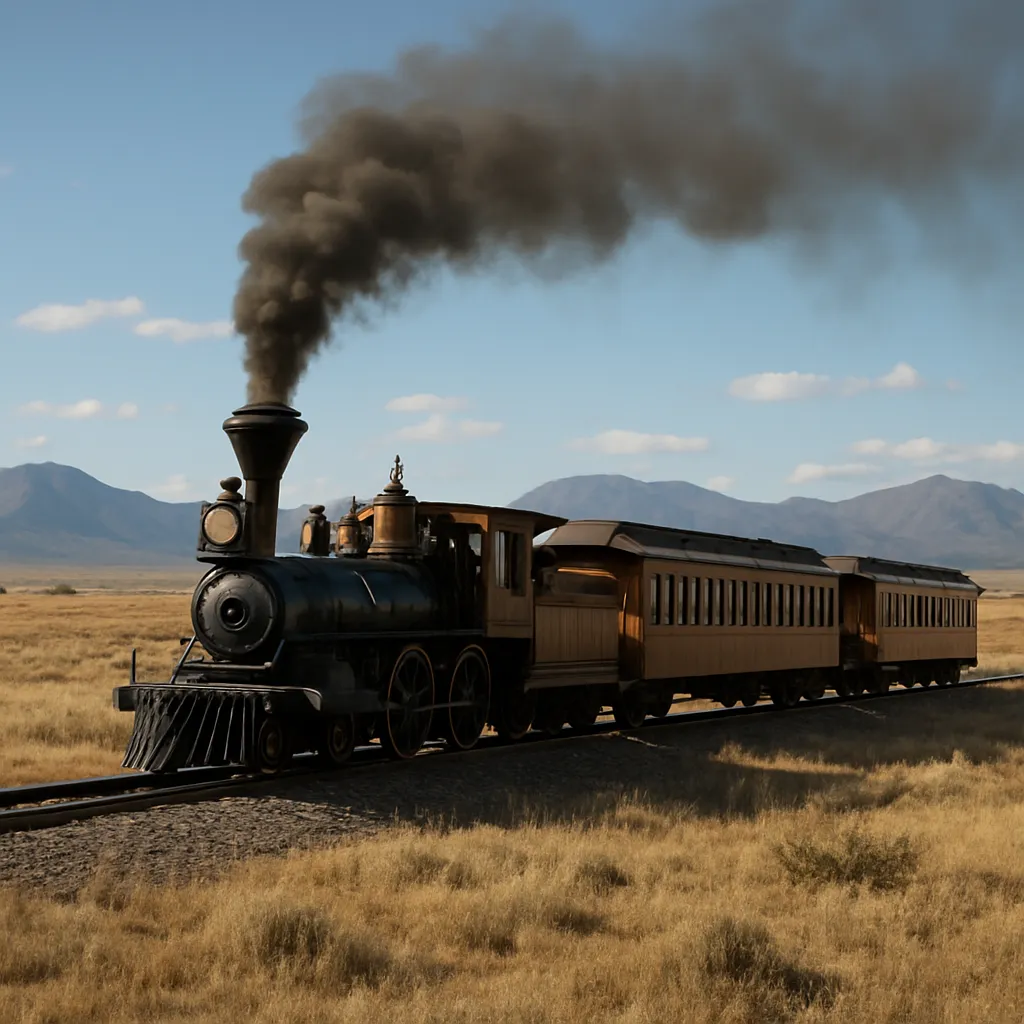
True or False: After the Transcontinental Railroad opened in 1869, crossing the country still took about as long as traveling by wagon.
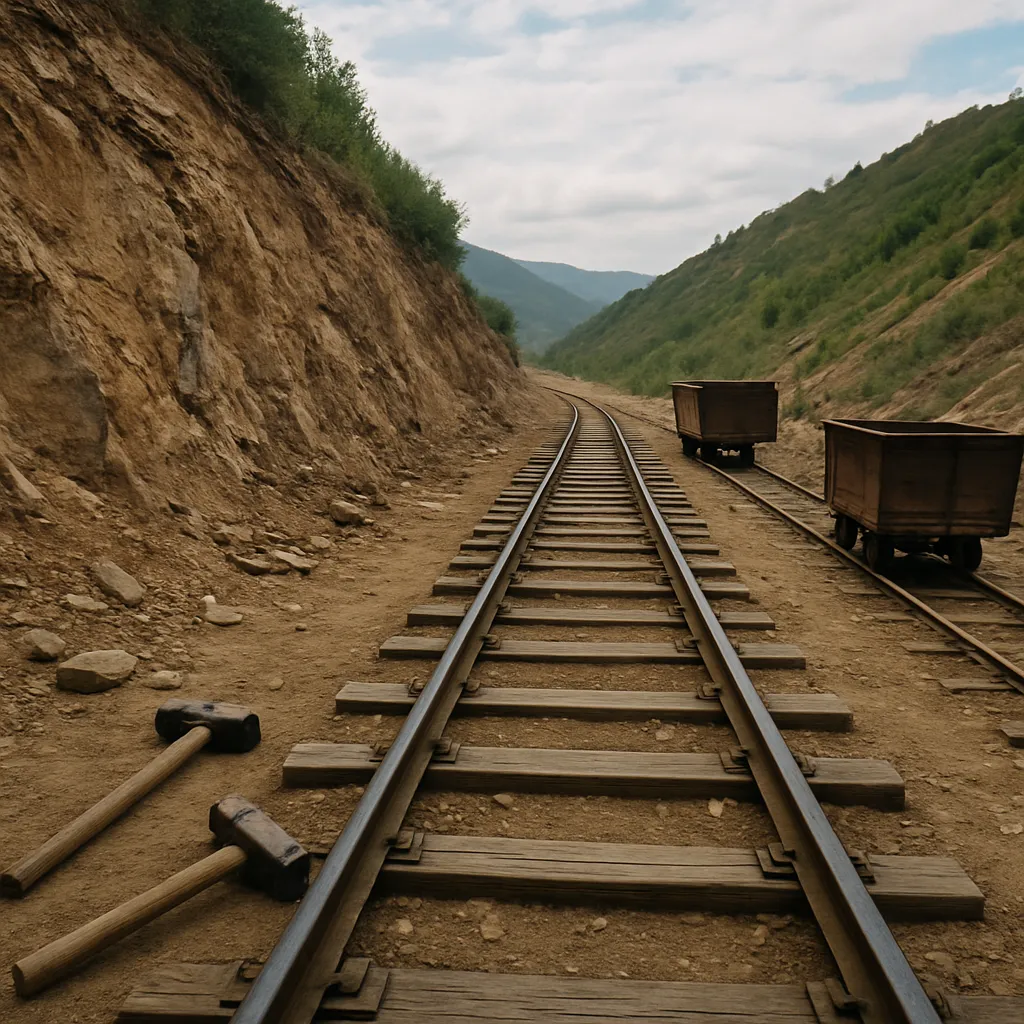
Which group did much dangerous work building railroads in the West?
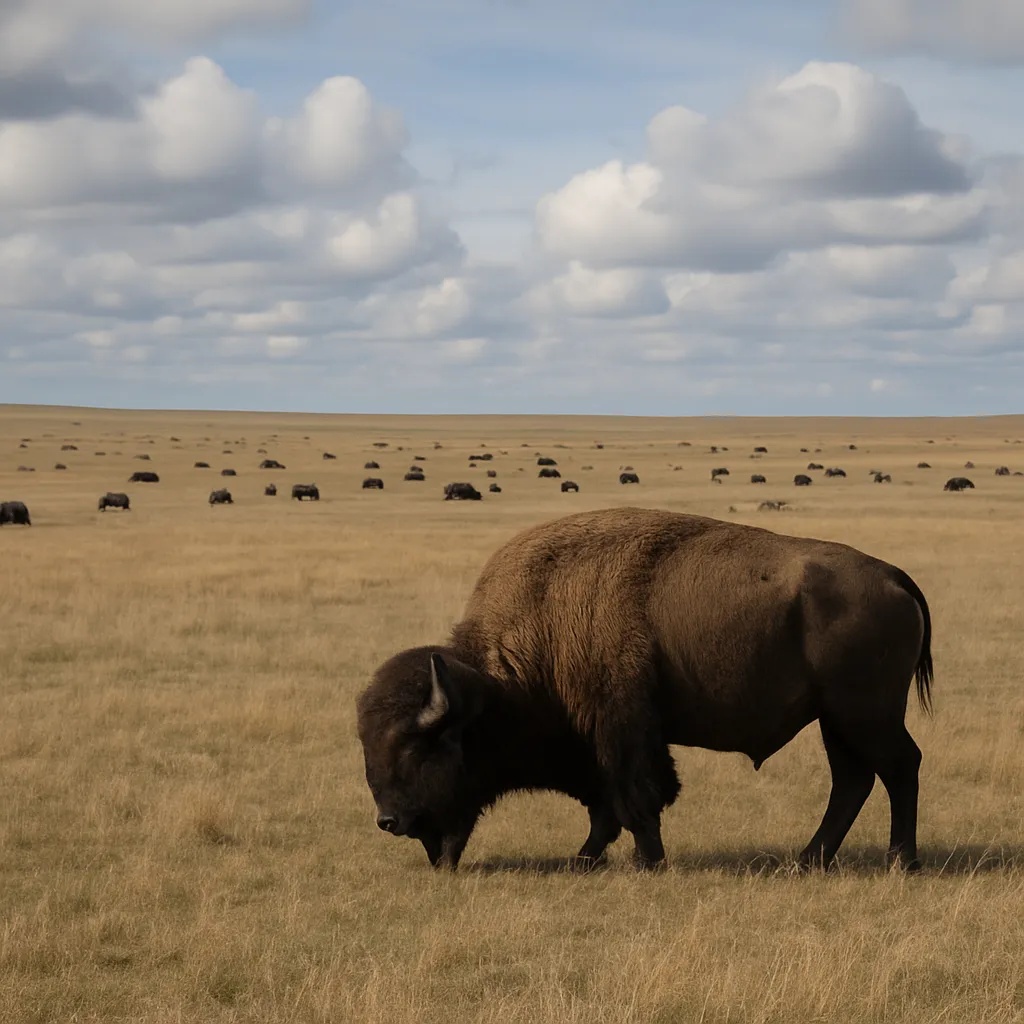
Before the 1800s, about how many bison roamed the Great Plains?
Many Plains nations followed the bison herds from place to place through the year. What kind of homes fit this way of life?
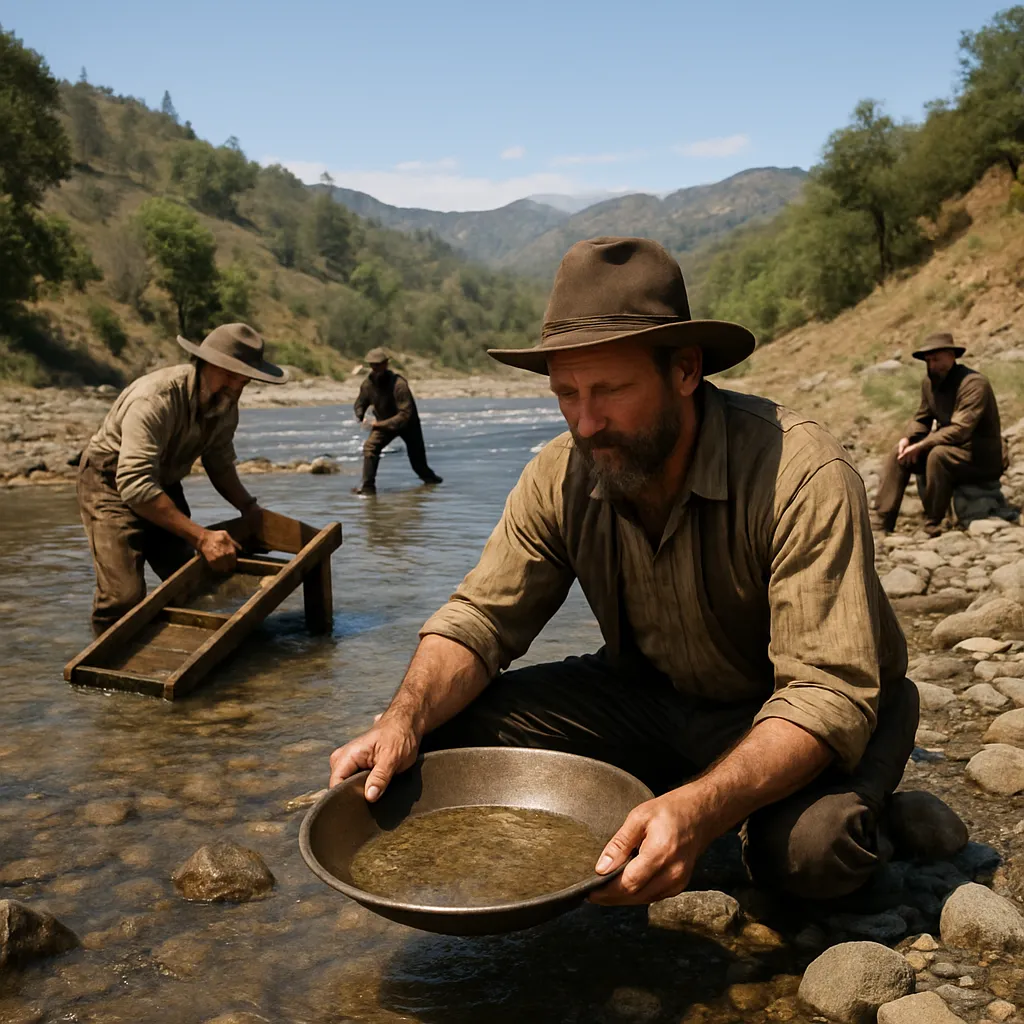
What was one effect of the California Gold Rush?
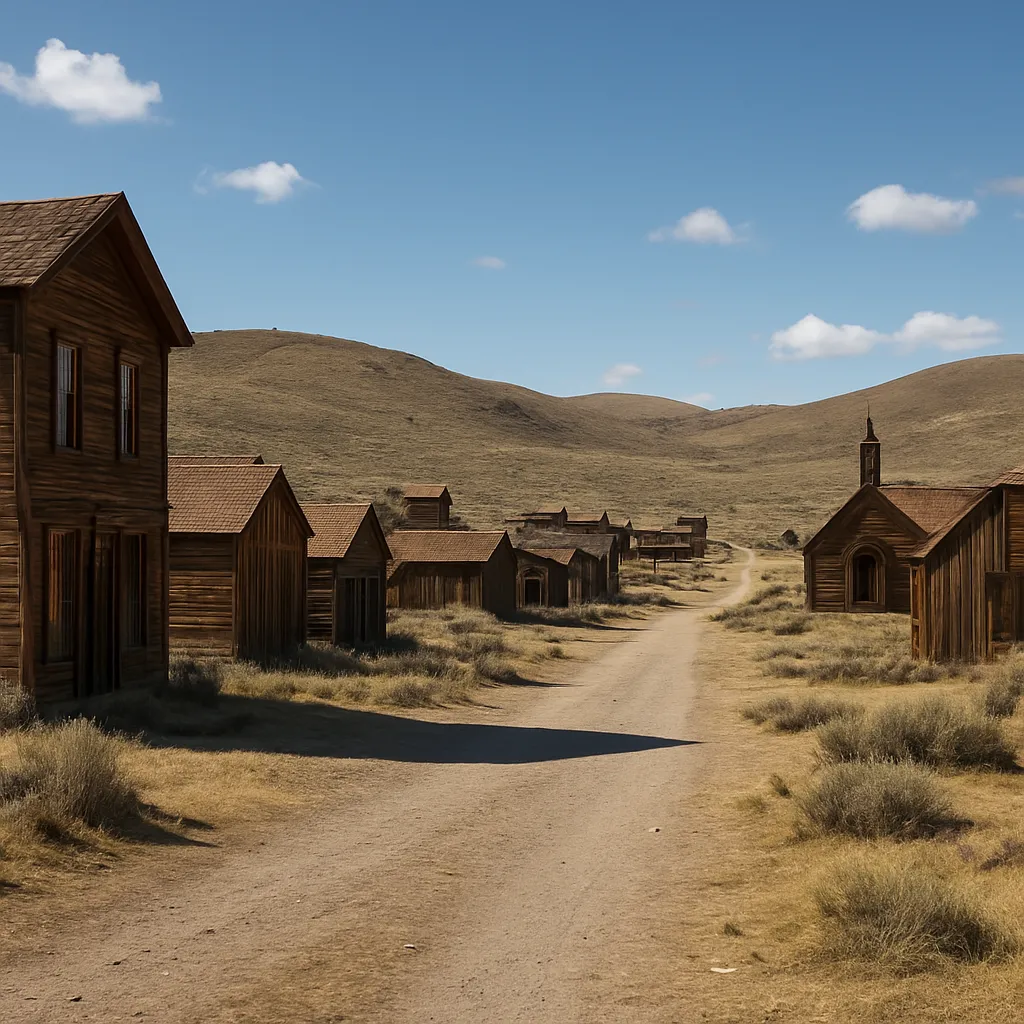
How did mining towns often change after gold or silver became hard to find?
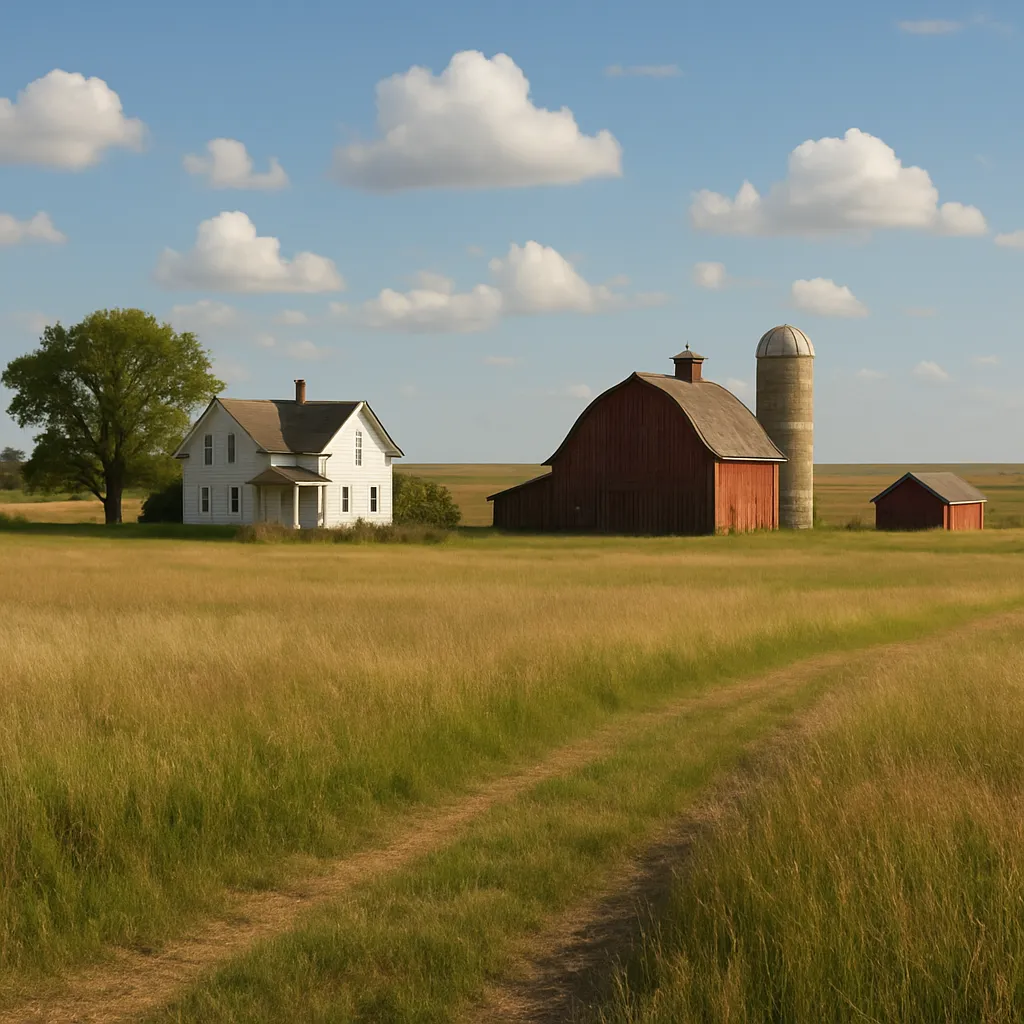
What law offered land to settlers who would live on and improve it?
True or False: U.S. expansion affected the environment as forests, grasslands, and animal habitats changed.
A family that claimed land under the Homestead Act had to live on it and farm it before they could own it. How long did they have to stay?
In 1838 and 1839 the Cherokee were forced to walk west to Indian Territory, and thousands died on the way. What is this journey called?
What were reservations?
True or False: Native nations on the Great Plains gained more than they lost from westward expansion.
What war ended with the United States gaining land in the Southwest and California?
Which agreement ended the Mexican-American War?
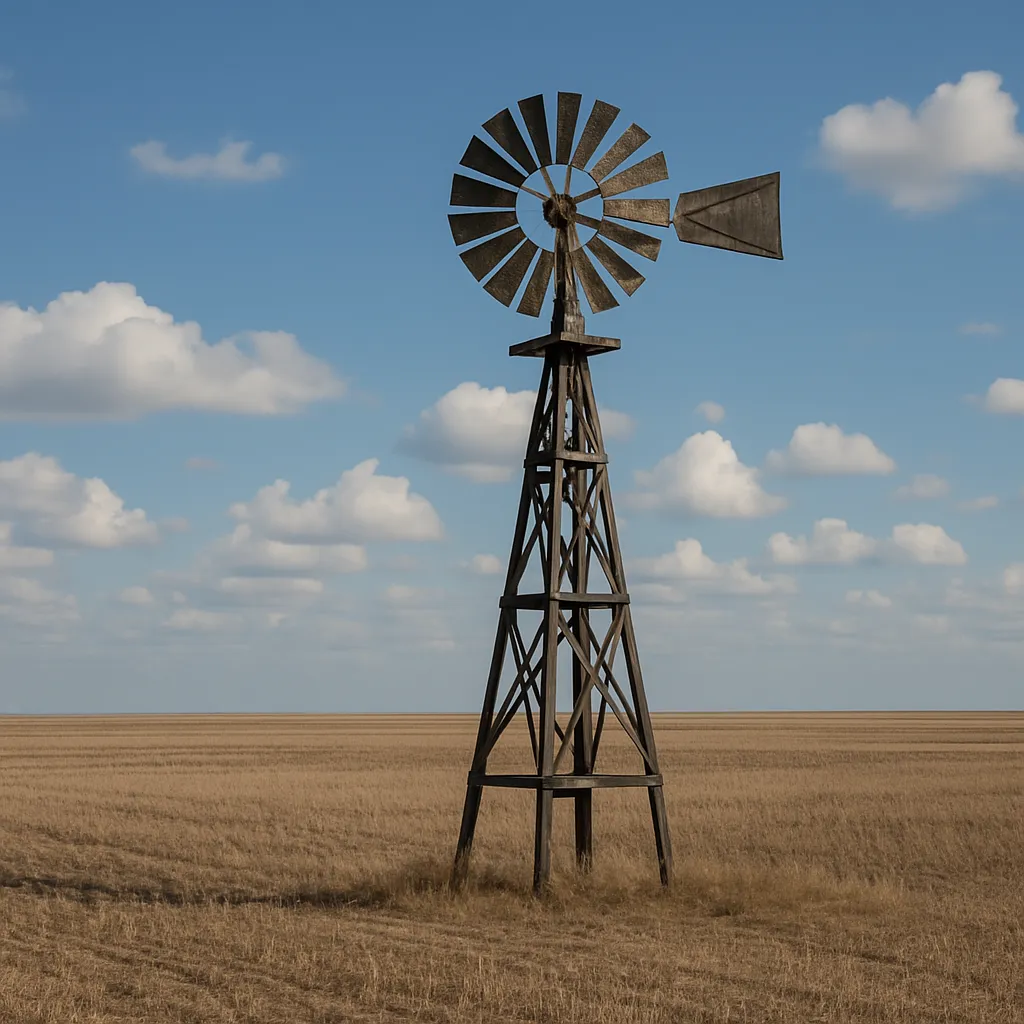
Much of the Great Plains was too dry for farming until windmills came into wide use in the late 1800s. What effect did windmills have on Plains farms?
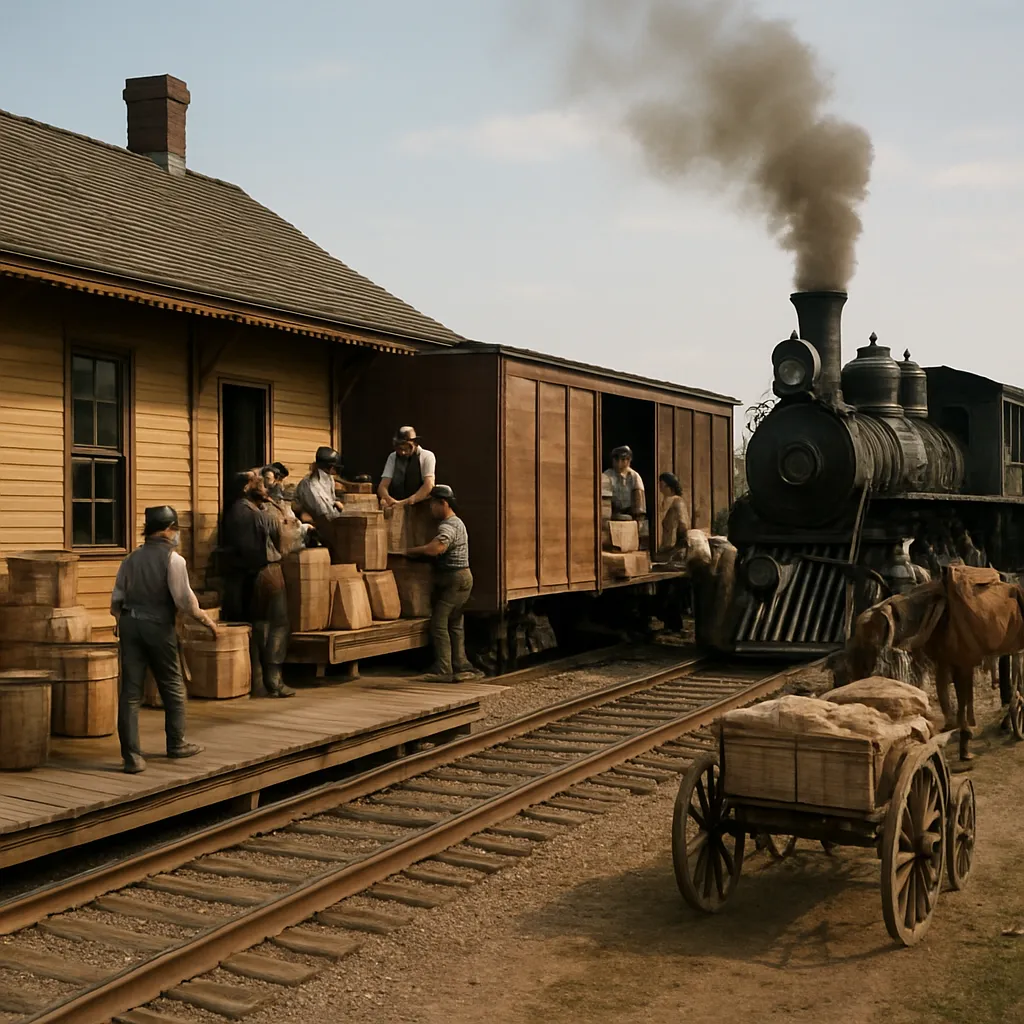
How did expansion affect trade in the United States?
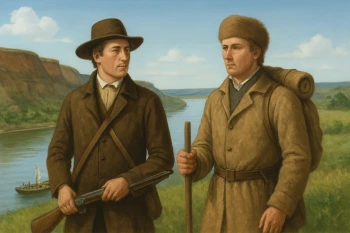
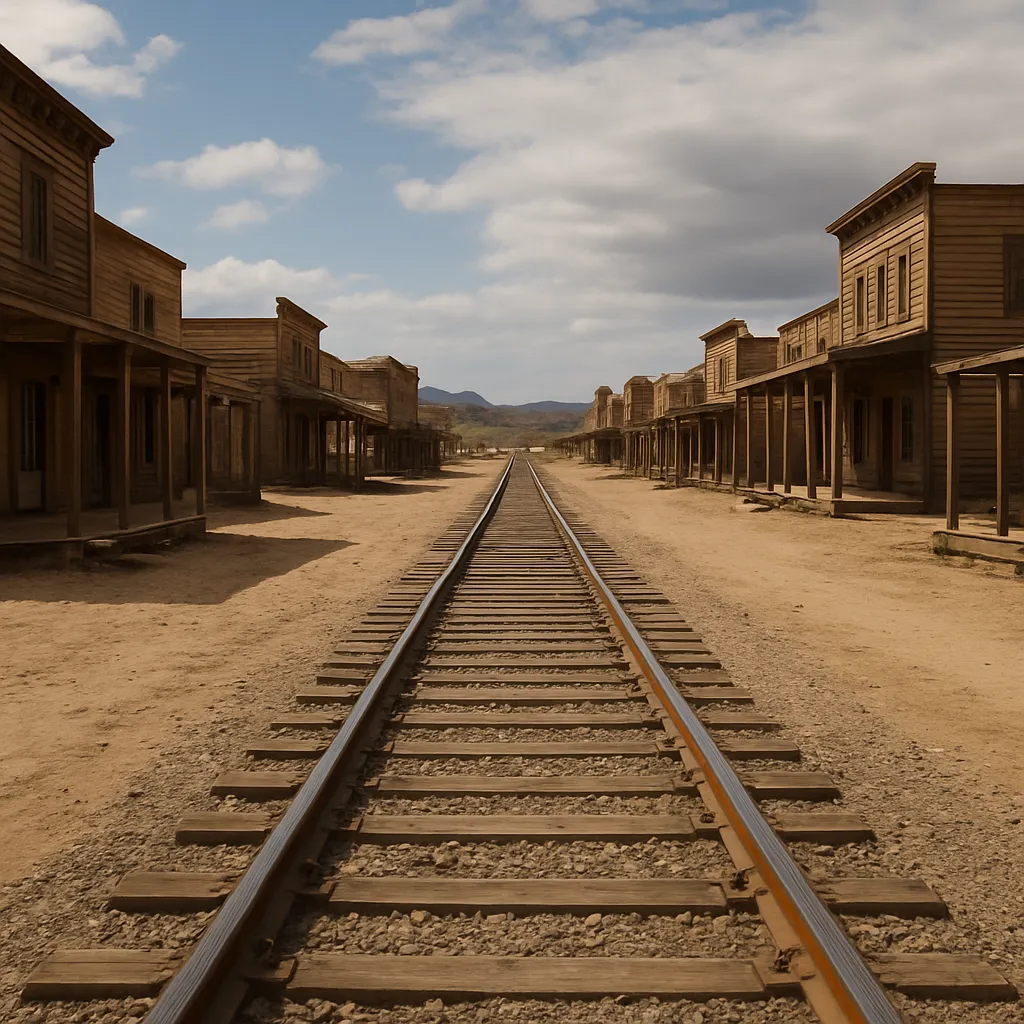
What role did rivers and trails play in westward expansion?
True or False: Chinese workers who built the Central Pacific Railroad were paid the same wages as white workers.
How did westward expansion affect many Mexican Americans living in lands gained by the United States?
What was one effect of building towns, farms, and railroads in the West?
Why did some people oppose westward expansion?
True or False: Wagon wheels on the Oregon Trail wore deep ruts into the ground, and some can still be seen today.
Crack the passcode before the zombies get in.

Pick a tile, answer, hit bonuses and steals.
Immigration and Ellis Island
40 questions