Loading
by BlastRoom
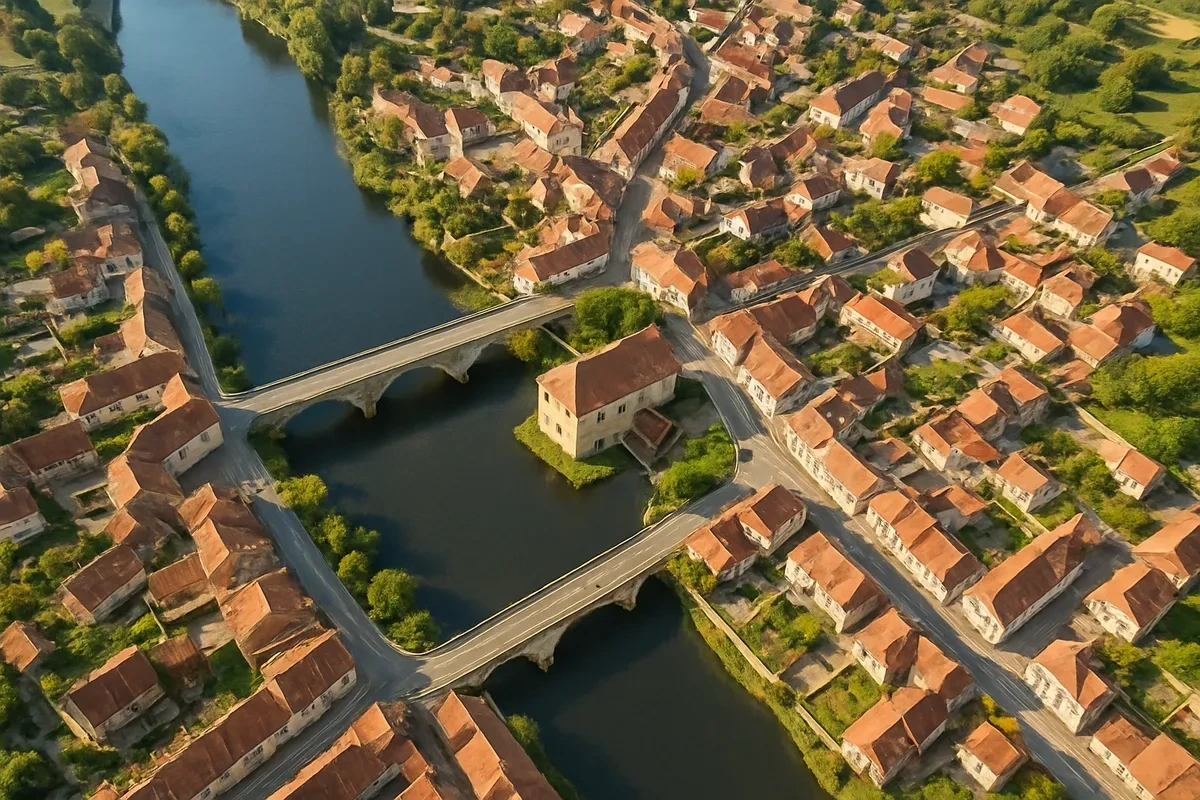
How rivers, harbors, soil, and mountain passes shaped where people settled and how they made a living.
#geography#us_grade_5_social_studies
40 questions
One question set, multiple game modes. Tap any game to see it in action. Not sure which to pick?
Answer to place stones and capture territory.
Outrun the snow together.
Earn blasts, then hunt the other team.
Answer to earn energy, then climb.

The class blasts through walls together.
Bid on mystery lots. Most money wins.
Sell tours. Nice, standard, or a total scam.

Answer, restock, and serve the rush.
More correct answers pulls the rope your way.
Answer, then shoot down the alien wave.
Answer, then tap to leap the frozen ridge.
Where rivers cross the fall line, they tumble over rapids, and boats coming from the ocean can go no farther upstream. Why did towns often grow at these spots?
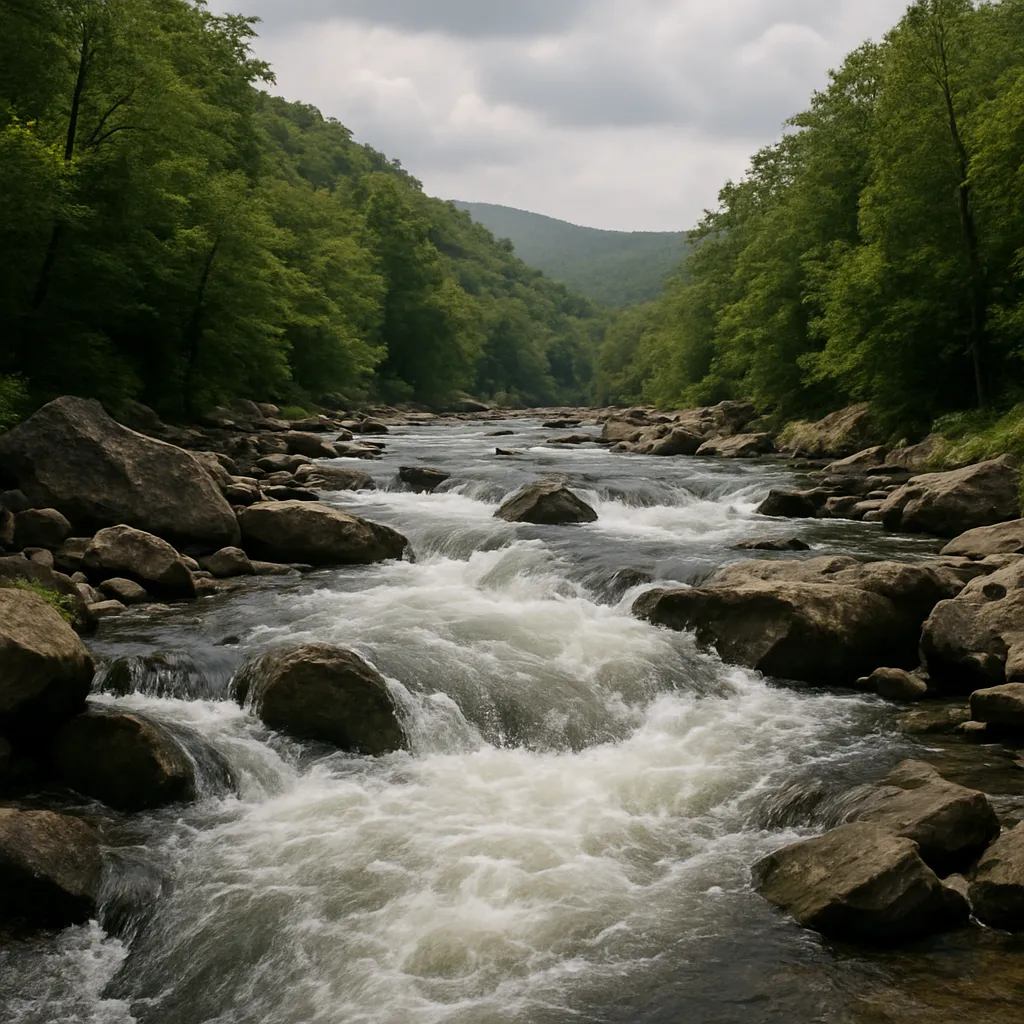
A natural harbor is deep water that is sheltered from ocean storms. Why did colonial towns often grow around one?
Glaciers left New England with thin, rocky soil and a short growing season. How did that shape farming in the New England Colonies?
New England had thick forests of tall timber and many sheltered harbors along its coast. Which industry grew from that combination?
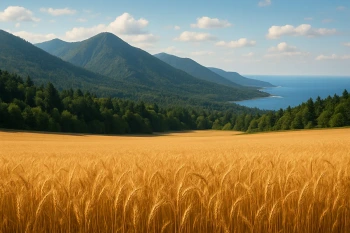
The Southern Colonies had rich soil, a long growing season, and wide rivers that reached the sea. What kind of farming grew there because of it?
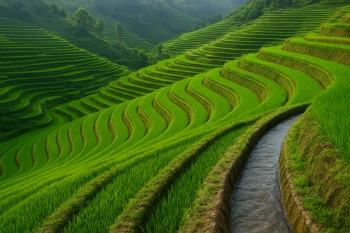
Wide tidal rivers and swampy lowlands in South Carolina let planters flood their fields to grow rice. Carolina planters built their rice fortunes on the labor of which group?
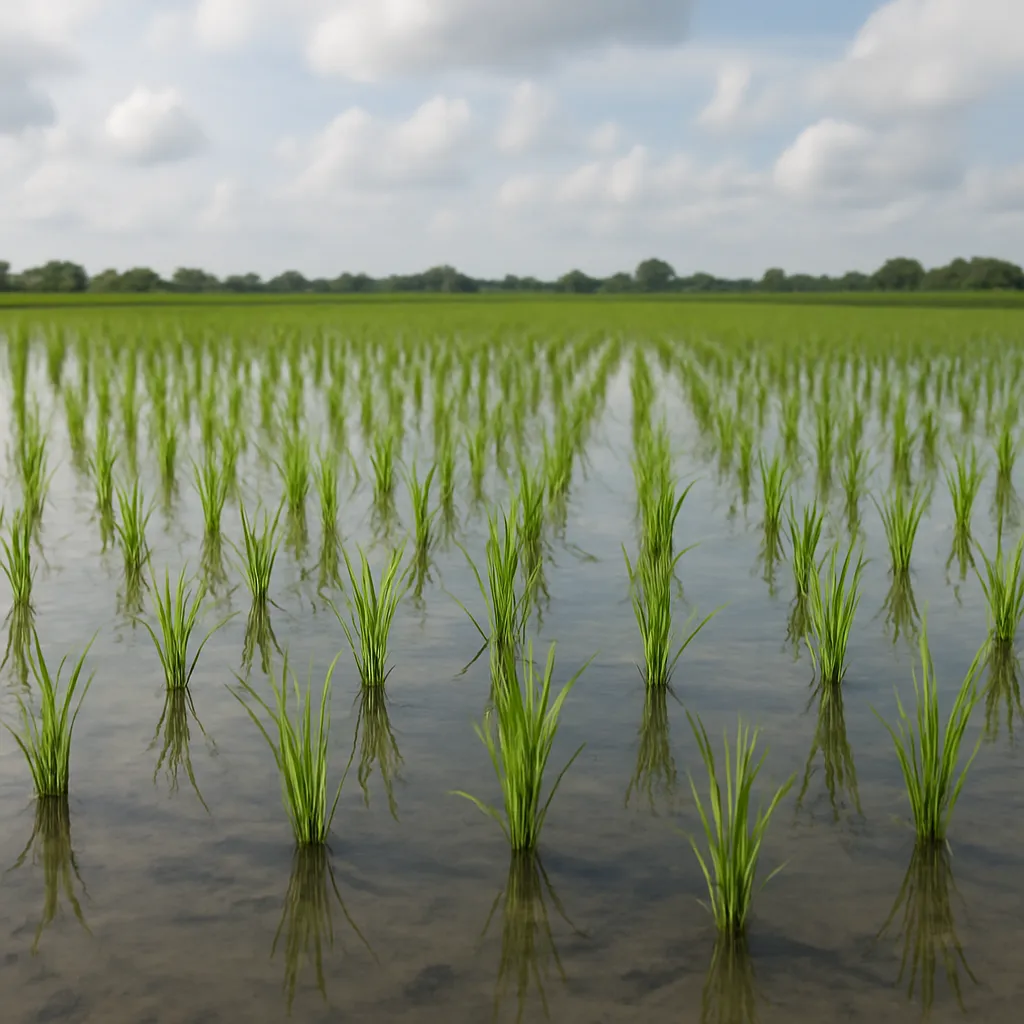
Fertile soil and a moderate climate let farmers in Pennsylvania and New York grow large crops of wheat. What nickname did the Middle Colonies earn from this?
In 1607 colonists chose the Jamestown site partly because ships could anchor in deep water right beside the bank. What problem did the same low, marshy site cause?
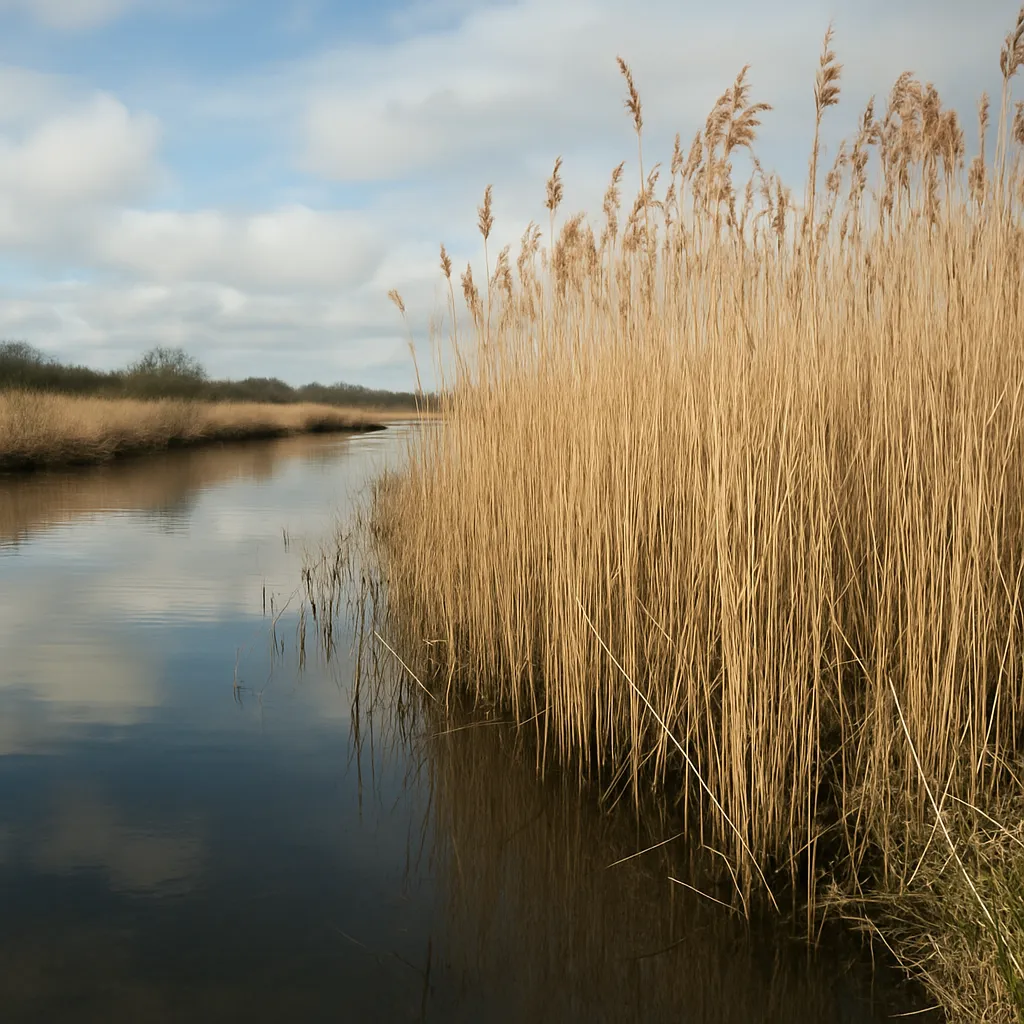
The Appalachian Mountains blocked easy travel inland from the coast. Why did so many settlers head for the Cumberland Gap?
The Erie Canal linked the Hudson River to Lake Erie, giving farm goods from the Great Lakes a water route east to New York City.
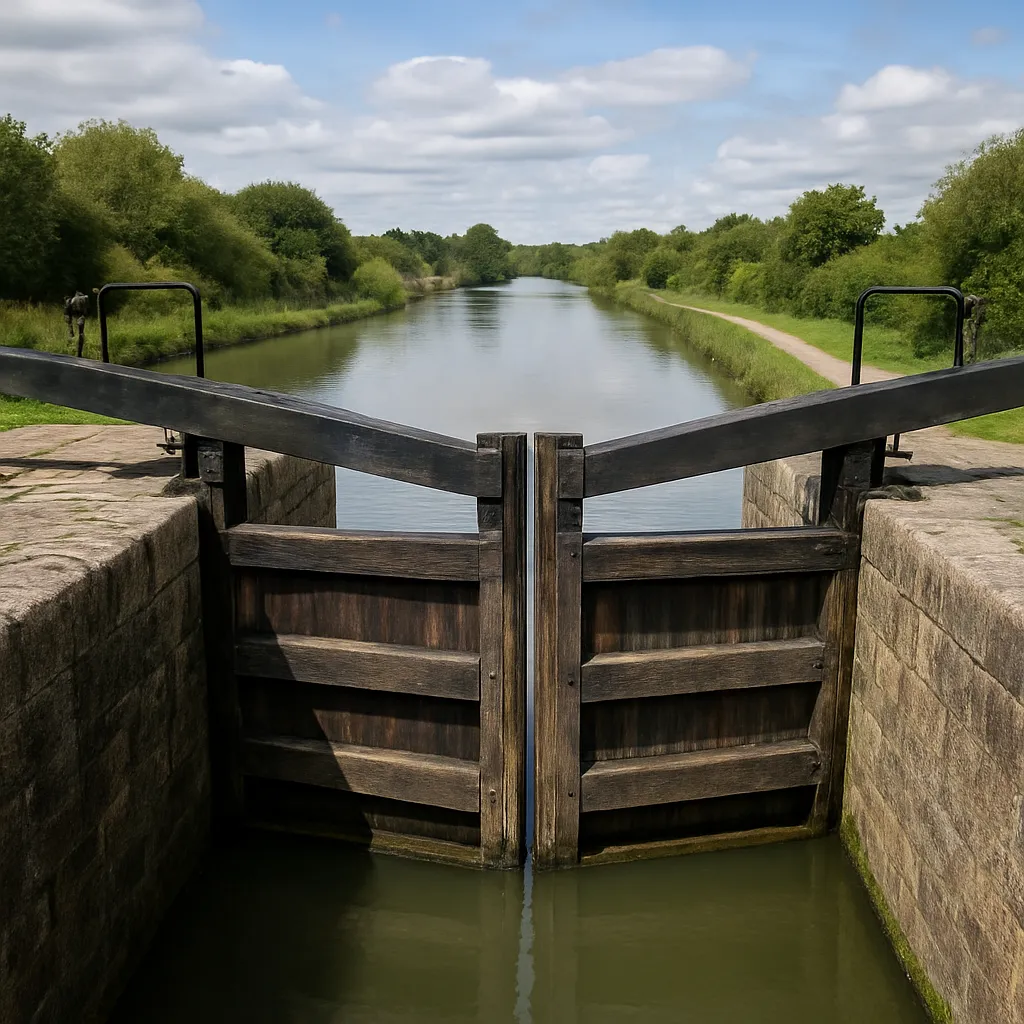
After the Erie Canal opened in 1825, canal towns such as Rochester and Buffalo grew very quickly. What best explains that growth?
Farmers in the Ohio Valley floated their crops down the Mississippi River. Why was the port of New Orleans so important to them?
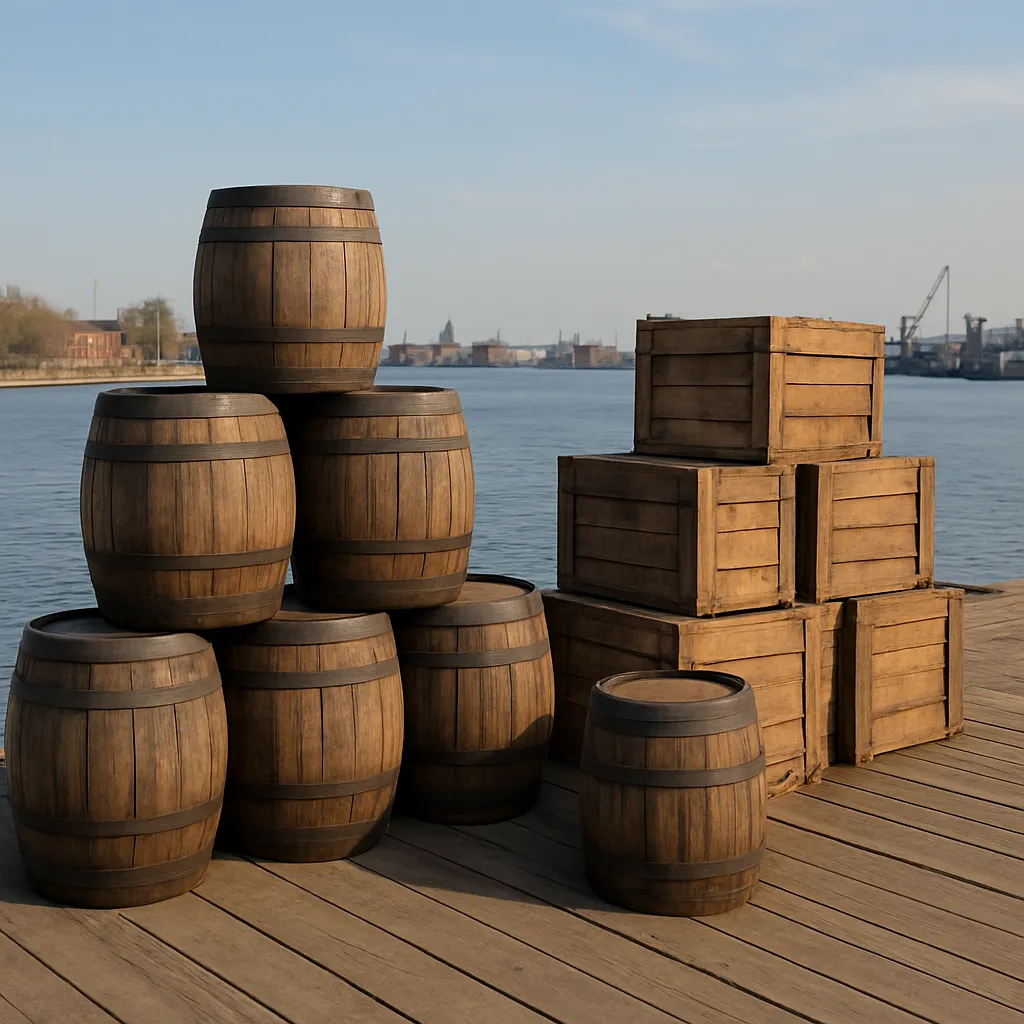
The Mississippi River flows south to the Gulf of Mexico. Why did Ohio Valley farmers ship crops by river instead of hauling them east over the Appalachians?
The grasslands of the Great Plains had deep, rich soil but almost no trees. What did settlers there build their first houses from?
Pueblo peoples of the dry Southwest dug ditches to carry river water out to their fields. What problem were those ditches solving?
Nations of the Pacific Northwest Coast, such as the Tlingit and Haida, built large permanent villages without farming. Which resource made that possible?
Pittsburgh grew where the Allegheny and Monongahela rivers meet to form the Ohio River. Why was that a valuable place to build a settlement?
Before railroads, most inland towns grew along rivers and canals. What changed as railroads spread across the country during the 1800s?
What does a settlement pattern describe?
Why have many communities been built near rivers?
True or False: Mountains usually make travel and communication between settlements easier.
Which location would most likely help a port city grow?
What is one reason farms often develop on plains?
A neighborhood has houses built close together, several apartment buildings, and many stores and offices within walking distance. Which settlement pattern does this describe?
Which geographic feature often helped early towns become trade centers?
In the 1900s, more families owned cars and new highways were built. How did this change where many Americans lived?
True or False: Climate can affect settlement because it influences farming, housing, and daily life.
Why might fewer people settle in a very dry desert region?
Which resource drew thousands of settlers to California after 1848?
What is urbanization?
A community has single-family houses with yards, a shopping center, and streets that connect to a larger nearby city. Which settlement pattern does this describe?
Which statement best explains why coastal areas often have large settlements?
How can natural resources influence settlement?
A community has scattered farmhouses, wide open fields, and only a few unpaved roads. Which settlement pattern best describes this place?
In the 1800s some towns sprang up almost overnight near new mines or rail lines, then often emptied when the work ran out. What were these towns called?
Many early New England mill towns grew up right beside waterfalls. Why?
True or False: Human-made features like highways and canals have little to no effect on settlement patterns.
Which factor would most likely encourage a town to grow into a larger city?
What is a push factor in migration?
What is a pull factor in migration?
Crack the passcode before the zombies get in.
Answer, then swat bugs for bonus points.
Race through questions at your own speed.
Same question on every screen. Fastest wins.

Pick a tile, answer, hit bonuses and steals.

Elements of Culture and Cultural Diffusion
40 questions