Loading
by BlastRoom
Students compare LANs and WANs, star, bus, ring and mesh topologies, wired and wireless links, and client-server and peer-to-peer networks.
#computing#ict#cambridge_computing#cambridge_computing_stage_8
20 questions
One question set, multiple game modes. Tap any game to see it in action. Not sure which to pick?
What does LAN stand for?
What does WAN stand for?
What area does a LAN usually cover?
Which of these is the best example of a WAN?
In a star topology, what does each device connect to?
In a bus topology, how are the devices connected?
In a ring topology, how are the devices linked?
Look at the star network. The cable between computer C and the switch breaks. What happens?
What is the main weakness of a star topology?
In a bus topology, what happens if the main cable breaks?
Which topology gives data many possible routes, so one broken link does not stop the network?
What is an advantage of a wired network over a wireless one?
What is an advantage of a wireless network?
What does Wi-Fi use to send data between devices?
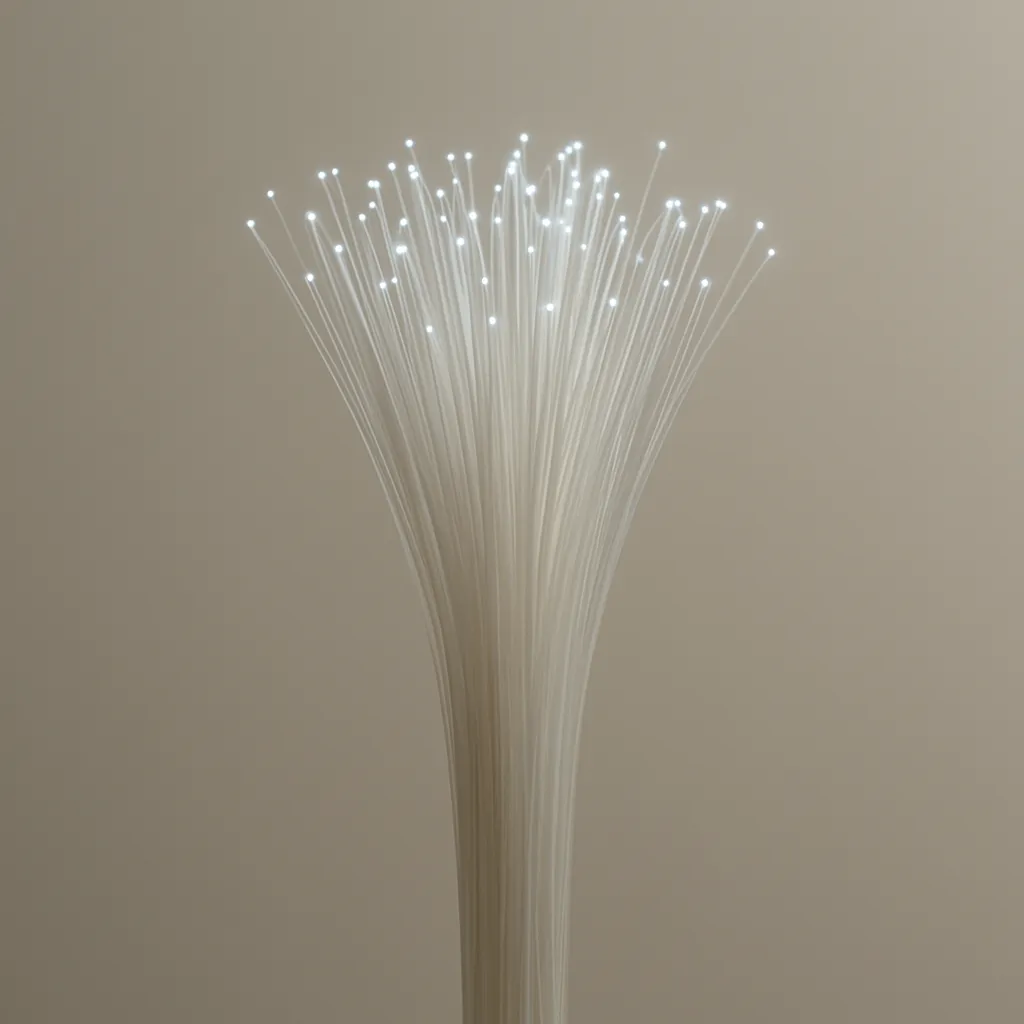
Which type of cable carries data as pulses of light?

Look at the client-server network. What does the server do?
In a school LAN, what does a switch do?
In a peer-to-peer network, how do the computers work?
Which network model makes backing up files easier, because they are kept in one place?
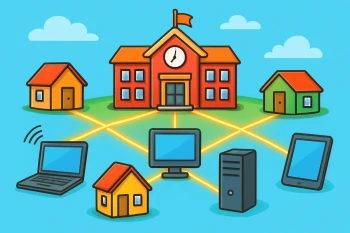
Look at the network. Device X connects the school LAN to the internet. What is Device X?
Outrun the horde and crack the passcode.
Pick a tile, answer, hit bonuses and steals.