Loading
by BlastRoom
Students explain what the CPU, RAM, ROM and storage do, and work out the outputs of AND, OR and NOT logic gates.
#computing#ict#cambridge_computing#cambridge_computing_stage_8

20 questions
One question set, multiple game modes. Tap any game to see it in action. Not sure which to pick?
What does CPU stand for?
What is the main job of the CPU?
The CPU repeats a cycle for every instruction: fetch, decode and...
A CPU's clock speed is measured in GHz. What does a higher clock speed usually mean?
What is cache memory?
What is stored in RAM?
What happens to the data in RAM when the computer is switched off?
What does ROM usually hold?
Which statement about ROM is true?
Why does a computer need secondary storage as well as RAM?
Which of these is secondary storage?
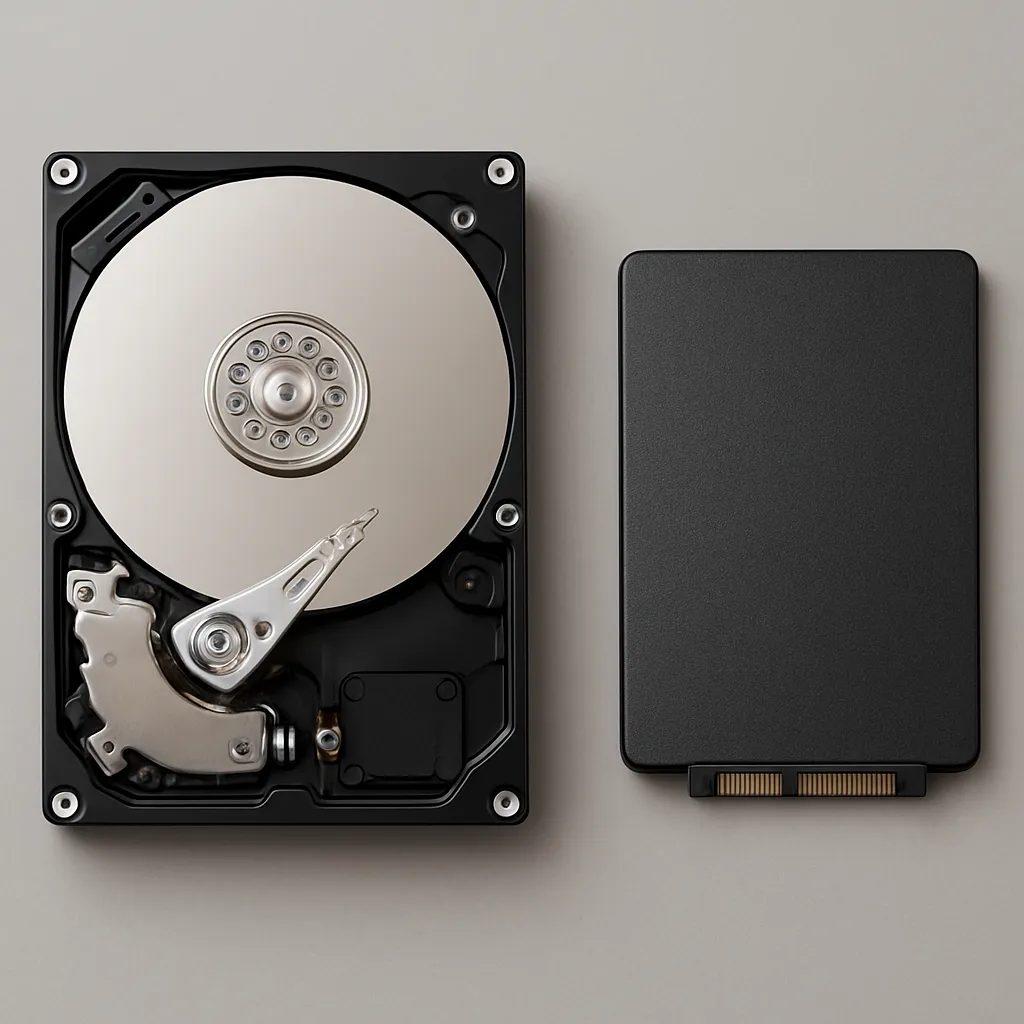
What is an advantage of a solid state drive (SSD) over a hard disk drive (HDD)?

Why can a quad-core CPU often run several programs faster than a single-core CPU with the same clock speed?
Which type of storage uses a laser to read data from a disc?
A computer slows down when many programs are open. Why does adding more RAM often help?
A CPU has a clock speed of 3 GHz. How many clock cycles does it run each second?
A washing machine has a small computer inside that only controls the wash. What is this called?
A school needs to back up 20 TB of files as cheaply as possible. Which storage is usually the best choice?
An alarm sounds only if a door is open and the alarm is switched on. Which gate does this?
A light turns on if switch A or switch B is pressed, or both. Which gate does this?
Outrun the horde and crack the passcode.
Pick a tile, answer, hit bonuses and steals.

Binary Numbers and Addition
20 questions

Cloud and Online Services
20 questions

Data Collection and Validation
20 questions

Database Queries
20 questions

Logic Gates and Truth Tables
20 questions

Network Security
20 questions

Network Structure
20 questions

Pseudocode and Algorithms
20 questions

Automation in Industry
20 questions