Loading
by BlastRoom
Lab safety and method, biochemistry, cells, transport, energy and the cell cycle.
#biology

40 questions
One question set, multiple game modes. Tap any game to see it in action. Not sure which to pick?
Answer to place stones and capture territory.
Outrun the snow together.
Earn blasts, then hunt the other team.
Answer to earn energy, then climb.

The class blasts through walls together.
Bid on mystery lots. Most money wins.
Sell tours. Nice, standard, or a total scam.

Answer, restock, and serve the rush.
More correct answers pulls the rope your way.
Answer, then shoot down the alien wave.
Answer, then tap to leap the frozen ridge.
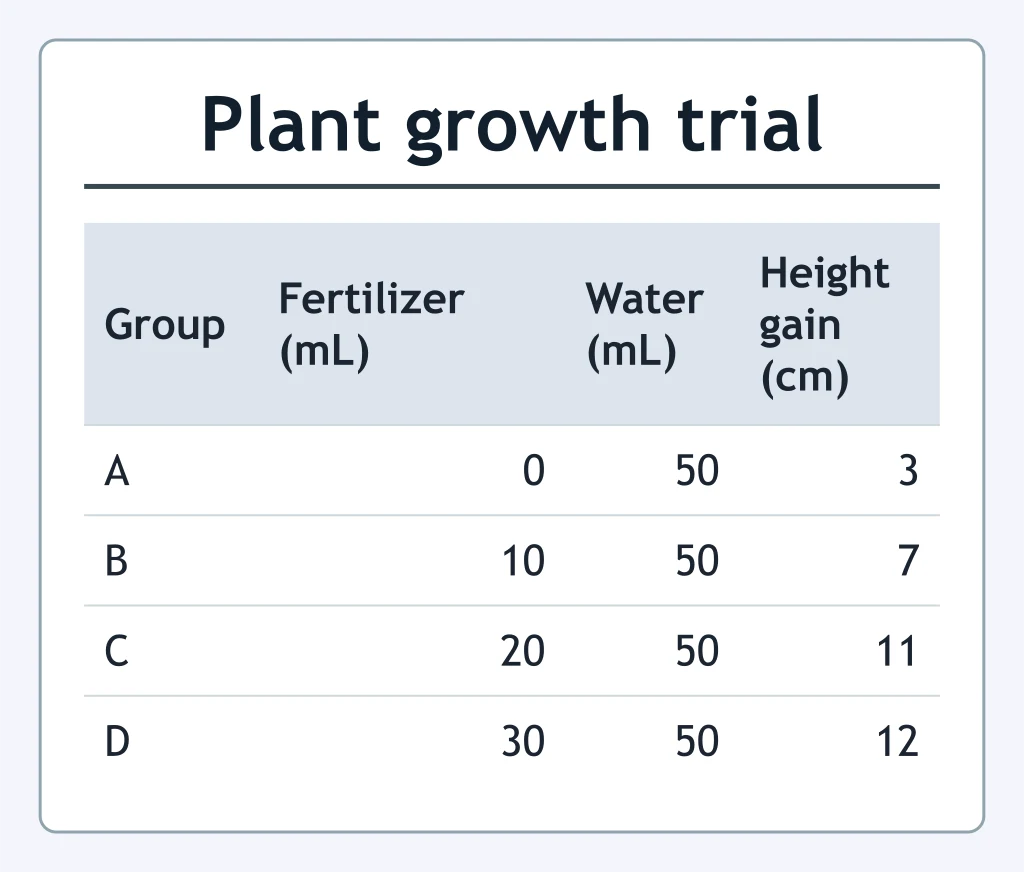
A student tested whether fertilizer changes how much a bean plant grows. Look at the data table. Which group is the control group?
A student plays music to mice while timing how long each takes to run a maze. Which is the dependent variable?
During a lab a student splashes a small amount of dilute hydrochloric acid onto her forearm. What should she do first?
Which statement is written as a testable hypothesis?
A class repeats a germination test using 20 seeds per group instead of 2. What is the main advantage of the larger group?
A student investigates how temperature affects the rate at which catalase breaks down hydrogen peroxide. Which factor must be kept the same in every test tube?
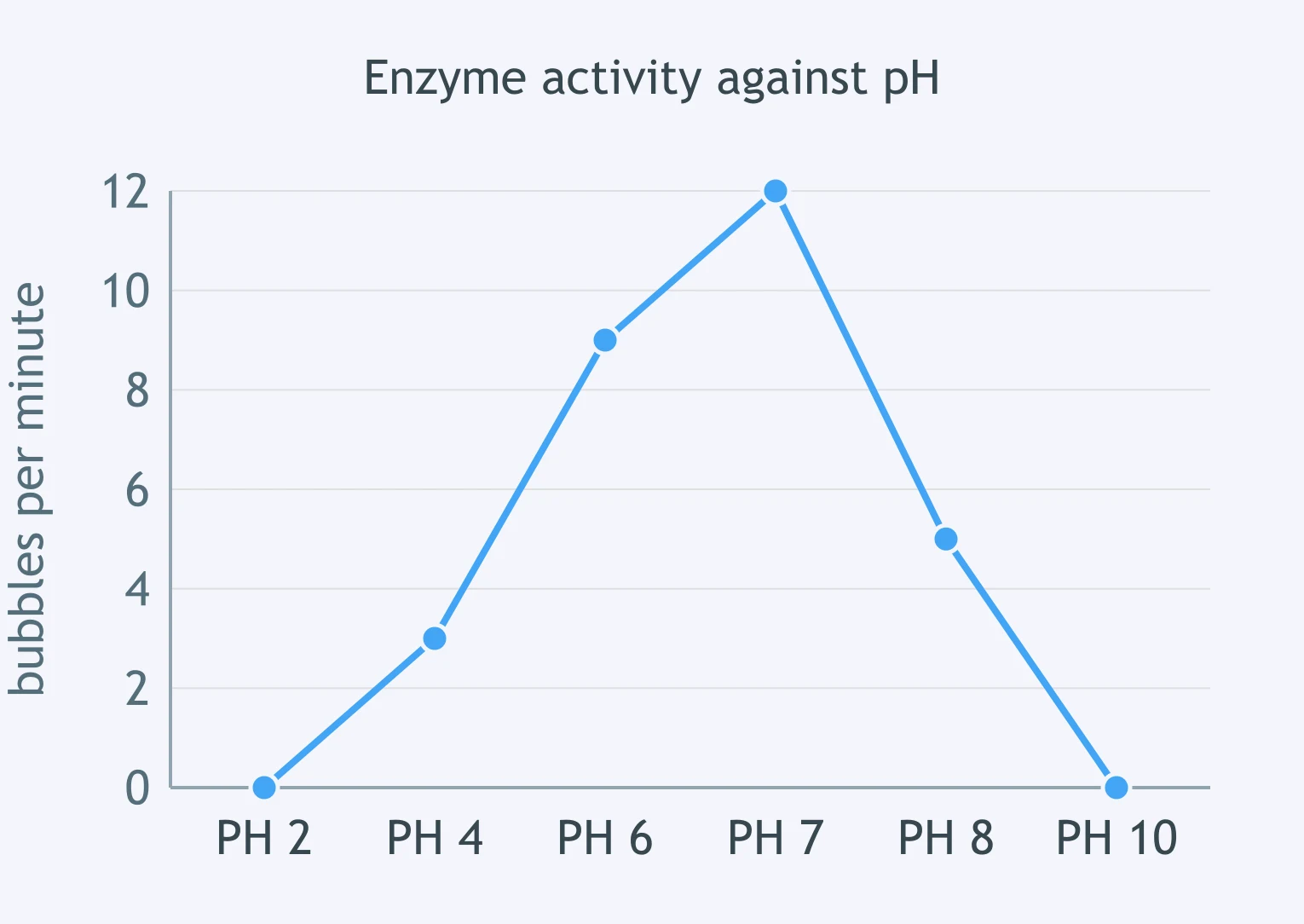
The graph shows the activity of a digestive enzyme measured at different pH values. At which pH does the enzyme work fastest?
A protein in a meal is broken down completely during digestion. Which subunits are released?
Which class of macromolecule stores the most energy per gram and also builds the phospholipid bilayer of the cell membrane?
An enzyme is not used up by the reaction it speeds up, so a single enzyme molecule can catalyze the same reaction many times.
Lactase breaks down lactose but has no effect at all on sucrose. Why?
A molecule contains only carbon, hydrogen and oxygen, with hydrogen and oxygen present in a 2 to 1 ratio. Which macromolecule group does it belong to?
What does an enzyme do to the chemical reaction it catalyzes?
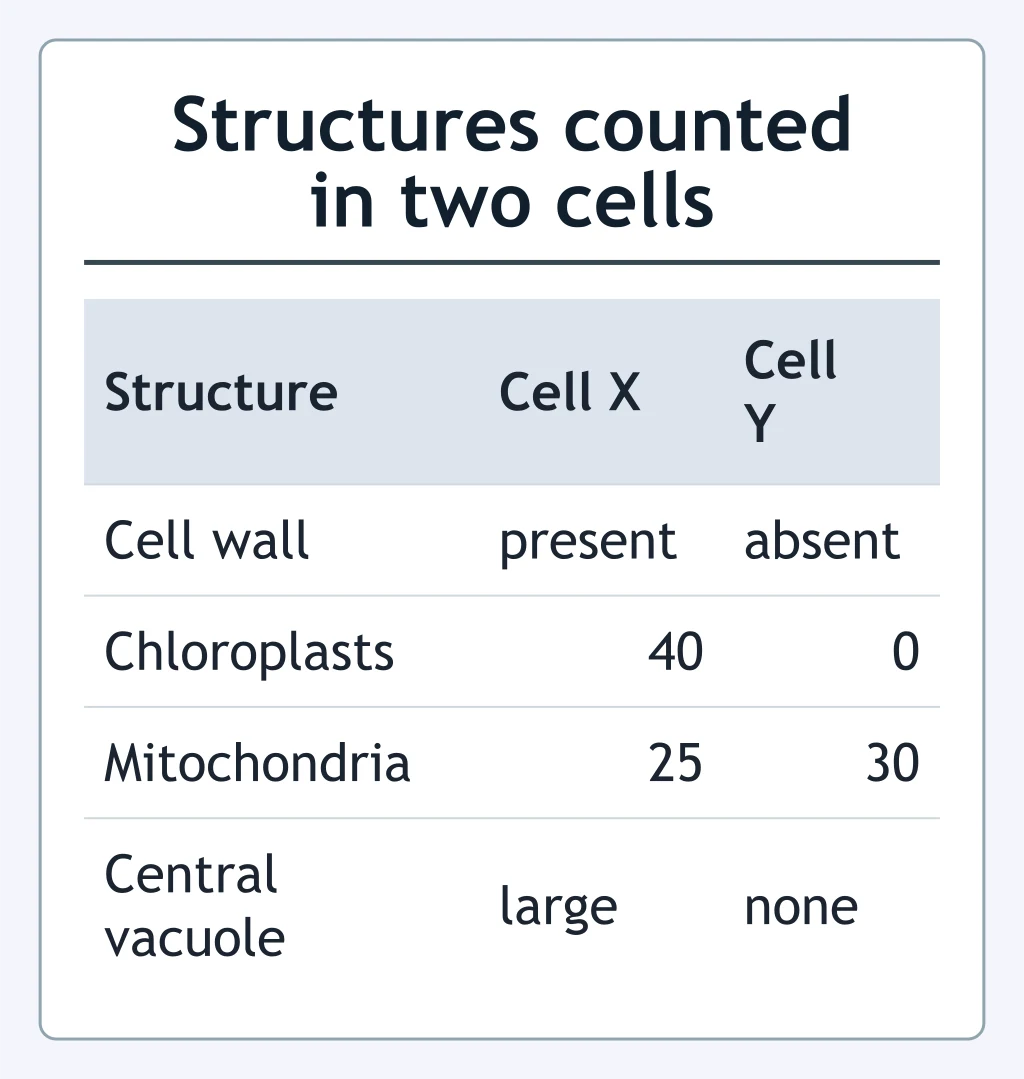
Two cells were examined under a microscope and their structures recorded in the table. Which conclusion do the data best support?
A cell has a cell wall and ribosomes, and its single circular chromosome sits loose in the cytoplasm with no surrounding membrane. What kind of cell is it?
A white blood cell engulfs a bacterium and then digests it. Which organelle supplies the enzymes that break the bacterium down?
Which statement is the part of the cell theory that Rudolf Virchow added?
Heart muscle cells contain many more mitochondria than skin cells do. What does this difference suggest about heart muscle?
In a pancreas cell a hormone protein is built, then modified, and finally packed into vesicles that carry it out of the cell. Which organelle does the packing for export?
A plant cell is left in pure water for an hour. It becomes firm but does not burst. Which structure stops it bursting?
Which structure joins amino acids together into a polypeptide chain?
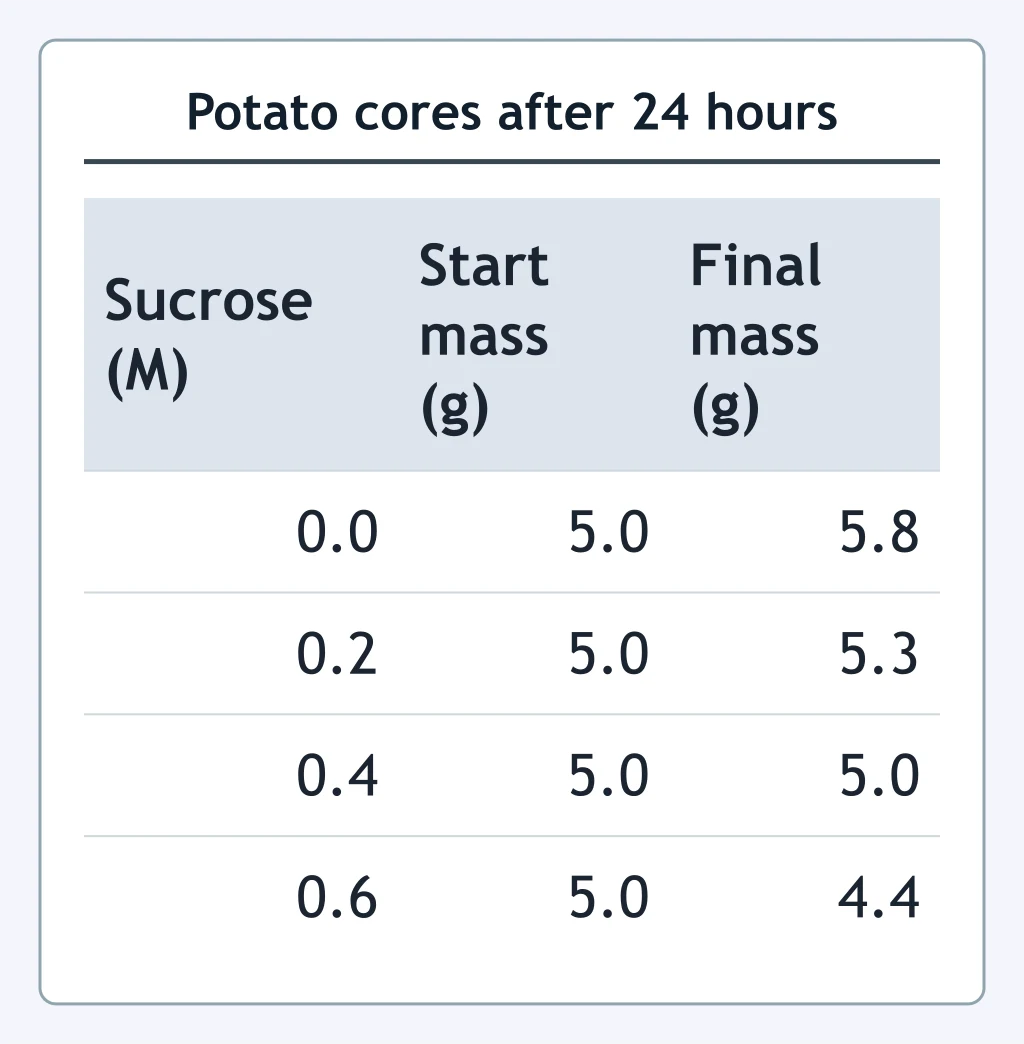
Identical potato cores were weighed, left for 24 hours in sucrose solutions of different concentration, and weighed again. In which solution was the concentration inside the cells equal to the concentration outside?
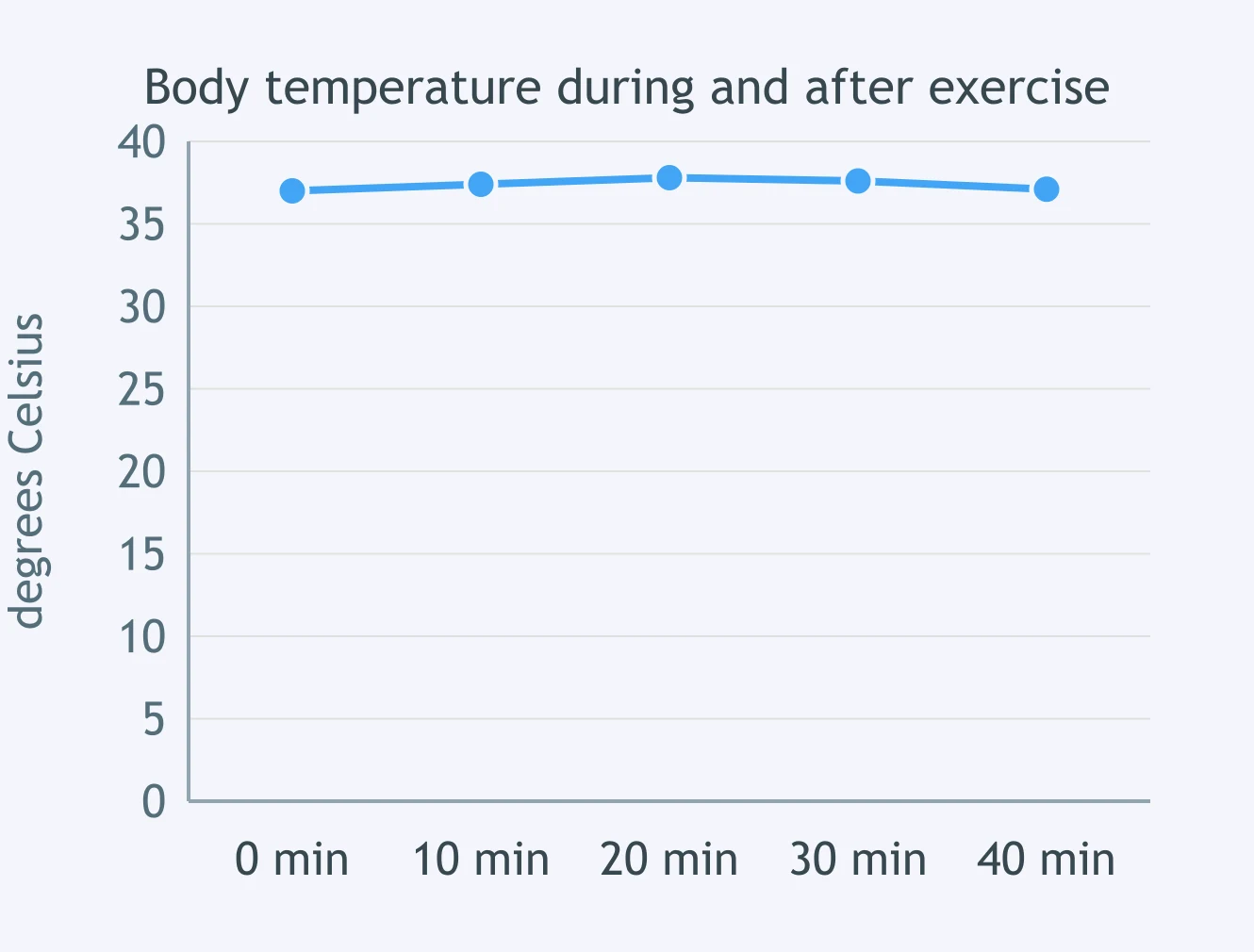
A student's body temperature was recorded before, during and after 30 minutes of exercise. What does the pattern after 30 minutes show?
A red blood cell is placed in a concentrated salt solution. What happens to it?
Root hair cells take in mineral ions from soil in which the ion concentration is lower than the concentration already inside the cell. What does this uptake require?
Glucose is too large and too polar to slip between the phospholipids of the membrane, yet it still moves into a cell down its concentration gradient. Which process moves it?
Water moving across a cell membrane by osmosis requires the cell to spend ATP.
Blood glucose rises after a meal, the pancreas releases insulin, and the glucose level falls back to its usual range. What does this describe?
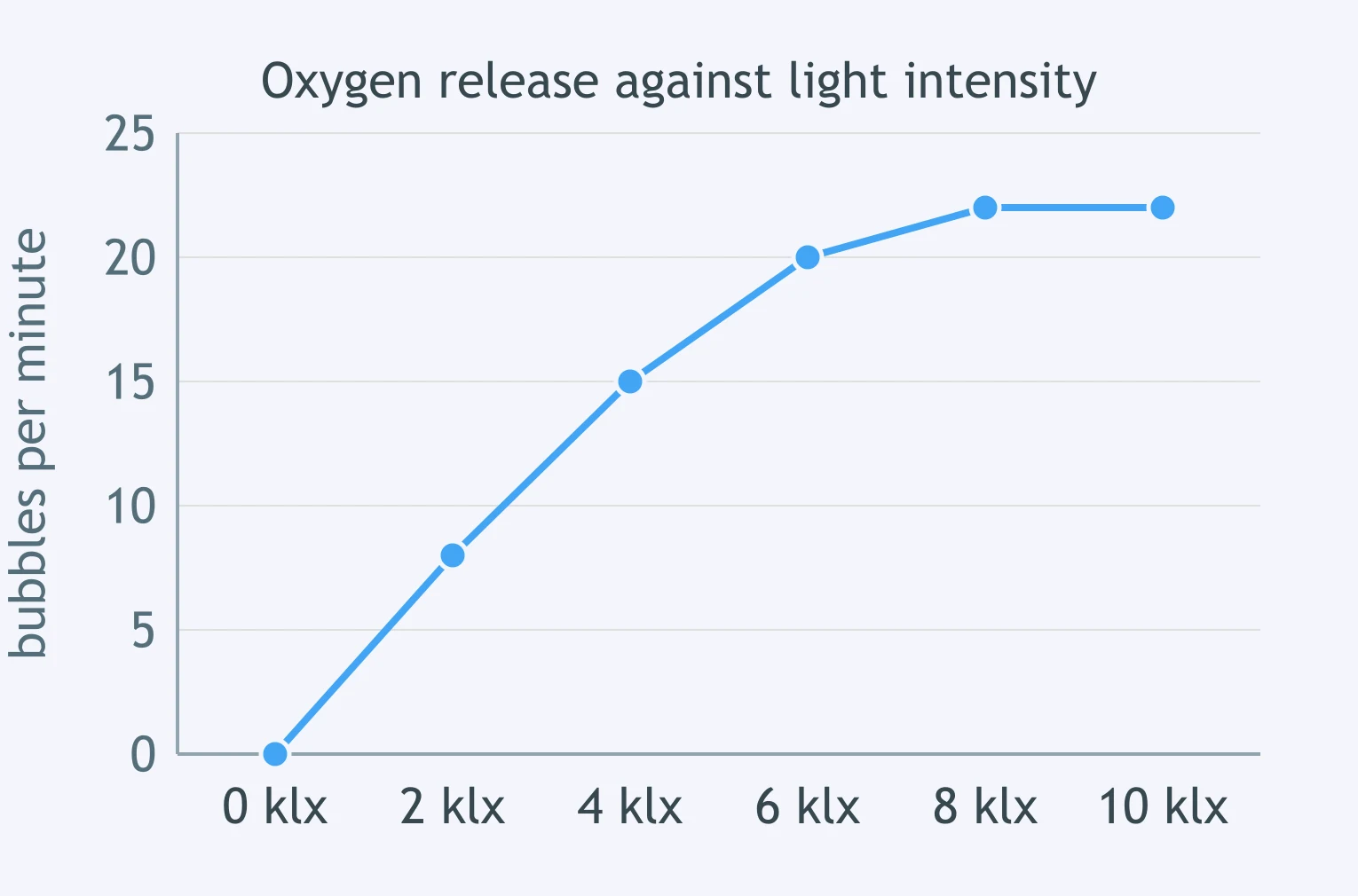
A pondweed shoot was lit at increasing light intensities and the oxygen bubbles released each minute were counted. Beyond which intensity does more light no longer raise the rate?
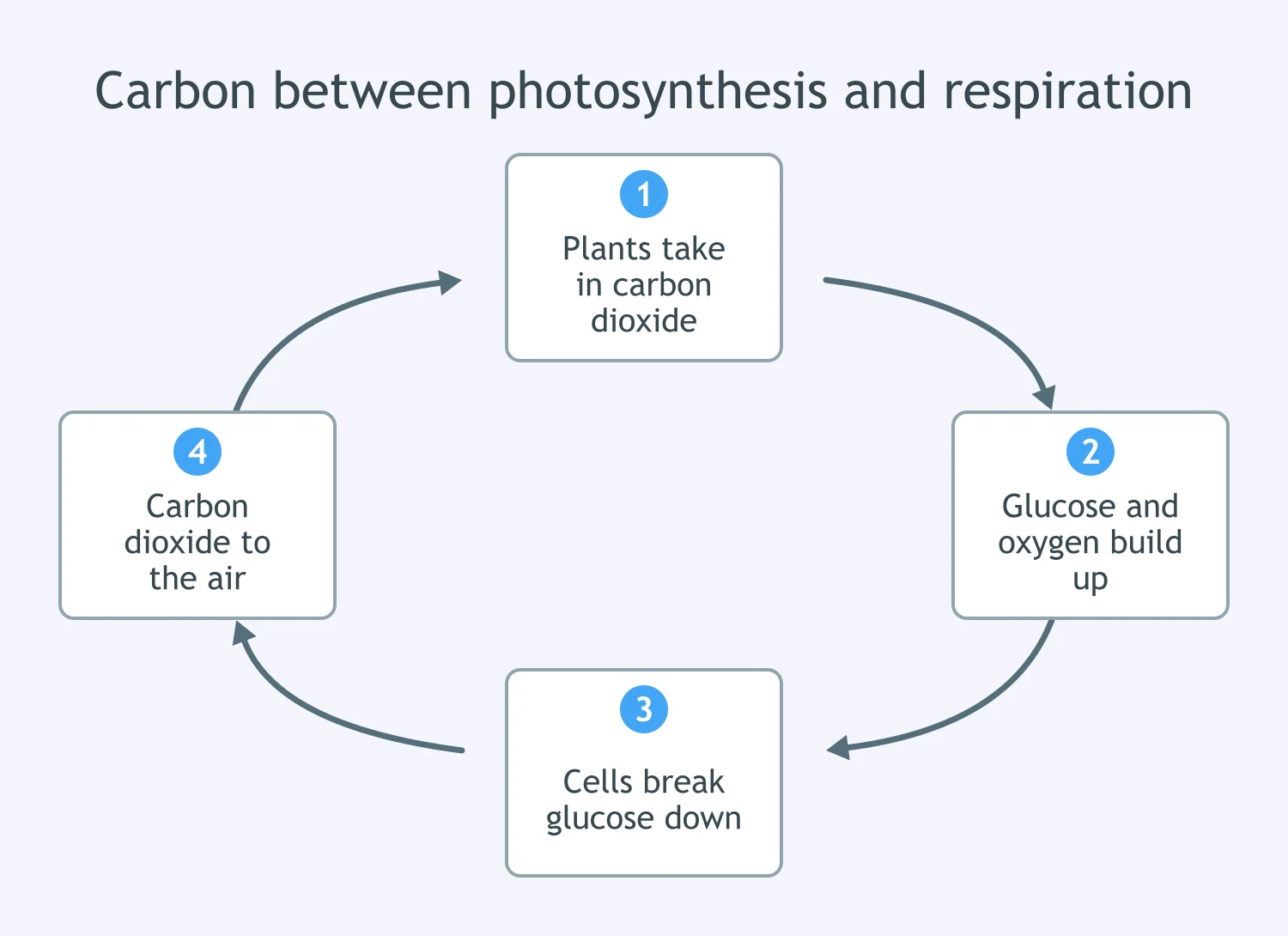
A sealed greenhouse full of healthy plants is kept in complete darkness for two days. Using the diagram of carbon flow, what happens to the carbon dioxide level in the air inside?
Which equation summarizes photosynthesis?
Where is the energy in an ATP molecule stored, so that the cell can release it?
A yeast cell breaks glucose down completely using oxygen. What does it produce?
During a hard sprint, human muscle cells cannot get oxygen fast enough but keep making ATP. What builds up in the muscle as a result?
Plant cells carry out cellular respiration only at night, when photosynthesis has stopped.
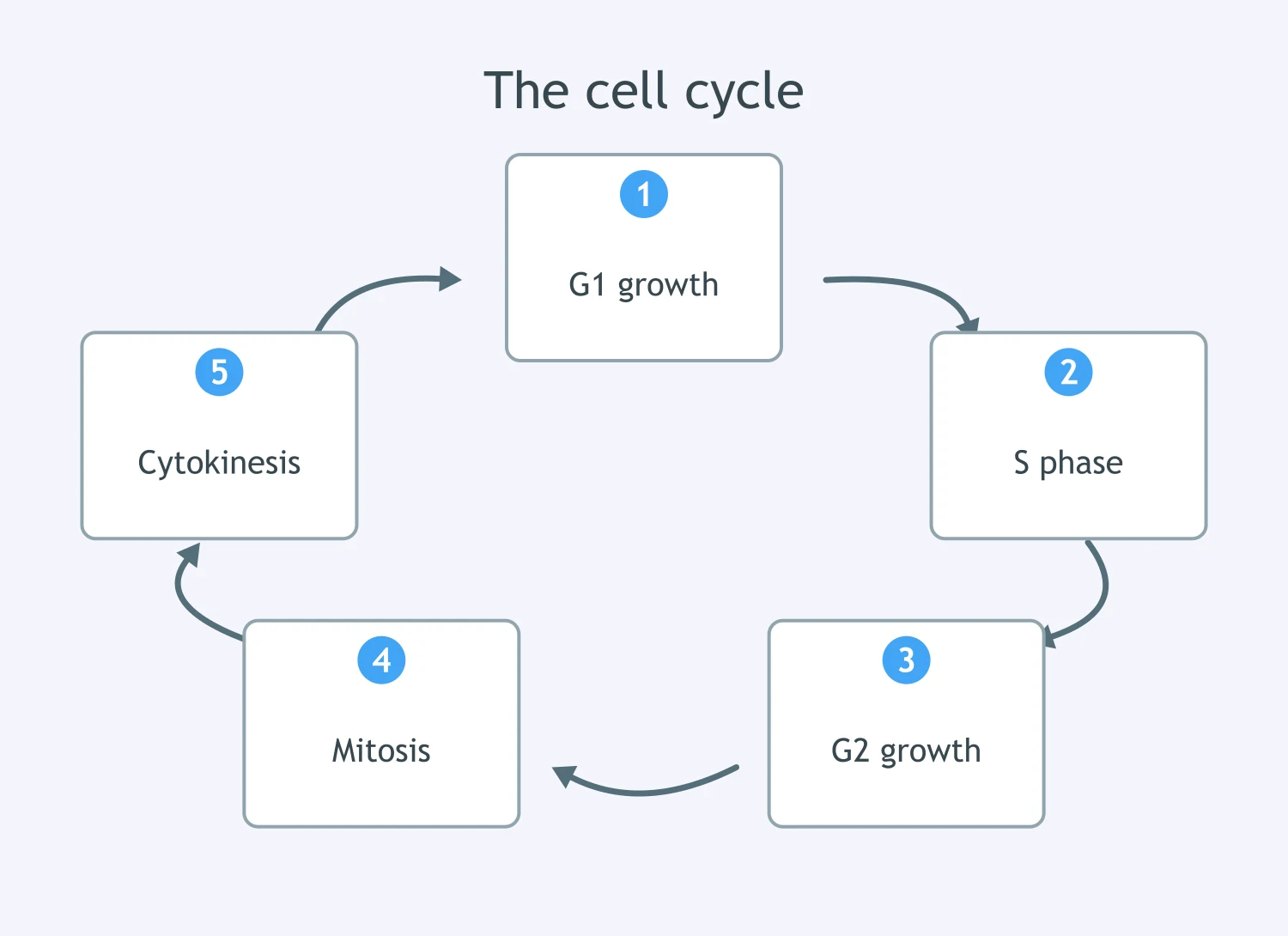
A drug stops a cell from copying its DNA. Look at the stages of the cell cycle. Which stage does the drug block?
A sample of double-stranded DNA is found to be 30 percent adenine. What percentage of its bases is guanine?
During which phase of mitosis do the duplicated chromosomes line up in a single row across the middle of the cell?
How does the final step of division differ in a plant cell compared with an animal cell?
Whose X-ray diffraction photographs of DNA supplied the evidence that the molecule is a helix of regular width?
Crack the passcode before the zombies get in.
Answer, then swat bugs for bonus points.
Race through questions at your own speed.
Same question on every screen. Fastest wins.

Pick a tile, answer, hit bonuses and steals.
Living Environment Regents Review
40 questions