Loading
by BlastRoom
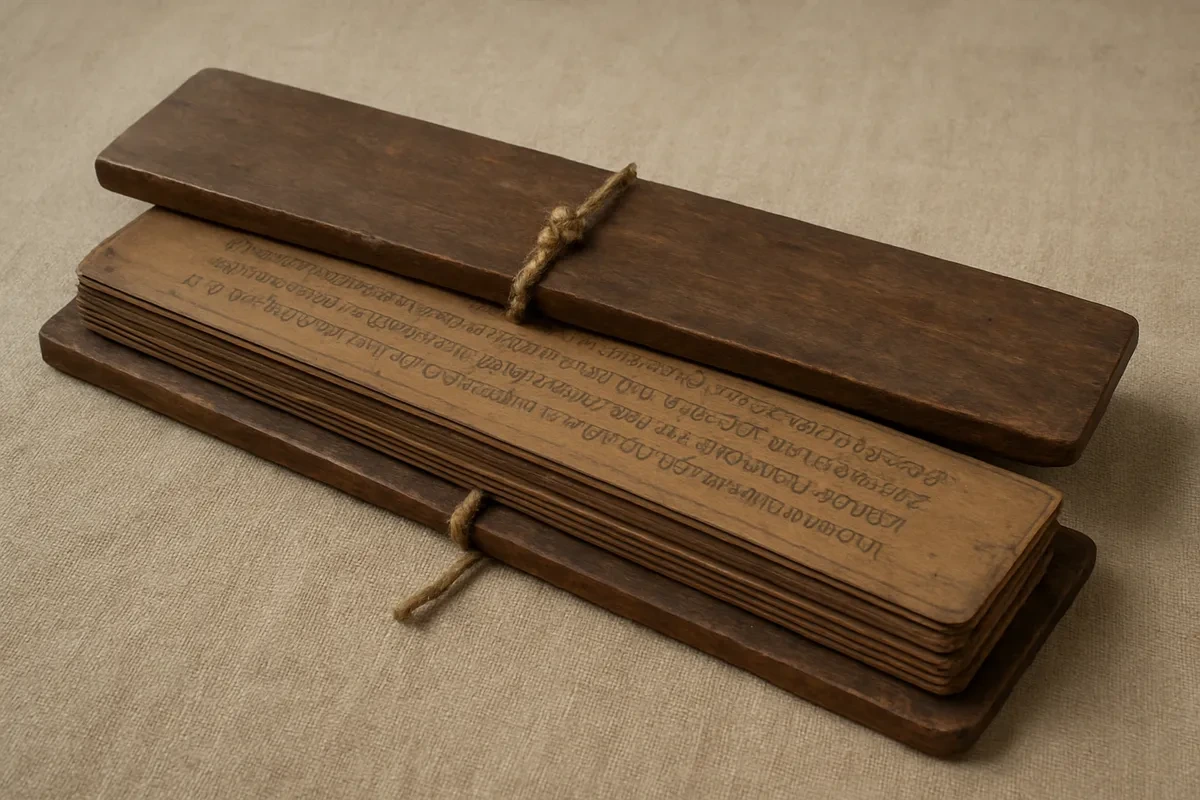
Ancient India's achievements in Sanskrit literature, medicine, metallurgy, mathematics, and the idea of zero, for the California Grade 6 ancient civilizations sequence.
#culture#us_grade_6_social_studies
40 questions
One question set, multiple game modes. Tap any game to see it in action. Not sure which to pick?
In ancient India, epics, scholarly works and sacred hymns were composed in one main literary language. What was that language called?
The Mahabharata and the Ramayana are two famous Sanskrit works of ancient India. What kind of writing are they?
The Vedas are ancient collections of hymns composed in Sanskrit. Which belief system treats them as sacred texts?
One empire ruled much of northern India from about 320 CE, and its era is known for Sanskrit drama, astronomy and mathematics. Name that empire.
Ashoka ruled the Maurya empire in the 200s BCE, and the Gupta empire began about 320 CE. Did Maurya rule come before or after Gupta rule?
Indian mathematicians wrote numbers using a symbol for zero. What did that symbol let them do?
By about the 600s CE, Indian mathematicians had written rules for zero, such as what happens when zero is added to a number. How was that step different from simply using zero as a placeholder?
The digits 0 through 9 used in modern arithmetic are called Hindu-Arabic numerals. Why does that name include two peoples?
A way of writing numbers developed in India appeared centuries later in European schoolbooks. Which process best describes that kind of spread?
In a place-value number system, what decides how much a single digit is worth?
Ancient Indian workers were skilled in metallurgy. What does metallurgy involve?
An iron pillar raised in northern India during the Gupta era has stood roughly 1,600 years with very little rust. What does the pillar demonstrate about its makers?
Ancient Indian medical texts written in Sanskrit list medicinal plants and describe surgical instruments. What kind of source are those texts for a historian of Indian medicine?
Ancient Indian medical texts describe rebuilding a damaged nose using skin taken from the patient's own body. What sort of treatment is that?
The Gupta-era astronomer Aryabhata explained why the stars appear to sweep across the sky each night. What did he propose?
Astronomers of the Gupta era gave a physical explanation for a lunar eclipse. What did they say causes it?
Gupta rulers gave payment and protection to poets, playwrights and scholars at their courts. What effect did that support have on Sanskrit literature?
Ancient Indian scholars set out the sound patterns and word-building rules of one language so precisely that language experts still study their work. Which language did they analyze?
Sanskrit shares many old word roots and grammar patterns with Greek and Latin. What do scholars conclude from those shared roots?
The earliest Sanskrit hymns are linked to groups who moved into northern India from the northwest over a long period. What are those movements called?
The writing left by the Indus River civilization has never been read, while later Sanskrit texts can be read. How does that difference affect historians?
Put the Indus River cities, the Maurya empire, and the Gupta empire in order from earliest to latest.
The numeral system that developed in India needs only a small fixed set of symbols to write any whole number. How many different digits does it use?
In the 600s CE, the Indian mathematician Brahmagupta wrote rules for working with numbers he called 'fortunes' and numbers he called 'debts.' What do we call his 'debts' today?
A merchant records large sums and adds them daily. How does a place-value system with zero help that work?
Ancient India exported a light cloth that buyers around the Indian Ocean and in Rome valued highly. Which fiber was that cloth woven from?
Nalanda, in northeastern India, drew students and teachers from distant lands during and after the Gupta era. What was Nalanda?
A historian wants to know how doctors in Gupta India treated wounds. What kind of source would best support an answer?
A Buddhist pilgrim from China traveled through India in the 400s CE and wrote admiring notes about the cities and monasteries along his route. What limits his account as evidence?
Ships carrying Indian iron, steel and cloth across the Indian Ocean sailed with the seasons. Which seasonal winds set their timetable?
Sanskrit continued as the language of scholarship, religion and poetry in India long after everyday speech had changed. Which European language played a similar role in later centuries?
Before the earliest Sanskrit hymns were written down, how were they passed from one generation to the next?
Ashoka had his orders and announcements carved into rocks and stone pillars in many parts of the Maurya empire. How did that practice help him govern?
After a costly war in Kalinga, Ashoka gave his support to one belief system and encouraged its spread beyond his empire. Which one was it?
Some of Ashoka's carved edicts describe arranging medical care and planting useful herbs for people and animals. What does that record indicate about his government?
The idea of zero as a written number developed in India before it was used in European arithmetic.
Ancient Indian medical texts such as those of Charaka and Sushruta set out a system of healing that is still practiced in India today. What is that system called?
The Indus River civilization grew up along a river system. In which part of the Indian subcontinent did it develop?
Steel made in ancient India was carried by traders to lands across the Indian Ocean.
Indian astronomers worked with the written numeral system in their studies of the sky. What did they chiefly use it for?
Crack the passcode before the zombies get in.

Pick a tile, answer, hit bonuses and steals.
Confucianism, Taoism, and Legalism
20 questions