Loading
by BlastRoom
How Indigenous nations of the Pacific Northwest coast, the Great Plains, and the woodlands east of the Mississippi River lived with their homelands, following the California Grade 5 History-Social Science standards.
#indigenous_peoples#us_grade_5_social_studies
40 questions
One question set, multiple game modes. Tap any game to see it in action. Not sure which to pick?
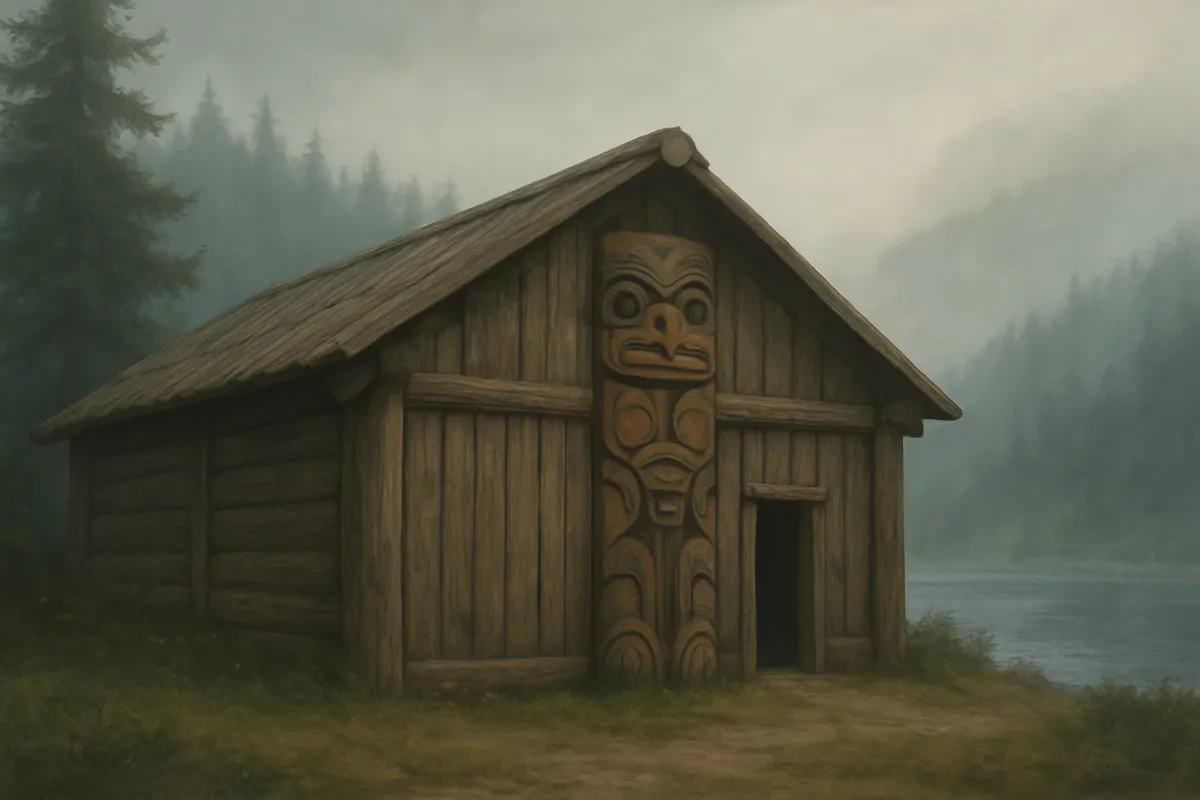
The Tlingit, Haida, and Chinook homelands lie in a rainy coastal forest. One tall tree there supplied wood for their houses, canoes, and storage boxes. Which tree was it?
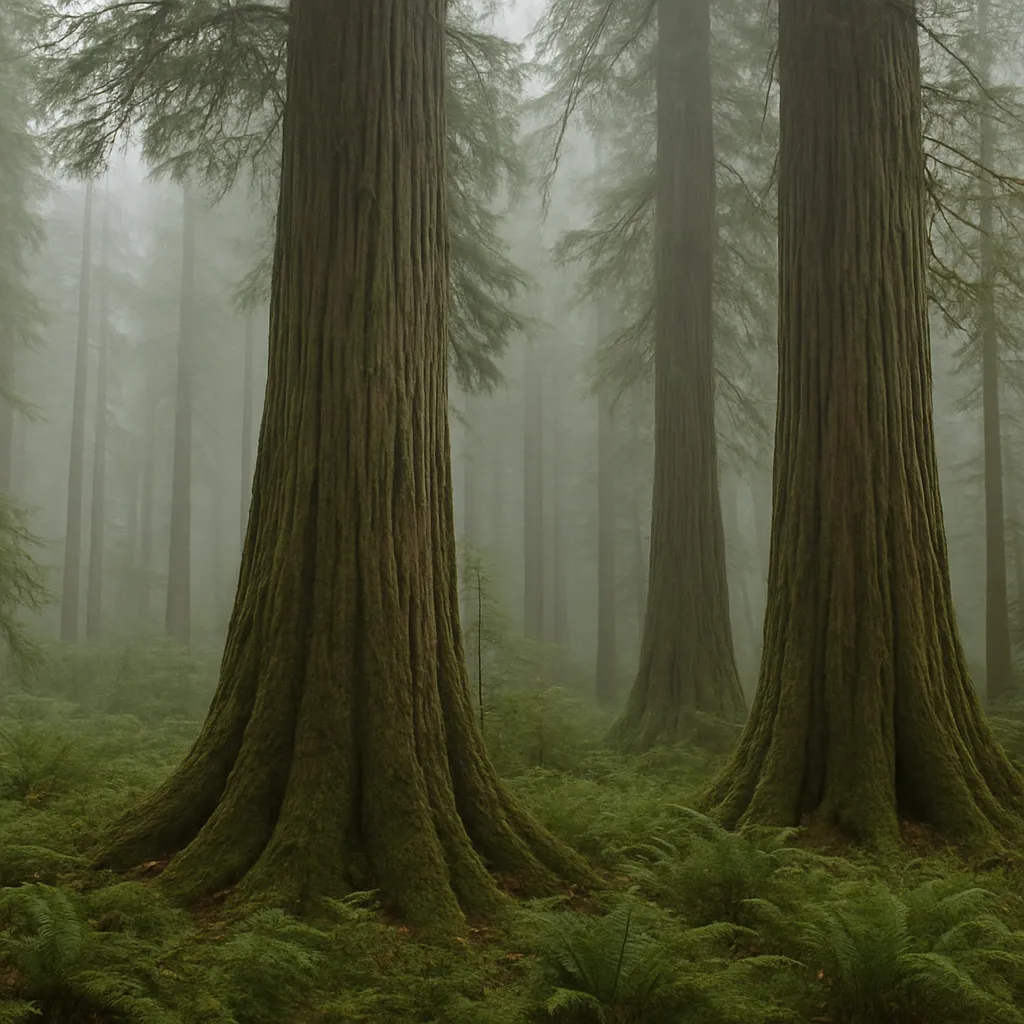
Each year the rivers of the Pacific Northwest fill with salmon, and the forests and shore add game, berries, and shellfish. How did this abundance shape life for the Chinook and their coastal neighbors?
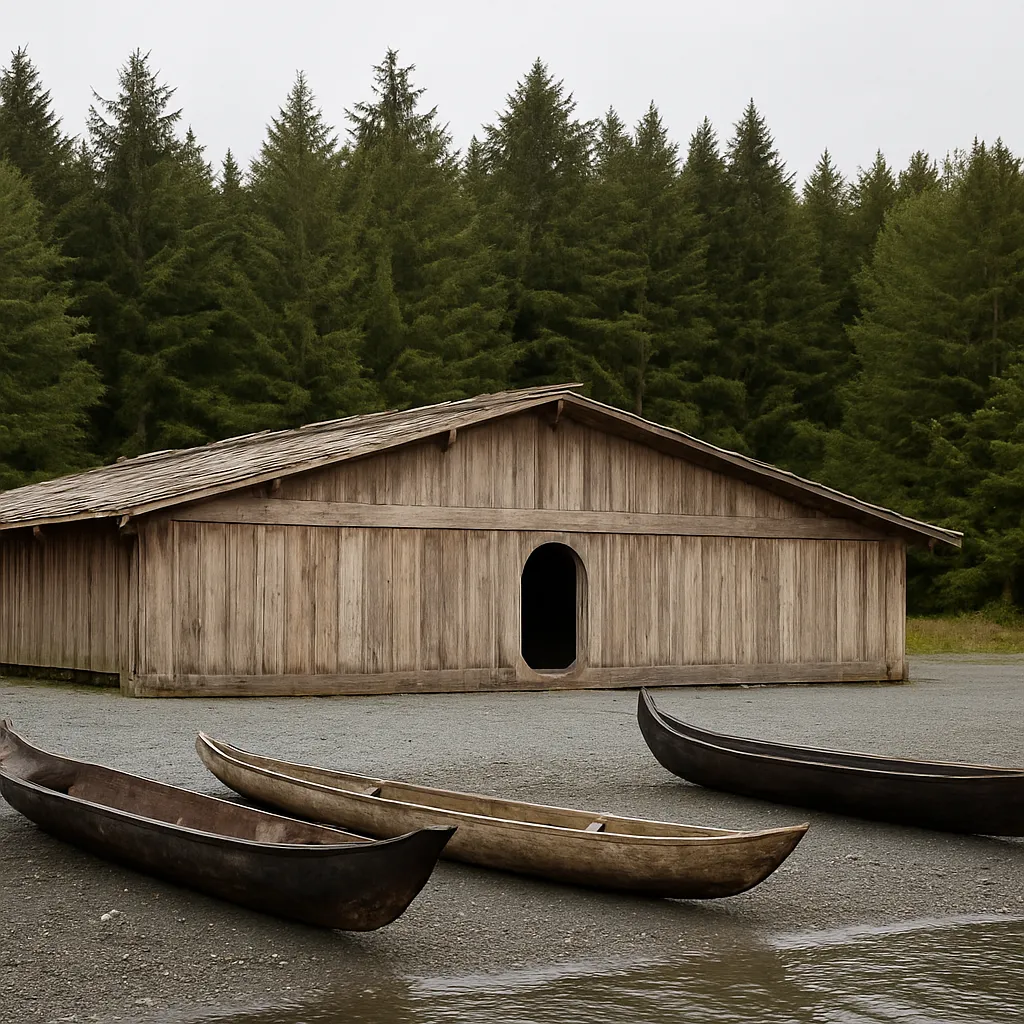
Haida carvers of Haida Gwaii and southeast Alaska are known for large ocean-going canoes. What is each of those canoes made from?
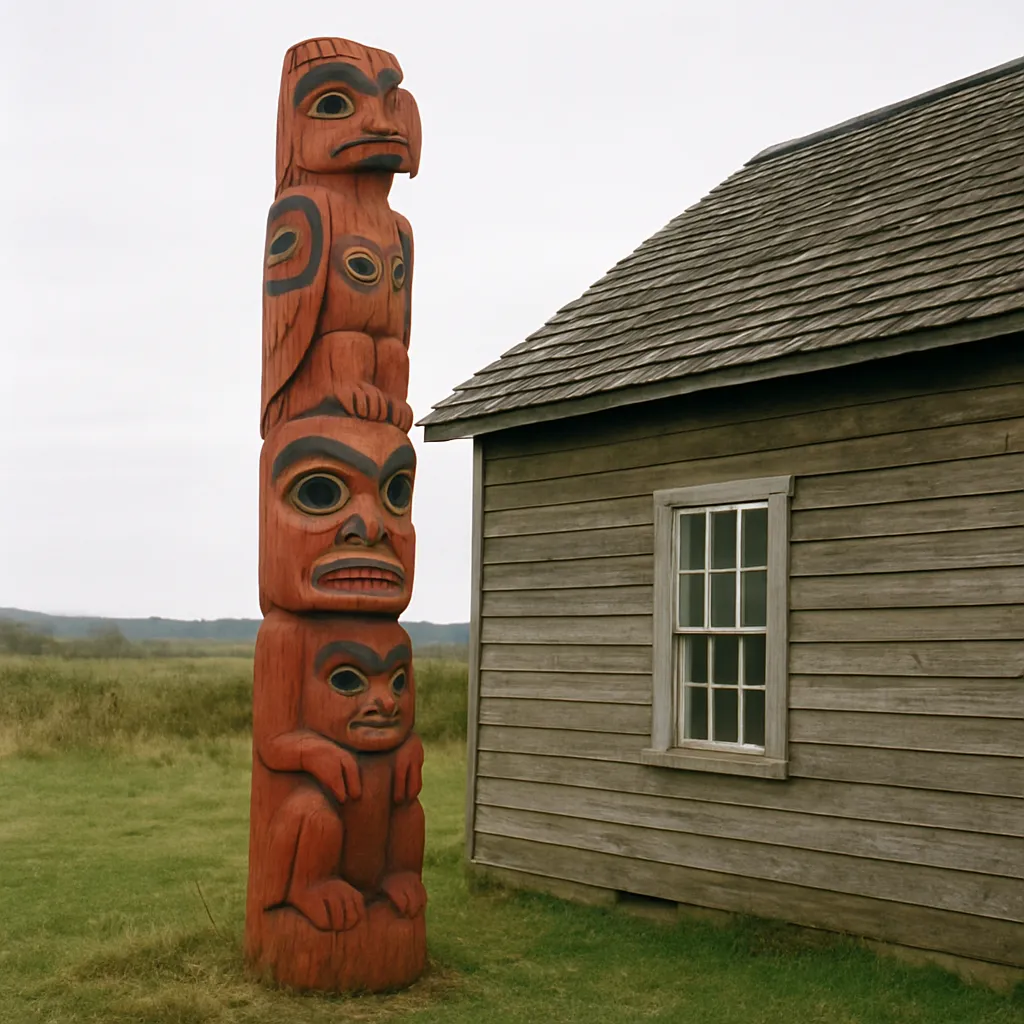
Tlingit and Haida carvers raise tall poles carved from red cedar. What do the figures on such a pole record?
Chinook families lived in large cedar plank houses that stood for many years, while Lakota families used tipis that could be taken down in minutes. What does this difference between the two homes show?
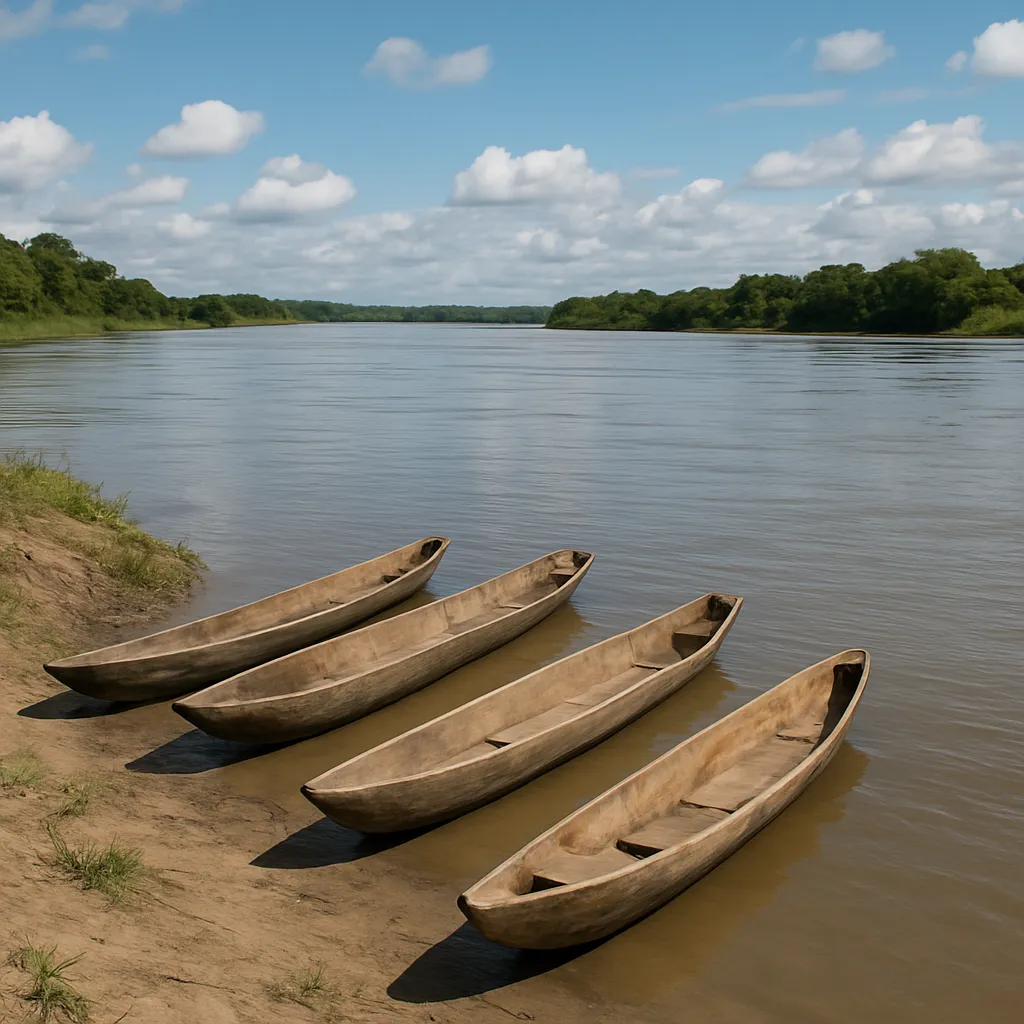
The Chinook homeland sits where the Columbia River meets the Pacific Ocean, and Chinook traders dealt with coastal and inland nations alike. What grew out of all that trading?
Tlingit and Haida carvers still shape red cedar into canoes and carved poles today.
Lakota and Cheyenne families used almost every part of the bison. Besides meat and hides, what did they make from bison bones?
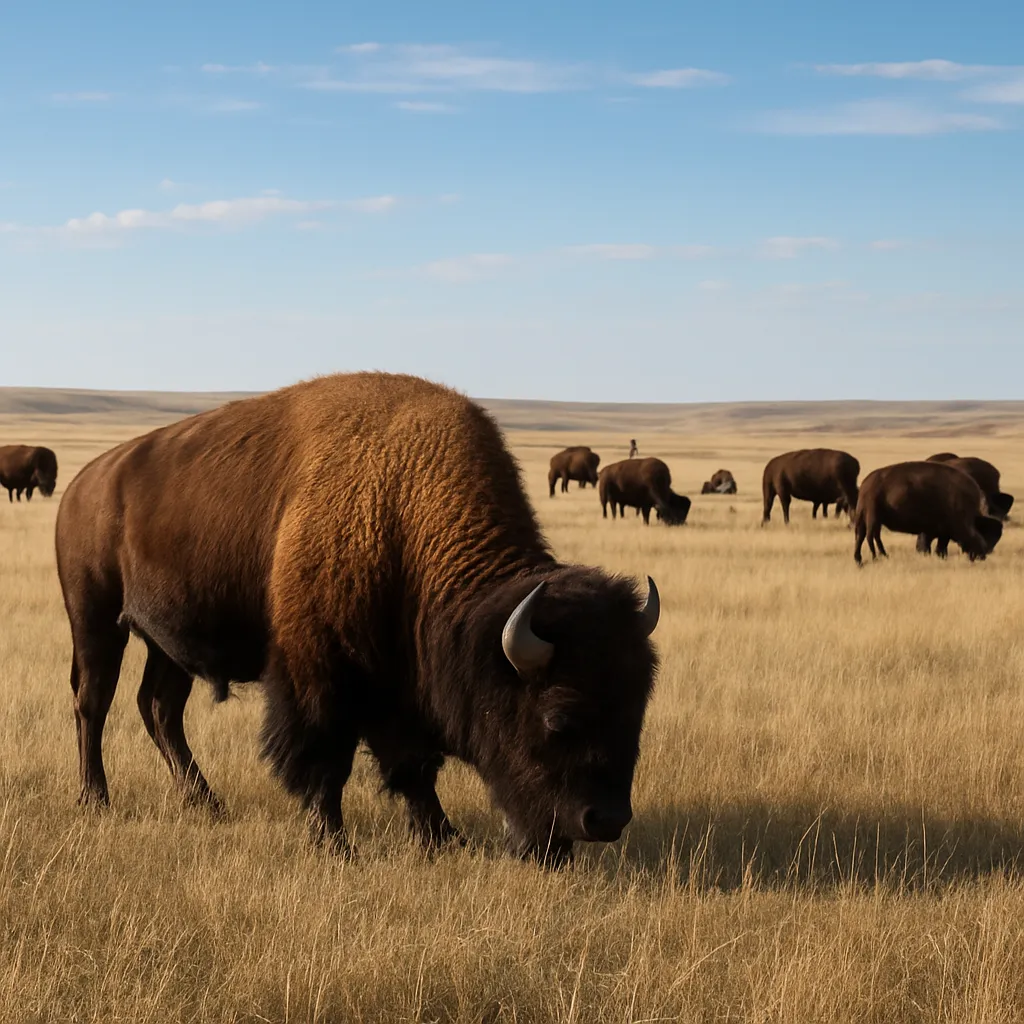
Horses spread north to Plains nations such as the Comanche and the Lakota from Spanish settlements in New Mexico. How did horses change bison hunting?
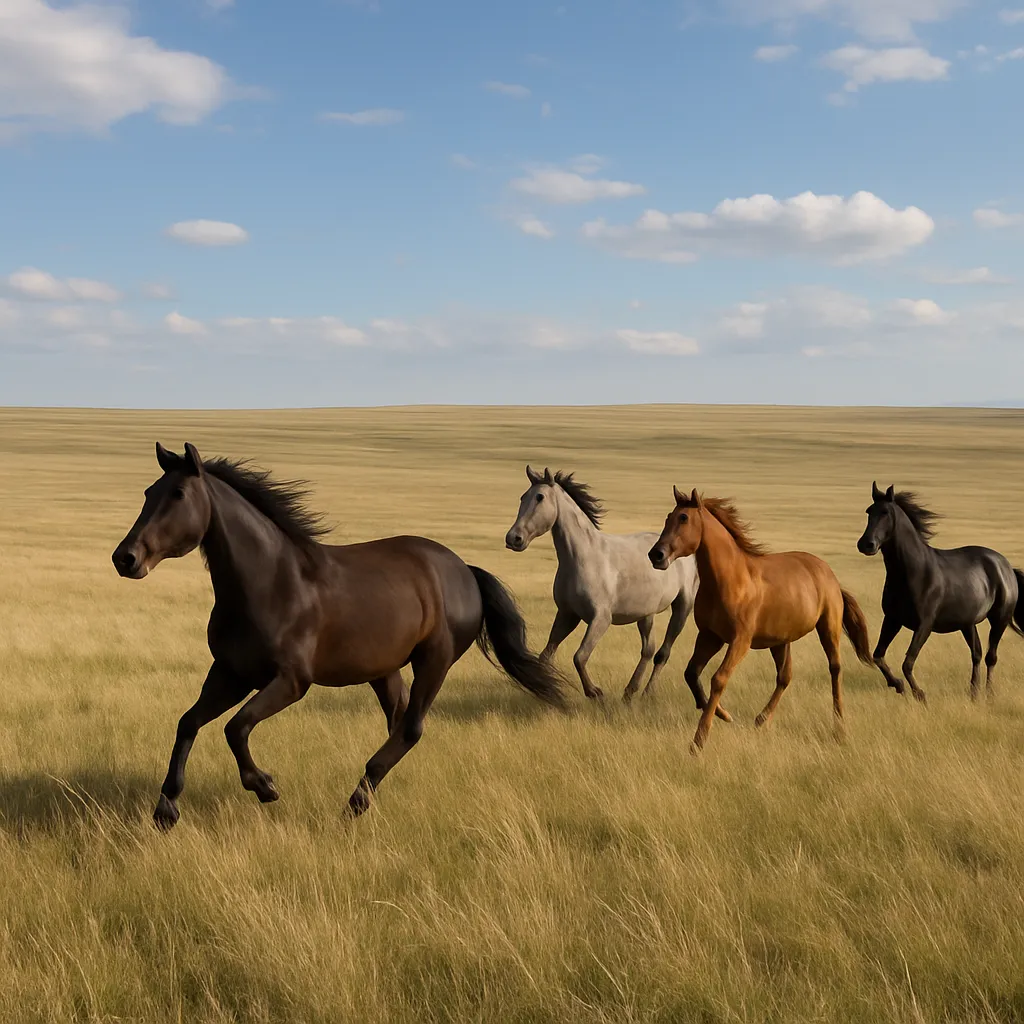
A travois is a frame of two long poles that drags a family's bundles along the ground. Before horses reached the Great Plains, which animal pulled the travois?
The Mandan and Hidatsa built villages of earth lodges on the bluffs above the Missouri River and raised corn, beans, squash, and sunflowers there. What does this tell us about the Great Plains?
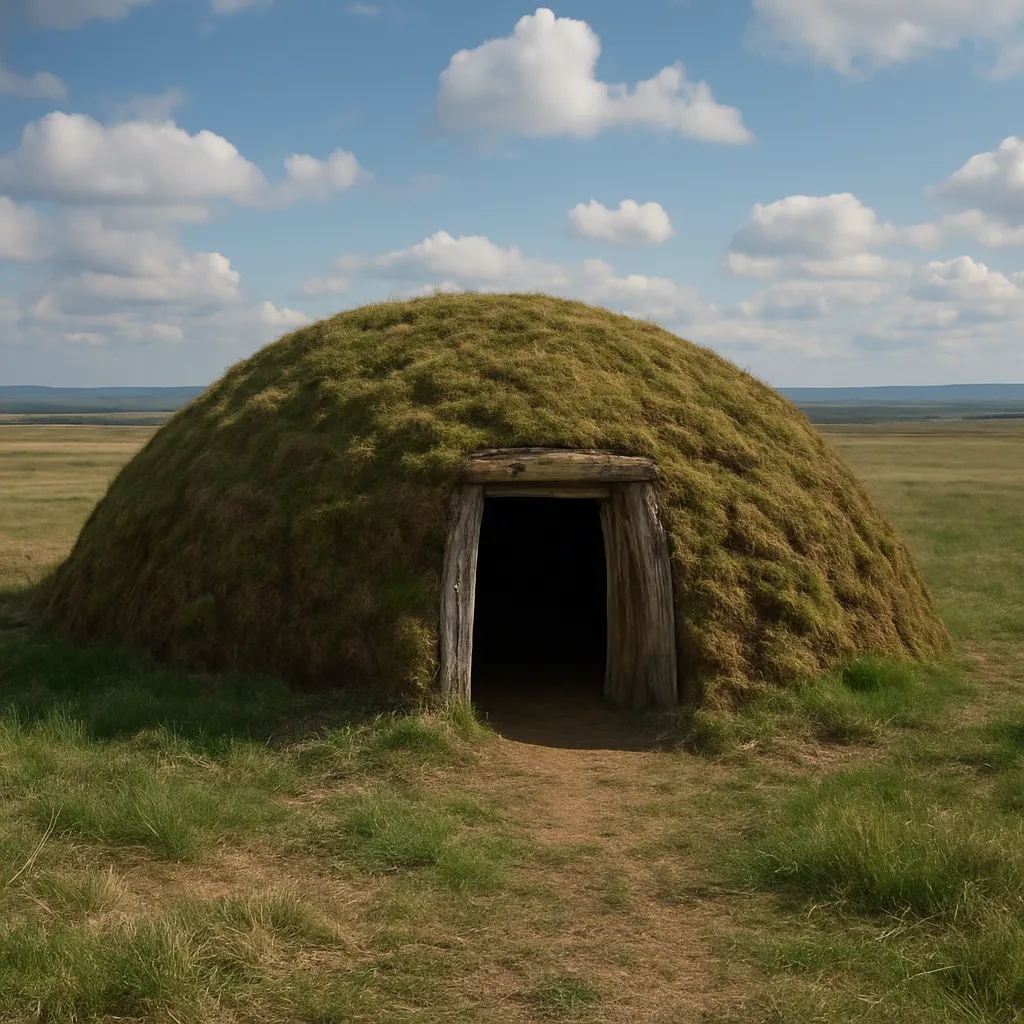
Mandan villagers grew more corn than they needed but hunted little. Nearby hunting nations had bison meat and hides to spare but grew no corn. Why did trade between them make sense?
The Great Plains is a wide grassland where trees grow mainly along the rivers. Given that, what did Lakota, Cheyenne, and Comanche families use to cover their homes?
The Haudenosaunee call themselves the people of the longhouse. Who shared one longhouse?
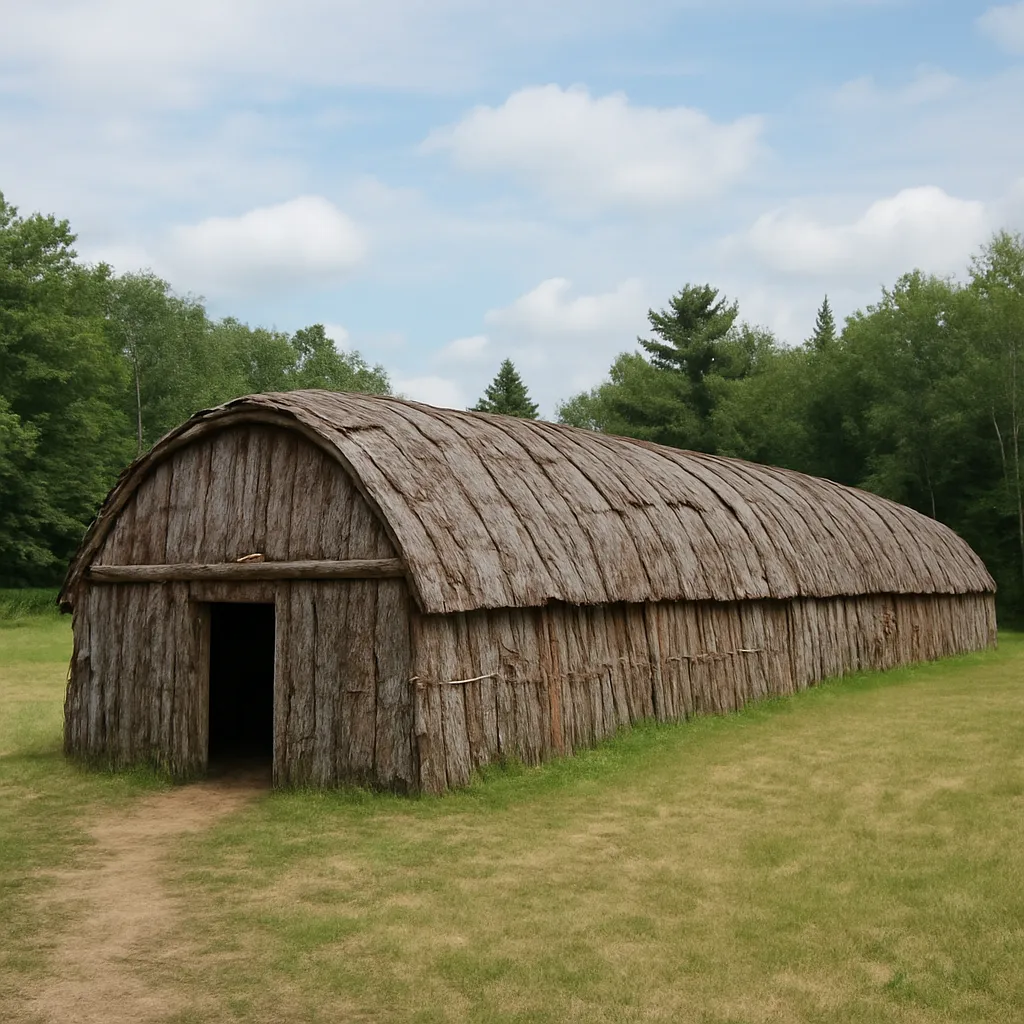
The Haudenosaunee Confederacy first united the Mohawk, Oneida, Onondaga, Cayuga, and Seneca. Name the nation that joined about 1722, making it six nations.
Under the Haudenosaunee Great Law of Peace, a clan holds the title of its leader on the Grand Council. Who chooses the person who will hold that title?
Wampanoag and Haudenosaunee farmers plant corn, beans, and squash together in one mound. How does the corn help the beans?
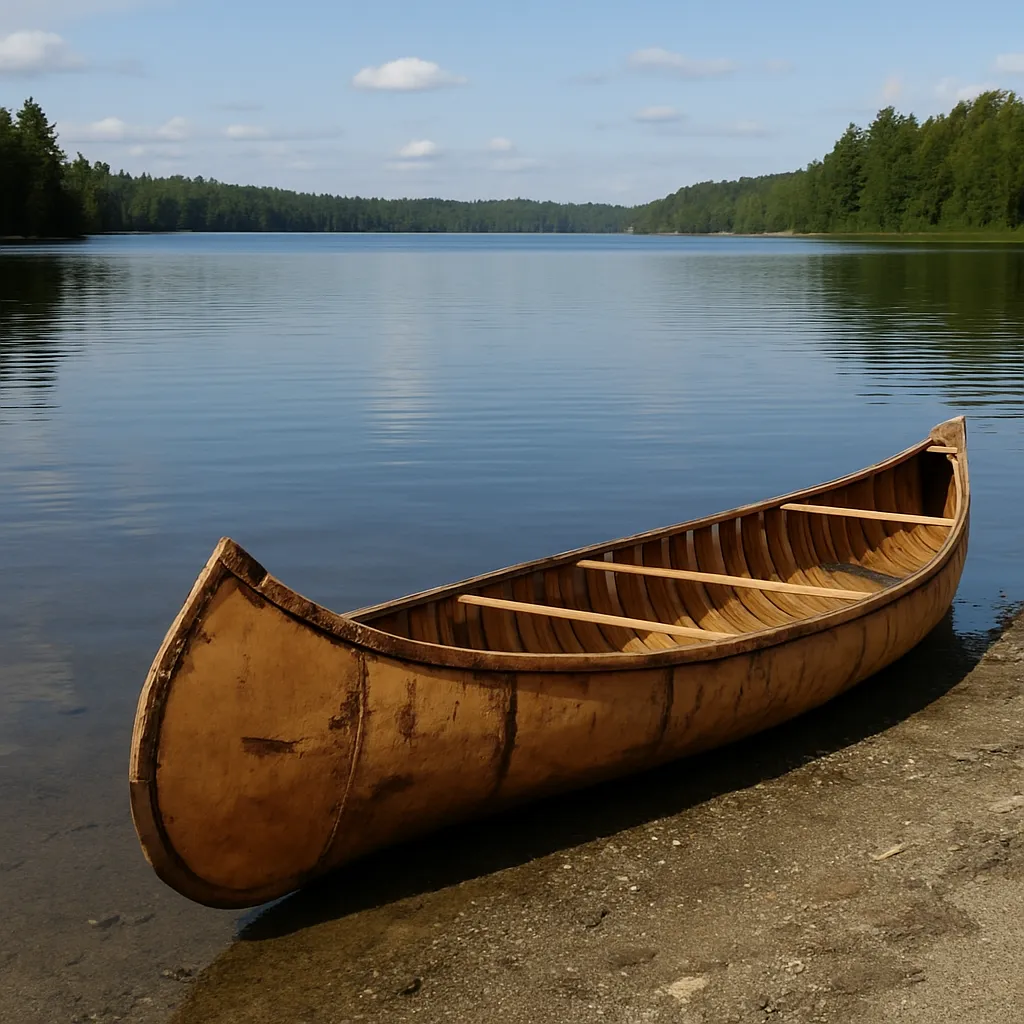
The Anishinaabe homeland around the Great Lakes is laced with lakes, rivers, and short portages. How did a canoe of birch bark over a light wooden frame suit that country?
The Wampanoag homeland lies along the coast and bays of what is now southeastern Massachusetts. Along with their corn, beans, and squash, what food did that coast supply?
The Haudenosaunee Confederacy united the Mohawk, Oneida, Onondaga, Cayuga, Seneca, and Tuscarora. Where does its Grand Council still meet today?
Which resource was an important traditional food for many Native peoples in California?
Why did homes, clothing, and tools differ among Native peoples in different regions?
In the Pacific Northwest, which natural resource helped support large villages and trade?
Many Pacific Northwest nations, such as the Tlingit and Kwakwaka'wakw, hold potlatches. What is a potlatch?
Many Plains peoples depended on the bison for food, shelter materials, clothing, and tools.
Which housing type is most closely associated with some nomadic Plains groups because it could be moved?
Which activity was especially important to many Eastern Woodlands peoples?
What type of home was used by some Eastern Woodlands groups, especially the Haudenosaunee?
The Pacific Northwest had rich forests and waterways, while the Great Plains had wide grasslands.
Which statement best compares California and Plains Native communities?
What is a cultural region?
Pacific Northwest nations built their villages along the coast and rivers. Why were their big canoes so important?
Native peoples in North America had many different languages, governments, and traditions.
Which natural material did many California Native peoples use to make baskets?
Why was trade important among Native communities?
Which phrase best describes how the environment affected Eastern Woodlands life?
Before Europeans arrived, the Chumash and other California nations built no boats.
The Council of the Haida Nation is a present-day Native government. Which lands and waters does it continue to steward?
Why should we use the names of specific Native nations when possible?
Native communities from California, the Pacific Northwest, the Plains, and the Eastern Woodlands still exist today.
Comparing Cultures of the United States, Canada, Mexico, and a Caribbean or South American Country
20 questions
Comparing Governments and Economies Across the Western Hemisphere
20 questions
Modern Regional Issues
20 questions
Pueblo Peoples and Cliff Dwellers of the Southwest
40 questions
Tracing the Routes of Early Explorers
20 questions
Crack the passcode before the zombies get in.

Pick a tile, answer, hit bonuses and steals.