Loading
by BlastRoom
Cause-and-effect questions on how soil, climate, rivers, forests and coastline shaped work and daily life in the colonies and among the Indigenous nations already there, following the California Grade 5 History-Social Science standards.
#geography#us_grade_5_social_studies
40 questions
One question set, multiple game modes. Tap any game to see it in action. Not sure which to pick?
Glaciers scraped New England's soil thin and rocky, and cold winters kept the growing season short. How did this shape farming in the New England Colonies?
Forests of tall, straight white pine grew close to New England's deep harbors. Which industry did this help New England build?
Shallow ocean banks close to New England's coast held huge numbers of one kind of fish, which colonists salted, dried and sold. Which fish was it?
Deep, sheltered harbors line the New England coast. How did those harbors shape the towns that grew beside them?
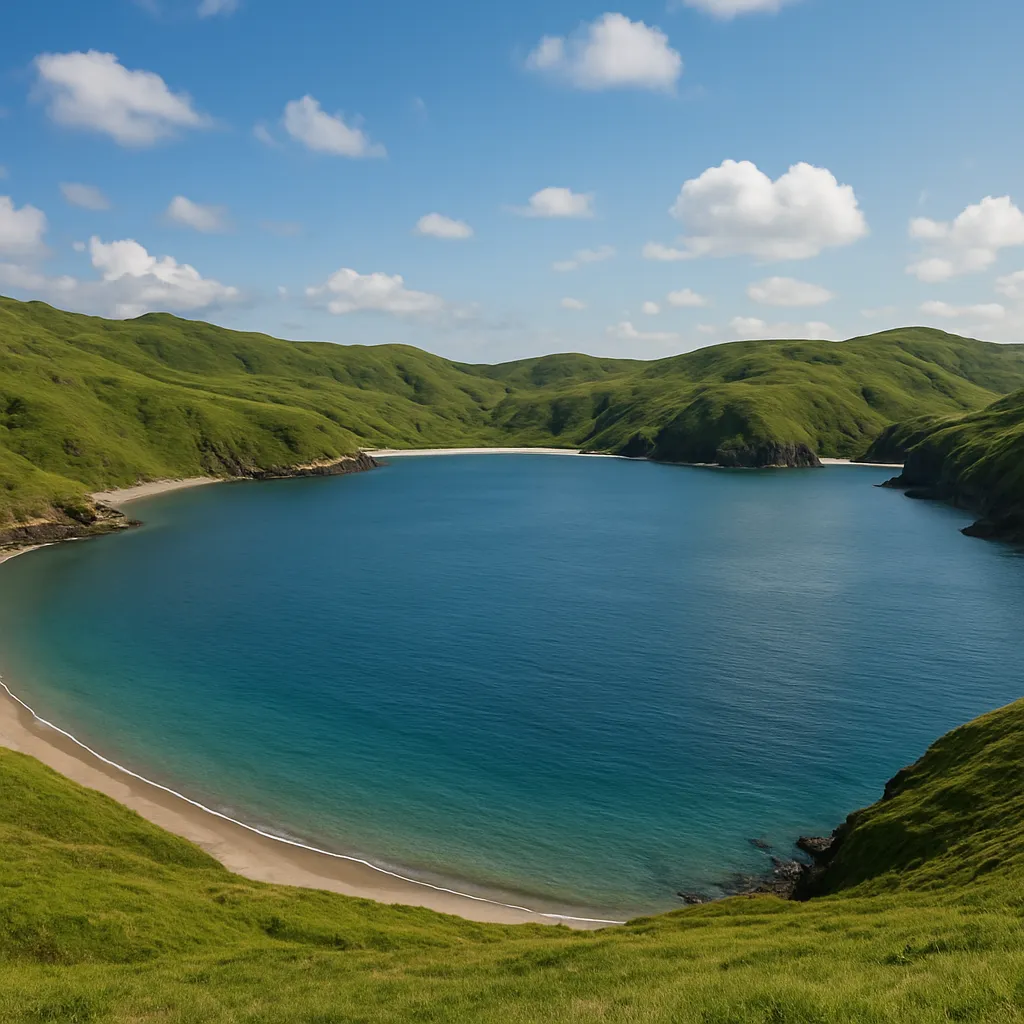
Many New England rivers run fast and drop over rocky falls near thick forests. What did colonists build at those spots to turn the moving water into useful work?
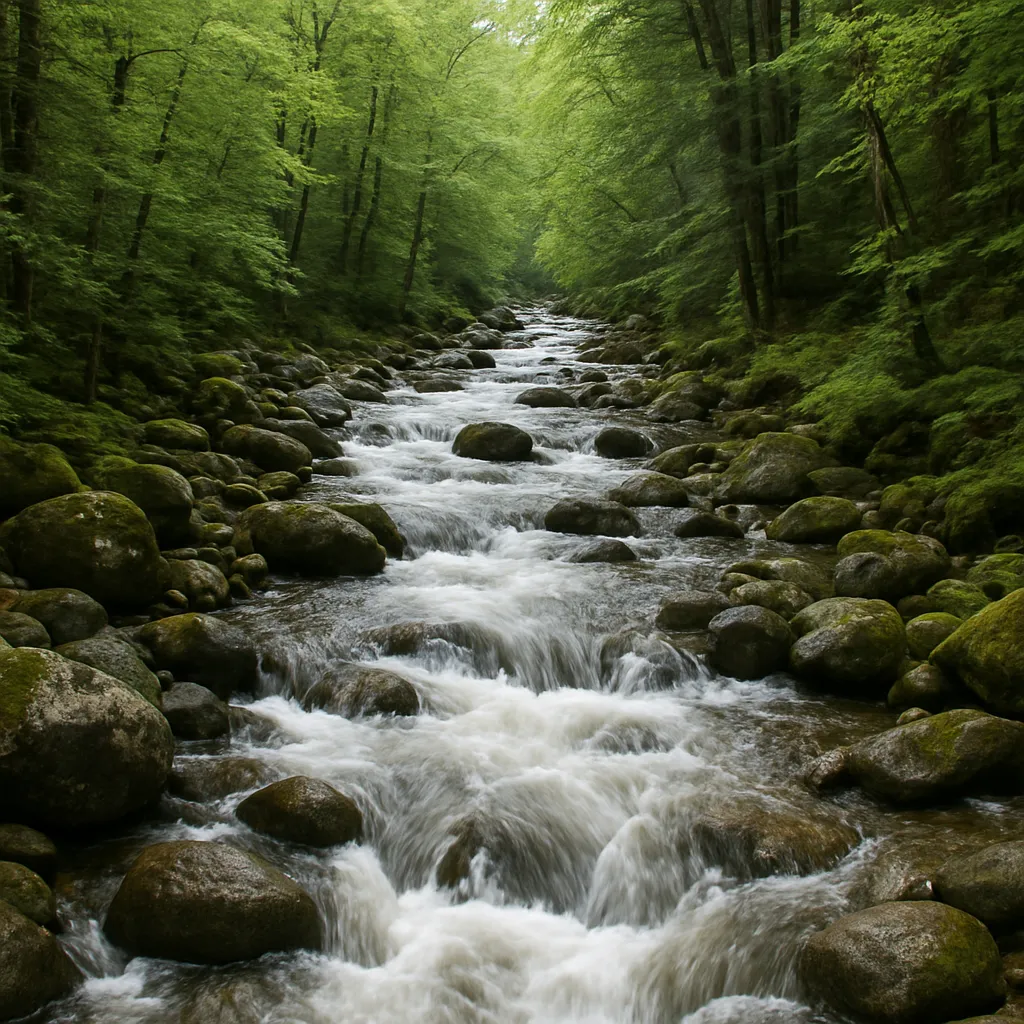
The Middle Colonies had deep, fertile soil, steady rainfall and a moderate climate. Which crop did farmers there grow in such large amounts that they sold it to other colonies and to Europe?
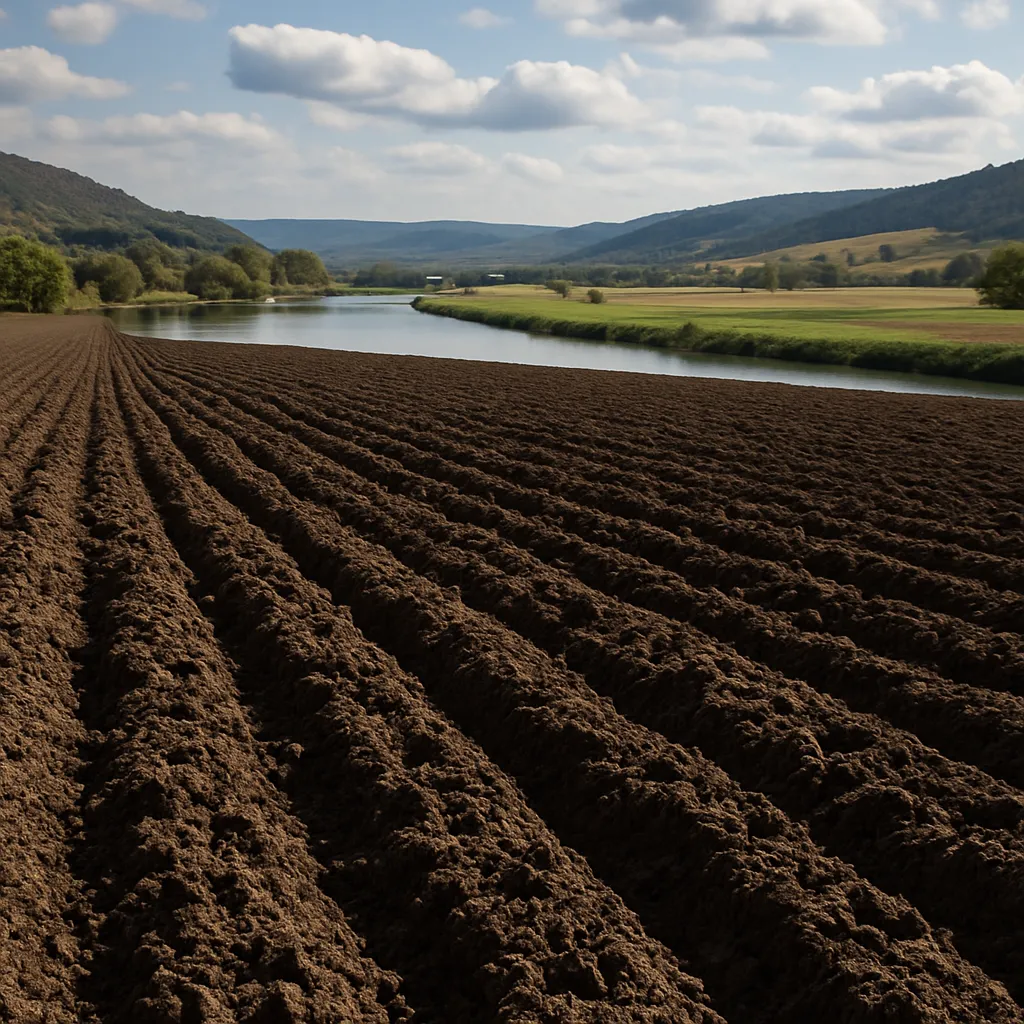
The Hudson, Delaware and Susquehanna rivers cut through the Middle Colonies' best farmland. How did farmers there use those rivers?
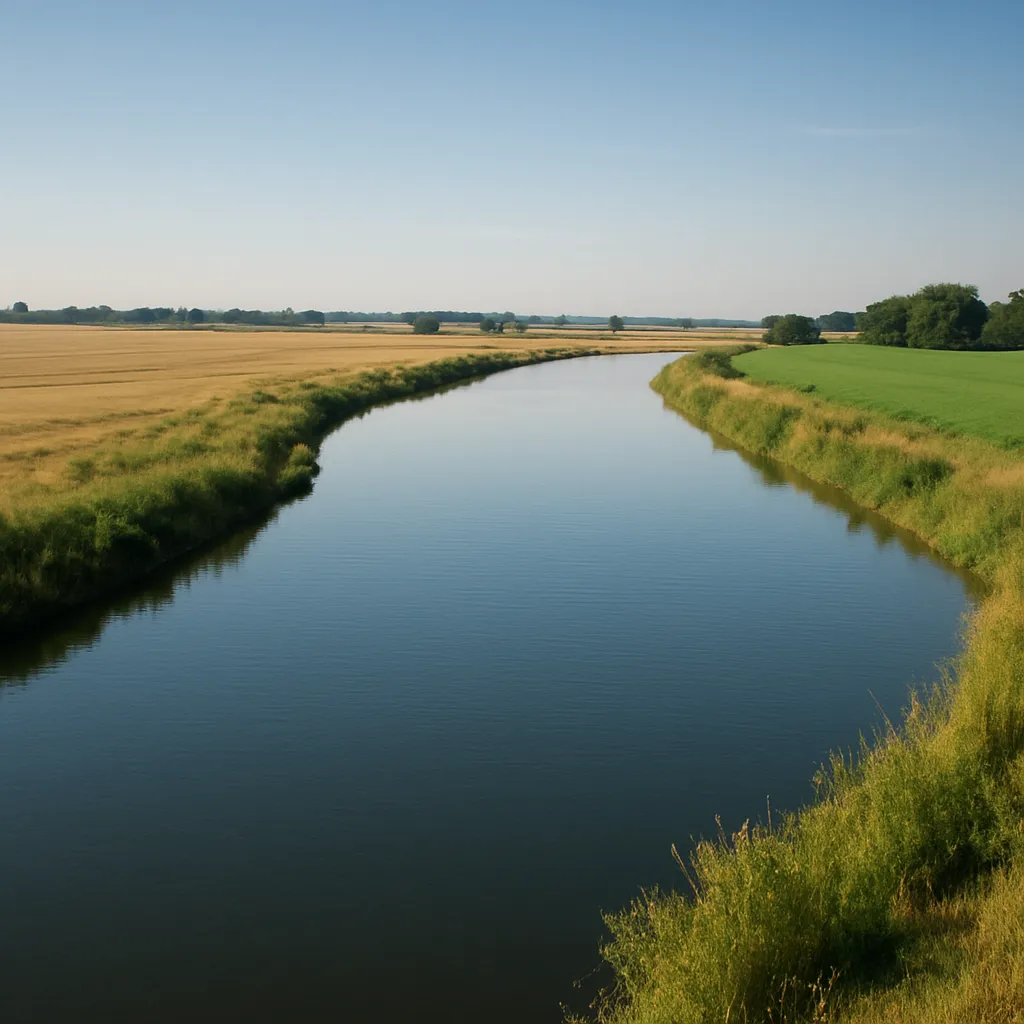
Middle Colony farmers harvested far more wheat than their families could eat, and streams there drop quickly over rocky ground. Why did they build grist mills at those spots?
Growing tobacco year after year wore out the soil on Chesapeake farms. What did many planters do as a result?
Ocean ships could sail far up the wide, deep rivers of the Chesapeake Bay. What effect did that have on where planters loaded their tobacco?
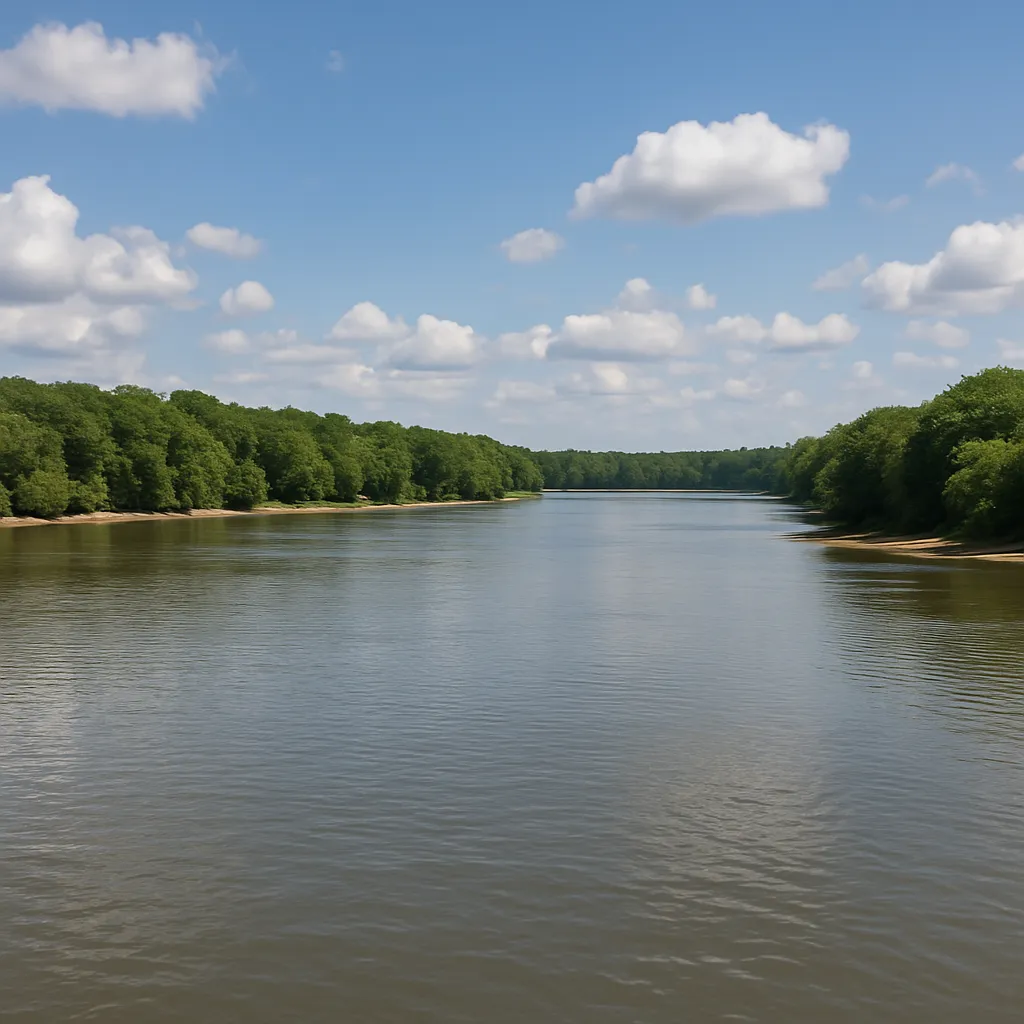
Planters in the South Carolina lowcountry grew huge rice crops in fields beside tidal rivers. Which port city grew rich shipping that rice to Europe?
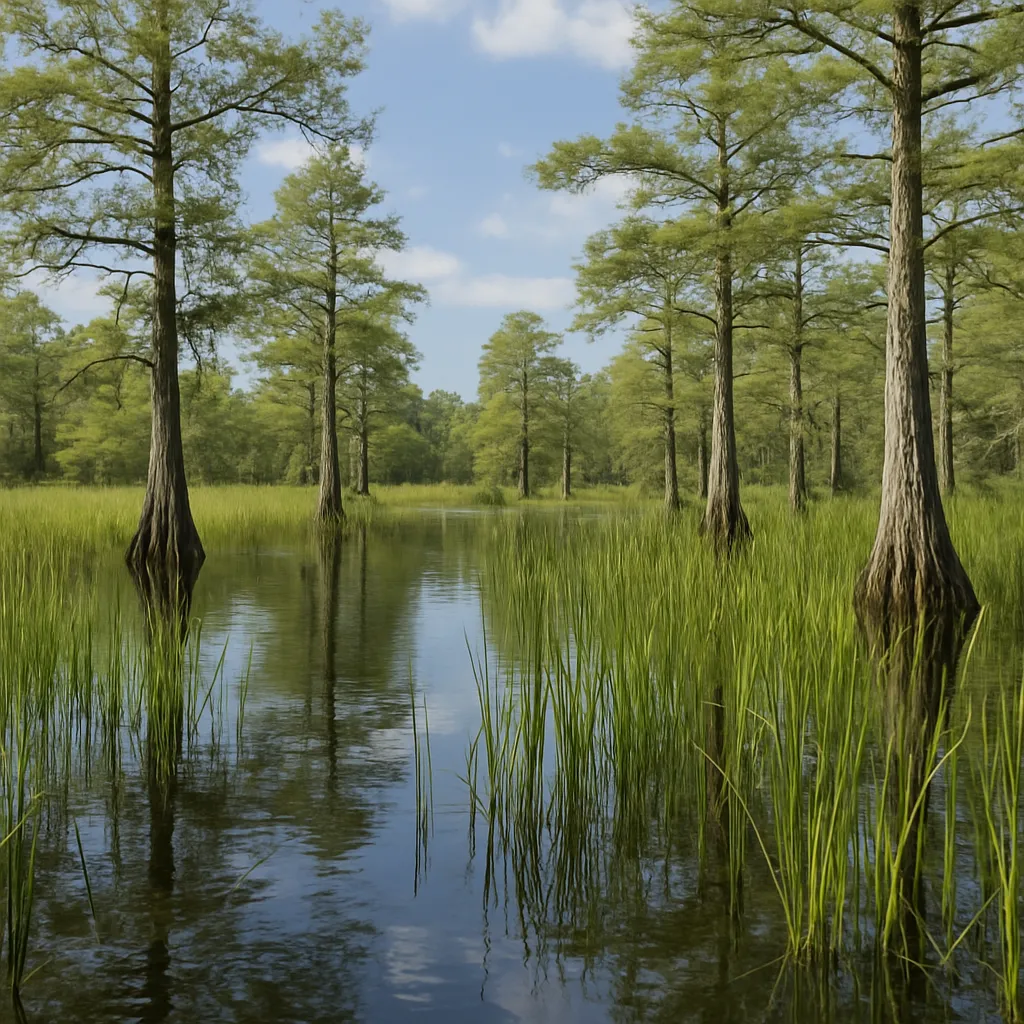
Longleaf pine forests covered North Carolina's coastal plain. Colonists tapped and burned those pines to make which goods that wooden ships needed?
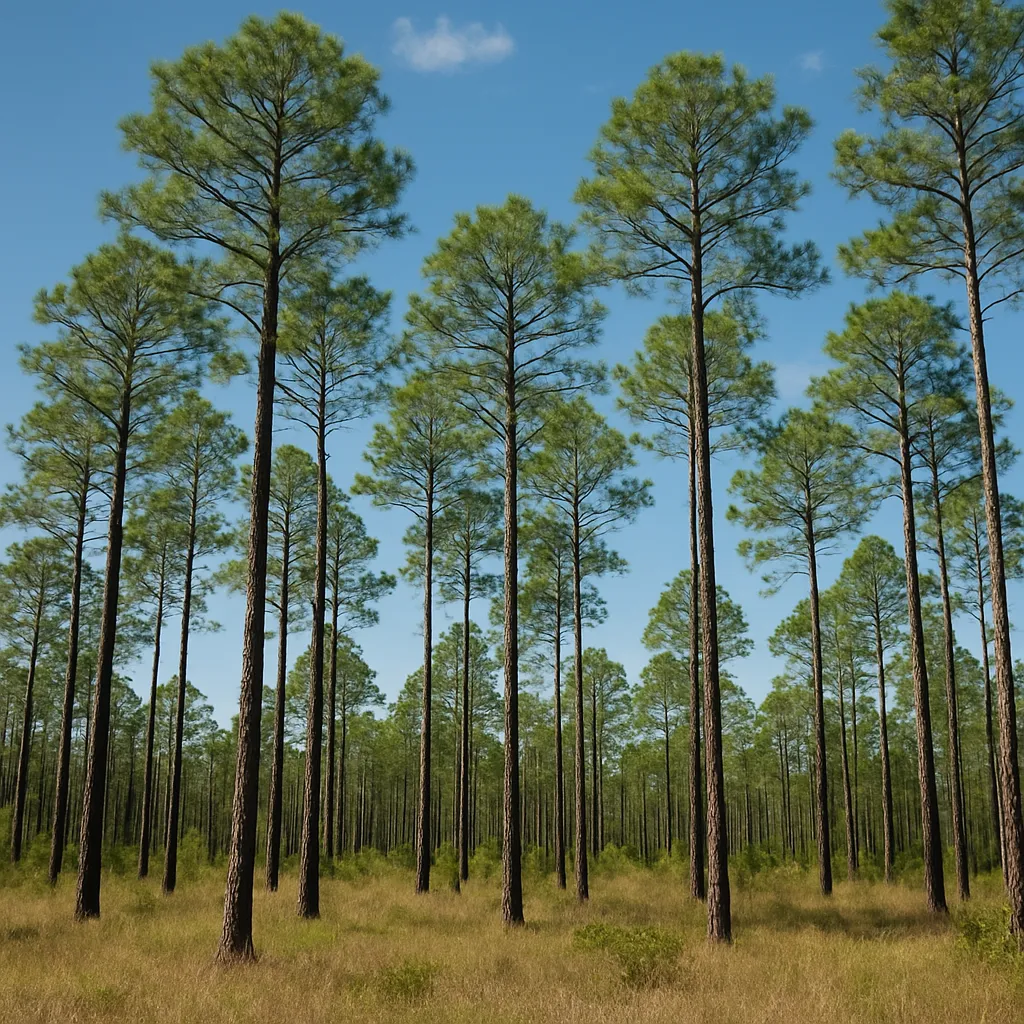
Tobacco and rice grew well in the Southern Colonies, but both needed heavy work across large fields for most of the year. How did large planters get that labor?
Along the Atlantic coast, rivers drop over rapids at the fall line, and ocean ships cannot travel past that point. Why did colonial towns often grow up right at the fall line?
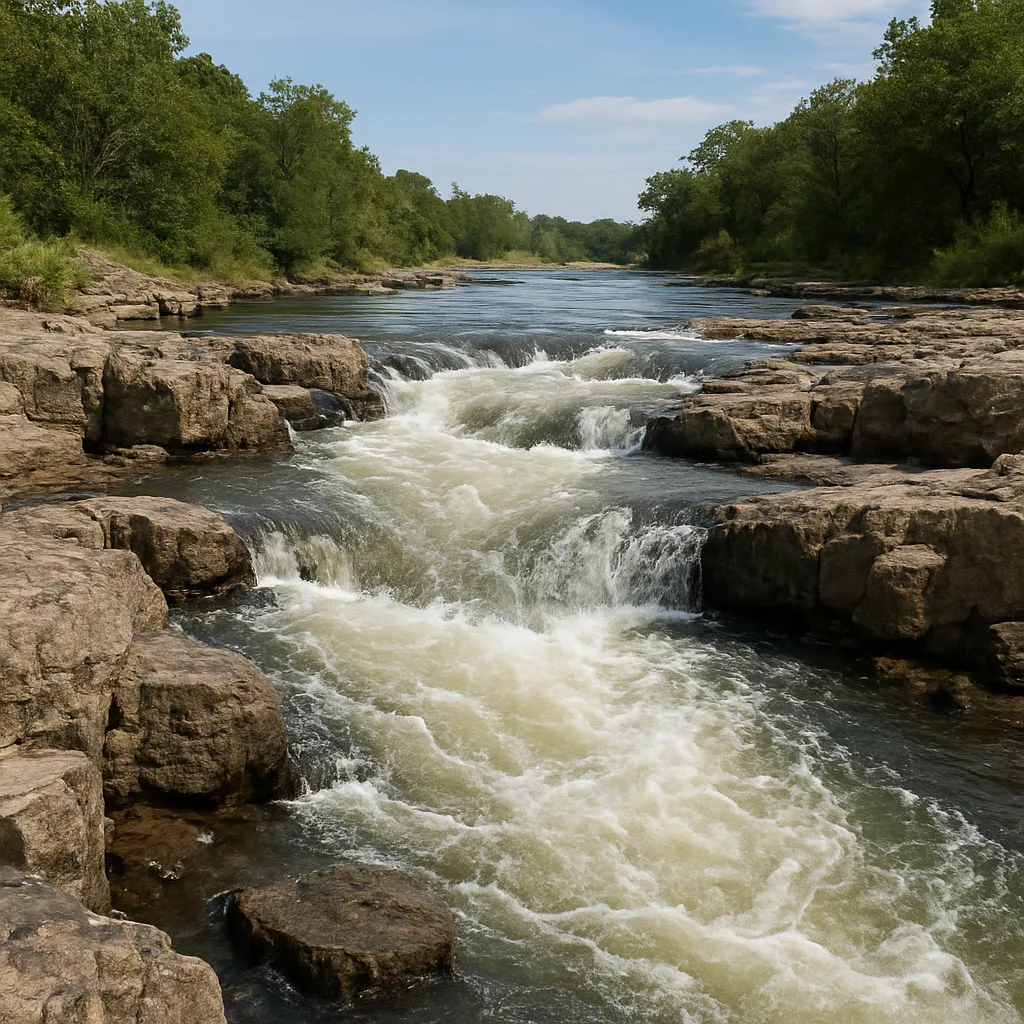
New England's coastal towns sent out whaling ships, and the whale oil they brought back was burned in lamps.
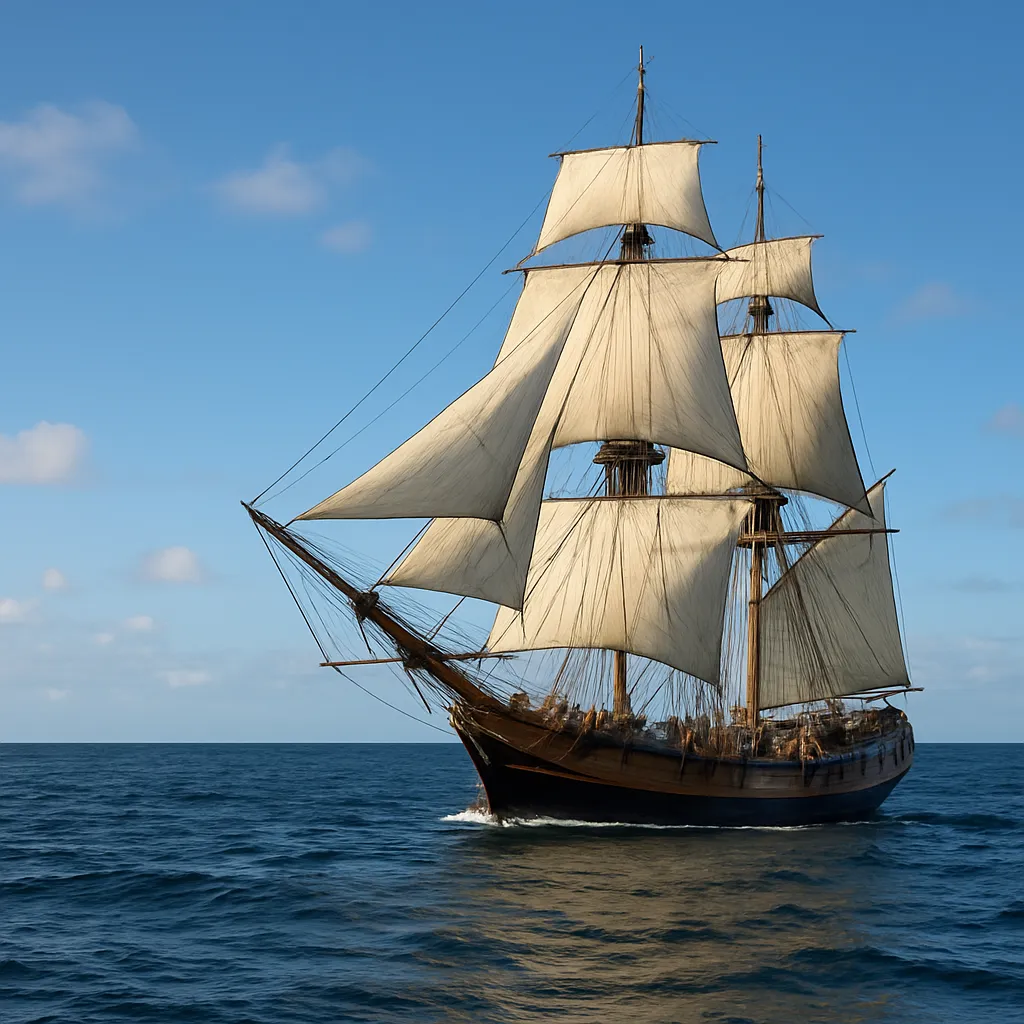
New England had cold, snowy winters. How did the length of the growing season in the Southern Colonies compare to New England's?
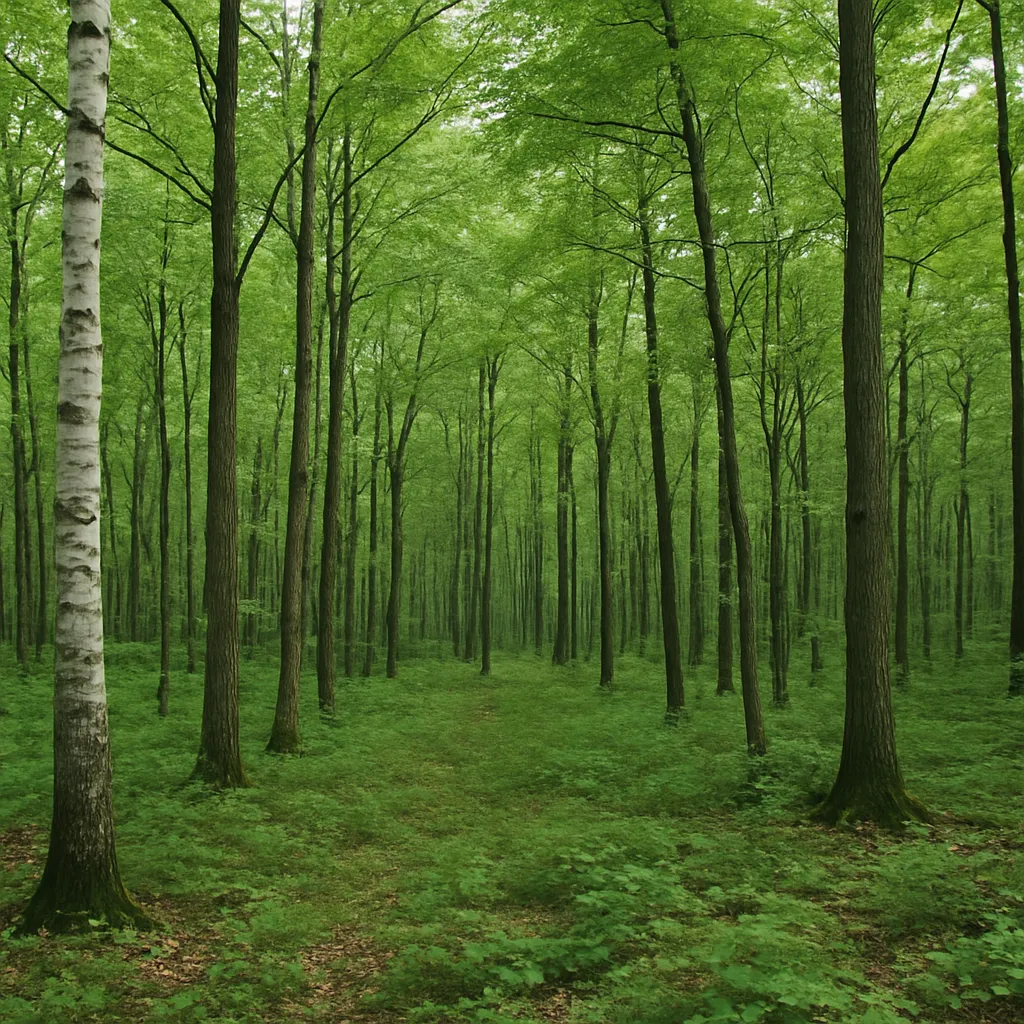
The Haudenosaunee (Iroquois) nations live in the woodlands of what is now New York State. In colonial times, how did those forests shape the homes they built?
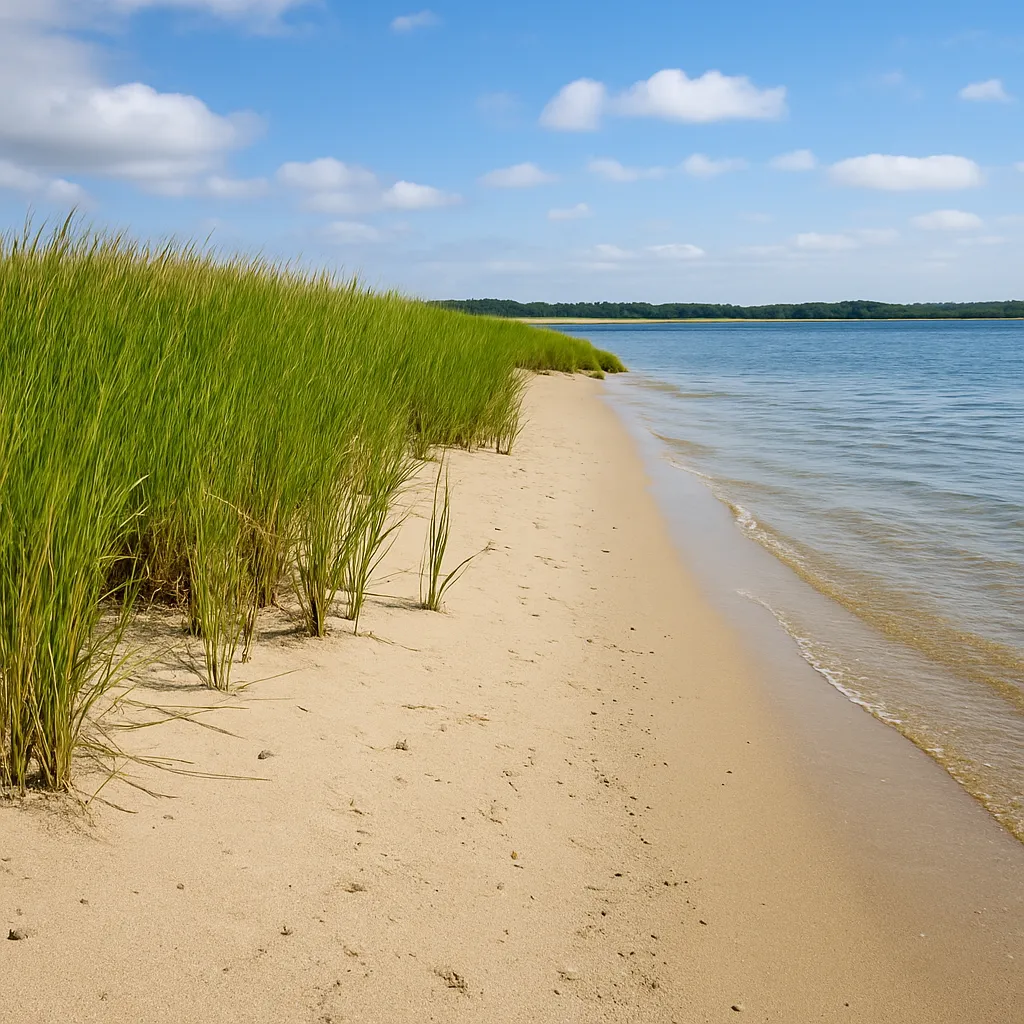
The Wampanoag Nation's homeland lies along the coast of what is now southeastern Massachusetts. How did that coastal setting shape their food in colonial times?
Which colonial region had rocky soil, cold winters, and many forests?
New England merchants shipped dried fish and lumber south to sugar-growing islands and brought back molasses. Where were those islands?
Iron ore in the hills of Pennsylvania and New Jersey helped the Middle Colonies make iron goods.
Which feature helped New York and Philadelphia become busy trading cities?
Georgia, the Carolinas, Virginia, and Maryland belonged to which colonial region?
What crop was especially important in Virginia and Maryland because of the warm climate and good soil?
In the hilly backcountry of the Southern Colonies, far from the coast, most settlers ran small family farms instead of large plantations.
Which activity best fits the geography of the Southern tidewater region?
How did the Appalachian Mountains affect colonial settlement?
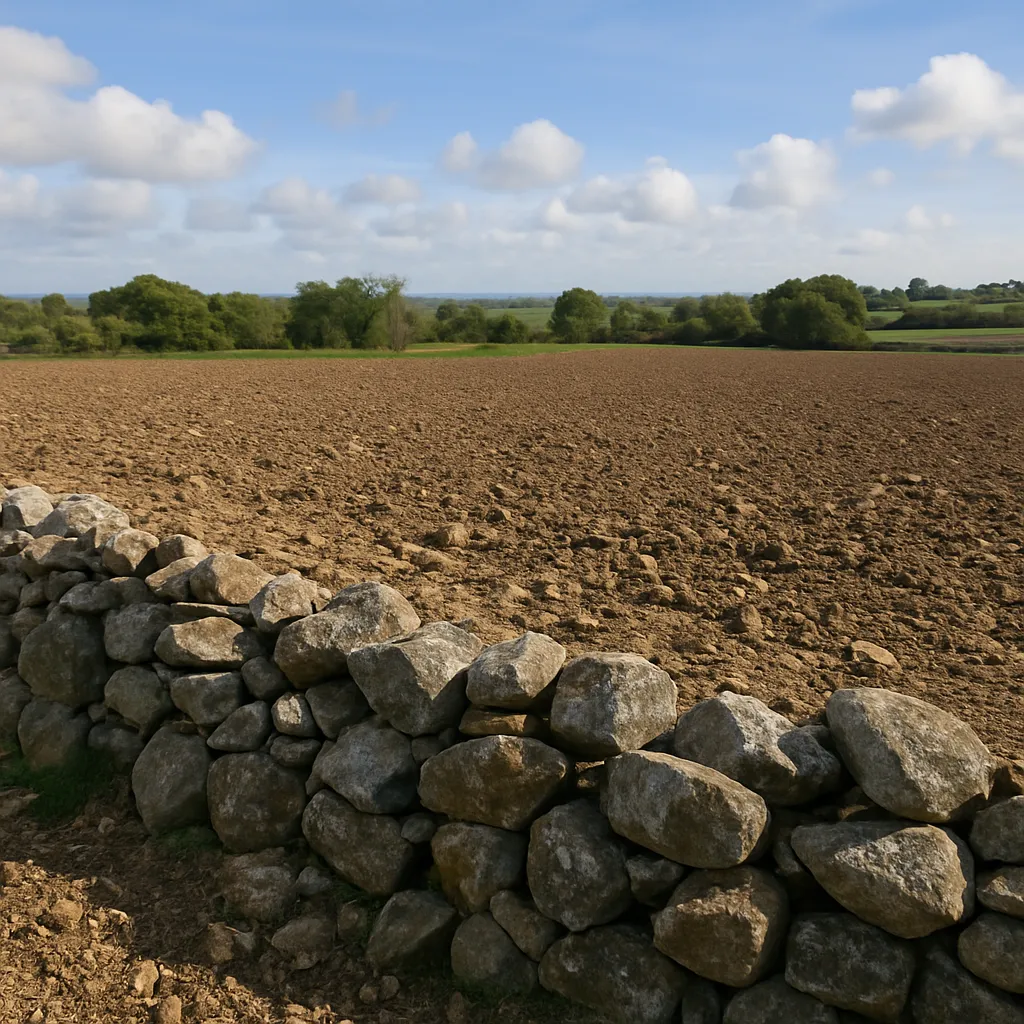
As New England farmers cleared their fields, they dug up thousands of stones left behind by glaciers. What did many farmers build with those stones?
The Middle Colonies had more fertile farmland than much of New England.
Along with rice, which other cash crop became valuable in South Carolina after colonists began growing it on higher land unsuited to rice?
Low, swampy land along many Southern rivers bred huge numbers of mosquitoes. What problem did this cause for colonists?
Which crop grew well in the wet lowlands of South Carolina and Georgia?
A shorter growing season in New England encouraged colonists to rely more on the sea and forests than on large cash-crop plantations.
Which colonial region is best described as having fertile valleys, grain farms, and diverse port cities?
How did the Atlantic Ocean shape the English colonies?
Rice and indigo plantations were the main source of wealth in the Middle Colonies.
Which statement explains why plantations were more common in the Southern Colonies than in New England?
The Middle Colonies sat between New England and the Southern Colonies. How did their climate compare with the other two regions?
Because planters in Virginia and Maryland spread out along rivers, few large towns grew up in that area.
Which answer best describes how location shaped the colonial regions overall?
Pueblo Peoples and Cliff Dwellers of the Southwest
40 questions
Nations of the Pacific Northwest, the Great Plains, and the Eastern Woodlands
40 questions
Tracing the Routes of Early Explorers
20 questions
Cooperation and Conflict Among American Indians and New Settlers
40 questions
Founders and Religion in the Earliest Colonies
40 questions
Crack the passcode before the zombies get in.

Pick a tile, answer, hit bonuses and steals.