Loading
by BlastRoom
Practice writing and evaluating clear step-by-step everyday algorithms.
#computer_science
50 questions
One question set, multiple game modes. Tap any game to see it in action. Not sure which to pick?
Answer to place stones and capture territory.
Outrun the snow together.
Earn blasts, then hunt the other team.
Answer to earn energy, then climb.

The class blasts through walls together.
Bid on mystery lots. Most money wins.
Sell tours. Nice, standard, or a total scam.

Answer, restock, and serve the rush.
More correct answers pulls the rope your way.
Answer, then shoot down the alien wave.
Answer, then tap to leap the frozen ridge.
These steps wash a reusable water bottle, but they are scrambled: (1) rinse out the soap, (2) add dish soap and warm water, (3) put the lid back on, (4) scrub the inside. Which order works?
A student needs to submit a paper online. The scrambled steps are: (1) click Submit, (2) choose the paper file, (3) open the assignment page, (4) check that the file name appears. Which sequence is correct?
Put these steps for mailing a package in a working order: (1) give the package to the postal clerk, (2) place the item in a box, (3) seal the box, (4) write the delivery address on it.
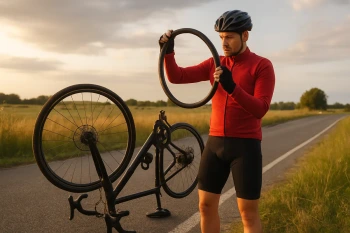
A bike rider is preparing to leave. Steps are scrambled: (1) pedal away, (2) unlock the bike, (3) put on a helmet, (4) check that the tires are inflated. Which sequence is safest and works?
These are scrambled steps for heating soup in a microwave: (1) set the heating time, (2) take the bowl out carefully, (3) put the bowl in the microwave, (4) start the microwave. Which order works?
Arrange these steps for borrowing a library book: (1) take the book home, (2) scan the library card, (3) bring the chosen book to the desk, (4) scan the book barcode.
A person wants to make toast with jam. The scrambled steps are: (1) spread jam on the toast, (2) remove the toast from the toaster, (3) put bread in the toaster, (4) start the toaster. Which order is correct?
Order these steps for saving a new contact on a phone: (1) enter the phone number, (2) tap Save, (3) open the contacts app, (4) choose Add Contact. Which sequence works?
These steps make a paper airplane, but they are out of order: (1) fold both top corners toward the center line, (2) throw the finished airplane, (3) fold the paper in half lengthwise, (4) crease each fold firmly. Which order works?
Place these checkout steps in order: (1) receive a receipt, (2) scan each item, (3) pay the total, (4) place items on the counter. Which order is correct?
A gardener plants a seed. The scrambled steps are: (1) cover the seed with soil, (2) water the planted spot, (3) place the seed in the hole, (4) dig a small hole. Which sequence works?
Order these steps for joining a video meeting: (1) click Join, (2) enter the meeting code, (3) open the meeting app, (4) wait for the meeting screen to load. Which order works?
An algorithm for sending an email says: open the email app, tap Compose, type the message, enter a subject, tap Send. Which important step is missing?
A student follows these steps to print a document: turn on the printer, choose Print, collect the pages. Which step must be added for the steps to work?
An algorithm for brushing teeth reads: put toothpaste on the brush, rinse the mouth, put the toothbrush away. Which step must be added for the algorithm to clean the teeth?
A locker-opening procedure says: insert the correct combination, turn the dial as directed, pull the door open, remove your books. Which step is missing at the end?
A recipe algorithm says: gather ingredients, crack eggs into a bowl, whisk the eggs, pour them into a heated pan, cook until set. What missing step should happen before cracking the eggs?
A procedure for uploading a profile picture says: open settings, choose Profile Picture, tap Save. Which step must be added for the procedure to work?
A procedure for borrowing a classroom calculator says: ask the teacher, write your name on the checkout list, take the calculator, use it. Which final step is missing?
A student follows this algorithm to find a word in a digital document: open Find, type the word, press Enter, read the highlighted result. Which step must occur first?
An algorithm for paying at a parking meter says: enter the space number, choose an amount of time, pay, take the receipt. What step is missing before entering the space number?
A sandwich should have mayonnaise inside. The procedure says: place bread on a plate, add filling, put a second slice of bread on top, spread mayonnaise on a bread slice, cut the sandwich. What is wrong with it?
This algorithm for sending a text message has one step in the wrong place: (1) open Messages, (2) tap New Message, (3) tap Send, (4) choose a recipient, (5) type the message. Which change fixes it?
A procedure for using a stapler reads: (1) press the stapler down, (2) line up the papers, (3) place the papers under the stapler, (4) remove the stapled papers. Which change makes it work?
A student is packing a lunch: (1) close the lunchbox, (2) place the food in the lunchbox, (3) put the lunchbox in the backpack, (4) zip the backpack. Which change fixes the algorithm?
An algorithm for taking a photo says: (1) tap the shutter button, (2) open the camera app, (3) aim the camera at the subject, (4) review the photo. Which change makes the sequence work?
A procedure for washing hands reads: (1) dry hands, (2) wet hands, (3) apply soap, (4) rinse hands. Which change fixes it?
A procedure for checking out of a hotel says: (1) pack your belongings, (2) leave the building, (3) go to the front desk, (4) return the room key. Which change is needed?
A procedure for baking cookies says: (1) put the tray in the oven, (2) preheat the oven, (3) set a timer, (4) remove cookies from the oven. Which change makes it work?
A class procedure for collecting homework says: (1) place the papers in the tray, (2) check that your name is on the paper, (3) walk to the tray, (4) return to your seat. Which change fixes the procedure?
Procedure A: start with a number, add 5, then multiply by 2. Procedure B: start with a number, multiply by 2, then add 5. Traces: for 2, A gives 14 and B gives 9; for 4, A gives 18 and B gives 13. What do the traces show?
Procedure A: subtract 3, then double the result. Procedure B: double the number, then subtract 6. Traces: for 5, both give 4; for 9, both give 12; for 12, both give 18. What can be concluded from these traces?
Procedure A: add 1, then multiply by 3. Procedure B: multiply by 3, then add 1. Traces: for 0, A gives 3 and B gives 1; for 2, A gives 9 and B gives 7; for 5, A gives 18 and B gives 16. Which traced input shows the procedures do not agree?
Procedure A: divide a whole number by 2, keeping the whole-number part. Procedure B: subtract 1, then do the same. Traces: for 7, A gives 3 and B gives 3; for 8, A gives 4 and B gives 3. Which input separates the two procedures?
Procedure A: multiply by 4, then subtract 2. Procedure B: subtract 2, then multiply by 4. Traces: for 1, A gives 2 and B gives -4; for 3, A gives 10 and B gives 4. Which statement matches the traces?
Procedure A: add 10, then subtract 4. Procedure B: subtract 4, then add 10. Traces: for 6, both give 12; for 15, both give 21. What do these traces show?
Procedure A: multiply the starting number by 2, then add 8. Procedure B: add 8, then multiply the result by 2. Traces: for 1, A gives 10 and B gives 18; for 4, A gives 16 and B gives 24. What do the traces show?
Procedure A: add 2, then divide by 2. Procedure B: divide by 2, then add 1. Traces: for 4, both give 3; for 10, both give 6; for 14, both give 8. Which conclusion is supported by the traces?
A vending machine follows this algorithm: accept coins; if the amount is less than the price, return all coins and stop; otherwise release the item and return the extra amount. An item costs 140 cents. A customer inserts 200 cents. What happens?
A school copier follows: enter the number of copies; print one copy at a time until that number has printed; stop. If a student enters 3, what is the output?
A bus card reader follows: if the card balance is at least $2, subtract $2 and allow boarding; otherwise do not allow boarding. A card has $1.50. What happens?
A thermostat algorithm reads: measure the room temperature; if it is below 20 °C, turn on heat; otherwise turn off heat. The measured temperature is 22 °C. What does the algorithm do?
A game score algorithm starts at 0. For each correct answer, add 10 points. For each incorrect answer, subtract 2 points. A player gets three correct answers and one incorrect answer. What final score is displayed?
A door code system reads four digits. If all four match the stored code, unlock the door; otherwise keep it locked. The stored code is 4826, and the entered code is 4862. What happens?
A music app algorithm starts with volume 5. Each press of the plus button raises the volume by 1, up to a maximum of 10. A user presses plus seven times. What volume results?
An instruction says, "Make the poster look nice." Why is this too vague for a computer to follow exactly?
A robot-cleaning algorithm says, "Move the chair a little." What makes this instruction vague?
A game algorithm says, "Choose a good hiding place." Why could two computers follow this instruction differently?
A recipe says, "Bake the cake until it is ready." What information should be added to make the stopping condition clear?
A navigation algorithm says, "Take the quickest route to school." Why is this not precise enough by itself?
Crack the passcode before the zombies get in.
Answer, then swat bugs for bonus points.
Race through questions at your own speed.
Same question on every screen. Fastest wins.

Pick a tile, answer, hit bonuses and steals.
Collaboration, Pair Programming and Team Roles
20 questions