Loading
by BlastRoom
Compare how Patriots, Loyalists, and British officials described the same events on the road to war.
#history#us_grade_5_social_studies
20 questions
One question set, multiple game modes. Tap any game to see it in action. Not sure which to pick?
In 1765 Parliament passed the Stamp Act, a tax on printed paper in the colonies. What reason did British officials give for the tax?
British officials argued that members of Parliament represented all British subjects, including colonists who could not vote for them. Patriots replied that real representation required what?
Parliament repealed the Stamp Act in 1766. On the same day it passed the Declaratory Act. What did the Declaratory Act say?
The Quartering Act of 1765 required colonial assemblies to provide housing and supplies for British troops. What reason did British officials give for keeping troops in the colonies?
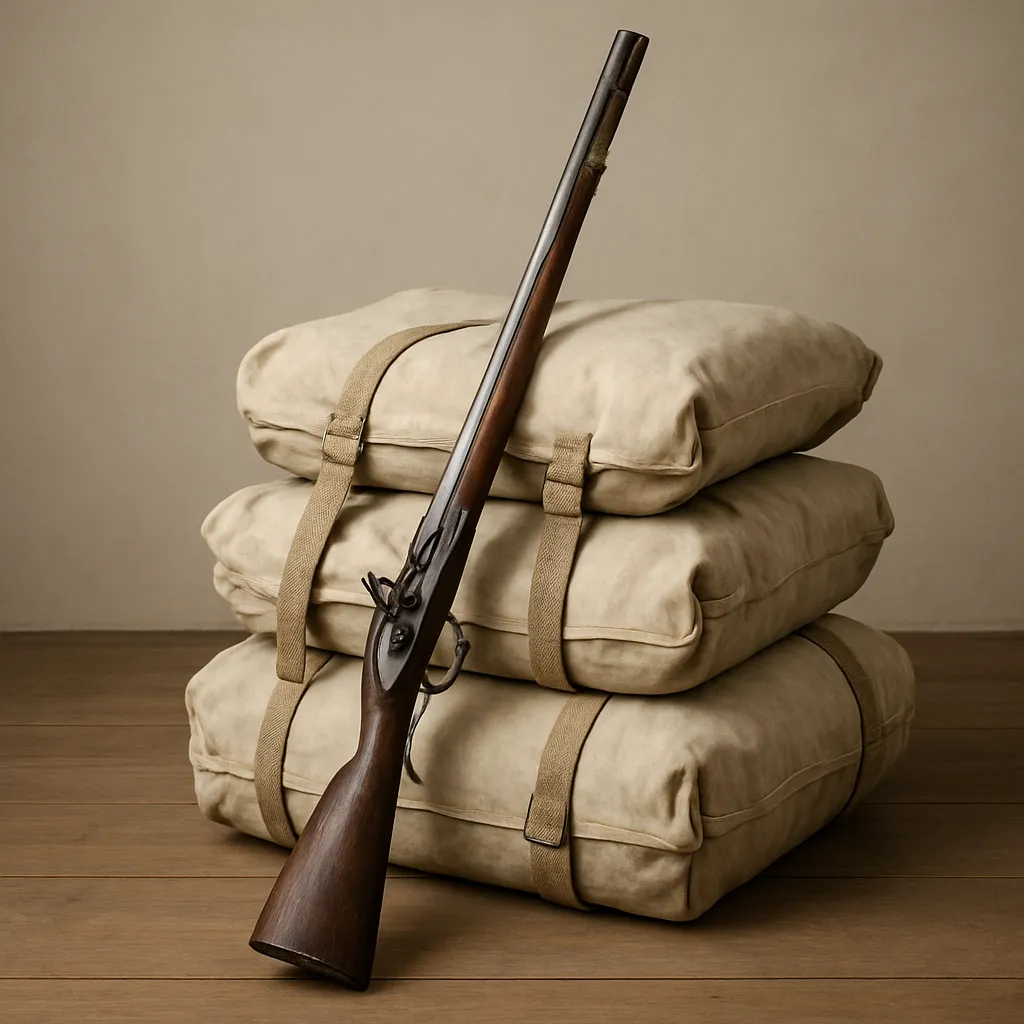
After the war with France ended in 1763, Britain told colonists not to settle west of the Appalachian Mountains. What reason did British officials give?
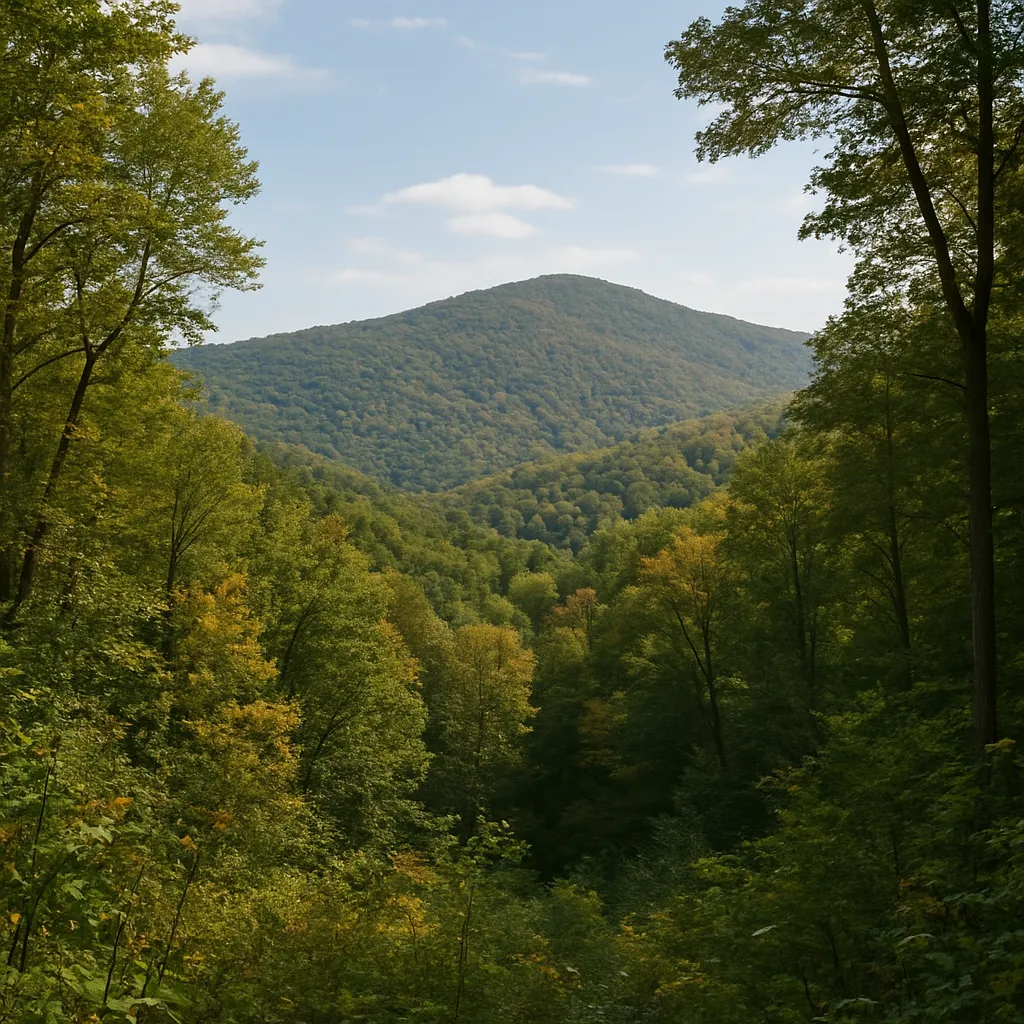
Paul Revere's 1770 engraving of the Boston Massacre shows soldiers firing in a neat line at an officer's command into a calm crowd. What can a historian conclude about this print?
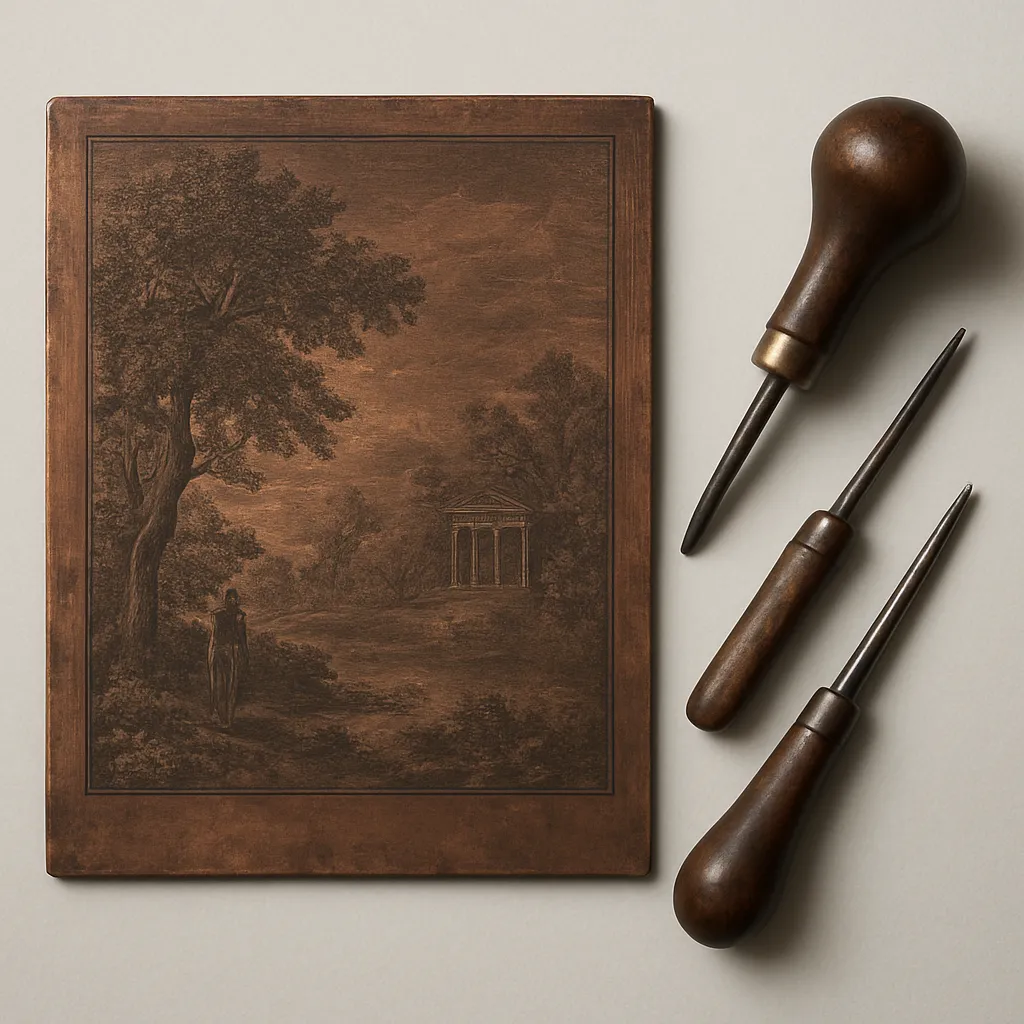
The Patriot lawyer John Adams defended the British soldiers charged after the Boston Massacre. What was the outcome of their trial?
In December 1773 colonists destroyed 342 chests of tea belonging to the British East India Company. In their reports to London, British officials stressed who owned the tea in order to argue what?

Parliament called the 1774 laws that punished Massachusetts the Coercive Acts. What name did Patriots give these laws?
In 1774 Parliament closed the port of Boston until the destroyed tea was paid for. What was the immediate cause of this law?
Colonial merchants signed agreements to stop buying British goods in order to pressure Parliament. What is this kind of action called?

In the fall of 1774, twelve colonies sent delegates to Philadelphia to answer Parliament's new laws. What was this meeting called?
Patriots in several colonies formed committees of correspondence in the early 1770s. What did these committees do?
Many Loyalists agreed that some British taxes were unfair, yet they opposed independence. What did most Loyalists want instead?
Some colonists refused to take either side as the quarrel with Britain grew. Historians describe these colonists as what?
On April 19, 1775, shooting began at Lexington. British officers' reports and colonial militia accounts of that morning disagreed most about what?
Loyalists and Patriots disagreed about independence, but many in both groups objected to Parliament taxing the colonies without their consent.
The Tea Act of 1773 raised the price colonists had to pay for British tea.
In 1774, a colonial pamphlet writer argues that Parliament has no right to tax people who have no representatives sitting in it. Whose point of view does this statement reflect?
A British customs officer in Boston writes home that the colonists owe their safety to the king's army and navy. What does he most likely believe about taxing the colonies?
Crack the passcode before the zombies get in.

Pick a tile, answer, hit bonuses and steals.
Who Fought and Who Helped: Groups in the Revolution
40 questions