Loading
by BlastRoom
Identify, represent, and interpret forces using vectors and free-body diagrams.
#free_body_diagrams#matatag_science_7
20 questions
One question set, multiple game modes. Tap any game to see it in action. Not sure which to pick?
Which entry gives enough information to specify a push?
Which quantity has size but no direction?
In a force diagram, what does an arrow's length represent?
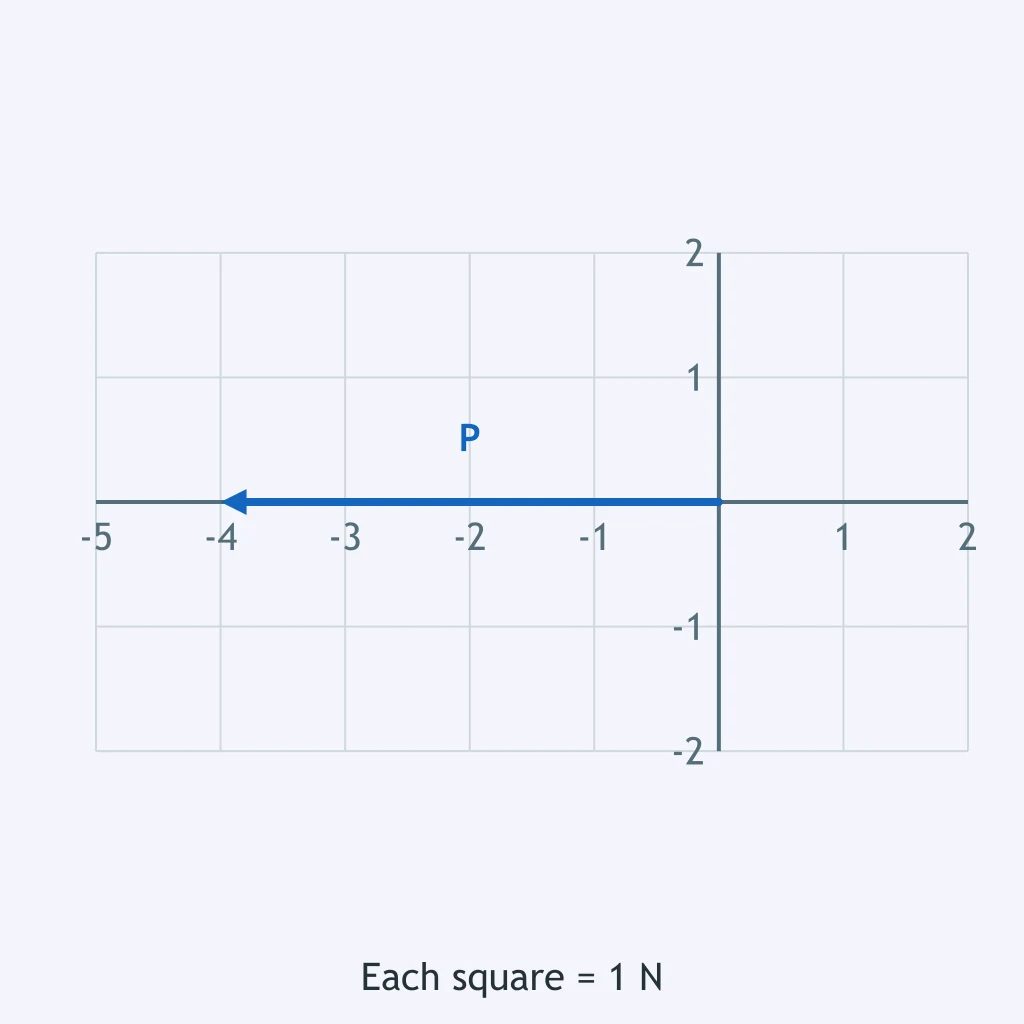
Using the usual compass convention on the grid, which direction does P indicate?
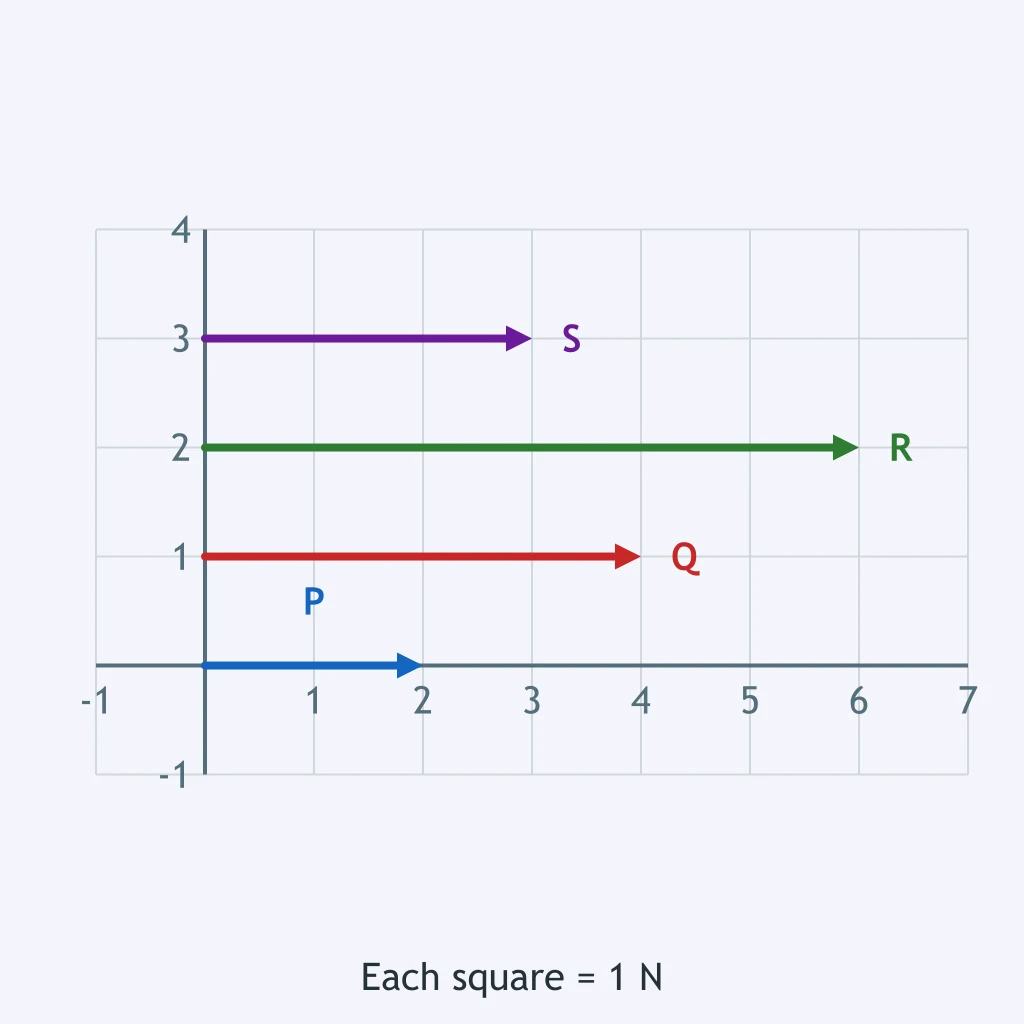
All arrows use the same scale. Which represents the strongest force?
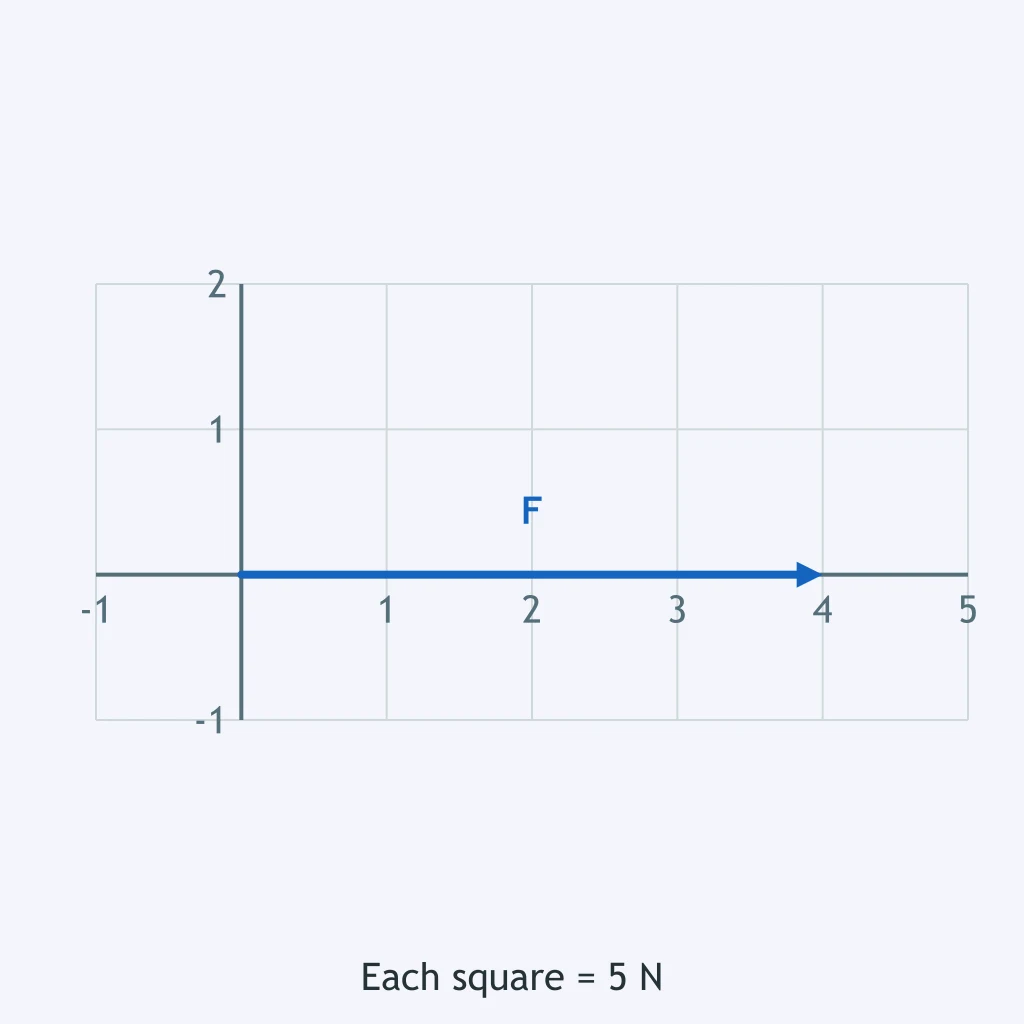
Use the grid scale to find the size of the shown force.
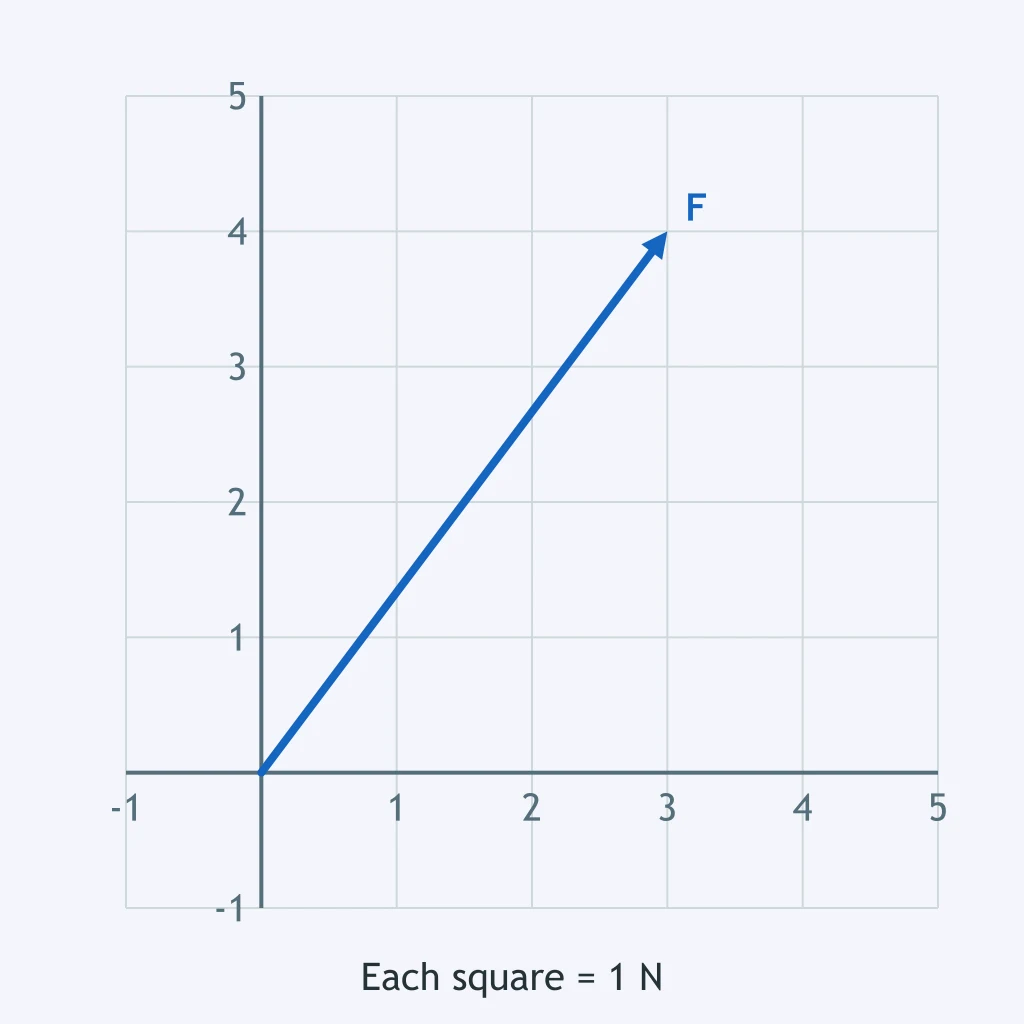
What are the horizontal and vertical components of the shown force?
The arrows are arranged head to tail. What single force would have the same combined effect?
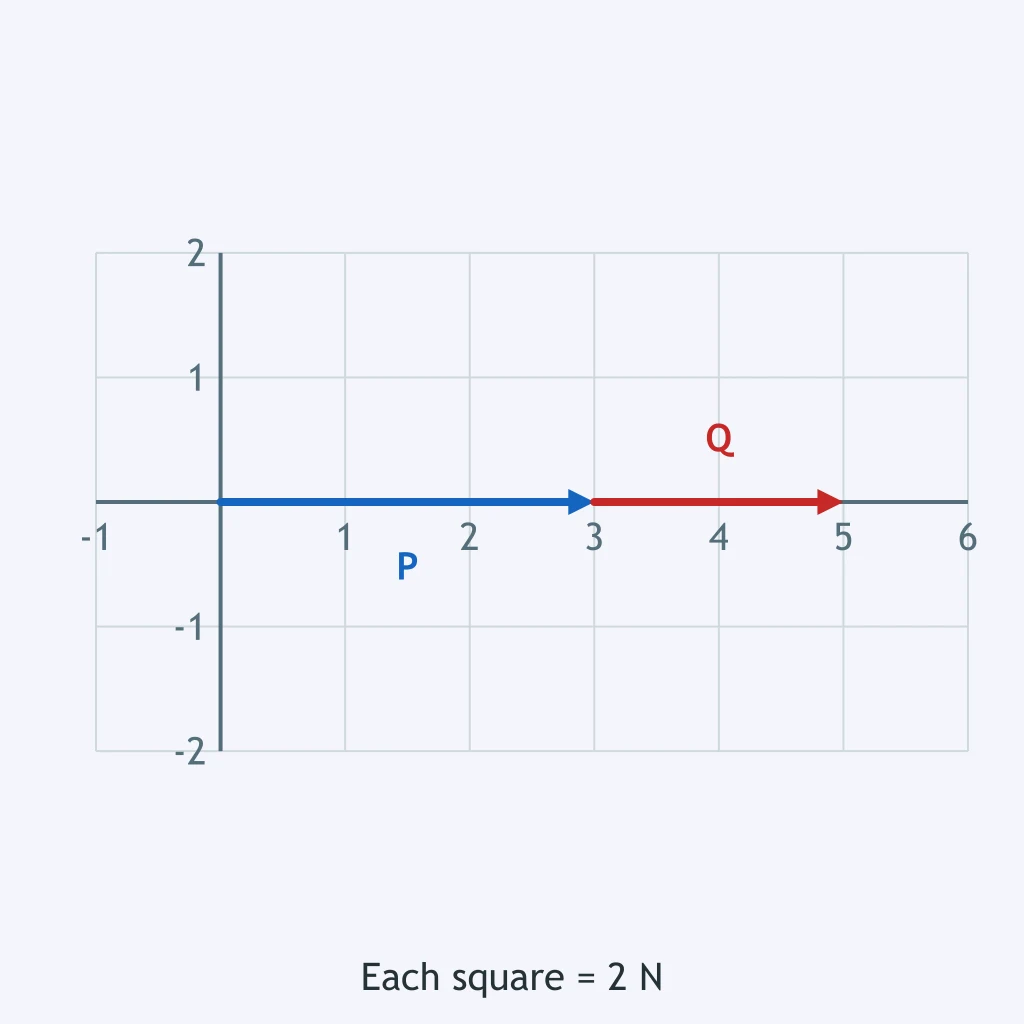
How do P and Q compare as vectors?
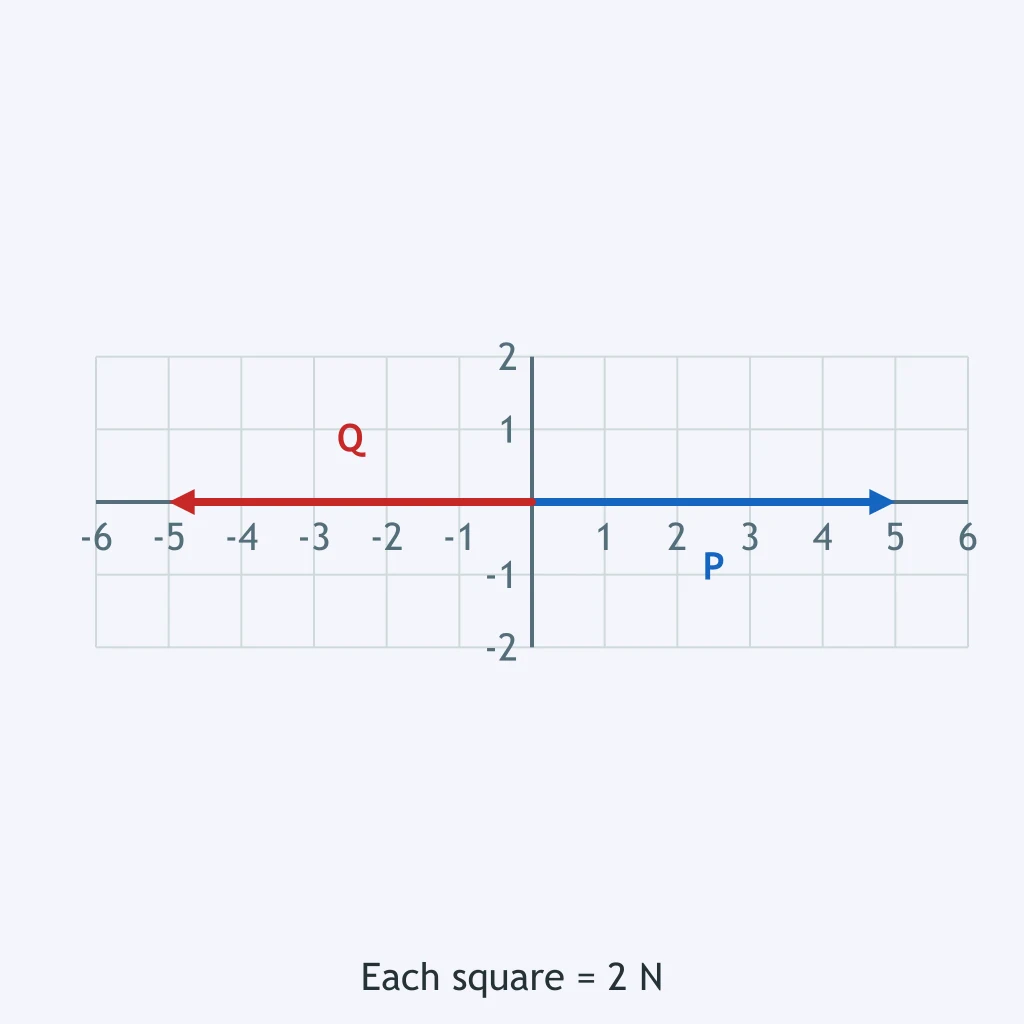
When sketching a free-body diagram for a book, what should the arrows show?
A book rests on a level table with nothing touching it except the table. Which pair belongs in its diagram?
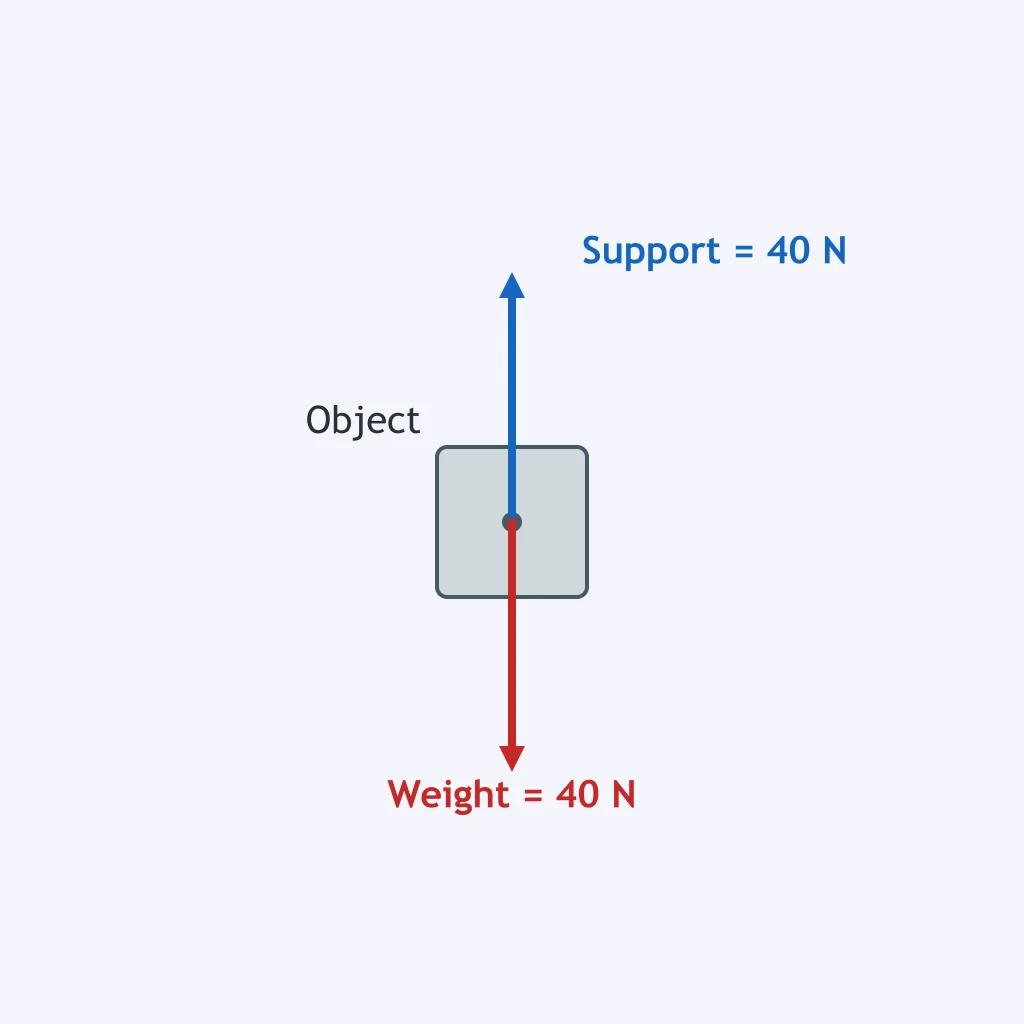
What can you conclude from the forces shown?
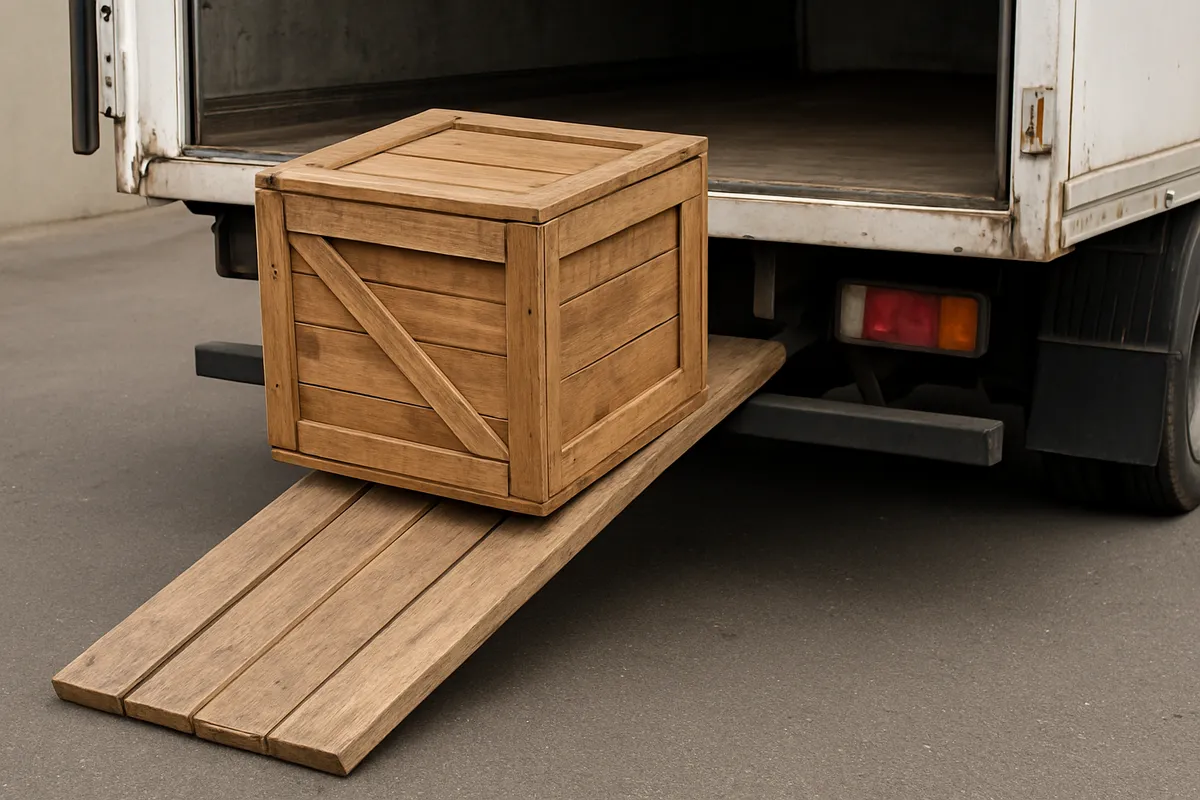
Determine the combined force on the box from the diagram.
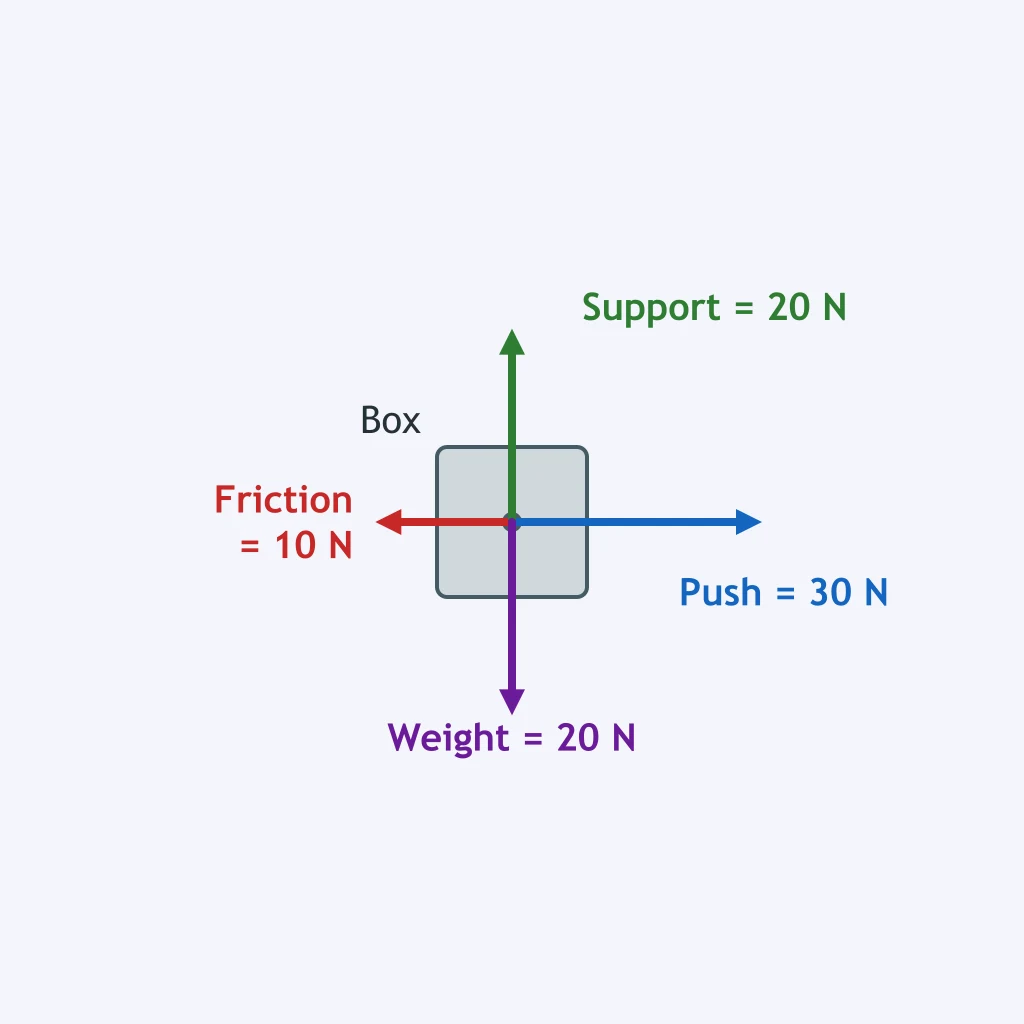
Which arrow represents the normal force acting on the box?
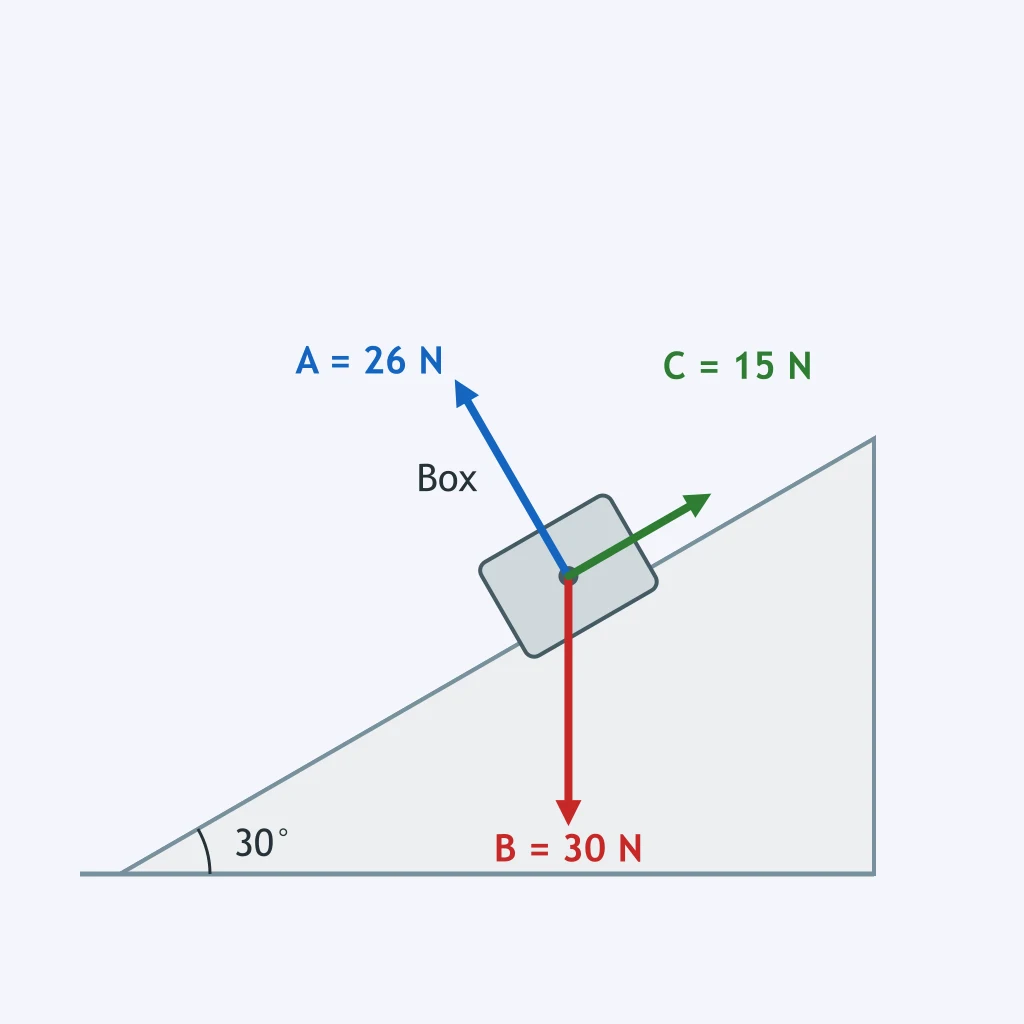
The box slides down this rough ramp. In which direction should the missing friction arrow point?
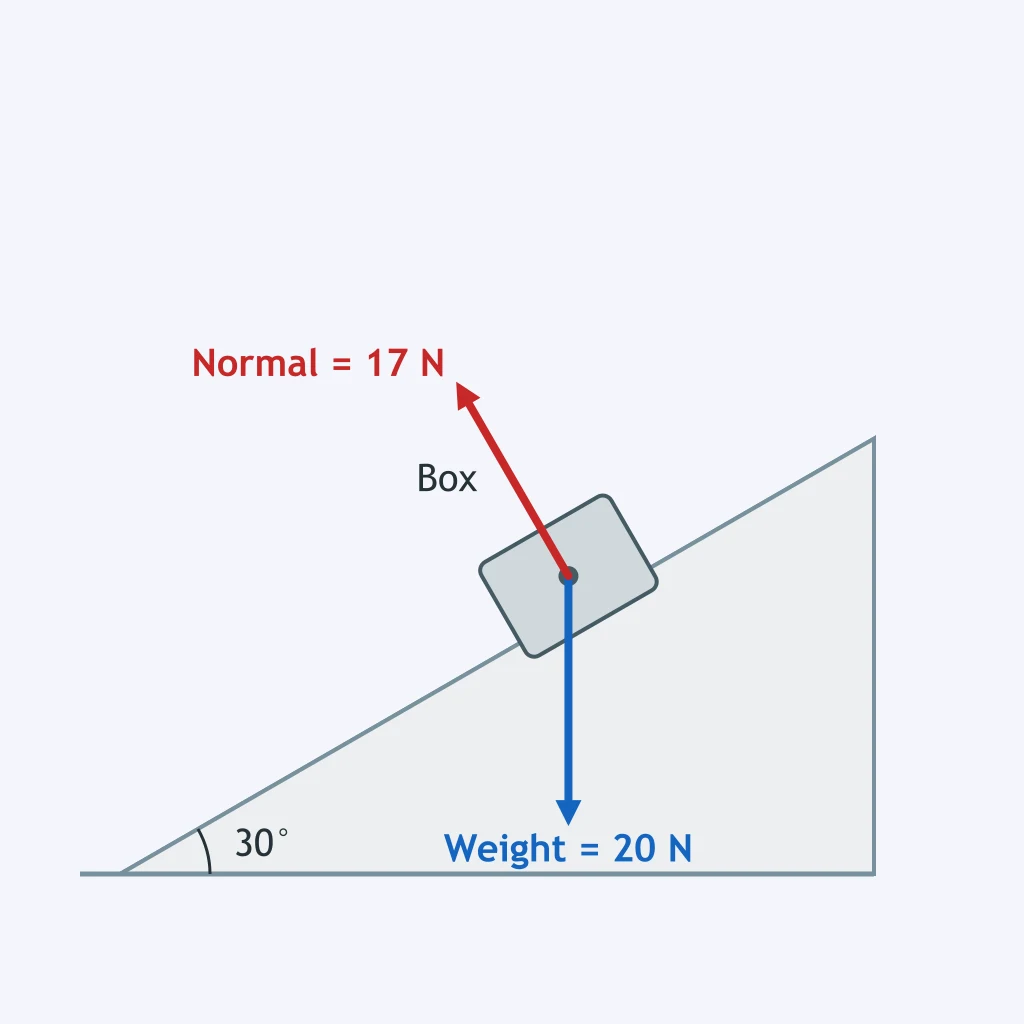
A jeepney travels at steady speed on a straight, level road. How do its forward driving force and backward resistance compare?
A car moving to the right skids to a stop on a level road. Which way does the combined force act?
An elevator rises while slowing down. Ignoring air resistance, how should its cable-pull arrow compare with its weight arrow?
A kicked soccer ball reaches its highest point. Ignoring air resistance, which force still acts on it?
A moving pendulum bob changes direction along its curved path. What does this show about the forces acting on it?
Crack the passcode before the zombies get in.

Pick a tile, answer, hit bonuses and steals.
Distance and Displacement
20 questions