Loading
by BlastRoom
A Texas Grade 6 world societies set on how technology has reshaped communication, transportation, production and daily life.
#technology#us_grade_6_social_studies

20 questions
One question set, multiple game modes. Tap any game to see it in action. Not sure which to pick?
Answer to place stones and capture territory.
Outrun the snow together.
Earn blasts, then hunt the other team.
Answer to earn energy, then climb.

The class blasts through walls together.
Bid on mystery lots. Most money wins.
Sell tours. Nice, standard, or a total scam.

Answer, restock, and serve the rush.
More correct answers pulls the rope your way.
Answer, then shoot down the alien wave.
Answer, then tap to leap the frozen ridge.
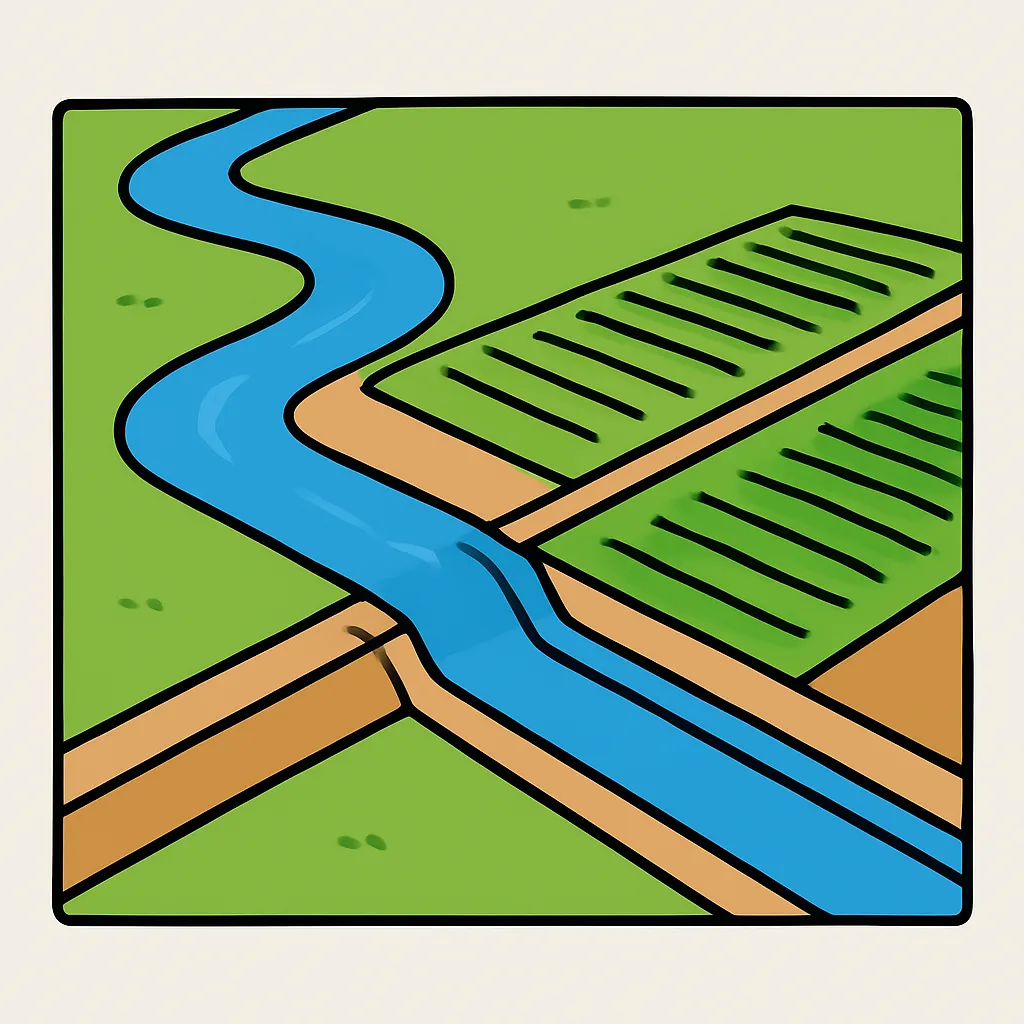
Early river valley villages dug irrigation canals to water their fields, and harvests grew larger than the farmers themselves needed. What social change did that food surplus make possible?
The printing press spread through Europe from the mid-1400s, so a book could be copied far faster than a scribe could write one out by hand. What effect did this have on communication?
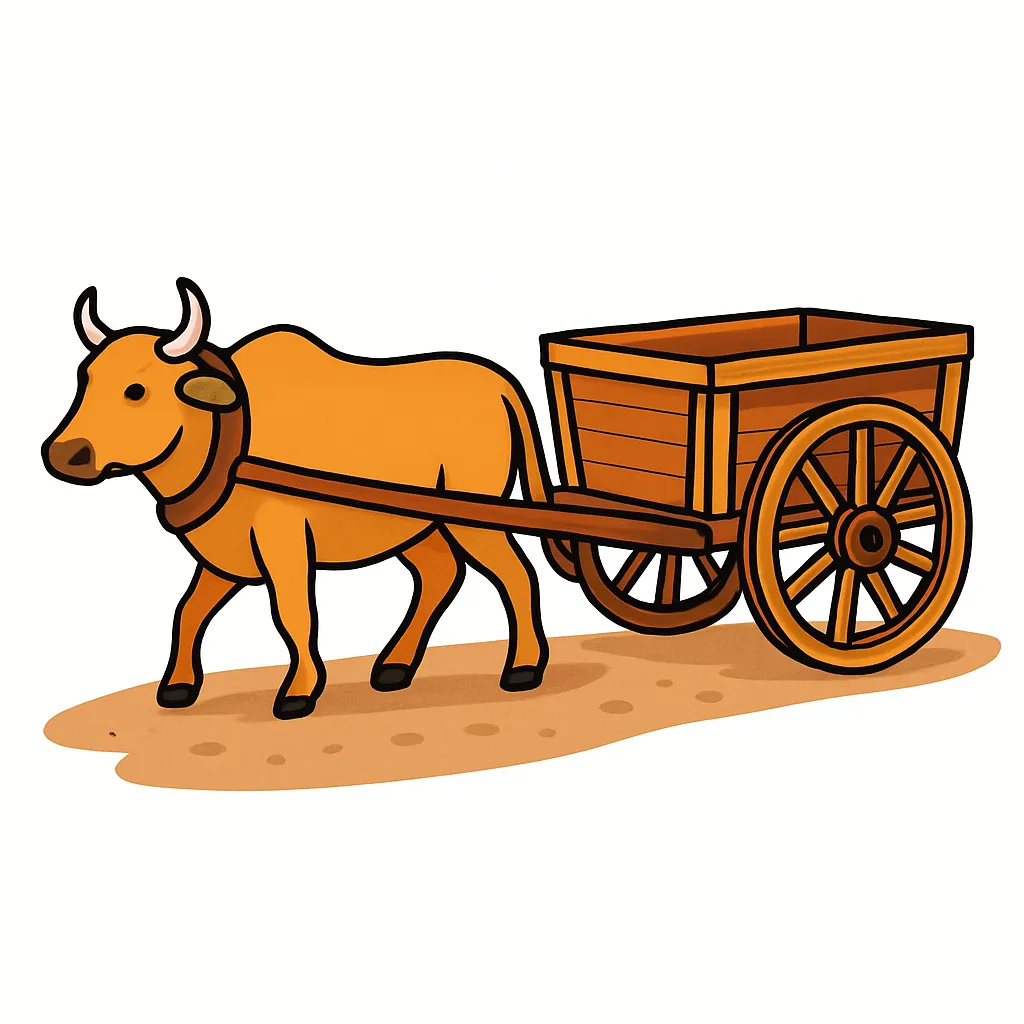
In many ancient societies, animal-drawn carts with wheels replaced carrying goods on people's backs. What was the main economic effect of this change in transportation?
The electric telegraph spread along railway lines during the 1800s. A message that once traveled only as fast as a horse or a ship could now cross a country in minutes. Which kind of development did the telegraph change most directly?
Steam railways were built across large stretches of land during the 1800s. Which settlement pattern followed the building of those lines?
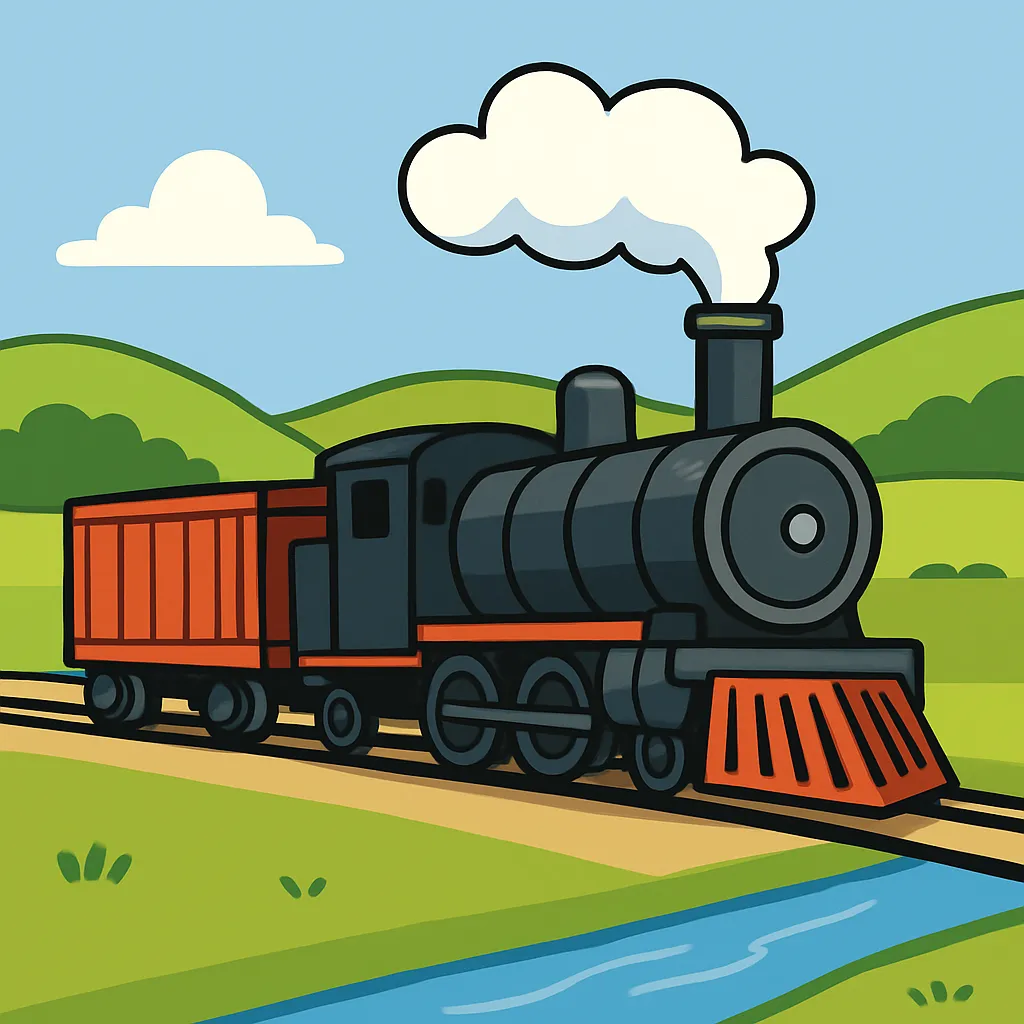
During the 1800s, steam-powered machinery drew large numbers of workers out of farm work and into factory work. Which change in a country's economy does that describe?
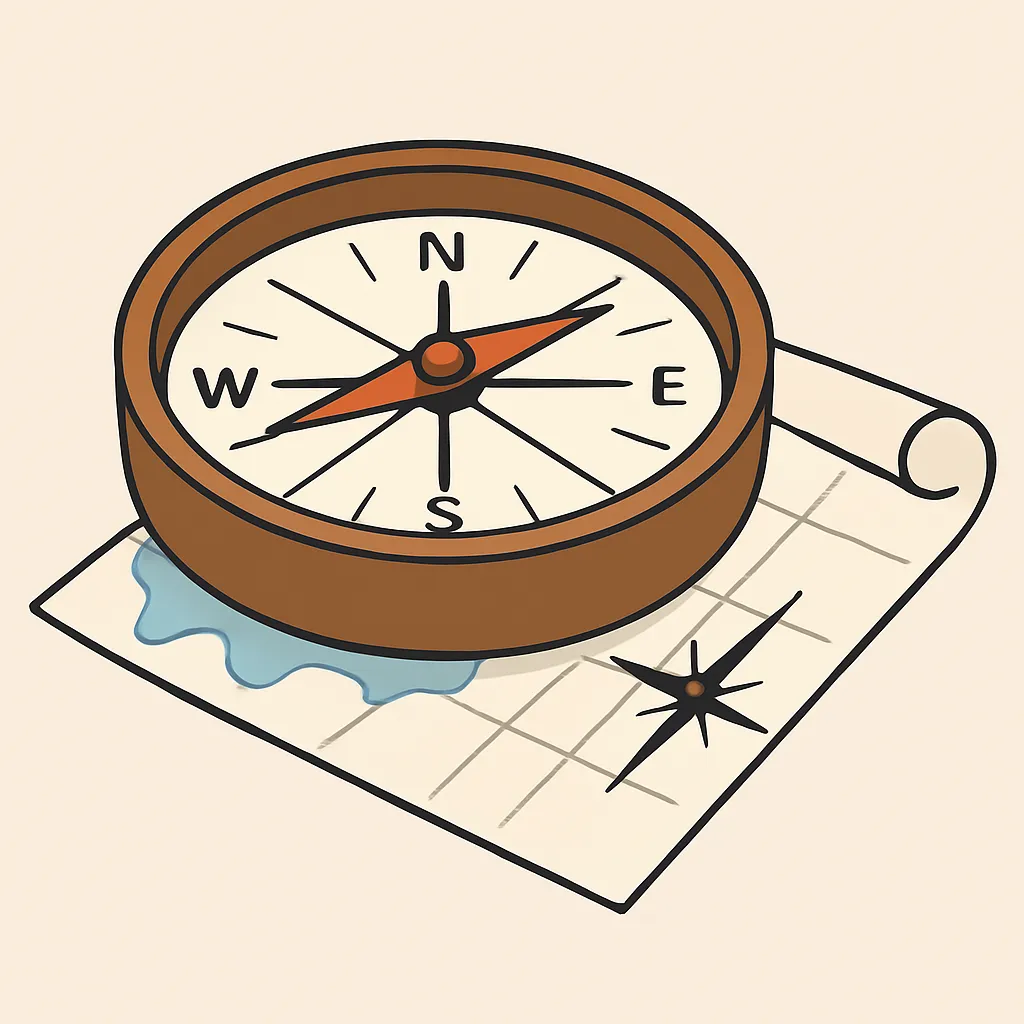
By the 1200s and 1300s, sailors in Europe and Asia were using the magnetic compass together with improved sails. How did that technology change sea travel?
Papermaking began in China and moved westward with merchants along the Silk Roads, reaching Central Asia and Southwest Asia during the 700s and 800s. What does this spread illustrate?

Roman engineers built aqueducts that carried water many miles from hills and springs into their cities. How did this technology affect daily life in those cities?

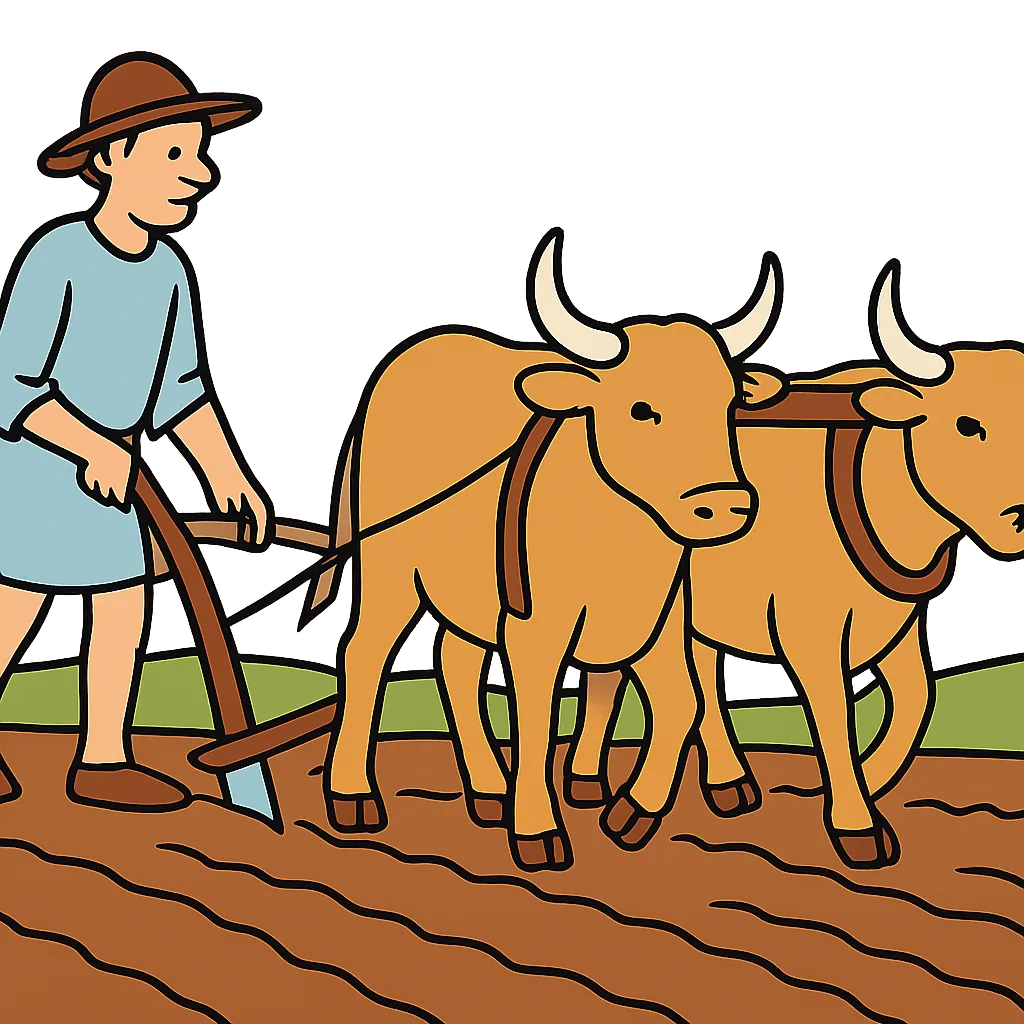
The heavy iron-tipped plow came into wide use in northern Europe during the medieval period. Why did it matter for farming in that region?
In social studies, what does the term technology mean?
A region builds ports, highways and power lines so that its factories can run machines and ship goods to market. What are these shared supporting systems called?
Refrigerated railcars and ships came into wide use in the late 1800s. How did that technology change what people could eat?
During the 1800s, cities that built piped clean water and sewer systems saw deaths from diseases such as cholera fall sharply. What was the main social effect of that change?
In the early 1900s, factories began arranging work on moving assembly lines where each worker repeated one step. What was the main economic effect?
Electric lighting spread through factories, homes and city streets after the 1880s. How did it change daily life?

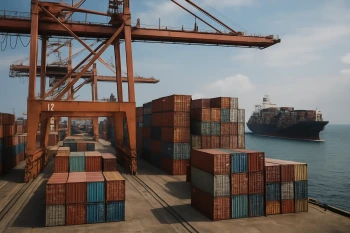
From the 1950s, standard steel containers came into use for cargo, so cranes could load a ship instead of workers handling loose crates. What was the main effect on trade?

In the 1800s, factory towns in Britain burned huge amounts of coal to power their steam engines. What problem did this bring to those towns?
In a society where machines do most of the work on farms, most workers are still needed on farms.
Improved cargo ships let one country sell the coffee it grows well and buy the machinery another country builds well. What is this relationship between the two economies called?

Scarcity, Production, and Consumption
20 questions
Economic Development, Regulation, Taxation, and Indicators
20 questions

Language, Religion, Institutions, and the Arts
20 questions
Cultural Diffusion Through Trade, Travel, Migration, and Conflict
20 questions
Climate Zones, Landforms, and Natural Resources
20 questions
Crack the passcode before the zombies get in.
Answer, then swat bugs for bonus points.
Race through questions at your own speed.
Same question on every screen. Fastest wins.

Pick a tile, answer, hit bonuses and steals.