Loading
by BlastRoom
Advanced visual analysis of attribution and artistic continuity.
#us_hs_art_history
30 questions
One question set, multiple game modes. Tap any game to see it in action. Not sure which to pick?
Answer to place stones and capture territory.
Outrun the snow together.
Earn blasts, then hunt the other team.
Answer to earn energy, then climb.

The class blasts through walls together.
Bid on mystery lots. Most money wins.
Sell tours. Nice, standard, or a total scam.

Answer, restock, and serve the rush.
More correct answers pulls the rope your way.
Answer, then shoot down the alien wave.
Answer, then tap to leap the frozen ridge.
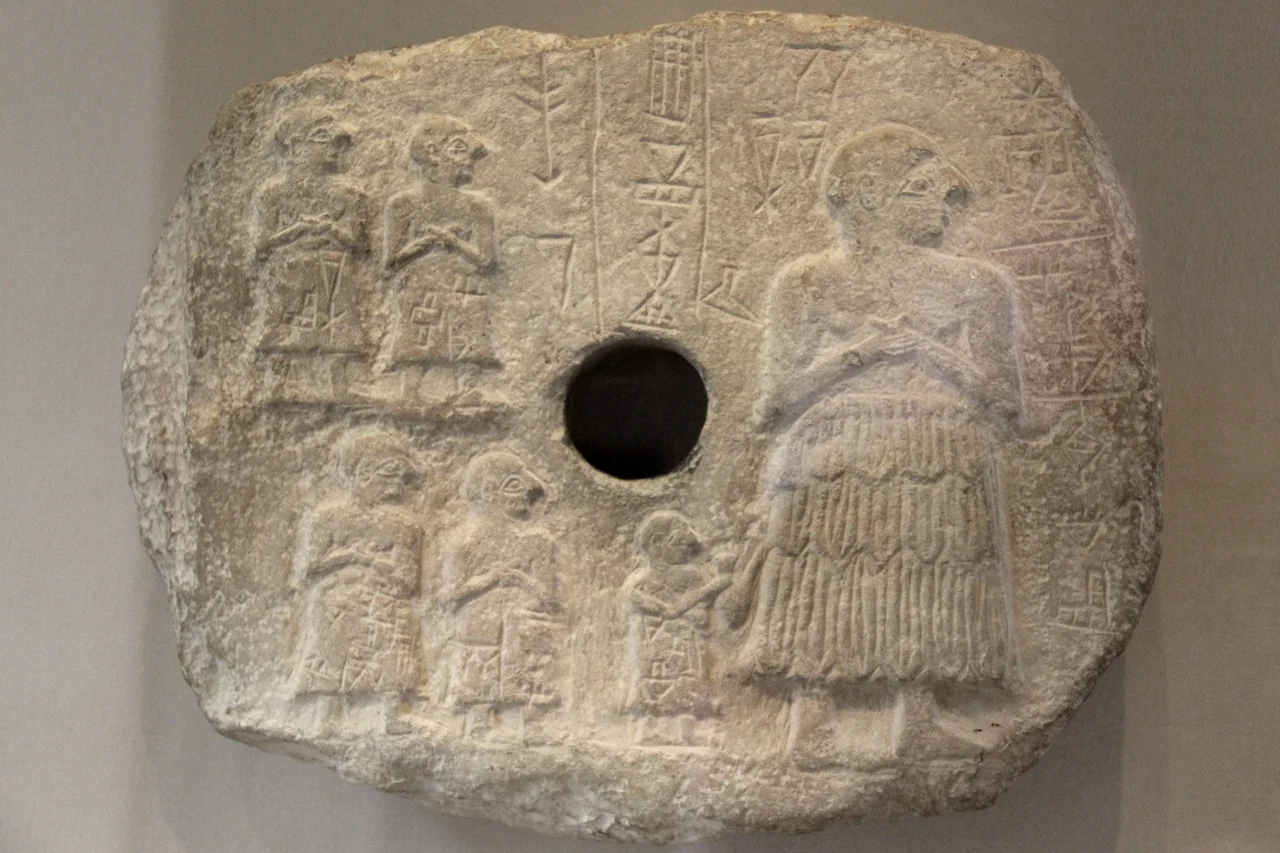
An unfamiliar stone relief shows a ruler much larger than attendants, horizontal registers, and wedge-shaped writing. Where was it most likely made?
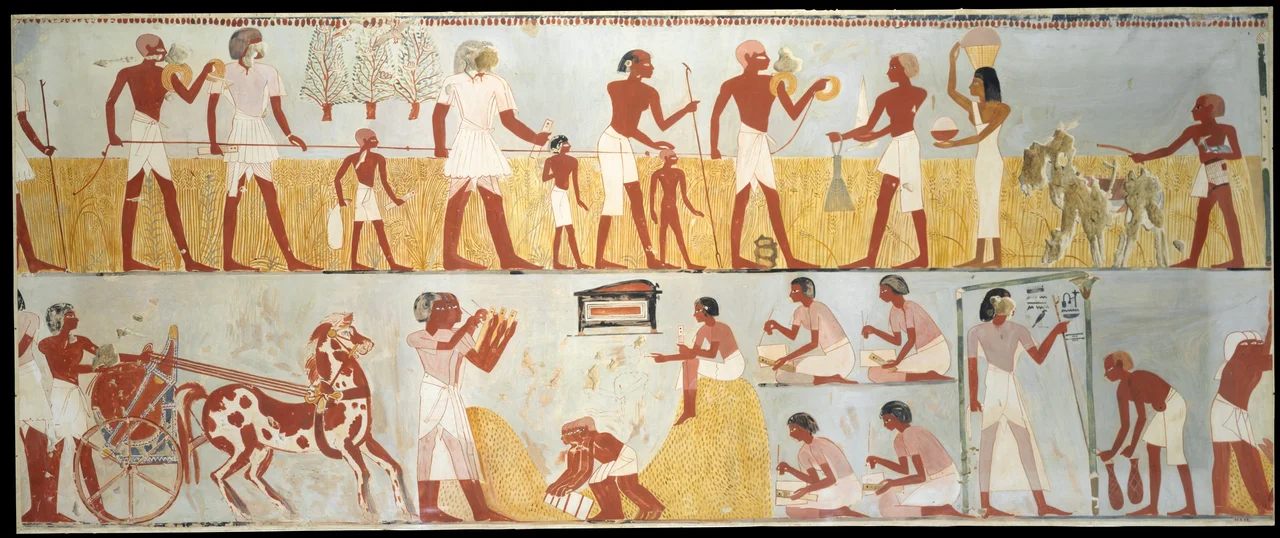
A painted tomb wall shows a standing official with a profile head, frontal eye, and torso turned forward while workers harvest beside him. Which tradition best fits the work?
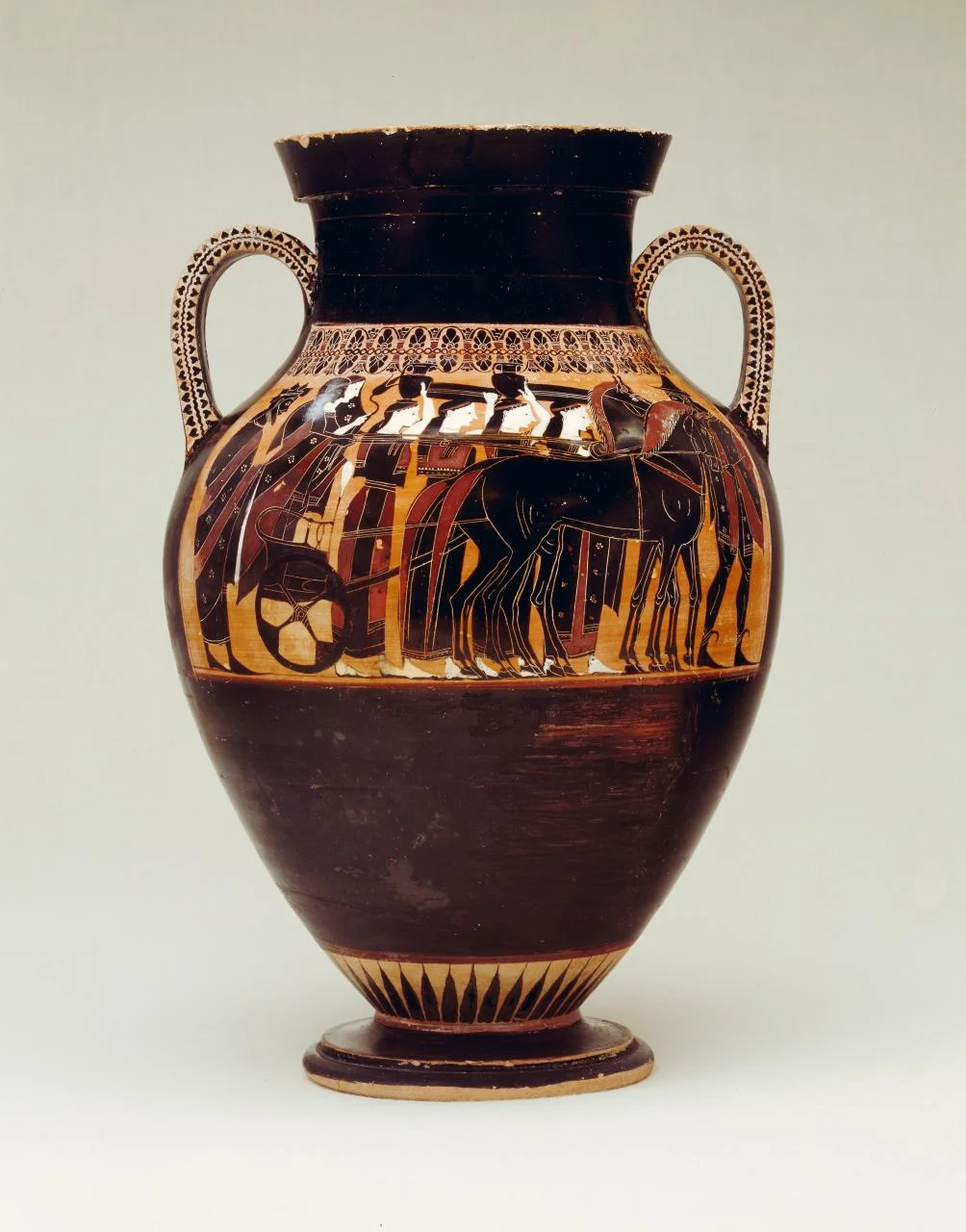
On an orange clay amphora, figures appear as glossy black silhouettes with details scratched through the surface. Which technique is shown?
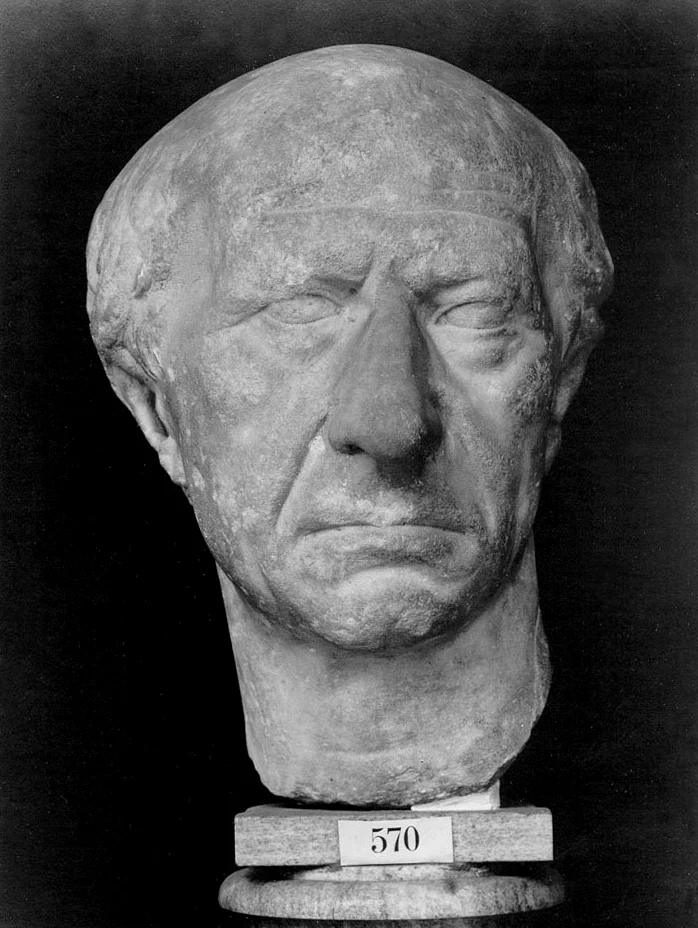
A marble portrait head has a balding forehead, deep wrinkles, thin lips, and an unsmiling expression. Which context most strongly fits this image?
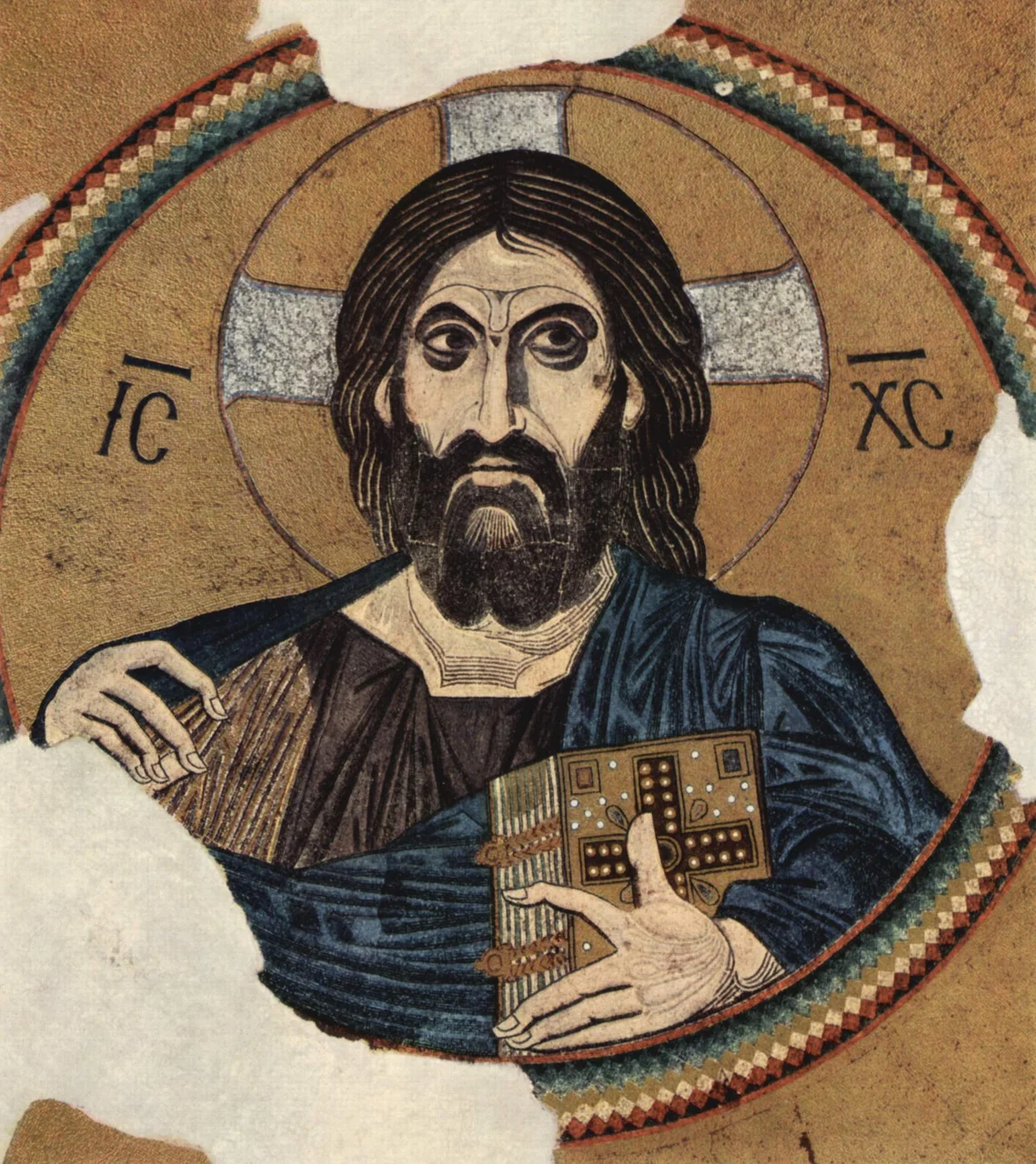
A small church has a compact cross-shaped plan, a dome over its center, and glittering mosaic imagery on curved interior surfaces. To which tradition is it most plausibly attributed?
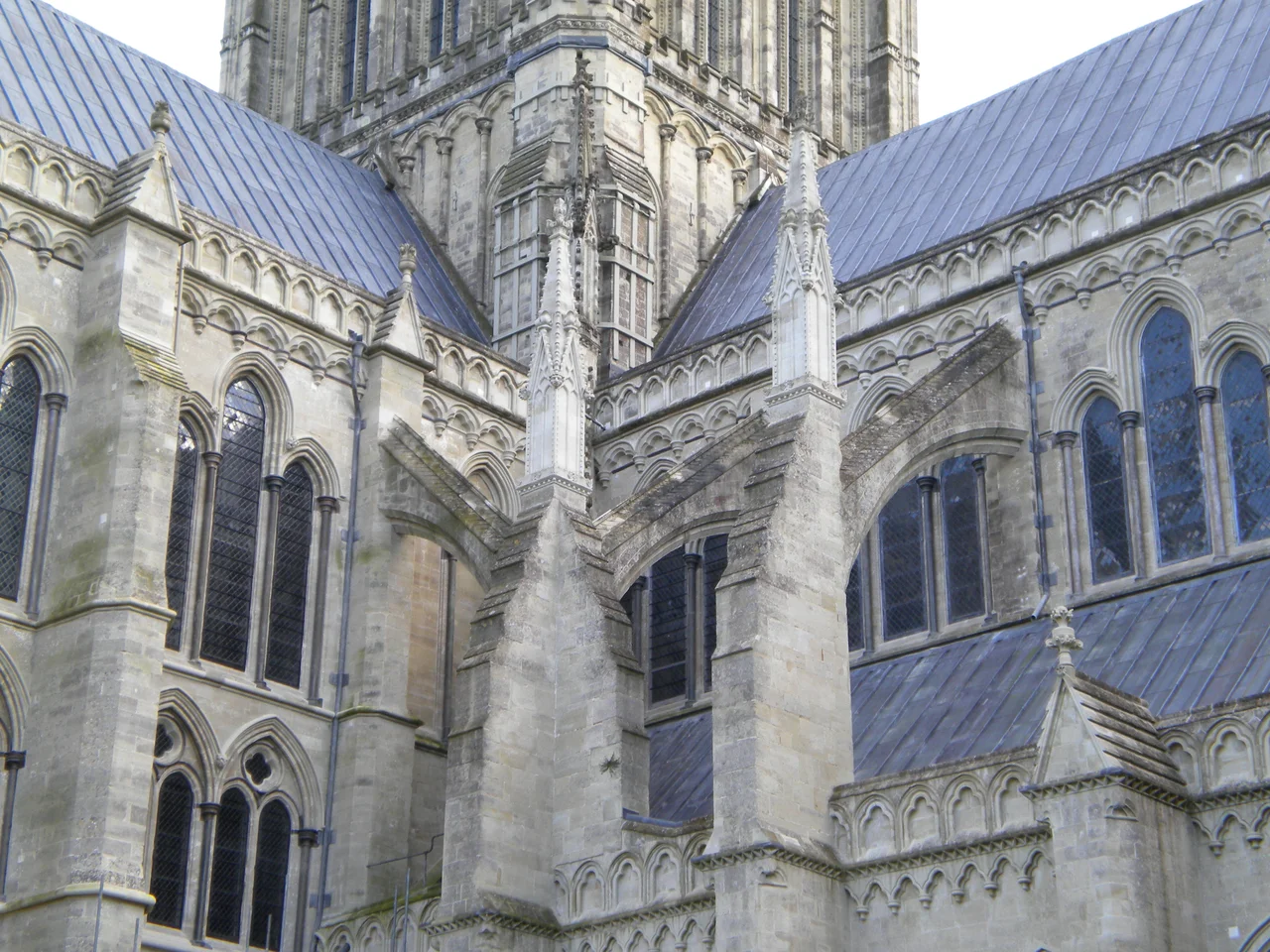
A church exterior has pointed arches, rib vaults, large stained-glass openings, and arched supports reaching from outer piers to the upper walls. Which period best fits it?
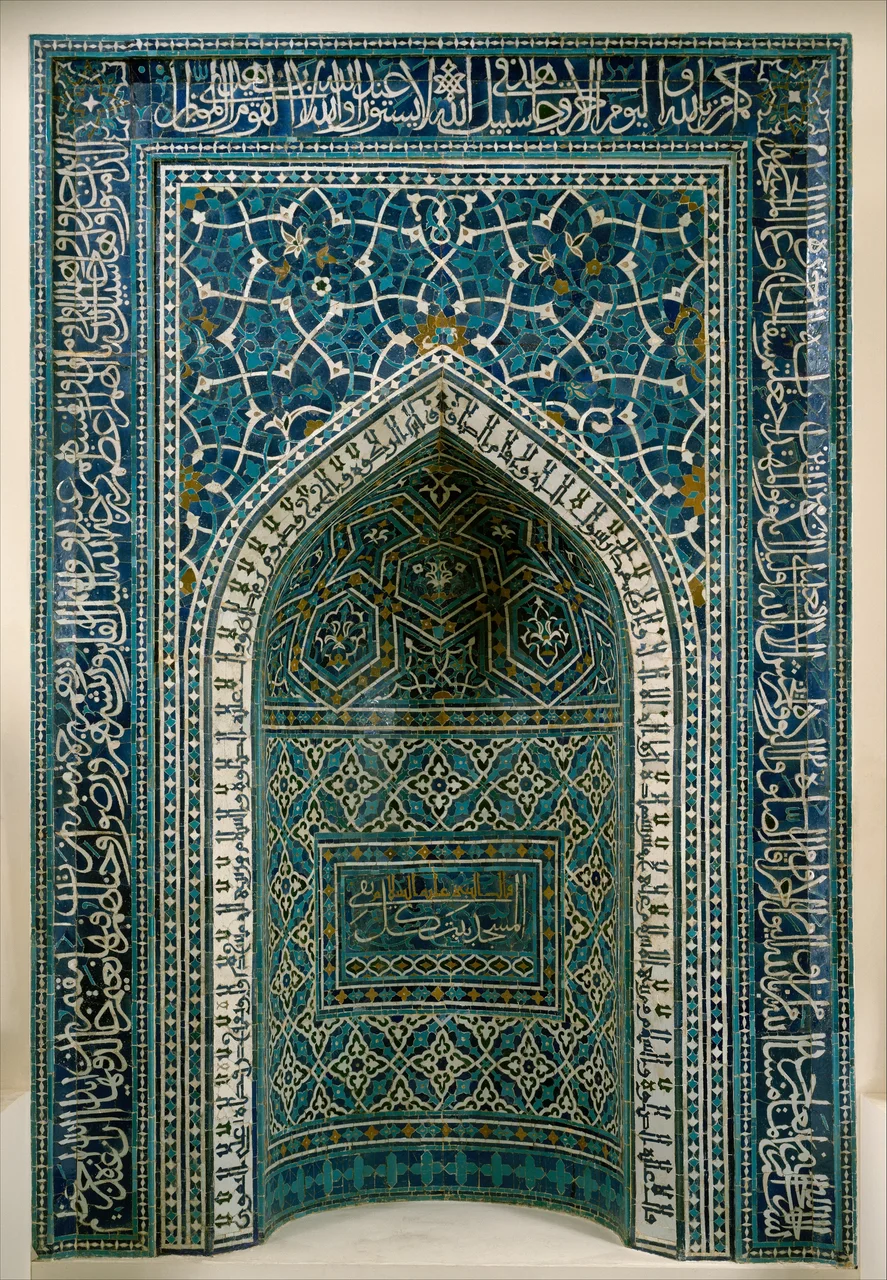
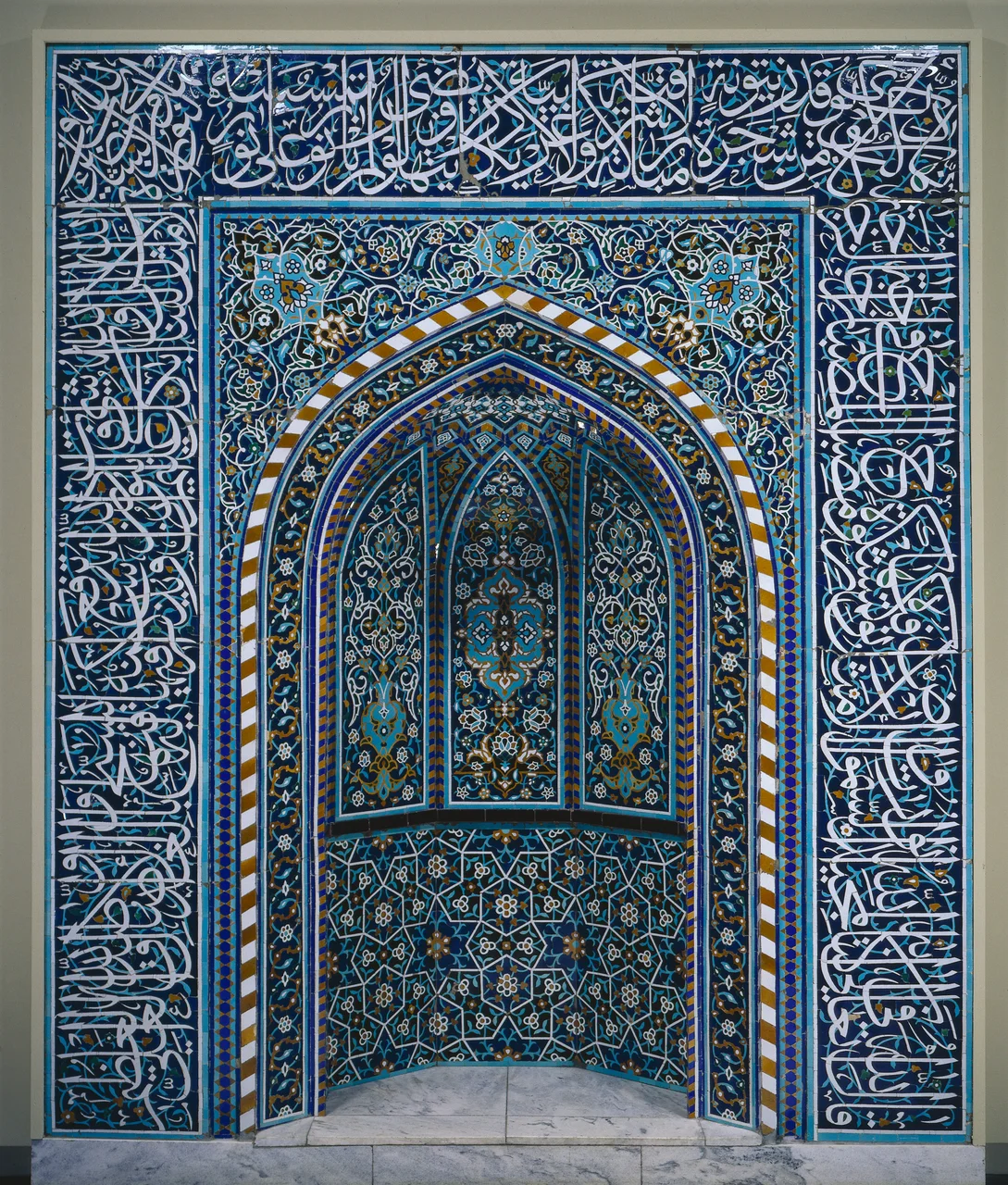
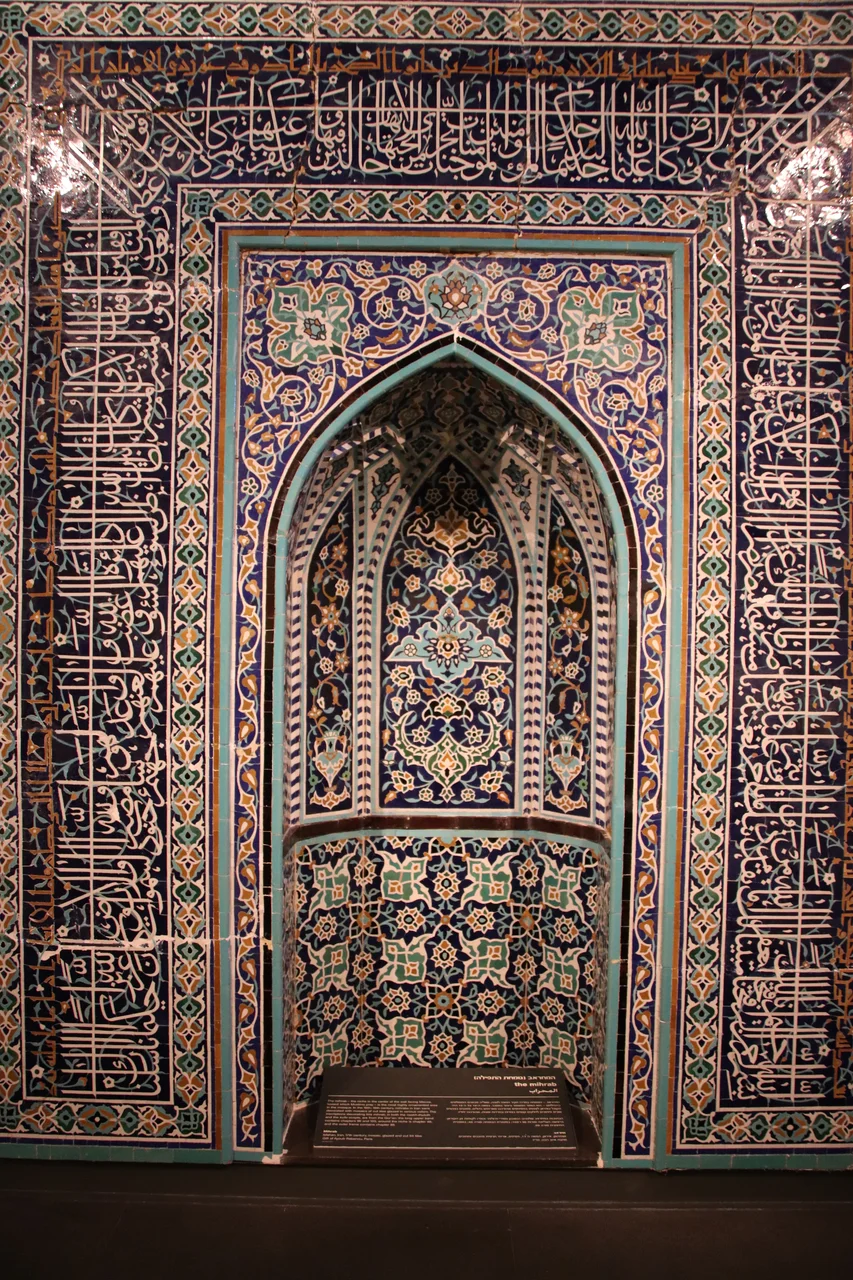
A tiled wall niche is filled with geometric pattern, vegetal ornament, and Arabic calligraphy; worshippers would orient themselves toward it. Where was it most likely used?
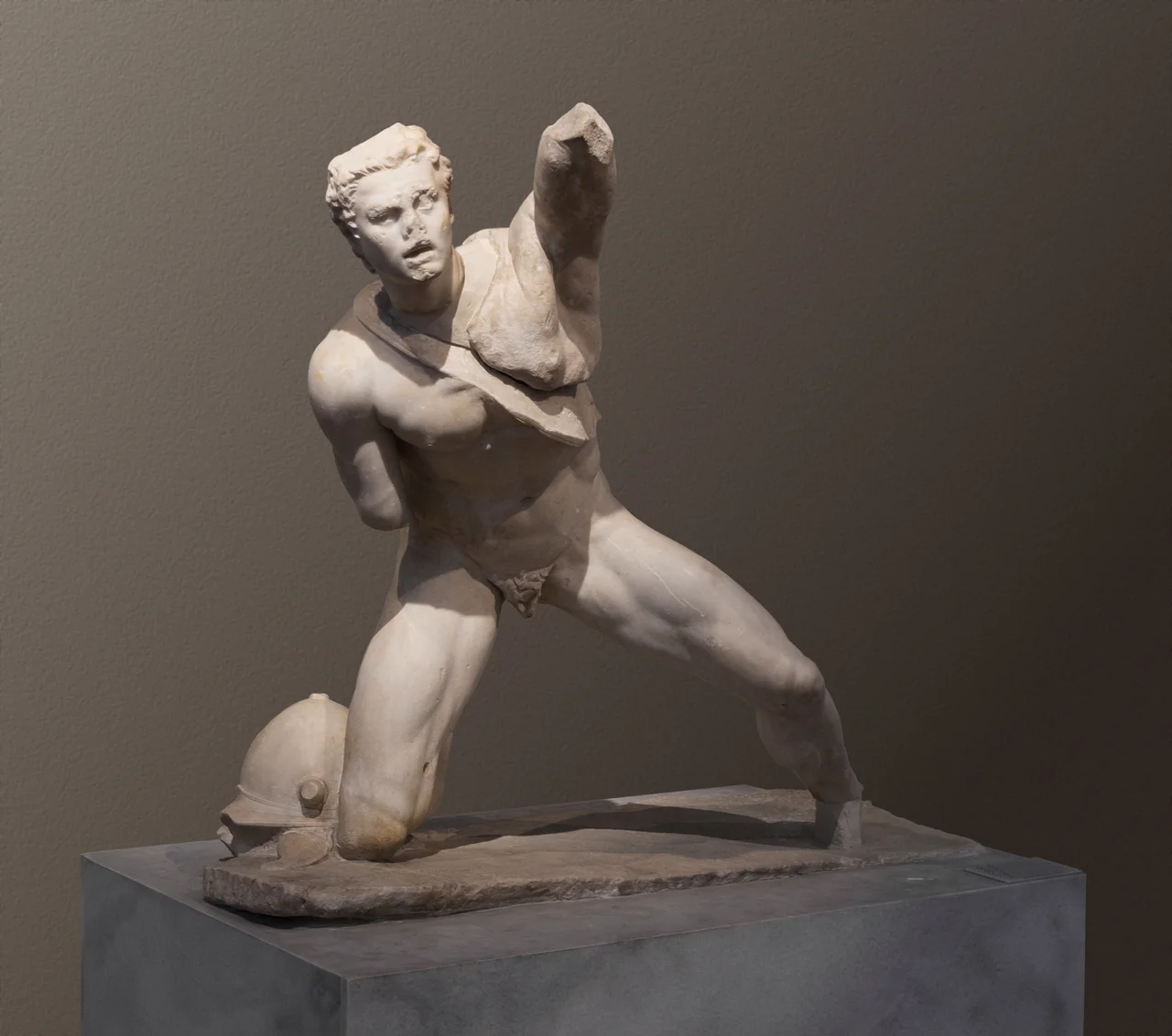
A marble nude twists dramatically around a central axis, with a deeply drilled face and an implied viewer moving around it. Which period is the strongest attribution?
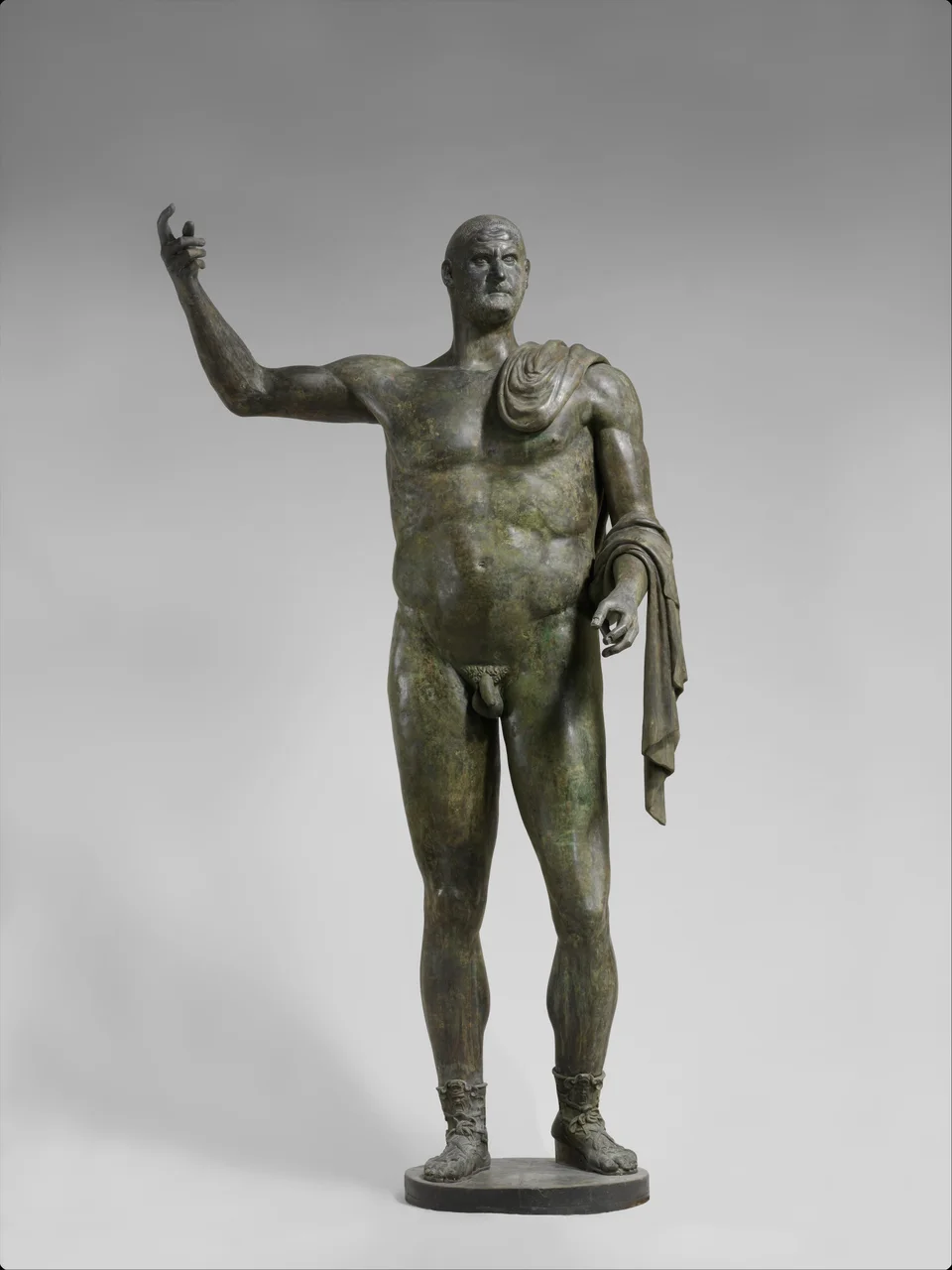
A hollow bronze has a rough interior, a fine seam, and small patches covering earlier holes. What does this surface evidence indicate?
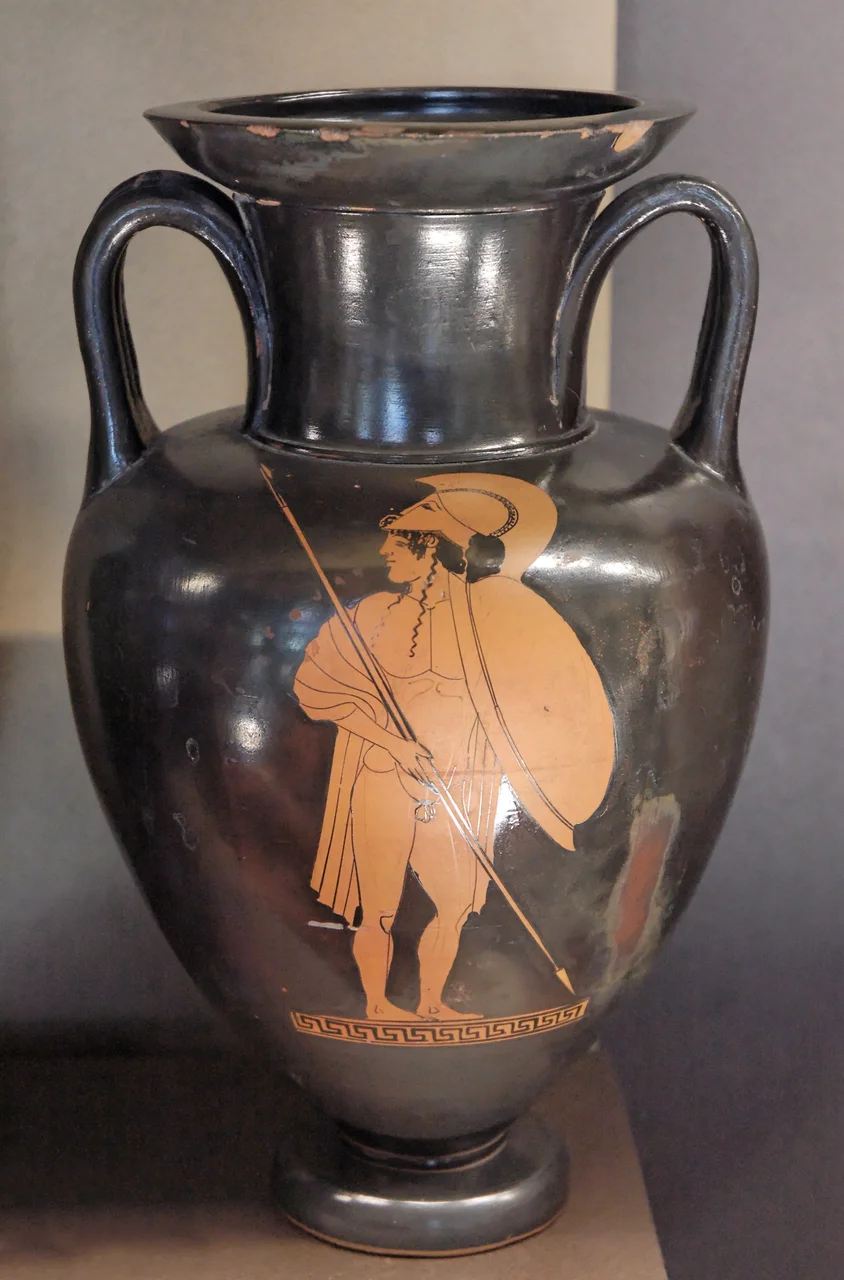
A vase leaves the figures the color of clay while painting the surrounding field dark, allowing interior details to be brushed rather than incised. Which method produced it?
An Iranian prayer niche is assembled from many small glazed tiles that form interlaced patterns and calligraphy. What does that construction identify?
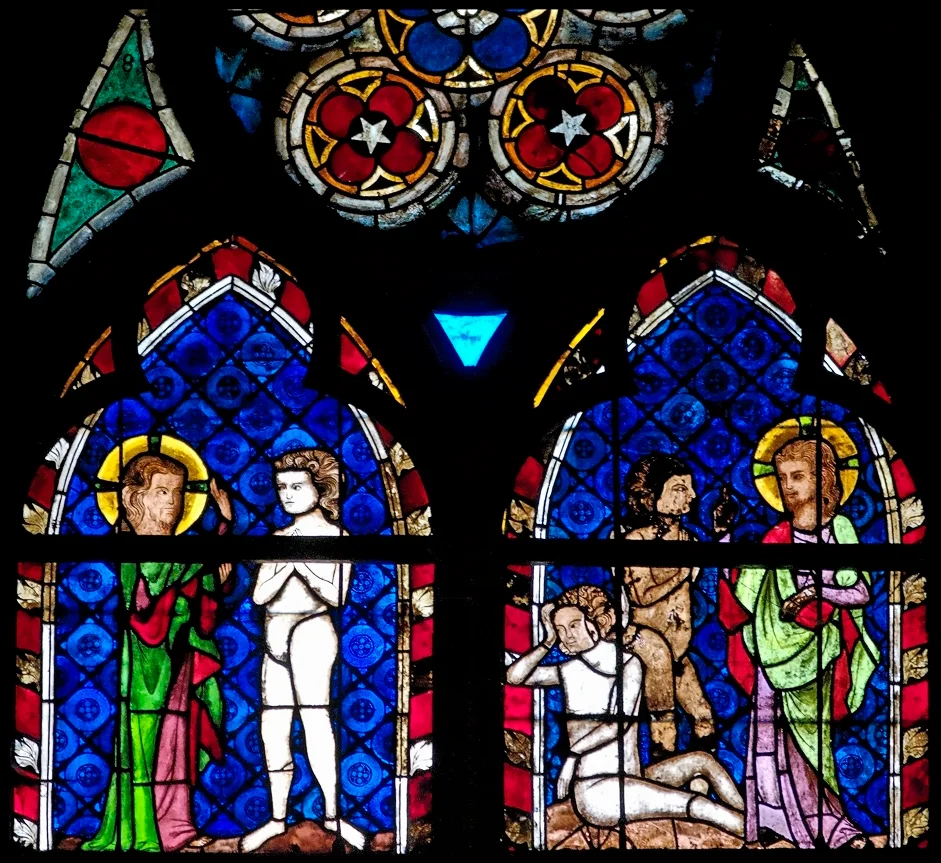
A window is made of colored glass pieces held by lead strips, so daylight itself illuminates the narrative scene. Which medieval workshop practice is evident?
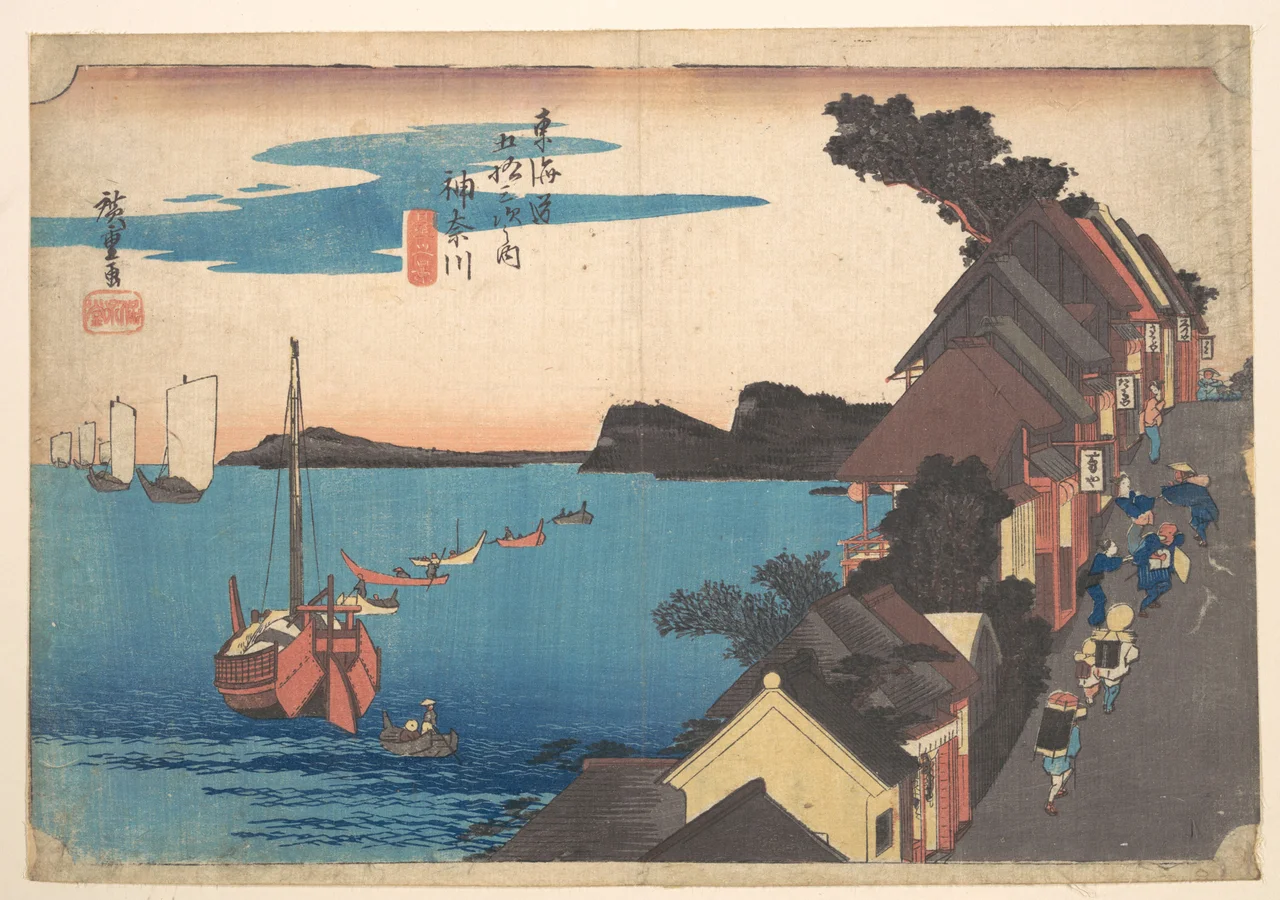
A Japanese landscape on paper survives in many identical copies, each with flat areas of color and crisp contour lines. Which process most likely made it?
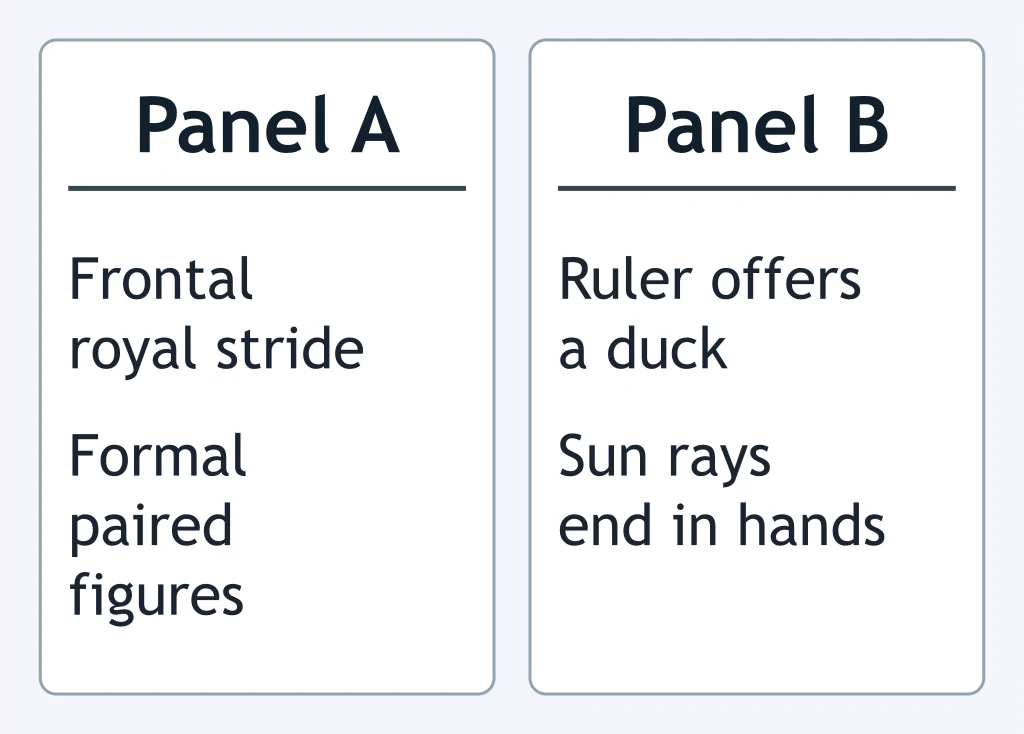
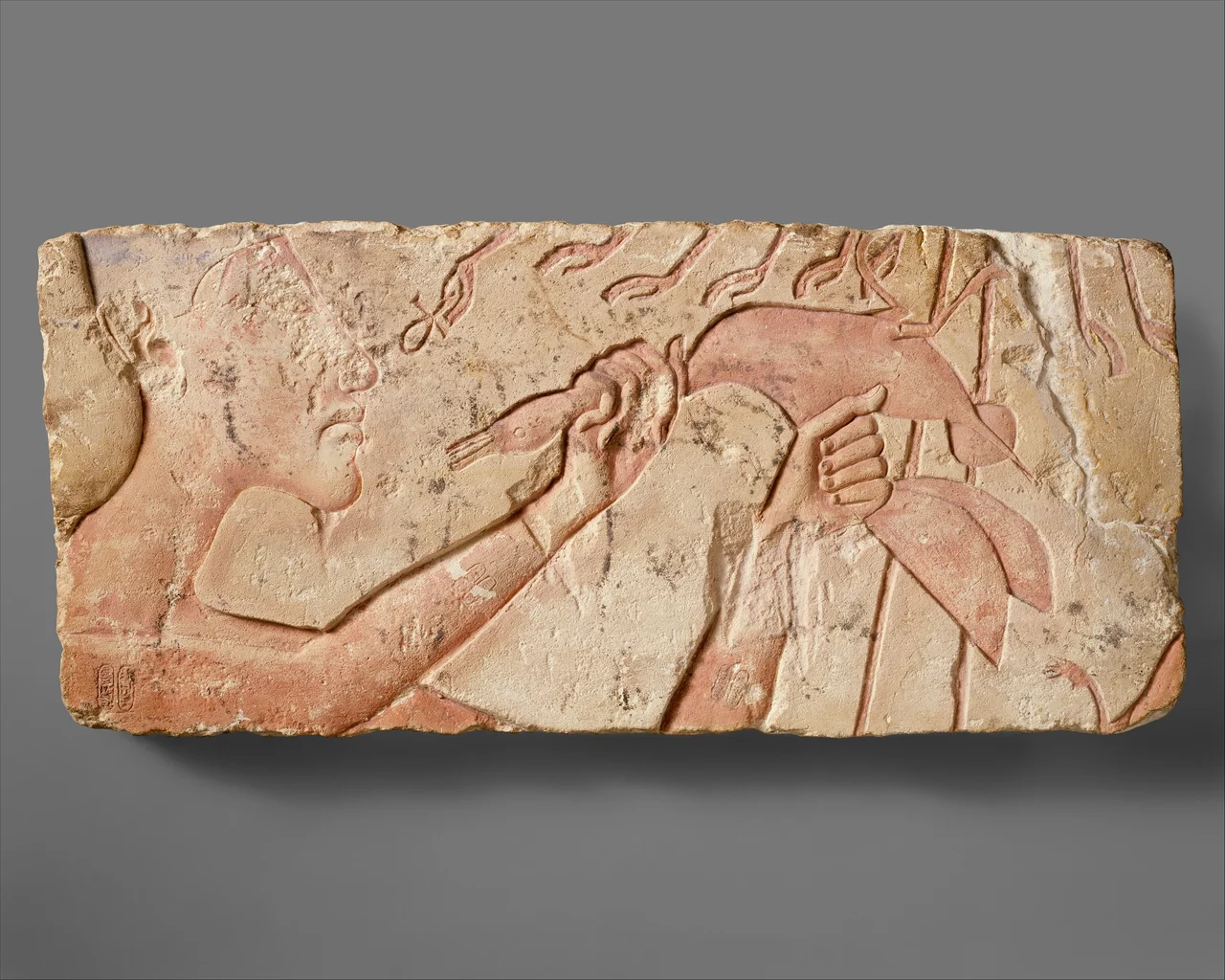
Compare the formal royal stride in Panel A with the ruler offering a duck beneath a sun disk in Panel B. What continued and what changed in Egyptian art?
Compare an Archaic kouros with the Doryphoros. What is the most accurate continuity-and-change statement?
Compare black-figure pottery with a later red-figure vessel. What remained constant and what changed?
Compare a wrinkled Republican bust with an idealized portrait of Augustus. Which claim best explains the change?
Compare a longitudinal Christian basilica with a later domed church. What best describes continuity and change?
Compare a Romanesque church with a Gothic cathedral. Which visual change allowed much larger windows?
Compare Hokusai's Great Wave with Hiroshige's snowy Kanbara. What continuity is most defensible?
Compare an Analytic Cubist still life with a Synthetic Cubist collage. What changed most clearly?
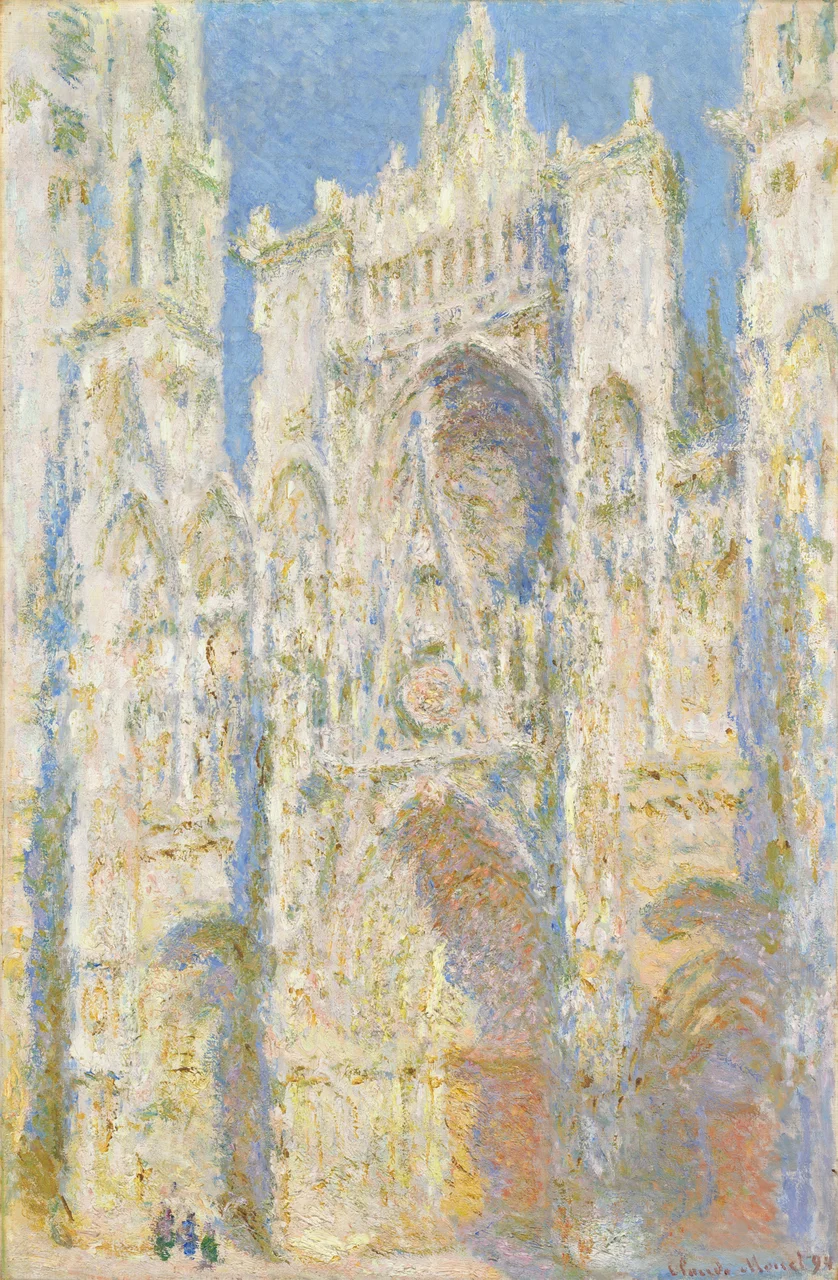
A student says Monet's Rouen Cathedral series records the cathedral's fixed religious meaning. Which visible feature weighs most strongly against that claim?
A student claims Amarna artists abandoned every older Egyptian convention. Which feature of an offering relief weighs against the claim?
A student says an Iranian mihrab is purely abstract decoration with no sacred text. What evidence most directly refutes the claim?
A student argues that Caravaggio's deep shadows make his scenes less dramatic because they conceal the action. Which reading is stronger?
A student claims the glittering imagery inside a domed Byzantine church was created by painting directly onto the plaster walls. Which feature weighs most strongly against that claim?
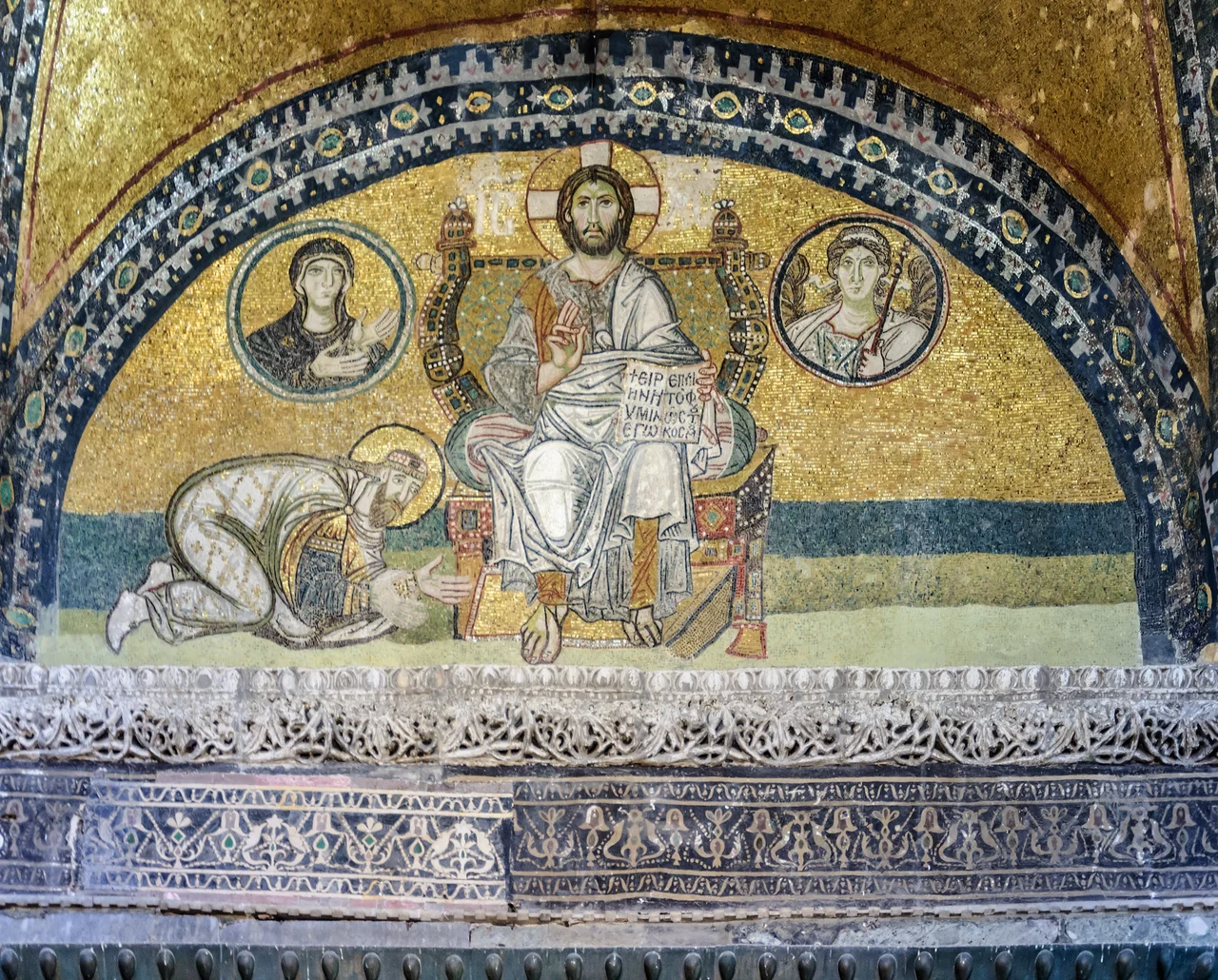
An Egyptian tomb relief and a Byzantine apse mosaic both enlarge the most important figure. What does this shared device show?
An Assyrian lion-hunt relief and an imperial Roman ruler image both center a powerful leader. What is the strongest comparison?
A Gothic cathedral and a tiled Islamic mihrab differ in structure and medium, but both intensify a religious setting. What comparison is most supportable?
A Hokusai print and a Monet landscape both make nature the dominant subject, but their media differ. Which statement is accurate?
Crack the passcode before the zombies get in.
Answer, then swat bugs for bonus points.
Race through questions at your own speed.
Same question on every screen. Fastest wins.

Pick a tile, answer, hit bonuses and steals.
Artist and Artwork Identification
50 questions