Loading
by BlastRoom
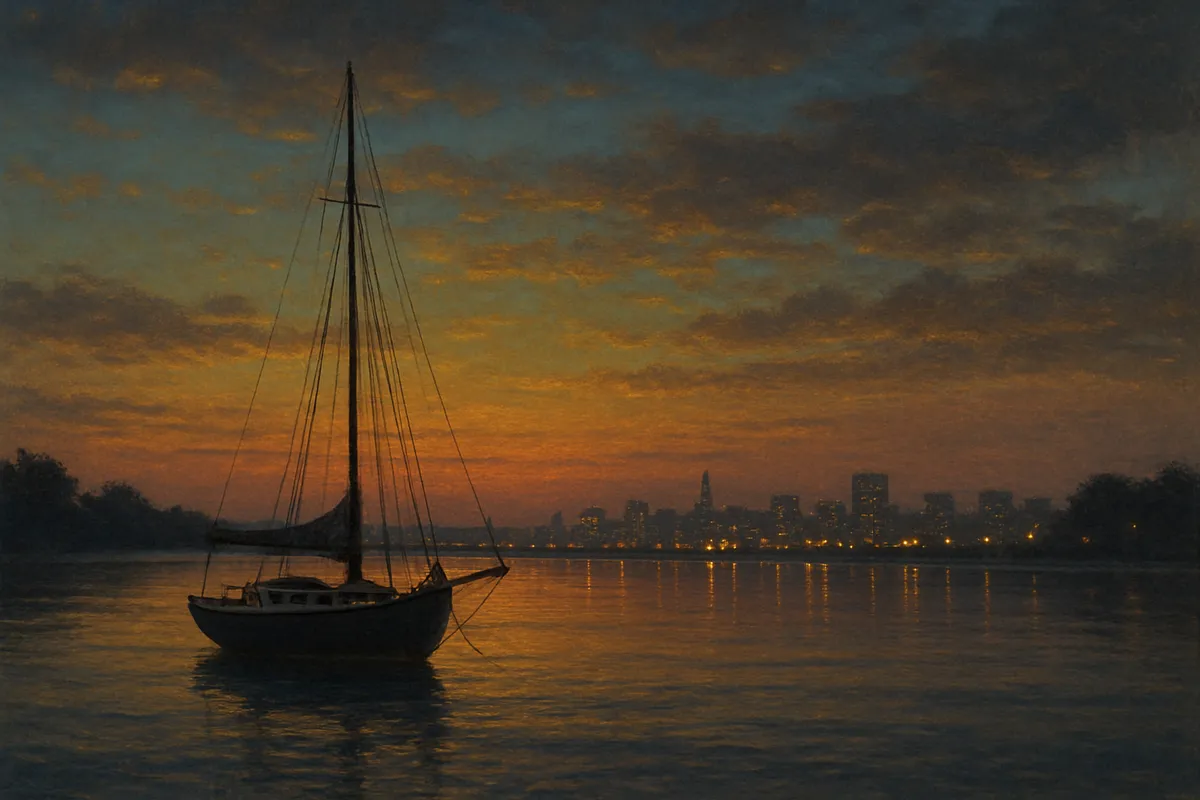
The Thames frame, the Company, the Outer Station and the journey inland.
#ap_english_literature
22 questions
One question set, multiple game modes. Tap any game to see it in action. Not sure which to pick?
Answer to place stones and capture territory.
Outrun the snow together.
Earn blasts, then hunt the other team.
Answer to earn energy, then climb.

The class blasts through walls together.
Bid on mystery lots. Most money wins.
Sell tours. Nice, standard, or a total scam.

Answer, restock, and serve the rush.
More correct answers pulls the rope your way.
Answer, then shoot down the alien wave.
Answer, then tap to leap the frozen ridge.
The frame narrator says Marlow finds meaning not 'inside like a kernel' but 'outside, enveloping the tale.' Before Marlow speaks, this prepares the reader to:
The Thames 'stretched before us like the beginning of an interminable waterway.' In the frame, that image makes the river:
When Marlow says of Britain, 'And this also... has been one of the dark places of the earth,' the demonstrative 'this' mainly:
The frame narrator says Marlow was "a seaman, but he was a wanderer, too," while most seamen "lead, if one may so express it, a sedentary life." The contrast makes Marlow seem:
Marlow says the Company's city "always makes me think of a whited sepulchre." The comparison makes Brussels feel:
In the Company's waiting room, two women knit black wool; Marlow later thinks, 'Morituri te salutant.' The allusion makes the office:
The doctor measures Marlow's head and says the 'changes take place inside.' What does this scene expose?
Marlow's aunt imagines him 'weaning those ignorant millions from their horrid ways,' while he hints the Company is 'run for profit.' The juxtaposition:
The Company's map reduces empires to colored patches before Marlow departs. What does that visual ordering do?
At the Outer Station, chained men move as 'the clink kept time with their footsteps.' The sentence's sound and rhythm chiefly:
Marlow sees blasting where 'no change appeared on the face of the rock' and says the cliff 'was not in the way.' The episode presents Company labor as:
In the grove, Marlow finds men in 'attitudes of pain, abandonment, and despair,' with a white thread on one neck. The unexplained thread mainly:
The chief accountant keeps spotless cuffs and books amid 'the great demoralization of the land.' Marlow's respect for him is uneasy because:
During the inland trek, Marlow sees 'Paths, paths, everywhere' and 'a solitude, a solitude, nobody, not a hut.' The repetition suggests a land:
At the Central Station, the manager 'inspired uneasiness' though he is outwardly ordinary. His authority most depends on:
Marlow learns rivets exist at the coast but none reach the wrecked steamer. Structurally, the repeated wait for rivets:
Marlow calls the brickmaker a 'papier-mache Mephistopheles' with 'nothing inside but a little loose dirt.' The figure targets:
At the Central Station, 'The word ivory rang in the air, was whispered, was sighed.' What does the personification reveal?
The Eldorado Exploring Expedition wants to 'tear treasure out of the bowels of the land.' The comparison to burglars mainly:
After insisting he dislikes work, Marlow says work offers 'the chance to find yourself.' In Part One, the aside clarifies why he:
Marlow says he hates a lie because there is "a taint of death, a flavour of mortality in lies." In context, this aside explains his:
When Marlow interrupts himself, 'Do you see the story? Do you see anything?' he exposes:
Crack the passcode before the zombies get in.
Answer, then swat bugs for bonus points.
Race through questions at your own speed.
Same question on every screen. Fastest wins.

Pick a tile, answer, hit bonuses and steals.
Heart of Darkness: Full Novella Review
40 questions