Loading
by BlastRoom
Practice applying three two-variable gas laws to graphs and calculations.
#chemistry
40 questions
One question set, multiple game modes. Tap any game to see it in action. Not sure which to pick?
Answer to place stones and capture territory.
Outrun the snow together.
Earn blasts, then hunt the other team.
Answer to earn energy, then climb.

The class blasts through walls together.
Bid on mystery lots. Most money wins.
Sell tours. Nice, standard, or a total scam.

Answer, restock, and serve the rush.
More correct answers pulls the rope your way.
Answer, then shoot down the alien wave.
Answer, then tap to leap the frozen ridge.
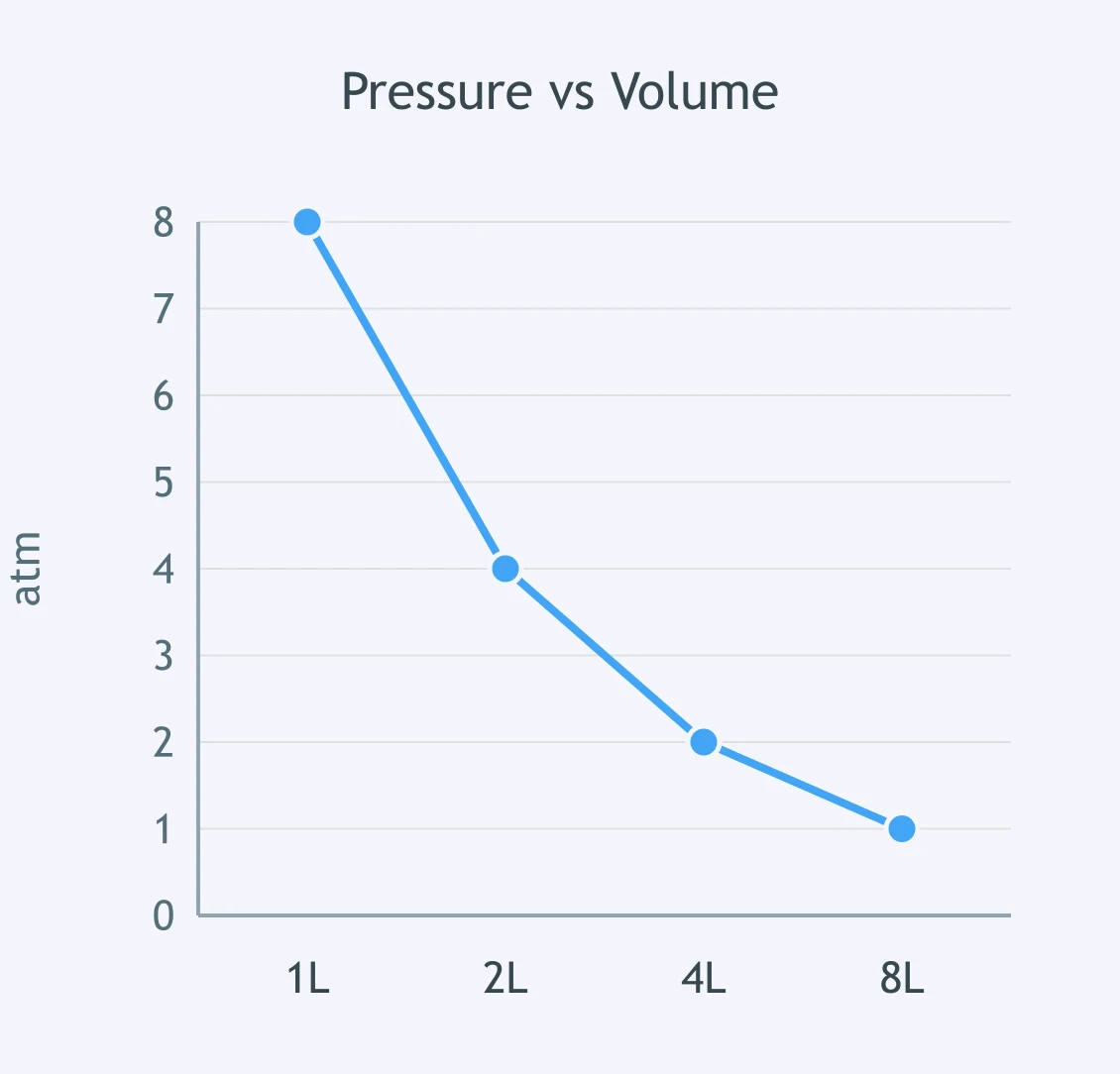
Use the graph. Which gas law matches the pressure-volume relationship shown?
Use the graph. Which gas law matches the relationship shown at constant pressure?
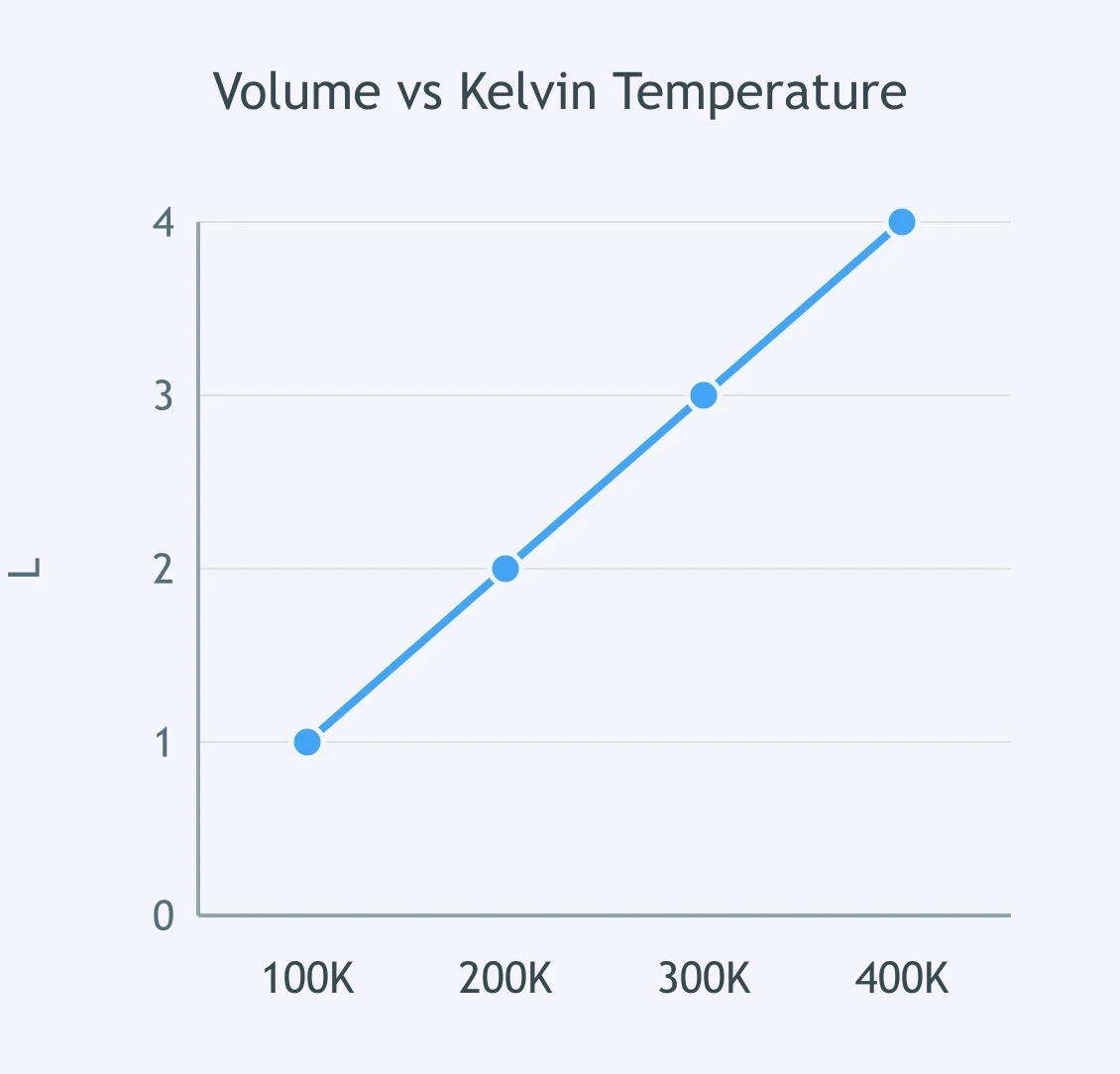
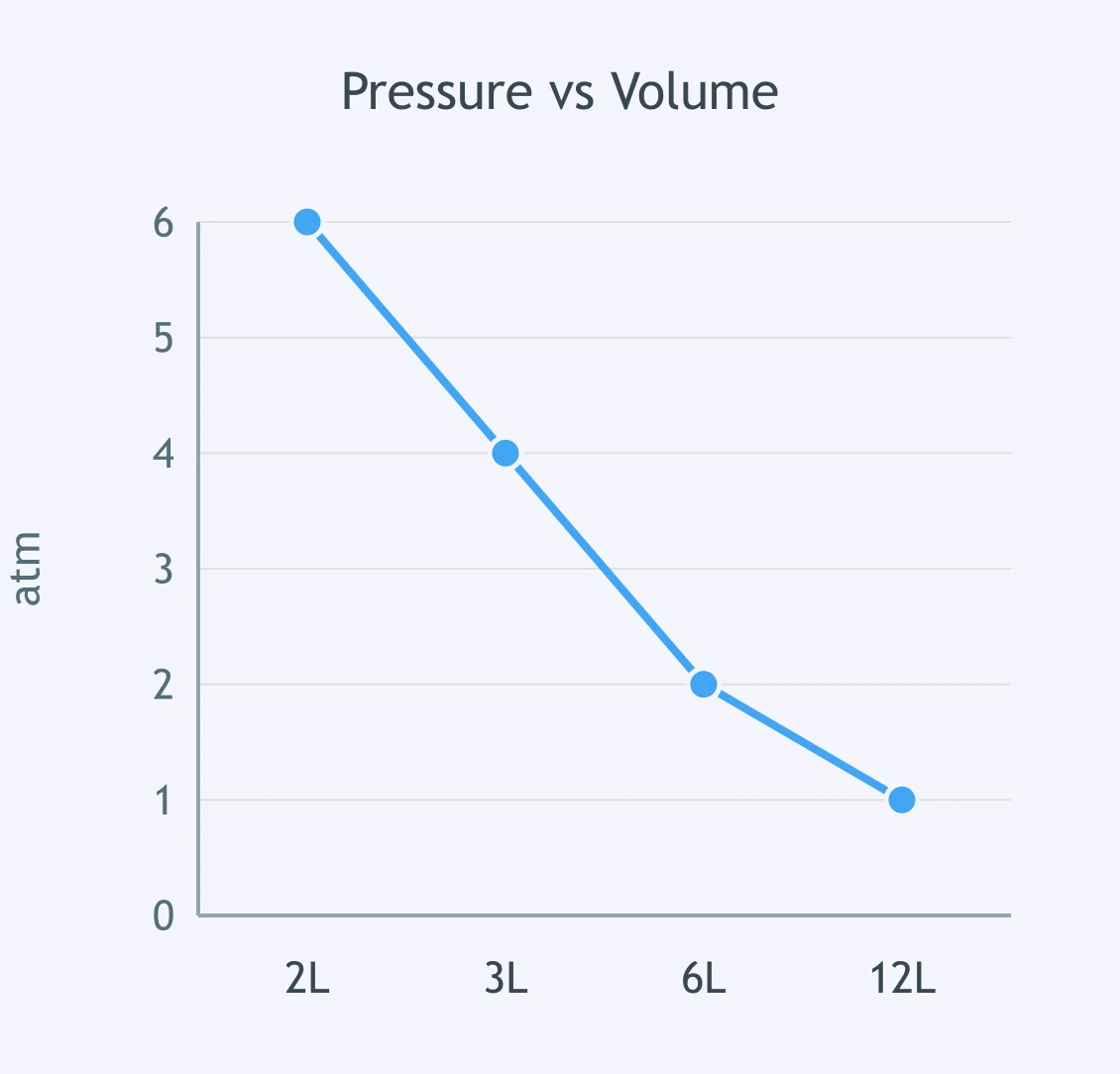
A gas sample is tested while its temperature is held constant. Which law fits the graph shown?
Use the graph of a gas at constant pressure. Which formula matches the relationship?
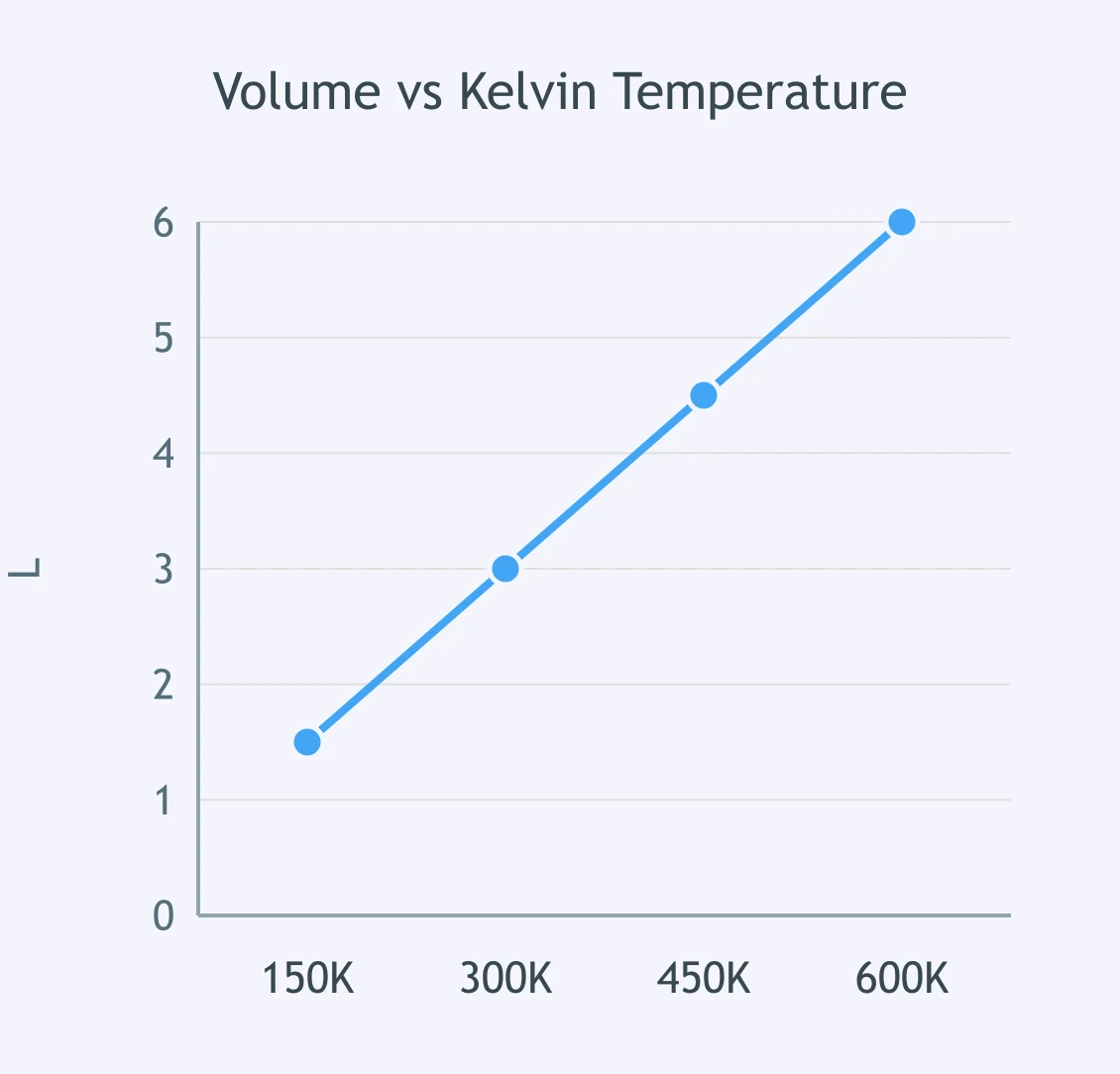
For the graph shown, which statement about the two variables is supported?
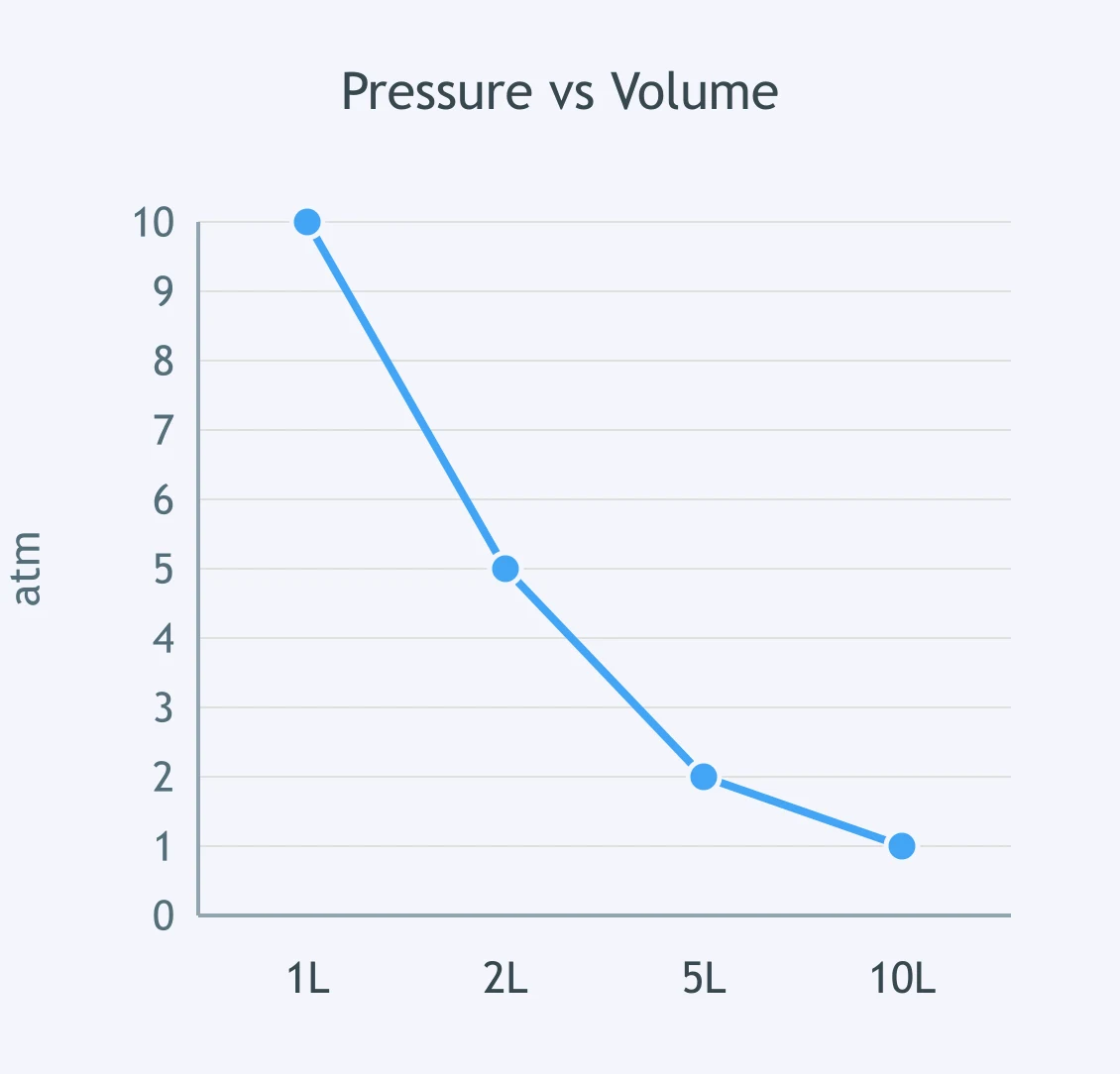
Use the graph for a gas at constant pressure. Which law does it show?
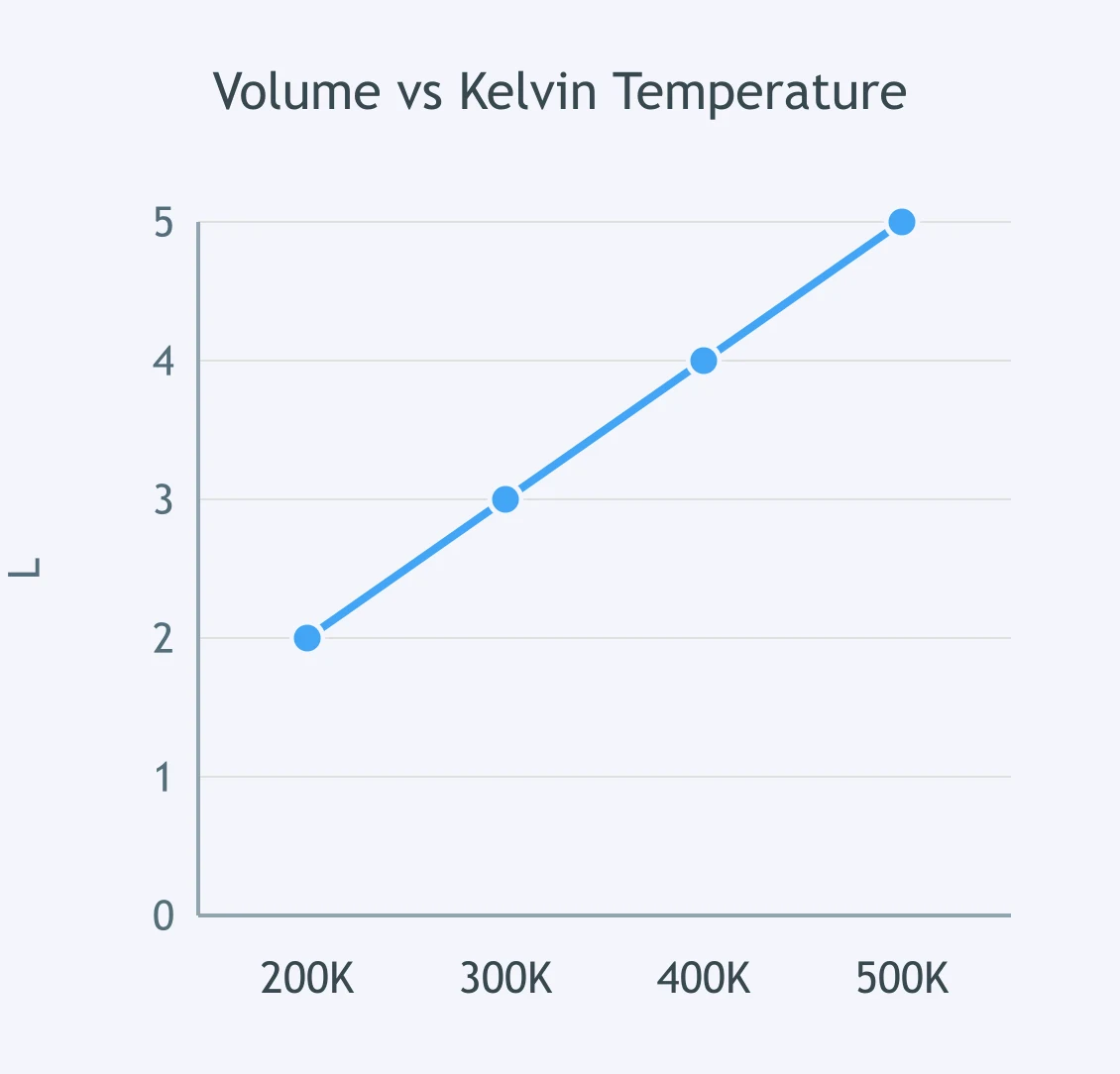
At constant pressure, use the graph to find the volume at 300 K.
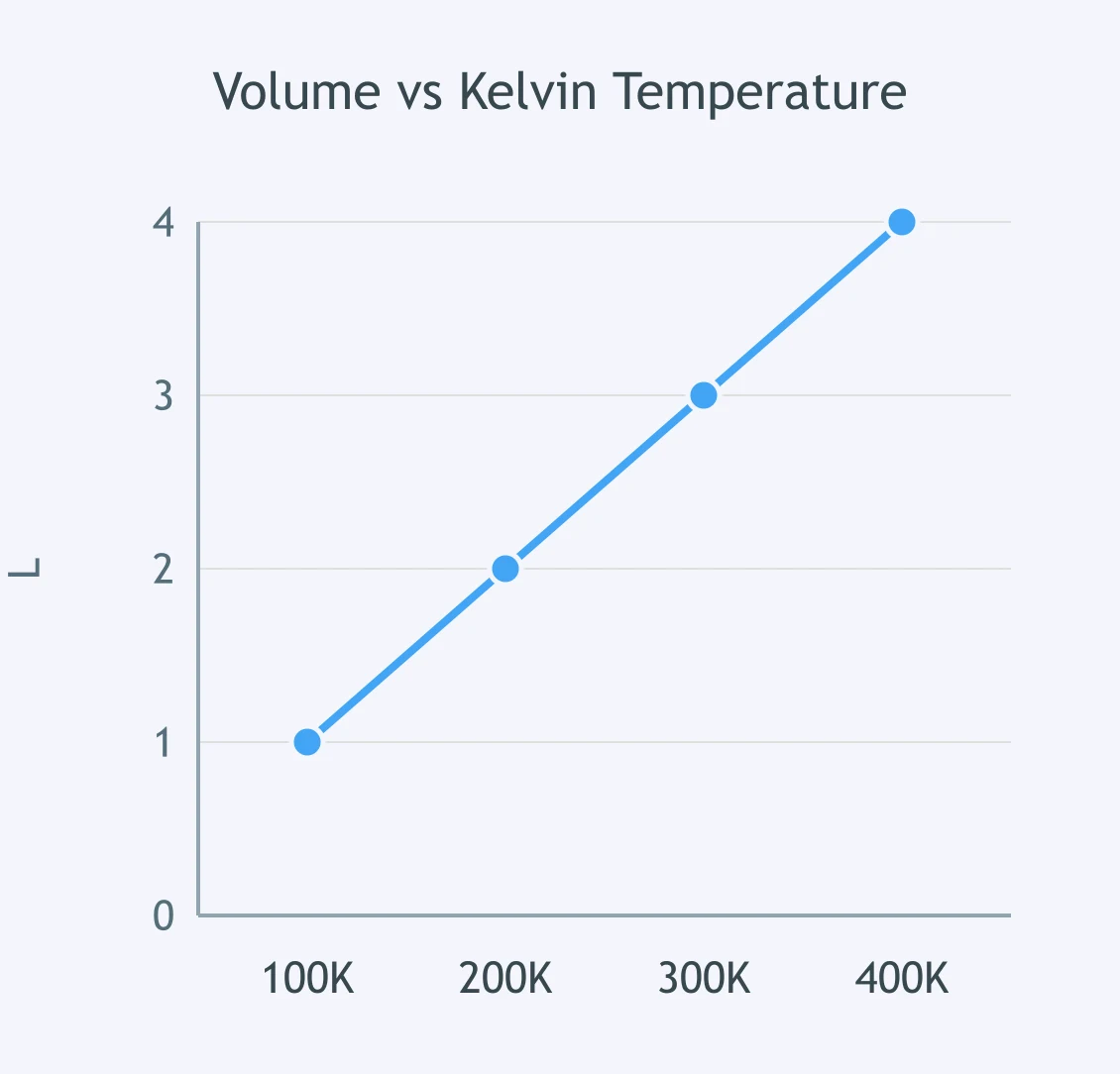
At constant temperature, use the graph to find the pressure when the volume is 4.0 L.
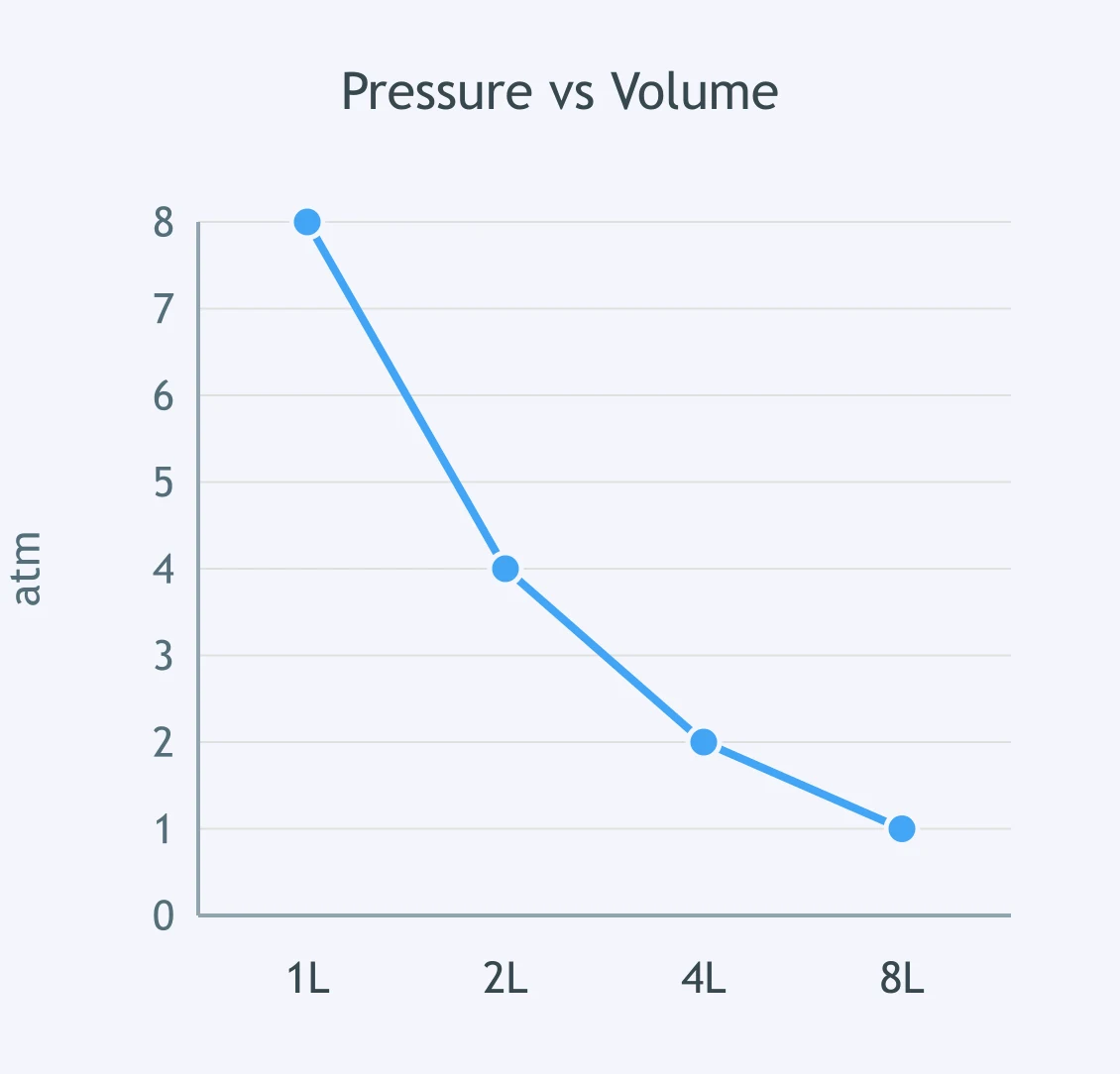
At constant pressure, the graph's trend continues. What volume is predicted at 500 K?
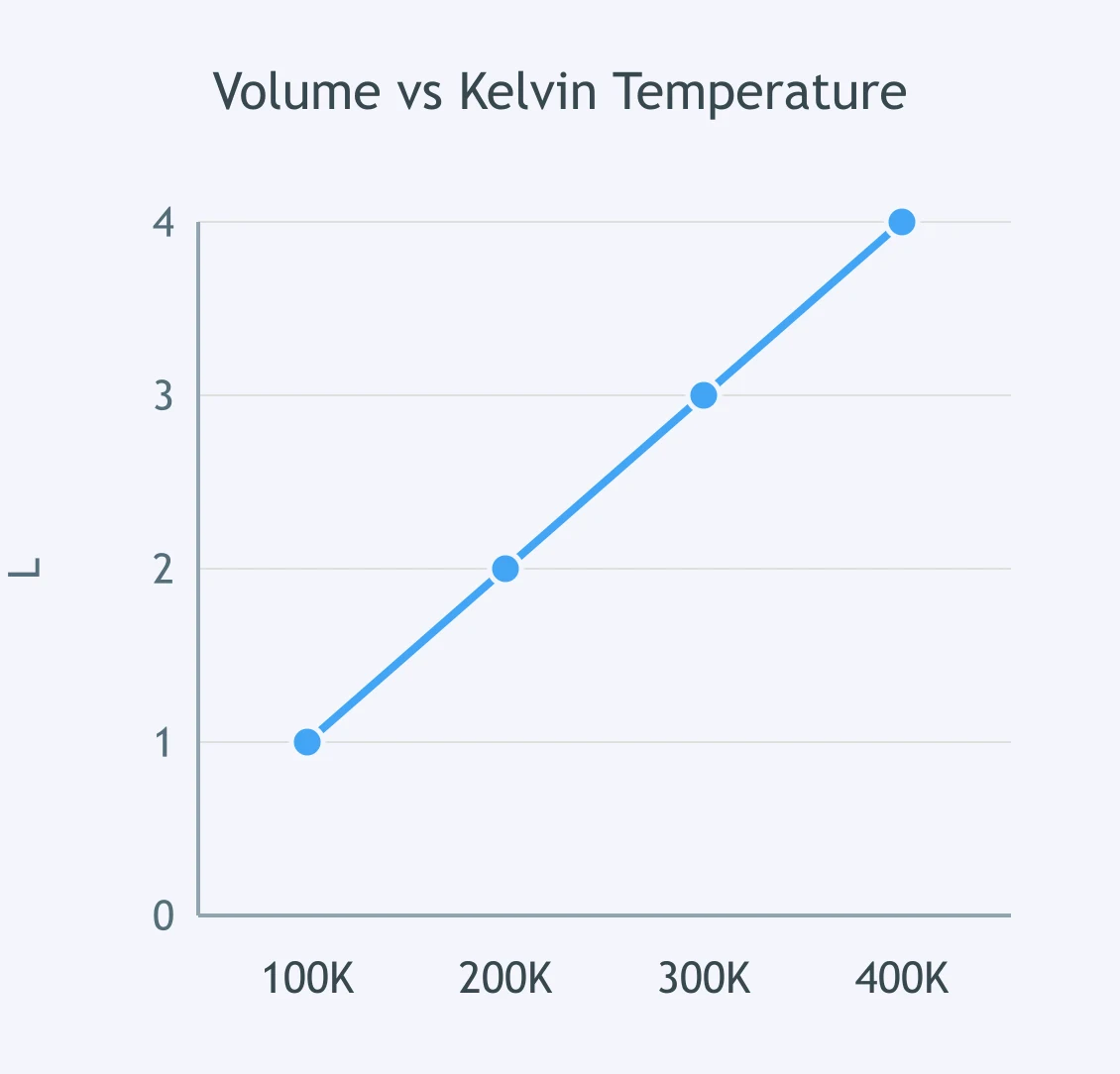
Use the constant-temperature graph. What pressure corresponds to a volume of 3.0 L?
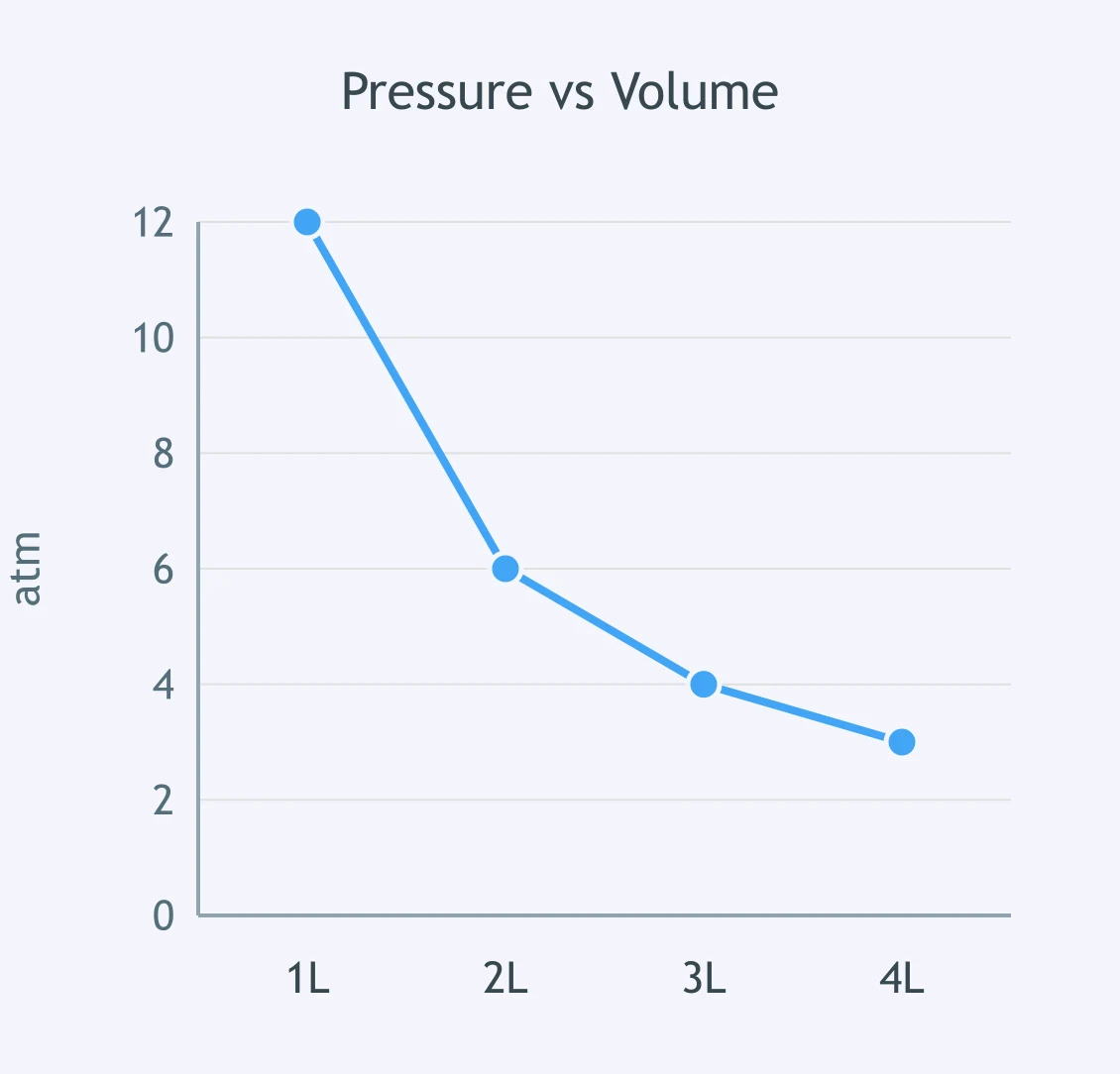
Use the graph at constant pressure. What volume is predicted at 250 K?
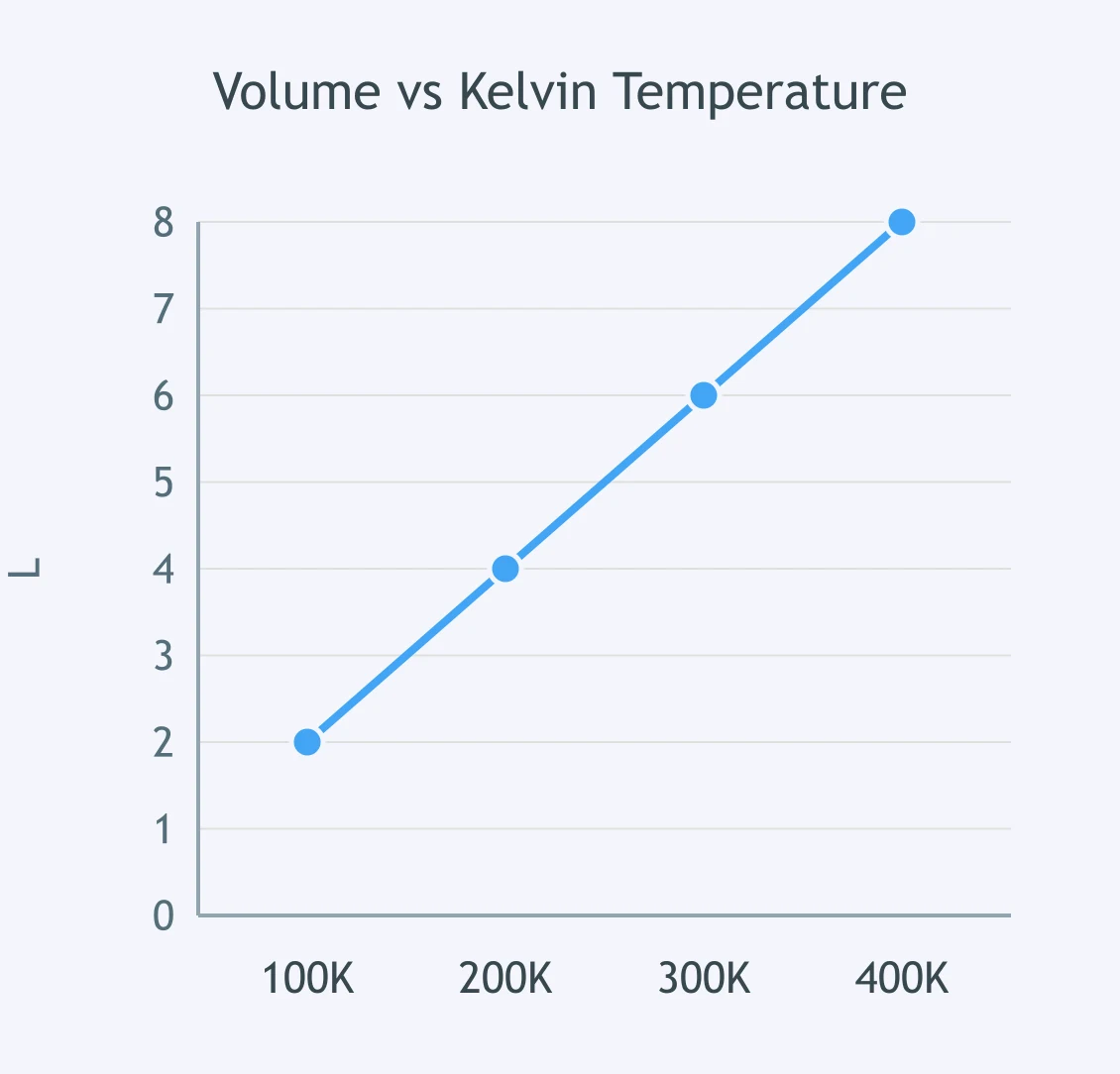
Use the pressure-volume graph. What pressure is shown when the volume is 5.0 L?
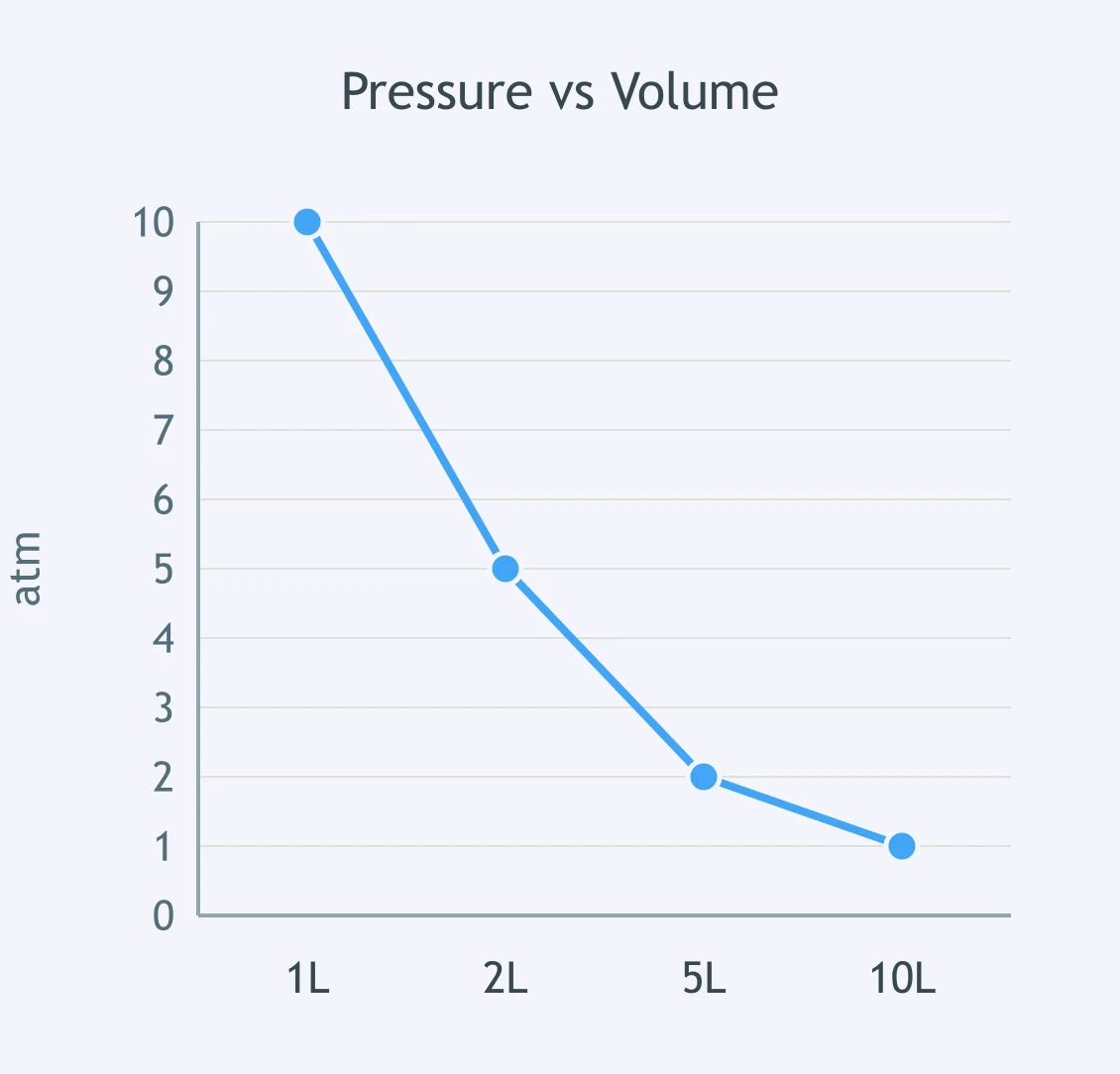
A gas has a volume of 3.0 L at 2.0 atm. Temperature stays constant while pressure changes to 1.5 atm. What is the new volume?
A 4.00 L gas sample is at 1.50 atm. Temperature is constant, and the volume changes to 6.00 L. What is the new pressure?
A syringe holds 250 mL of gas at 100 kPa. Temperature stays constant while the plunger reduces the volume to 125 mL. What is the new pressure?
A gas occupies 750 mL at 760 torr. At constant temperature, its pressure increases to 950 torr. What volume will it occupy?
A gas has a volume of 2.40 L at 101 kPa. Temperature remains constant as pressure drops to 80.8 kPa. What is the new volume?
A 5.0 L gas sample is at 0.80 atm. Temperature stays constant while the gas is squeezed to 2.0 L. What is the final pressure?
A gas sample at 150 kPa occupies 12.0 L. If temperature is constant and pressure is lowered to 100 kPa, what volume results?
A 600 mL gas sample is at 1.25 atm. At constant temperature, pressure is increased to 2.50 atm. What is the new volume?
A gas occupies 7.5 L at 720 mmHg. Temperature remains constant while pressure rises to 900 mmHg. What is the new volume?
A gas at 1.80 atm occupies 2.50 L. At constant temperature, pressure is raised to 3.00 atm. What final volume is expected?
A gas occupies 4.0 L at 300 K. Pressure stays constant. What volume will it occupy at 450 K?
A balloon contains 2.50 L of gas at 27°C. Pressure stays constant as it warms to 327°C. What is the new volume?
A gas has a volume of 600 mL at 200 K. Pressure stays constant while temperature rises to 300 K. What is the new volume?
A gas occupies 1.20 L at 25°C. Pressure stays constant as temperature rises to 50°C. What volume is predicted?
A balloon is 3.0 L at 400 K. Pressure remains constant as it cools to 250 K. What is its new volume?
A gas occupies 750 mL at 273 K. At constant pressure, it is heated to 546 K. What volume will it occupy?
A balloon is 2.00 L at 300 K. At constant pressure, it expands to 3.00 L. What final temperature in Kelvin fits Charles's law?
A 5.00 L gas sample at 500 K cools to 250 K while pressure stays constant. What final volume is expected?
A gas occupies 1.40 L at 7°C. Pressure stays constant as it warms to 87°C. What is the new volume?
A gas is 400 mL at 310 K. Pressure stays constant, and the volume becomes 600 mL. What final temperature is required?
A gas in a rigid cylinder has a pressure of 1.20 atm at 300 K. What is the pressure at 450 K?
A sealed rigid tank is at 100 kPa and 27°C. It warms to 127°C. What pressure is predicted?
A rigid container has gas at 760 torr and 273 K. The gas is heated to 546 K. What is the final pressure?
A gas in a rigid metal tank is at 2.5 atm and 400 K. It cools to 320 K. What pressure should it have?
A sealed steel cylinder reads 90.0 kPa at 250 K. The volume cannot change. What pressure is expected at 500 K?
A rigid container has gas at 1.50 atm and 250 K. If the temperature rises to 300 K, what is the pressure?
A rigid tank is at 90.0 kPa and 450 K. It cools to 300 K. What final pressure is expected?
A gas in a rigid container is at 2.00 atm and 350 K. The pressure increases to 3.00 atm. What is the final temperature?
Crack the passcode before the zombies get in.
Answer, then swat bugs for bonus points.
Race through questions at your own speed.
Same question on every screen. Fastest wins.

Pick a tile, answer, hit bonuses and steals.
The Ideal Gas Law
24 questions