Loading
by BlastRoom
Explain how time, place, and customs shape what characters do.
#setting#us_grade_4_english
20 questions
One question set, multiple game modes. Tap any game to see it in action. Not sure which to pick?
Answer to place stones and capture territory.
Outrun the snow together.
Earn blasts, then hunt the other team.
Answer to earn energy, then climb.

The class blasts through walls together.
Bid on mystery lots. Most money wins.
Sell tours. Nice, standard, or a total scam.

Answer, restock, and serve the rush.
More correct answers pulls the rope your way.
Answer, then shoot down the alien wave.
Answer, then tap to leap the frozen ridge.
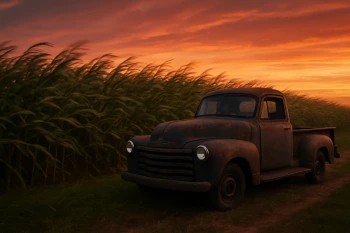
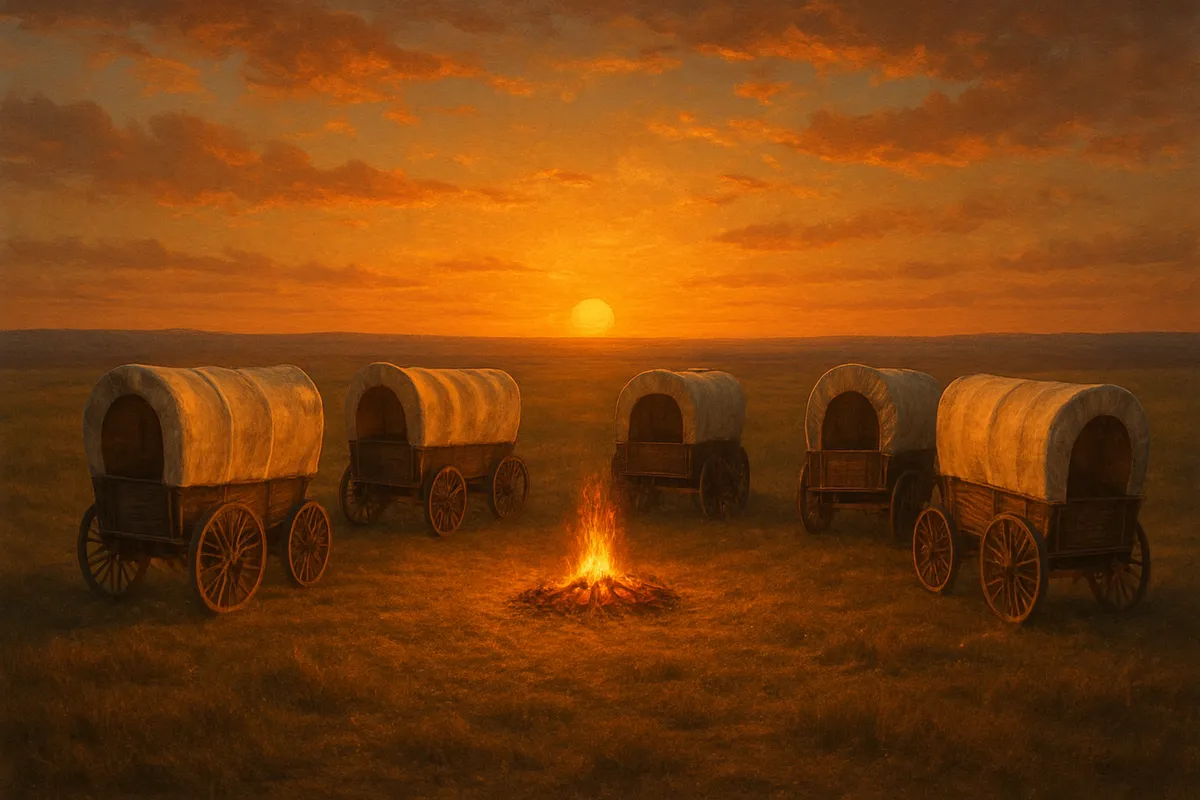
Passage: At sunset near a creek, Captain Pike circled the wagons. The prairie had no town or shelter nearby, and wolves sometimes followed the cattle at night. Why did the wagons stop and circle?
Passage: In 1894, Rosa carried her lunch pail to the mill before sunrise. The mill whistle blew at six, and every worker had to be inside when the looms started. Why did Rosa hurry to the mill?
Passage: During the wartime winter, Grandma saved bacon fat in a tin can, and Eli's birthday cake used applesauce instead of butter. Why did the family use applesauce in the cake?
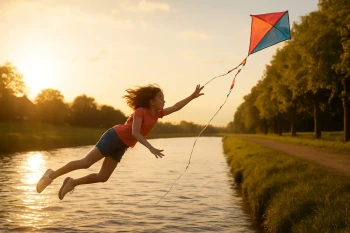
Passage: In Lina's mountain village, spring began with a kite festival. Every family tied wishes to paper tails and carried the kites to the ridge before noon. Why did families tie wishes to kites?
Passage: Before dawn, Mateo helped load nets onto the fishing boat. Their coastal town followed the tide chart closely, because the harbor mouth became too shallow for boats if the fleet waited too long. Why did the fleet leave before dawn?
Passage: Ava's farm cracked under a summer drought. The well still worked, but the county allowed each family only two buckets of water for the garden each day. Why did Ava change how she watered her garden?
Passage: Snow buried the road to North Pine school. Buses could not climb the hill, and the power flickered. Mr. Harlan sent students home early while daylight still showed the fence line. Why were students sent home early?
Passage: On Gull Island, Mara's family waited for the supply boat every Thursday, since the island had no bridge for flour, batteries, or mail. This week, high waves kept the boat at the mainland dock. Why did the supplies not arrive this week?
Passage: In the desert trading post, Nia opened the shutters while the air was cool. By noon the sand shimmered, and travelers rested in the shade instead of crossing the trail. What would be different if this shop were in a cool forest town?
Passage: At the harvest fair, families brought baskets from their fields. The oldest farmer blessed the grain before any prizes were judged. Priya found a perfect pear. What would be different without this harvest custom?
Passage: In the gold rush camp, Jonah shared a canvas tent with three miners. The camp had no schoolhouse or street lamps, so at night miners told news beside the cook fire, since newspapers arrived weeks late. What would be different in a modern city?
Passage: Each winter, Suri's northern town held a lantern walk after sunset. The sun disappeared before dinner, so neighbors hung colored lamps along the icy path to the community hall. What would be different in a place where the sun sets late?
Passage: In the river delta, Amari paddled to school during flood season. Raised walkways connected some houses, but the path to the schoolhouse disappeared under water each spring. What would be different if the school were on a dry hill road?
Passage: At the mountain monastery, visitors must speak softly in the courtyard after evening prayers. When Ben arrived with his trumpet, the head monk sent him to a distant room. What would be different if loud visitors were allowed at night?
Passage: In the crowded city tenement, Mei's family slept in one room above a bakery. Summer heat rose from the ovens, and babies were already asleep when Mei wanted to practice violin. What would be different in a roomy farmhouse?
Passage: In a frontier fort, bugle calls told everyone when to gather inside the walls. Scouts had reported danger near the creek. Clara wanted to search for her lost blue ribbon before supper. What would be different if scouts had reported no danger?
Passage: On New Year's morning in Kenji's town, families visited neighbors with noodle bowls for luck. Children bowed at each doorway before tasting the first bite. Kenji wanted to hurry to the frozen pond. Which sentence shows a custom?
The keeper lived in a cottage by the sea. His lamp sat at the top of a tall tower. Fog hid the rocky shore from ships, so he climbed up to light the lamp. He kept spare oil by the door. Which sentence shows how the setting makes the keeper act?
Passage: In the sugar maple camp, smoke curled from the boiling shed while snow covered the ground. Sap ran only when cold nights were followed by warmer days, so Uncle Ray checked the buckets before breakfast. Which sentence gives this seasonal cause?
Passage: At the seaside clam bake, families dug a pit in the sand and lined it with hot stones. Seaweed went over the clams to make salty steam, just as grandparents had taught for years. Which sentence shows the local cooking custom?
Crack the passcode before the zombies get in.
Answer, then swat bugs for bonus points.
Race through questions at your own speed.
Same question on every screen. Fastest wins.

Pick a tile, answer, hit bonuses and steals.
Fables, Myths, and Tall Tales
20 questions