Loading
by BlastRoom
Explore how plant and animal adaptations fit different habitats.
#adaptations#us_grade_4_science
40 questions
One question set, multiple game modes. Tap any game to see it in action. Not sure which to pick?
Answer to place stones and capture territory.
Outrun the snow together.
Earn blasts, then hunt the other team.
Answer to earn energy, then climb.

The class blasts through walls together.
Bid on mystery lots. Most money wins.
Sell tours. Nice, standard, or a total scam.

Answer, restock, and serve the rush.
More correct answers pulls the rope your way.
Answer, then shoot down the alien wave.
Answer, then tap to leap the frozen ridge.
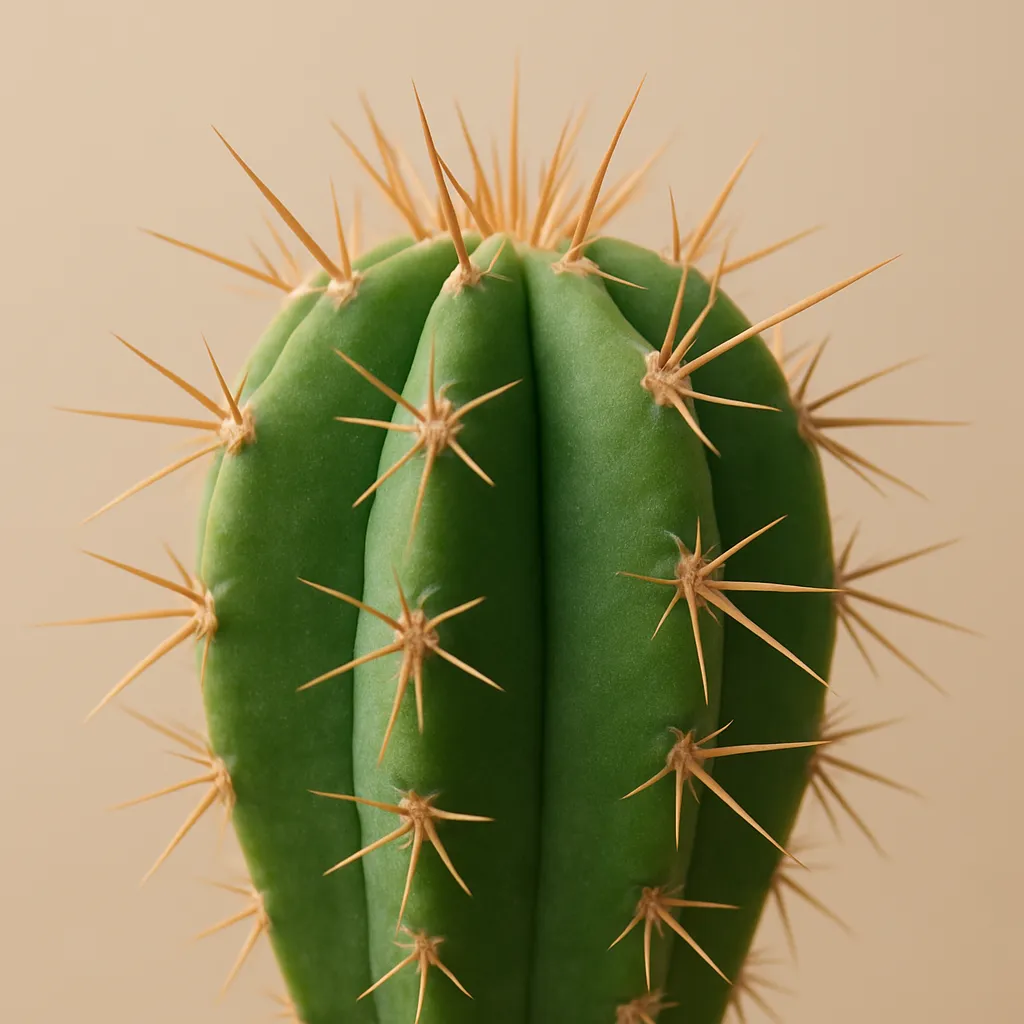
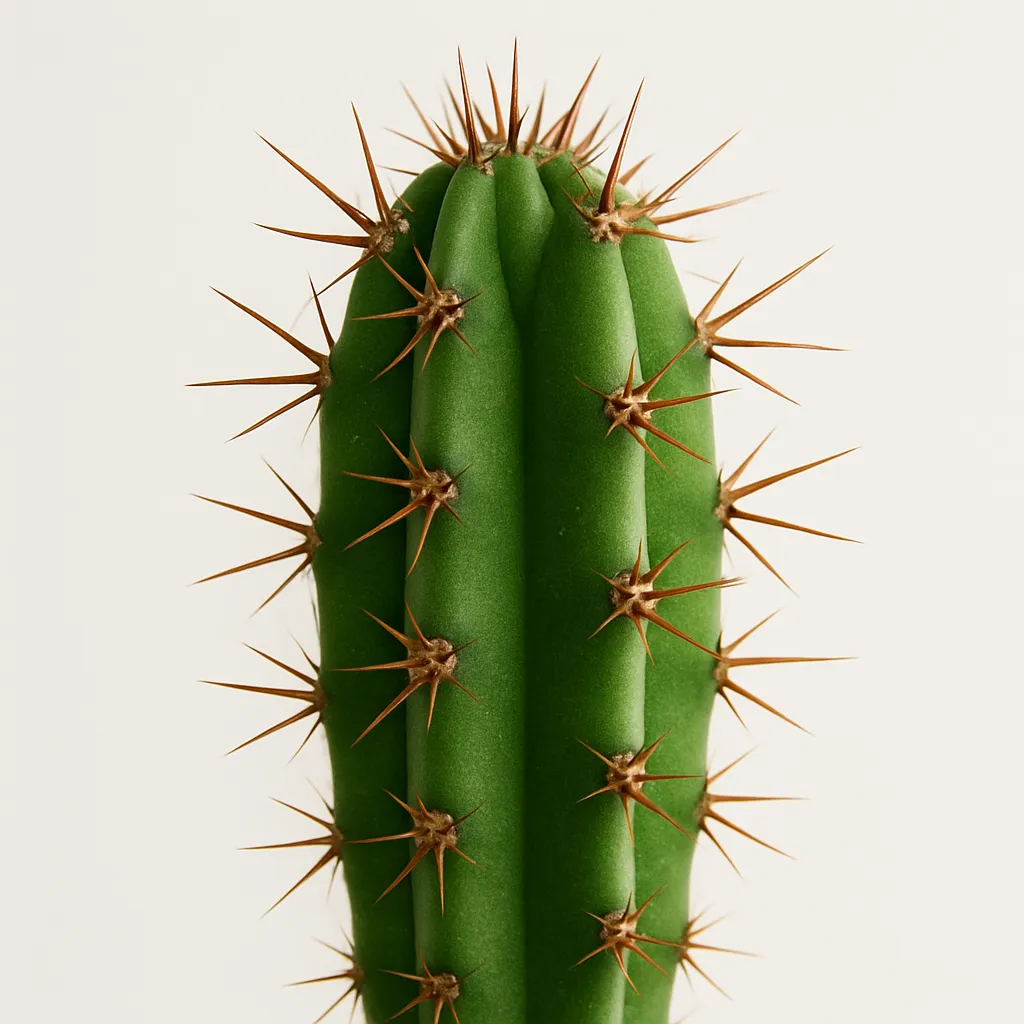
A cactus has thick, waxy stems that store water. What environment does this adaptation best fit?
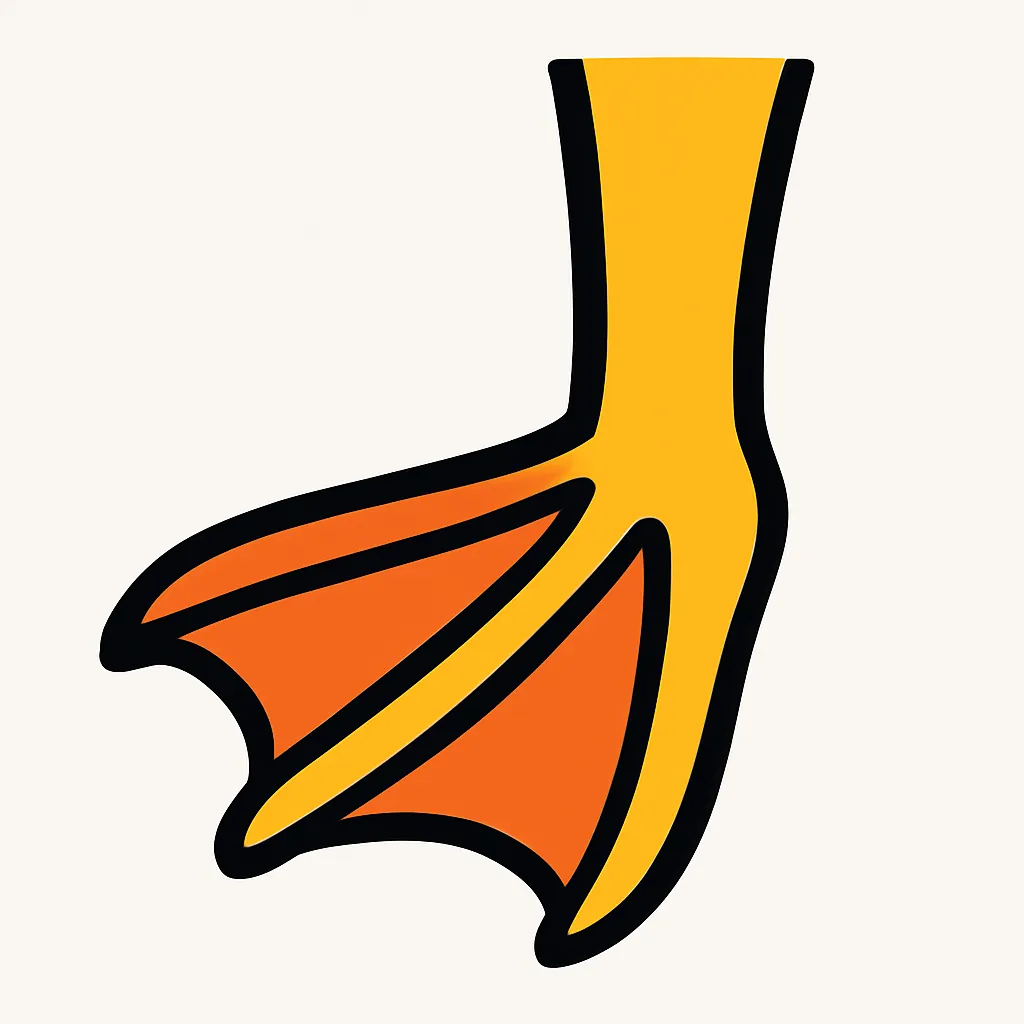
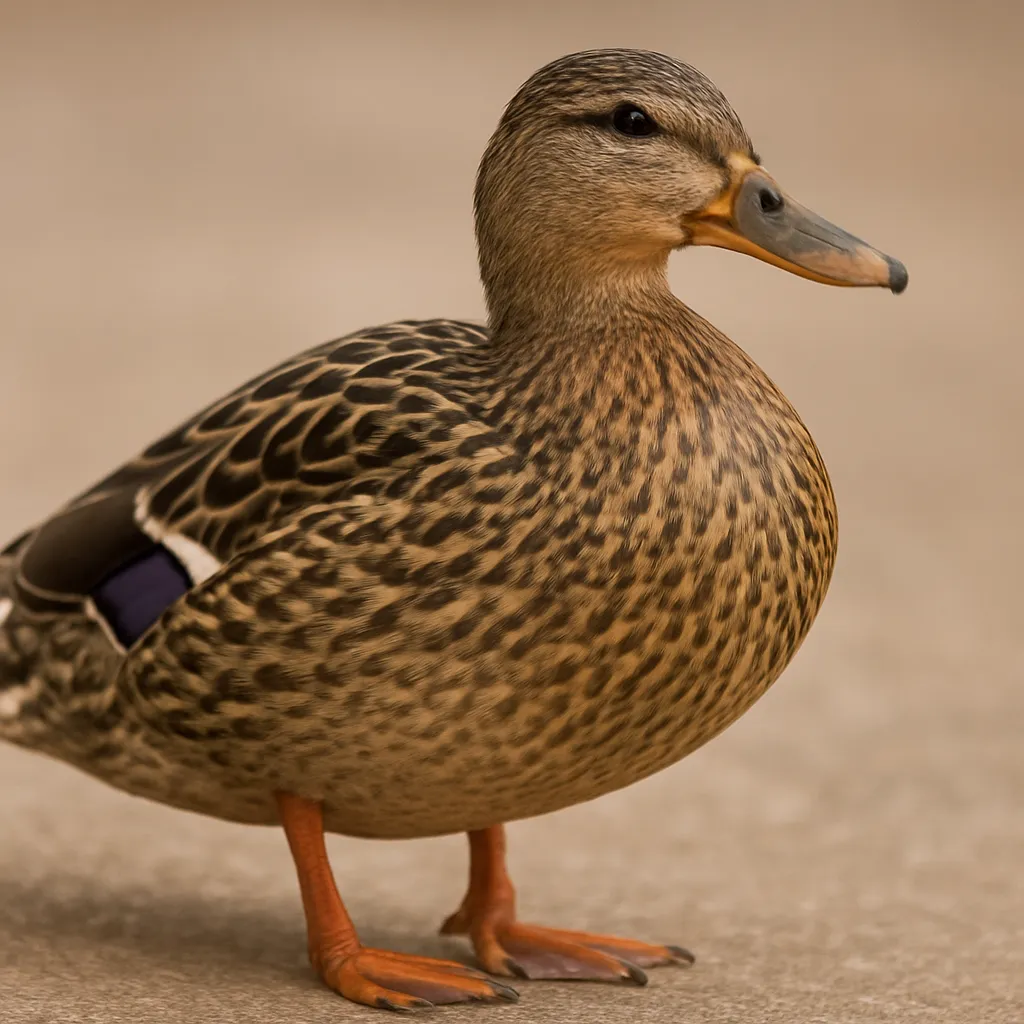
A duck has webbed feet that spread out like paddles. What habitat does this physical adaptation suit best?
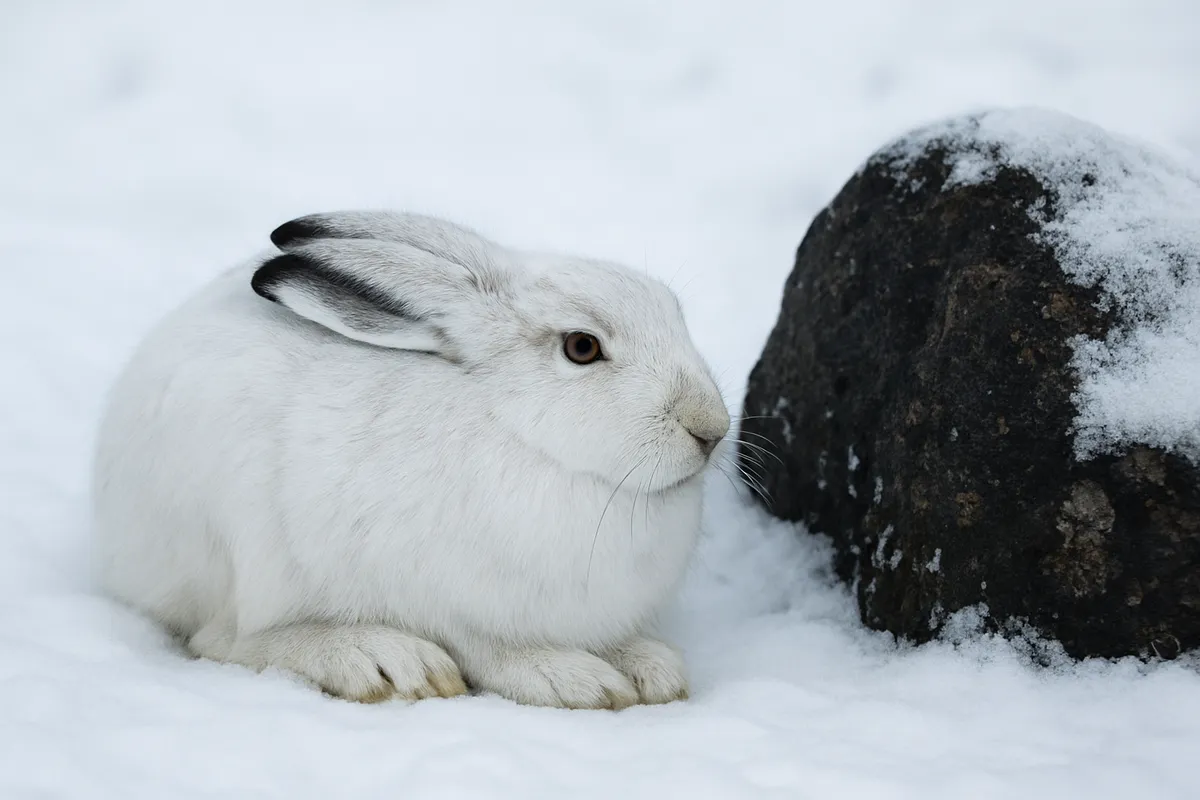
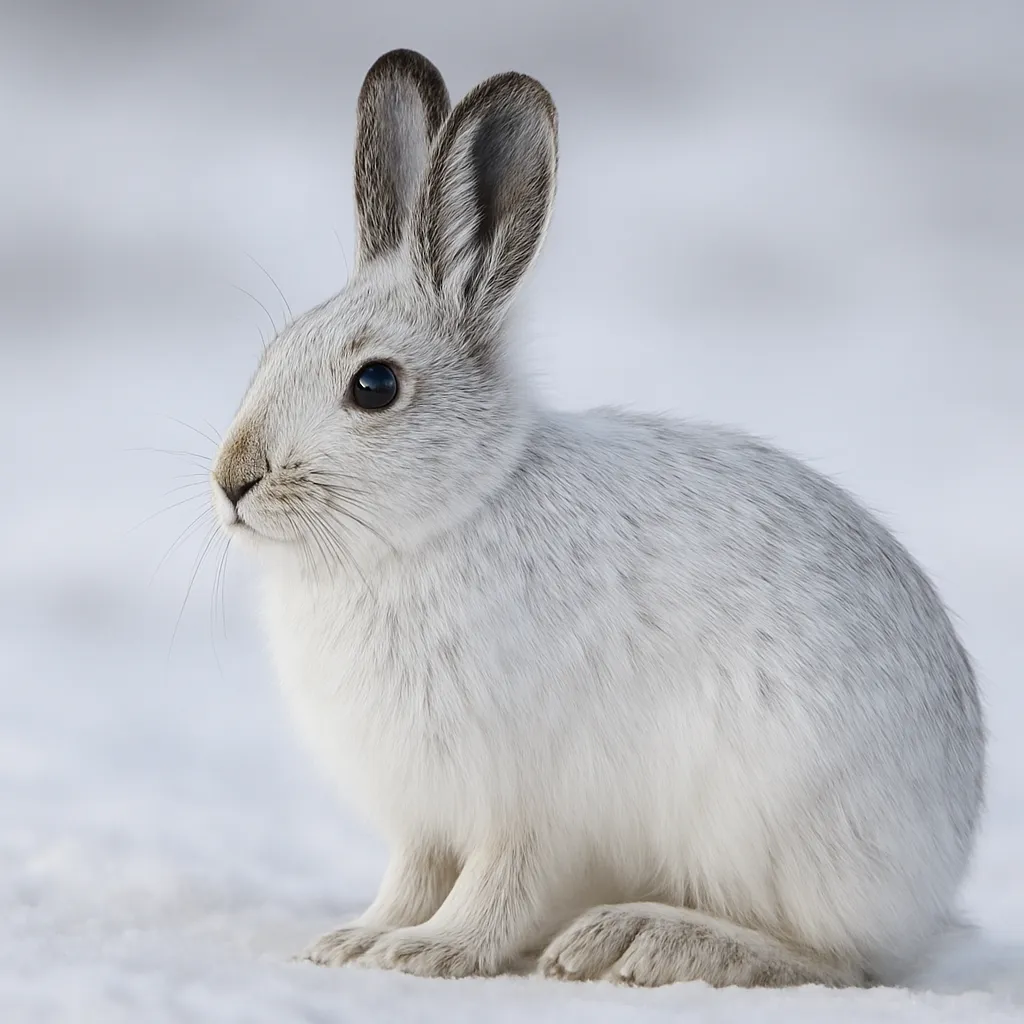
A snowshoe hare has large, wide feet that spread its weight. What environment does this adaptation best fit?
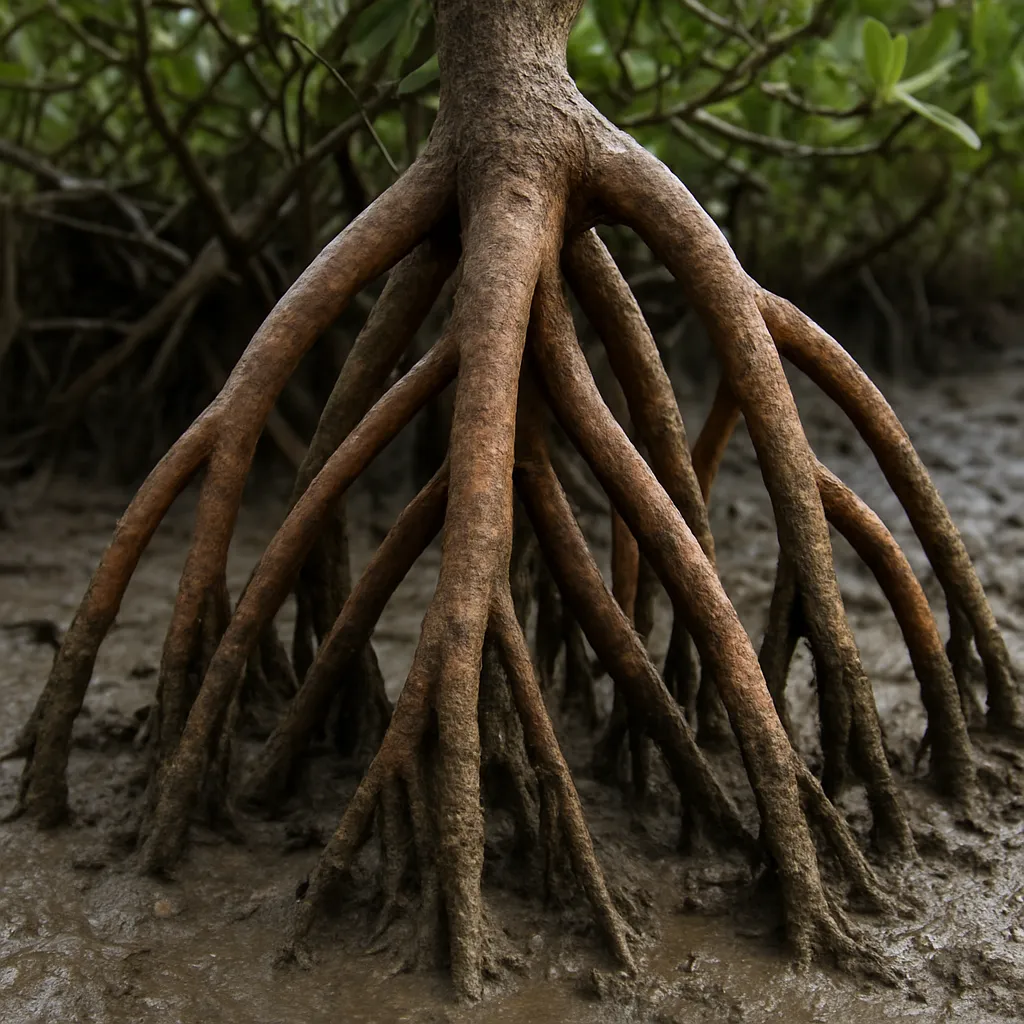
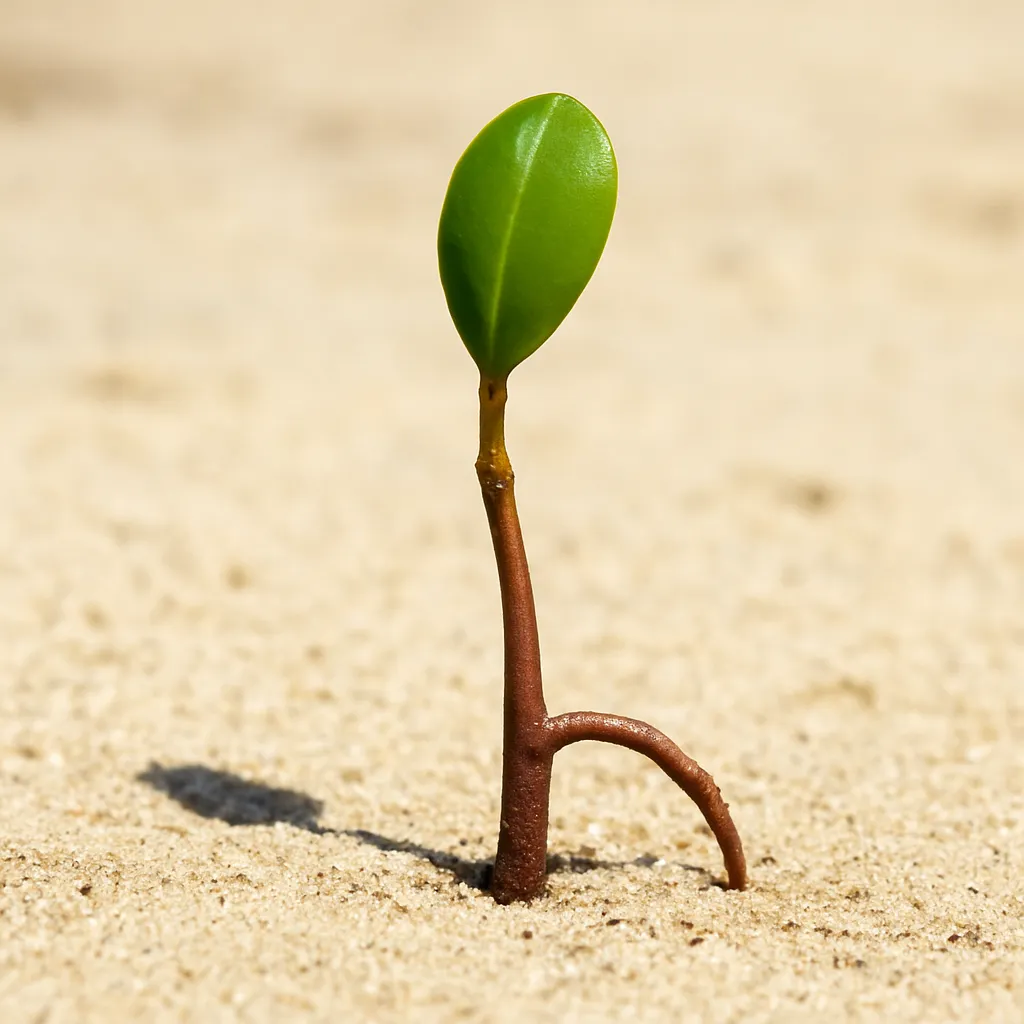
Mangrove trees have prop roots that hold them up in soft mud and moving tides. What place does this feature fit?
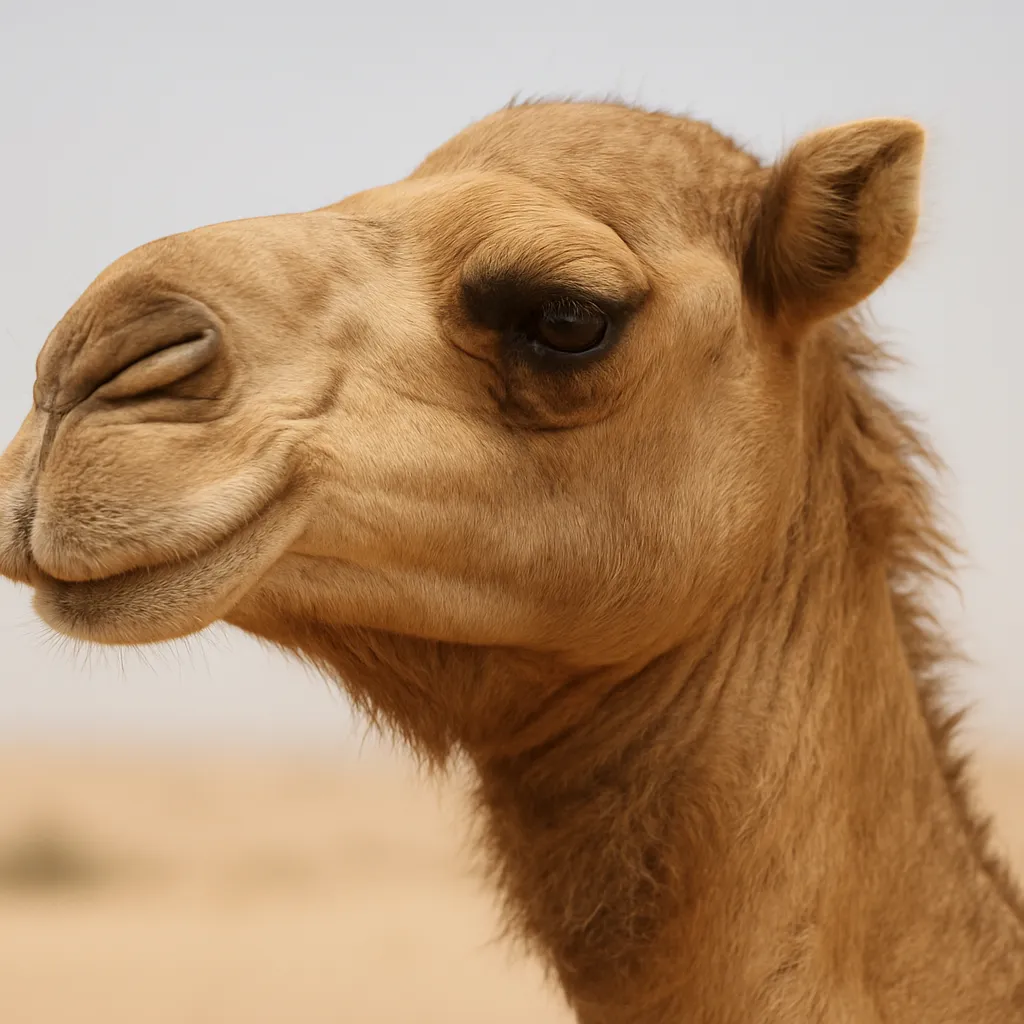
A camel has long eyelashes and nostrils it can close during blowing sand. What environment does this adaptation best fit?
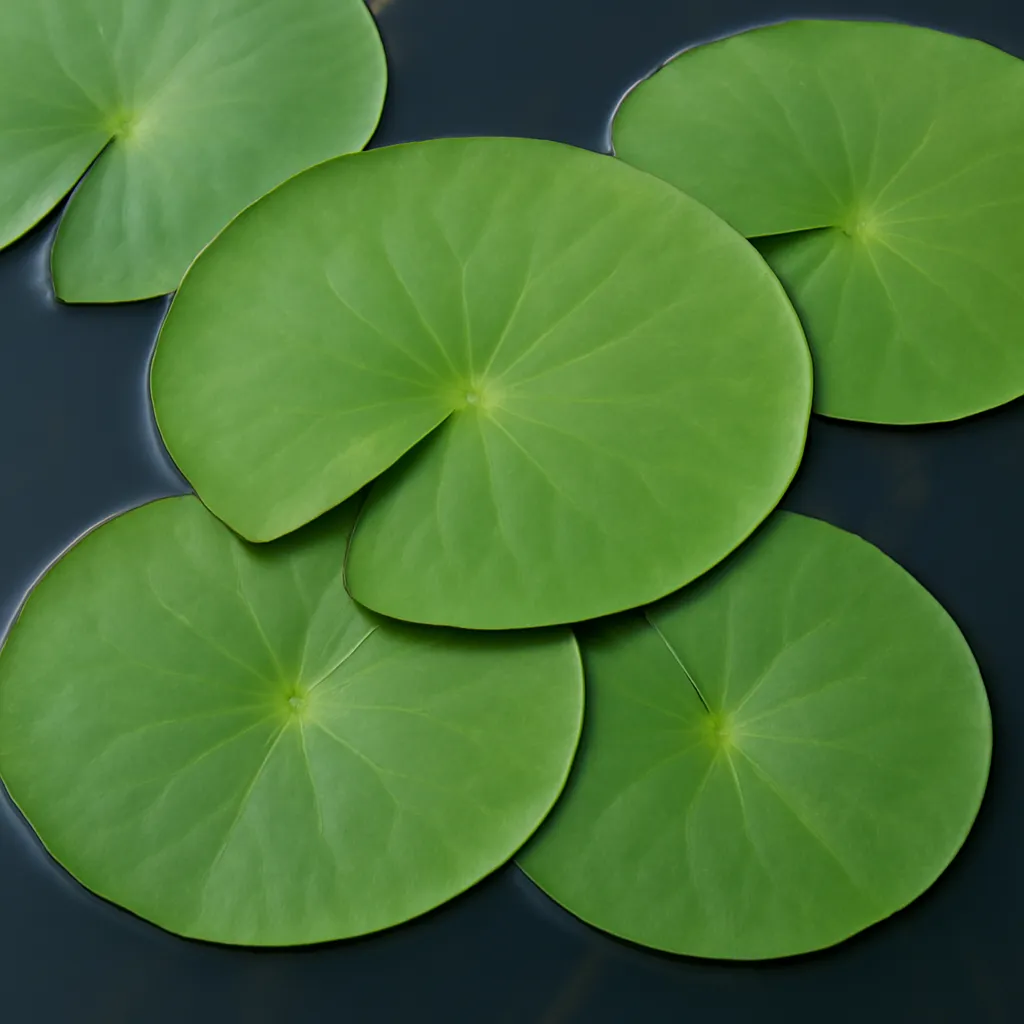
A water lily has broad leaves that float on the surface. What habitat does this physical adaptation suit best?
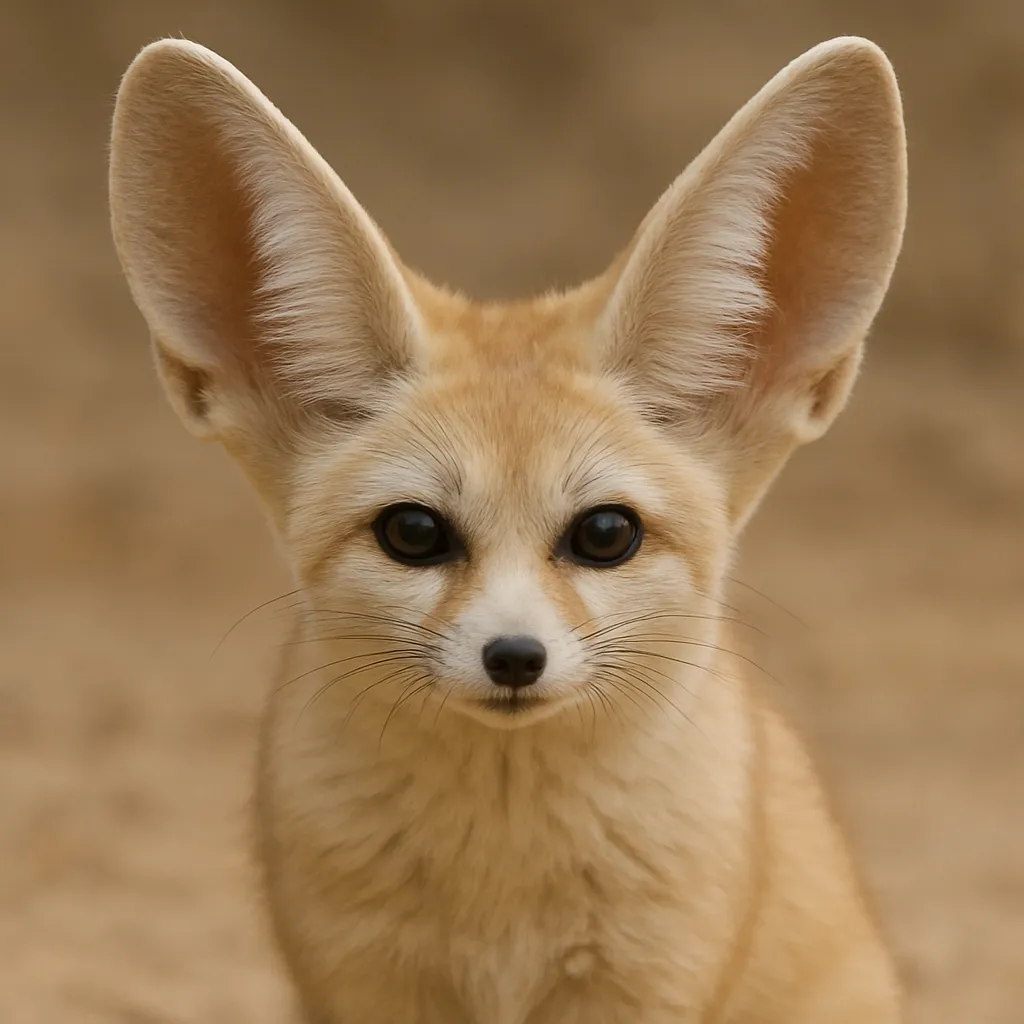
A fennec fox has very large ears that help release body heat. What environment does this adaptation best fit?
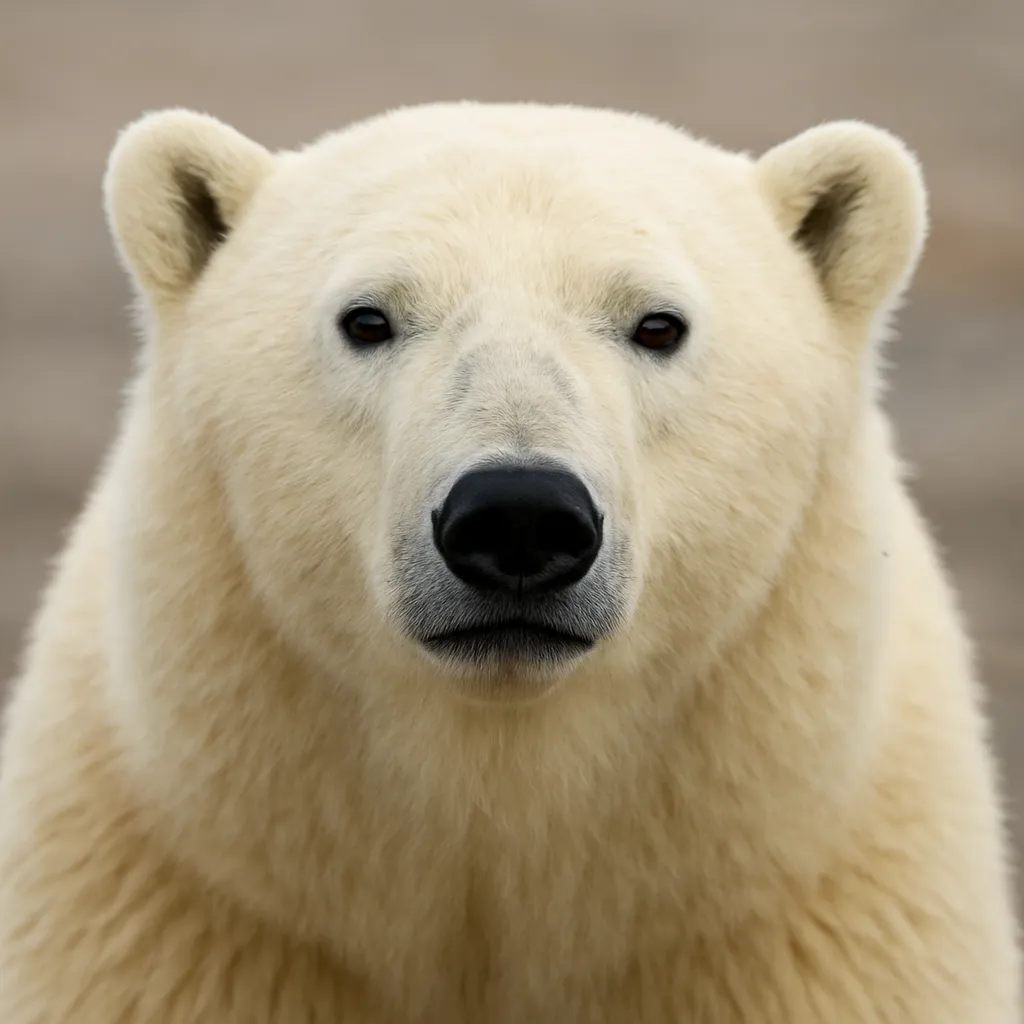
A polar bear has thick fur and a thick layer of fat. What environment does this adaptation best fit?
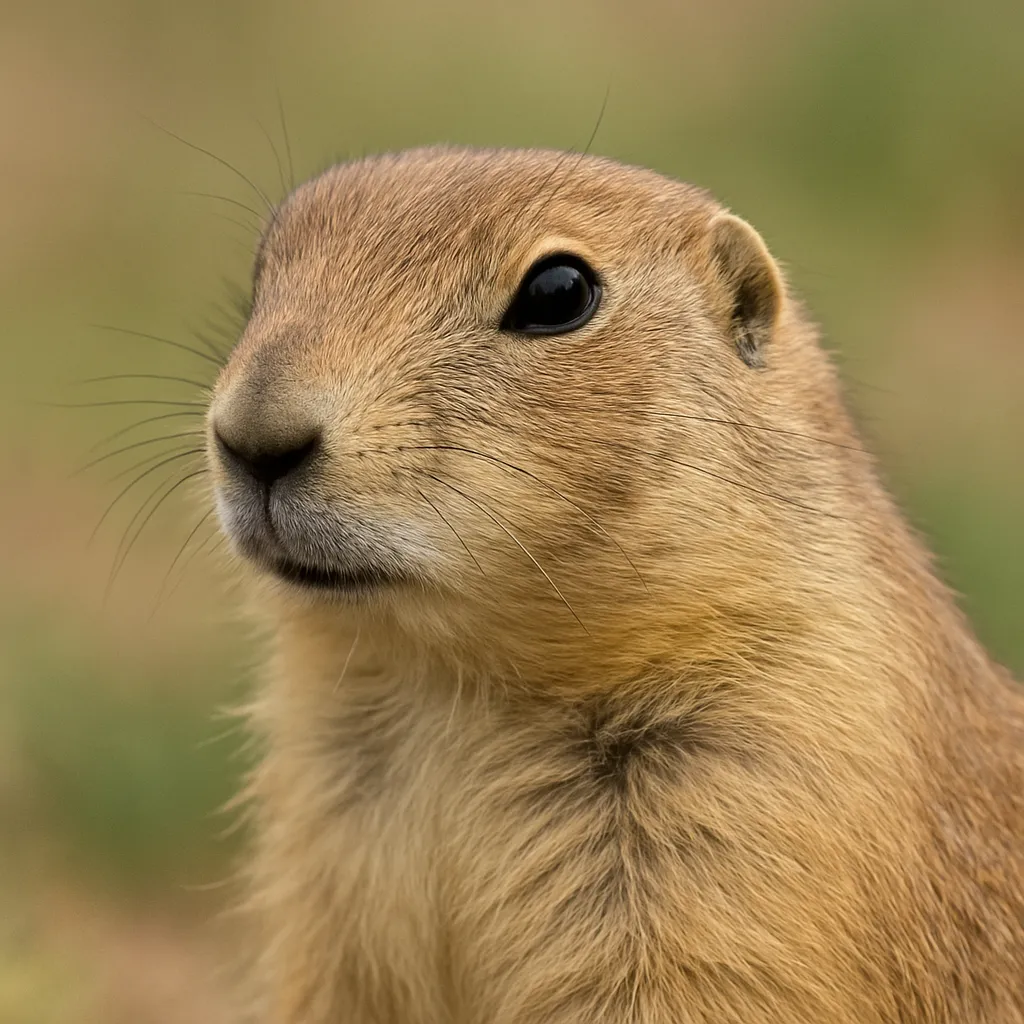
A prairie dog has strong front claws for digging burrows in soil. What habitat does this adaptation best fit?
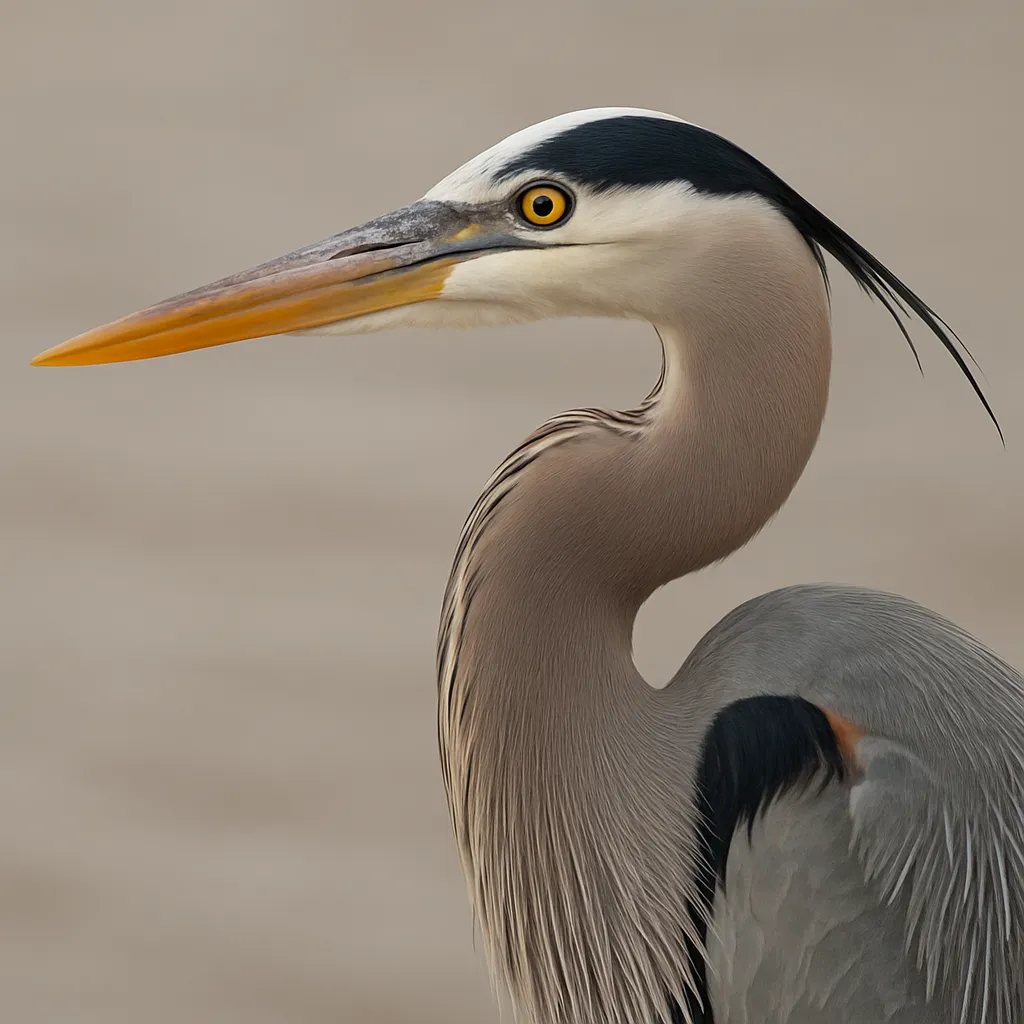
A heron has long legs for standing while it hunts in shallow water. What habitat does this adaptation best fit?
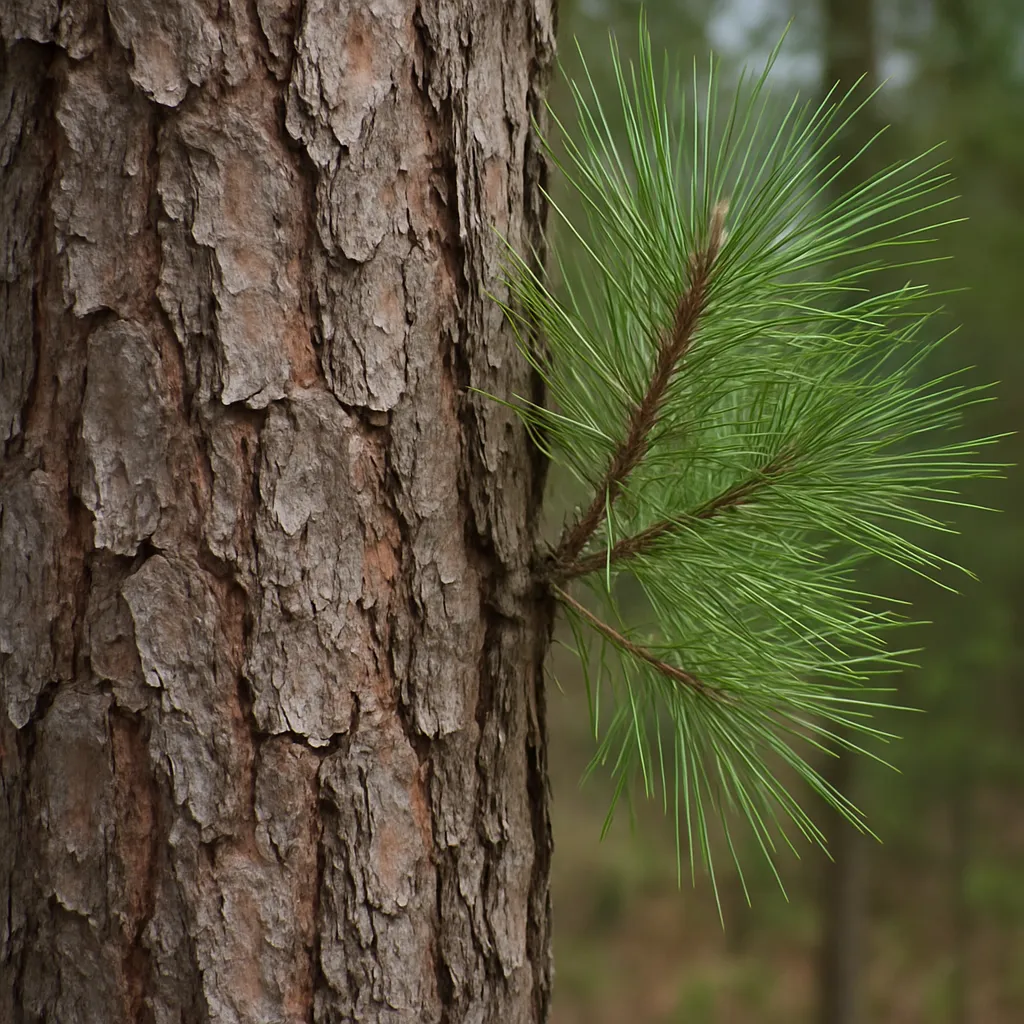
A pine tree has narrow, waxy needles that shed snow and slow water loss. What environment does this adaptation suit best?
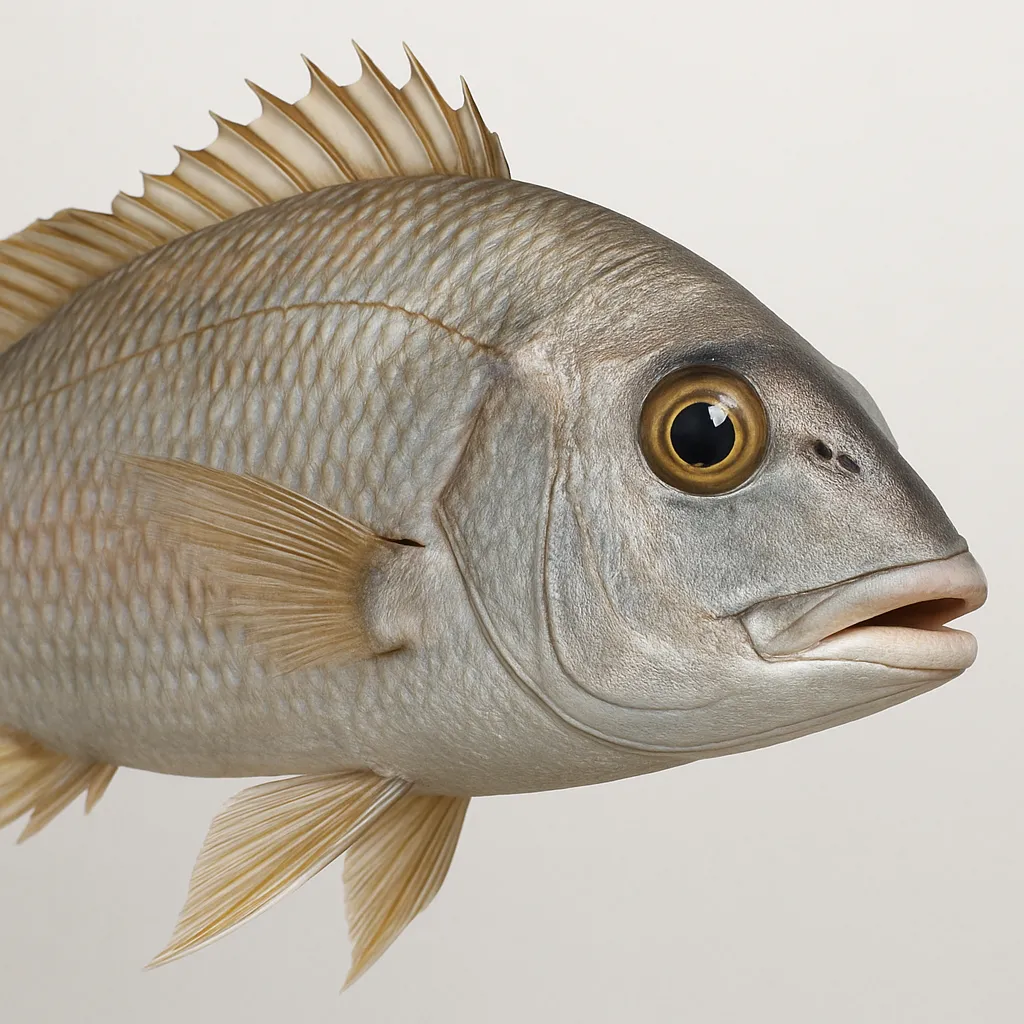
A fish has gills that take oxygen from water. What habitat does this physical adaptation fit?
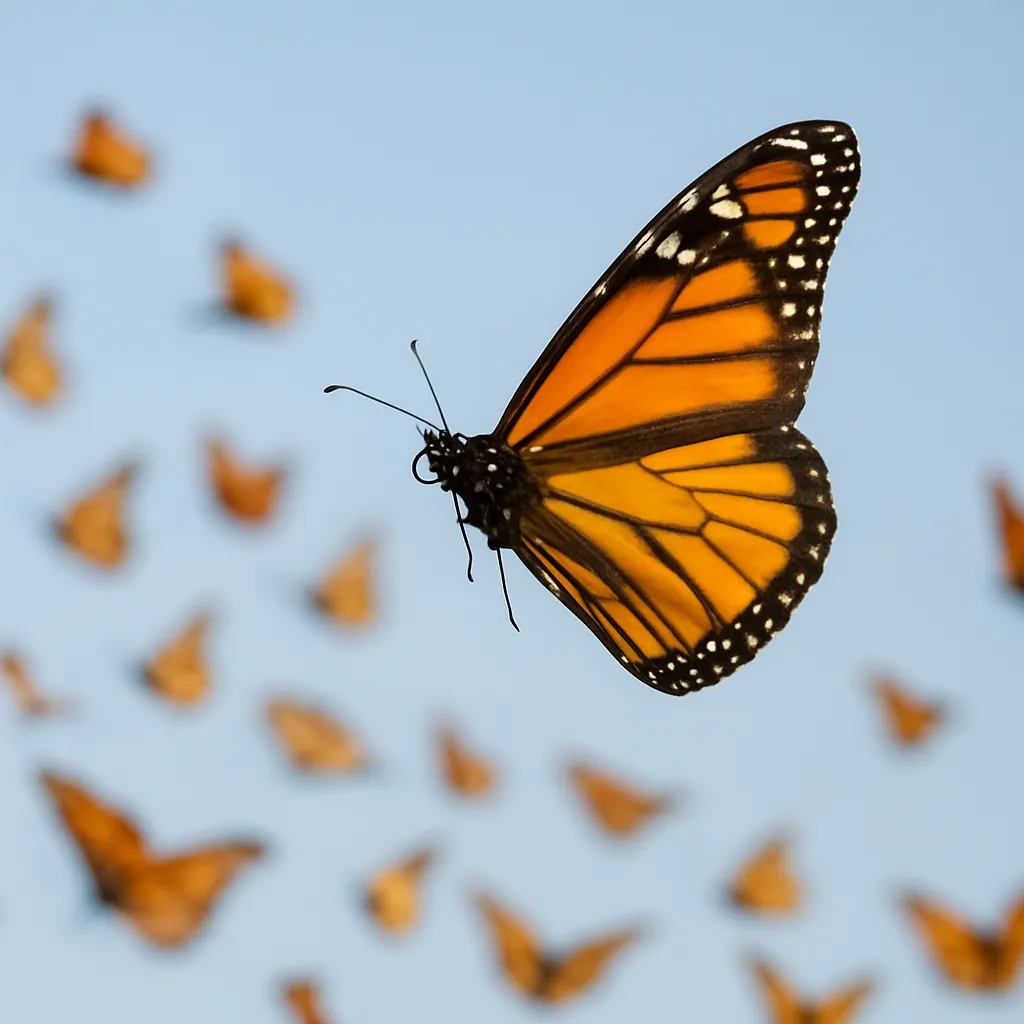
Monarch butterflies fly south before cold winter weather reaches their habitat. What problem does this behavior help solve?
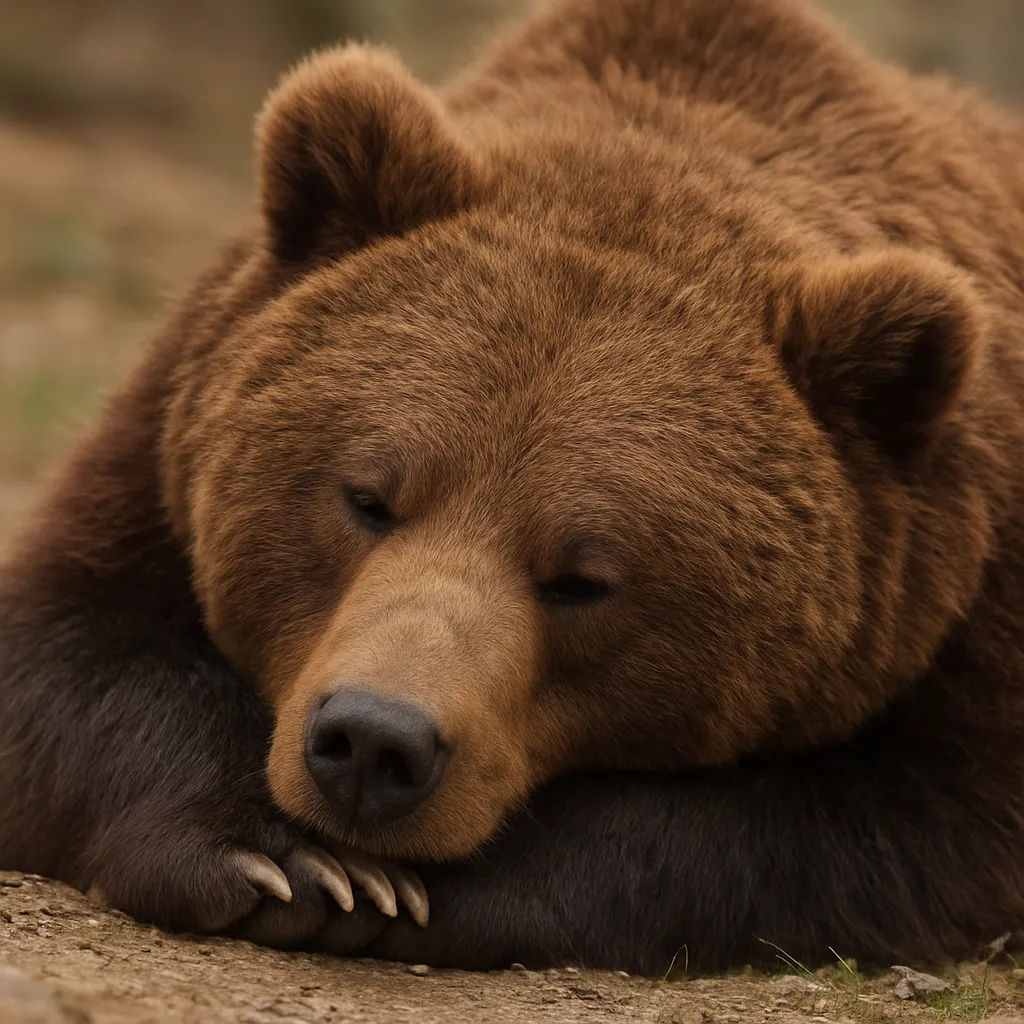
A bear sleeps deeply through much of winter when food is hard to find. What problem does this behavior help solve?
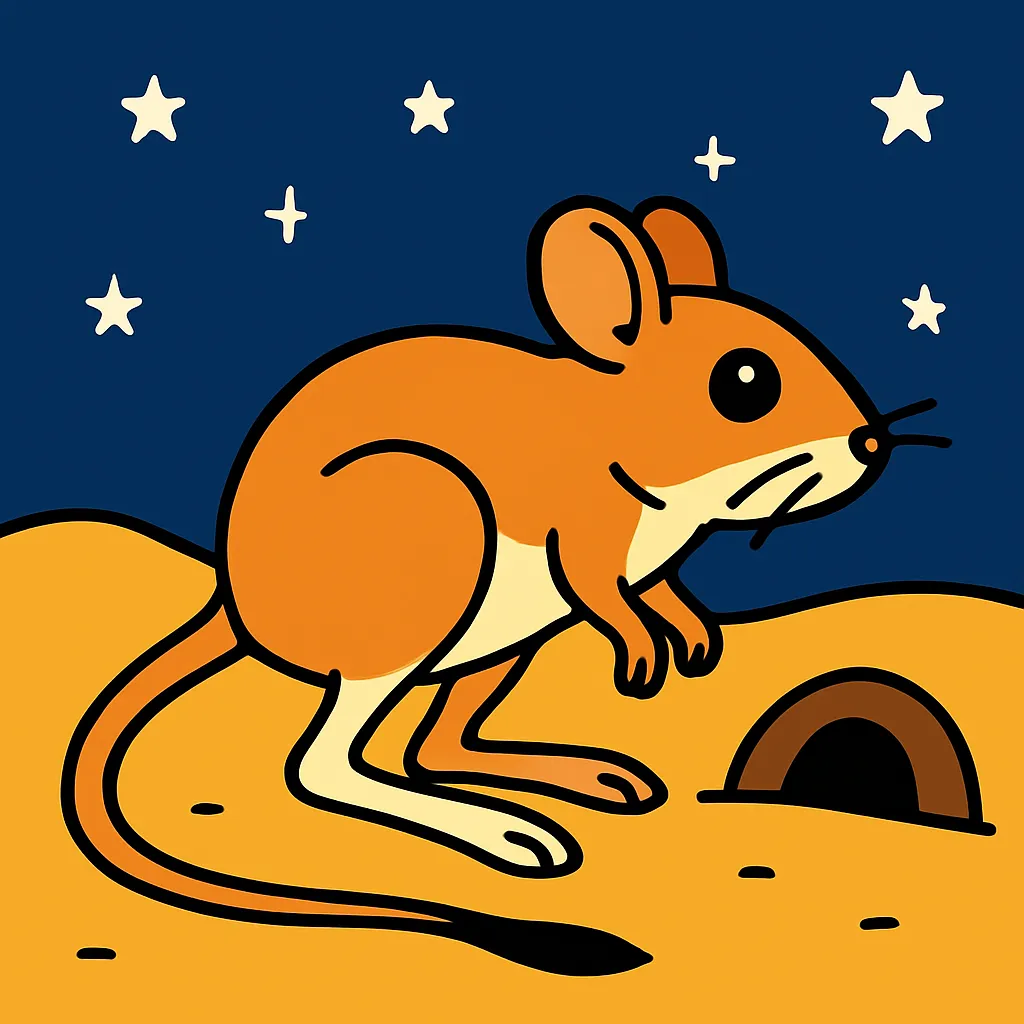
A desert kangaroo rat is active mostly at night instead of during the hottest daytime hours. What problem does this behavior solve?
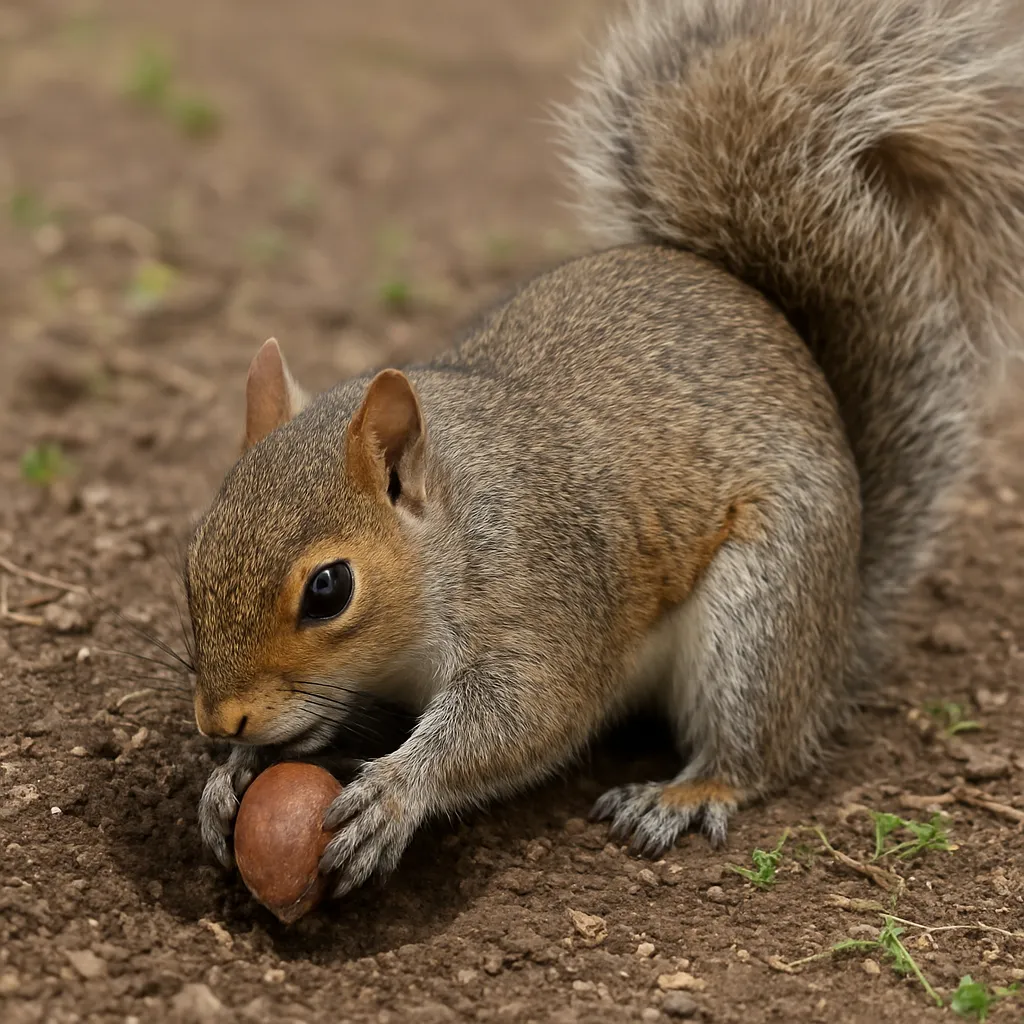
A squirrel buries nuts and seeds in autumn and digs them up later. What problem does this behavior help solve?
Geese fly in a V-shaped group during long trips. What problem does this behavior help solve?
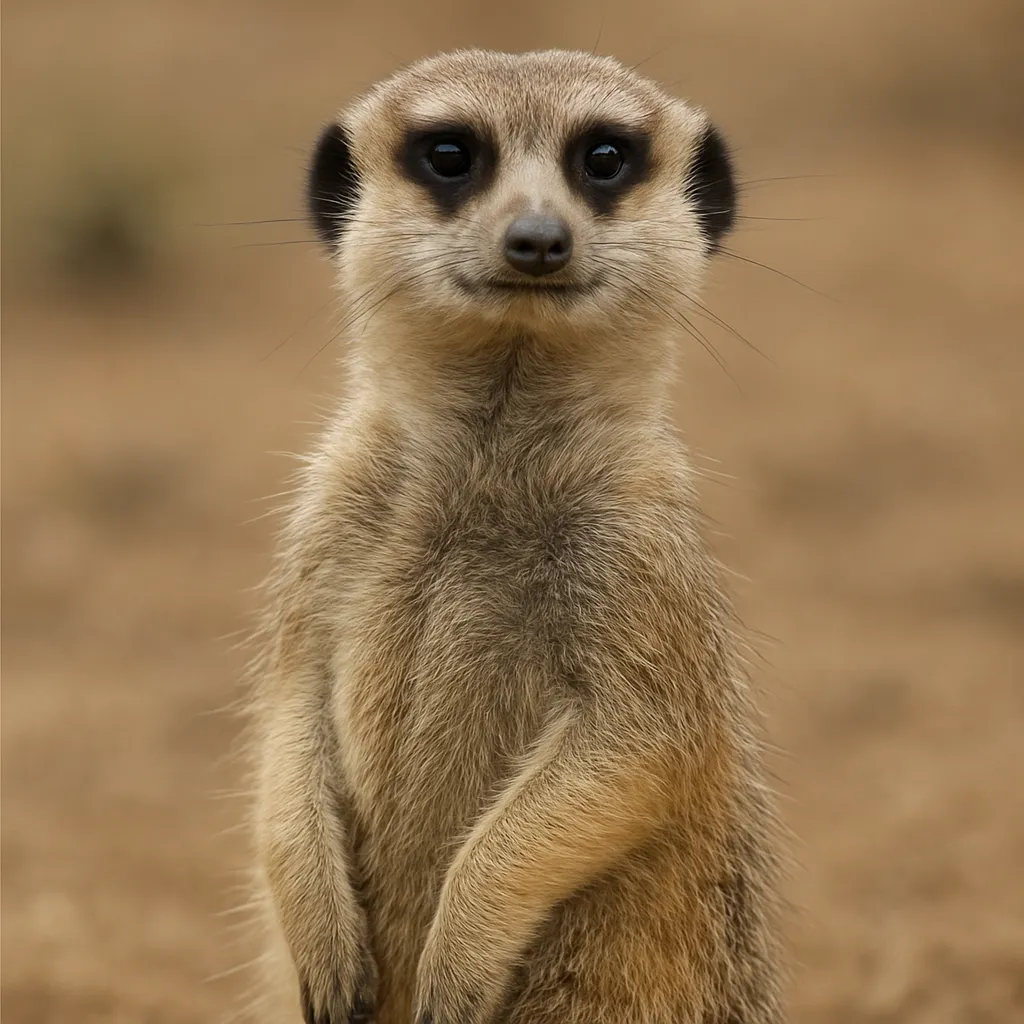
Meerkats take turns standing watch while the group searches for food. What problem does this behavior help solve?
Many small fish swim close together in a school when predators are nearby. What problem does this behavior help solve?
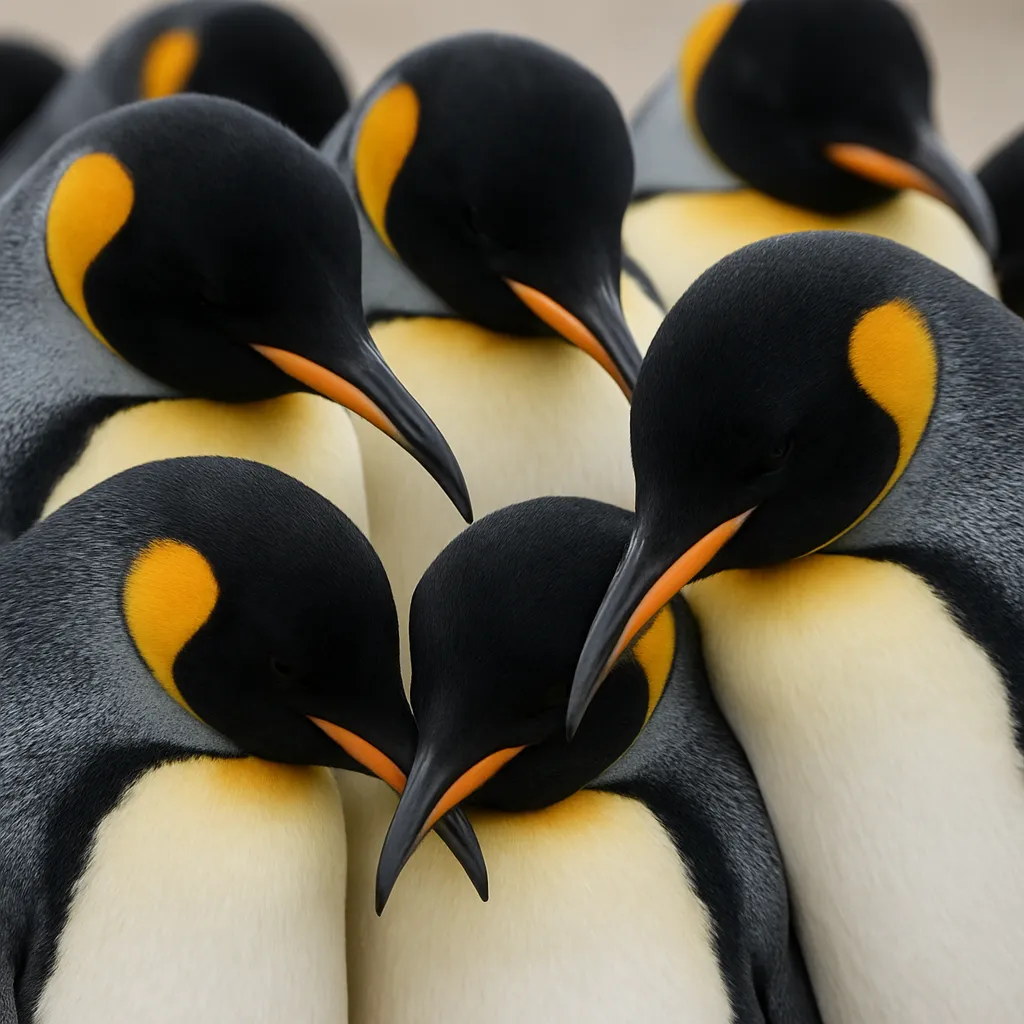
Penguins crowd close together during freezing winds. What problem does this behavior help solve?
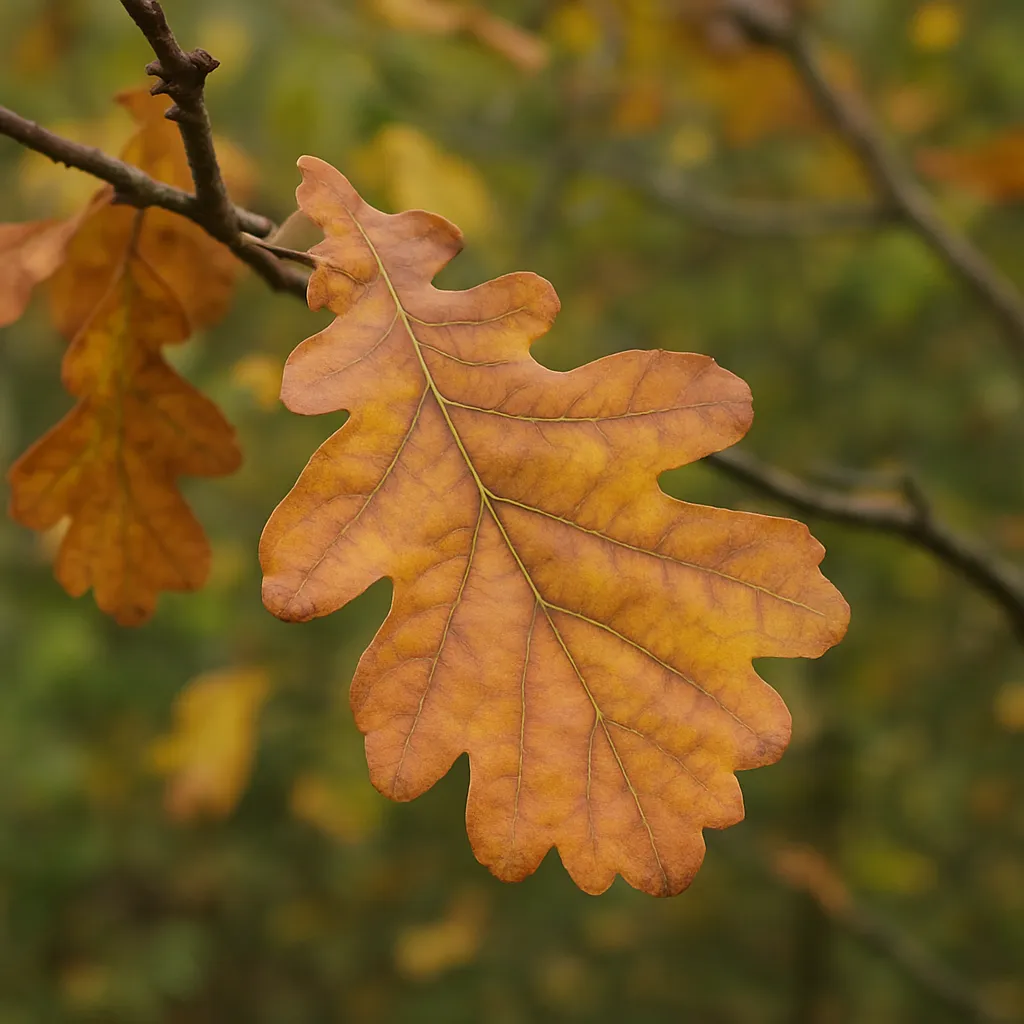
An oak tree drops its leaves before winter and grows slowly until spring. What problem does this behavior help solve?
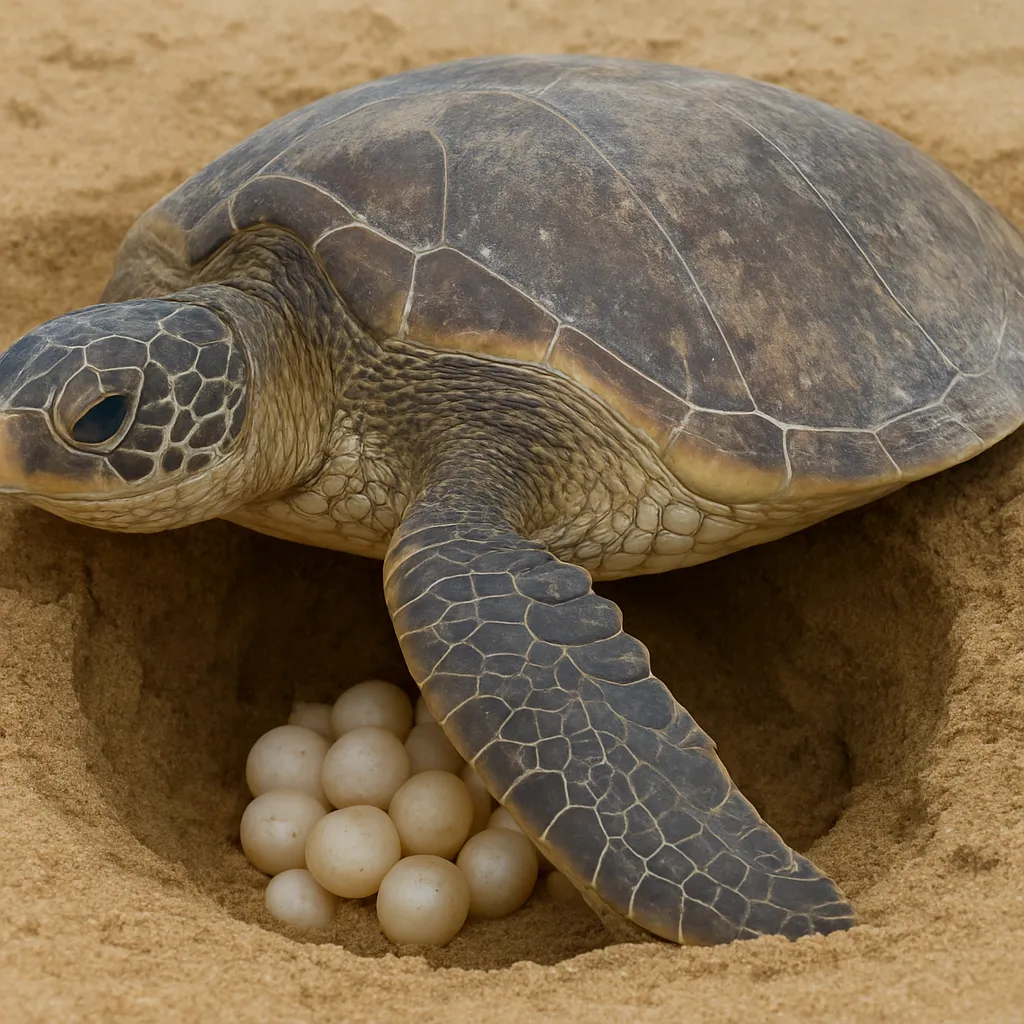
Sea turtles crawl onto sandy beaches to lay eggs in nests. What problem does this behavior help solve?
A beaver has a broad, flat tail that helps it move in water. What kind of adaptation is this, and why?
A bird flies to a warmer region when winter makes food hard to find. What kind of adaptation is this, and why?
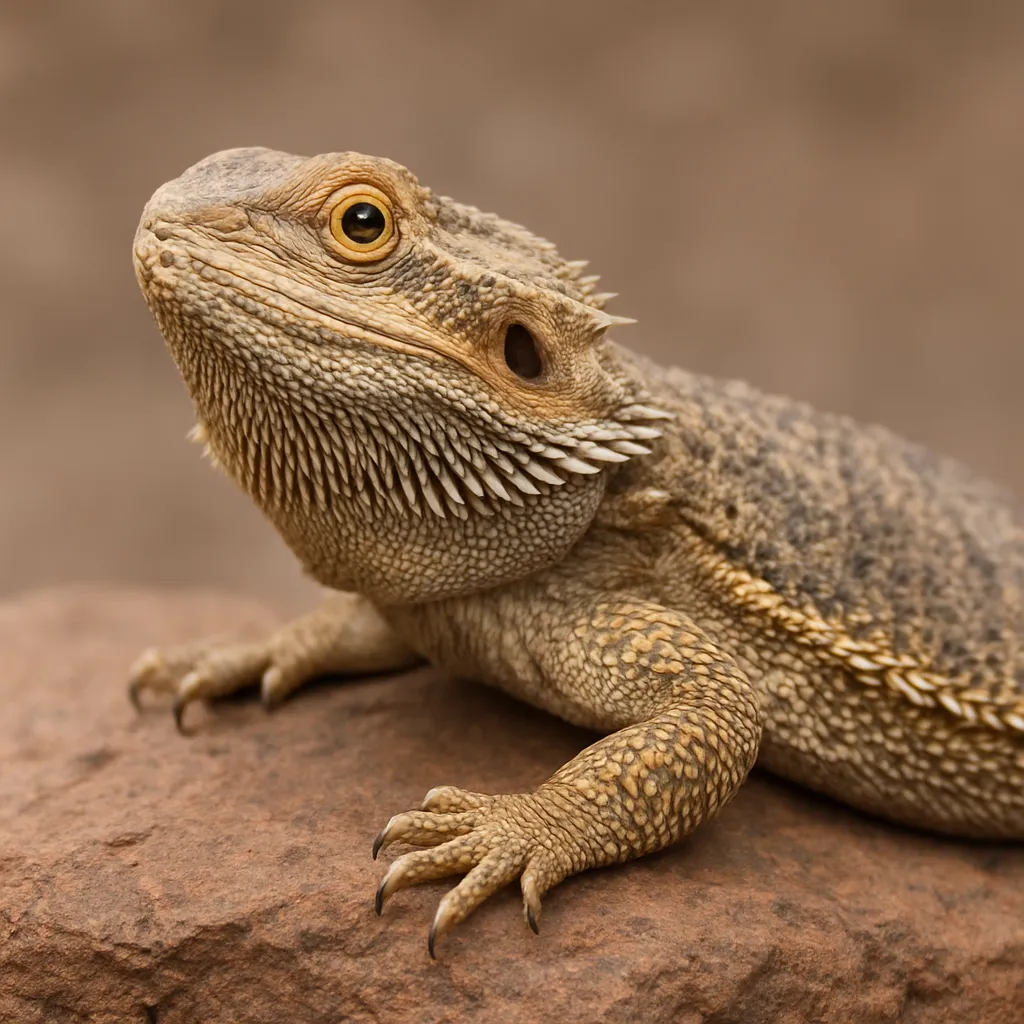
A desert lizard moves into shade when rocks become very hot. What kind of adaptation is this, and why?
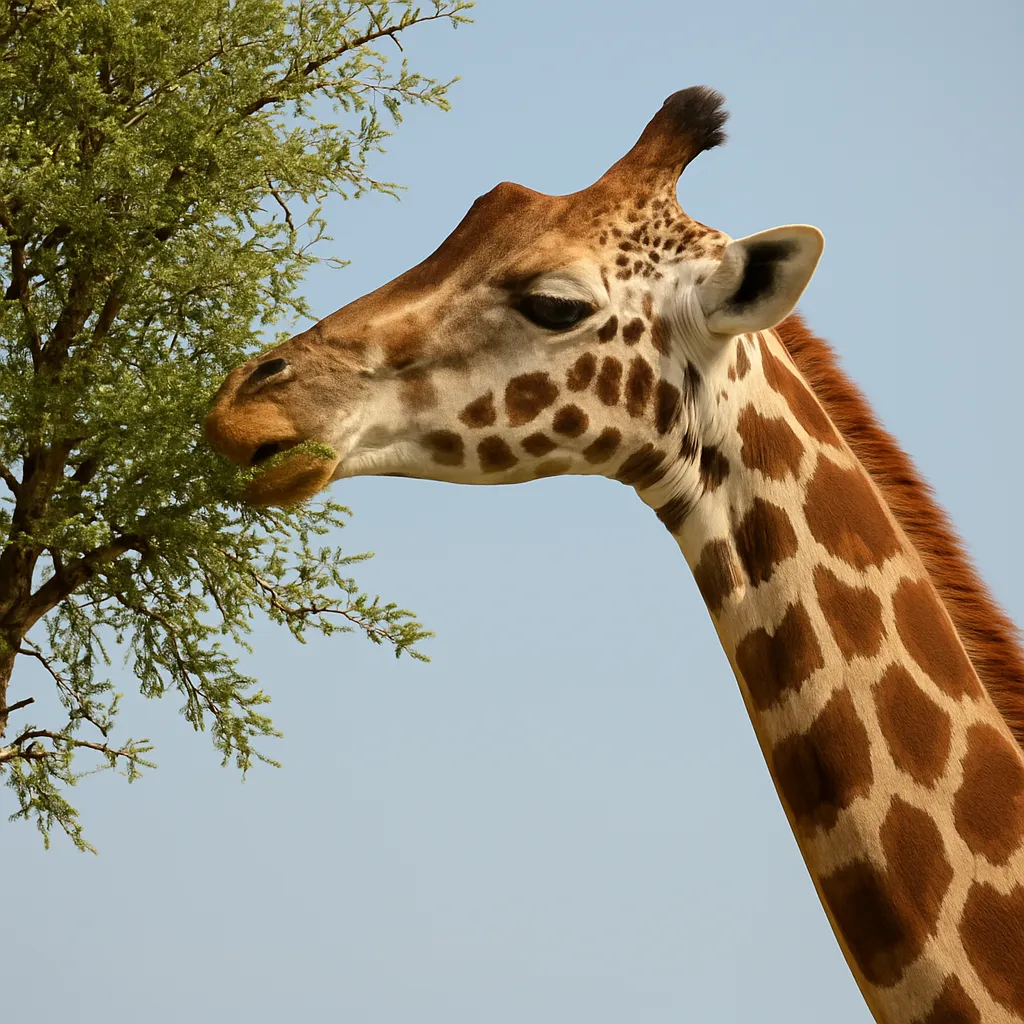
A giraffe has a long neck that helps it feed from tall trees in savannas. What kind of adaptation is this, and why?
A chipmunk carries seeds to a hidden place before winter. What kind of adaptation is this, and why?
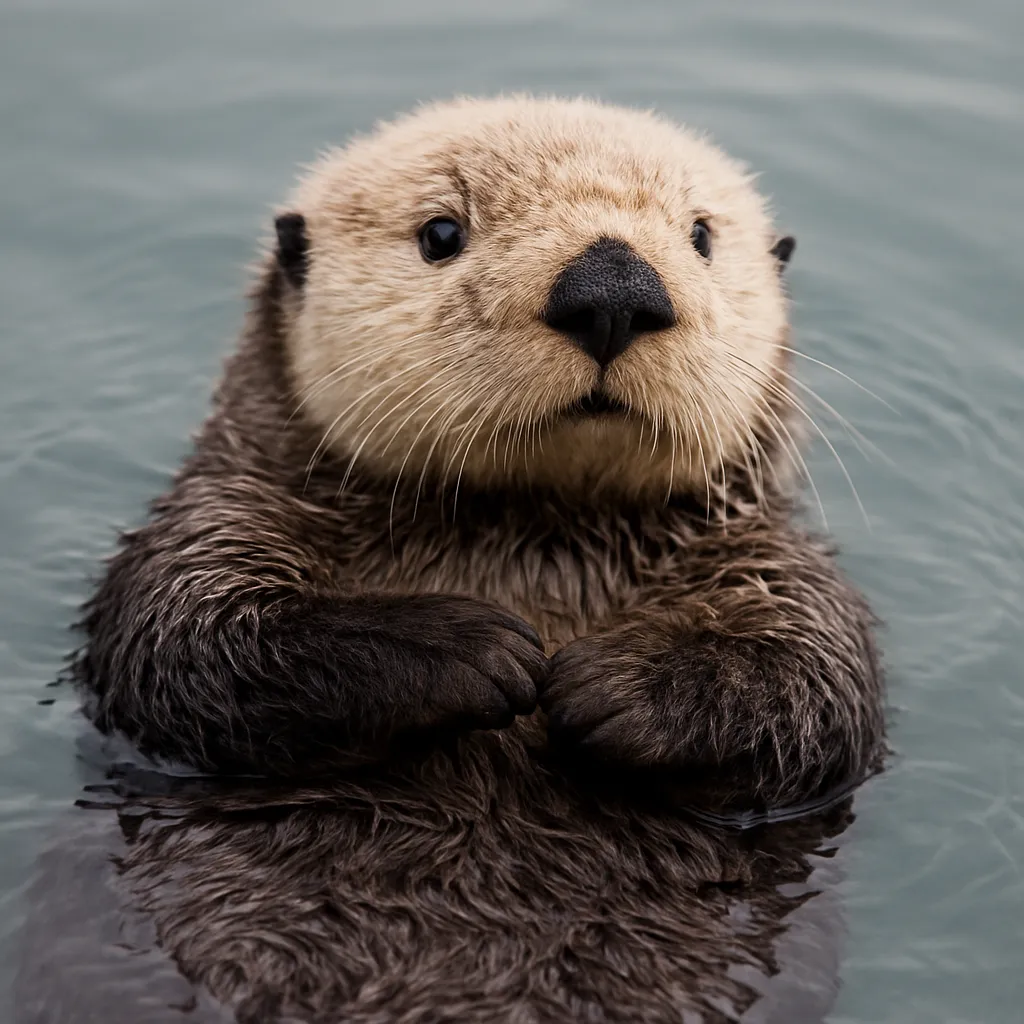
A sea otter has dense fur that traps air and helps keep its body warm in cold water. What kind of adaptation is this?
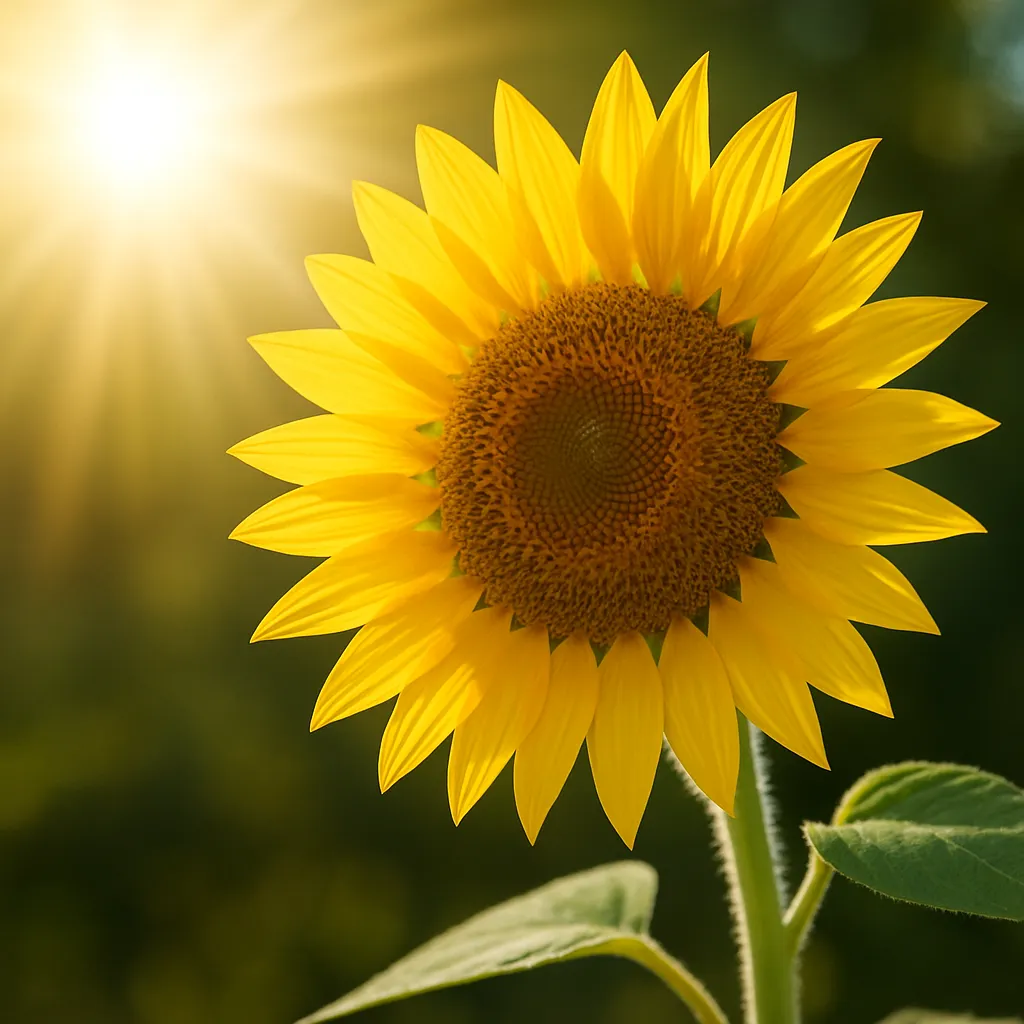
Young sunflower plants slowly turn their leaves and buds to follow the sun across the sky each day. What kind of adaptation is this, and why?
A turtle has a hard shell that helps protect it in its habitat. What kind of adaptation is this, and why?
An owl hunts mostly at night when many small prey animals are active. What kind of adaptation is this, and why?
A water bird has oily feathers that help water roll off in wet habitats. What kind of adaptation is this?
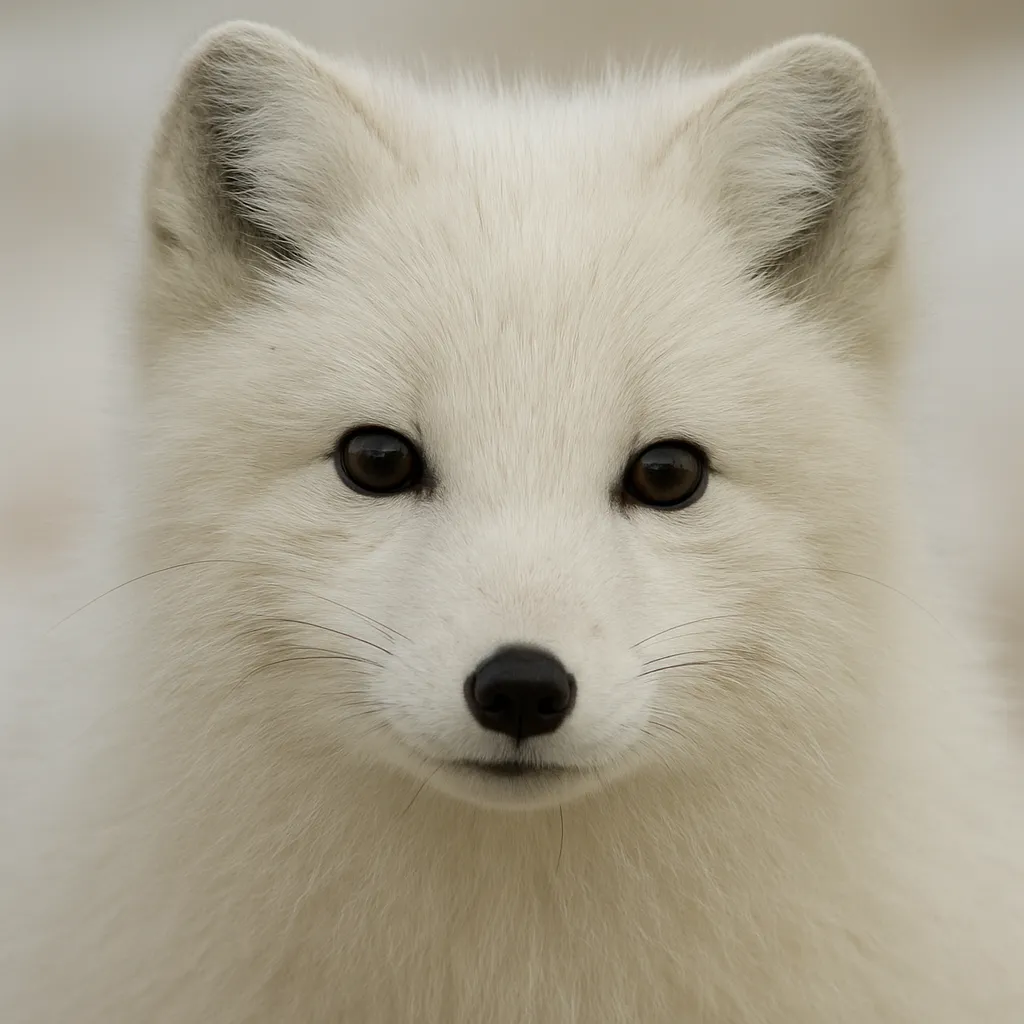
An arctic fox is moved from snowy tundra to a hot desert. What adaptation stops helping, and what would be more useful?
A cactus is moved from a dry desert into a wet, shady rainforest. What adaptation stops helping most, and what would fit better?
A duck is moved from a pond to a dry desert with little water. What adaptation stops helping most, and what would fit better?
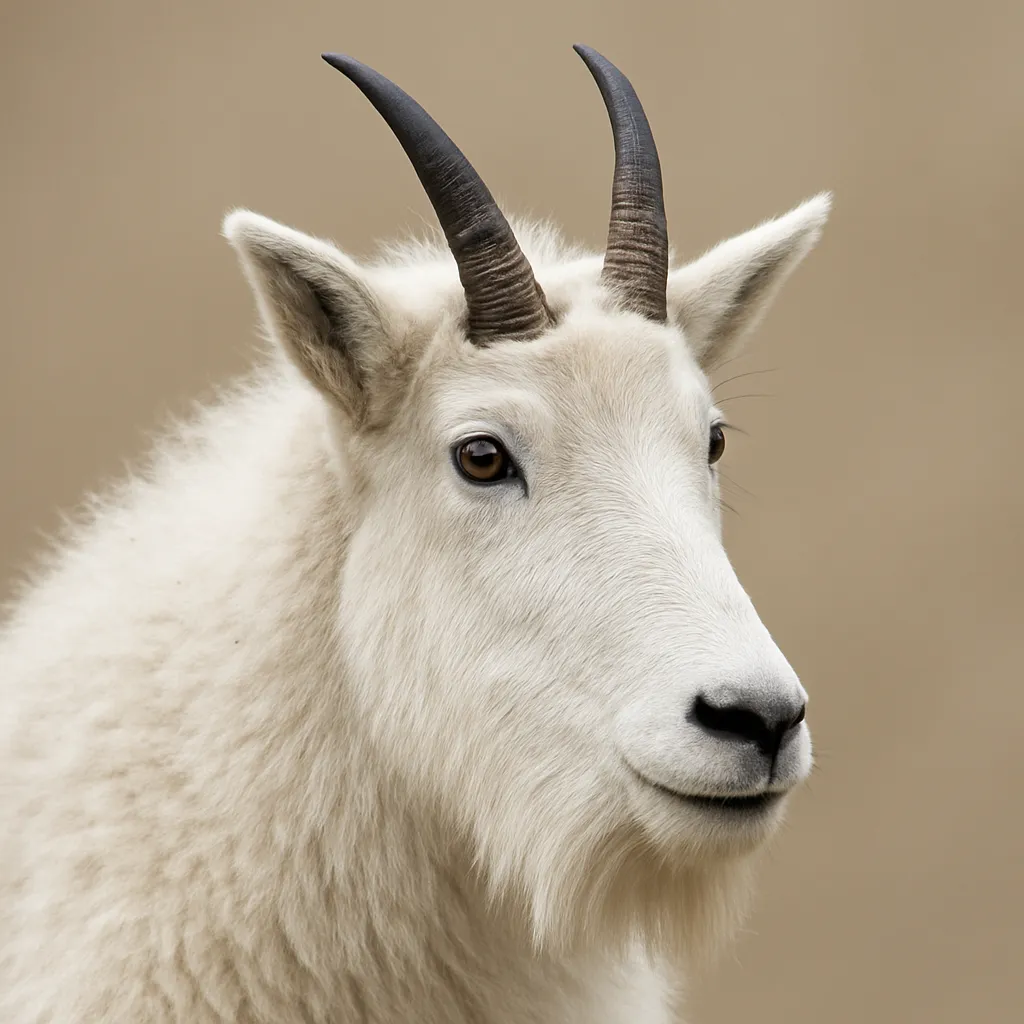
A mountain goat is moved from steep rocky cliffs to a flat muddy swamp. What adaptation stops helping, and what would fit better?
A mangrove seedling is moved from salty coastal mud to a dry inland field. What adaptation stops helping, and what would fit better?
A snowshoe hare is moved from snowy ground to dark rocky forest with little snow. What adaptation stops helping, and what would fit better?
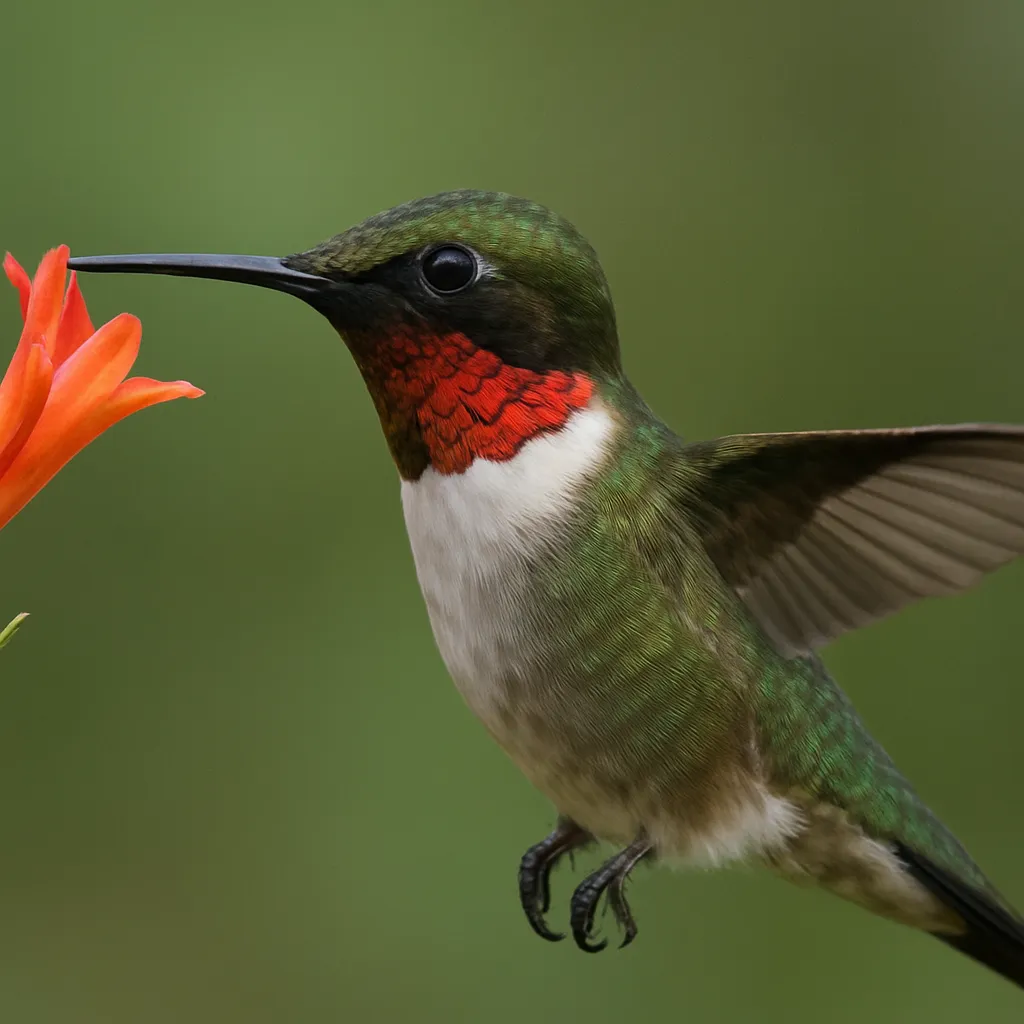
A hummingbird with a long narrow beak is moved from tubular flowers to a habitat with mostly hard seeds. What adaptation stops helping?
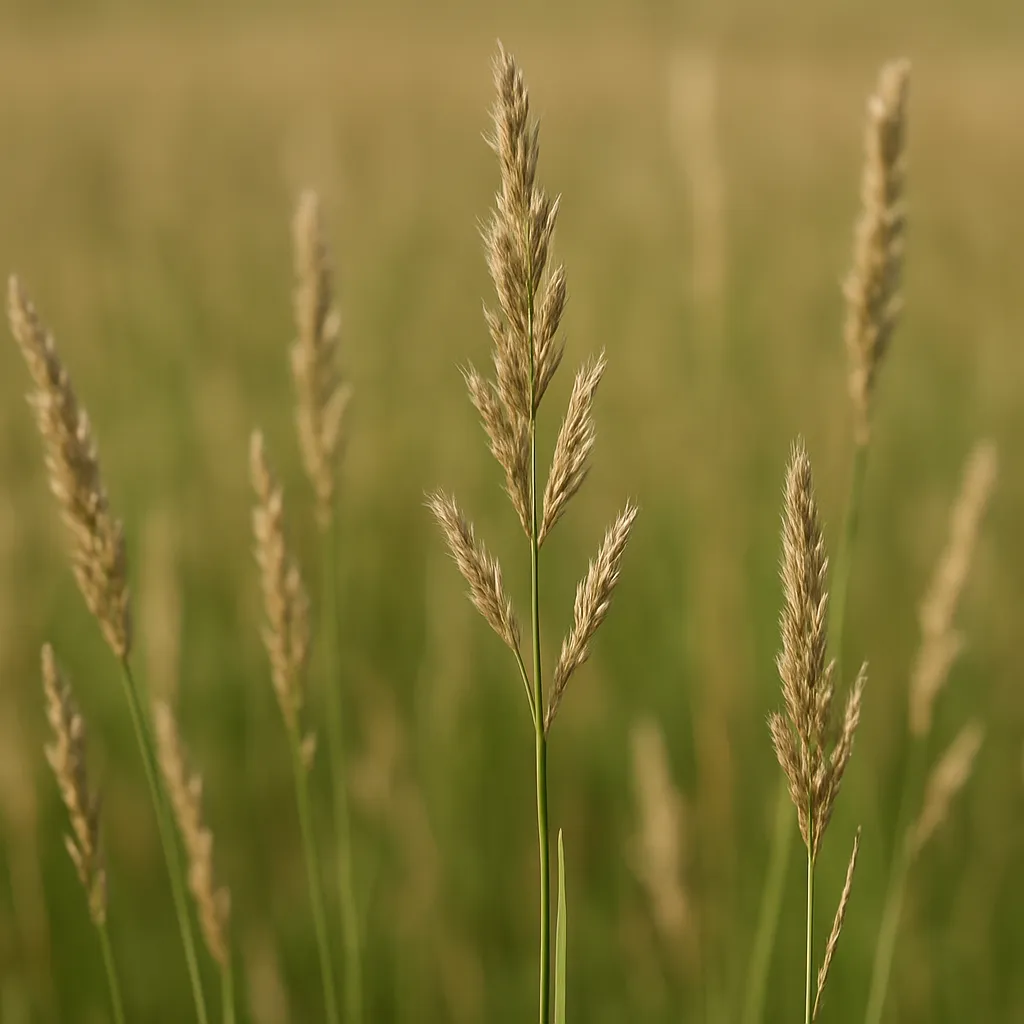
Prairie grass with very deep roots is moved into a pond where leaves must reach sunlight at the surface. What adaptation stops helping?
Crack the passcode before the zombies get in.
Answer, then swat bugs for bonus points.
Race through questions at your own speed.
Same question on every screen. Fastest wins.

Pick a tile, answer, hit bonuses and steals.
Life Cycles and Changing Needs
40 questions