Loading
by BlastRoom
Classify organisms by observable characteristics and simple keys.
#classification#us_grade_4_science
40 questions
One question set, multiple game modes. Tap any game to see it in action. Not sure which to pick?
Answer to place stones and capture territory.
Outrun the snow together.
Earn blasts, then hunt the other team.
Answer to earn energy, then climb.

The class blasts through walls together.
Bid on mystery lots. Most money wins.
Sell tours. Nice, standard, or a total scam.

Answer, restock, and serve the rush.
More correct answers pulls the rope your way.
Answer, then shoot down the alien wave.
Answer, then tap to leap the frozen ridge.
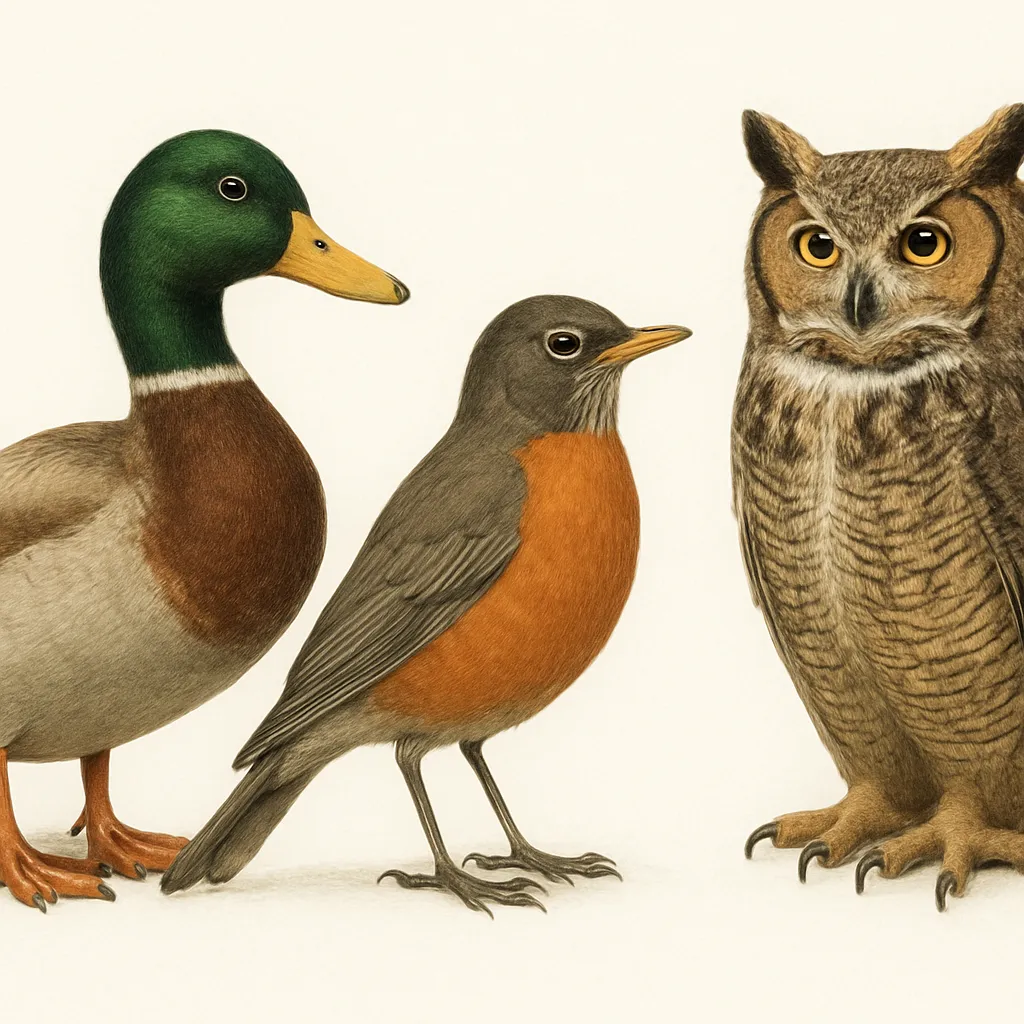
A duck, robin, and owl are sorted into the same group. Which body feature do all three share?
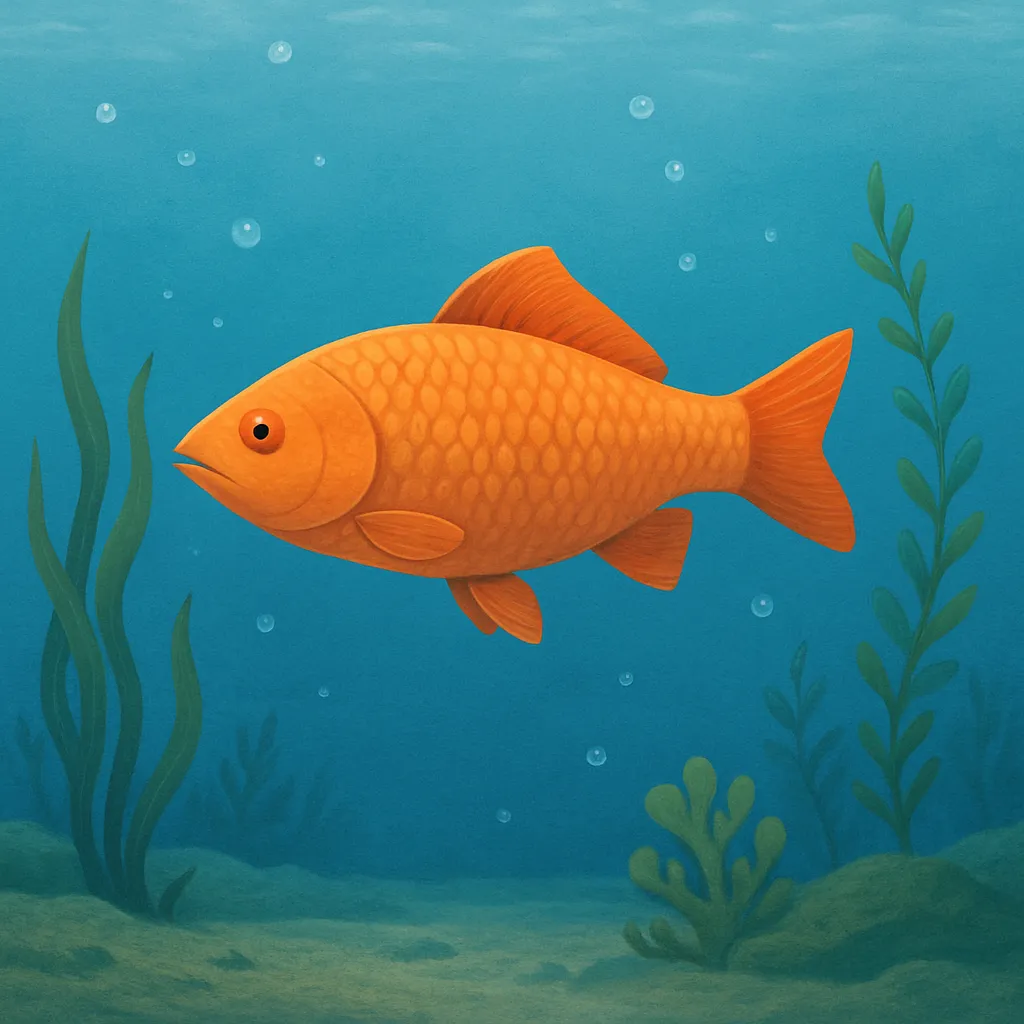
A trout, goldfish, and shark live in water and have gills. What group do they belong to based on their shared body features?
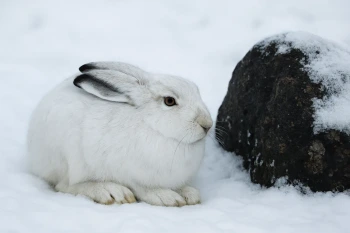
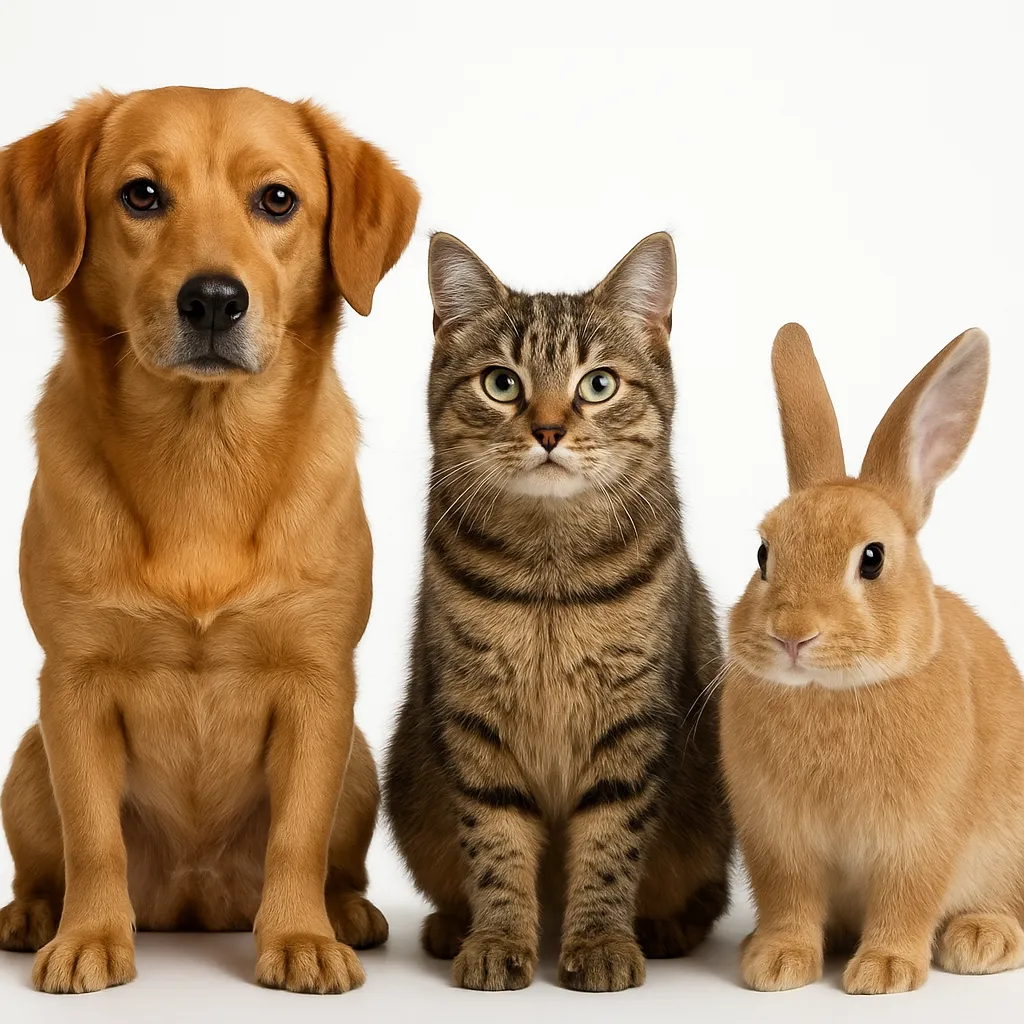
A dog, cat, and rabbit are sorted into the same group. Which body feature do all three share?
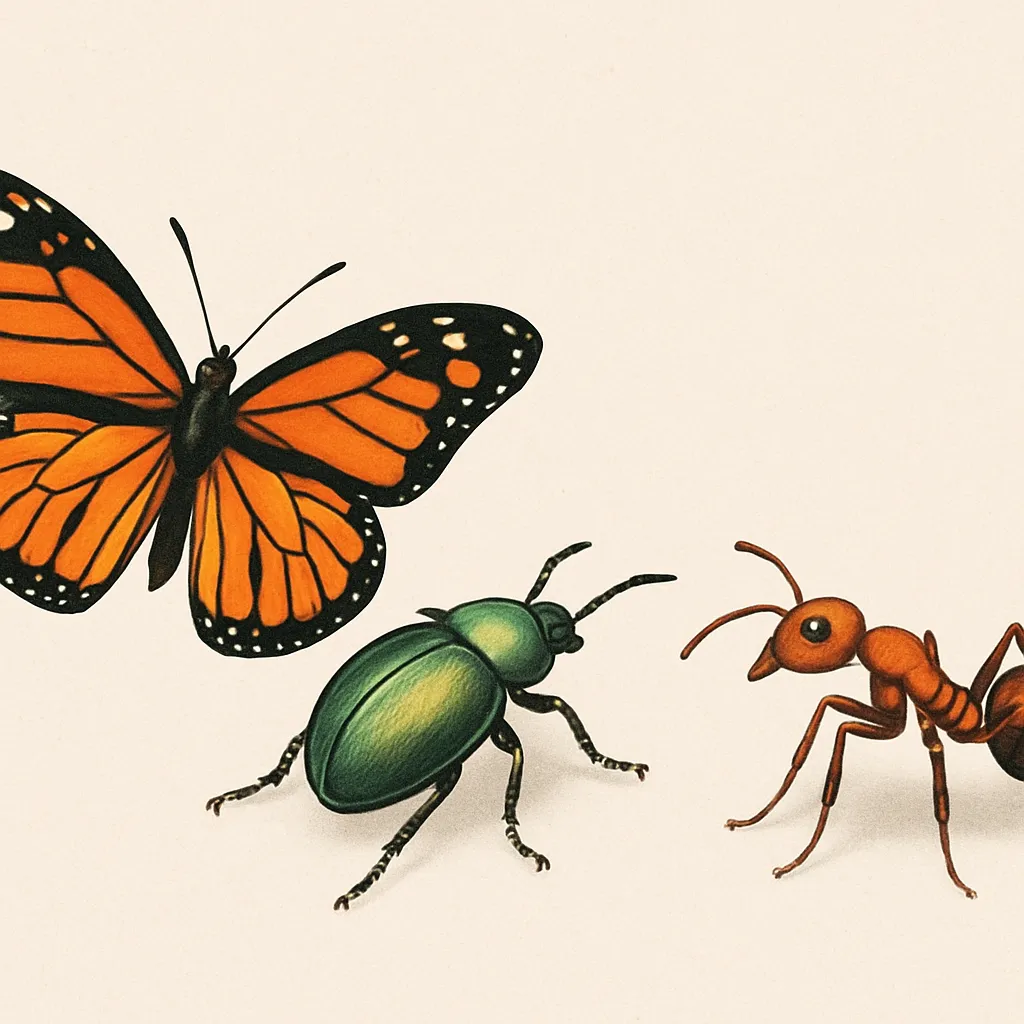
A butterfly, beetle, and ant each have six legs and three main body parts. What group do they belong to?
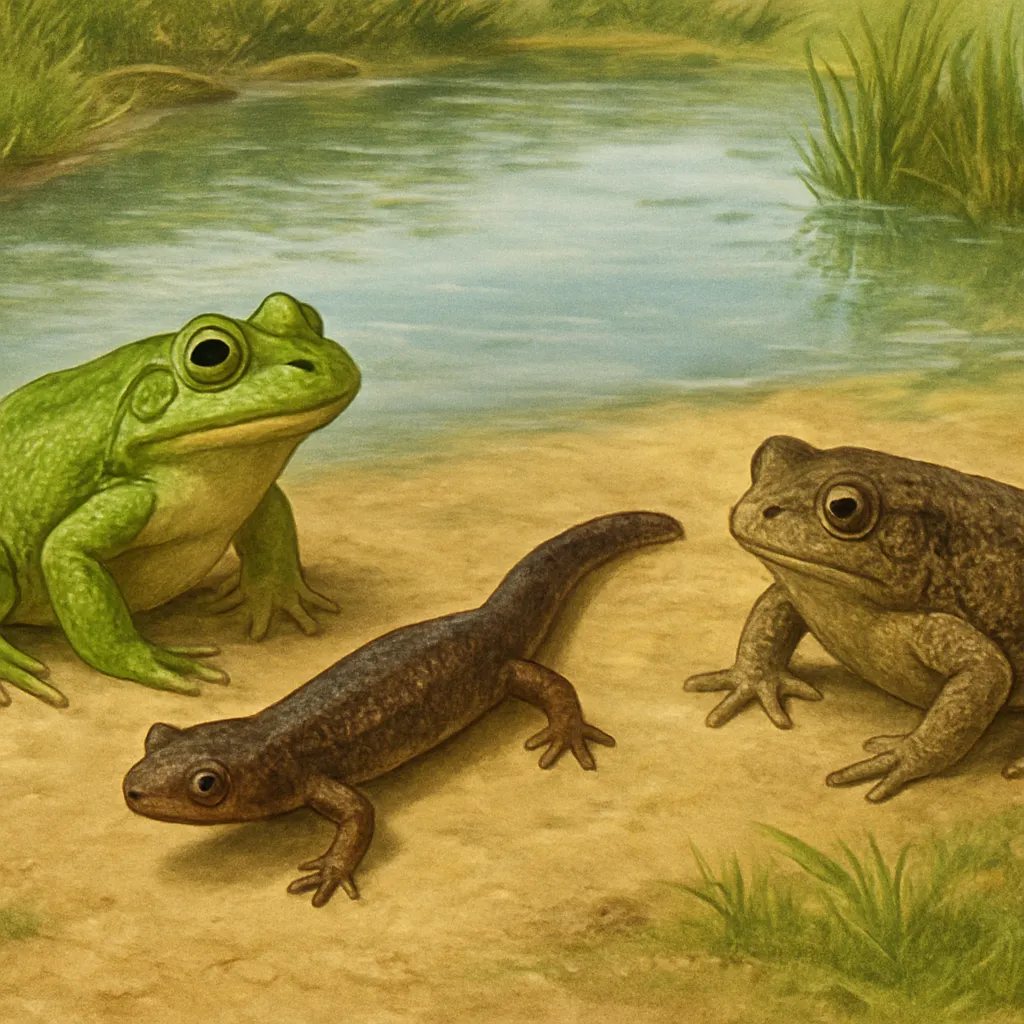
A frog, salamander, and toad are sorted into the same group. Which shared features place them together?
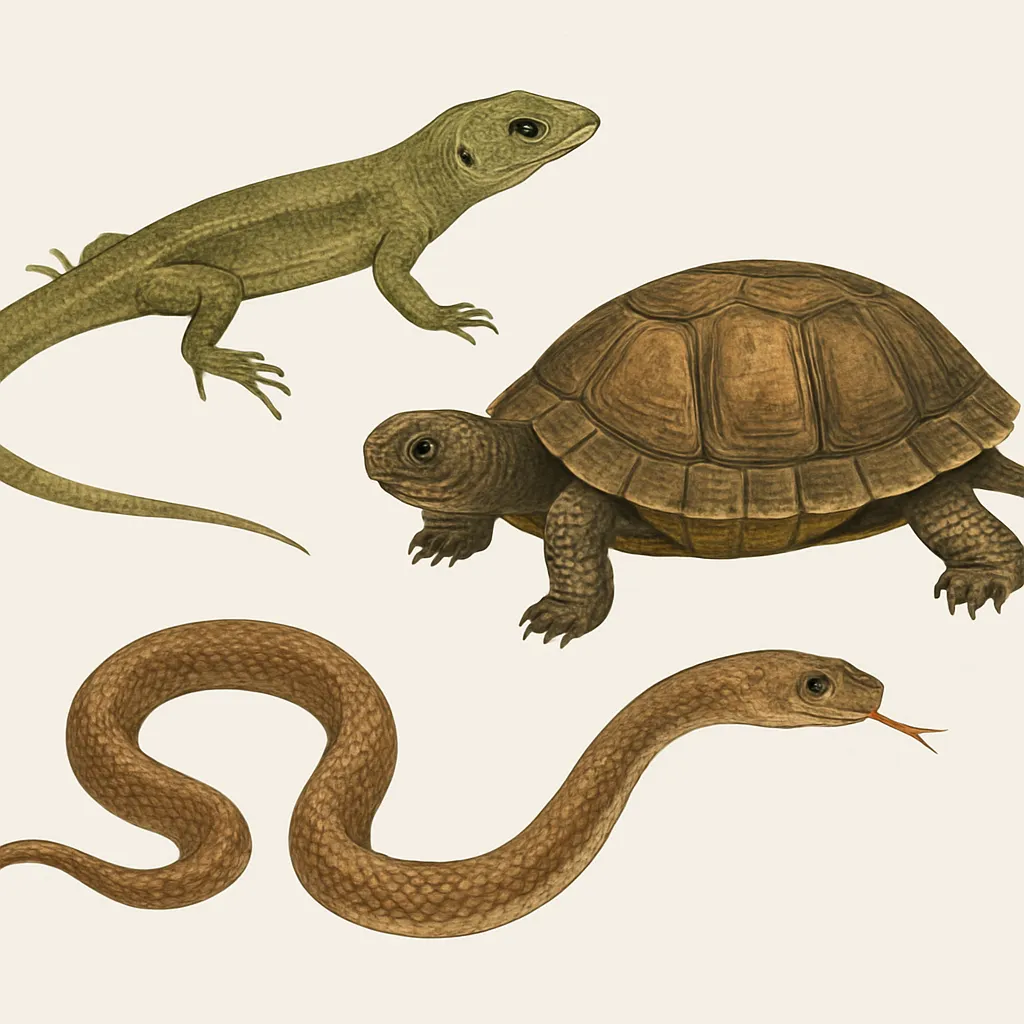
A lizard, turtle, and snake are sorted into the same group. Which body feature do all three share?
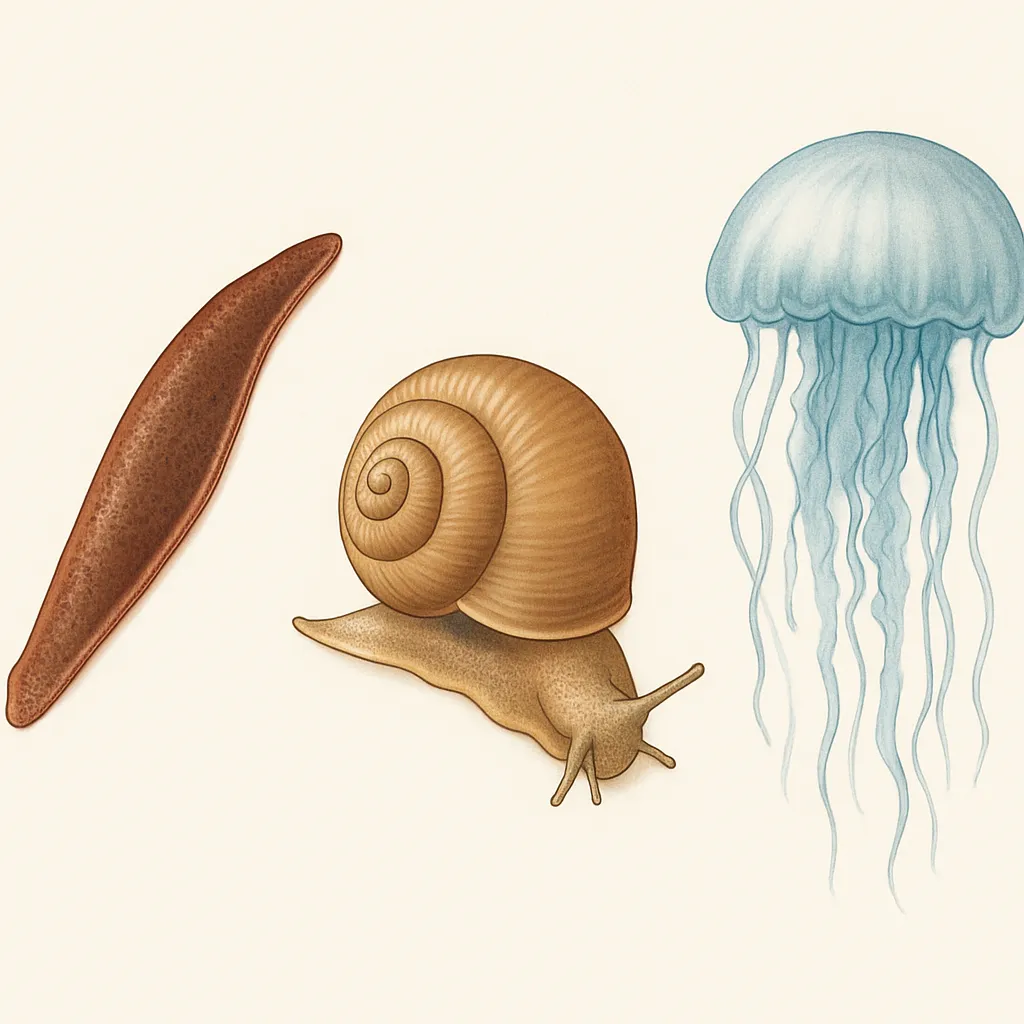
A worm, snail, and jellyfish do not have backbones. What larger group do they share?
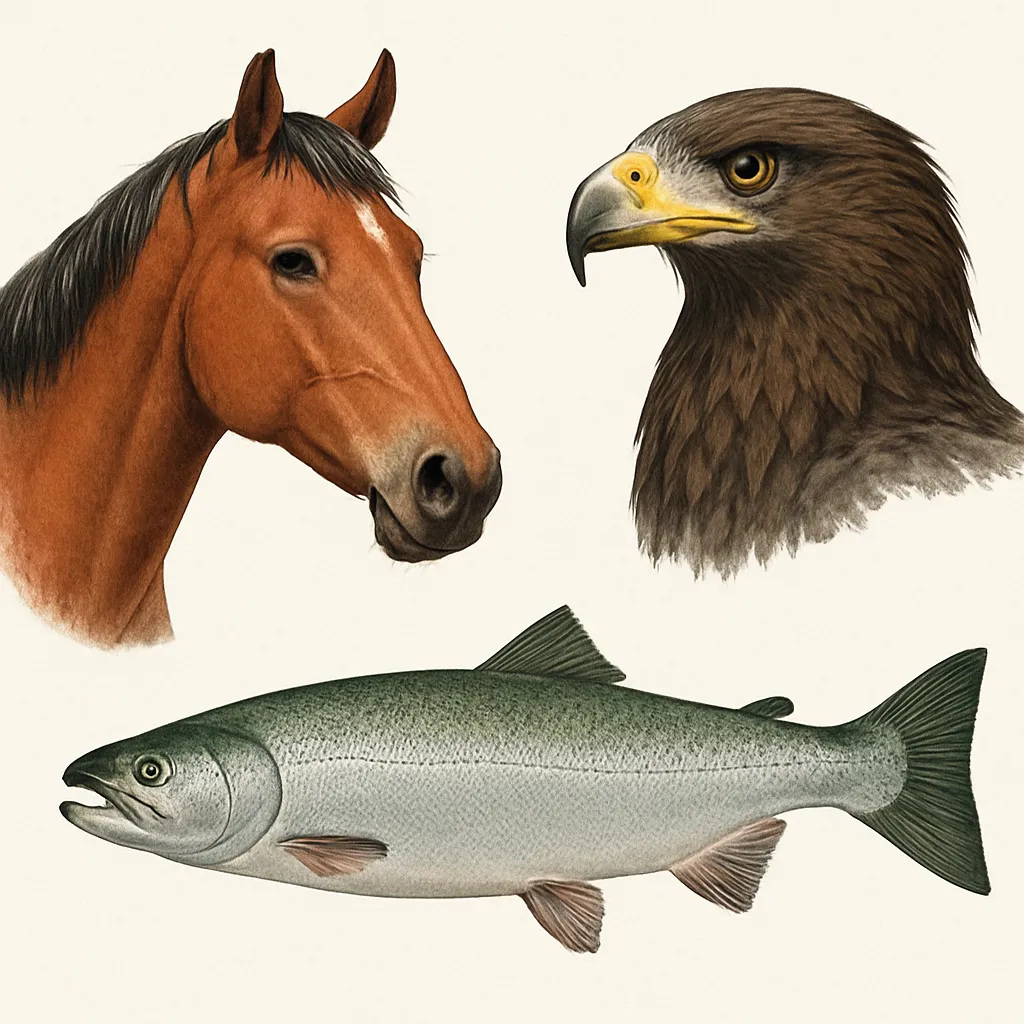
A horse, eagle, and salmon all have backbones, even though they look different. What larger group do they share?
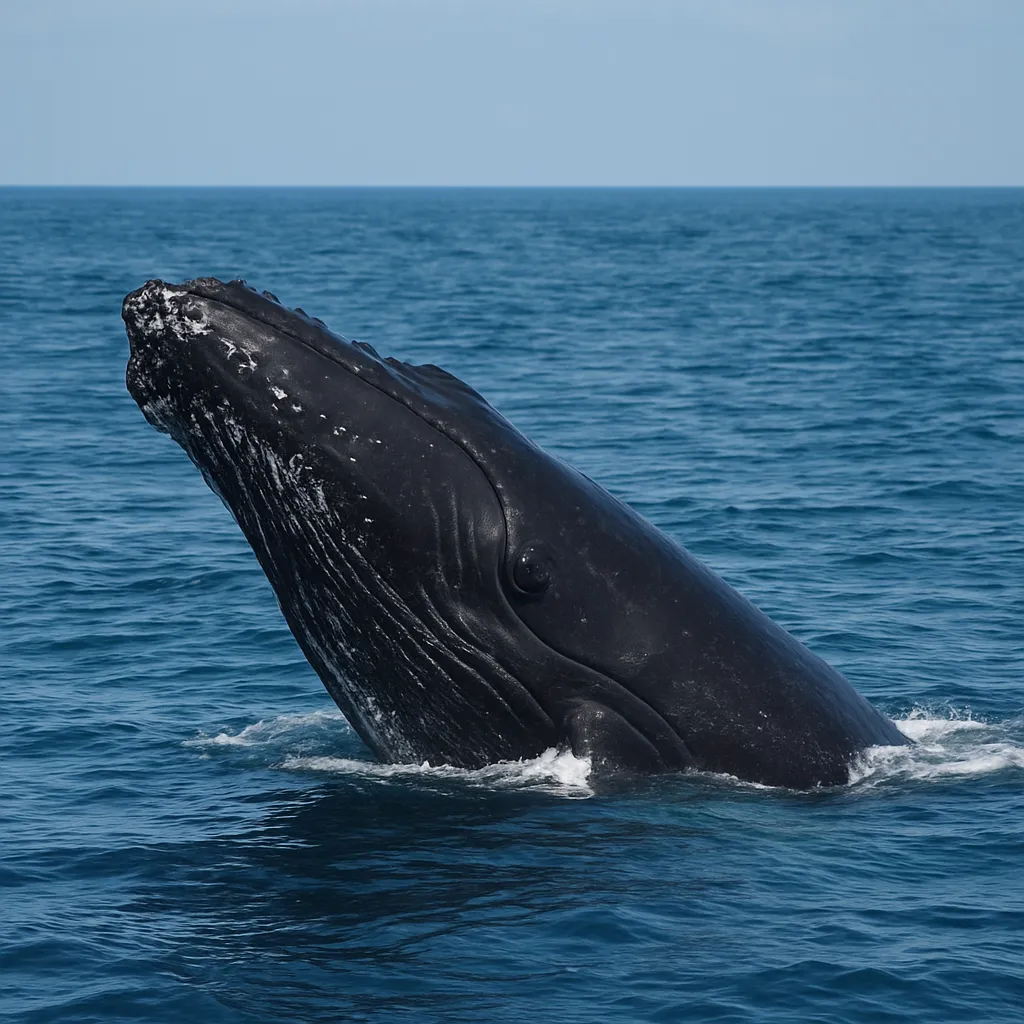
A whale lives in the ocean, has no scales, breathes air with lungs, has hair, and feeds its young milk. What group does it belong to?
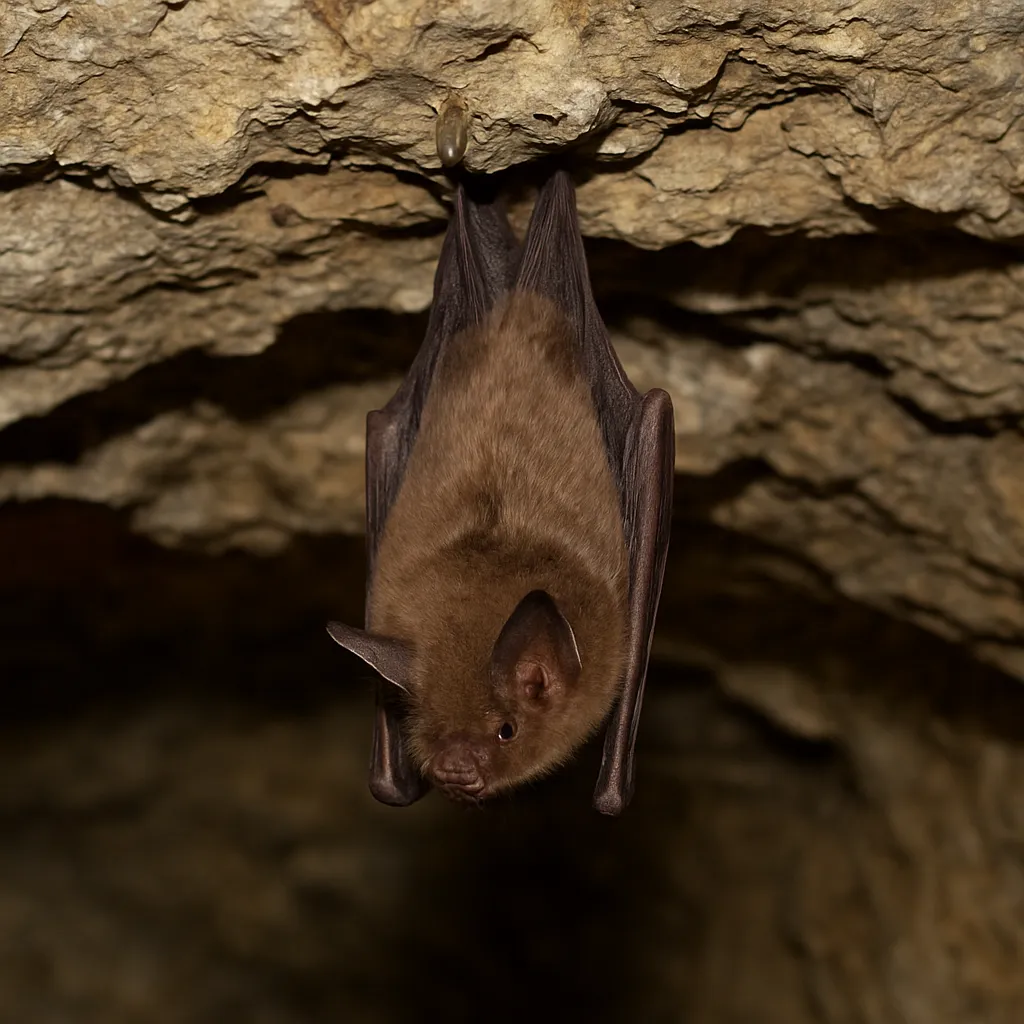
A bat has fur, gives birth to live young, and feeds them milk. What group does it belong to, even though it can fly?
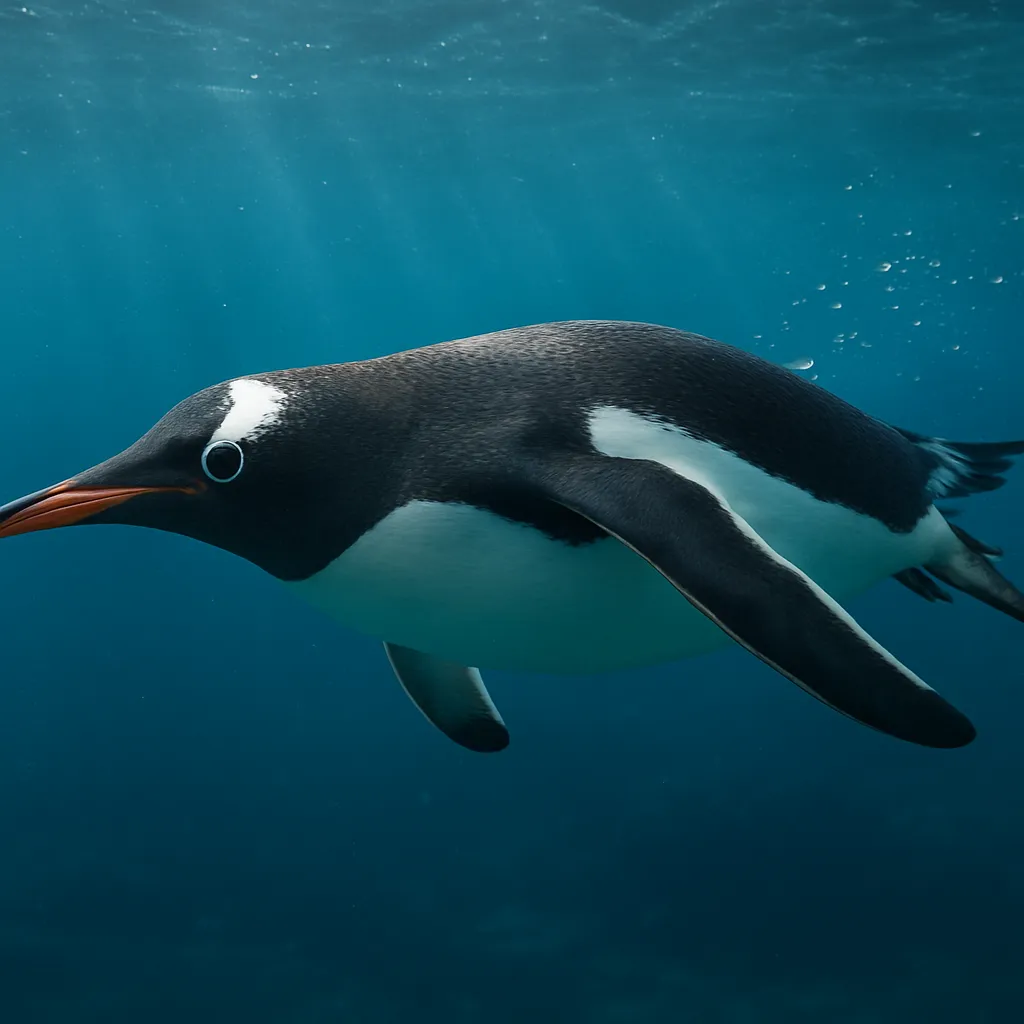
A penguin has feathers, a beak, and lays eggs, but it swims instead of flying. What group does it belong to?
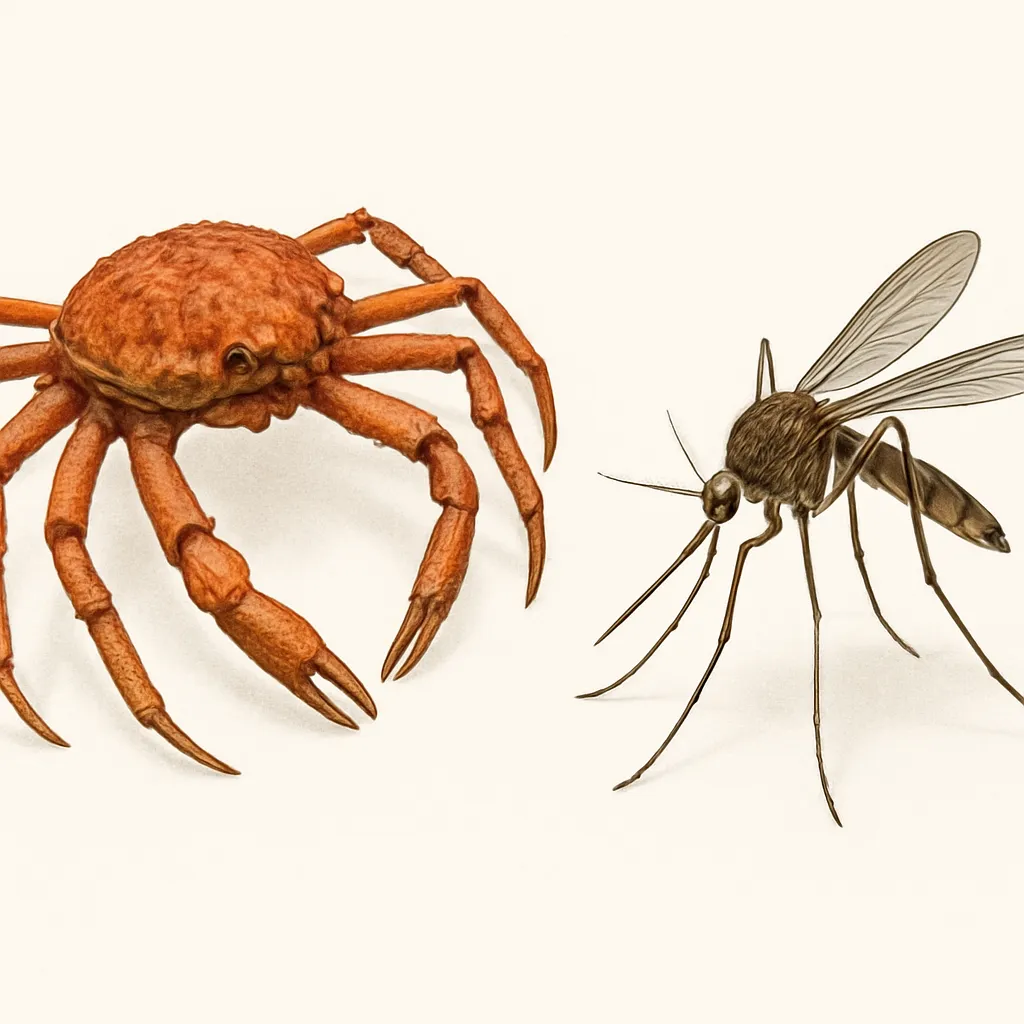
A crab and a mosquito are both animals without backbones. Which one is an insect?
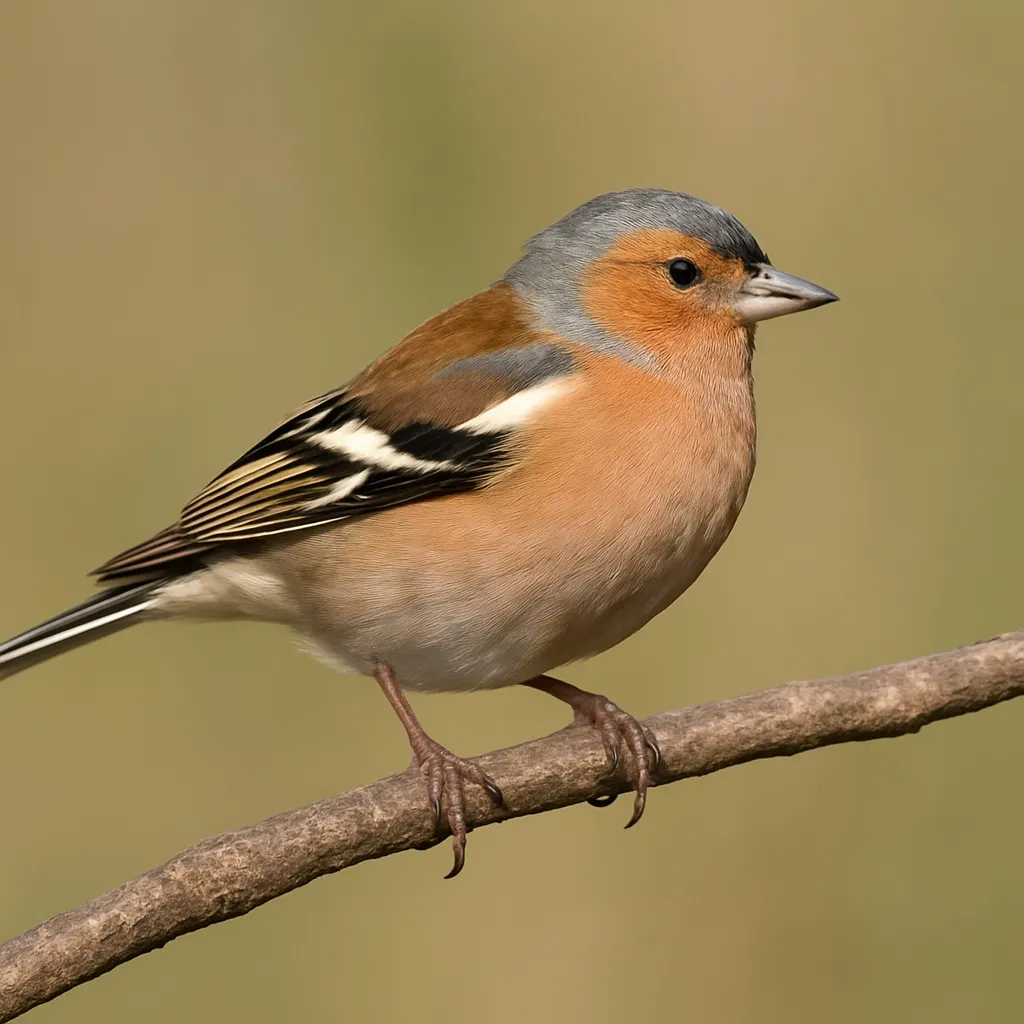
An animal has feathers, a beak, wings, and lays eggs. What group does it belong to?
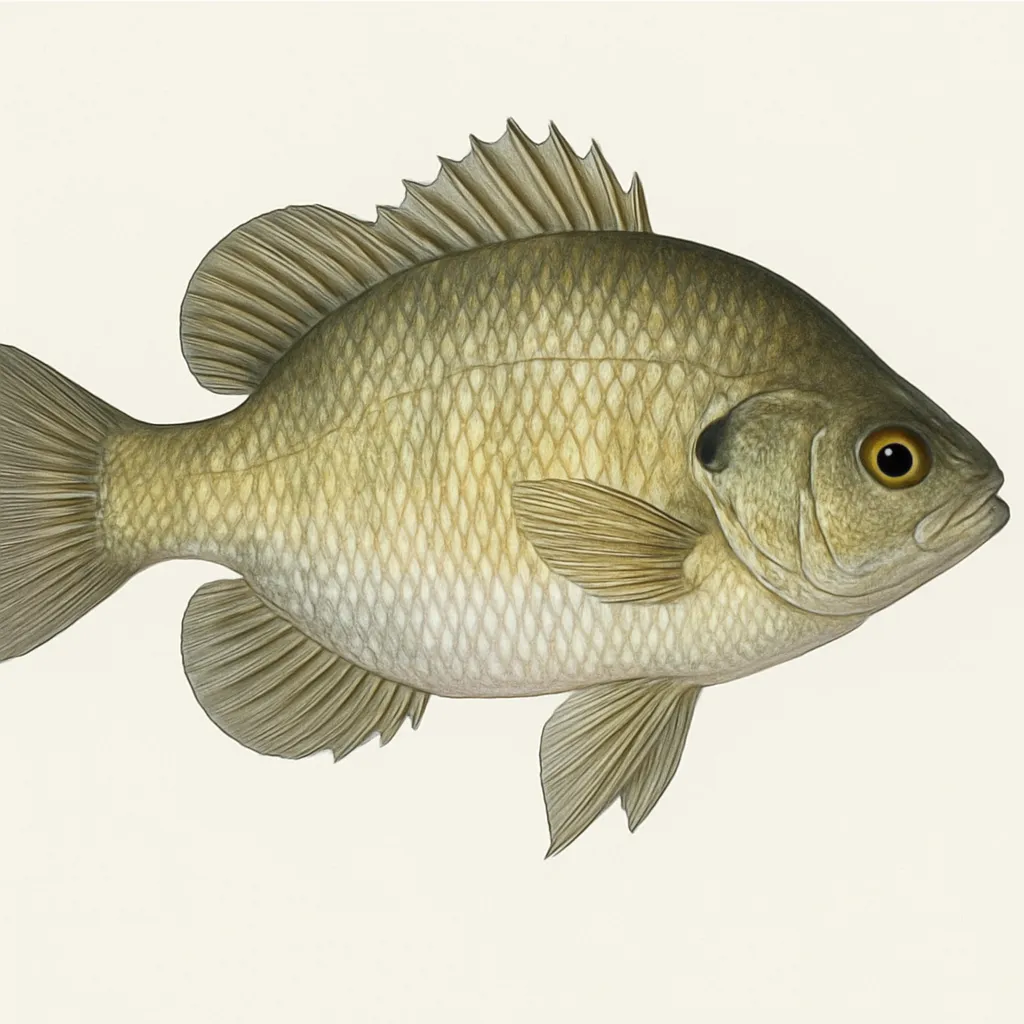
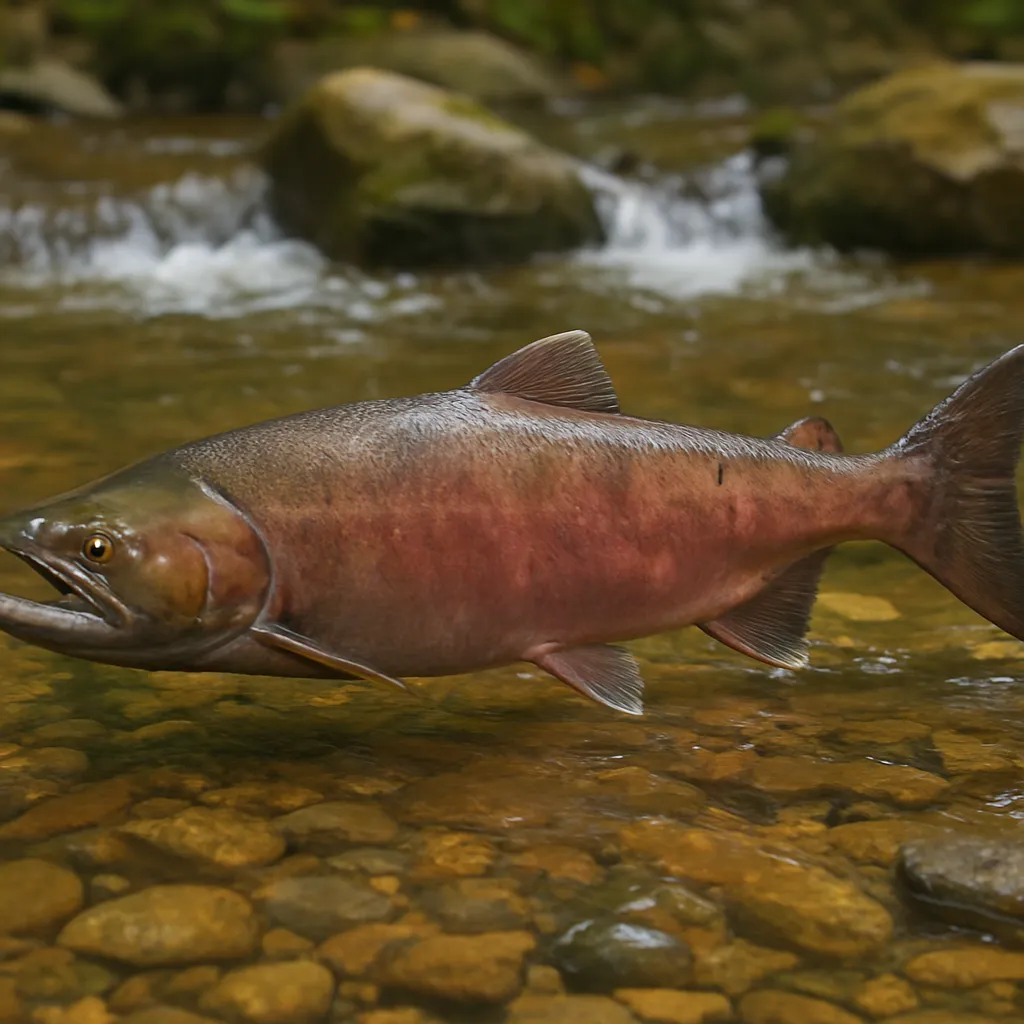
This animal and a whale both live in water and have fins. Which feature shows that this animal is a fish and not a mammal?
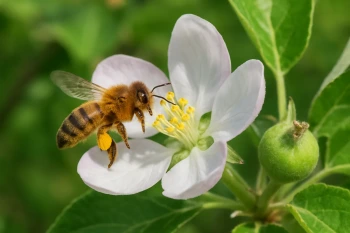
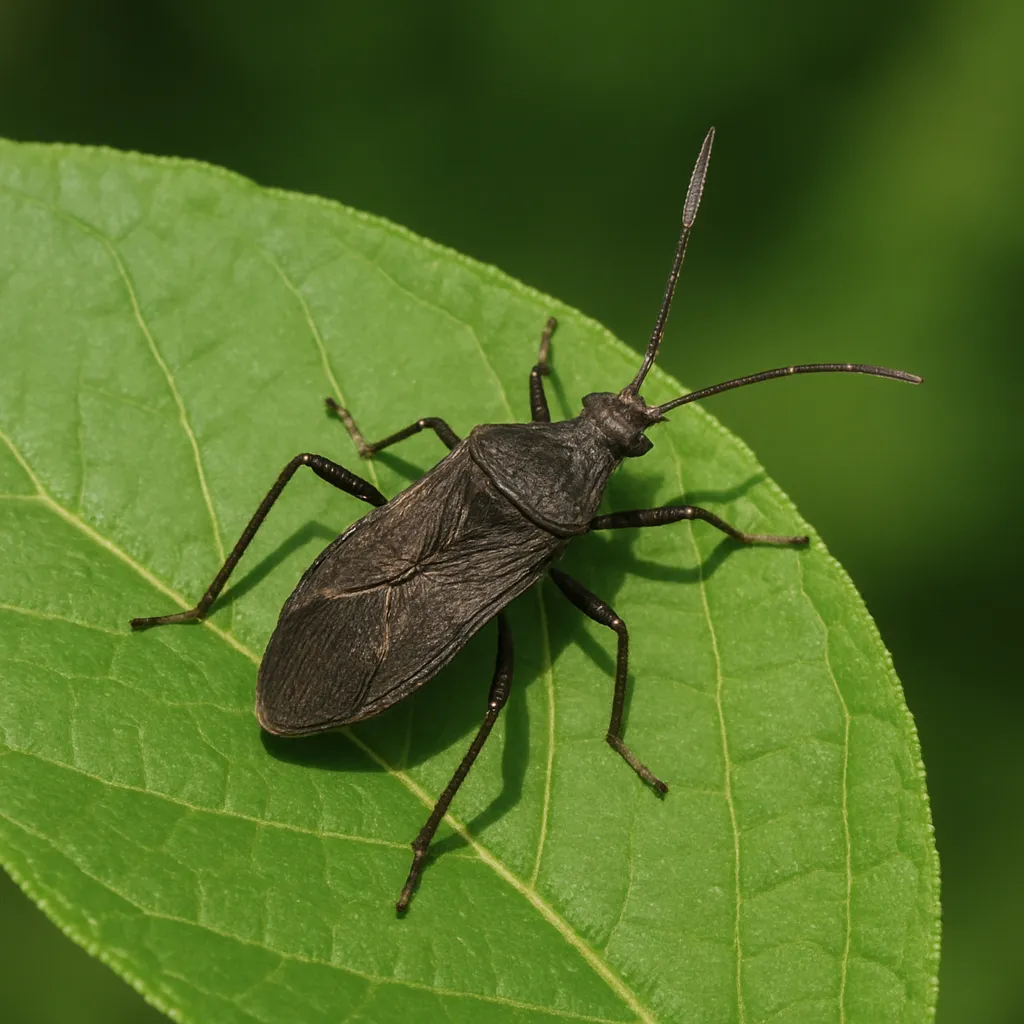
A student finds this insect on a leaf. Which body part does it have that a spider does not have?
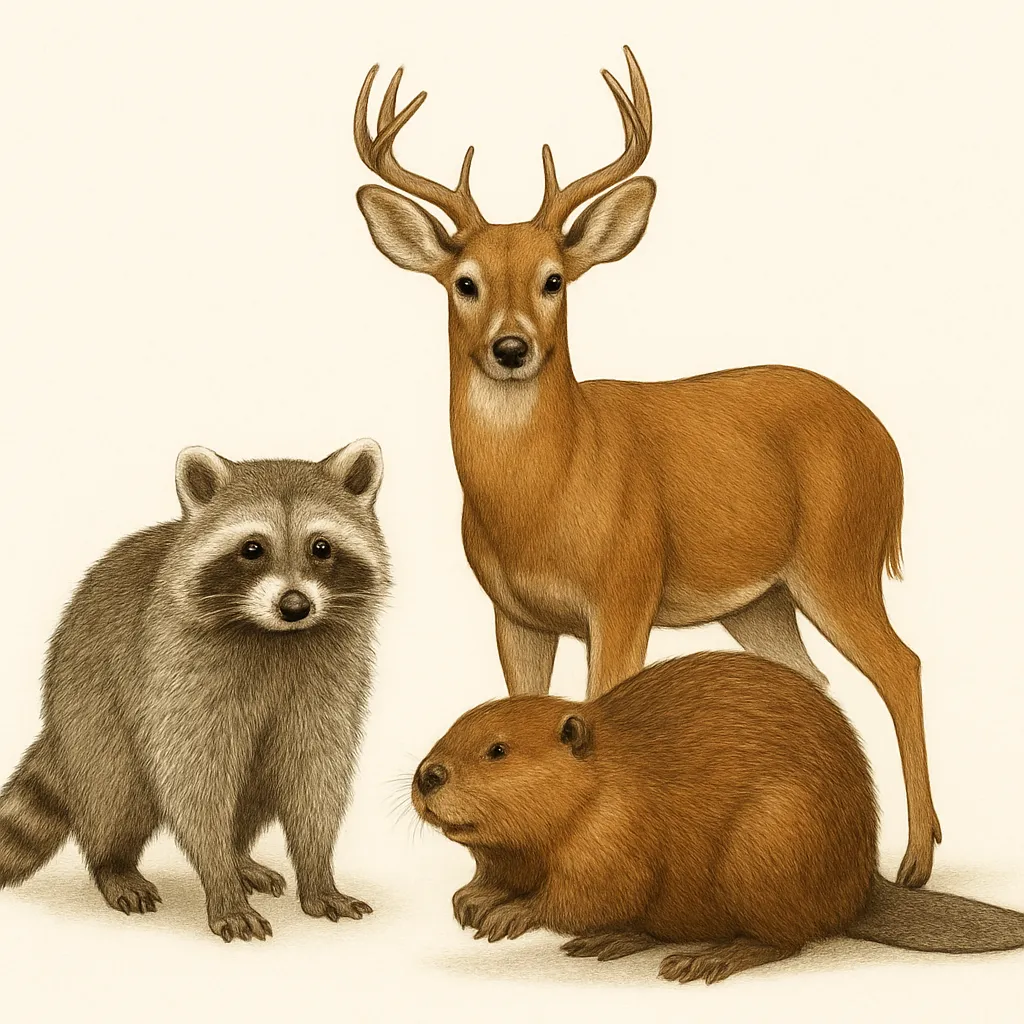
A raccoon, a deer, and a beaver are sorted into the same group. What shared characteristic places them in the same group?
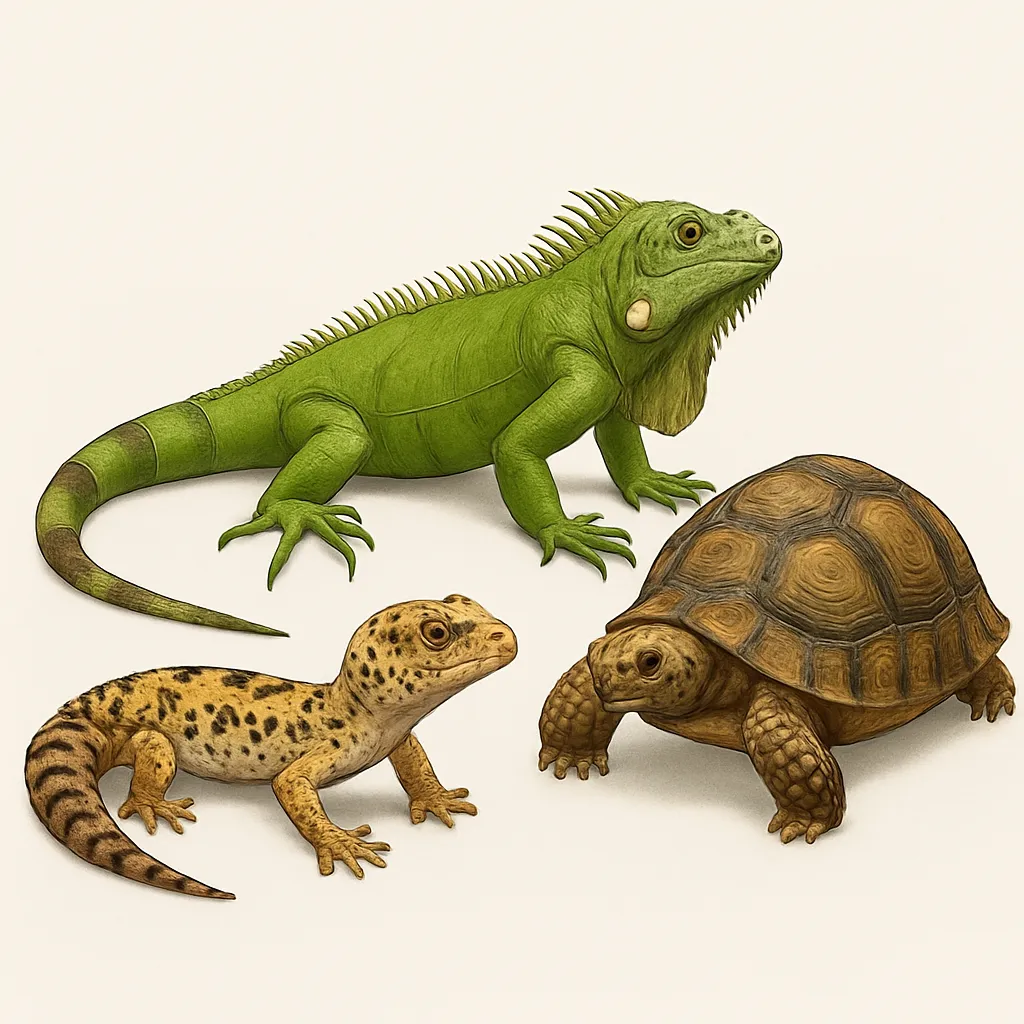
A gecko, an iguana, and a tortoise are sorted into the same group. What shared characteristic places them in the same group?
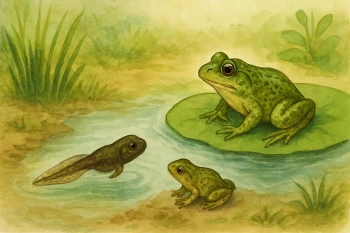
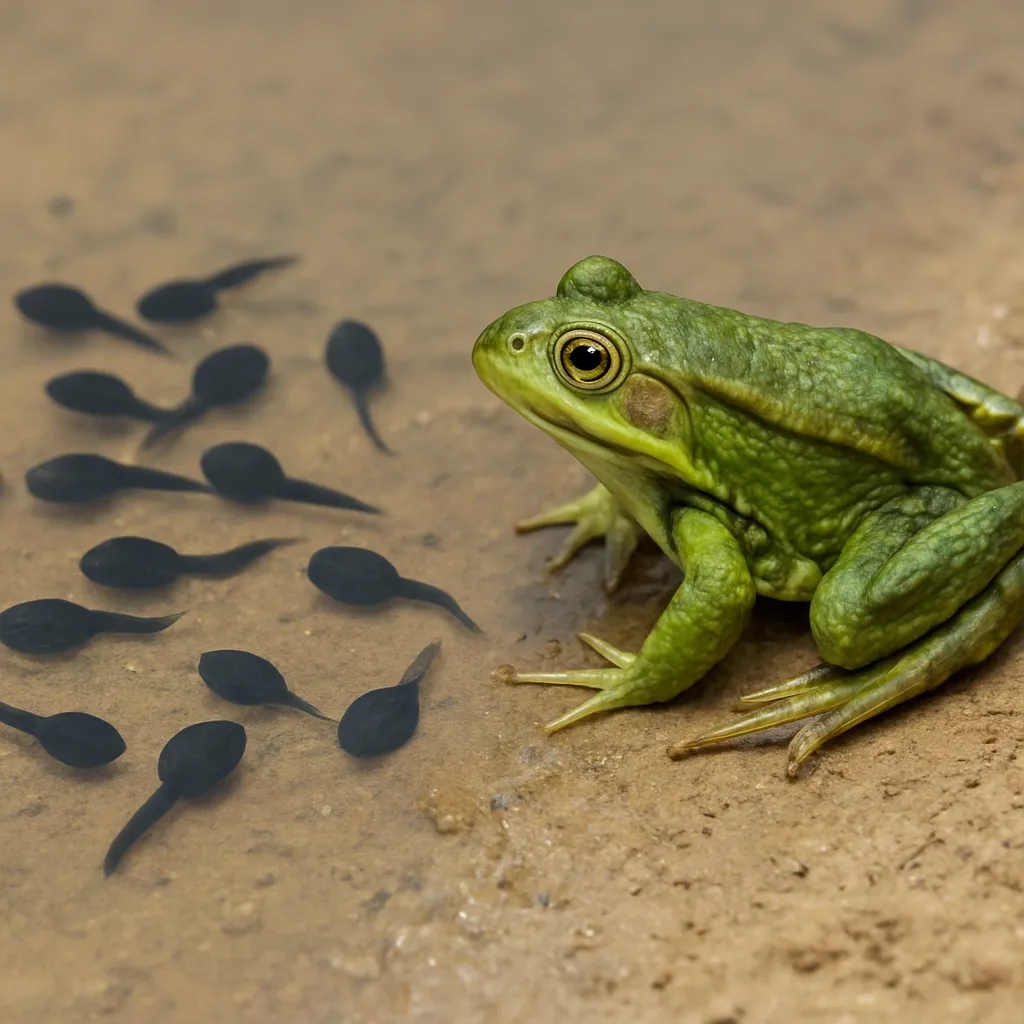
An animal has smooth moist skin and begins life as a tadpole in water. What group does it belong to?
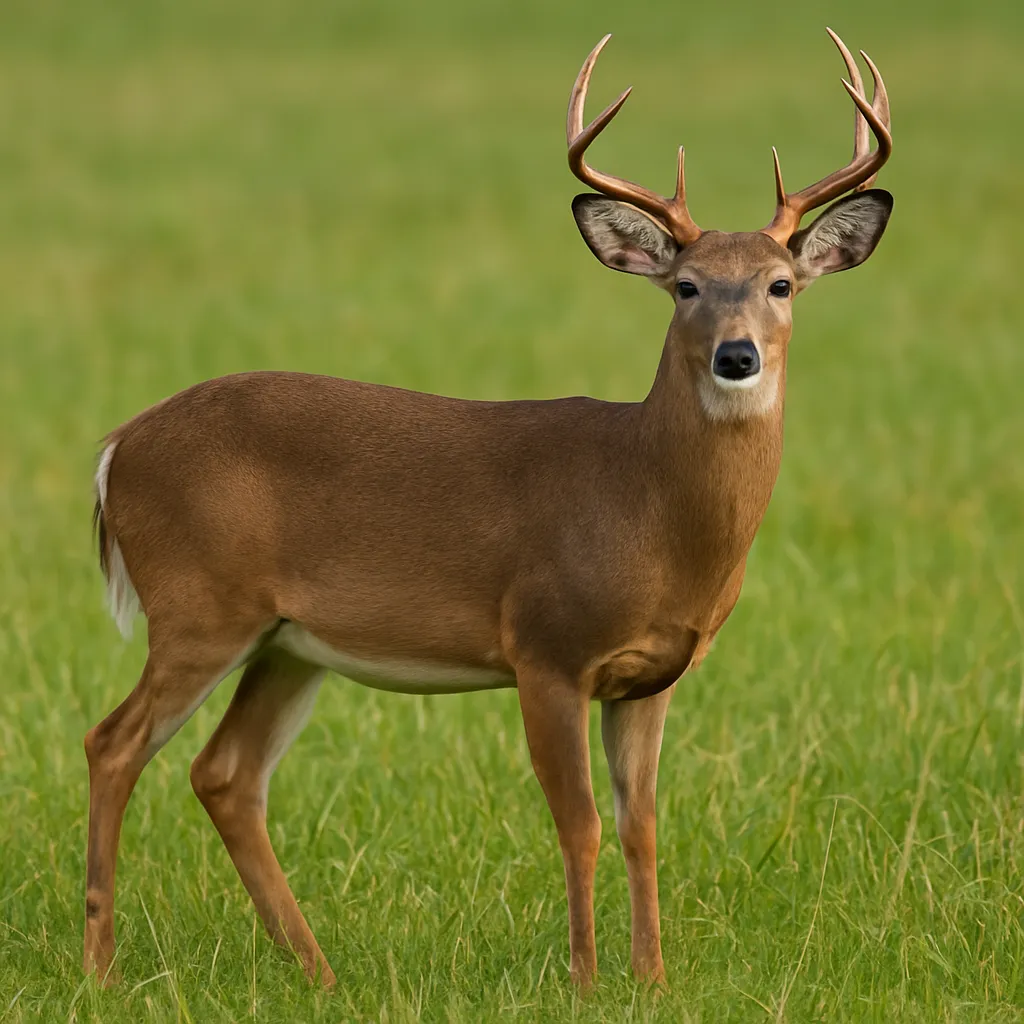
A deer has a backbone, hair, and four legs. Which list goes from the largest group to the smallest group it belongs to?
A snail, a clam, and a turtle are compared. Which one does not belong with the other two?
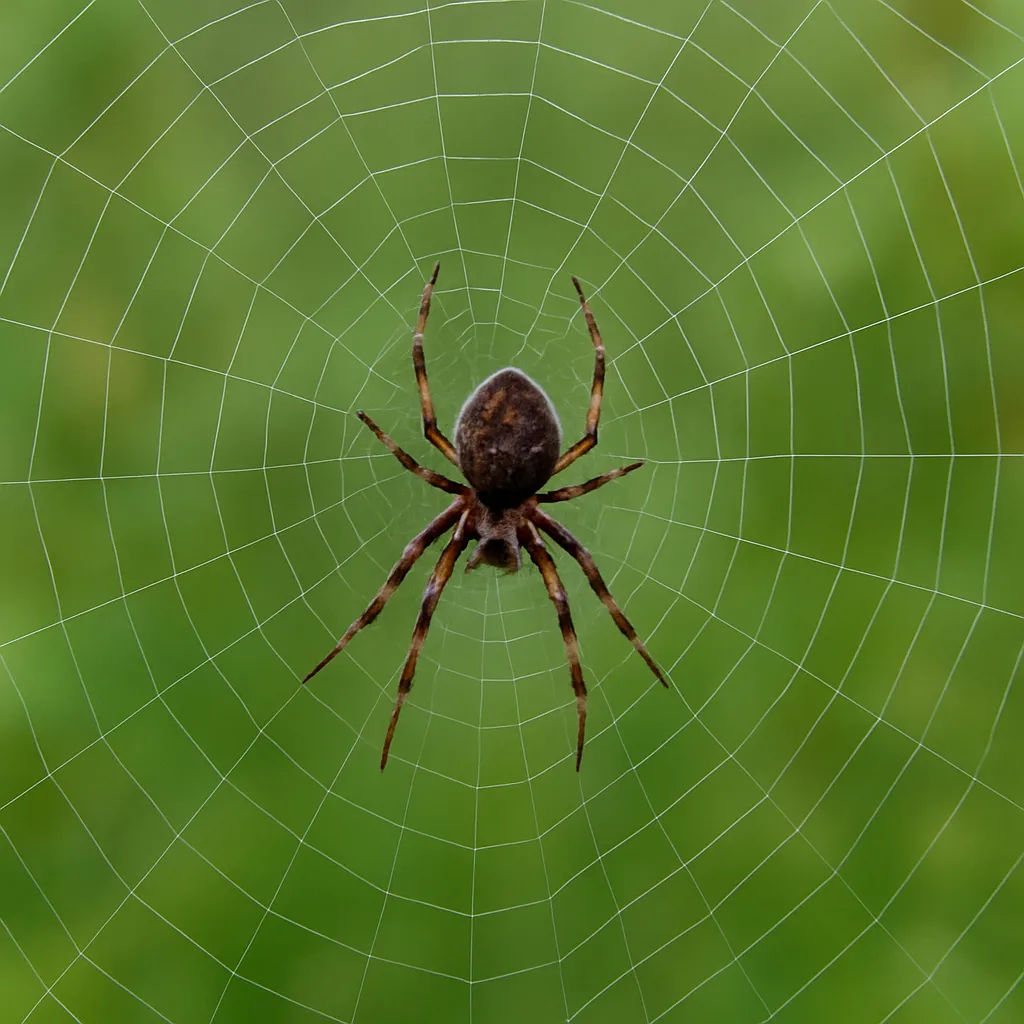
This spider has eight legs and two main body parts. Which animal belongs in the same group as the spider?
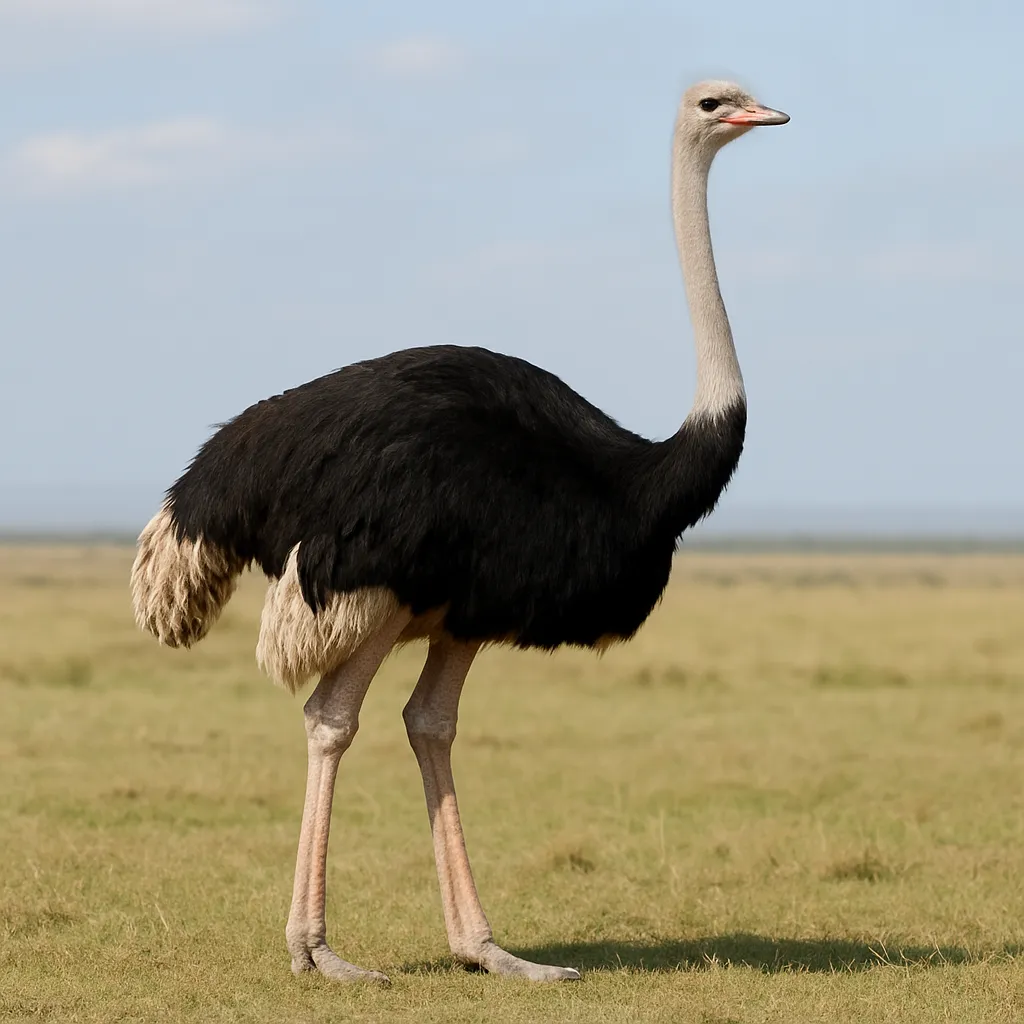
An ostrich has feathers and a beak but cannot fly. Which animal belongs in the same group as the ostrich?
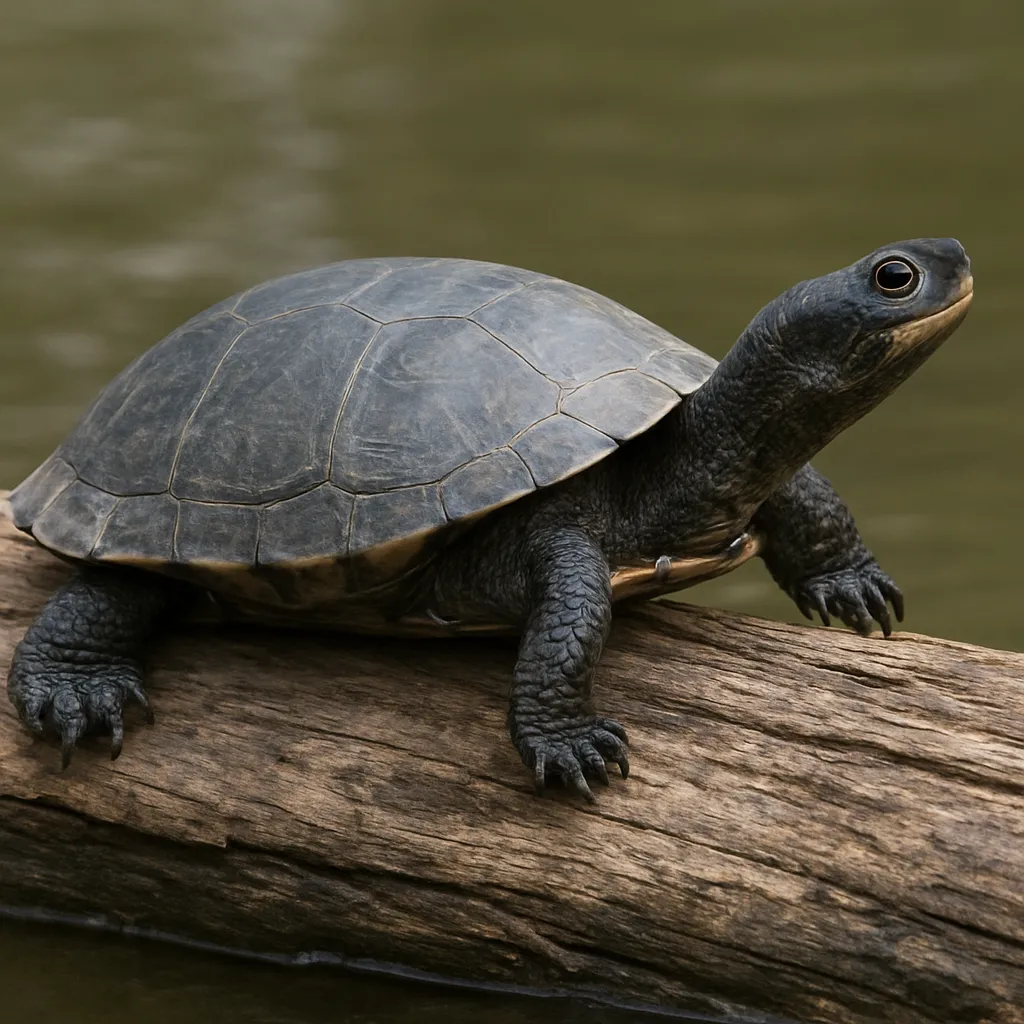
Use this key: 1. Has a backbone? yes: go to 2; no: invertebrate. 2. Has feathers? yes: bird; no: go to 3. 3. Has fur? yes: mammal; no: reptile. A turtle has a backbone, no feathers, and no fur. Where does it land?
Use this key: 1. Backbone? yes: go to 2; no: invertebrate. 2. Gills and fins? yes: fish; no: go to 3. 3. Feathers? yes: bird; no: mammal. A salmon has a backbone, gills, and fins. Where does it land?
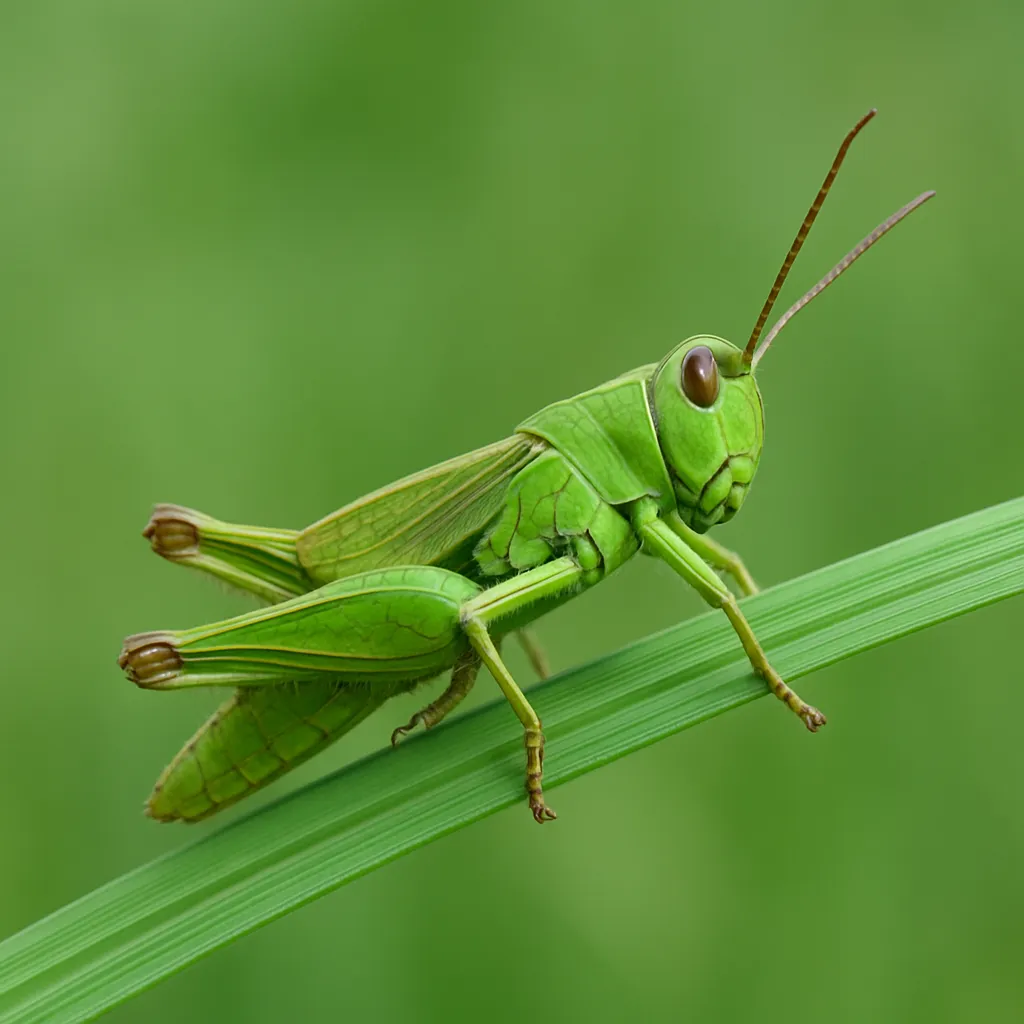
Use this key: 1. Has six legs? yes: insect; no: go to 2. 2. Has a backbone? yes: vertebrate; no: invertebrate. A grasshopper has six legs. Where does it land?
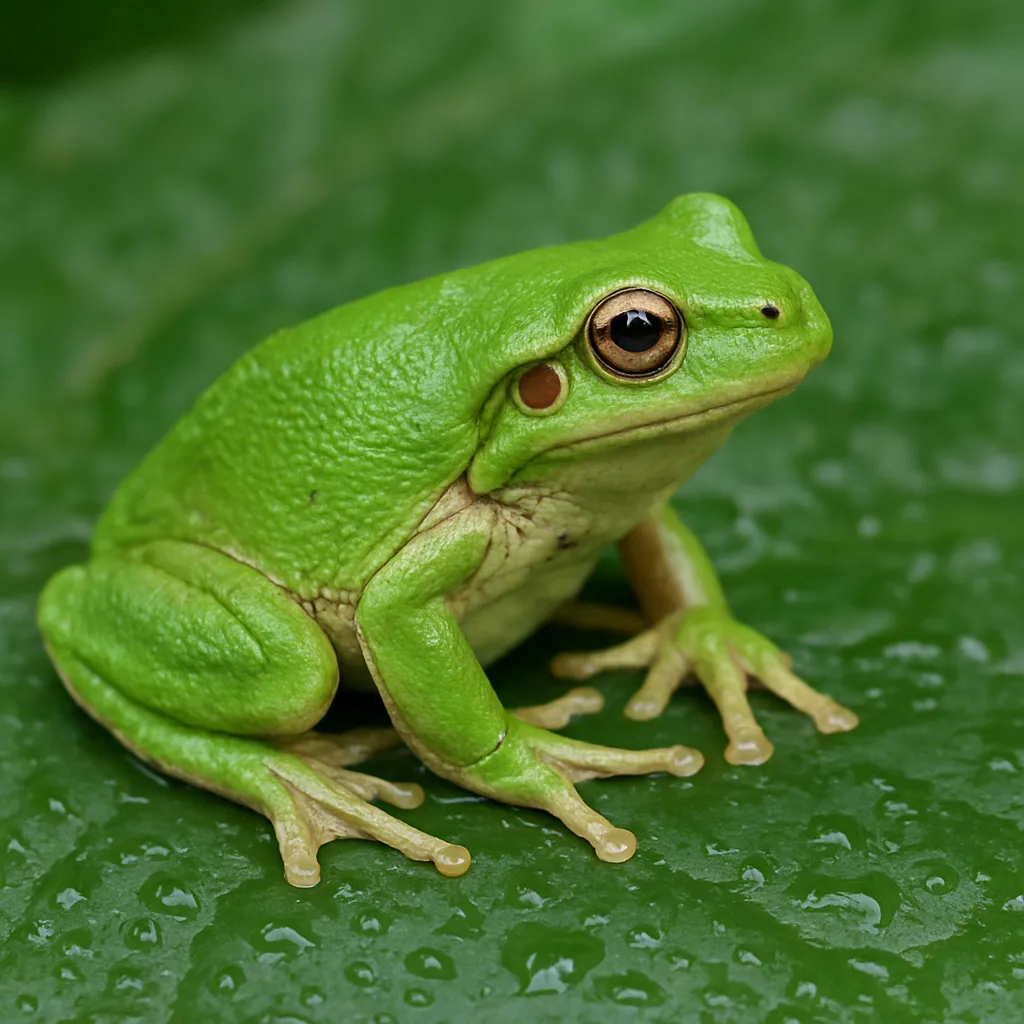
Use this key: 1. Has a backbone? yes: go to 2; no: invertebrate. 2. Moist skin? yes: amphibian; no: go to 3. 3. Scales? yes: reptile; no: mammal. A frog has a backbone and moist skin. Where does it land?
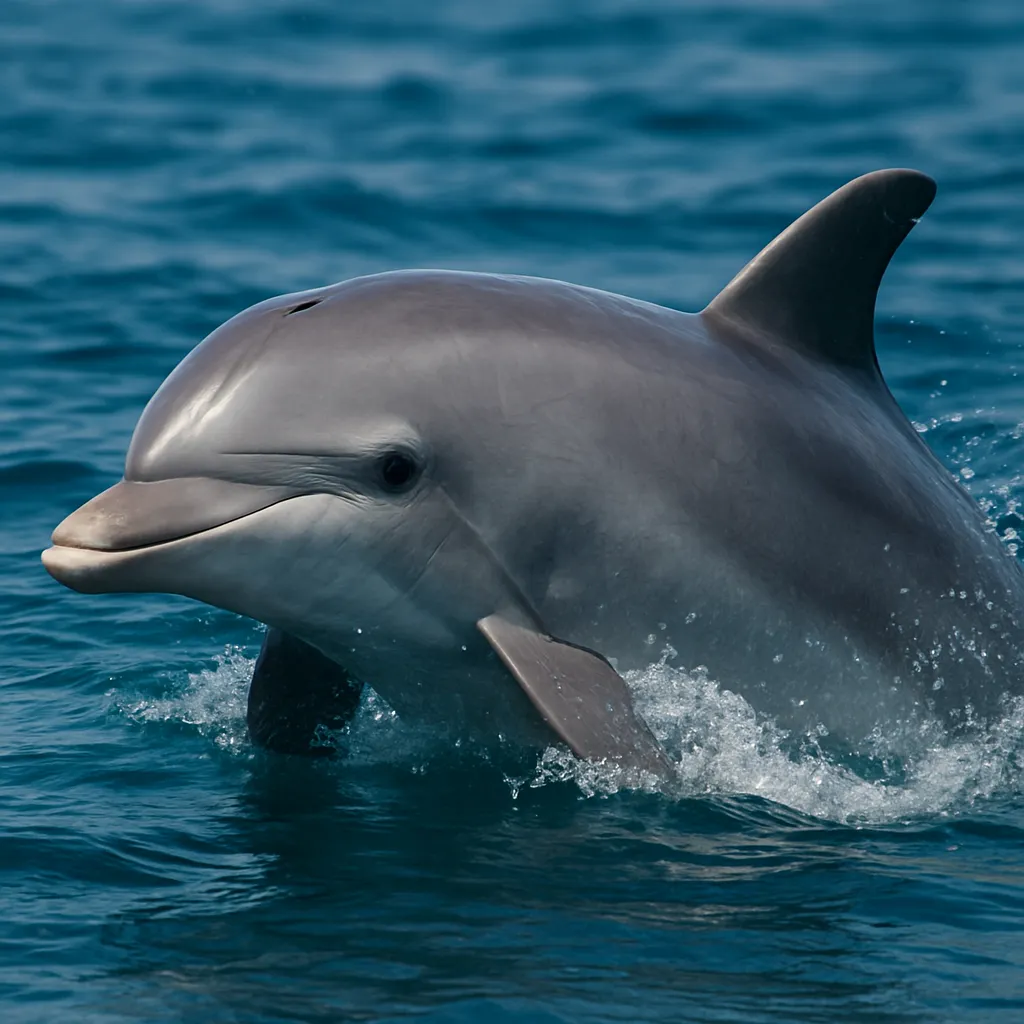
Use this key: 1. Has a backbone? yes: go to 2; no: invertebrate. 2. Has hair or fur? yes: mammal; no: go to 3. 3. Has feathers? yes: bird; no: fish. A dolphin has a backbone and hair as a young animal. Where does it land?
Use this key: 1. Has a backbone? yes: vertebrate; no: go to 2. 2. Has six legs? yes: insect; no: other invertebrate. An earthworm has no backbone and no legs. Where does it land?
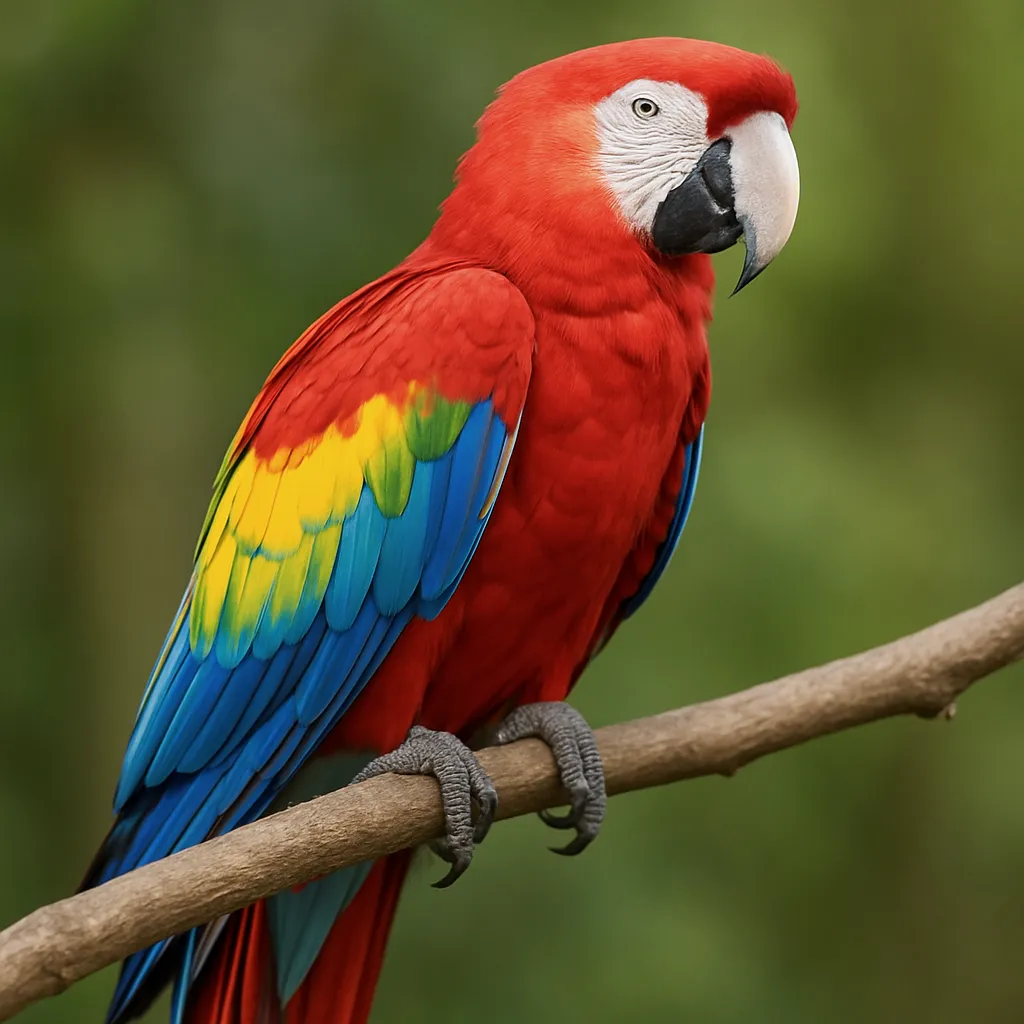
Use this key: 1. Has feathers? yes: bird; no: go to 2. 2. Has scales and gills? yes: fish; no: go to 3. 3. Has fur? yes: mammal; no: reptile. A parrot has feathers. Where does it land?
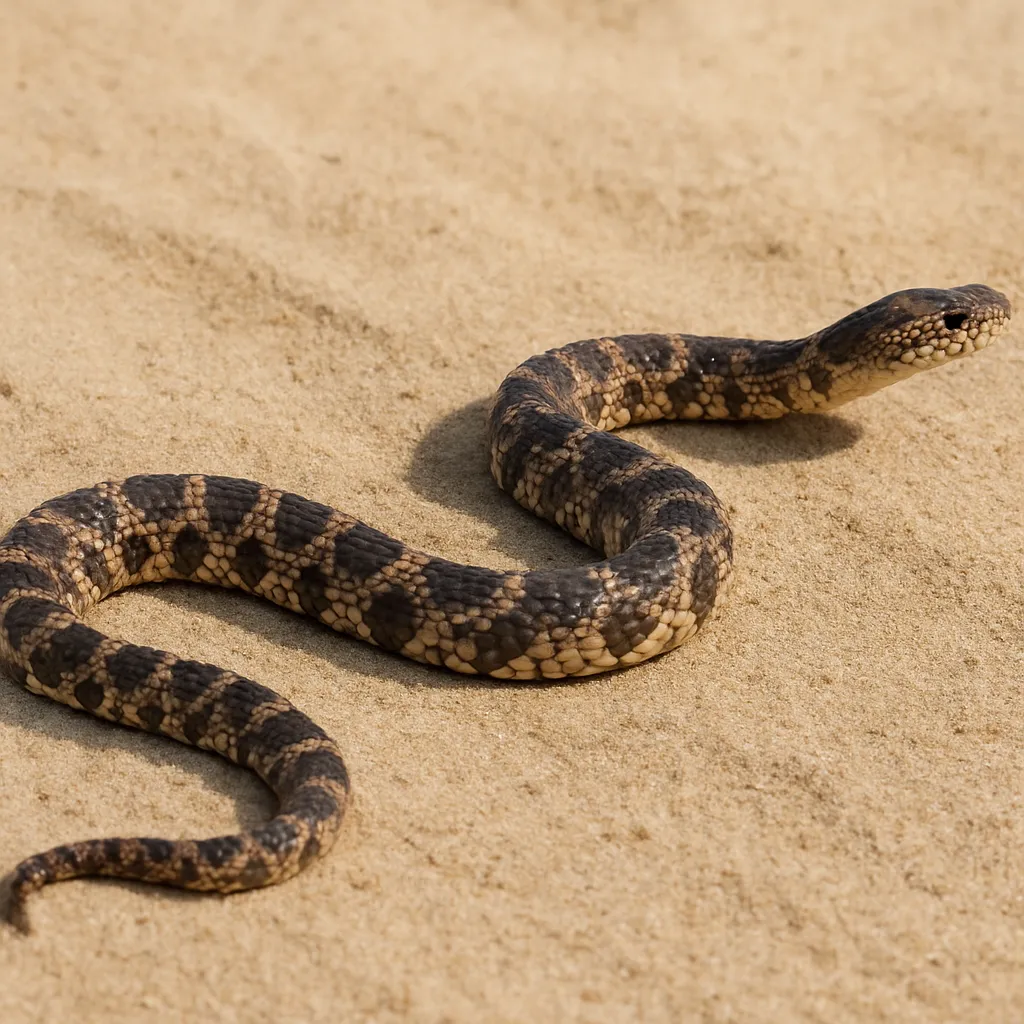
Use this key: 1. Has a backbone? yes: go to 2; no: invertebrate. 2. Has dry scales? yes: reptile; no: go to 3. 3. Has feathers? yes: bird; no: mammal. A snake has a backbone and dry scales. Where does it land?
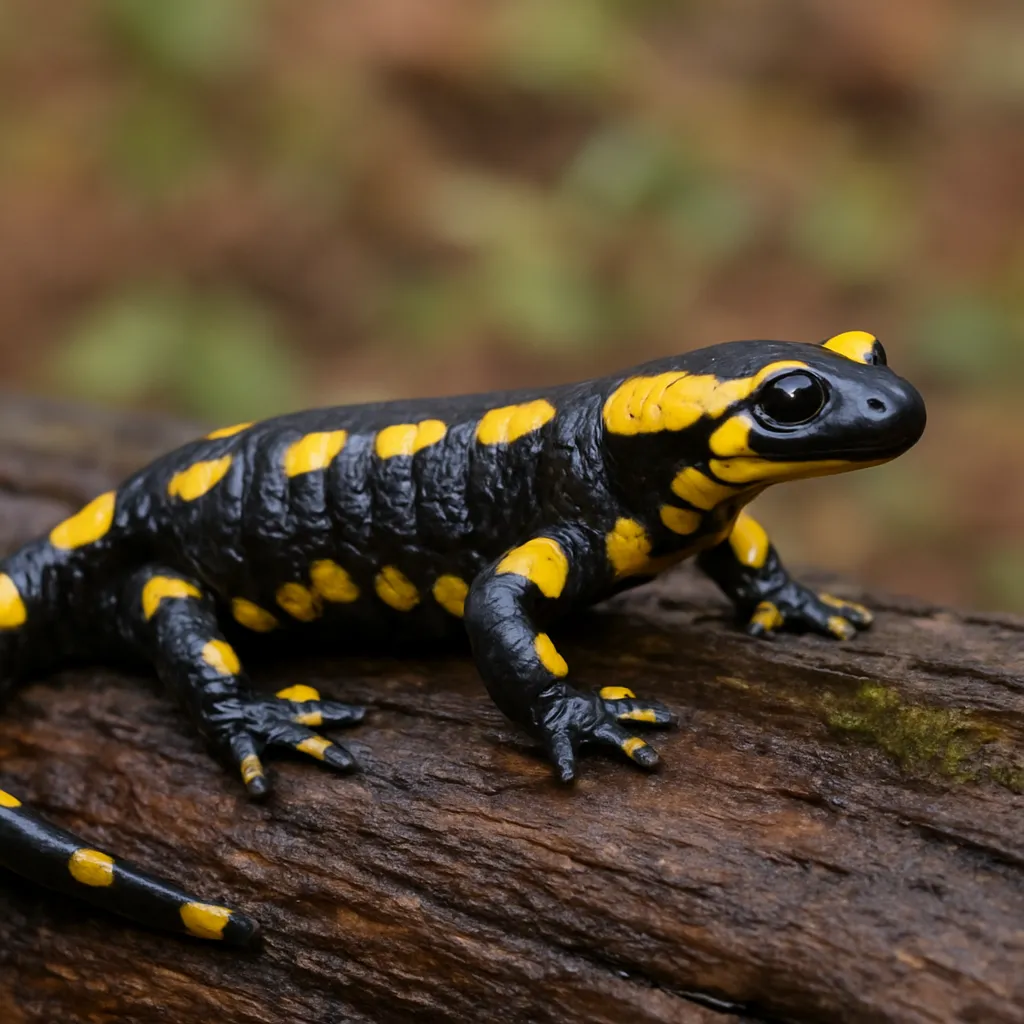
Use this key: 1. Has a backbone? yes: go to 2; no: invertebrate. 2. Has feathers? yes: bird; no: go to 3. 3. Has moist skin? yes: amphibian; no: mammal. A salamander has a backbone, no feathers, and moist skin. Where does it land?
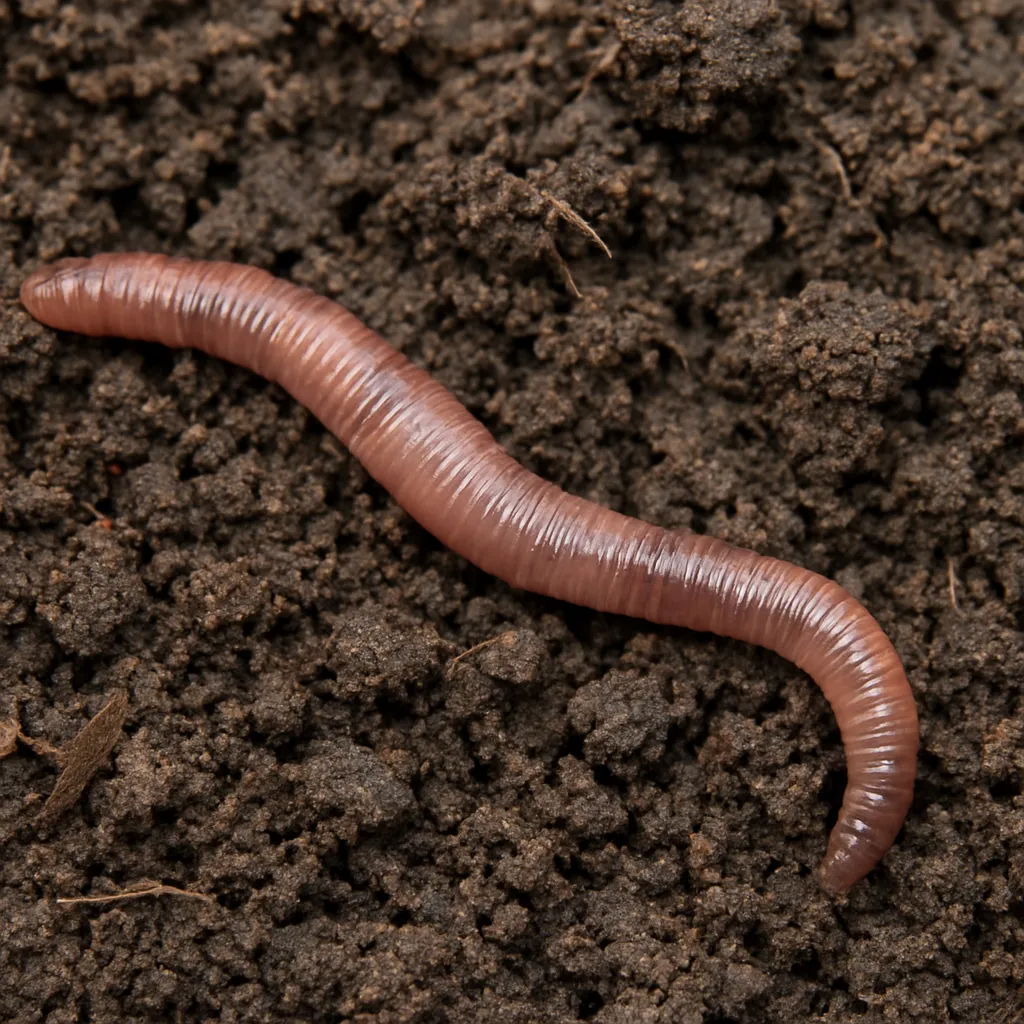
Use this key: 1. Has six legs? yes: insect; no: go to 2. 2. Has a backbone? yes: vertebrate; no: other invertebrate. A crab has ten legs and no backbone. Where does it land?
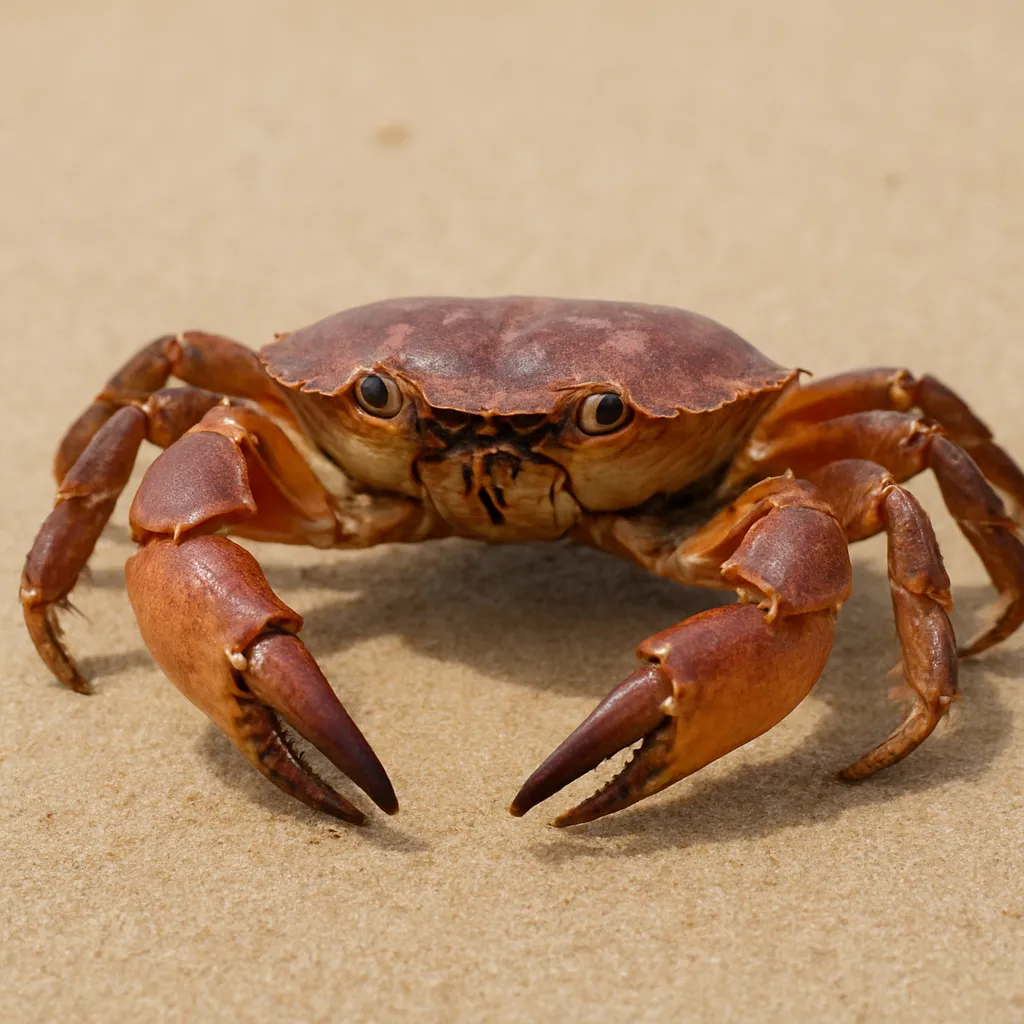
Group A has robin, eagle, and penguin. Group B has trout, shark, and goldfish. What sorting rule was used?
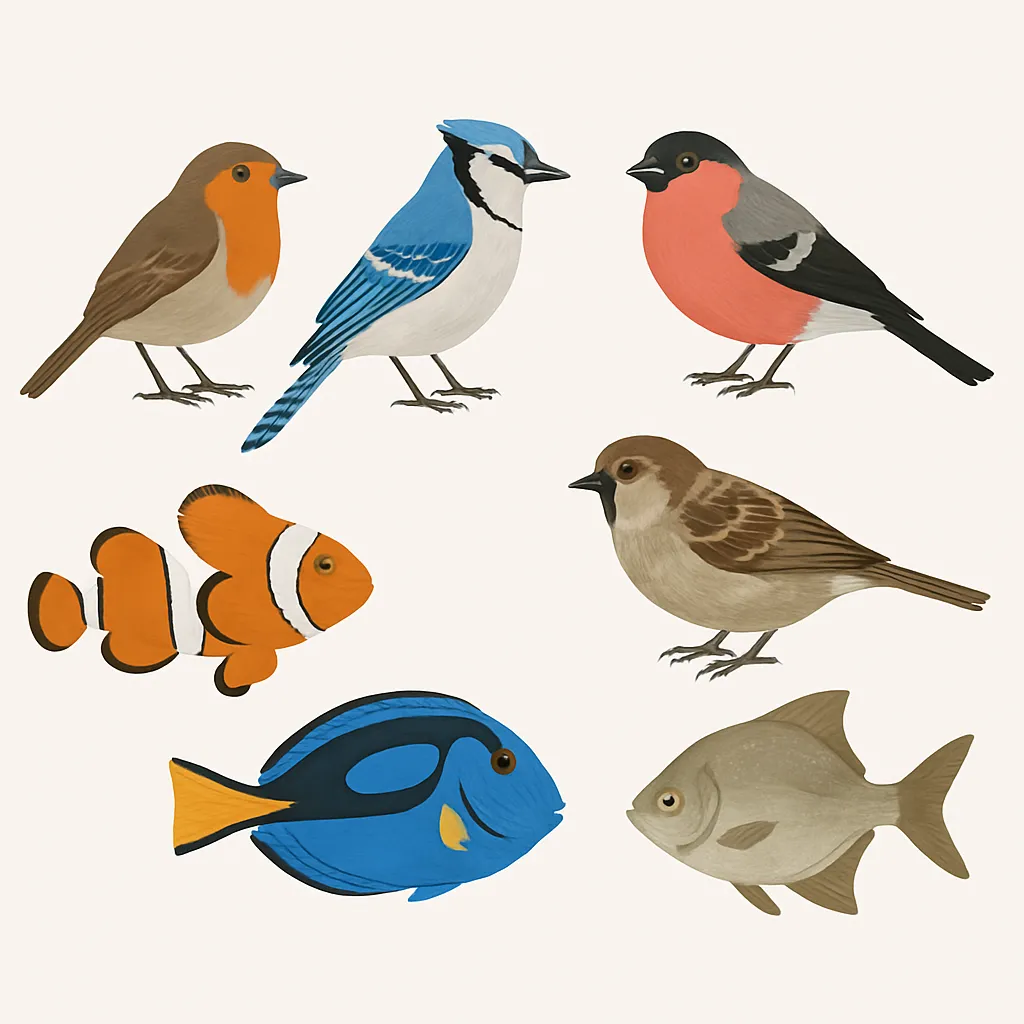
Group A has whale, bat, and cat. Group B has lizard, turtle, and snake. What sorting rule was used?
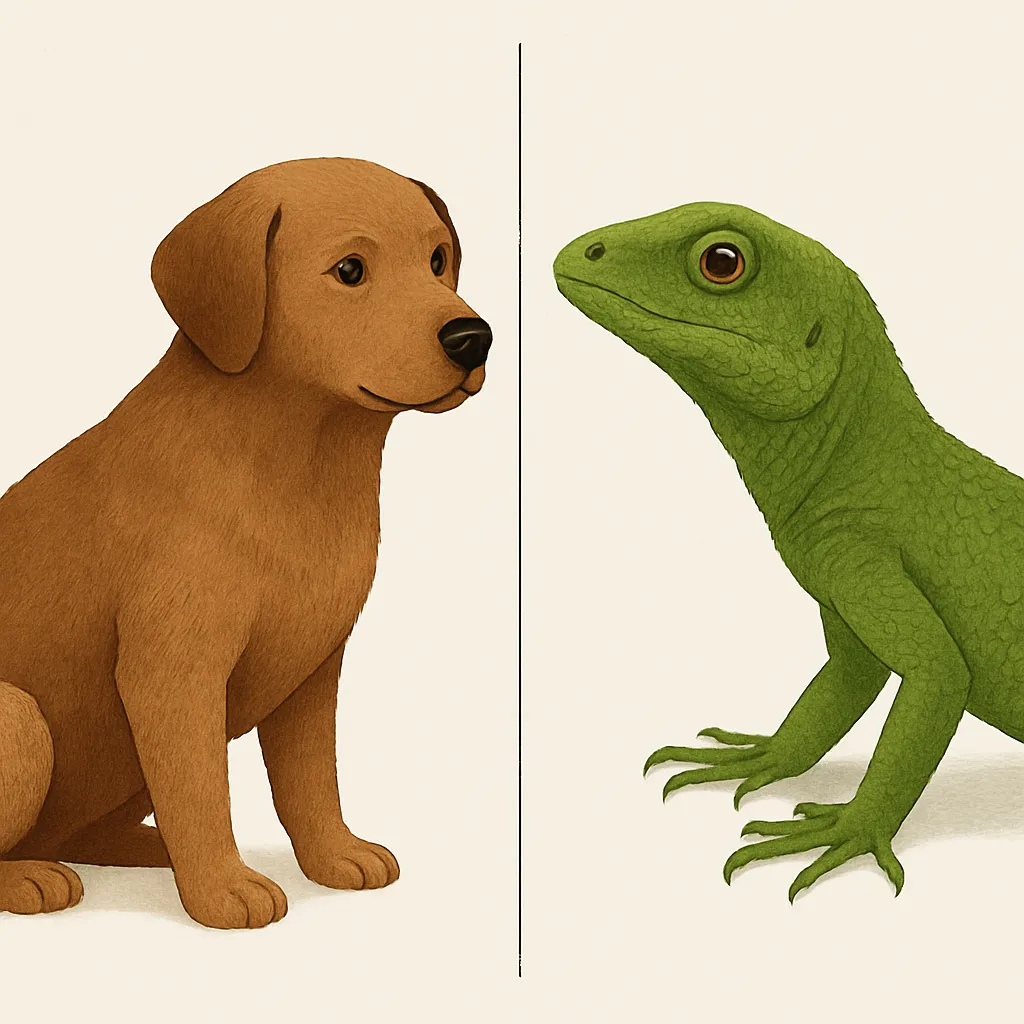
Group A has ant, bee, and butterfly. Group B has spider, snail, and earthworm. What sorting rule was used?
Group A has frog, toad, and salamander. Group B has lizard, turtle, and snake. What sorting rule was used?
Group A has dog, horse, and trout. Group B has worm, jellyfish, and snail. What sorting rule was used?
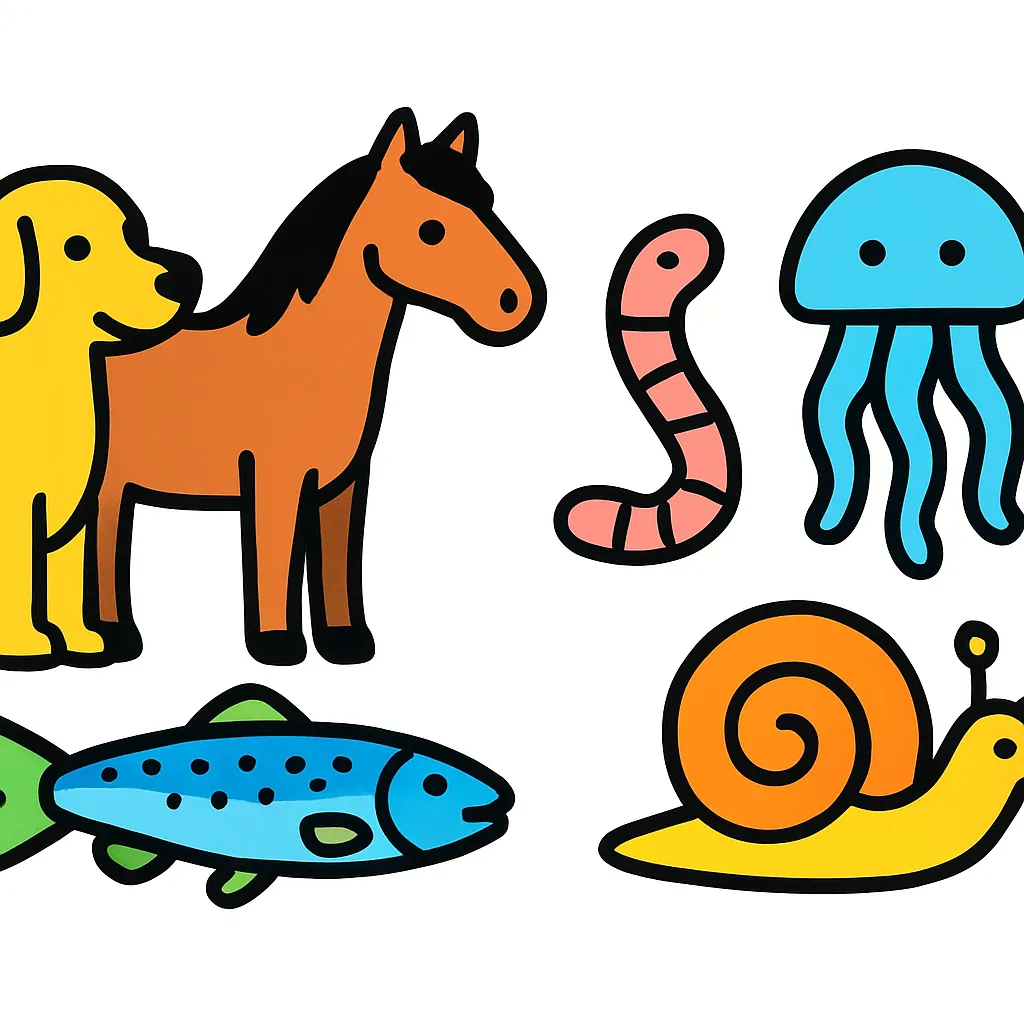
Group A has duck, penguin, and ostrich. Group B has bat, butterfly, and flying fish. What sorting rule was used?
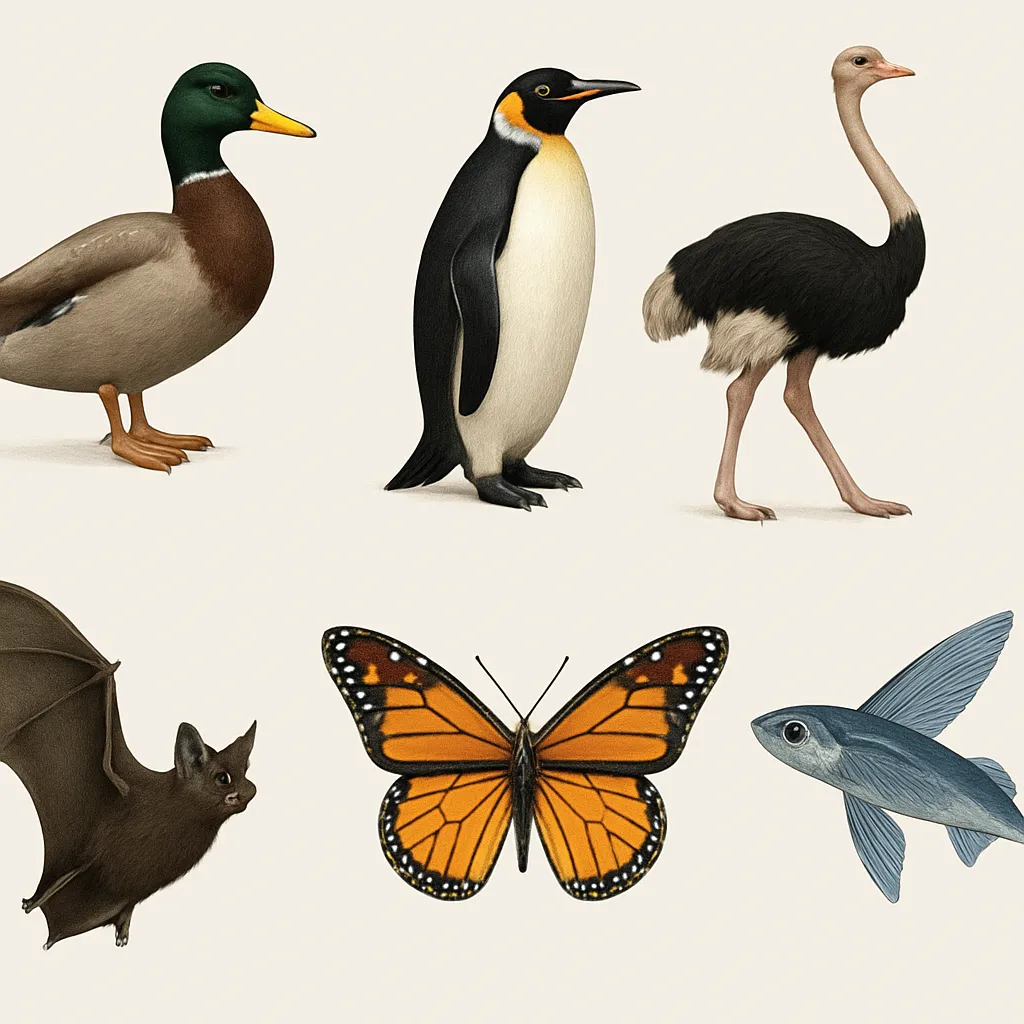
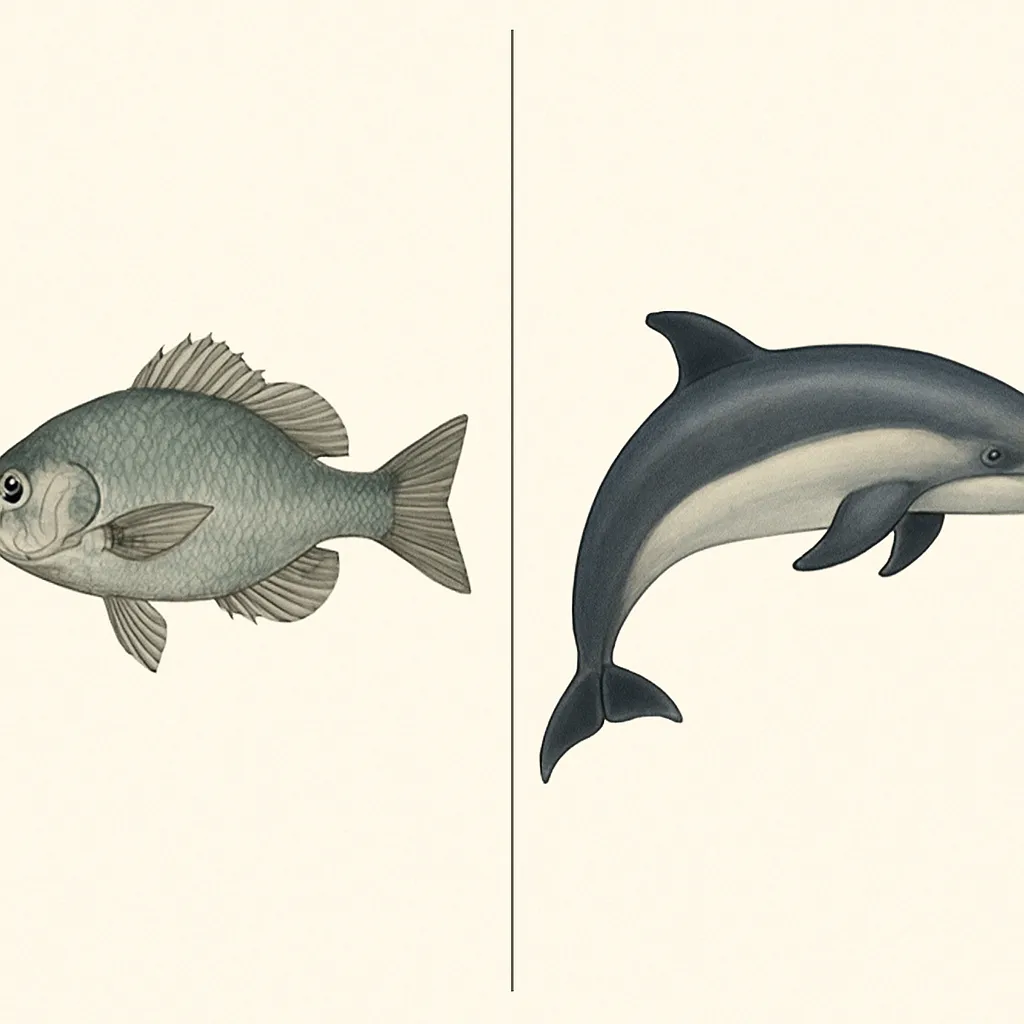
Group A has shark, trout, and goldfish. Group B has whale, dolphin, and seal. What sorting rule was used?
Group A has oak tree, sunflower, and fern. Group B has rabbit, turtle, and ant. What sorting rule was used?
Crack the passcode before the zombies get in.
Answer, then swat bugs for bonus points.
Race through questions at your own speed.
Same question on every screen. Fastest wins.

Pick a tile, answer, hit bonuses and steals.
Adaptations: Built for Where You Live
40 questions