Loading
by BlastRoom
Quindlen's essay on a nation that should not work: the claim, the evidence, and the metaphor holding it together.
#literature
20 questions
One question set, multiple game modes. Tap any game to see it in action. Not sure which to pick?
Answer to place stones and capture territory.
Outrun the snow together.
Earn blasts, then hunt the other team.
Answer to earn energy, then climb.

The class blasts through walls together.
Bid on mystery lots. Most money wins.
Sell tours. Nice, standard, or a total scam.

Answer, restock, and serve the rush.
More correct answers pulls the rope your way.
Answer, then shoot down the alien wave.
Answer, then tap to leap the frozen ridge.
Quindlen opens by calling America "a mongrel nation built of ever-changing disparate parts." By her claim, what holds the country together?
The first sentence adds that all men are created equal "though everyone knows that most men consider themselves better than someone." What does that clause do to the claim?
Quindlen presents the ideal of many becoming one as an accurate description of how the United States has actually behaved through its history.
Which statement best states the central claim of "A Quilt of a Country"?
Quindlen notes that other countries with divisions like America's have split into new nations with new names, while this one has not. What does the contrast assert?
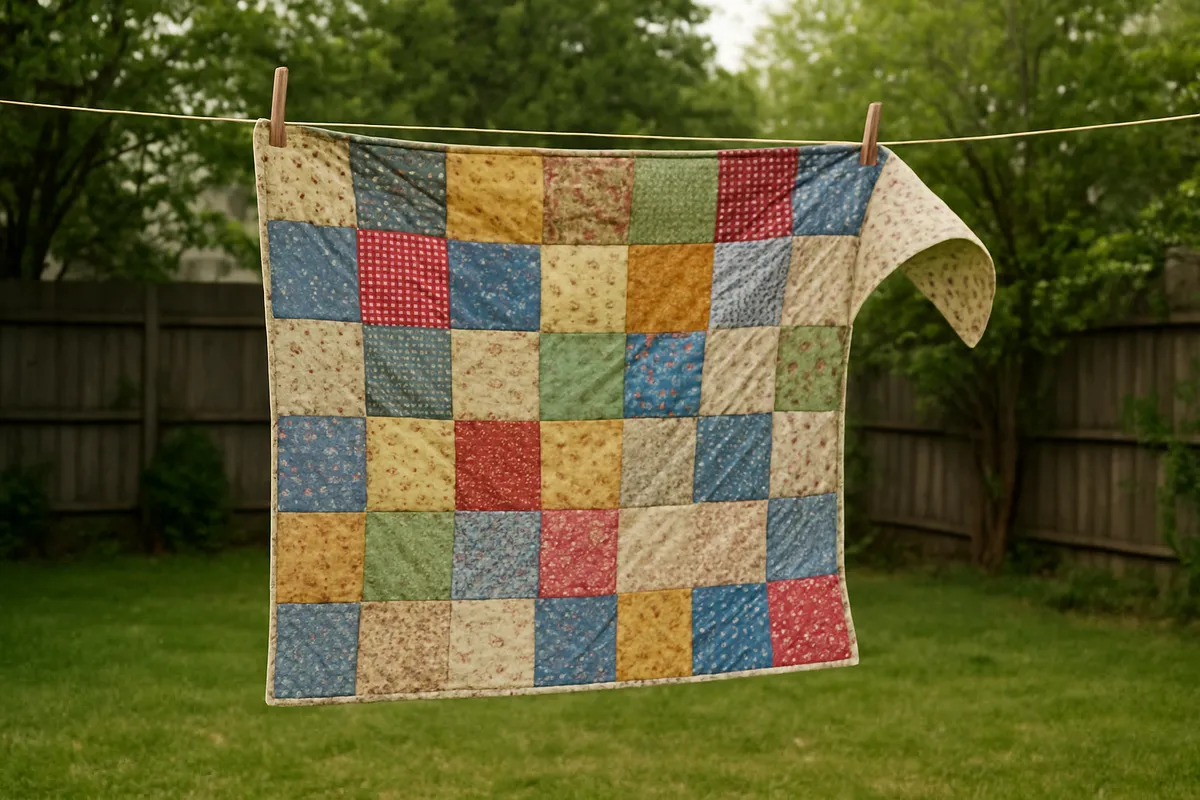
The title compares the country to a quilt. Which part of the comparison carries her argument?
In "A Quilt of a Country" the quilts Quindlen points to are crazy quilts, whose pieces are deliberately unmatched.
Quindlen pairs the quilt with the historian Daniel Boorstin's line that the United States "was built in nobody's image." How does the quilt fit that line?
How does the quilt image restate the motto "out of many, one"?
Which detail from the essay most directly extends the quilt image of the title?
Quindlen asks, "What is the point of a nation in which Arab cabbies chauffeur Jewish passengers through the streets of New York"? What is that question doing in her argument?
After naming the ideal of many becoming one, Quindlen lists slavery, sweatshops, burning crosses and lynchings. What does that list do for her argument?
Historians in the essay say that clinging to ethnicity has undermined American unity. How does Quindlen answer them?
The essay ends by coming back to the mongrel nation and the improbable idea it opened with. What does the return accomplish?
Quindlen reports that in 1994 most people surveyed by the National Opinion Research Center agreed the U.S. stands for something special in the world. Why reach back to 1994 for evidence?
Quindlen tries out the words tolerance and pride before settling on patriotism. What does working through the words do for her argument?
Quindlen writes that "The New York of my children is no more Balkanized, probably less so, than the Philadelphia of my father". What does the comparison support?
Quindlen quotes a former immigration official's account of neighborhood Ma-Pa stores now run by Korean, Vietnamese, Iraqi, Jordanian and Latin American families. What does the example support?
Which statement is NOT true of "A Quilt of a Country"?
Which statement is NOT true of "A Quilt of a Country"?
Crack the passcode before the zombies get in.
Answer, then swat bugs for bonus points.
Race through questions at your own speed.
Same question on every screen. Fastest wins.

Pick a tile, answer, hit bonuses and steals.

Of Mice and Men: Characters and Plot
25 questions