Loading
by BlastRoom
Explore Earth's surface, crust types, tectonic plates, and the processes that shape plate boundaries.
#plate_tectonics#matatag_science_8
20 questions
One question set, multiple game modes. Tap any game to see it in action. Not sure which to pick?
Which estimate best describes the distribution of water and land on Earth's surface?
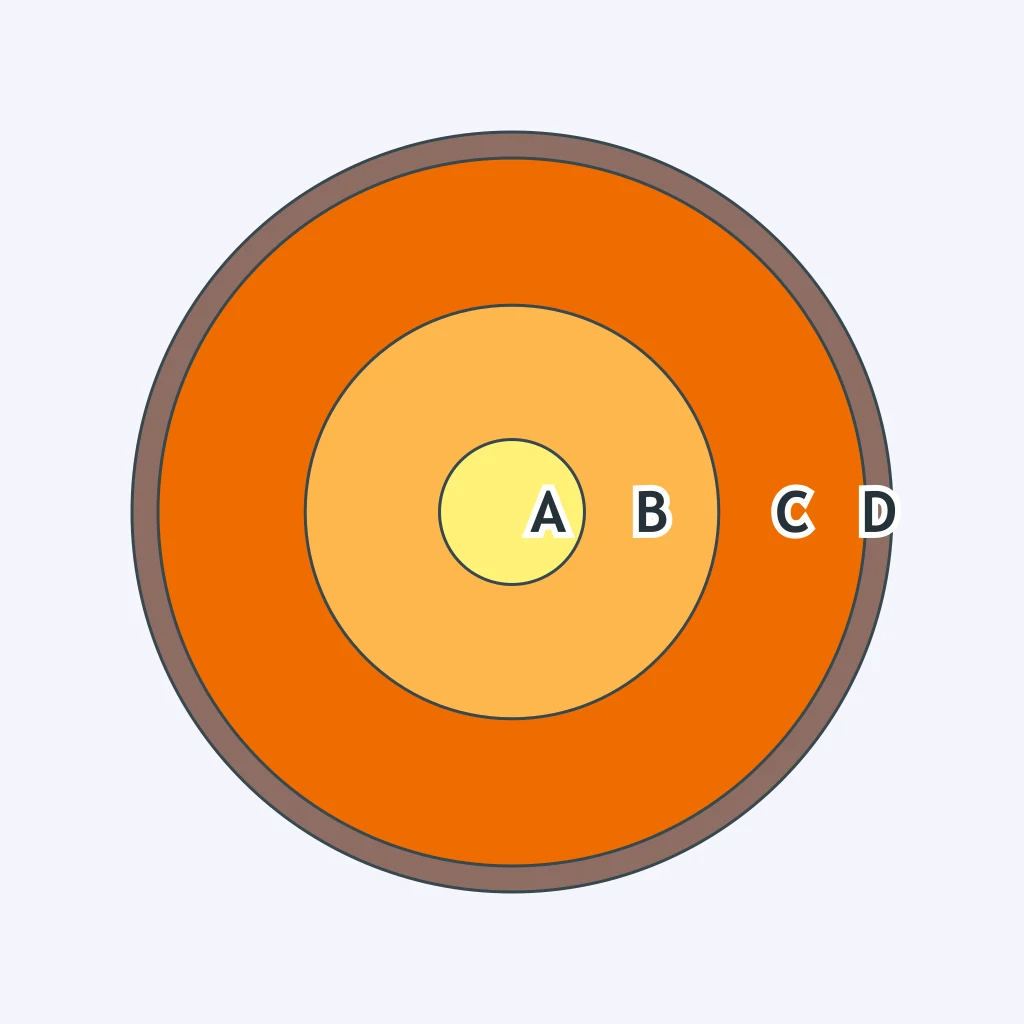
What is layer D called in this model of Earth?
Which activity obtains useful materials directly from Earth's outer rocky layer?
Which silica-rich rock is commonly found in continental crust?
Which rock forms much of the upper oceanic crust beneath seafloor sediments?
How does continental crust generally compare in thickness with oceanic crust?
Compared with the material beneath ocean basins, how dense is the material making up continents, on average?
Which layers make up a tectonic plate?
Which statement about a single tectonic plate is accurate?
Which region immediately beneath the rigid outer shell can deform slowly, allowing the plates above it to move?
Name the large plate labeled A on this map.
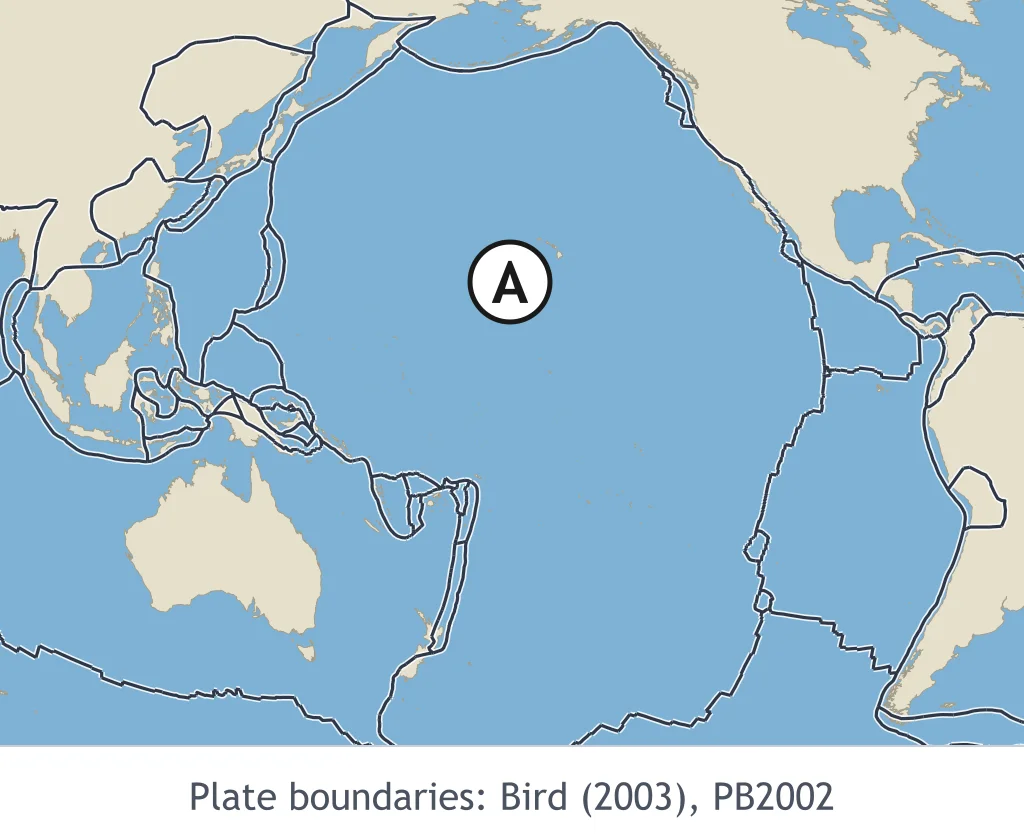
On this regional map, B identifies which plate?
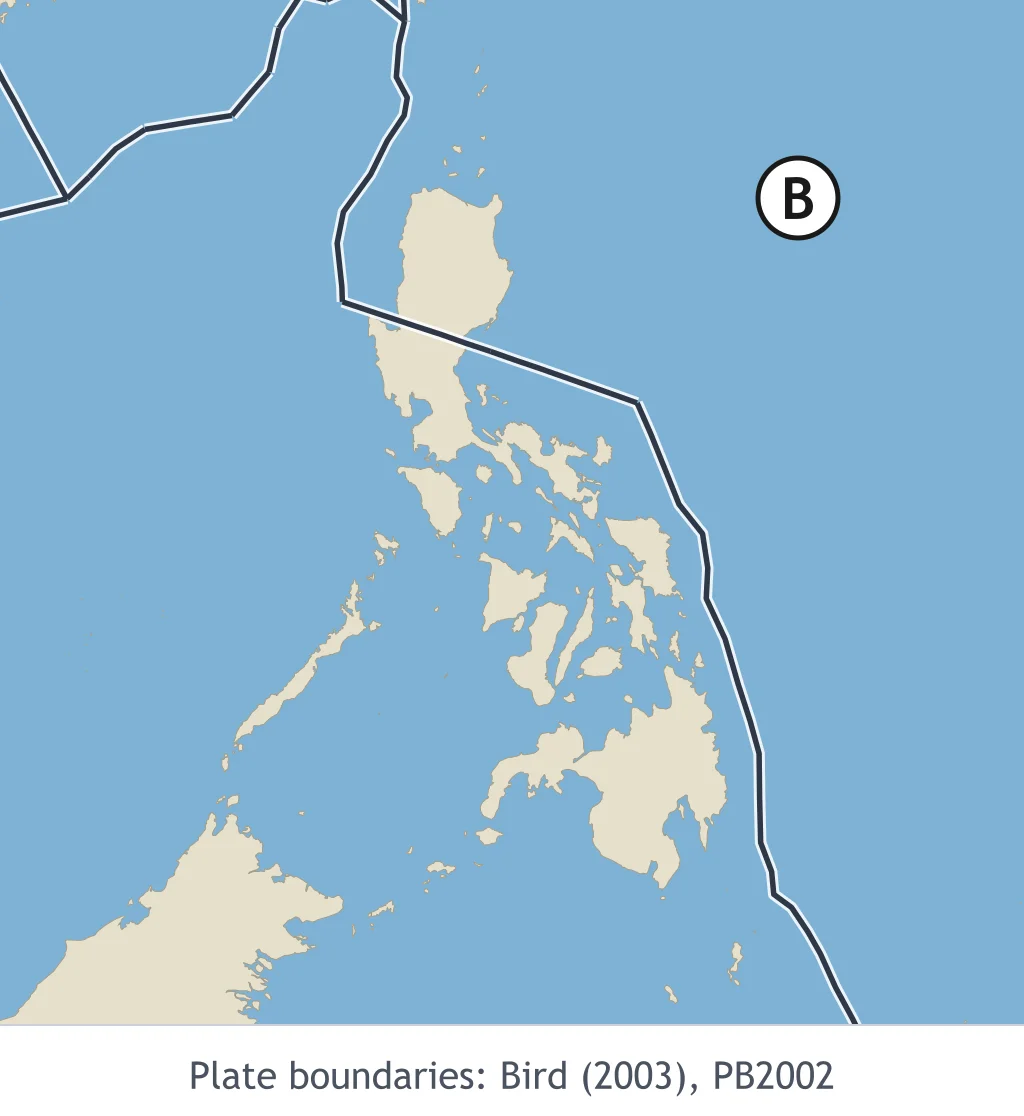
Which boundary type is modeled in this diagram?
When one seafloor plate sinks beneath another, what feature can develop on the upper plate?
Over millions of years, two regions of continental crust collide. What feature can grow along their meeting zone?
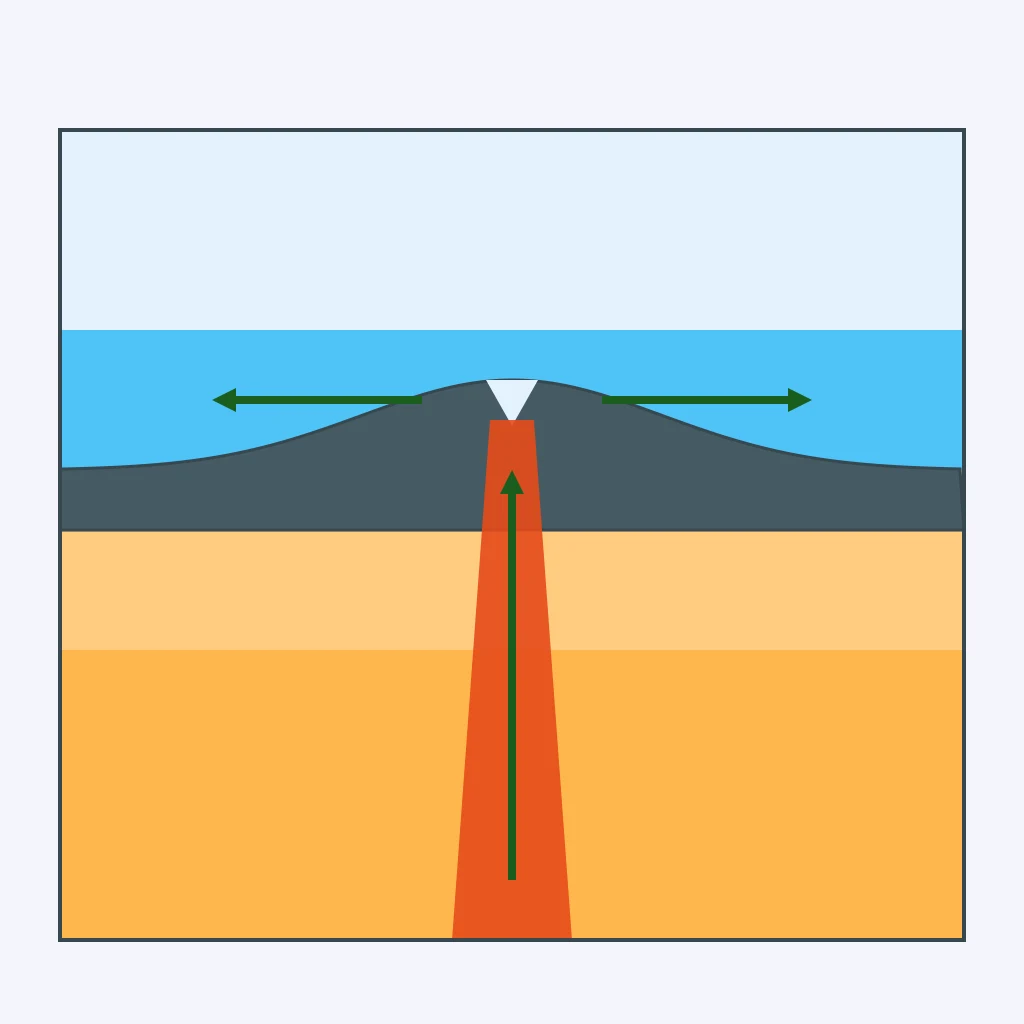
What type of plate boundary does this model show?
Where is new seafloor rock usually formed?
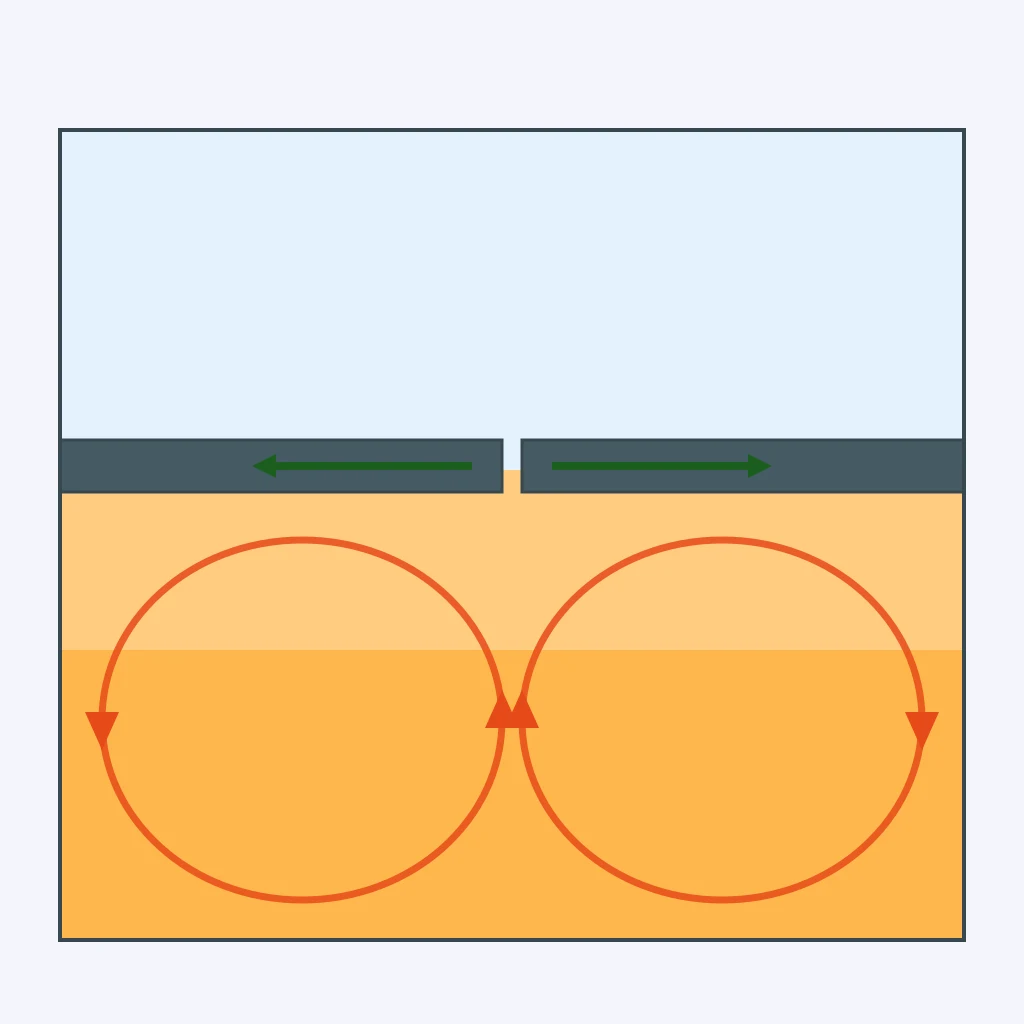
What circulation pattern do the arrows in this mantle model represent?
A world map shows many earthquakes and volcanoes arranged in narrow belts. What do these belts usually trace?
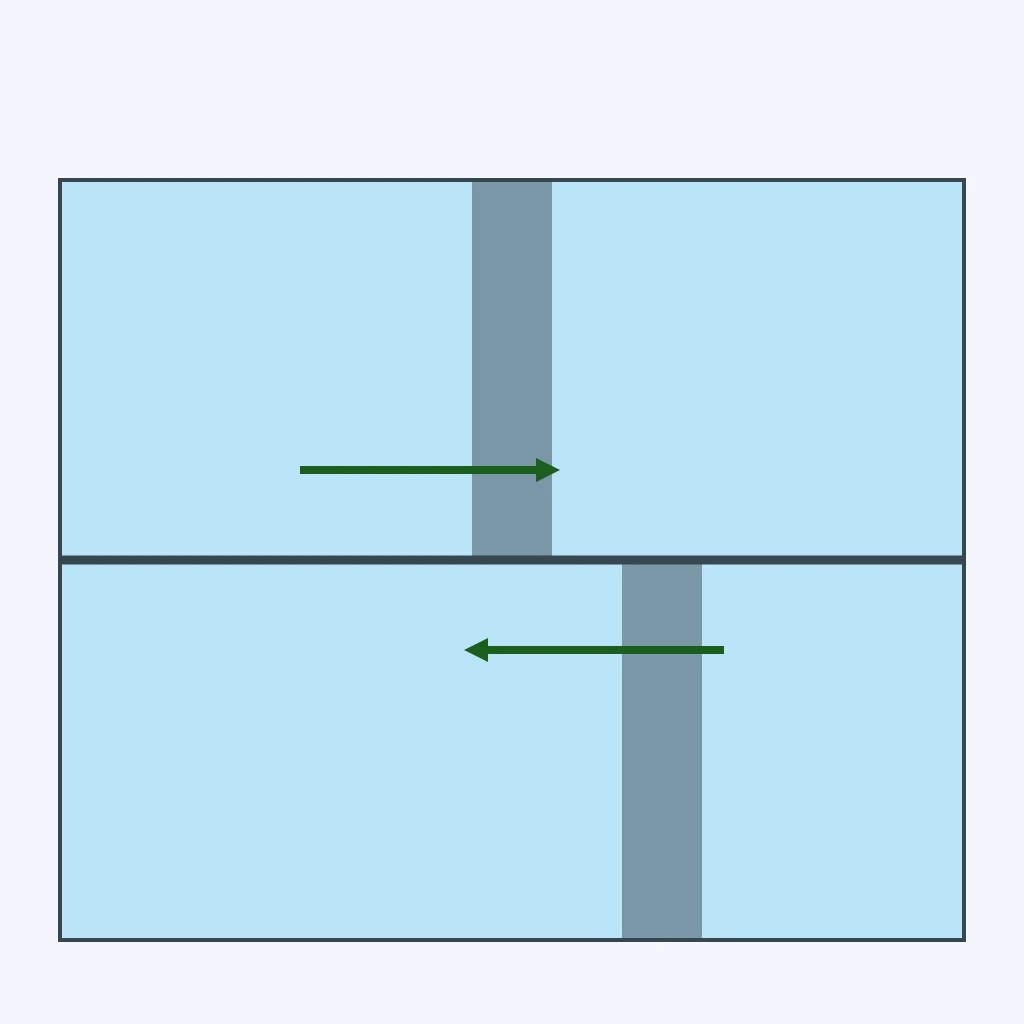
Mika presses two rough blocks together and slides them sideways. Their motion becomes jerky. Which geological process does this model best represent?
Crack the passcode before the zombies get in.

Pick a tile, answer, hit bonuses and steals.
Term 2 Summative Review 2
40 questions